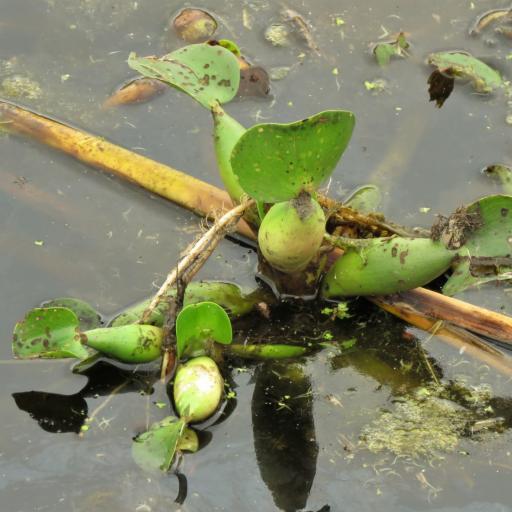
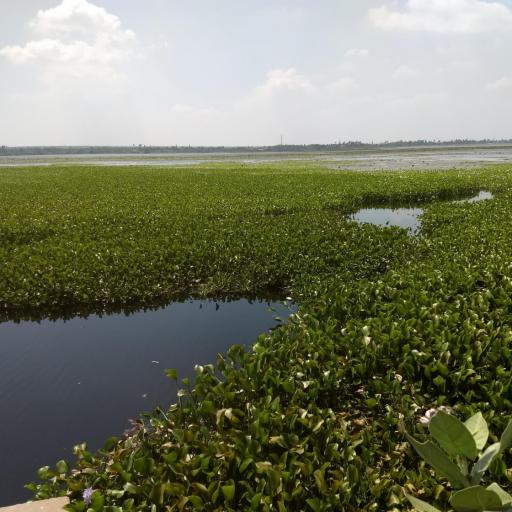
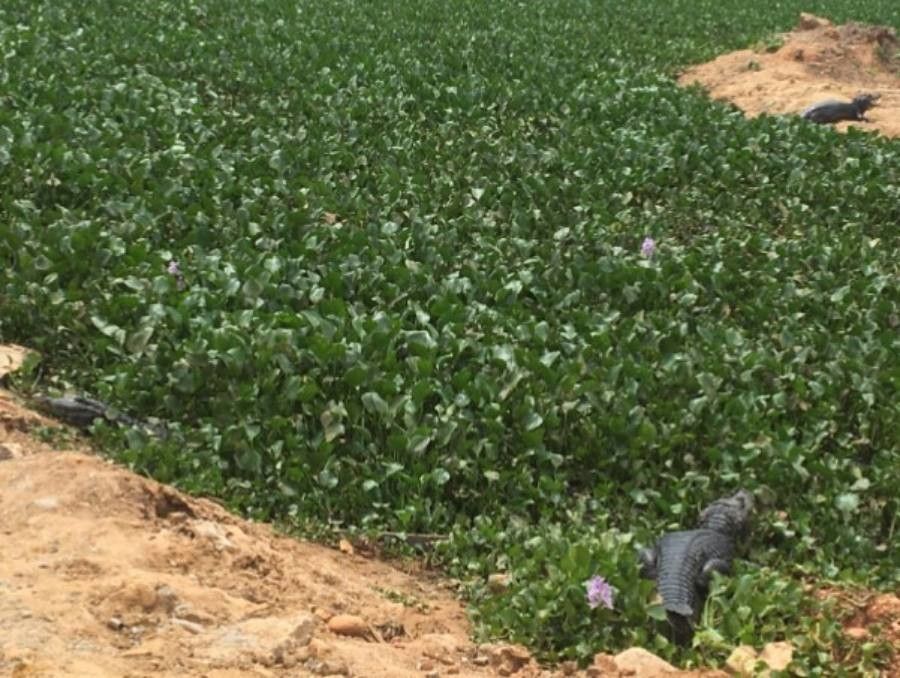
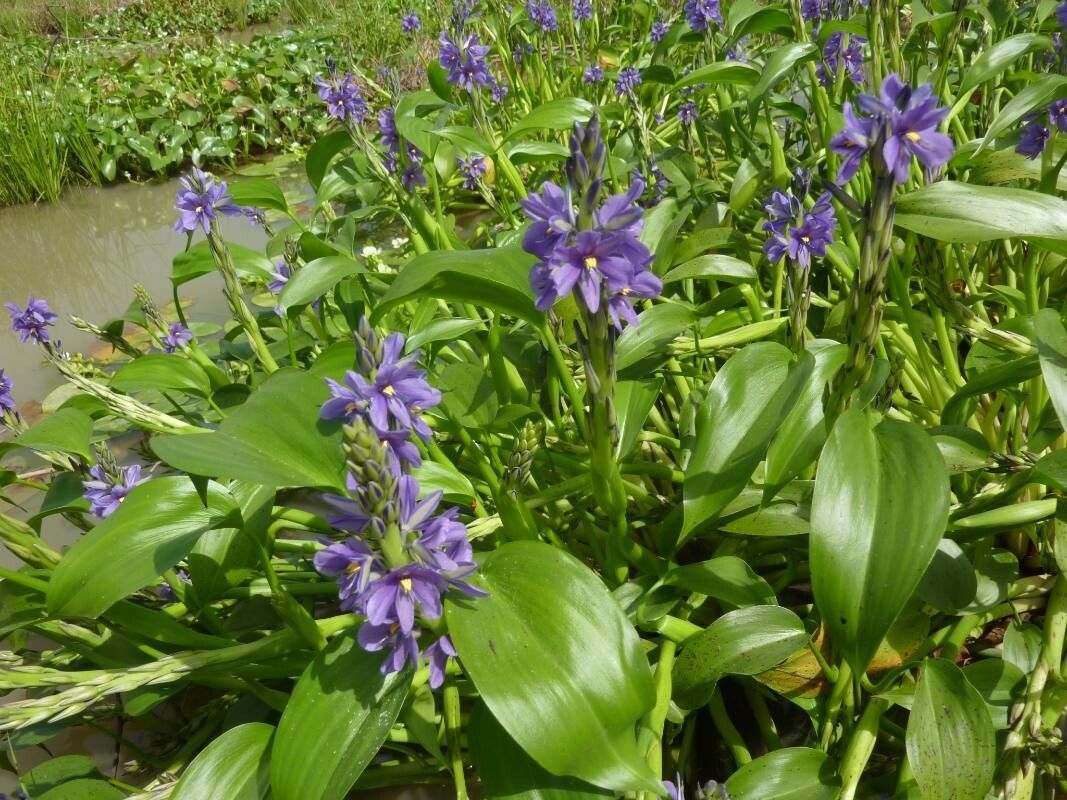
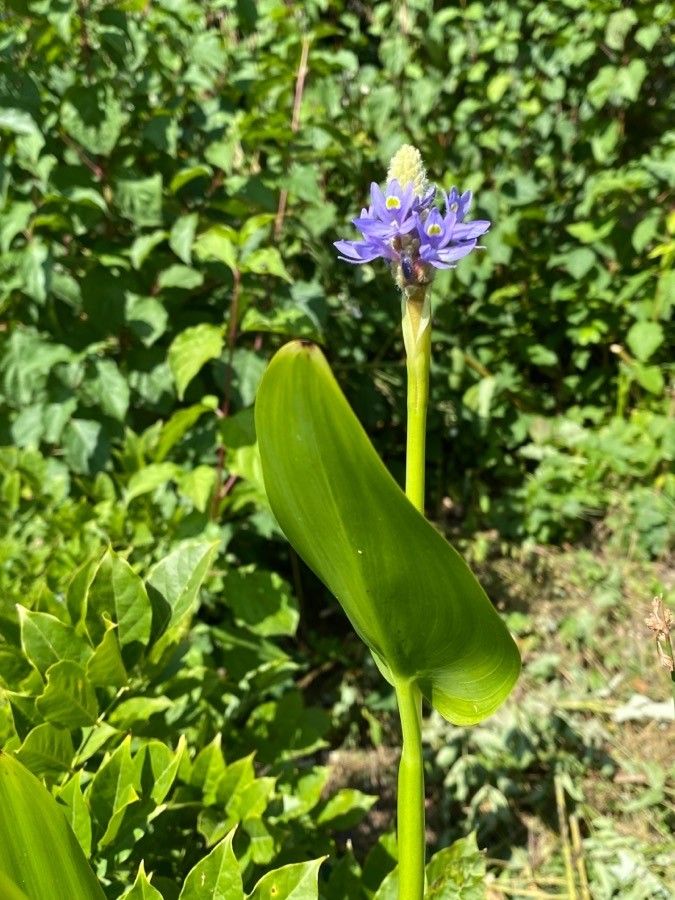
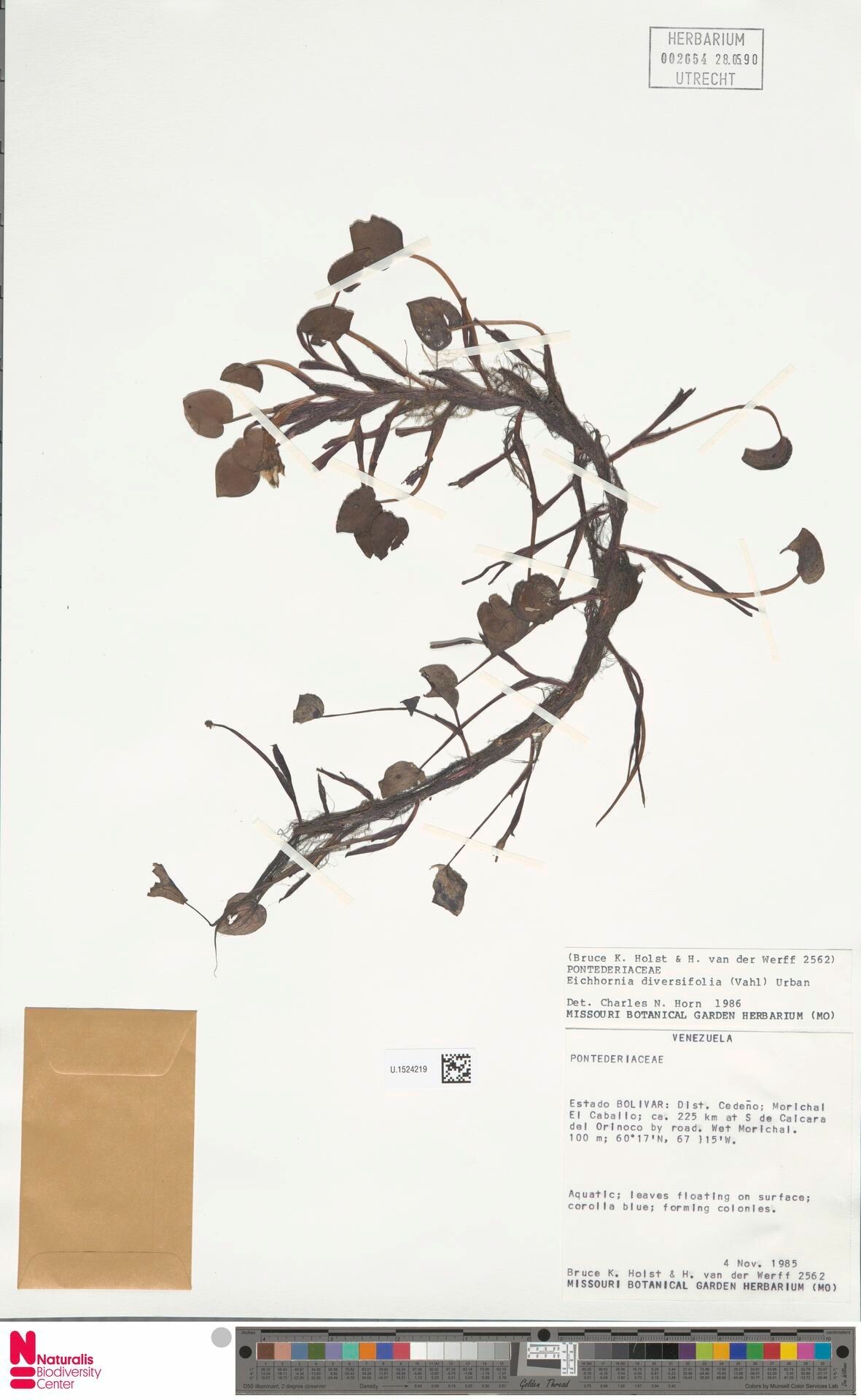
Pontederia crassipes, commonly known as common water hyacinth, is an aquatic plant native to the Amazon basin, and is often a highly problematic invasive species outside its native range. It is the sole species of Pontederia subg. Oshunae.
Water hyacinth is fairly disease-resistant and typically not prone to illness. Nonetheless, it may develop leaf spots if light and airflow are poor and it is overwatered. Its care level is considered easy, as it mainly needs routine watering and little else. Water hyacinth is suitable for people who do not have the time or energy to provide regular care.
How to keep Pontederia Crassipes.
Light
Water hyacinth does best with abundant sunlight, though it can tolerate dimmer conditions. This characteristic reflects its natural environment, where the plant grows beneath open skies. Very strong sunlight can speed up its growth and promote invasive behavior, while lower light levels may slow its development.
Humidity
This plant needs special care because it loves high humidity levels of 60-80% or more. The best way to achieve this is by placing a humidifier near the plant. Daily misting is also essential! Make sure the room has good ventilation.
Temperature
Water hyacinth originates from tropical and subtropical areas, where temperatures range from 20 ℃ to 41 ℃ (68 ℉ to 106 ℉). It thrives in warm water and prefers temperatures of 25 ℃ to 30 ℃ (77 ℉ to 86 ℉). In cooler regions, maintaining the water temperature above 20 ℃ (68 ℉) can aid its growth.
Botanical profile.
- Plant Type
- Herb
- Life Cycle
- Perennial, Annual
- Genus
- Pontederia
- Family
- Pontederiaceae
- Hardiness Zone
- 9-13
- Mature Height
- 15 cm to 23 cm
- Mature Spread
- 2.13 m
- Leaf Color
- Green
- Leaf Type
- Evergreen, Semi-evergreen
- Flower Color
- Lavender
- Flower Size
- 3.56 cm to 5.08 cm
- Bloom Time
- Late spring, Early summer, Mid summer
- Planting Time
- Spring
- Harvest Time
- Summer
- Native Area
- Brazil
Other names.