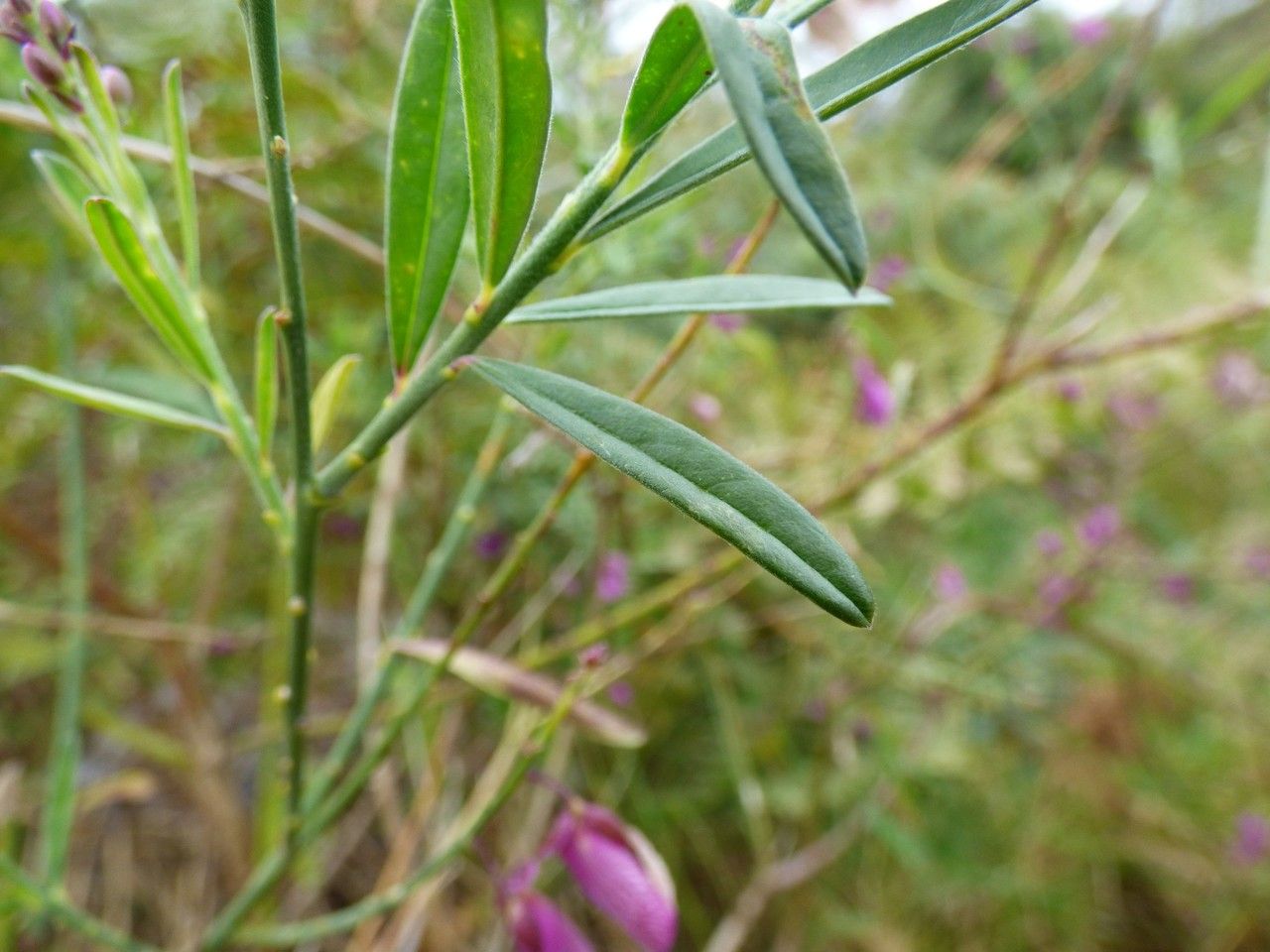
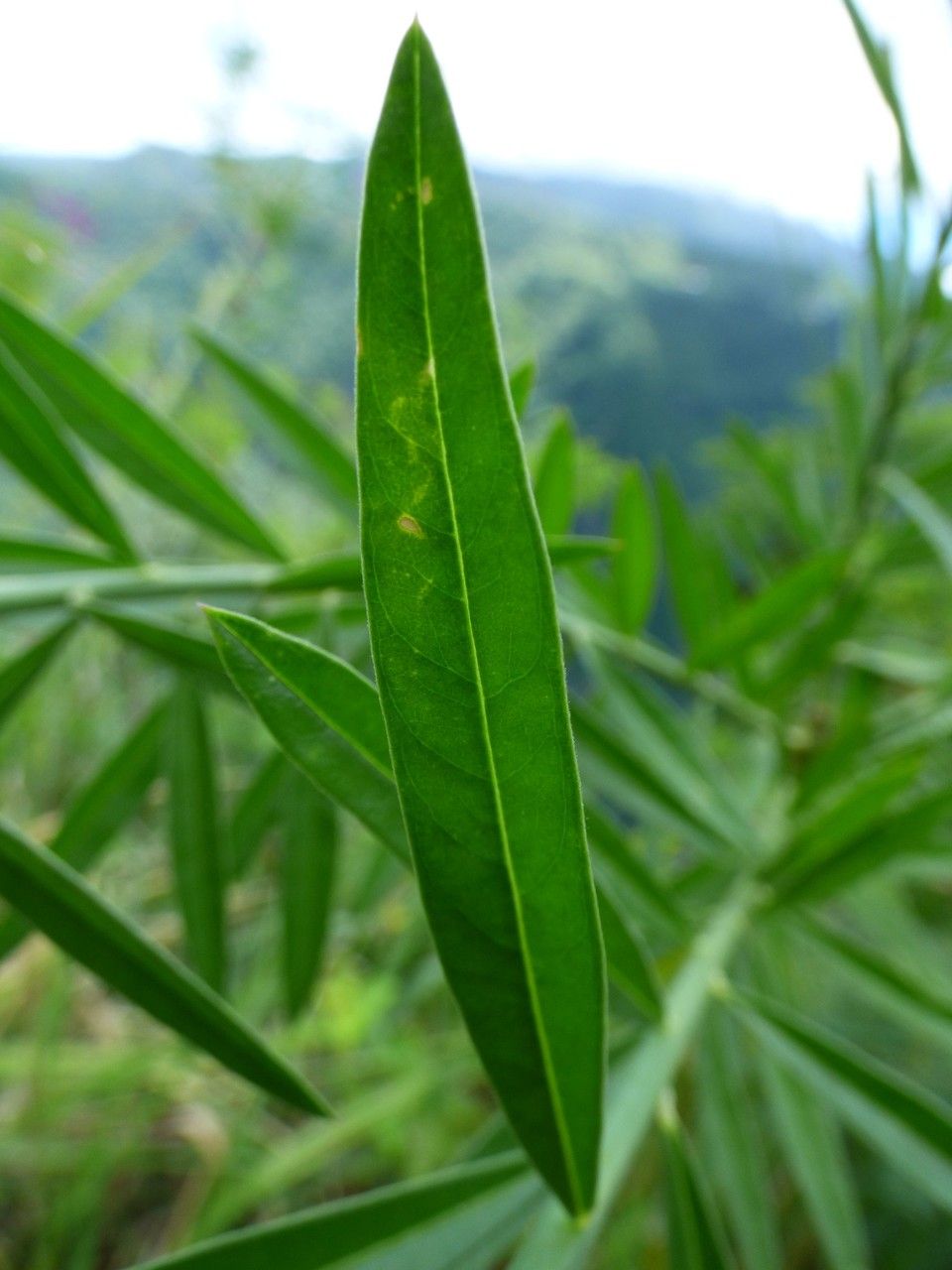
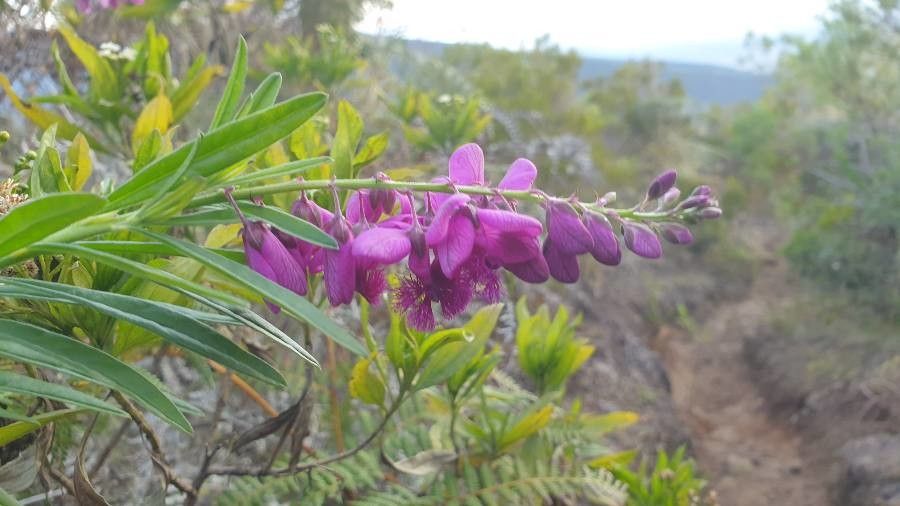
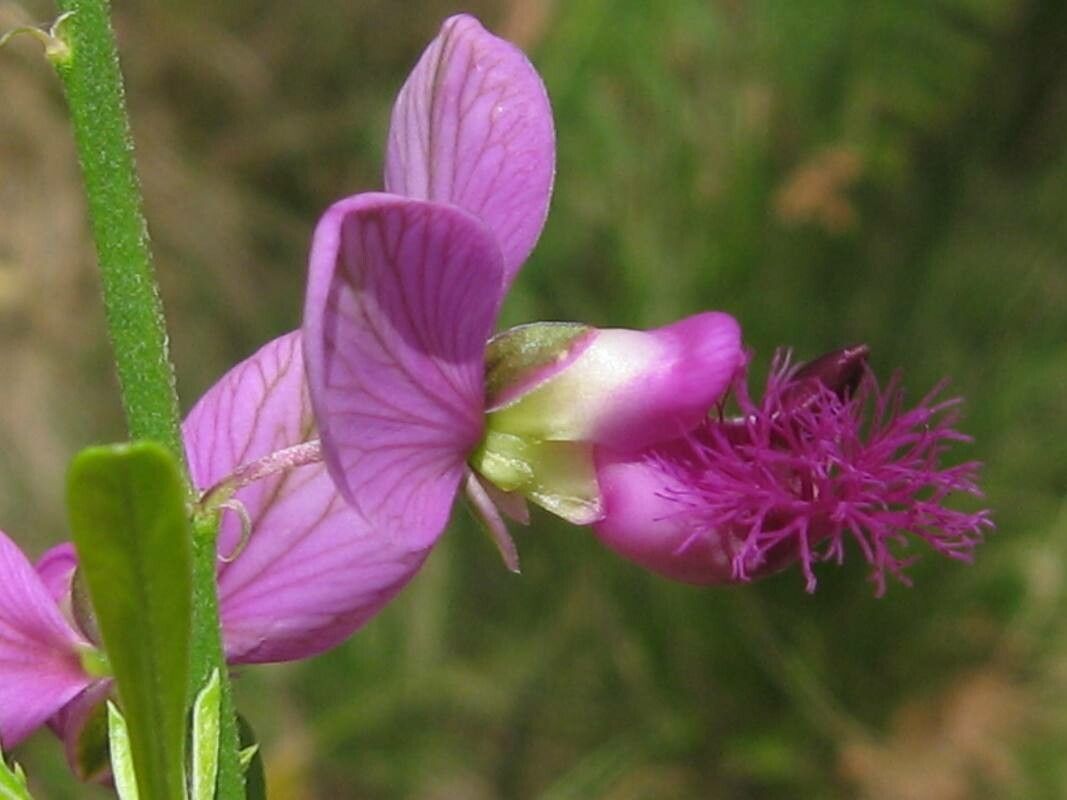
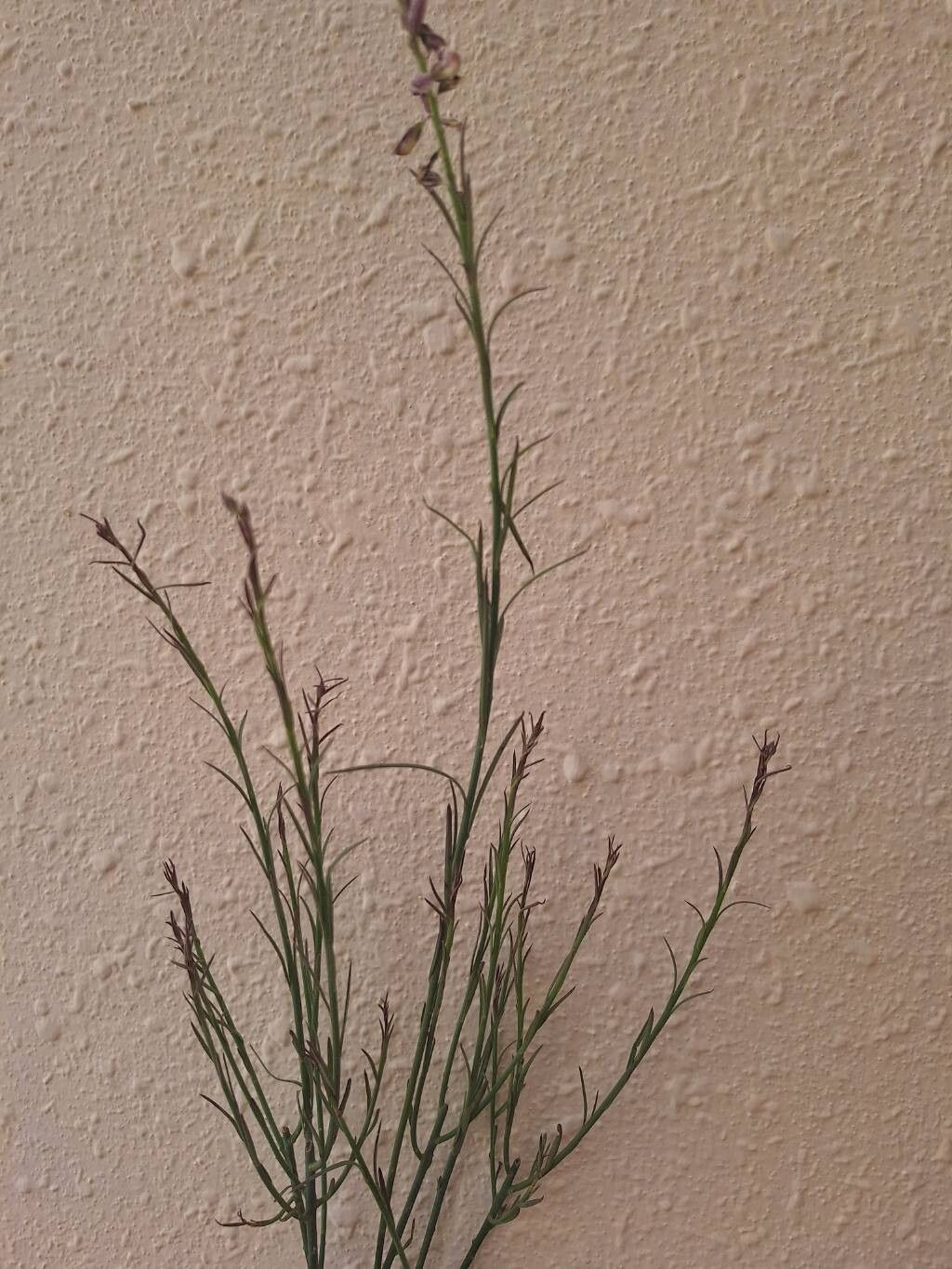
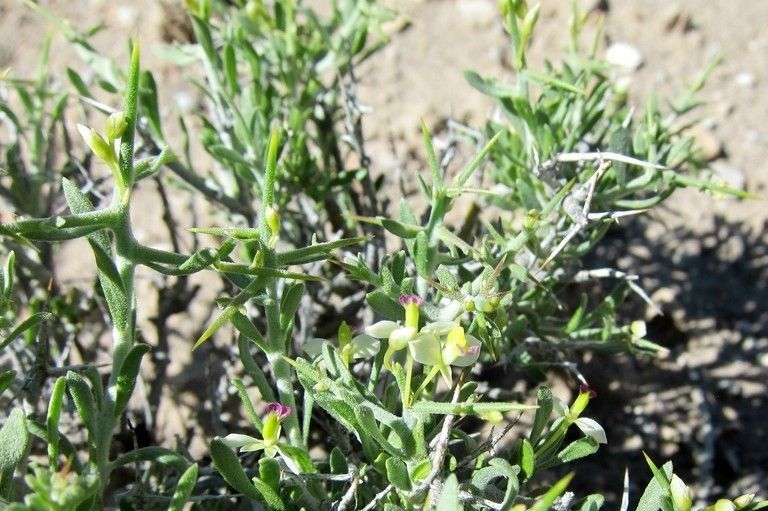
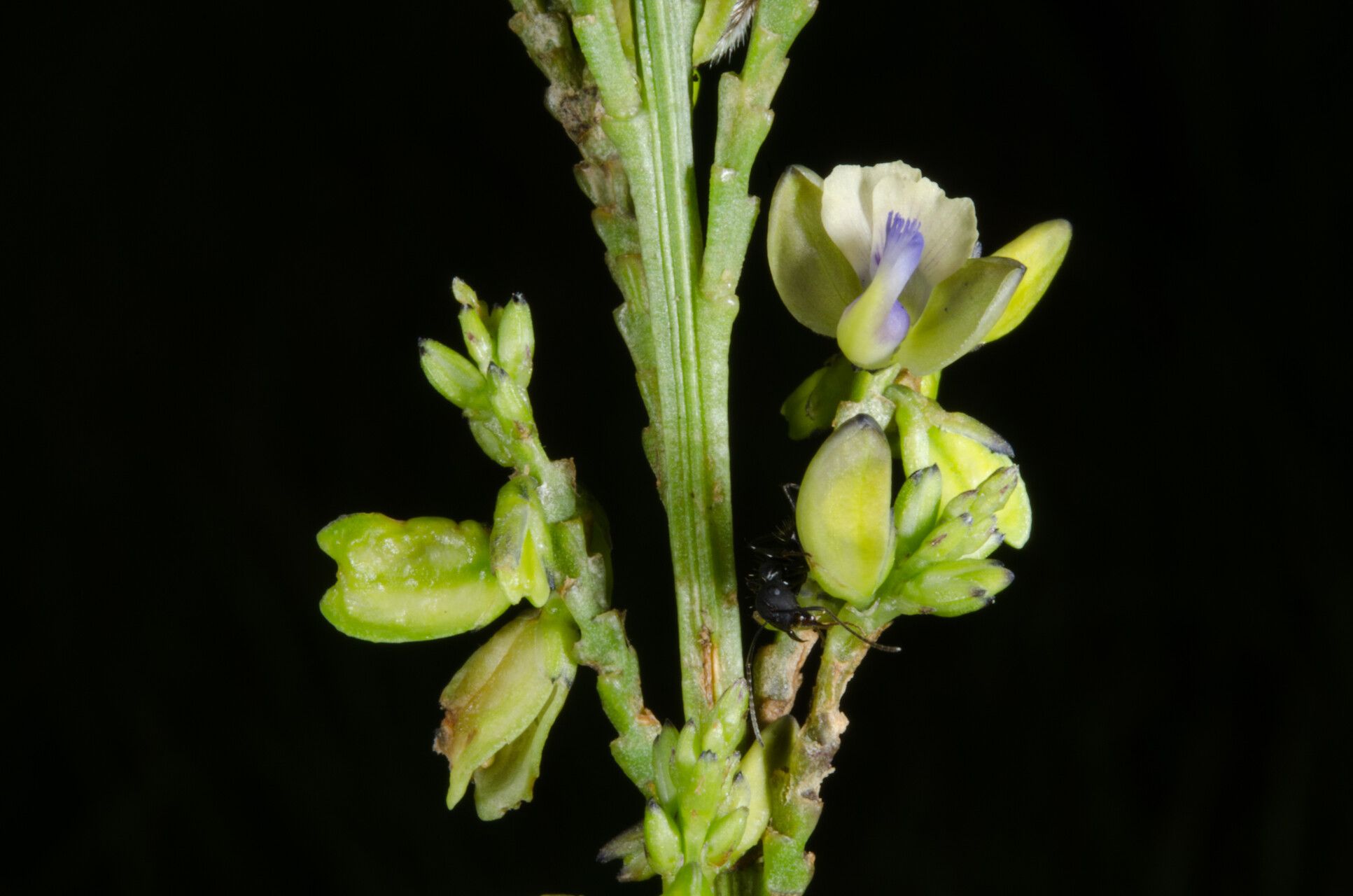
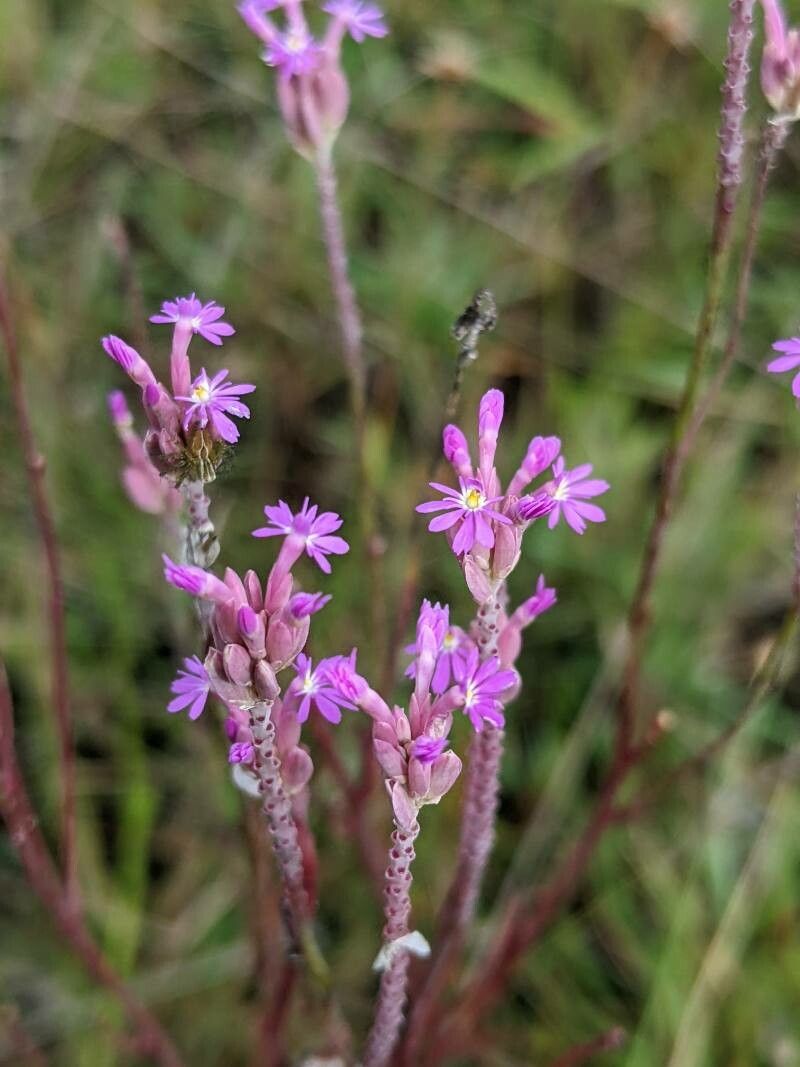
Polygala virgata is a species of flowering plant in the milkwort family (Polygalaceae). It is native to South Africa and Botswana.
Purple broom is fairly resistant to diseases and typically does not suffer from them. That said, it can be affected by pests and illnesses present in its environment. Such outbreaks tend to be mild. Regarding upkeep, this plant needs a moderate level of care. It should be pruned on a regular basis to preserve an attractive appearance and encourage healthy growth. Applying fertilizer can also encourage more blooms. Purple broom is a good choice for anyone who has outdoor space, like a garden or patio, and it does not demand extensive gardening experience. It can, however, need additional attention if kept indoors.
How to keep Polygala Virgata.
Light
Although the purple broom flourishes when exposed to sunlight all day, it can also persist in places that receive sun for only half the day. Native to environments with consistent sun exposure, purple broom requires ample light for healthy growth. Both excessive and insufficient light will hamper its development.
Water
Purple broom, native to areas with distinct wet and dry seasons, thrives best in moderate humidity and needs regular weekly watering to stay properly hydrated. It grows well outdoors, drawing advantage from natural rain patterns, but it is important to ensure that the soil drains effectively to prevent root rot during periods of heavy rain.
Temperature
Purple broom originates from habitats with temperatures between 59 and 95°F (15 and 35°C). It does best when temperatures stay within that range. Because of this preference, temperature adjustments might be necessary during extreme seasonal changes to ensure its healthy growth.
Fertilizer
The best time to fertilize a Purple broom is in early spring, as it emerges from dormancy and starts active growth. Fertilization supplies essential nutrients for healthy development. Although Purple broom has relatively low fertilizer requirements, an annual application can improve its survival and encourage better, longer-lasting flowers.
Pruning
The purple broom is a fast-growing shrub known for its stunning purple flowers. To keep it healthy and looking its best, it's important to prune it from early to late spring, right after it finishes flowering. Focus on removing dead branches and thinning out overcrowded stems to improve air circulation. This not only encourages robust growth and enhances the plant's beauty but also helps prevent disease and promotes vibrant blooms.
Pot & Repot
To promote growth, repot your purple broom every 2 to 3 years in the spring. Use a larger container with well-draining soil. Regular watering is essential as the purple broom establishes its roots, resulting in lush purple blooms and robust health with each repotting.
Botanical profile.
- Plant Type
- Herb, Shrub
- Life Cycle
- Perennial
- Genus
- Polygala
- Family
- Polygalaceae
- Hardiness Zone
- 8-10
- Mature Height
- 2.13 m
- Mature Spread
- 91 cm
- Leaf Color
- Green
- Leaf Type
- Semi-evergreen
- Flower Color
- Purple, Pink
- Flower Size
- 1.27 cm
- Bloom Time
- Mid spring, Late spring, Early summer
- Planting Time
- Spring, Summer, Autumn, Winter
- Harvest Time
- Summer
- Native Area
- Malawi, Lesotho, Mozambique, South Africa, Zambia, Eswatini, Namibia, Congo (DRC), Tanzania, Zimbabwe
Other names.