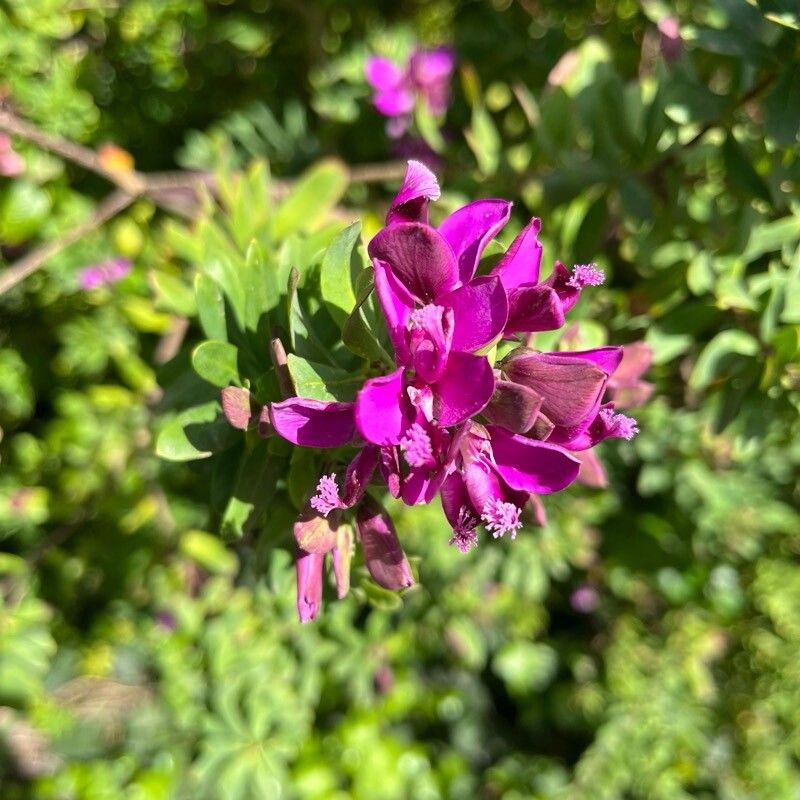
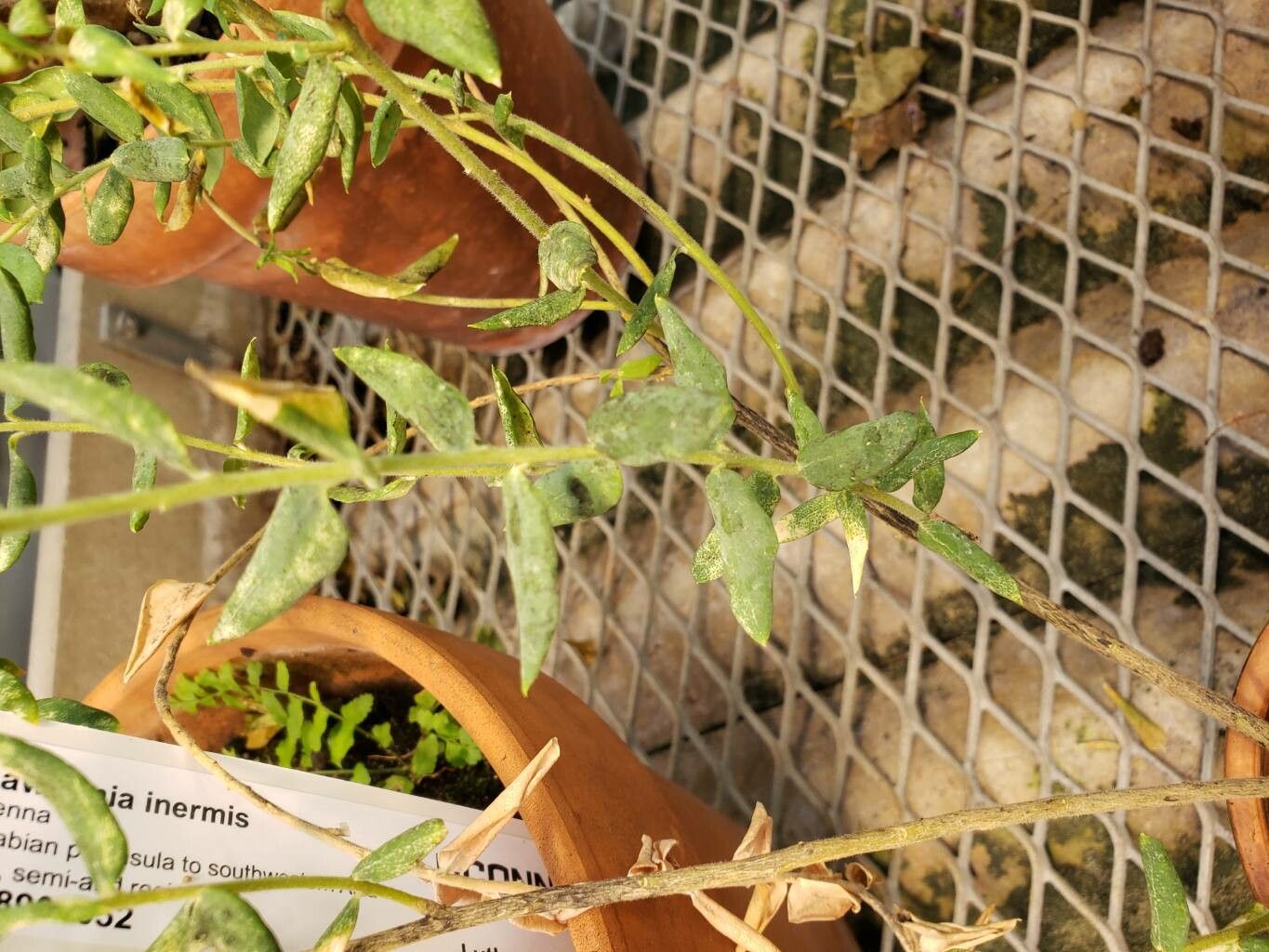
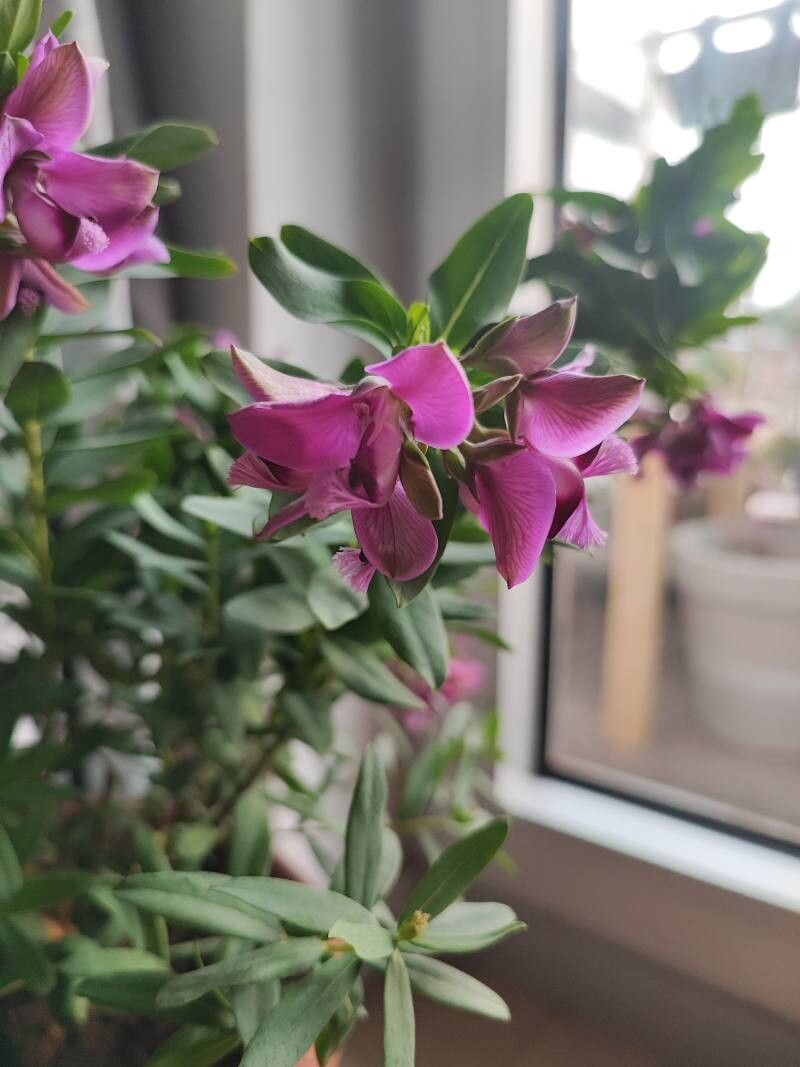
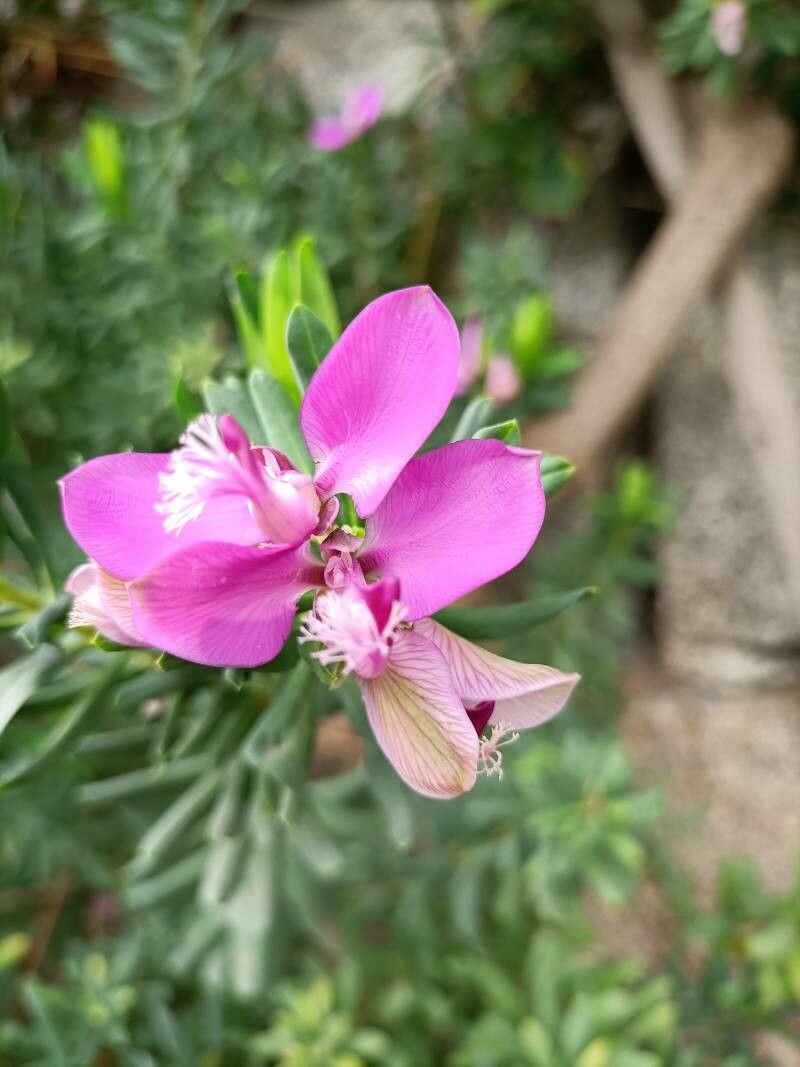
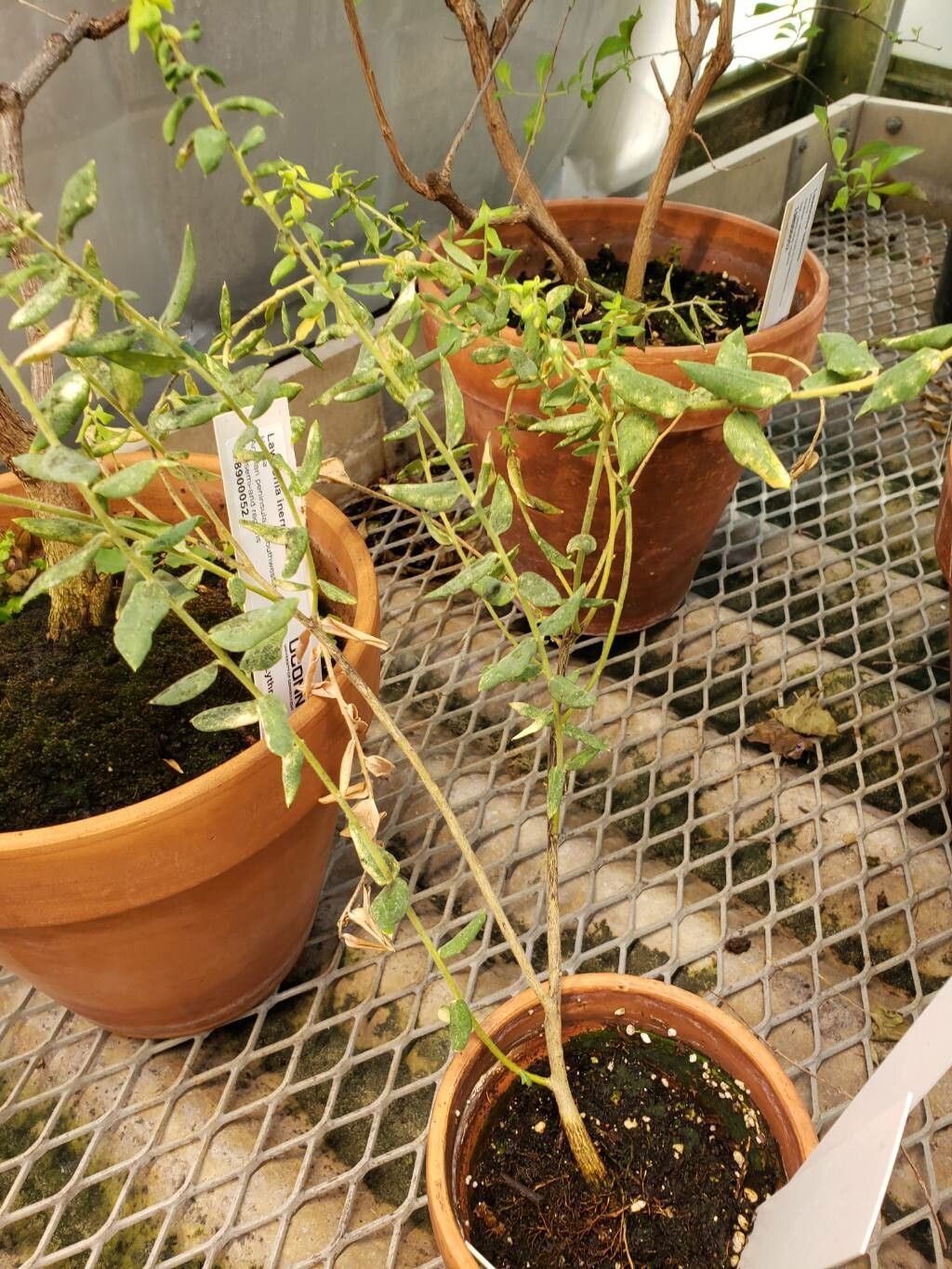
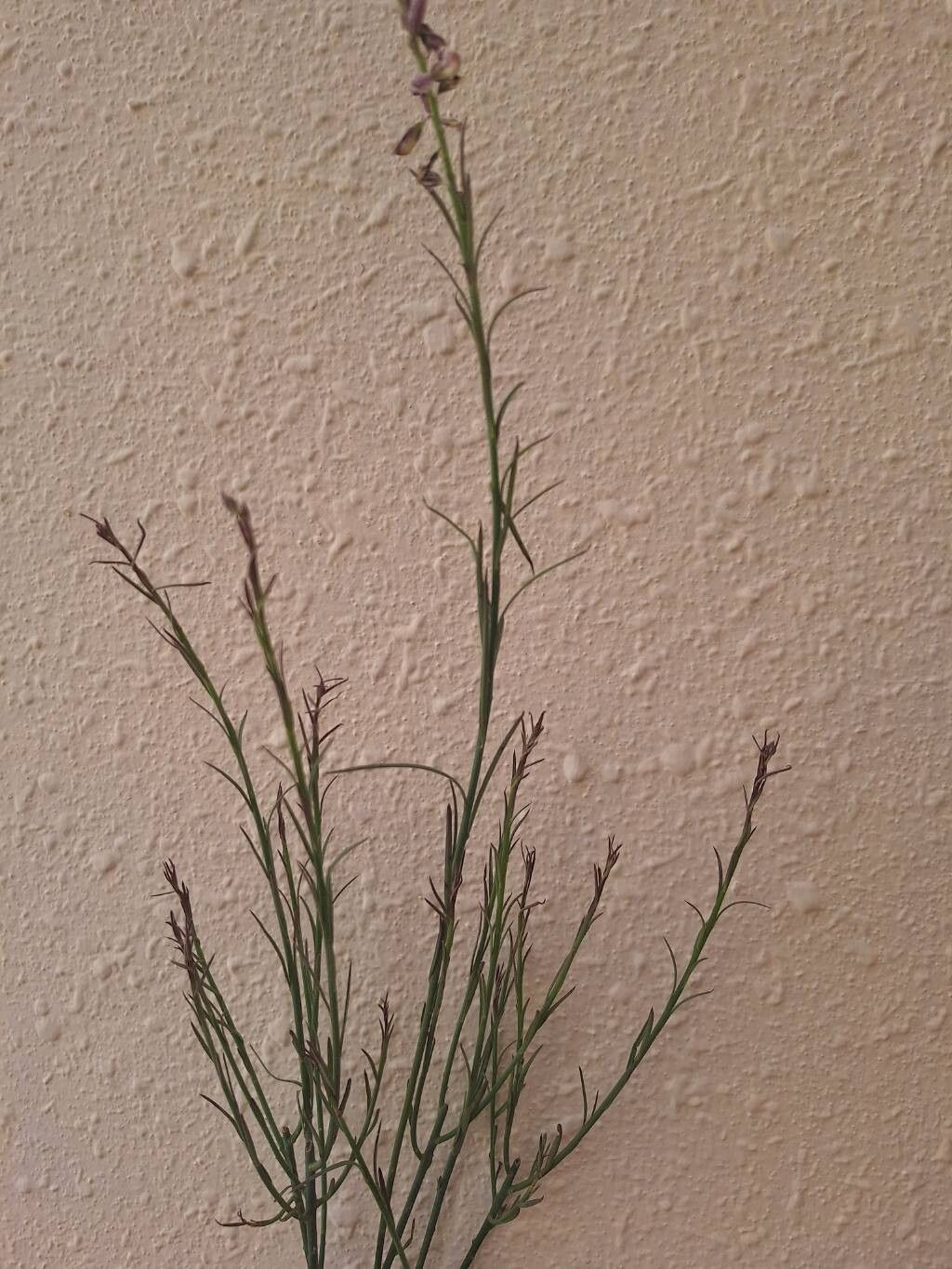
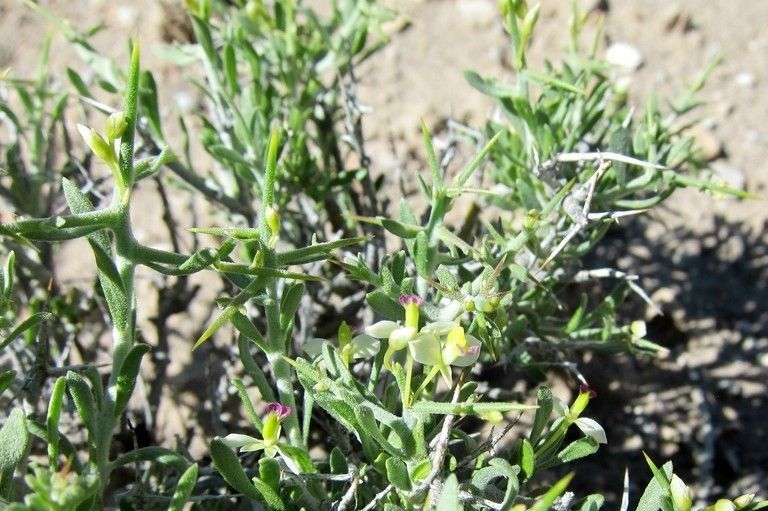
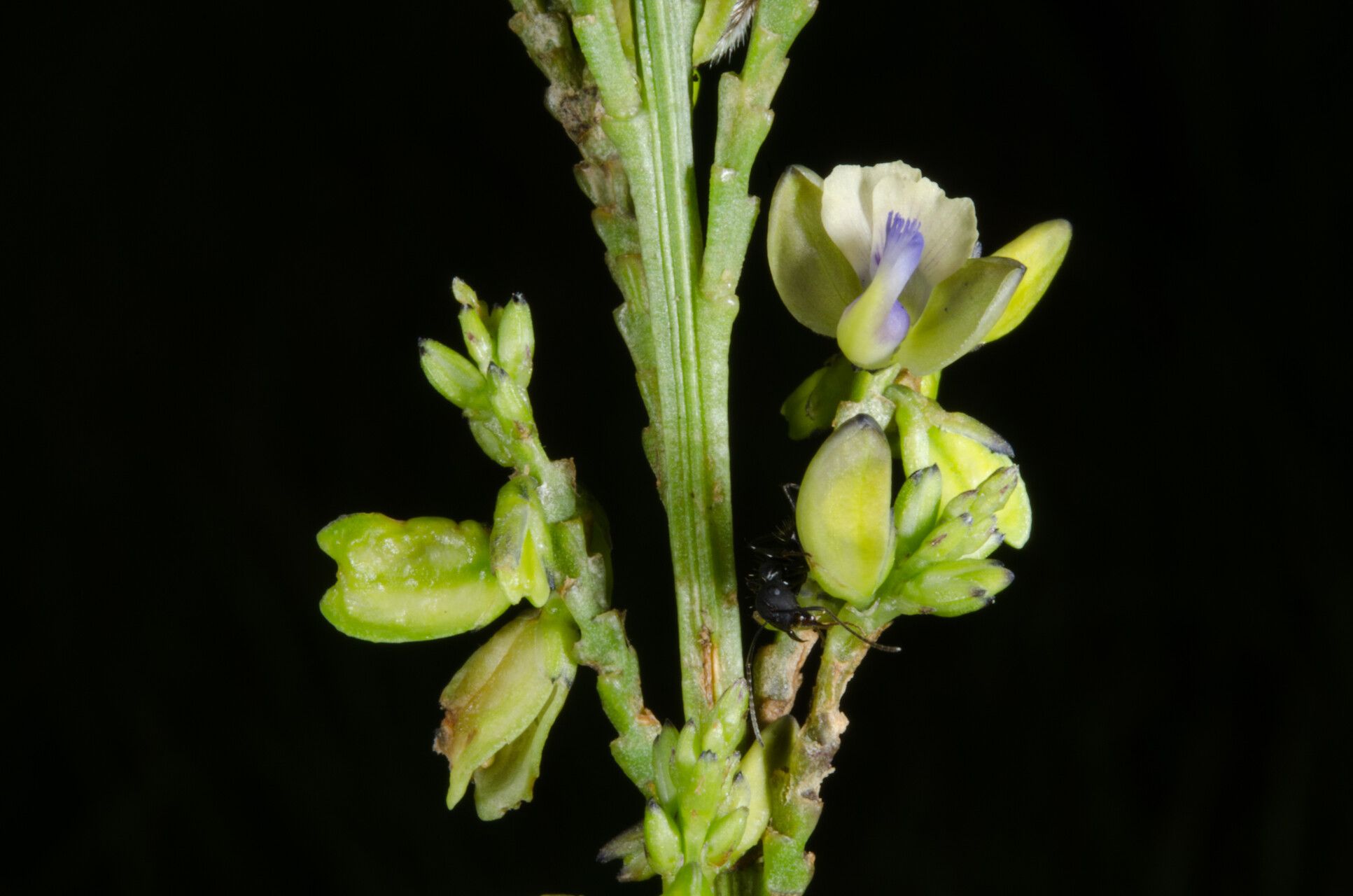
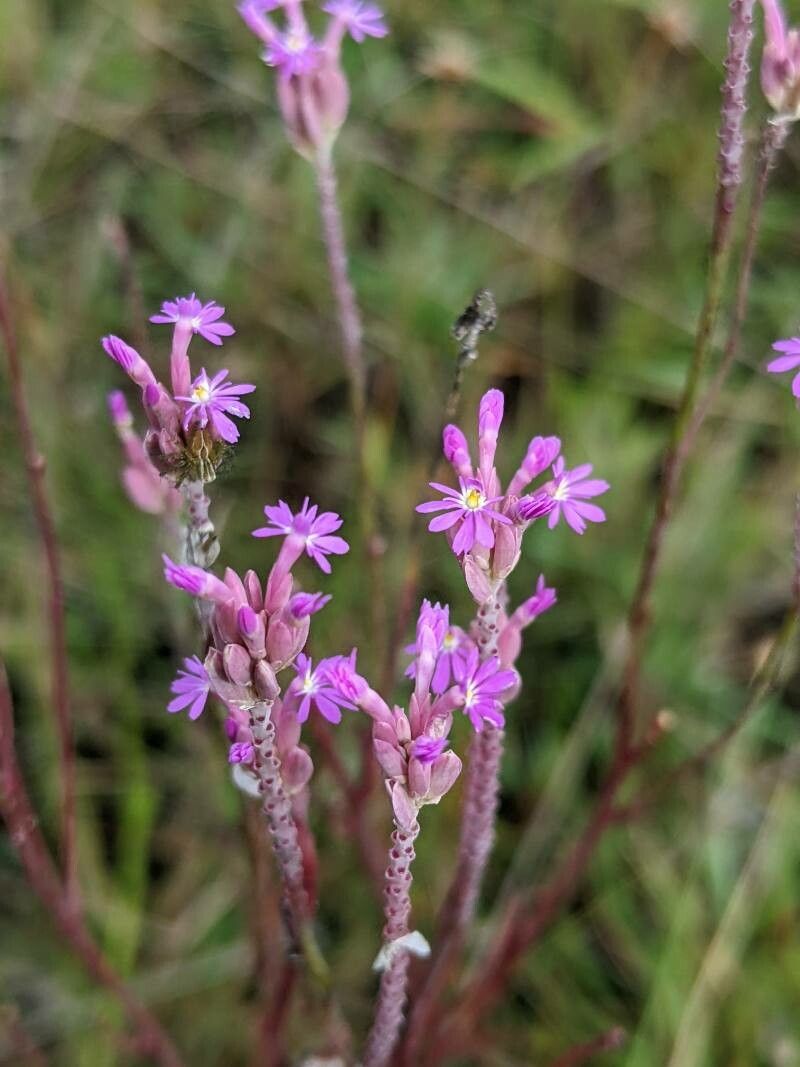
The Sweet Pea Shrub (Polygala x dalmaisiana, Polygala myrtifolia var. grandiflora), also known as the Milkwort, is a leggy, fast-growing evergreen shrub with lovely blooms. When planted from a potted nursery specimen, a sweet pea bush will reach full growth in a single growing season. The attractive foliage of the sweet pea shrub stays evergreen down to around 40 degrees Fahrenheit, and in frost-free areas, it may bloom practically year-round with purple-pink flowers that mirror those of the sweet pea plant. It can survive in areas with temperatures as low as the low 20s, where it will bloom for a shorter but still remarkable time from midsummer to autumn.
How to keep Polygala Ux Dalmaisiana.
Water
Water a sweet pea shrub on a regular basis, particularly during the summer months, to keep the soil from drying up. Every week, give it approximately an inch of water. Once planted, the sweet pea bush is remarkably drought-resistant for up to two or three weeks. Once the plant has established, it is a good idea to mulch around the base of it. This will aid with moisture retention during infrequent irrigation.
Temperature
The sweet pea bush thrives in warm, frost-free climates (zones 9 to 11). It can, however, live at temperatures as low as 20 degrees Fahrenheit for a brief length of time. However, this plant does not tolerate extended cold or moist conditions.
Fertilizer
In the spring, a balanced slow-release fertilizer may promote vigorous blossoming. A second feeding in the autumn is typically beneficial in locations with very lengthy flowering seasons. Container plants may need modest feeding on a monthly basis.
Pruning
Because this shrub may grow lanky, early spring trimming will help it maintain a compact and neat form. Annual trimming to remove poorly blooming lower branches promotes more prolific flowering. Pruning should be done after the major blooming periods have ended to prevent compromising blossoms.
Botanical profile.
- Plant Type
- Perennial shrub
- Genus
- Polygala
- Family
- Polygalaceae
- Hardiness Zone
- 9-11
- Bloom Time
- Mid summer through to fall
- Native Area
- South Africa
Other names.