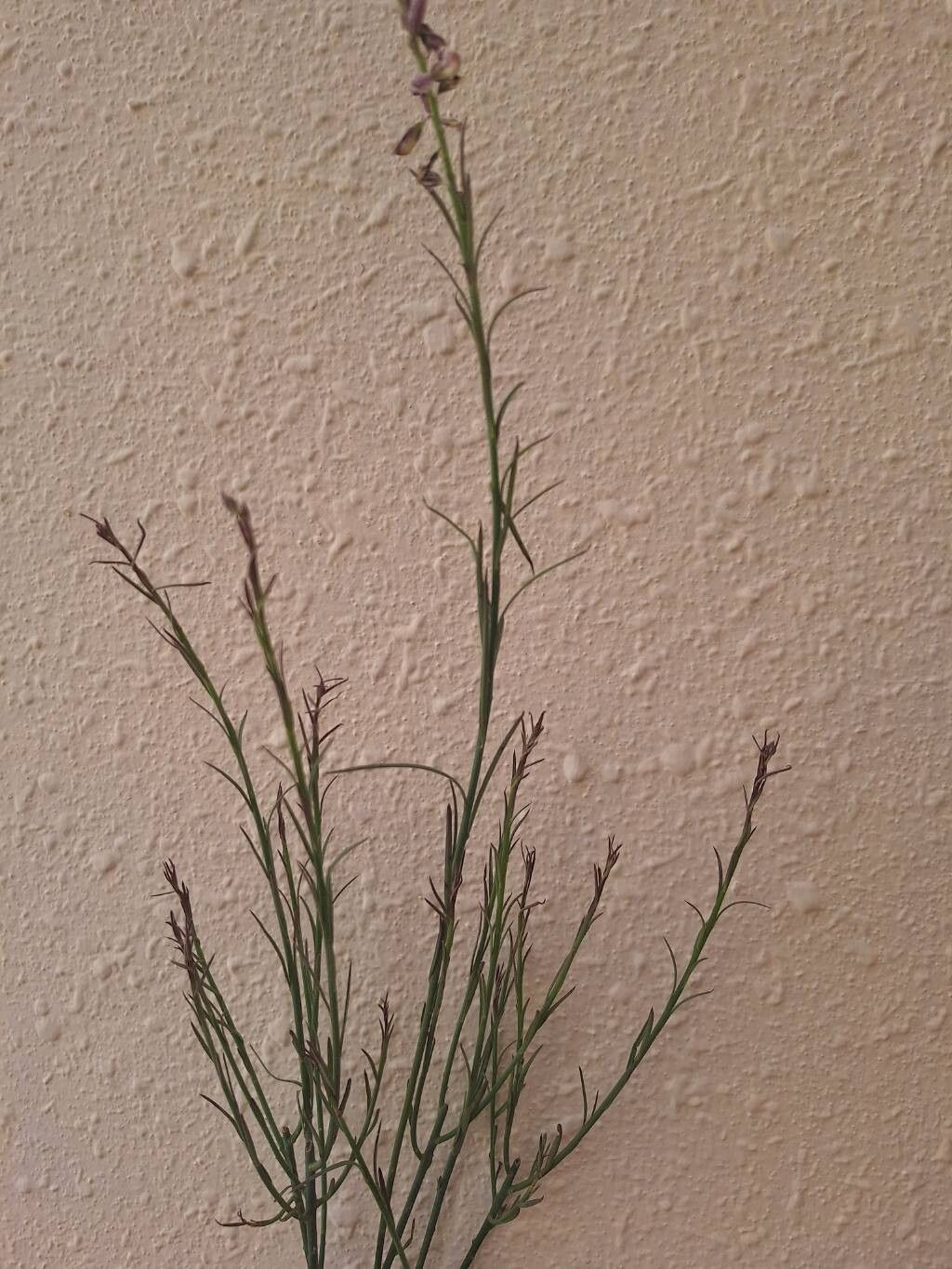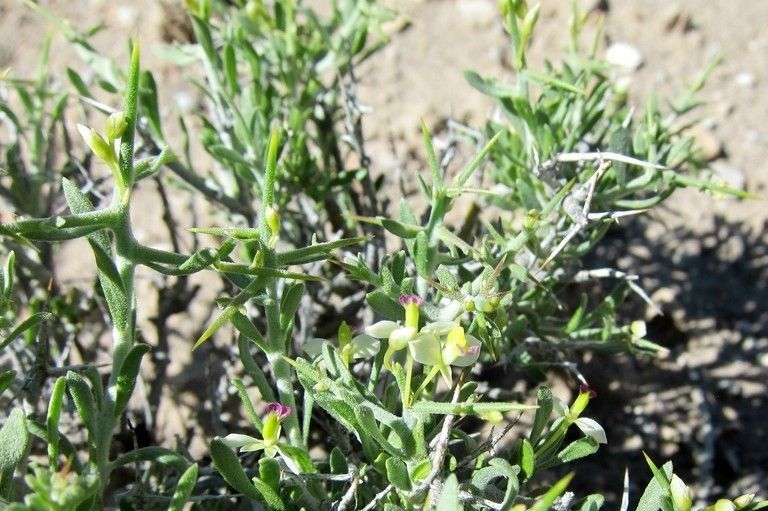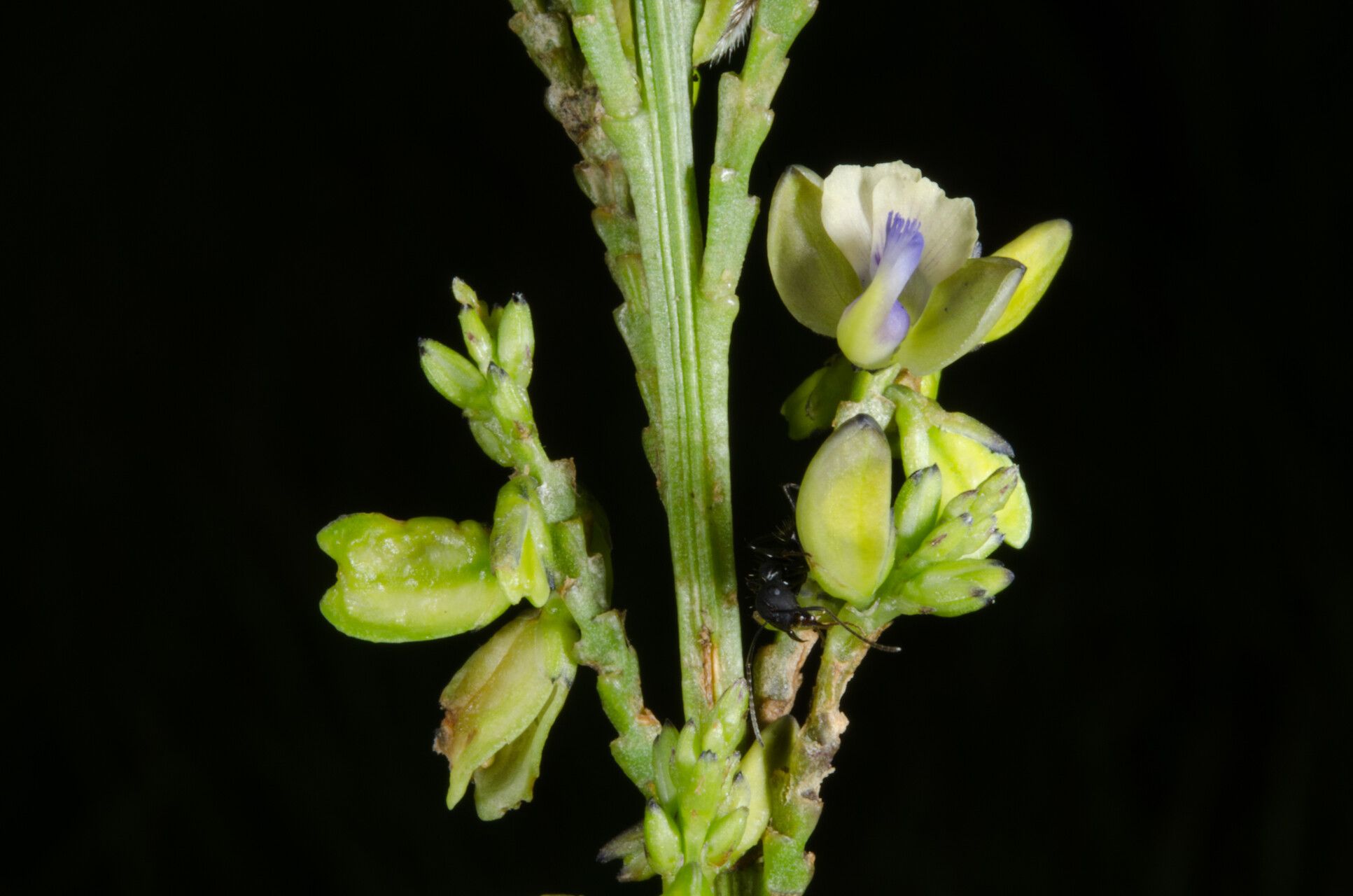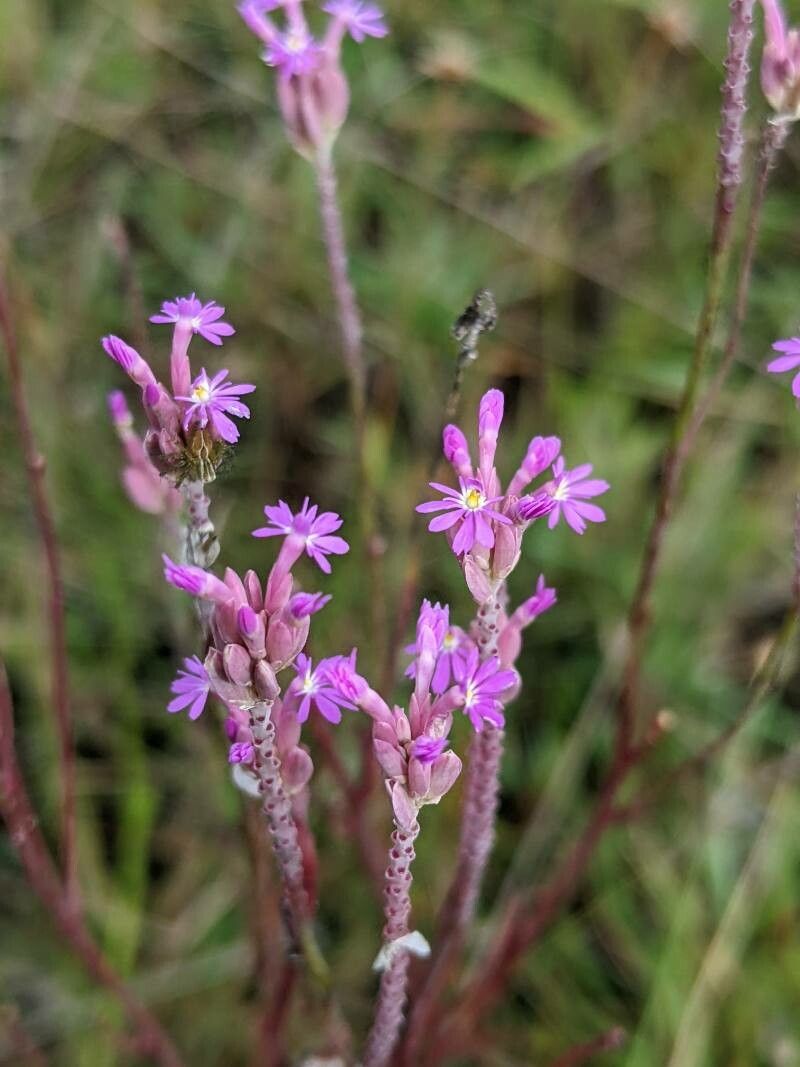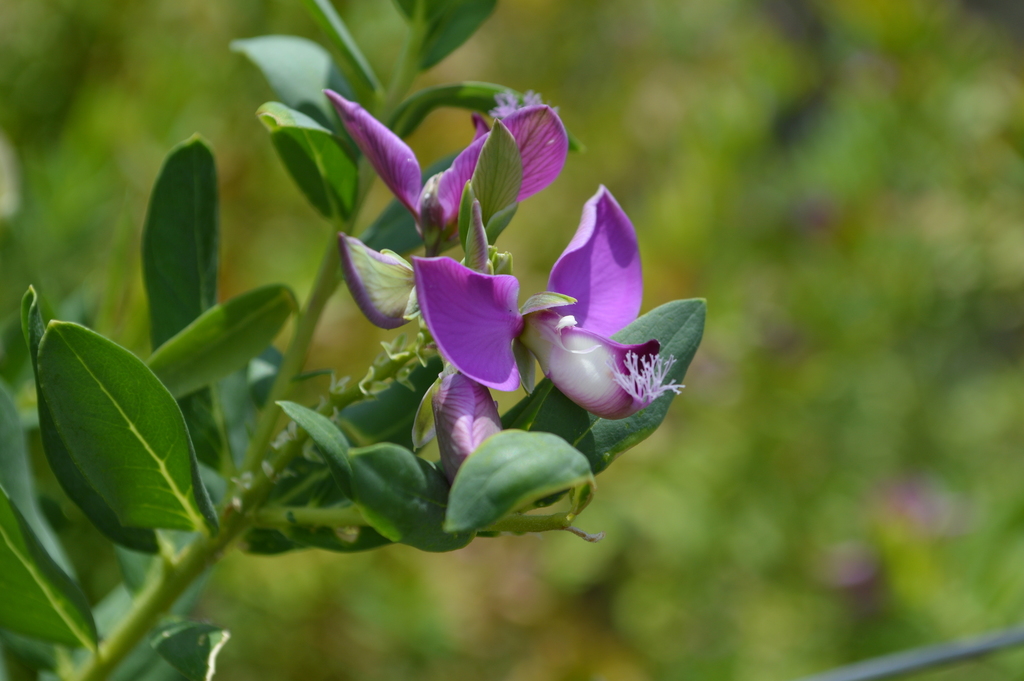
Polygala myrtifolia, commonly known as the Sweet Pea Shrub or September Bush, is a flowering evergreen shrub that belongs to the Polygalaceae family. Native to South Africa, it can grow to a height and width of 6-8 feet. The plant features glossy, lance-shaped green leaves that reach up to 2 inches in length. From late summer through fall, the Sweet Pea Shrub produces clusters of small, fragrant flowers in shades of pink, purple, or white. The flowers, which are pea-like in shape, have a distinctive keel on the lower petal. Polygala myrtifolia prefers full sun but can tolerate partial shade. It thrives in well-draining soil and requires regular watering during its growing season, although it can withstand drought once established. The plant is relatively low maintenance and does not require pruning unless it becomes too large for its space. In traditional African medicine, the Sweet Pea Shrub has been used to treat respiratory ailments such as coughs and colds, owing to its expectorant properties. Overall, Polygala myrtifolia is an attractive ornamental shrub that adds color and fragrance to any garden or landscape, while also offering some medicinal benefits.
Myrtle-leaf milkwort: The Latin genus name for myrtle-leaf milkwort, "Polygala," translates to "much milk." This name likely originates from the belief of colonizers that this native South African plant could boost milk production in their imported European cows.
Myrtle-leaf milkwort is resistant to disease and is typically not vulnerable to illnesses. As for care, this species is fairly low-maintenance. When grown outdoors it needs only occasional watering, and larger plants usually do not require pruning. Smaller plants, however, should be trimmed after they finish blooming. Myrtle-leaf milkwortt is well suited to anyone with an outdoor area, like a garden or a deck, and does not call for extensive gardening experience.
How to keep Polygala Myrtifolia.
Light
The Myrtle-leaf milkwort flourishes under strong sunlight, but also copes with conditions where it only gets sun for part of the day. Being native to areas with plentiful sunlight influences its growth. It can withstand high levels of exposure, but inadequate light may negatively impact its healthy growth.
Water
The myrtle-leaf milkwort thrives in moist conditions and needs watering every 1-2 weeks to keep its soil slightly moist. While it has moderate drought tolerance, it grows best outdoors in natural light. It flourishes in well-draining soil that mimics its native habitat.
Humidity
This plant will thrive in moderate humidity, which is probably the level in your home. However, misting it a few times a week can be very beneficial. Make sure the room has good ventilation.
Temperature
The Myrtle-leaf milkwort is highly adaptable to heat and can cope with significant temperature changes. During hot weather periods, sufficient watering and adequate shade are essential to protect it from sun damage. Contrarily, it shows less tolerance to chilly temperatures. Although it can survive mildly cold situations, extremely cold conditions may cause frost-related harm.
Fertilizer
It's important to time the fertilization of Myrtle-leaf milkwort correctly. Begin fertilization in the early part of spring and continue on a monthly basis until the start of summer. Providing fertilizer aids in the creation of beautiful flowers and supplies energy during both resting and growing periods.
Pruning
Myrtle-leaf milkwort, known for its vibrant purple flowers, requires careful pruning after it blooms in late spring to stimulate new growth. Remove any dead branches and thin out dense areas to improve air circulation. Light, regular trims are ideal for enhancing flowering and promoting a fuller, healthier plant.
Pot & Repot
Spring is the ideal time to repot myrtle-leaf milkwort, which should be done every two years using a slightly larger pot. Place the plant where it receives indirect light, and ensure the soil remains consistently moist. Try to minimize disturbance to the roots during repotting to reduce stress. Following these guidelines will help the plant acclimate well and promote vigorous growth in its new environment.
Botanical profile.
- Plant Type
- Shrub
- Life Cycle
- Perennial
- Genus
- Polygala
- Family
- Polygalaceae
- Hardiness Zone
- 7-9
- Mature Height
- 2.13 m to 3.96 m
- Mature Spread
- 2.13 m
- Leaf Color
- Green
- Leaf Type
- Evergreen
- Flower Color
- Purple, Lavender
- Flower Size
- 2.54 cm
- Bloom Time
- All year round
- Planting Time
- Spring, Autumn
- Harvest Time
- All year round
- Native Area
- South Africa, Lesotho
Other names.
Reader questions.
How should I water my Myrtle-leaf milkwort plant to keep it healthy?
Your Myrtle-leaf milkwort is not too particular about how you water it. You can use common watering tools like cans, hoses, or cups to moisten its soil. Regardless of the tool, make sure to apply the water directly to the soil. This ensures that all parts of the root system get the necessary water. Using filtered water is helpful because tap water may have harmful particles. It's also recommended to use water at room temperature or slightly above, as colder or hotter water can shock the plant. However, the Myrtle-leaf milkwort generally does well with any kind of water.
Why should I put plant food on my Myrtle-leaf milkwort?
To maximize the blooms of your Myrtle-leaf milkwort, fertilizing is essential for multiple reasons. Firstly, fertilizer promotes beautiful flowers. For optimal results, apply fertilizer in early spring. Additionally, fertilizing provides your Myrtle-leaf milkwort with sufficient energy to store in the ground during its dormant growth phases. By supplementing nutrients during fall planting or late spring, your Myrtle-leaf milkwort can stockpile more energy for future active growth.
What are the sunlight requirements for Myrtle-leaf milkwort?
Myrtle-leaf milkwort requires conditions ranging from full sun, which is above 6 hours of sunlight per day, to partial sun, about 3-6 hours of sunlight daily. It is essential to observe how sunlight traverses your garden to pick spots that provide an optimal balance of light and shade, ensuring the plant's wellbeing. Originating from sun-rich environments, Myrtle-leaf milkwort prospers under intense sunlight exposure but can also tolerate being in the sun for just a part of the day. Although it can endure excessive sun, insufficient light may negatively affect its growth.
What is the botanical name of Myrtle-leaf milkwort?
The botanical name for Myrtle-leaf milkwort is Polygala myrtifolia.
What should I do if I give my Myrtle-leaf milkwort too much or too little water?
When caring for outdoor plants, particularly newly planted ones or seedlings, it's important to ensure they receive enough water. This is especially crucial during the first few months while the tree is small or recently planted. Once the roots have established, Myrtle-leaf milkwort can generally rely on rainwater. However, when planting Myrtle-leaf milkwort in pots, overwatering becomes a common issue. If you accidentally overwater your Myrtle-leaf milkwort, it's important to take immediate action to remedy the situation. First, stop watering the plant to minimize the effects of overwatering. Then, carefully examine the roots by removing the plant from its pot. If there is no root rot, you can return the plant to its container. But if root rot is present, trim away the affected roots and consider using a fungicide to prevent further damage. Lastly, repot the Myrtle-leaf milkwort in well-draining soil. On the other hand, if you underwater your Myrtle-leaf milkwort, simply increase the frequency of watering. Underwatering can be easily rectified as the leaves will appear droopy, dried out, and may fall off, but they will regain their fullness after sufficient watering. Therefore, adjust your watering schedule promptly if you notice signs of underwatering.
What is the best time to put fertilizer on my Myrtle-leaf milkwort?
To effectively fertilize Myrtle-leaf milkwort, timing is crucial. Applying fertilizer too early, when the plant is still dormant, will be ineffective and get washed away by rainwater, leading to waste and pollution. The ideal time for the first application of fertilizer is early spring, and it should be continued once monthly until early summer.
What artificial lighting requirements does Myrtle-leaf milkwort have?
When natural sunlight is not enough, especially in winter or less sunny spaces, artificial lighting becomes crucial for Myrtle-leaf milkwort's optimal growth. LED lights are recommended because they can be adjusted to provide specific wavelengths needed by the plant. Full sun plants require 30-50W/sq ft, partial sun plants 20-30W/sq ft, and full shade plants 10-20W/sq ft of artificial light. The light source should be placed 12-36 inches above the plant, mimicking natural sunlight for 8-12 hours per day.
How frequently should I water my Myrtle-leaf milkwort?
To properly care for your outdoor plants, it is important to consider the amount of rainfall in your area. If there is not enough rainfall, you should water your plants every two weeks in the spring and fall. In the summer, more frequent watering is necessary, while in the winter, less water is needed due to slower growth. Young or newly planted Myrtle-leaf milkwort plants require more frequent watering to help them establish and become drought tolerant. For potted plants, you have two options to determine watering frequency. The first is to follow a predetermined schedule, typically once a week or once every other week. However, this method may not always be suitable for Myrtle-leaf milkwort plants as it doesn't consider the specific conditions of their growing environment. Alternatively, you can water based on soil moisture. It is best to wait until the top two to four inches of soil have completely dried out before watering again, usually about one-third to one-half the depth of the pots.
When is the best time to not add fertilizer to my Myrtle-leaf milkwort?
To promote blooming, be cautious about using a nitrogen-rich fertilizer for Myrtle-leaf milkwort. Instead, choose a fertilizer with lower nitrogen levels compared to other nutrients. Avoid fertilizing after early autumn to prevent excessive growth before winter sets in. Furthermore, refrain from fertilizing during hot and dry periods, as dry soil does not effectively deliver fertilizer and this can result in stimulated growth that requires more water than may be available. It is advisable to apply fertilizer earlier in the season when temperatures are cooler. Lastly, be mindful that Myrtle-leaf milkwort can absorb nearby fertilizer intended for other plants or lawns, so take care to avoid unintentionally providing a double dose of fertilizer to trees or shrubs.
What are the signs of sunlight deficiency or excessive sunlight in Myrtle-leaf milkwort?
Symptoms of light deficiency include smaller new leaves, leggy or sparse growth, faster leaf drop, slower or no new growth, lighter-colored new leaves indicating lack of nutrients, and chlorosis or yellowing of leaves. Excessive sunlight can cause sunscald, leaf curling, wilting, and leaf scorching. These symptoms alert to the need for adjusting the plant's exposure to sunlight, whether it requires more light or protection from too much direct sunlight.
How much water does my Myrtle-leaf milkwort plant need?
When watering your Myrtle-leaf milkwort, you may be surprised to learn that it doesn't require a lot of water. Instead, if the soil has only dried a few inches since the last watering, you can give it about five to ten ounces of water. You can also judge the amount of water based on how dry the soil is. If more than half of the soil has dried, you should give it more water until you see excess water draining from the pot's holes. If the plant is outside and receives plenty of rain, it may not need additional watering. When the plant is young or establishing, it needs 1-2 inches of rain per week. As it grows, it can rely on rainwater unless it doesn't rain for a few weeks during hot weather, in which case give it a full watering to prevent stress.
What kind of fertilizer does my Myrtle-leaf milkwort plant need?
To effectively fertilize a Myrtle-leaf milkwort plant, you have a few options. Firstly, you can use a fertilizer that provides a balanced mix of nutrients, with slightly higher levels of phosphorus. Another approach is to improve the plant's soil by adding organic materials like compost, worm castings, or manure. Experienced gardeners may also choose to supplement with water-soluble fertilizers containing phosphorus when the flower buds start appearing. This helps the flowers develop better, resulting in larger and longer-lasting blooms. When it comes to fertilizers, there are various forms available, most of which work well for Myrtle-leaf milkwort. However, the best choices typically come in liquid or powdered form. Regardless of your preference, make sure to dilute the fertilizer and apply it while watering your Myrtle-leaf milkwort.