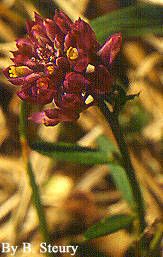
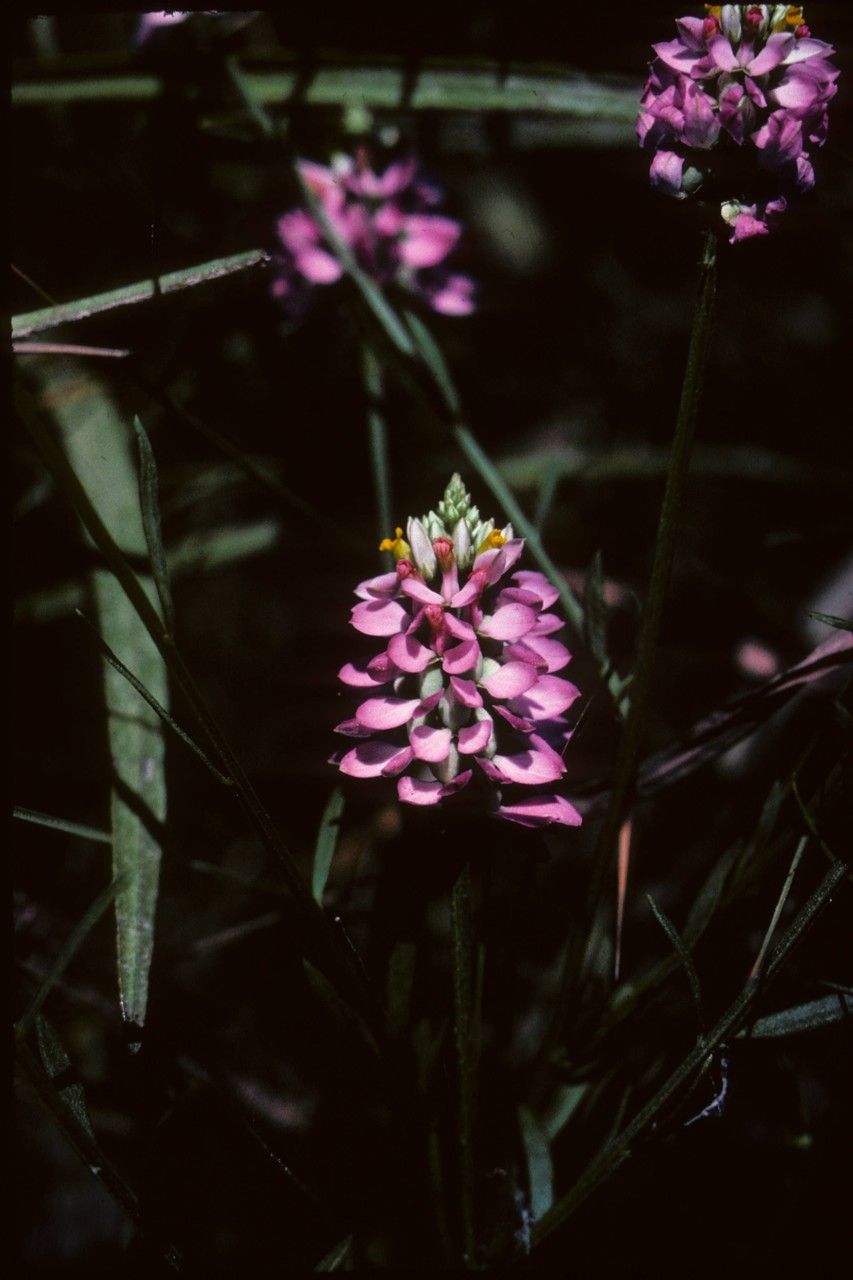
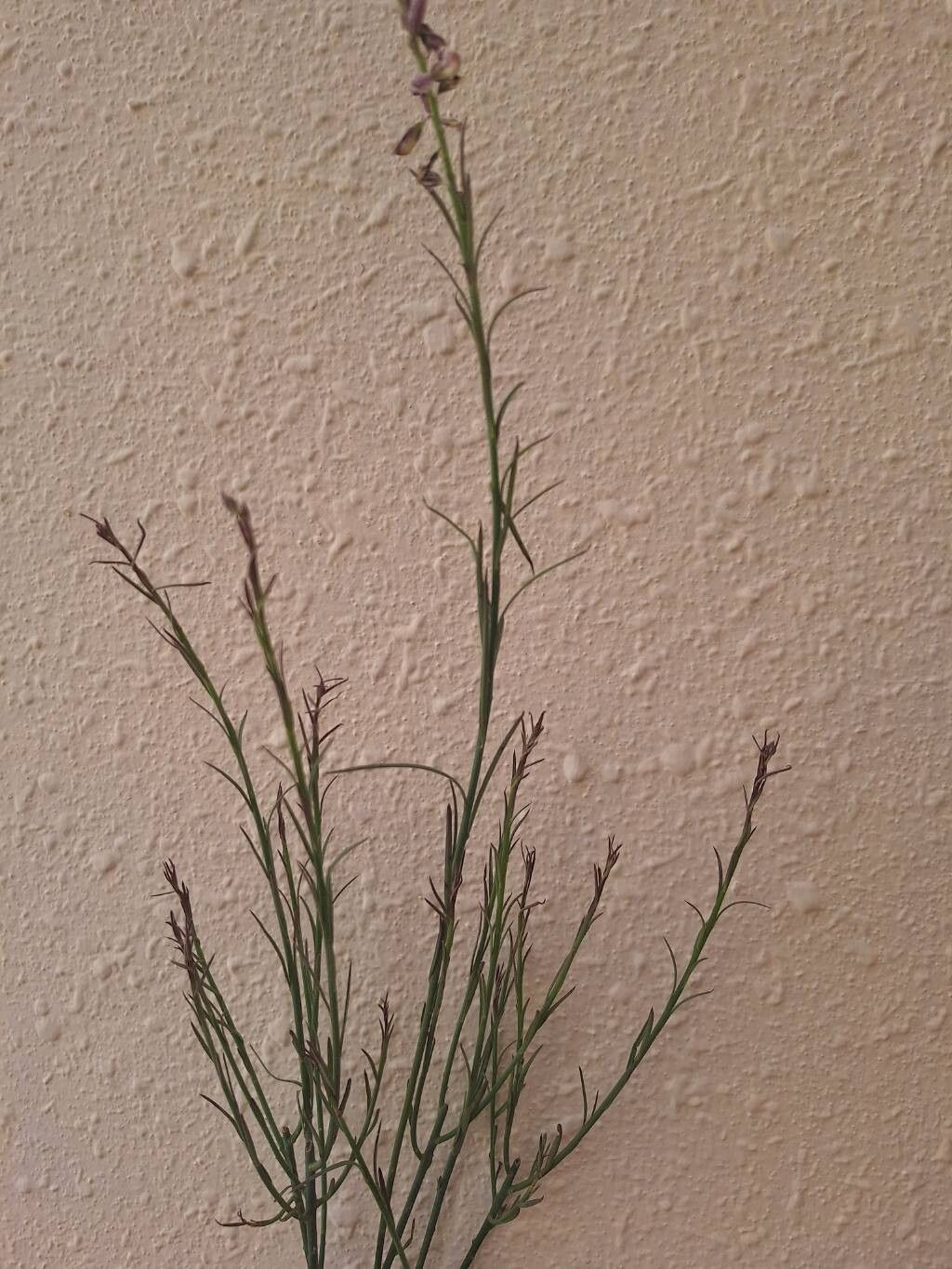
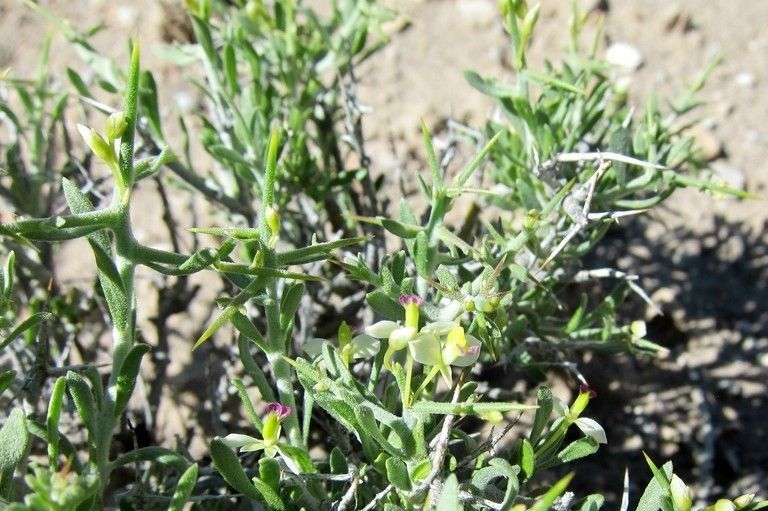
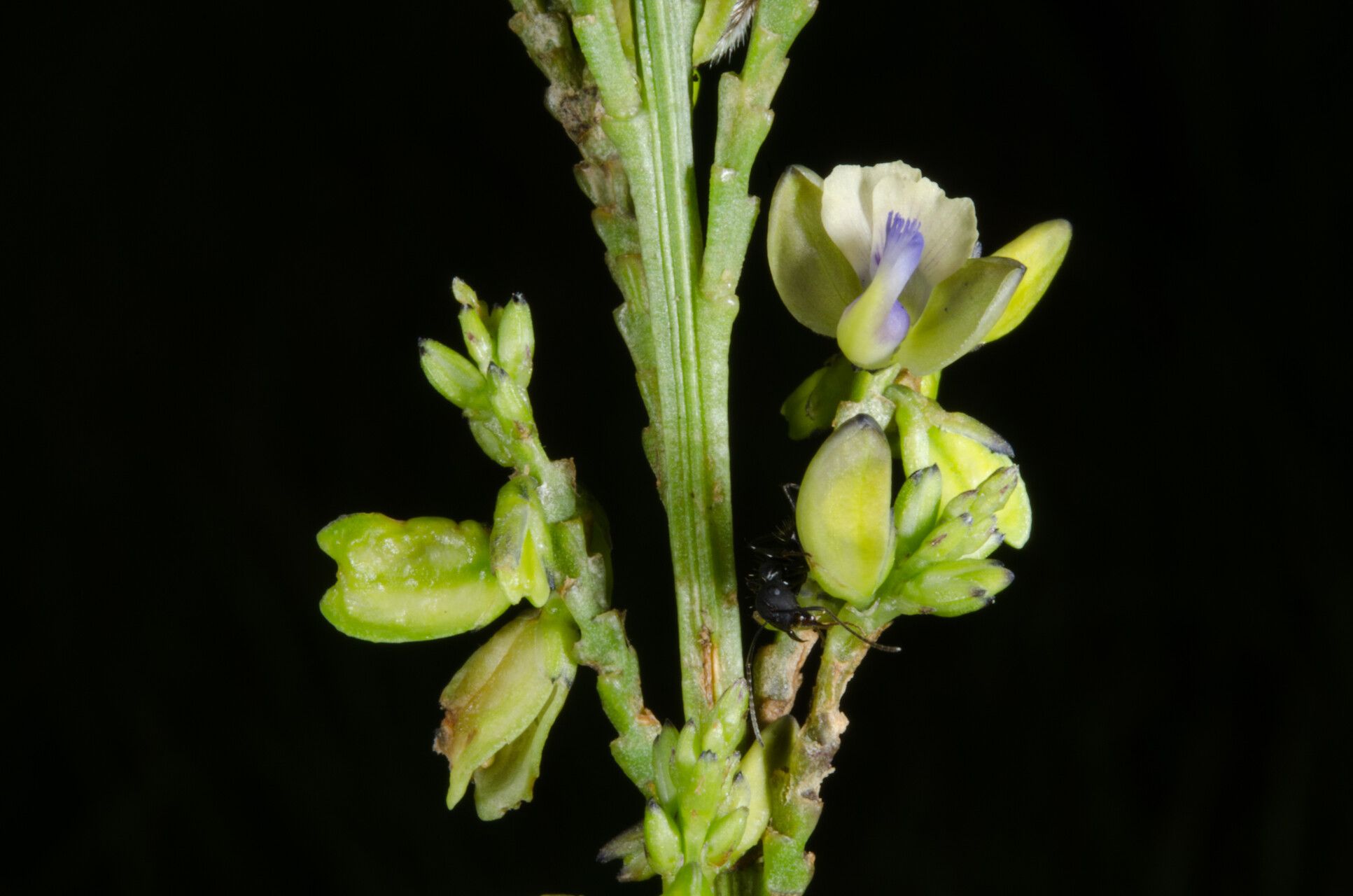
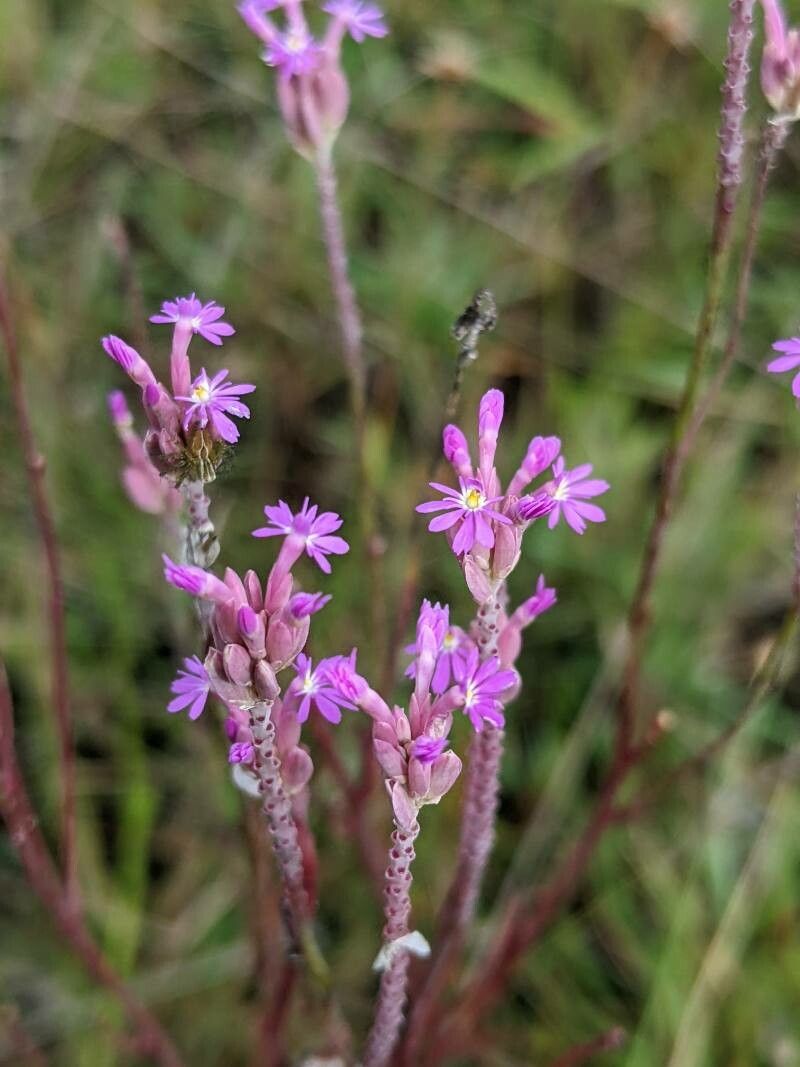
Polygala mariana, the Maryland milkwort, is a species of flowering plant in the milkwort family (Polygalaceae). It is endemic to the southern and eastern United States. It is an annual with a height between 4 and 16 inches (10 and 41 cm) and it flowers between June and October.
Maryland milkwort is fairly disease-resistant and typically not prone to illnesses. However, it can be affected by pests and diseases present in its environment. Such infections are generally mild. Regarding care, the plant needs moderate maintenance. Regular pruning is necessary to keep a neat appearance and encourage healthy growth. Applying fertilizer can also encourage flowering. Maryland milkwort is suitable for people with outdoor spaces like a garden or patio and doesn't require extensive care experience. It may need extra attention if grown indoors.
How to keep Polygala Mariana.
Light
Maryland milkwort comes from places like forest understories or rocky regions that offer natural shadow, which have speckled sunlight. It favors semi-sunny environments but can also adjust to places with full sunlight.
Water
Maryland milkwort, adapted to periodic wet conditions, thrives with moderate drought tolerance and consistent humidity. To prevent over-saturation, it should be watered once a week. Typically grown outdoors, this plant benefits from natural rain cycles that meet its needs during the growing season.
Temperature
The Maryland milkwort is indigenous to temperate climates and favors temperatures between 68 and 95 °F (20 to 35 °C). To promote its well-being, align the plant's surroundings with this temperature bracket, particularly when the seasons change.
Fertilizer
When the majority of the Maryland milkwort's buds have bloomed completely, it indicates the time to begin fertilization again. Start to fertilize it once every three or four weeks, depending on the weather conditions, when the flowers are at their highest production. Eventually, when the Maryland milkwort begins to present fewer fresh blooms, cease fertilization; there's no requirement to apply fertilizer when the plant is unable to yield additional flowers.
Pruning
It's time for a light spring pruning of Maryland milkwort to promote better growth and more blooms. Begin by removing any dead stems, and then shape the remaining branches to improve air circulation and reduce the risk of disease. Regular pruning encourages denser growth, so be sure to use sharp, clean tools to prevent damage and infections.
Botanical profile.
- Plant Type
- Herb
- Life Cycle
- Annual
- Genus
- Polygala
- Family
- Polygalaceae
- Hardiness Zone
- 8
- Mature Height
- 15 cm to 40 cm
- Mature Spread
- 10 cm to 20 cm
- Leaf Color
- Green
- Leaf Type
- Deciduous
- Flower Color
- Pink, Purple
- Flower Size
- 0.51 cm to 0.76 cm
- Bloom Time
- Late spring, Early summer, Mid summer
- Planting Time
- Spring, Summer, Autumn
- Harvest Time
- Mid summer, Late summer, Early fall
- Native Area
- Georgia
Other names.
Reader questions.
What is the temperature preference for Maryland milkwort?
Maryland milkwort, scientifically known as Polygala mariana, is native to temperate habitats and prefers temperatures ranging from 68 to 95 °F (20 to 35 °C). For healthy growth, it's crucial to adjust the plant's environment to maintain this temperature range, particularly during seasonal changes. This temperature preference ensures the plant thrives and develops properly.
How does Maryland milkwort handle cold temperatures?
Maryland milkwort exhibits strong resistance to cold and typically does not require special frost protection measures during winter. However, if temperatures are expected to drop below -10°C, providing cold protection becomes important. This can be done by covering the plant with soil or straw. Additionally, watering the plant abundantly before the first freeze in autumn helps keep the soil moist and in a frozen state, which is beneficial in preventing drought and water scarcity for the plant during the colder months.
What should be done if Maryland milkwort experiences temperatures below -10°C?
If Maryland milkwort is exposed to temperatures below -10°C, there may not be noticeable changes during the winter. However, a decrease in sprouting or a complete lack of sprouting may occur in spring. In such cases, it is advised to remove any parts of the plant that have failed to sprout in spring as a solution to this issue.
How should Maryland milkwort be cared for during high temperatures?
During the summer, it's essential to ensure that the temperature around Maryland milkwort does not exceed 35°C. If the temperature rises above 38°C, the plant's leaves may become lighter, curl, and be prone to sunburn. In severe cases, the plant can wilt and dry out. To prevent damage, trim away the sunburned and dried parts. Moving the plant to a shaded location or using a shade cloth can help protect it from the midday and afternoon sun. Additionally, watering the plant in the morning and evening to maintain soil moisture is recommended during high temperatures.