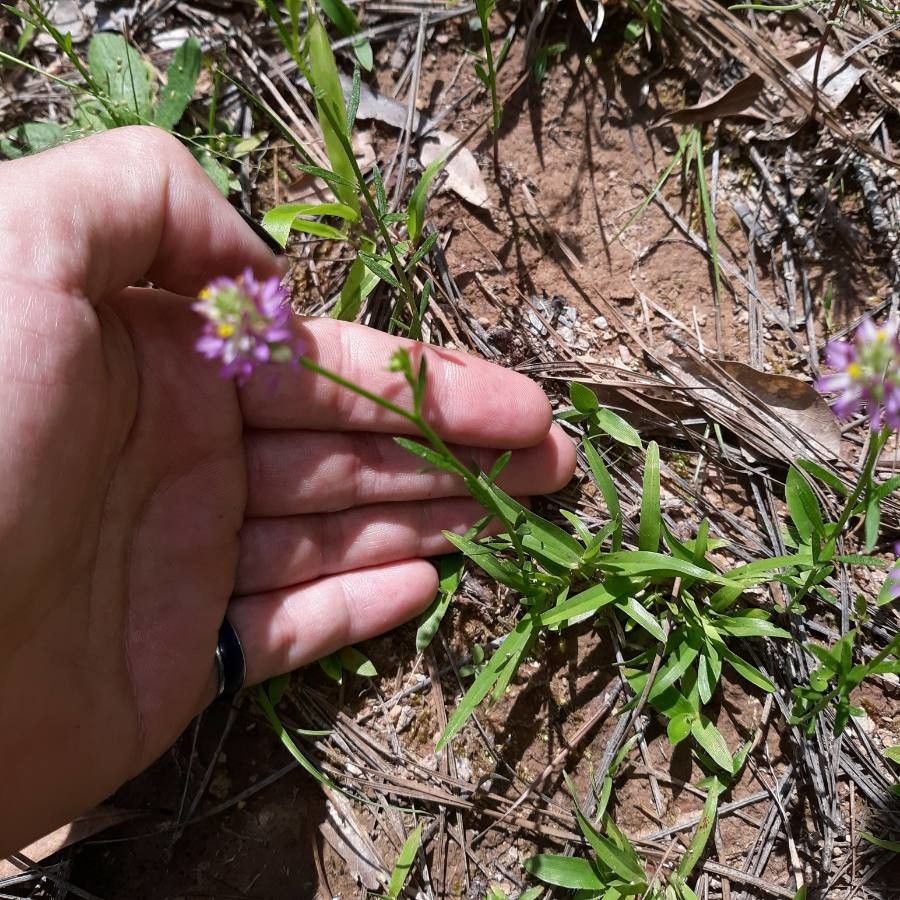
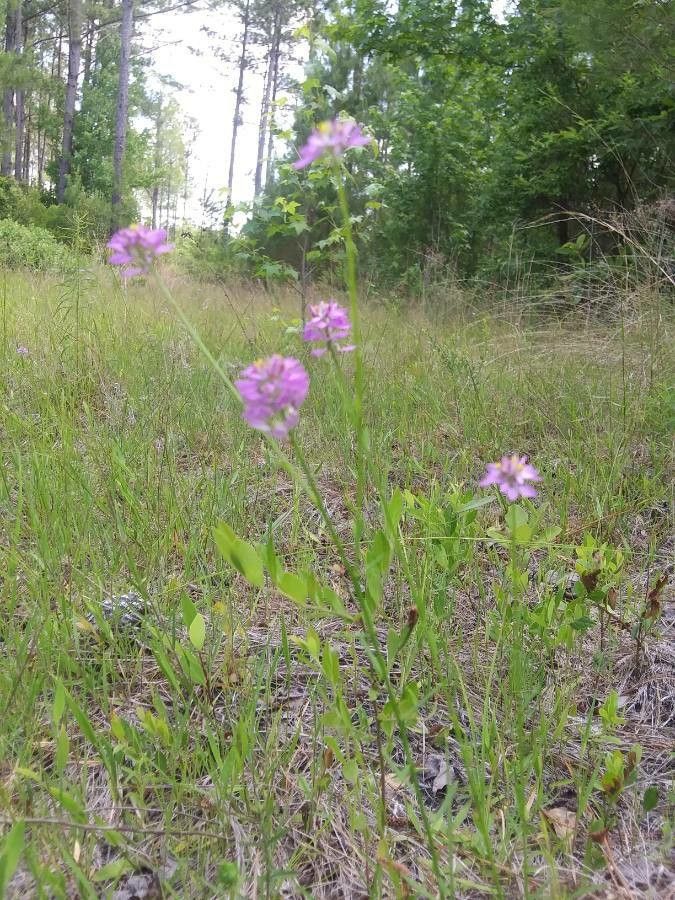
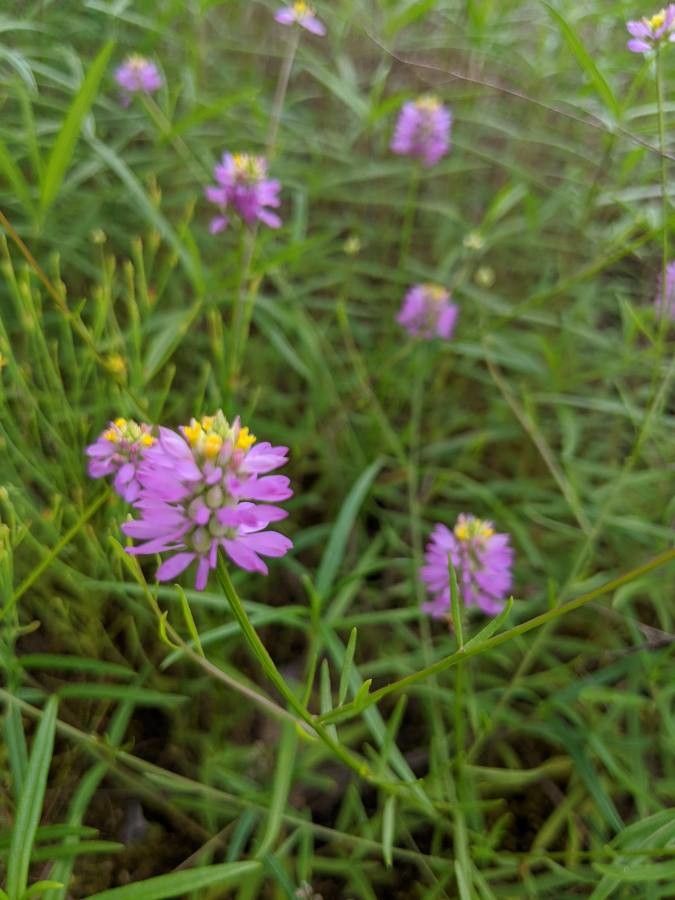
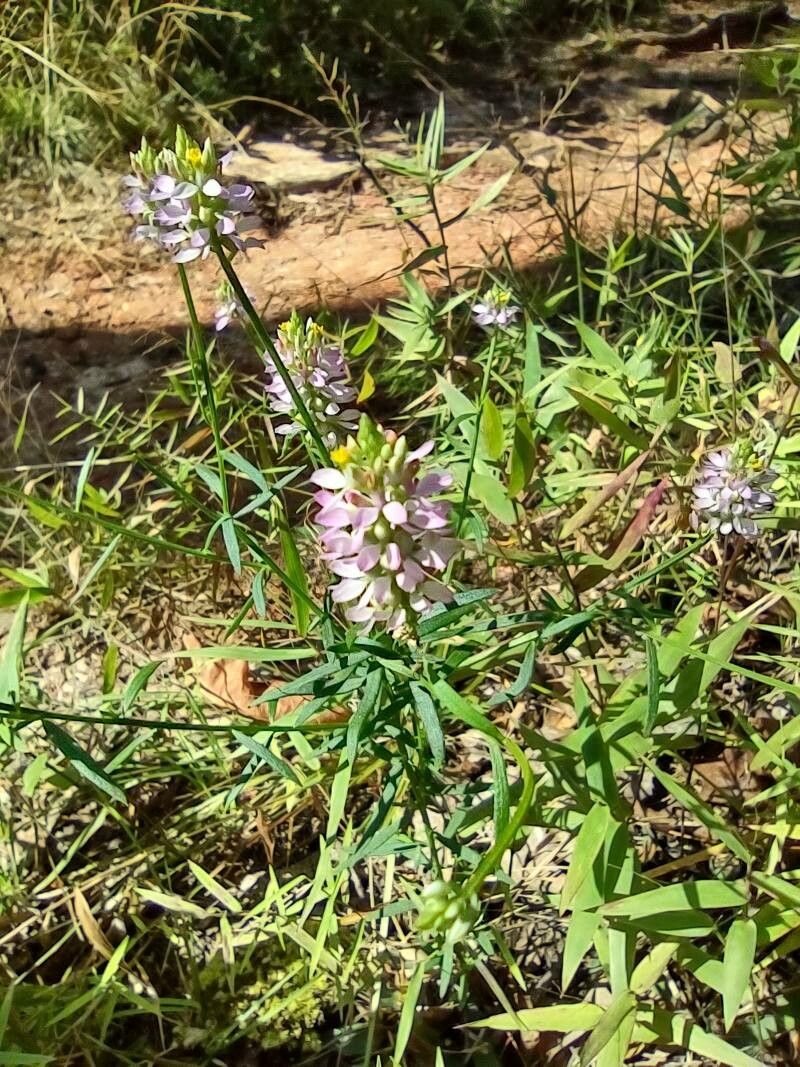
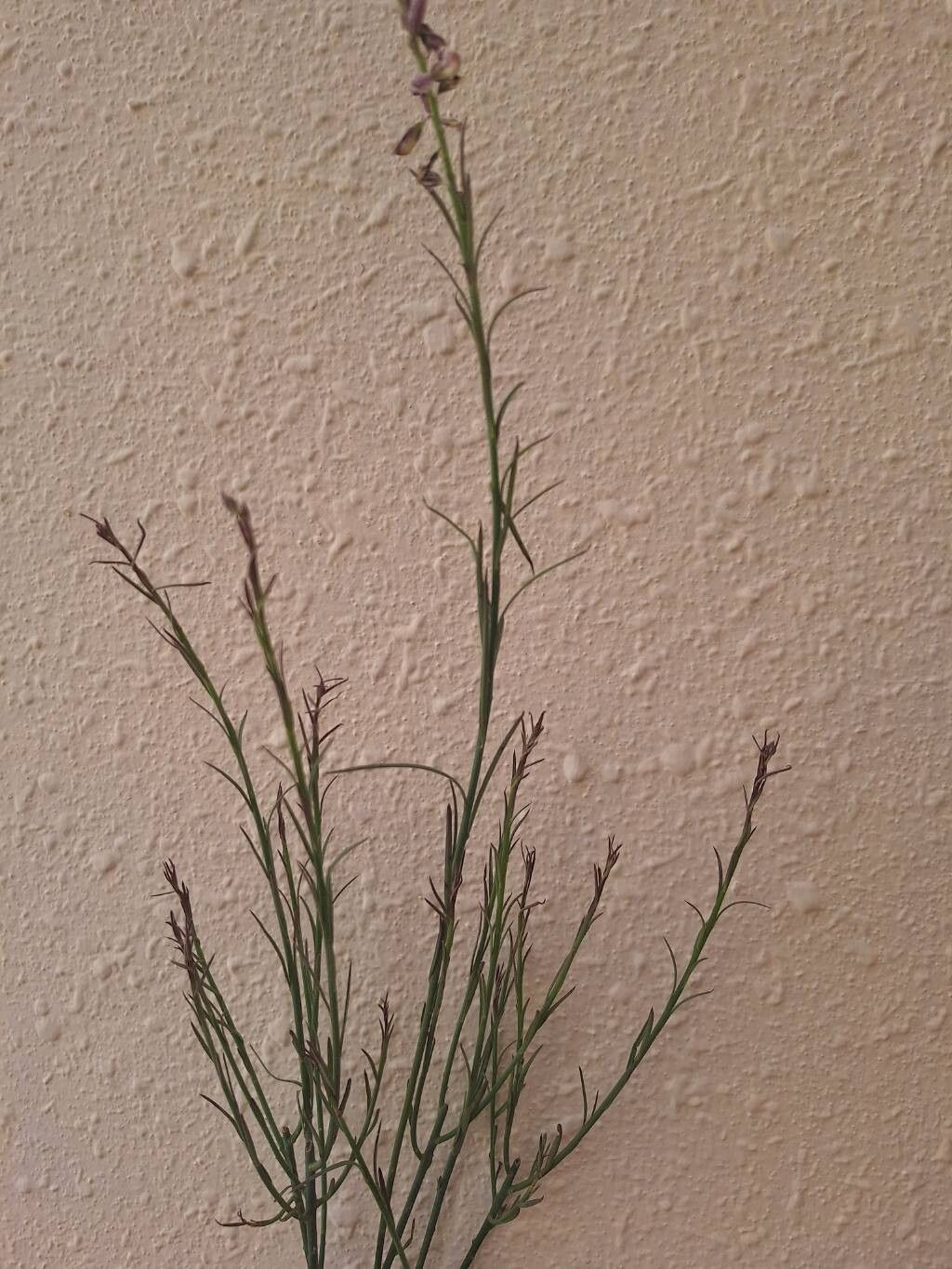
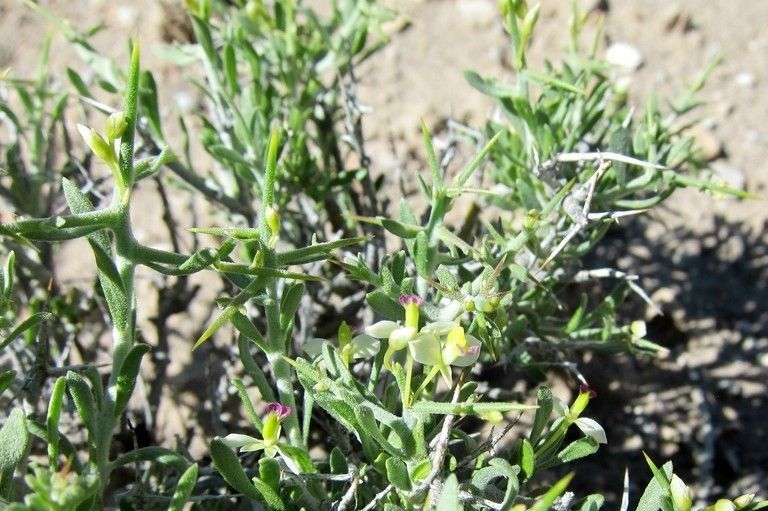
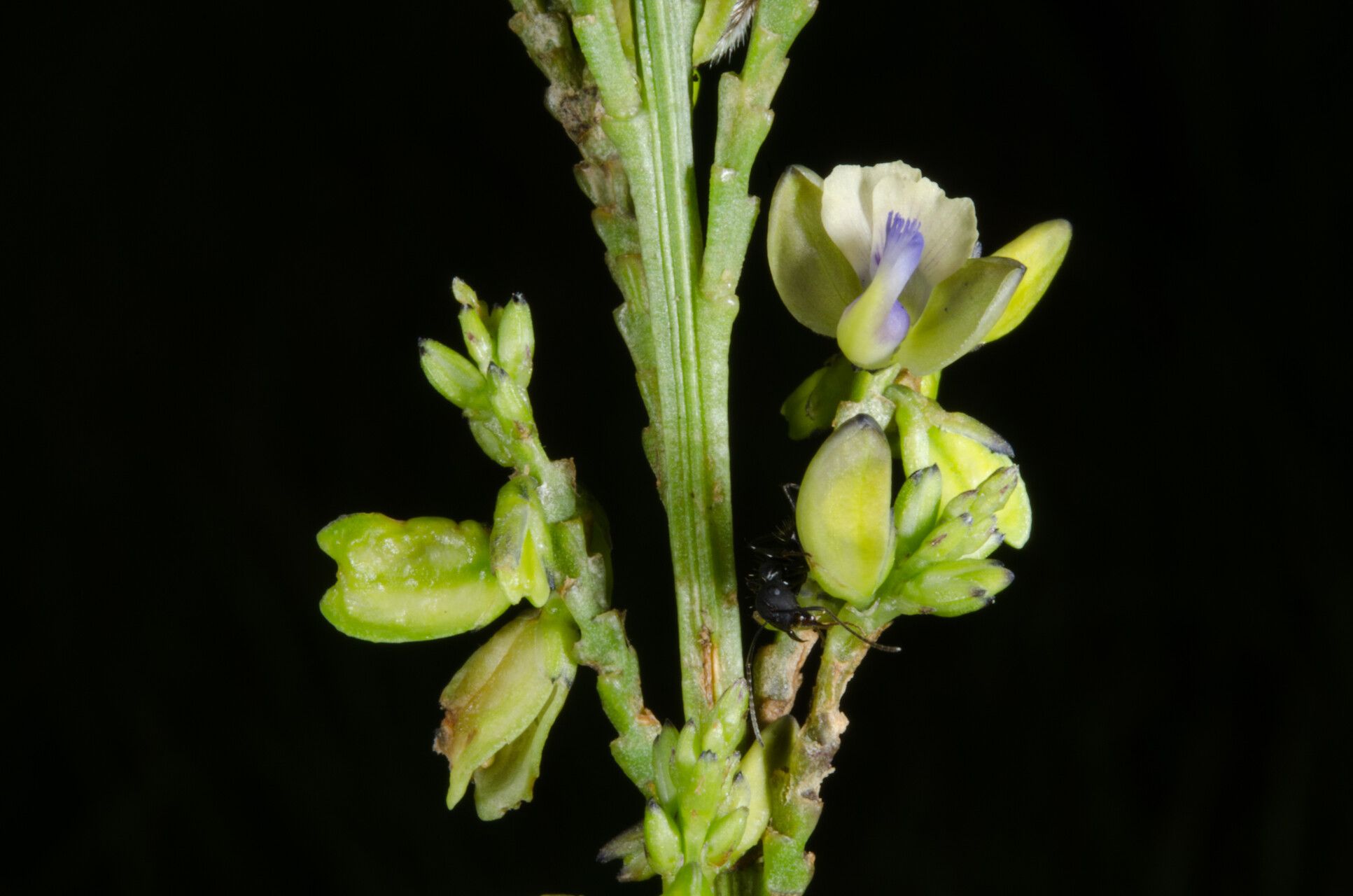
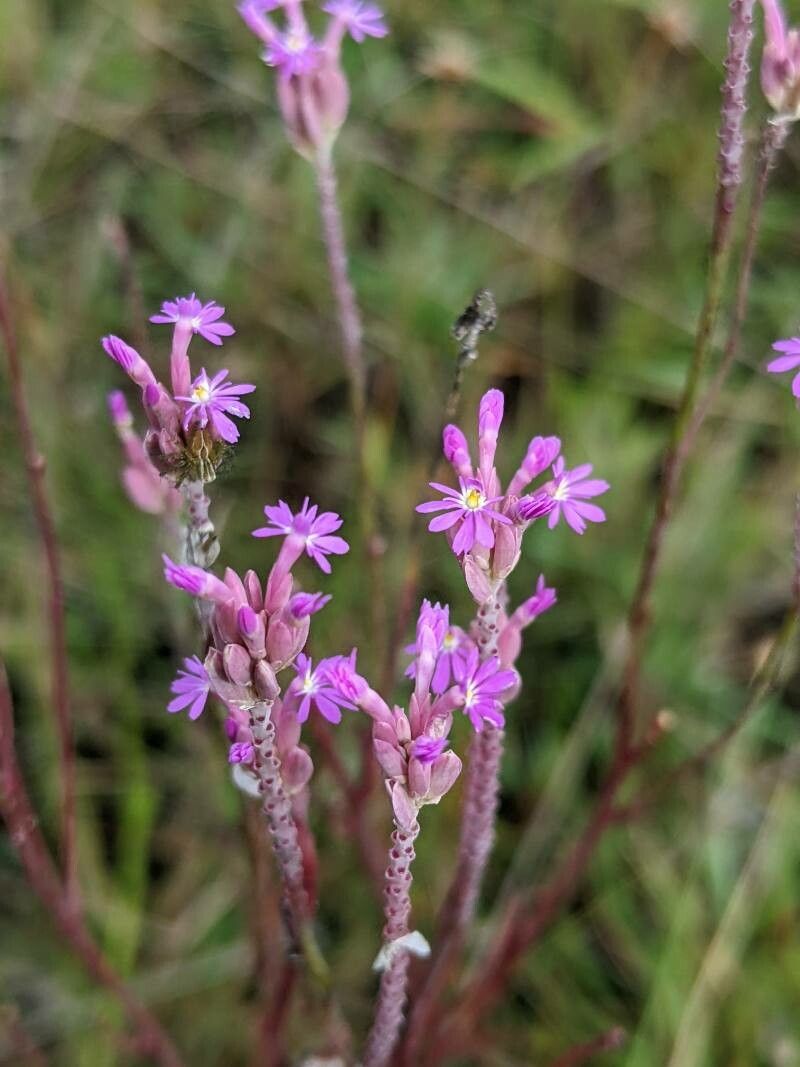
Polygala curtissii, the Curtiss' milkwort or Appalachian milkwort, is a species of flowering plant in the milkwort family. It is native to the Southeastern United States, where it is found primarily in the southern Appalachian Mountains and the Piedmont. Its natural habitat is open, sandy meadows, and woodlands.It is an annual that produces pink-purple flowers in the summer.
Curtiss's milkwort is fairly resistant to disease and usually does not suffer from them. However, it can be affected by pests and illnesses present in its surroundings. These infections are typically not serious. Regarding care, the plant requires a moderate level of maintenance. Regular pruning is needed to maintain an attractive appearance and healthy growth. Fertilizing can also help encourage flowering. Curtiss's milkwort is suitable for anyone with outdoor space, such as a garden or patio, and does not demand extensive gardening experience. It may require more attention when grown indoors.
How to keep Polygala Curtissii.
Fertilizer
One fertilizer application in spring is generally enough for Curtiss's milkwort, though repeated feedings can maximize growth. Feed about every one to one and a half months. Fertilization improves leaf appearance and function, helping maintain even color and a healthy texture. It also promotes root development and nutrient uptake for the plant's long-term health.
Pruning
Curtiss's milkwort, known for its small, vibrant flowers, thrives best when pruned in early spring. To encourage new growth and prolong blooming, remove any dead or damaged stems and spent flowers. Always use clean, sharp tools for pruning to prevent disease and keep the plant healthy and attractive.
Botanical profile.
- Plant Type
- Herb
- Life Cycle
- Perennial
- Genus
- Polygala
- Family
- Polygalaceae
- Hardiness Zone
- 9-11
- Flower Size
- 2.54 cm
- Native Area
- Georgia
Other names.