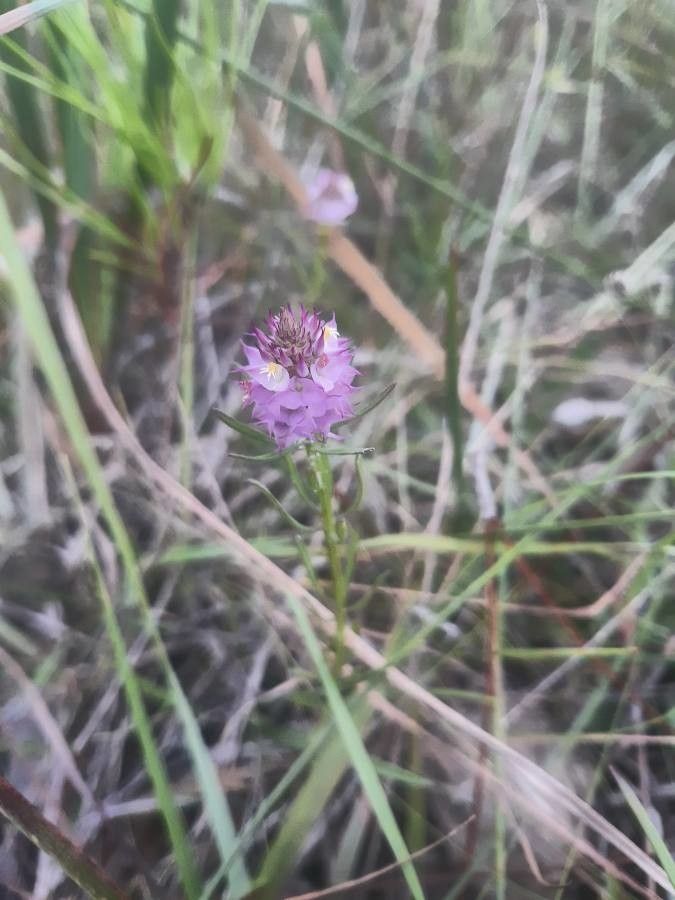
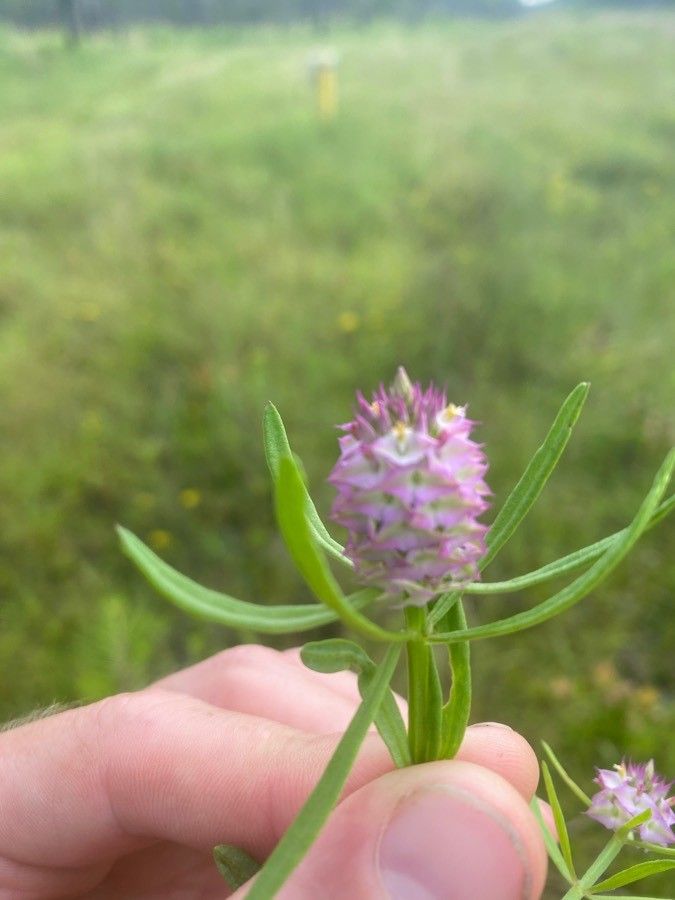
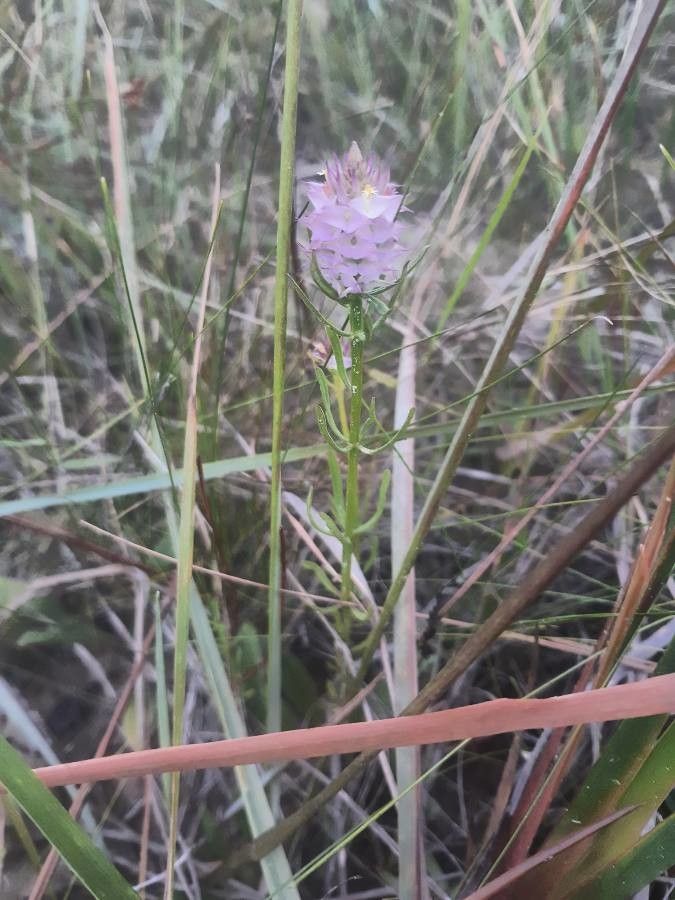
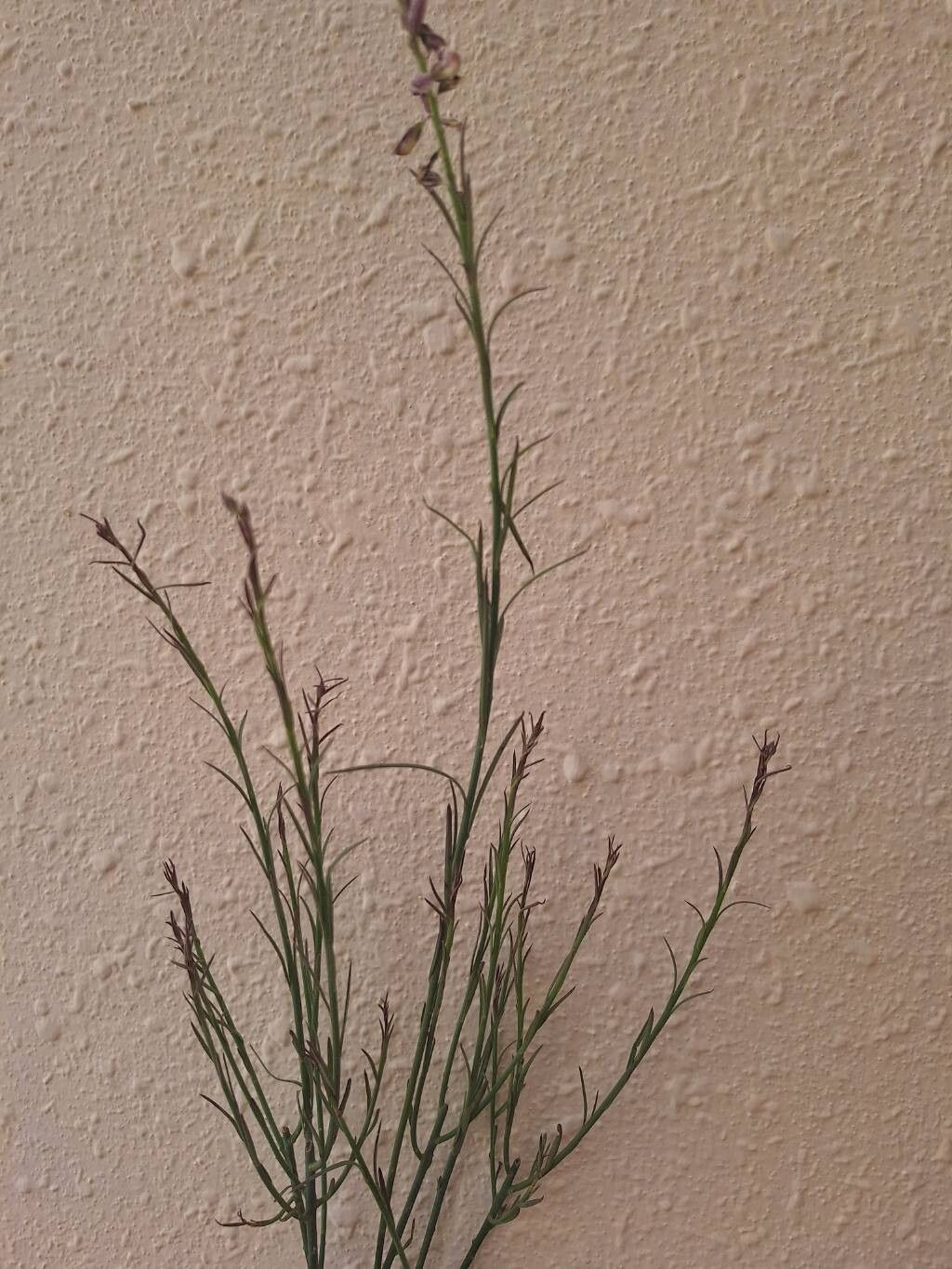
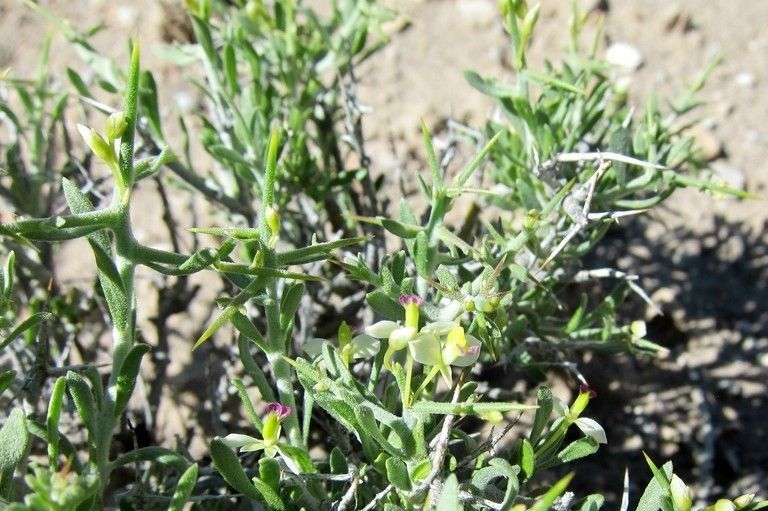
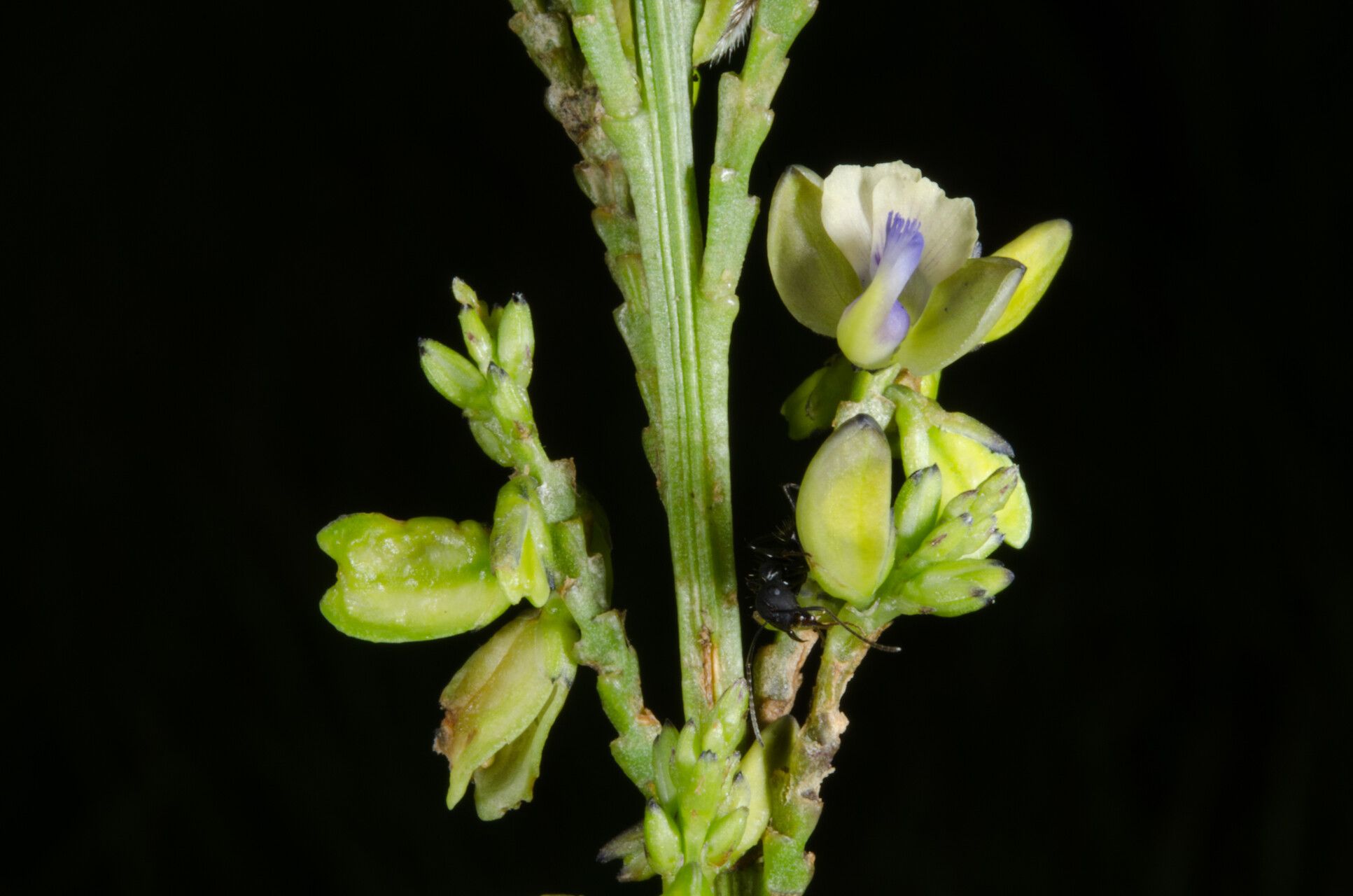
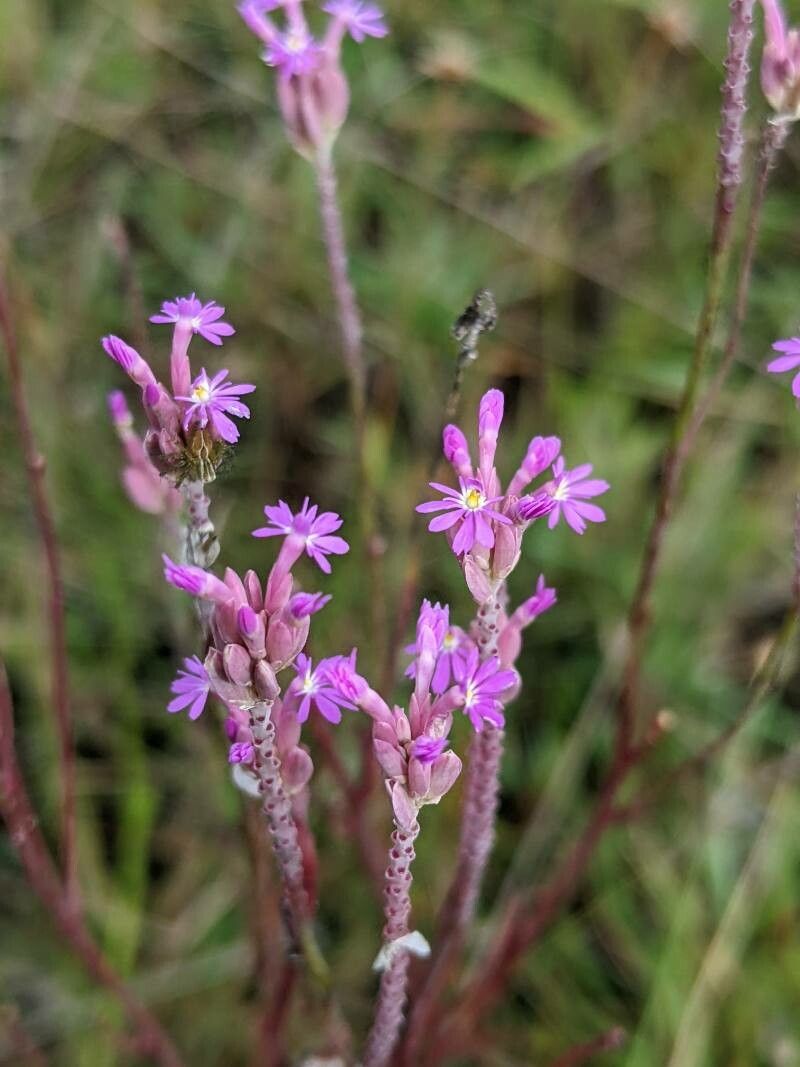
Polygala cruciata, commonly called drumheads milkwort, is a species of flowering plant in the milkwort family. It is native to eastern North America, where it is found in scattered localities, particularly around the Coastal Plain, the Great Lakes, and the southern Appalachian Mountains. It is found most often in wet, sandy prairies and marshes.It is an annual that produces pink-purple flowers in the summer.
Drumheads has strong resistance to disease and typically does not suffer from them. However, it can be affected by pests and diseases present nearby. Such infections are generally mild. Regarding care, this plant needs moderate maintenance. It should be pruned regularly to preserve a neat appearance and encourage healthy growth. Applying fertilizer can also aid flowering. Drumheads is suitable for anyone with outdoor space, such as a garden or patio, and does not require extensive care experience. When grown indoors it may need more attention.
How to keep Polygala Cruciata.
Light
Drumheads primarily needs abundant sunlight to maintain optimal health. The plant does best in environments where sunlight is present for most of the day, although it can also survive in places with less sun. Excessive or insufficient sun exposure can lead to negative effects. Its original habitat was a sun-drenched landscape.
Temperature
Drumheads comes from habitats with moderate to warm temperatures and typically does best between 68 and 95 °F (20 to 35 ℃). Keeping the temperature consistent within this range as the seasons change will keep the plant healthy.
Fertilizer
Drumheads respond well to regular, dilute applications of fertilizer to encourage healthy leaf development. You should apply fertilizer roughly once a month during the summer. Nitrogen is important for foliage, and providing nitrogen-rich sources helps Drumheads thrive.
Pruning
Drumhead plants produce clustered blooms and have a compact growth habit. To encourage healthy growth, it is beneficial to prune them in early spring. Remove any dead stems and thin out dense areas to improve air circulation and promote blooming. Regular maintenance helps prevent overgrowth and preserves their structure. For more specific advice, consider consulting local horticultural resources.
Botanical profile.
- Plant Type
- Herb
- Life Cycle
- Annual, Perennial
- Genus
- Polygala
- Family
- Polygalaceae
- Hardiness Zone
- 4-10
- Mature Height
- 10 cm to 25 cm
- Mature Spread
- 10 cm to 20 cm
- Leaf Color
- Green
- Leaf Type
- Deciduous
- Flower Color
- Pink, Purple
- Flower Size
- 0.25 cm to 0.51 cm
- Bloom Time
- Summer
- Planting Time
- Spring, Summer
- Harvest Time
- Late summer, Early fall, Mid fall
- Native Area
- Georgia
Other names.
Reader questions.
What are the sunlight requirements for Drumheads?
Drumheads require ample exposure to sunlight for optimal health, thriving best in full sun conditions of above 6 hours of sunlight a day. They can also subsist in partial sun, with about 3-6 hours of sunlight. It's crucial to observe your garden's sunlight patterns to position your plants in spots that offer a perfect balance of light and shade, ensuring their growth and health. Originally from sun-drenched landscapes, Drumheads display unfavorable consequences if overexposed or underexposed to sunlight.
What are the ideal temperature conditions for growing Drumheads?
Drumheads thrive in moderate to warm environments, ideally between 68 to 95 °F (20 to 35 °C). To ensure the plant remains healthy, it's important to maintain a steady temperature within this range throughout the changing seasons. Even though Drumheads exhibit strong cold resistance and special frost protection measures are not usually necessary, it's recommended to offer cold protection if temperatures are expected to drop below -30°C, by covering the plant with materials like soil or straw. Additionally, watering the plant abundantly before the first freeze of autumn to keep the soil moist helps prevent drought and water scarcity during winter and early spring.
How can artificial lighting benefit indoor Drumheads?
Indoor Drumheads benefit significantly from artificial lighting, especially in scenarios where natural sunlight is scarce, such as during winter or in less sunny spaces. Artificial lights, like LED lights customized to provide specific wavelengths, are essential for promoting faster and healthier growth. For optimal growth, full sun plants require 30-50W/sq ft of artificial light, partial sun plants need 20-30W/sq ft, and full shade plants need 10-20W/sq ft. The artificial light source should be placed 12-36 inches above the plant, mimicking natural sunlight, and should be kept on for about 8-12 hours per day to simulate natural daylight hours.
How does Drumheads react to low temperatures, and what are the recommended solutions?
Drumheads is cold-tolerant and performs best when the temperature stays above 20°C, but it should remain above 0°C during winter. If the temperature falls below -30°C, there may not be noticeable changes during winter, but a decrease in sprouting or absence of sprouting may occur in spring. If some parts fail to sprout in spring, it's advisable to remove those parts to ensure the health of the remaining plant.
What are the symptoms of light deficiency in Drumheads?
Drumheads, when not receiving sufficient sunlight, particularly when grown indoors, may exhibit several symptoms indicating light deficiency. These include small leaves, leggy or sparse growth, faster leaf drop, slower or no new growth, and lighter-colored new leaves. Symptoms of excessive sunlight exposure include chlorosis, where leaves lose their green color; sunscald, showing as pale, bleached areas on the plant; leaf curling as a defense mechanism against too much sunlight; wilting from loss of water through transpiration; and leaf scorching, characterized by dry and crispy leaf edges.
What should I do if Drumheads experiences high temperatures?
Drumheads should be kept in temperatures below 35°C during summer. Should the temperature exceed 41°C, you may observe that the leaves lighten in color, become prone to curling, may suffer sunburn, and in severe cases, the entire plant could wilt and dry. It's recommended to trim away sunburned and dried-up sections of the plant, move the plant to a shaded location or provide shade using a cloth during midday and afternoon hours, and water the plant in the morning and evening to keep the soil moist and support its health.
What solutions can address Drumheads' sunlight requirements?
To ensure Drumheads meet their sunlight requirements, gradually moving them to sunnier locations can help, whether indoors or outdoors. For indoor plants, gradually increase sunlight exposure each week or use artificial light sources like desk or grow lights for at least 8 hours daily. For outdoor plants, also gradually move them to sunnier spots, avoiding sudden light intensity changes to prevent sunburn. If dealing with ground-planted Drumheads, reducing obstructions like tree branches can increase sunlight exposure. Remember, transplanting should be done in the plant's dormant period for minimal stress.
What is the botanical name of Drumheads?
The botanical name of Drumheads is Polygala cruciata.