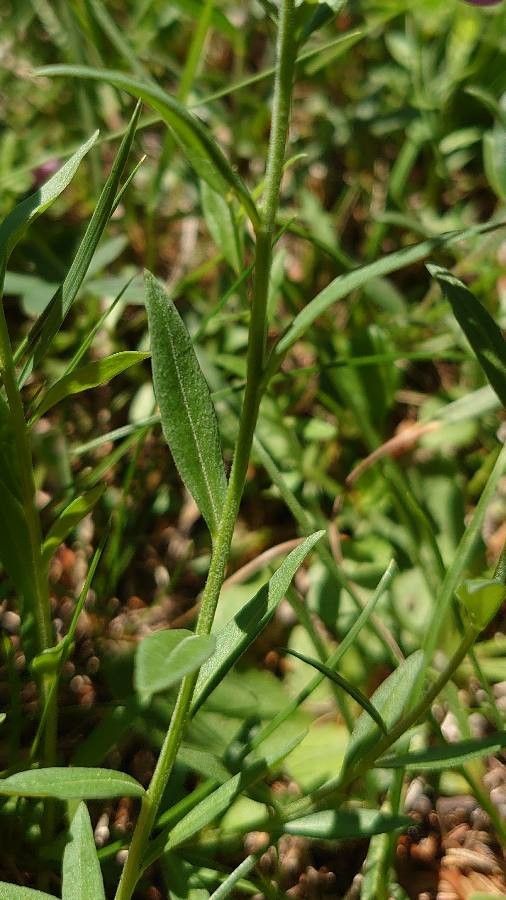
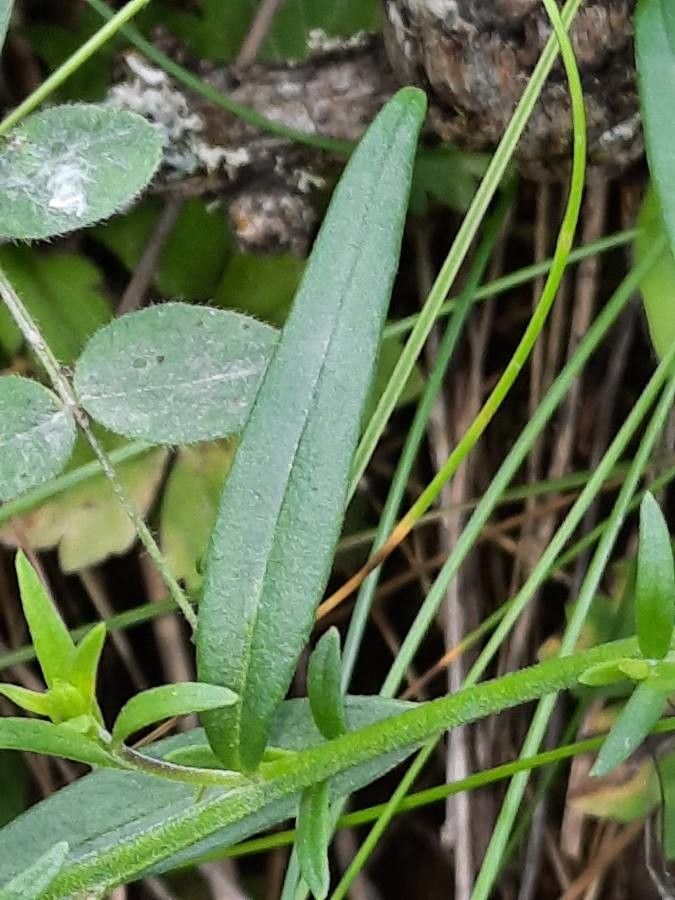
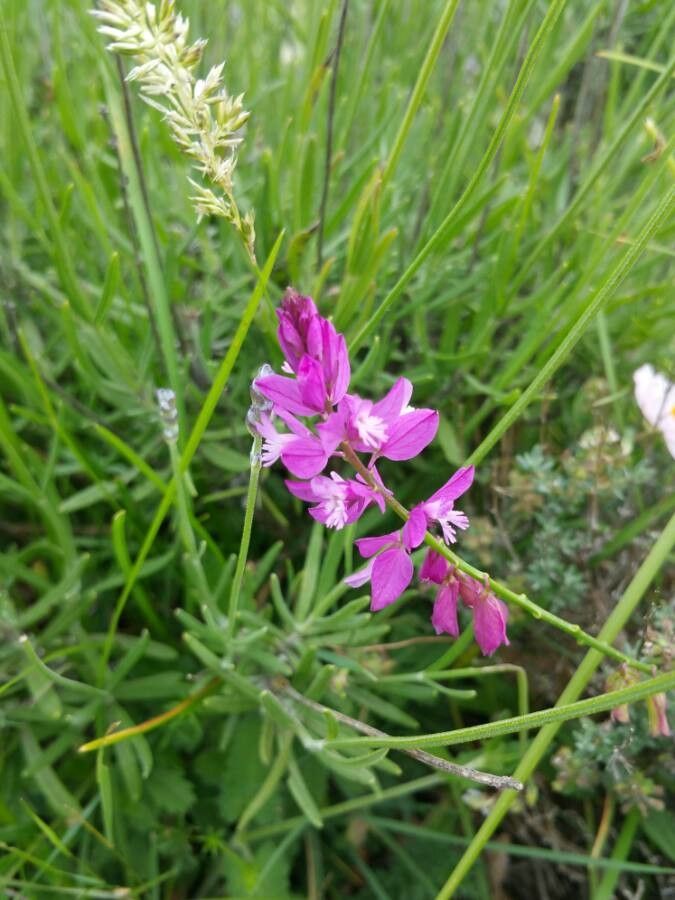
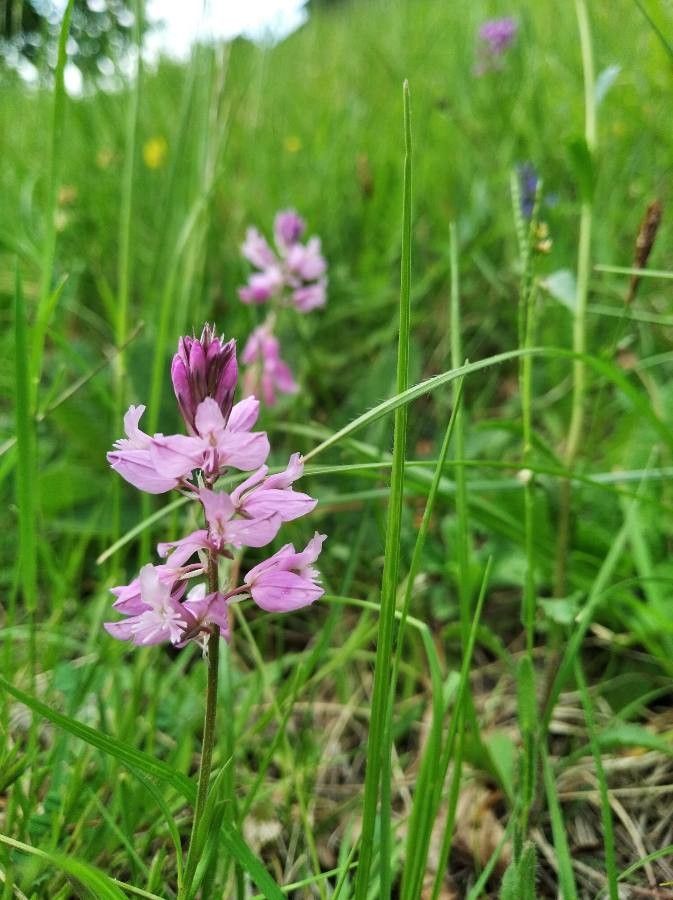
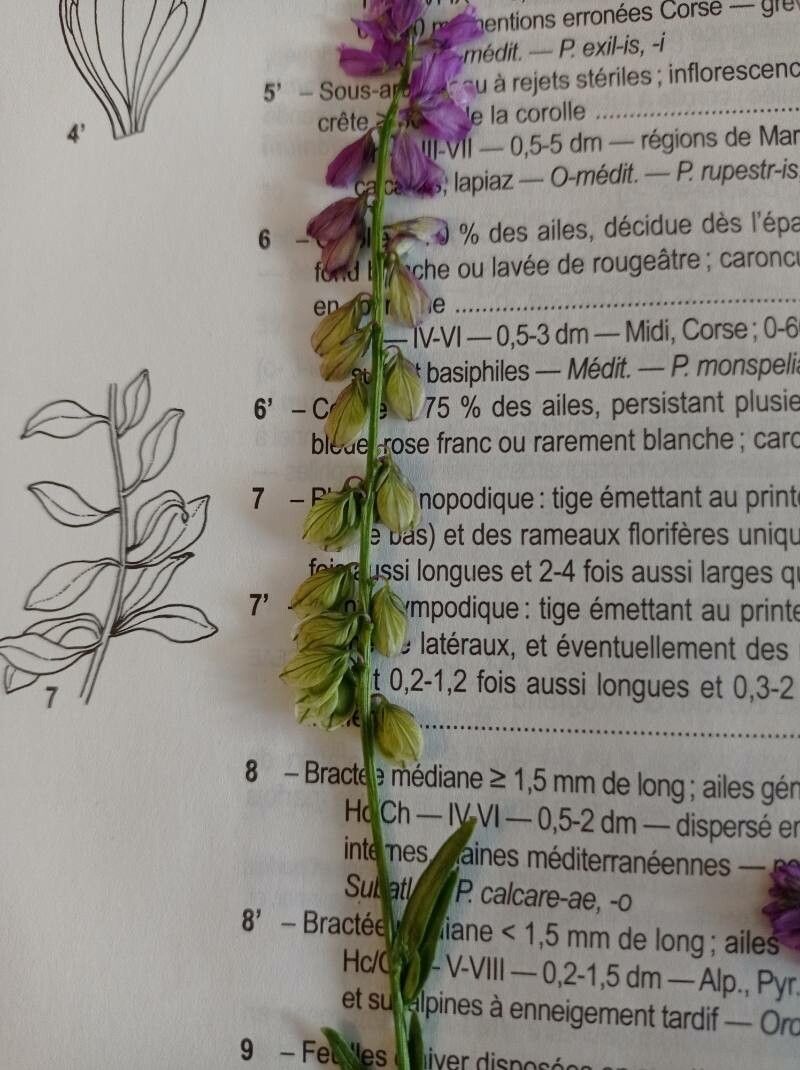
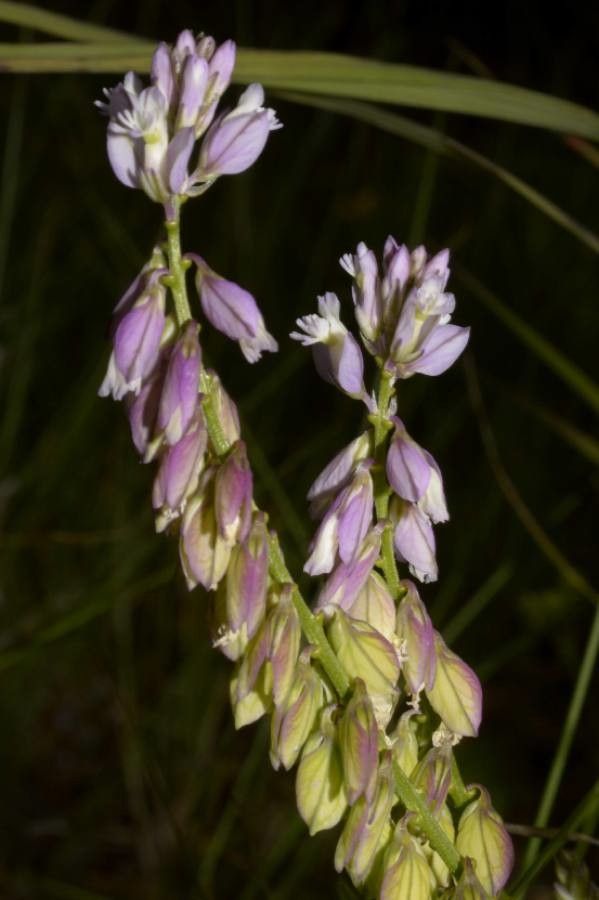
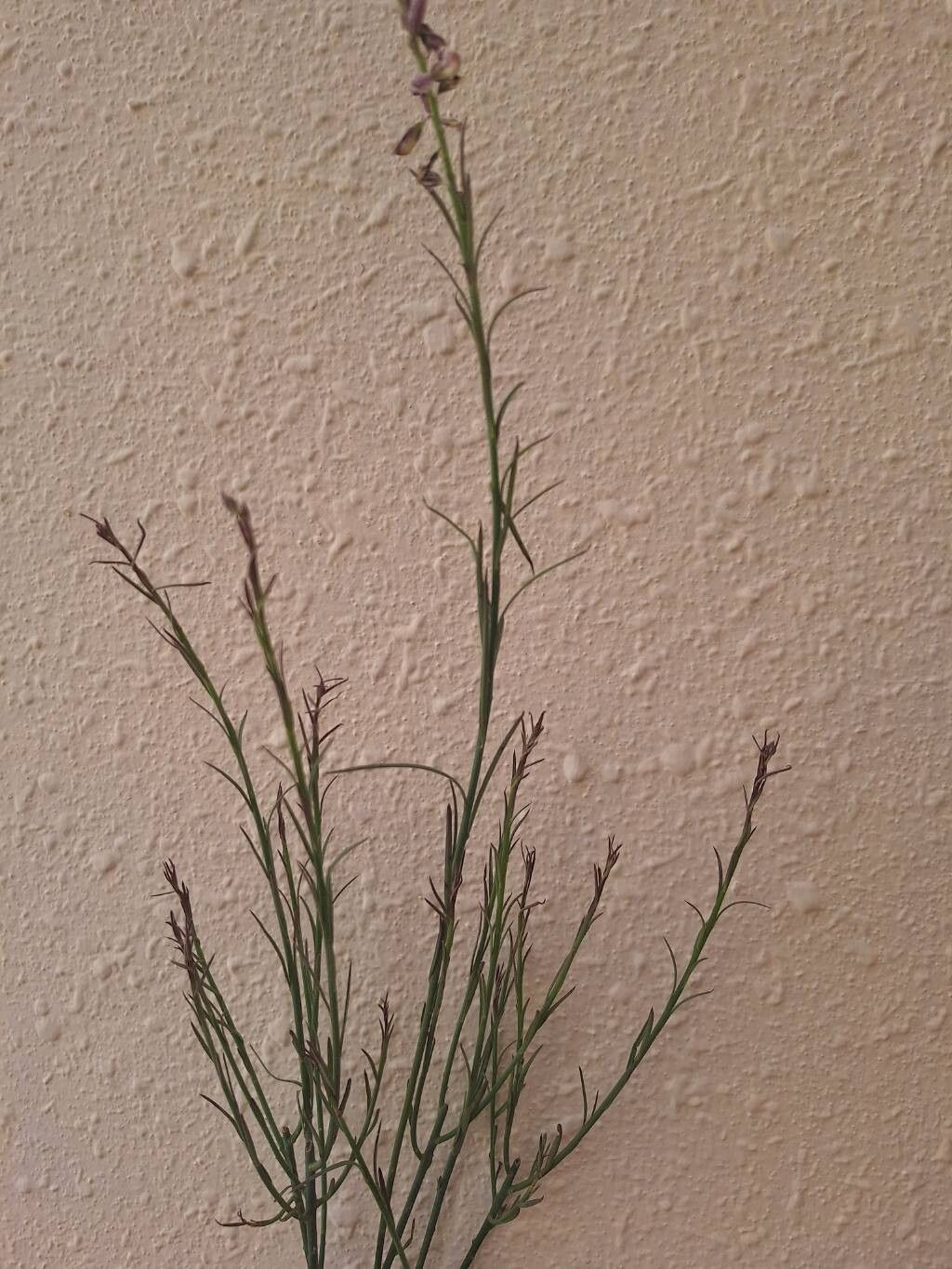
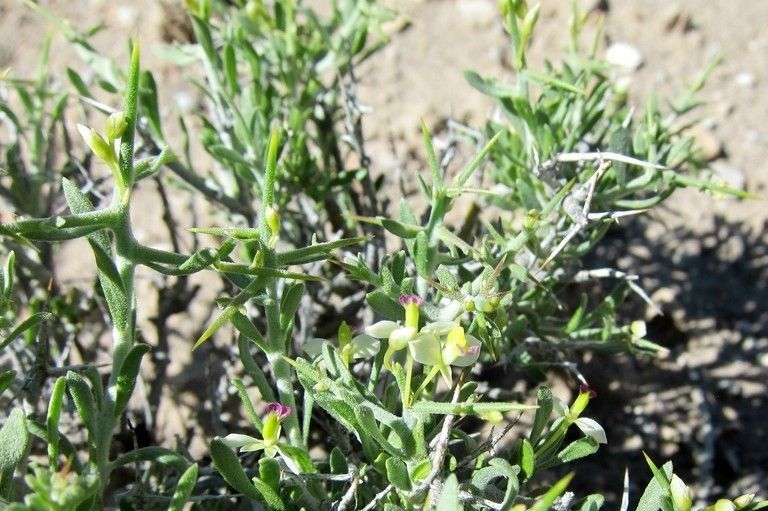
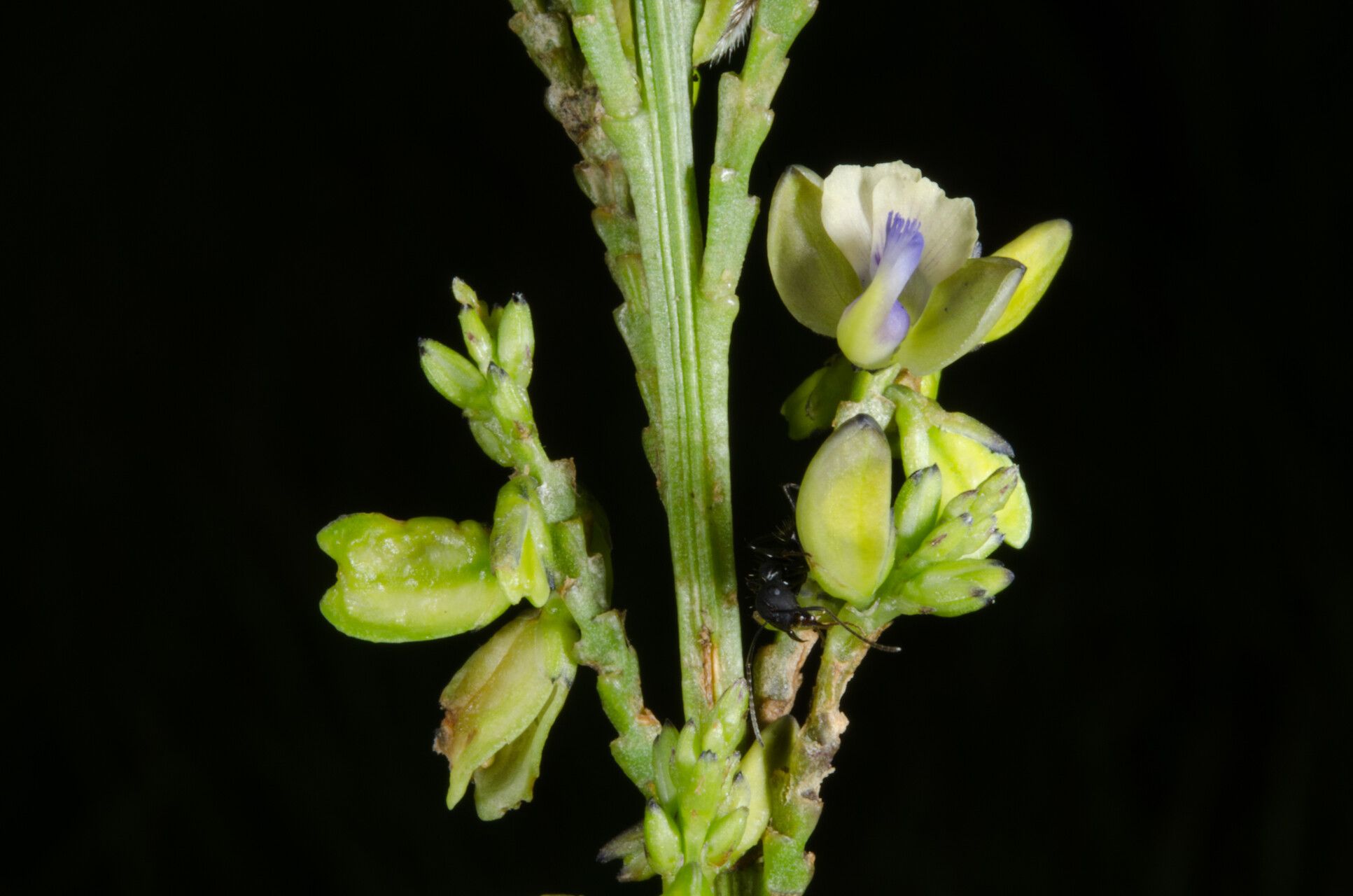
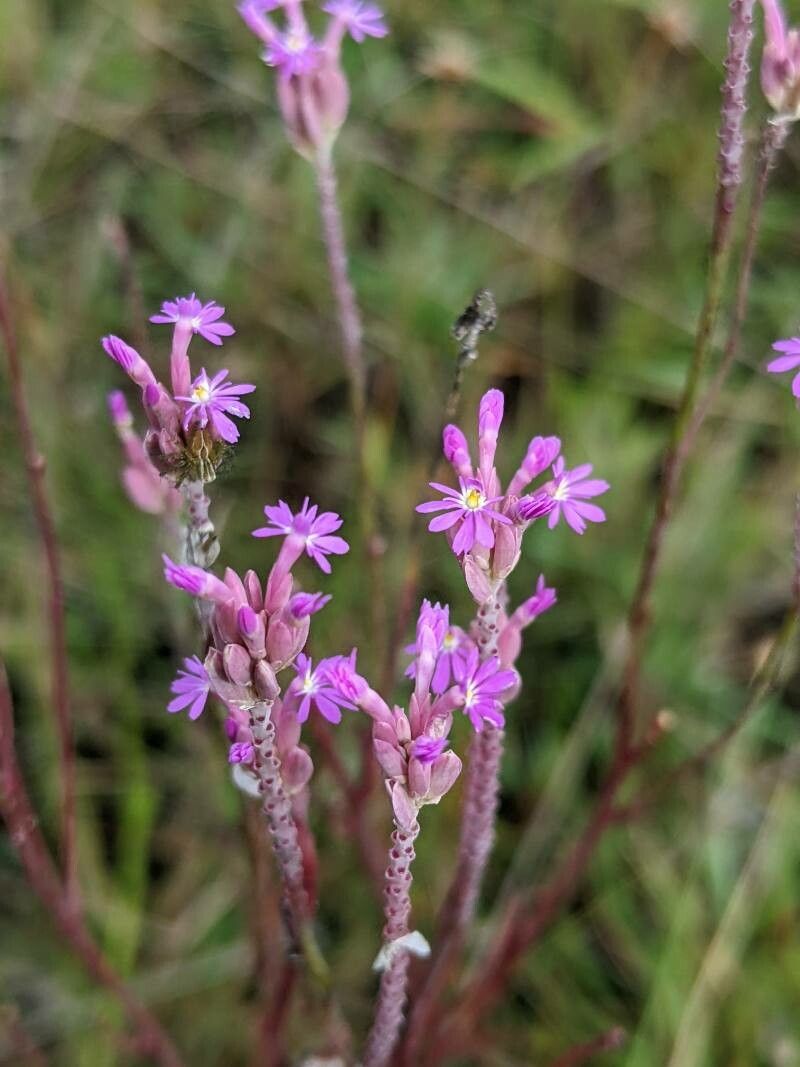
Polygala comosa, commonly known as Fringed Milkwort, is a perennial herbaceous plant from the Polygalaceae family. Native to North America, it thrives in various habitats, including meadows, prairies, and open woods. The plant grows up to about 60 cm tall, featuring a branching stem with narrow leaves arranged alternately.
From May to August, Fringed Milkwort produces small pink or purple flowers, which are clustered at the end of each stem. These flowers have distinctive fringed petals, giving them a unique appearance. Additionally, the plant produces small fruits that contain seeds.
For centuries, Native Americans have used Polygala comosa for its medicinal properties, believing it could treat various ailments such as respiratory problems, digestive issues, and skin conditions.
Fringed Milkwort is also an important food source for many insects, including bees and butterflies, which are attracted to its nectar-rich flowers. Furthermore, it provides habitat for small animals like rodents that use the plant for shelter.
Overall, Polygala comosa is a striking native plant with unique fringed petals. It plays a crucial role in its ecosystem and has been valued by humans for its medicinal properties throughout history.
Tufted milkwort has strong disease resistance and is generally not susceptible to illnesses. However, it can be affected by pests and diseases present in its environment, and such infections are usually mild. Regarding care, this plant needs moderate maintenance. It requires regular pruning to preserve a neat appearance and encourage healthy growth. Applying fertilizer can also help stimulate flowering. Tufted milkwort is appropriate for anyone with an outdoor area, such as a garden or patio, and does not demand extensive care experience. It may need more attention when kept indoors.
How to keep Polygala Comosa.
Light
Tufted milkwort is a sun-loving perennial herbaceous species that comes from open habitats, commonly thriving in meadows and grasslands. It prefers full sun but can also tolerate partial sun.
Temperature
Tufted milkwort can tolerate a wide range of temperatures, but its distribution may still be restricted by different combinations of moisture and heat. It performs best in warm summer conditions with sufficient rainfall or regular watering. Extended stretches of cloudy, rainy weather or prolonged high temperatures can raise the chance of Tufted milkwort dying. In winter, adequate protection from the cold can increase the plant's chances of survival.
Fertilizer
The ideal time to fertilize a Tufted milkwort is in early spring, as it comes out of dormancy and begins active growth. Fertilization supplies essential nutrients for healthy development. Although Tufted milkwort has relatively low fertilizer requirements, annual fertilization can improve its survival and encourage better, longer-lasting flowers.
Pruning
The tufted milkwort showcases colorful flowers and has a distinct tufted shape. To encourage healthy growth and vibrant blooms, it's best to prune the plant in early spring. This involves removing any dead stems and shaping the plant. Pruning not only promotes robust displays during the blooming season but also improves air circulation, reducing the risk of disease and pests.
Botanical profile.
- Plant Type
- Herb
- Life Cycle
- Perennial
- Genus
- Polygala
- Family
- Polygalaceae
- Hardiness Zone
- 5-9
- Mature Height
- 20 cm to 40 cm
- Mature Spread
- 15 cm to 25 cm
- Leaf Color
- Green, Dark Green
- Leaf Type
- Deciduous
- Flower Color
- Pink, Purple
- Flower Size
- 0.51 cm to 0.76 cm
- Bloom Time
- Mid spring, Late spring, Early summer
- Planting Time
- Spring, Autumn
- Harvest Time
- Summer
- Native Area
- Turkey, Sweden, Austria, Bulgaria, Poland, Greece, Belarus, Ukraine, China, Uzbekistan, Russia, Hungary, Germany, Italy, Spain, Switzerland, Netherlands, Mongolia, Finland, Albania, Romania, Belgium, France
Other names.