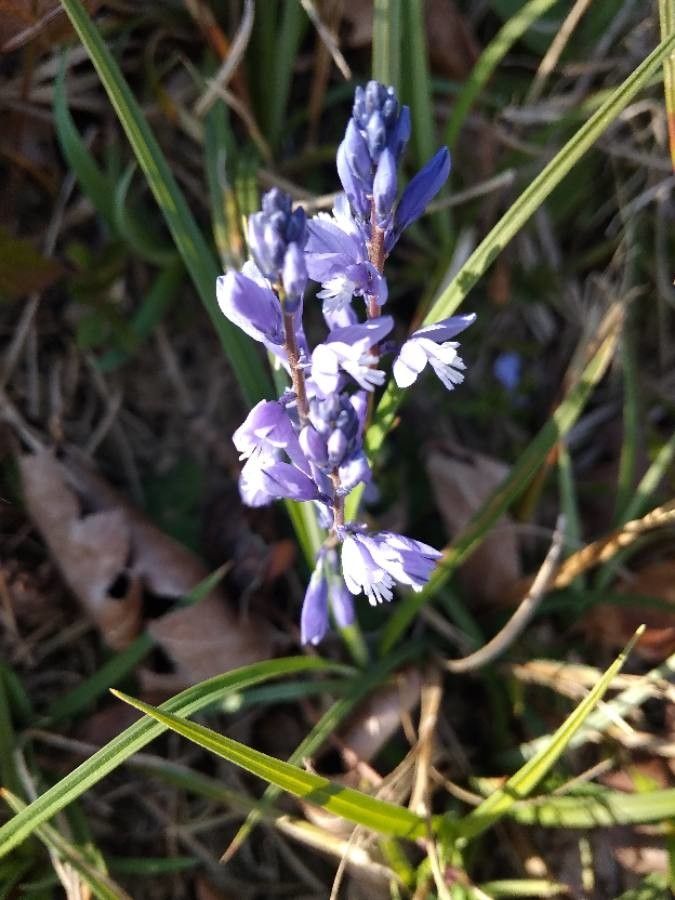
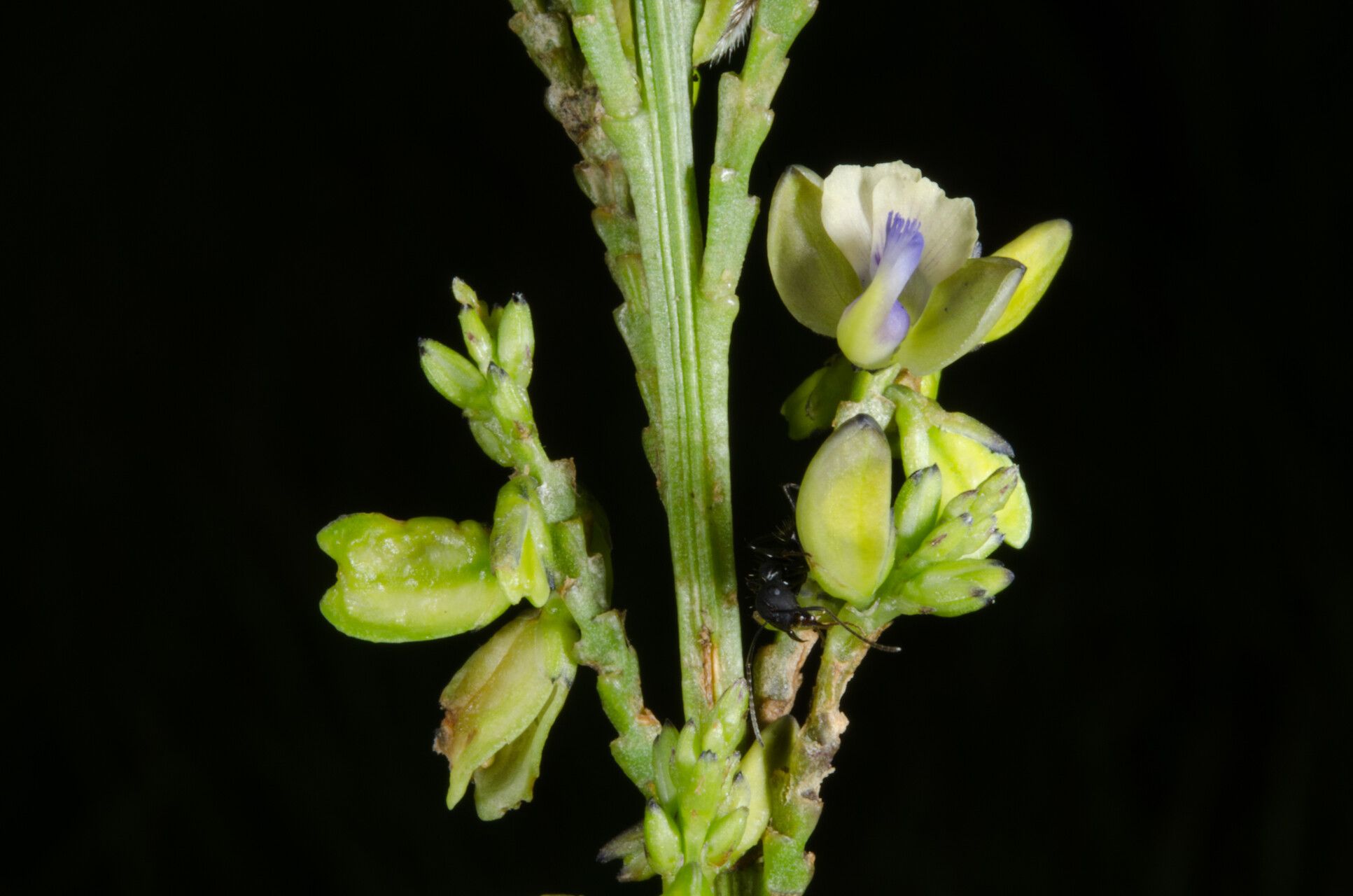
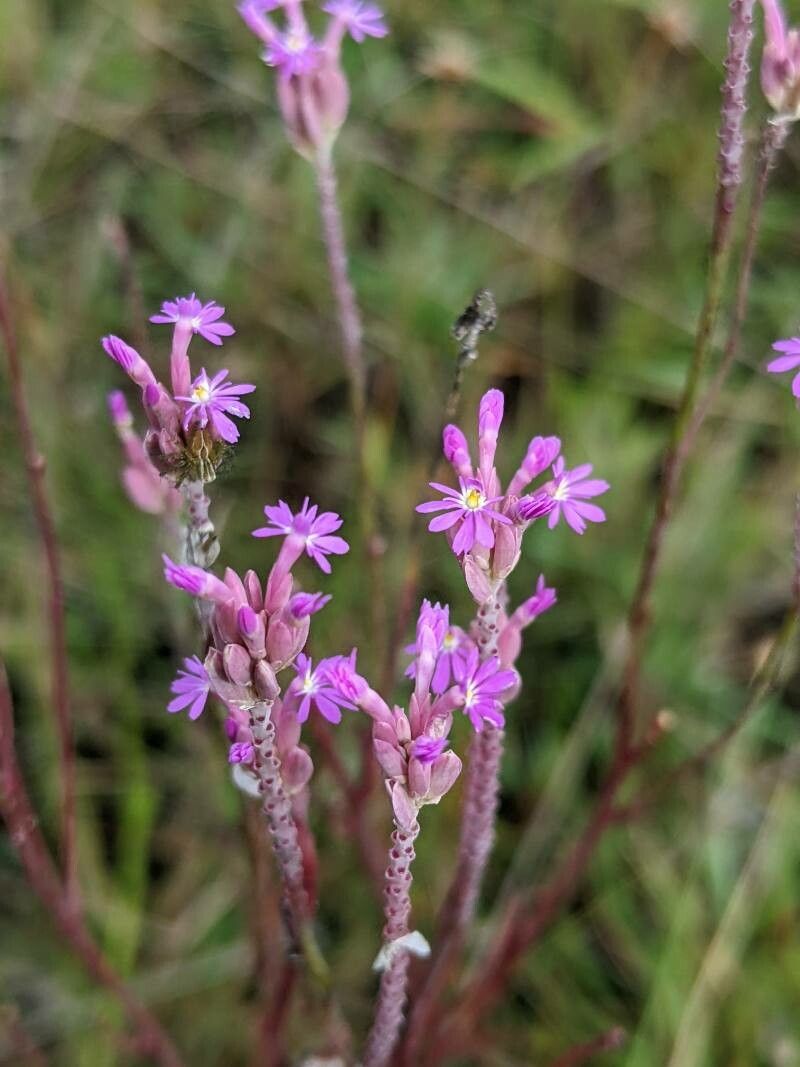
Polygala calcarea, commonly known as Chalk Milkwort, is a small perennial plant in the Polygalaceae family. Native to Europe, it thrives in chalky or limestone soils found in grasslands, meadows, and open woodlands.
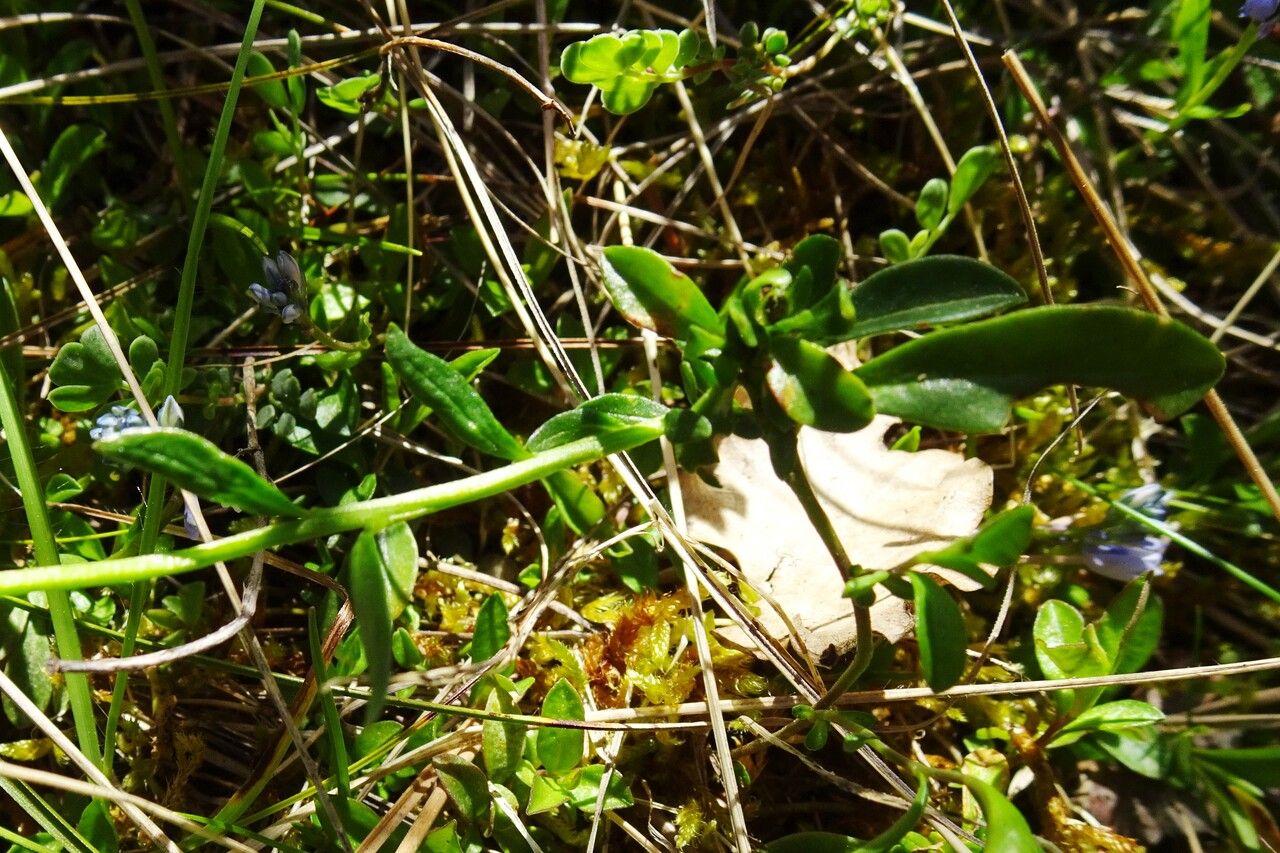
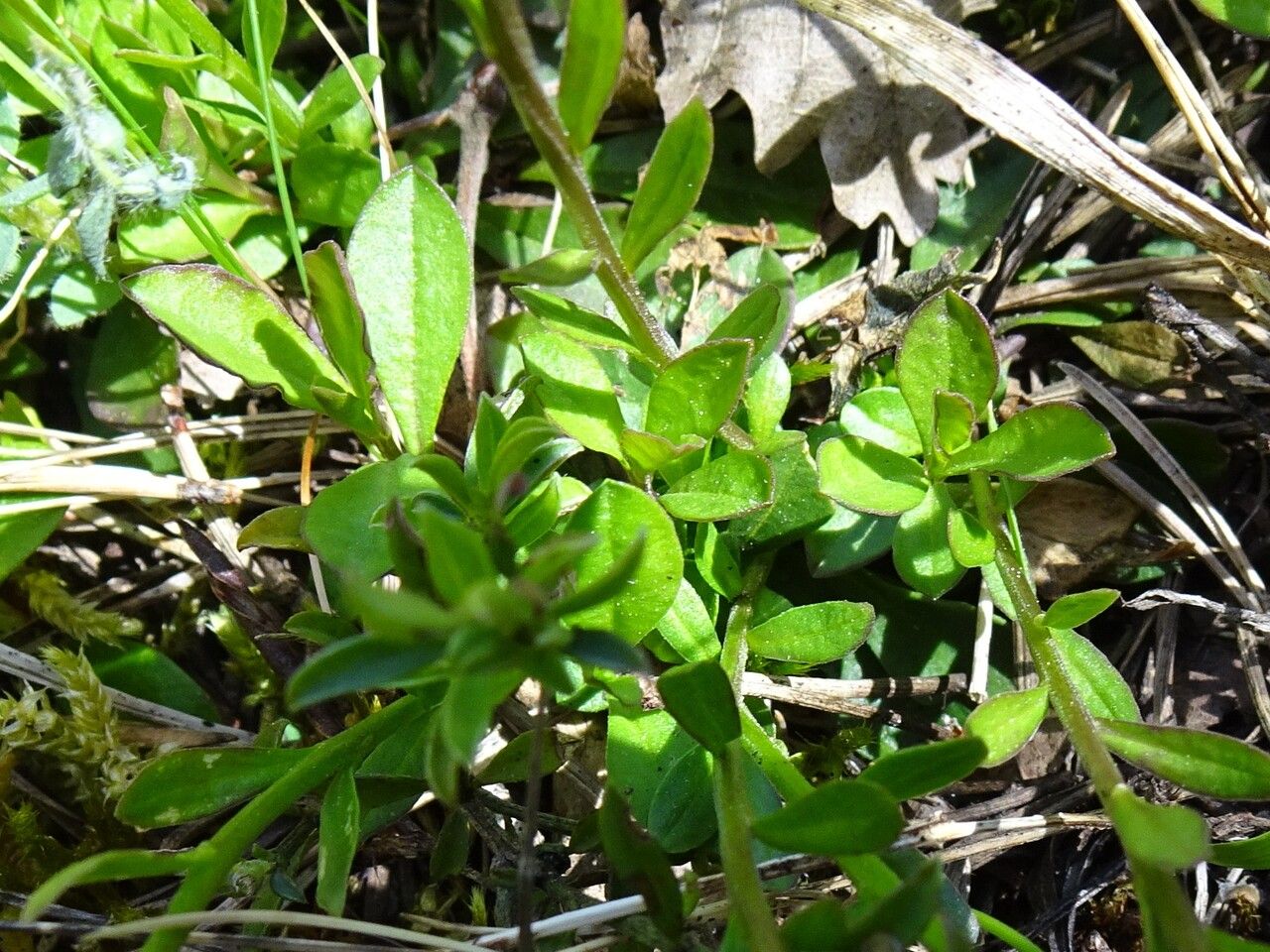
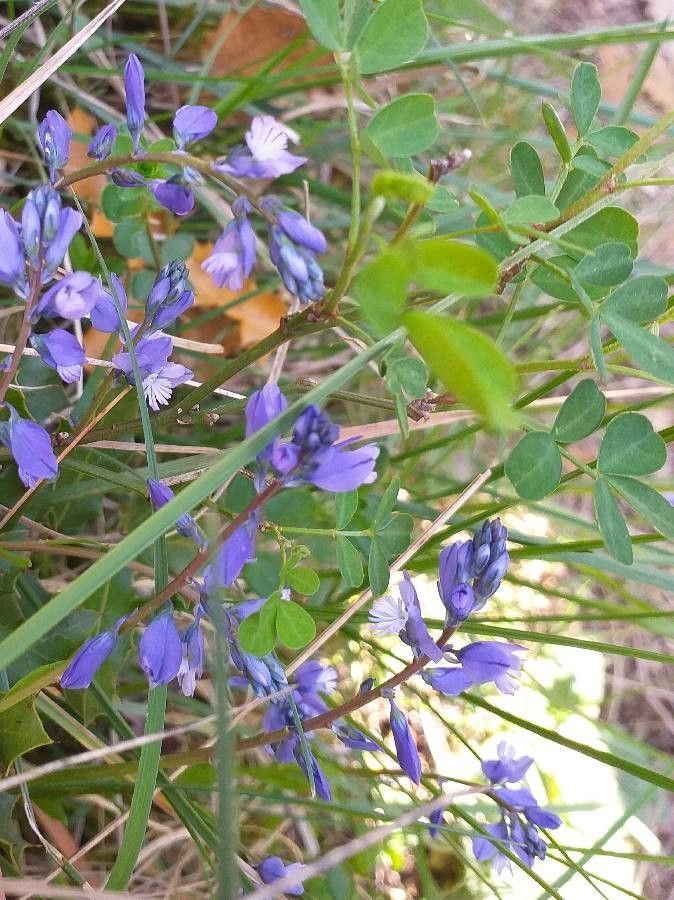
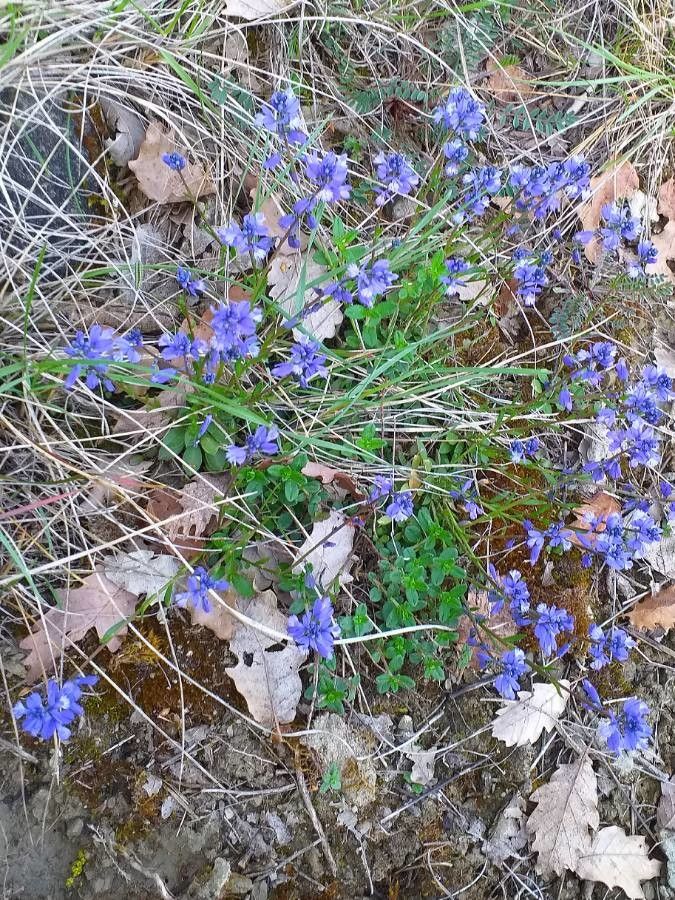
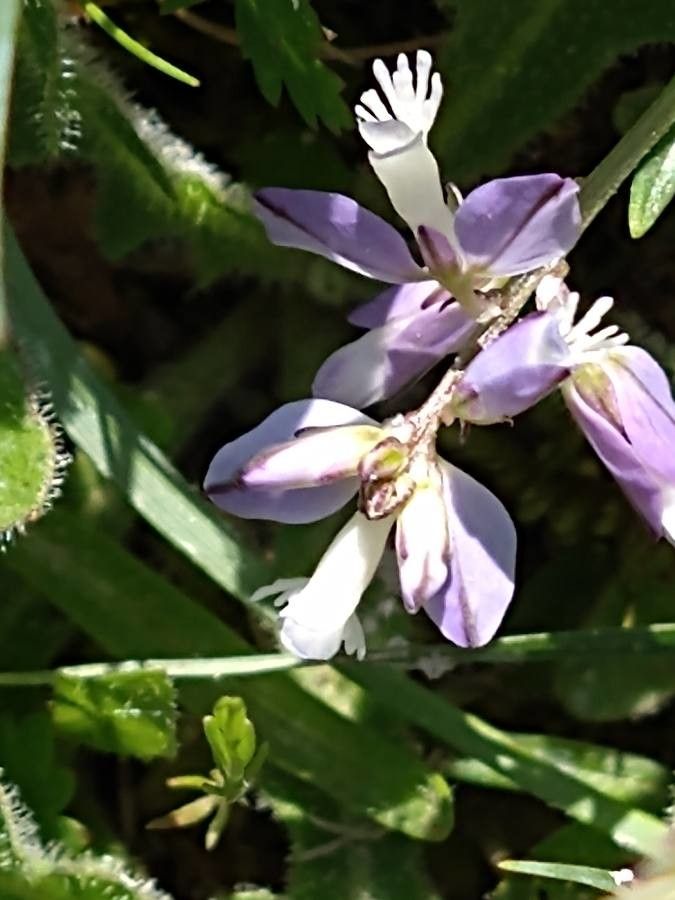
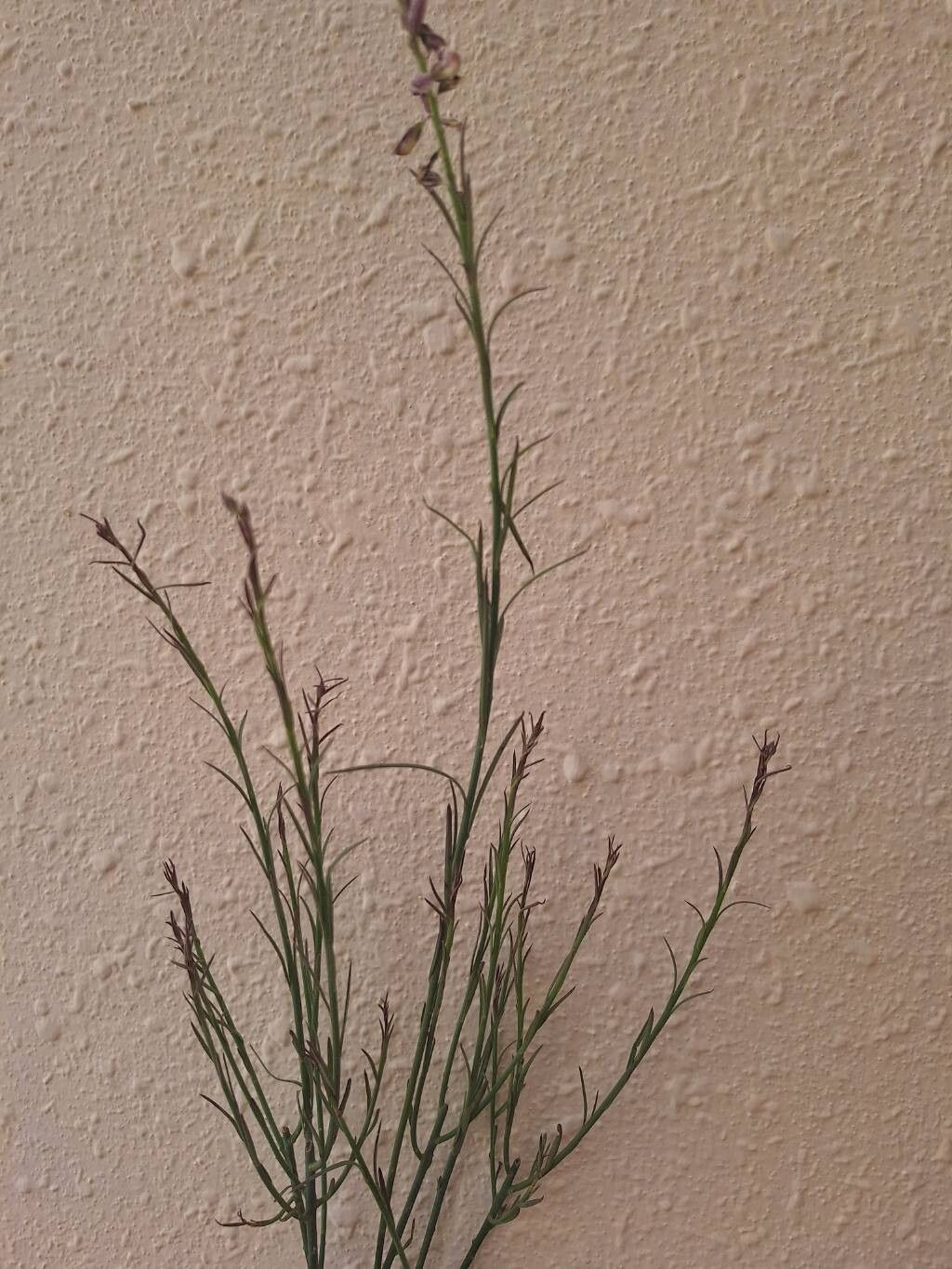
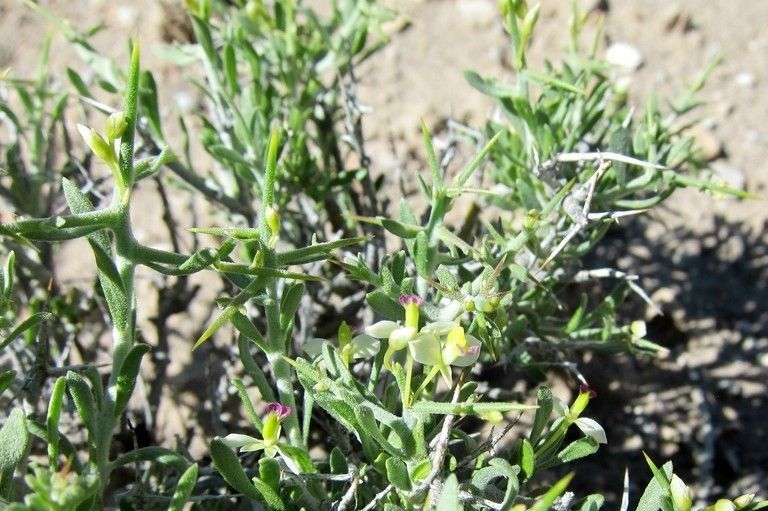
The plant displays a compact growth habit with stems reaching up to 30 cm in height. Its leaves are narrow, lance-shaped, and glossy green. The flowers are small, pinkish-purple, and form dense clusters at the tops of the stems.
Traditionally, Polygala calcarea has been valued for its anti-inflammatory properties in medicinal uses. Additionally, its attractive flowers make it a popular choice for ornamental gardening.
The Chalk Milkwort serves as a significant food source for various insects, including bees and butterflies, which are drawn to its nectar-rich flowers. Unfortunately, due to habitat loss from agricultural expansion and urbanization, it is considered rare or endangered in some regions.
In summary, Polygala calcarea is a fascinating plant species with important ecological roles and cultural significance. Its traditional medicinal uses, ornamental appeal, and support for insect life highlight its diverse value.
Chalk milkwort exhibits strong resistance to disease and is usually not susceptible to illnesses. Still, it can be affected by pests and diseases present in its environment. These problems are typically not serious. For care, this plant needs a moderate level of maintenance. It should be pruned regularly to keep a neat appearance and support healthy growth. Fertilizing can also help encourage flowering. Chalk milkwort is well suited for people who have outdoor areas, such as a garden or patio, and does not demand extensive care experience. It may need more attention when grown indoors.
How to keep Polygala Calcarea.
Light
Chalk milkwort comes from habitats with filtered light, such as the understory of tropical woodlands or rocky sites that provide natural shade. It favors partial sun but can also tolerate complete shade.
Water
Chalk milkwort naturally grows in rocky, chalky areas and can withstand moderate moisture levels as well as short periods of drought. To keep it well-hydrated, it is best to water it once a week. This plant thrives outdoors and benefits from natural rainfall, which makes it an excellent choice for rock gardens or environments that resemble its native habitat.
Temperature
Chalk milkwort grows best at temperatures of 68 to 95 °F (20 to 35 °C). Native to a temperate region, it can adapt to a range of weather conditions. Seasonal adjustments in temperature may be needed to reproduce its natural climate.
Fertilizer
The best time to fertilize a Chalk milkwort is in early spring, as it is coming out of dormancy and beginning active growth. Fertilizing supplies essential nutrients for healthy growth. Although Chalk milkwort has relatively low feeding requirements, an annual application can improve its survival and encourage better, longer-lasting flowers.
Pruning
To ensure the health and beauty of chalk milkwort in your garden, it's important to prune it from early to late spring. This involves removing spent blooms and overgrown parts to encourage new growth and more flowers. Additionally, cutting away dead or damaged stems will strengthen the plant, promote a bushier appearance, and enhance its ornamental charm.
Botanical profile.
- Plant Type
- Herb
- Life Cycle
- Perennial
- Genus
- Polygala
- Family
- Polygalaceae
- Hardiness Zone
- 9-10
- Mature Height
- 5 cm
- Mature Spread
- 20 cm
- Leaf Color
- Green
- Leaf Type
- Semi-evergreen
- Flower Color
- Blue, Pink
- Flower Size
- 0.51 cm
- Bloom Time
- Spring
- Planting Time
- Spring, Summer, Autumn
- Harvest Time
- Summer
- Native Area
- Germany, Italy, Spain, Switzerland, United Kingdom, Belgium, France
Other names.
Reader questions.
How should I water my Chalk milkwort plant?
To properly care for the Chalk milkwort plant, it is recommended to use filtered water at room temperature. Tap water may have harmful particles, so filtered water is preferable. The Chalk milkwort prefers warm conditions, so avoid using cold water. It is also advised to avoid overhead watering, as it can harm the foliage. Instead, water the plant by applying filtered room temperature water directly to the soil until it is fully saturated. This method helps moisten the roots and assists in spreading through the soil to collect essential nutrients.
What is the ideal temperature range for Chalk milkwort, and how does it adapt to varying weather patterns?
Chalk milkwort thrives within a temperature range of 68 to 95 °F (20 to 35 °C), showing adaptability to varying weather patterns thanks to its temperate origin. It has some tolerance to cold, generally requiring no additional measures if temperatures stay above 0°C. In its native climate, seasonal temperature adjustments are helpful, and if temperatures are expected to drop below freezing, temporary cold protection measures like using plastic film, fabric, or other materials to wrap the plant are necessary. These protections should be removed once temperatures rise again.
What do I do if I give my Chalk milkwort too much or too little water?
Overwatering and underwatering can harm your Chalk milkwort, but overwatering is more common. When this plant gets too much water, its stems and leaves may wilt and turn yellow. Overwatering for a long time can also cause diseases like root rot, mold, and mildew, which can kill your plant. Underwatering is less common because the Chalk milkwort can tolerate drought. However, it is still a possibility, and when it happens, the leaves of your plant will become brittle and brown. It's important to notice the signs of overwatering quickly. Some diseases caused by overwatering, like root rot, might not be fixable if you wait too long. If you see early signs of overwatering, reduce your watering immediately and examine the soil. If the soil drains poorly, replace it with a loose, well-draining potting mix. If you see signs of underwatering, simply water more regularly until those signs go away.
How does Chalk milkwort react to low temperatures, and what measures should be taken if temperatures drop significantly?
Chalk milkwort has moderate tolerance to low temperatures, thriving best above 20°C and needing to be kept above 0°C during winter. If temperatures fall below -5°C, the plant's leaves may droop, and severe cold can cause leaves to wilt and fall off. To protect Chalk milkwort in low temperatures, frost-damaged parts should be trimmed, and the plant should be wrapped with non-woven fabric or cloth. Constructing a wind barrier will also help protect it from cold winds.
How often do I need to water my Chalk milkwort?
Determining if your Chalk milkwort plant needs water depends on whether it is in a pot or grown outdoors in the ground. For potted plants, the most accurate way to check is by sticking your finger into the soil. If the top two to three inches are dry, it's time to water. The same method applies for outdoor plants: if the first few inches of soil are dry, it's time to give them water. Typically, during spring and early fall, watering once a week is sufficient. However, during hot weather, you may need to water them two or more times per week. It's important to note that mature Chalk milkwort plants have a commendable ability to withstand drought.
What effects do high temperatures have on Chalk milkwort, and how can the plant be protected from heat?
During summer, it's important to keep Chalk milkwort below 35°C to avoid adverse effects. Temperatures exceeding 41°C can cause the leaves to lighten in color, tips to dry and wither, leaves to curl, and increase the plant's susceptibility to sunburn. To protect Chalk milkwort from high temperatures, sunburned and dried parts should be trimmed away. Moving the plant to a shaded area or using shade cloth can protect it from the midday and afternoon sun. Watering the plant in the morning and evening helps keep the soil moist and supports plant health during hot periods.
How much water does my Chalk milkwort plant need?
When watering your Chalk milkwort, be generous with the amount of water you provide. Make sure the top two to three inches of soil are dry before watering. It's best to fully saturate the soil, allowing excess water to drain through the holes at the bottom of the pot. If you don't see this excess water draining, it means you haven't watered enough. However, be cautious not to let water accumulate in the soil as it can harm the plant. If water is not draining properly, it may be due to poorly draining soil, which should be avoided. If the plant is outdoors, one inch of rainfall per week is enough.
How do I water my Chalk milkwort while it is growing?
The water needs of the Chalk milkwort can vary depending on its growth stages. When it is in its early years or after being transplanted, it requires more water. During these stages, the Chalk milkwort focuses on growing new roots, which require extra moisture. As it matures, it will need less water. Additionally, during its bloom period, it may need more water as flower development requires significant moisture.
How often should I water my Chalk milkwort in different seasons?
The Chalk milkwort has varying water needs depending on the season. During the hottest months of the year, which is the height of summer, you may need to water the plant more than once per week, depending on how quickly the soil dries out. However, in the winter, the plant enters a dormant phase and requires significantly less water. In fact, you may not need to water the plant at all during winter. But if you choose to water it, do so no more than once per month. Overwatering during this time could increase the risk of disease for the Chalk milkwort.
What's the difference between watering my Chalk milkwort inside and outside?
If you live in a region that is not temperate or tropical, it is best to grow the Chalk milkwort indoors. When growing it in a container, keep in mind that the soil can dry out faster compared to ground soil. Also, if your Chalk milkwort is exposed to drying elements like air conditioning, you will need to water it more frequently compared to if it was planted outside. In such cases, watering your Chalk milkwort may not be necessary if it receives regular rainfall. However, if you are growing this plant indoors, you will need to water it more often since rainwater cannot soak the soil.