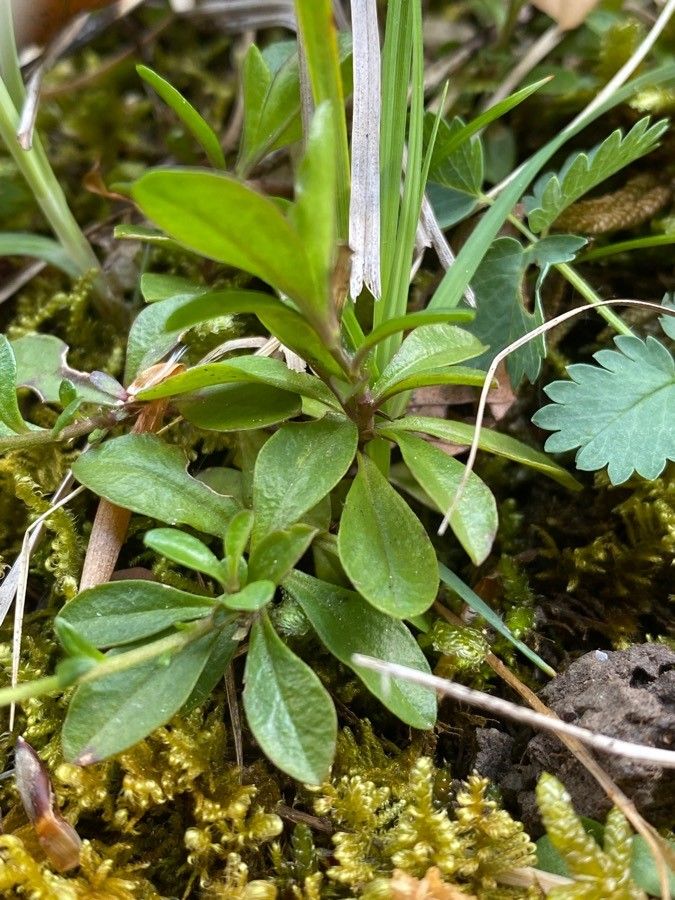
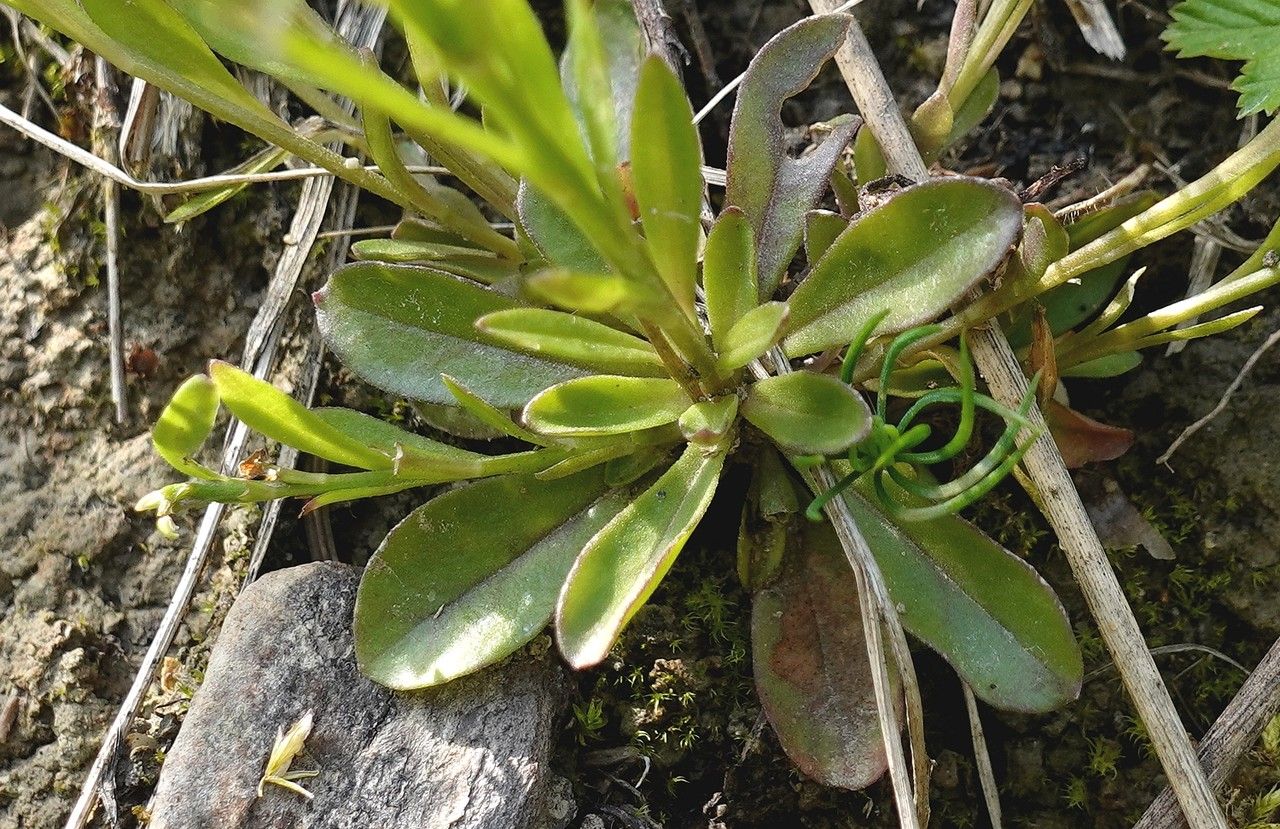
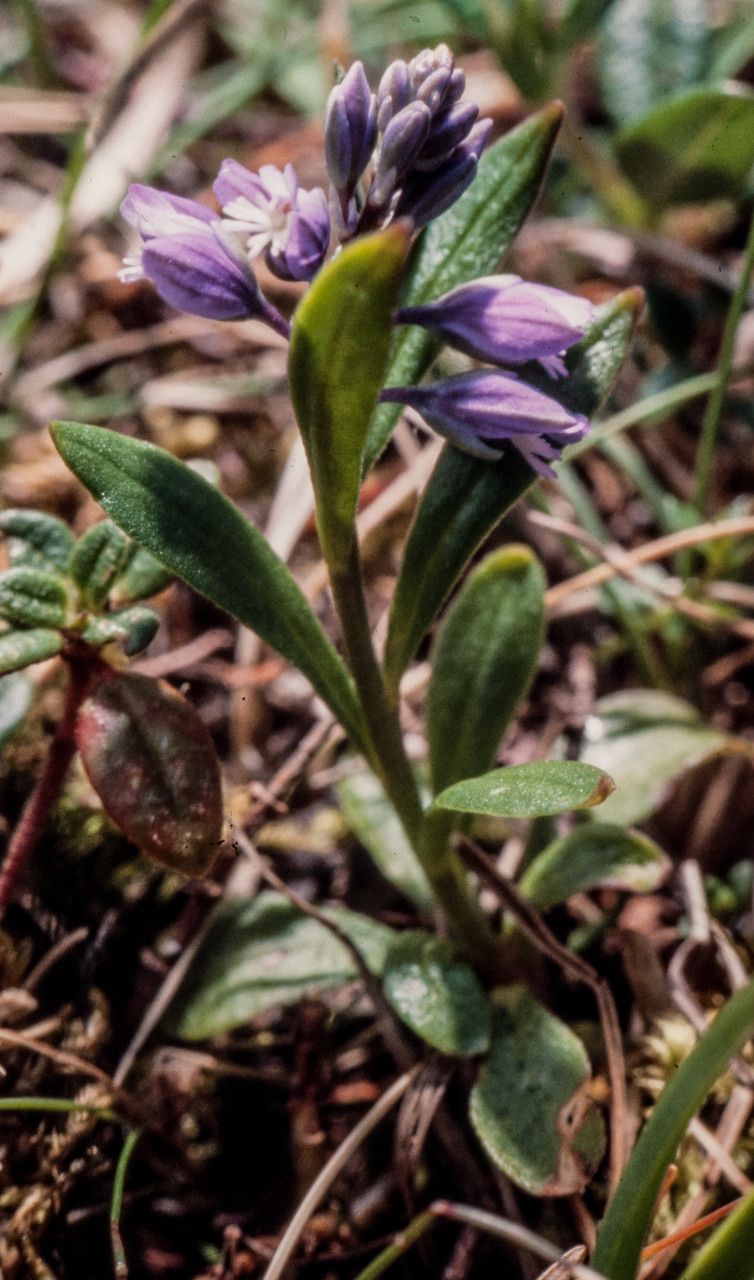
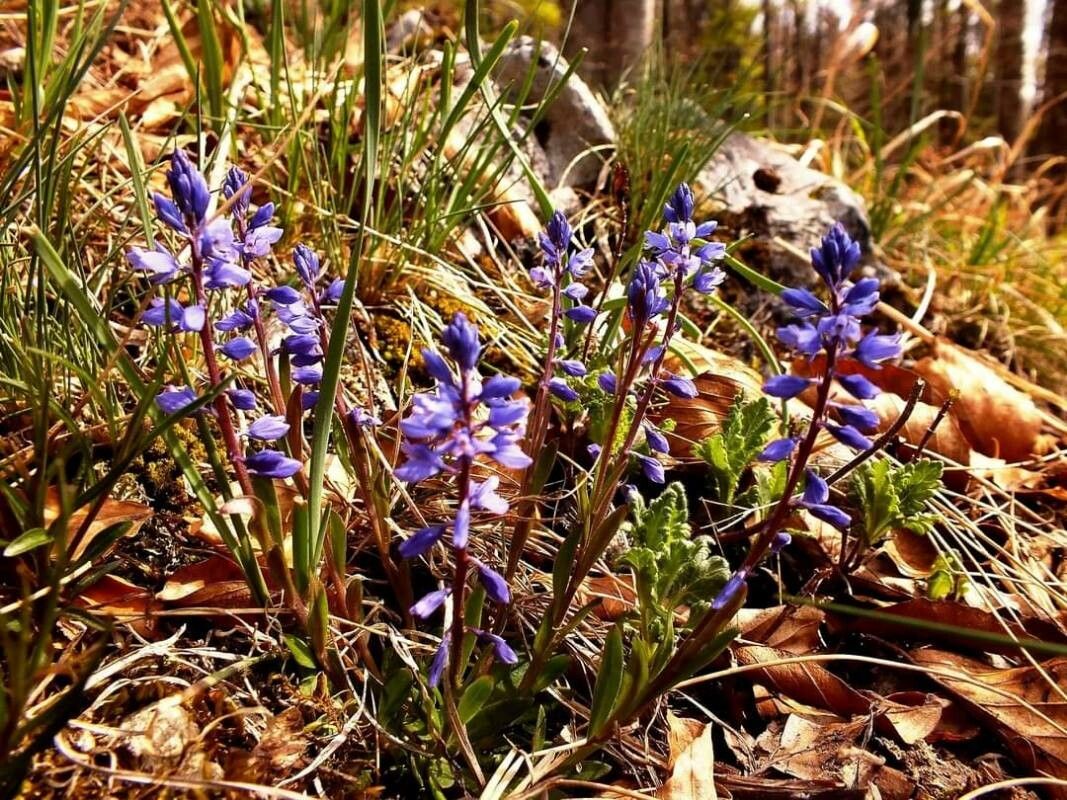
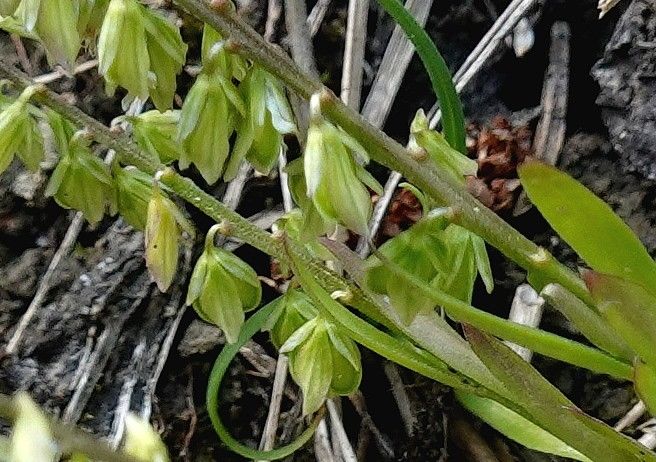
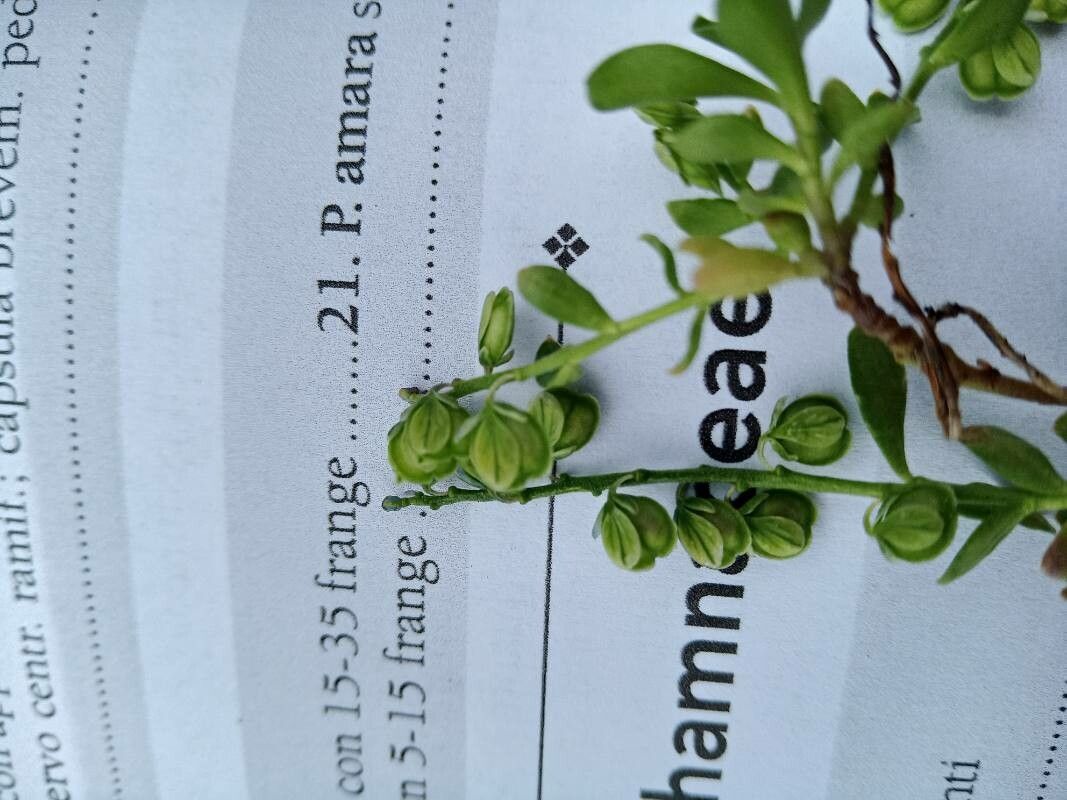
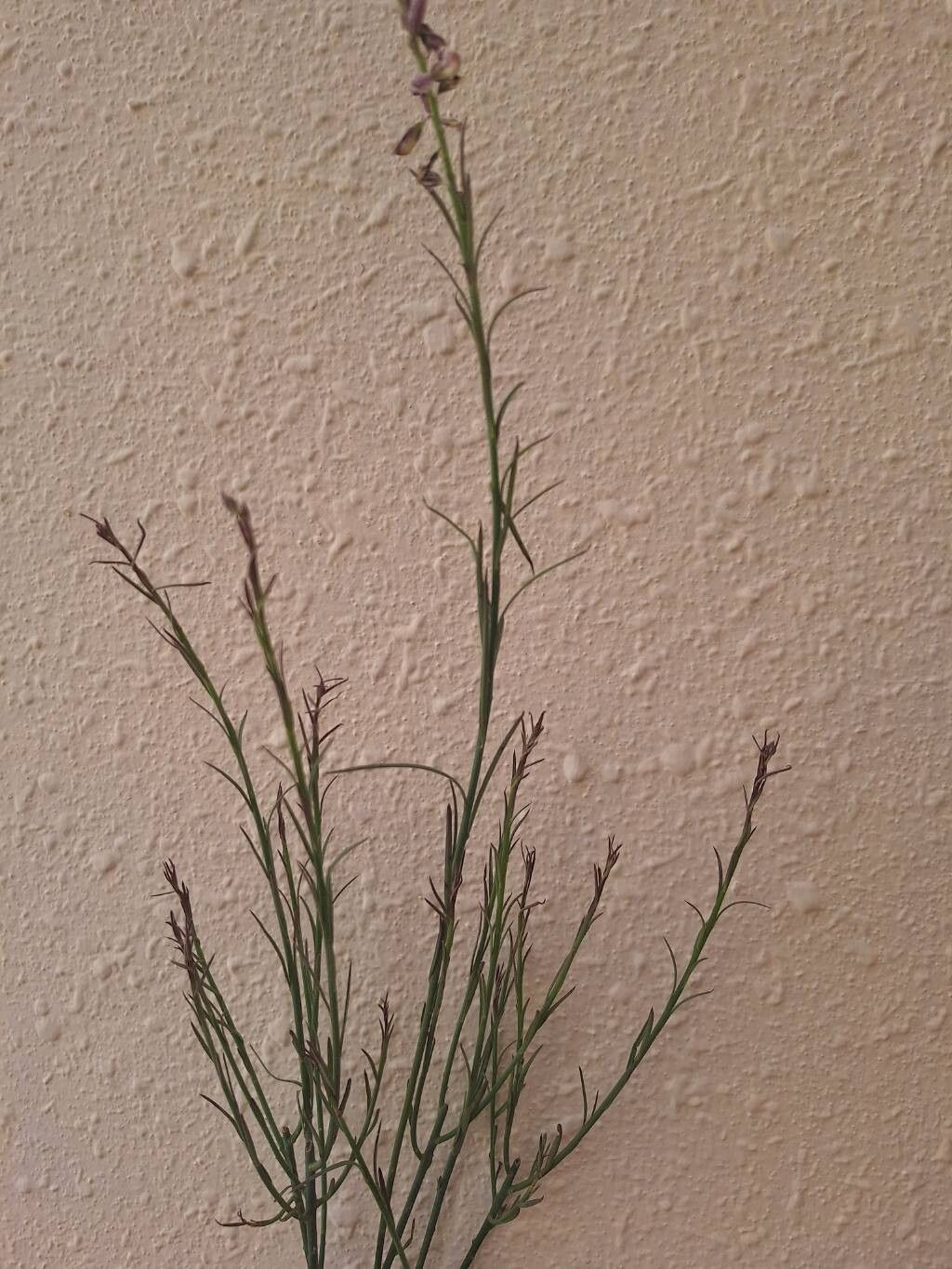
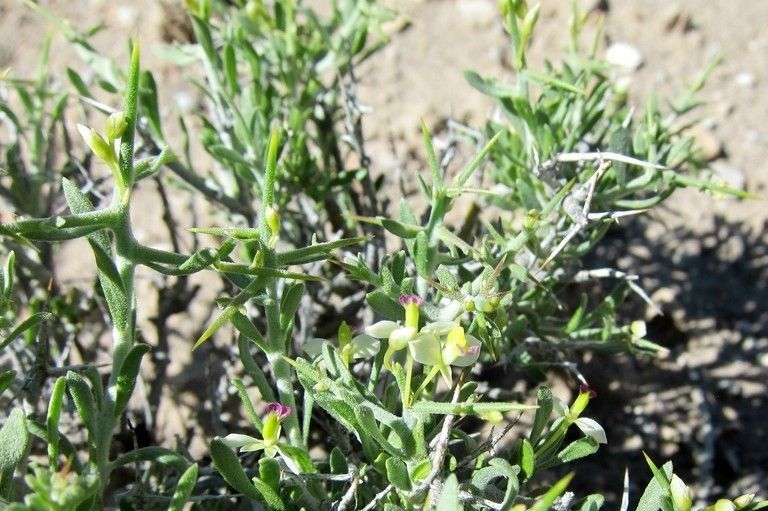
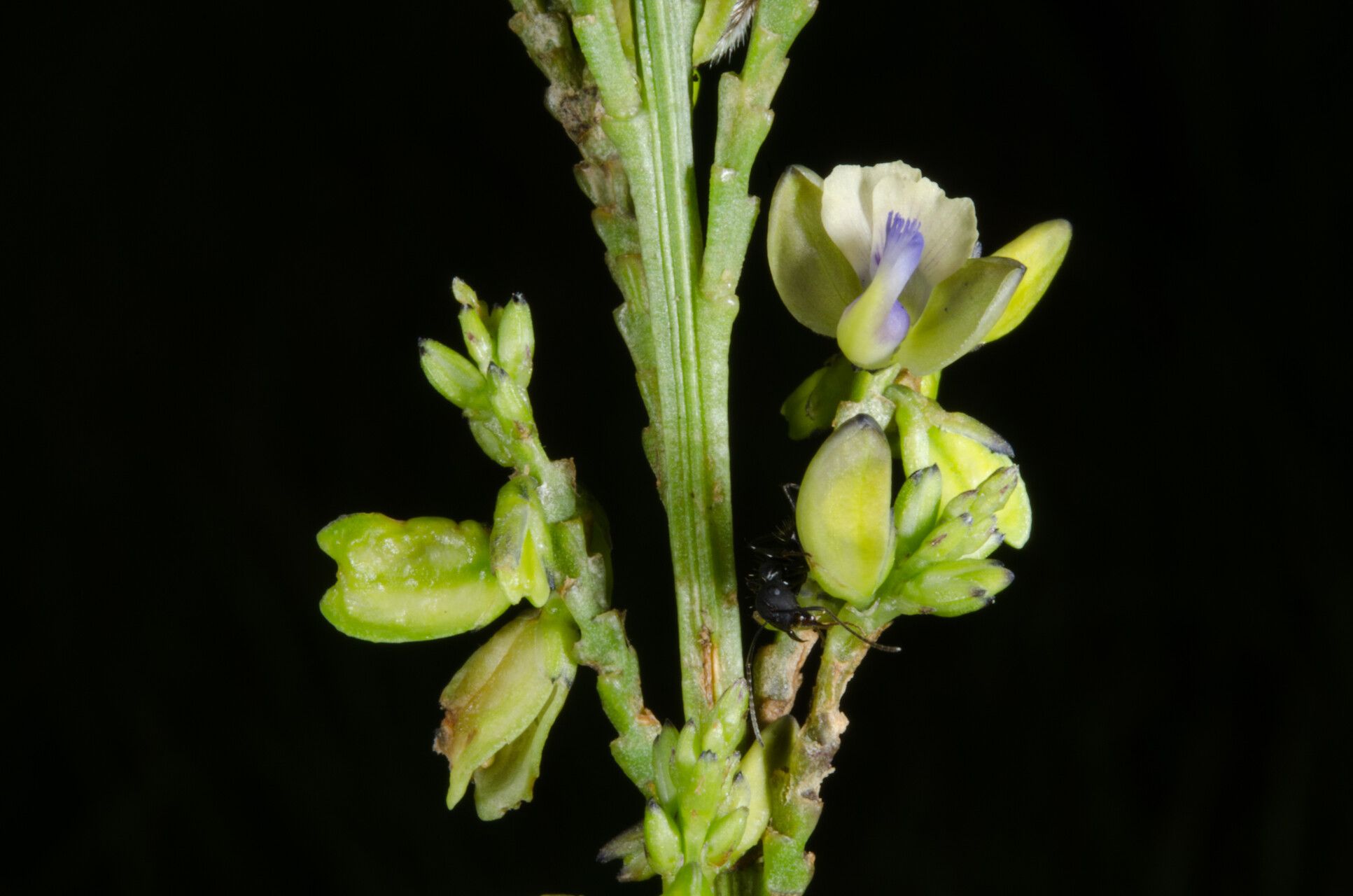
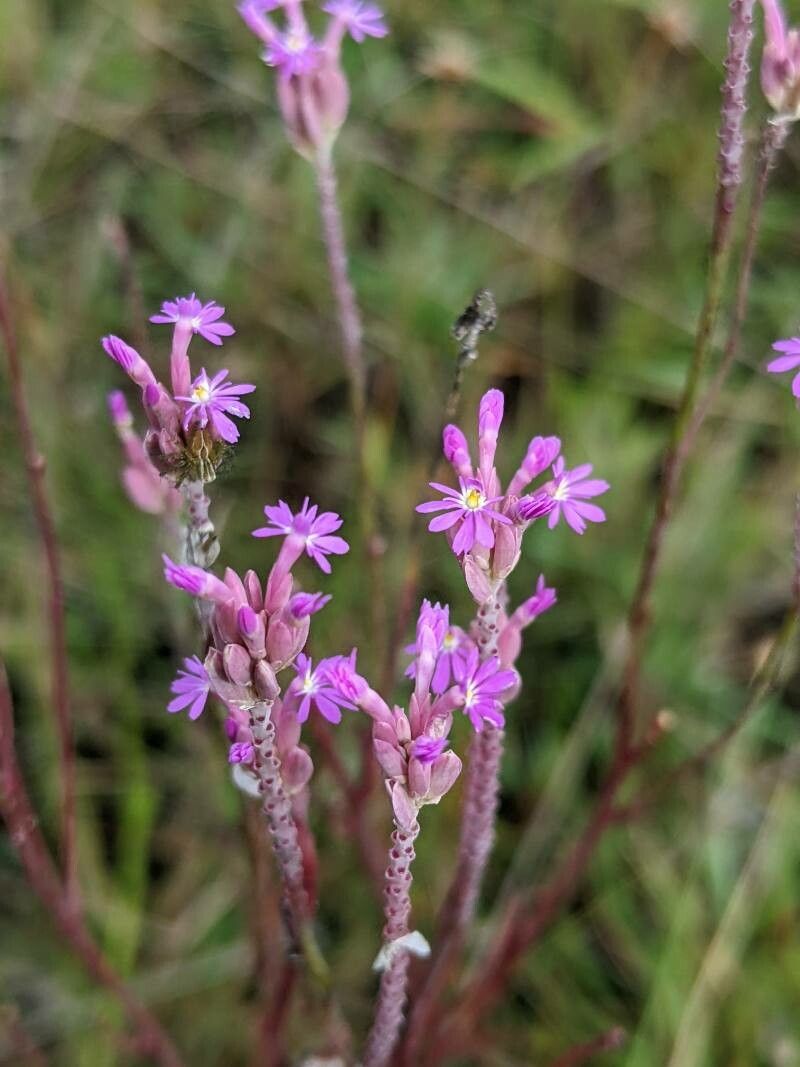
Polygala amarella (or P. amara), commonly known as dwarf milkwort or Kentish milkwort, is a plant of the family Polygalaceae. A European native, it grows on chalky grass land and limestone mountain pastures. In 2009 it featured on a first class Royal Mail stamp in the series "Endangered Plants".
Bitter milkwort is fairly disease-resistant and generally not prone to illness. Still, it can be affected by pests and diseases present in its environment. These problems are typically mild. For care, this plant requires moderate maintenance. It should be pruned regularly to preserve a neat appearance and encourage healthy growth. Fertilizing can also help increase flowering. Bitter milkwort is suitable for people with outdoor areas like a garden or patio and does not demand extensive care experience. It may need more attention when cultivated indoors.
How to keep Polygala Amarella.
Light
Bitter milkwort occurs naturally in places like forest understories or rocky sites, where it is subject to natural shade. It prefers partial sun but can tolerate both full sun and full shade, which demonstrates its versatility and hardiness.
Temperature
Bitter milkwort can tolerate a wide range of temperatures, but its distribution can still be restricted by different combinations of moisture and heat. It performs best in warm summer climates with sufficient rainfall or irrigation. Extended periods of cloudy, rainy weather or prolonged high temperatures can raise the risk of Bitter milkwort dying. In winter, proper protection from the cold can increase the plant’s survival rate.
Fertilizer
For Bitter milkwort, the primary time to apply fertilizer is in early spring when the flowers are beginning to form. The appropriate fertilizer promotes better blooms and helps Bitter milkwort produce attractive flowers. Fertilizing in early spring ensures strong flowering during the season and supplies energy for dormant growth phases.
Botanical profile.
- Plant Type
- Herb
- Life Cycle
- Perennial
- Genus
- Polygala
- Family
- Polygalaceae
- Hardiness Zone
- 4-8
- Mature Height
- 5 cm to 15 cm
- Mature Spread
- 5 cm to 10 cm
- Leaf Color
- Green
- Leaf Type
- Semi-evergreen
- Flower Color
- Blue, Lavender, Pink
- Flower Size
- 0.25 cm to 0.51 cm
- Bloom Time
- Mid spring, Late spring, Early summer
- Planting Time
- Spring, Summer, Autumn
- Harvest Time
- Summer
- Native Area
- Sweden, Austria, Czech Republic, Slovakia, Bulgaria, Poland, Croatia, Slovenia, Belarus, Ukraine, Russia, Lithuania, Norway, Hungary, Germany, Italy, Switzerland, Denmark, Estonia, Finland, United Kingdom, Romania, Latvia, Belgium, France
Other names.