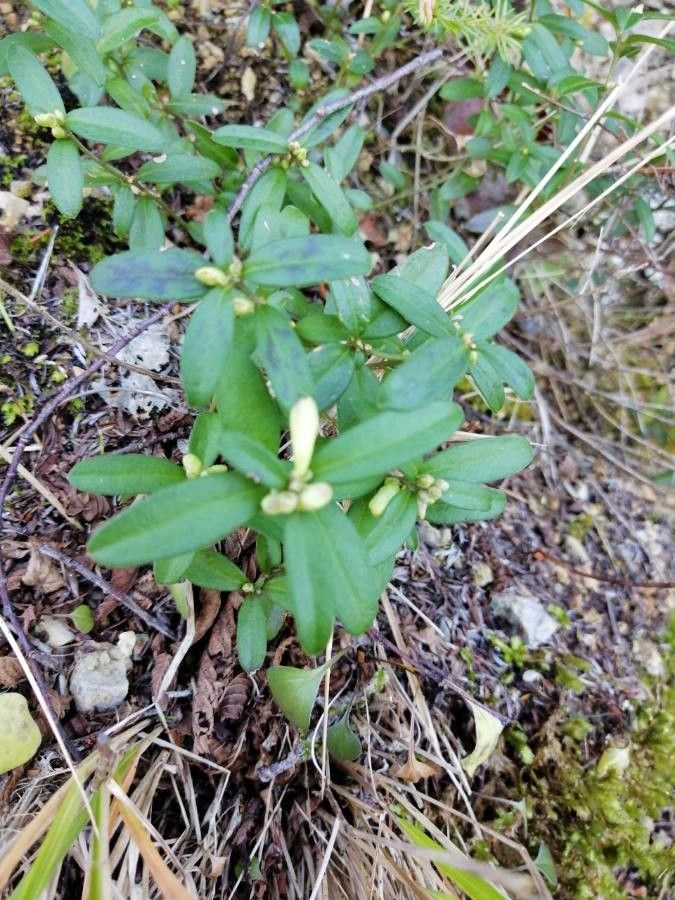
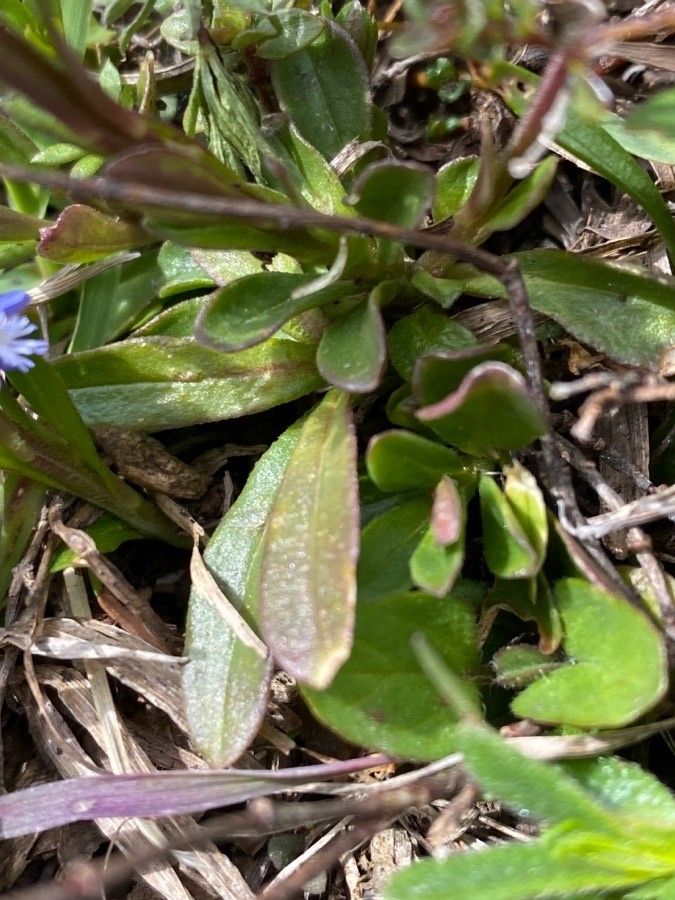
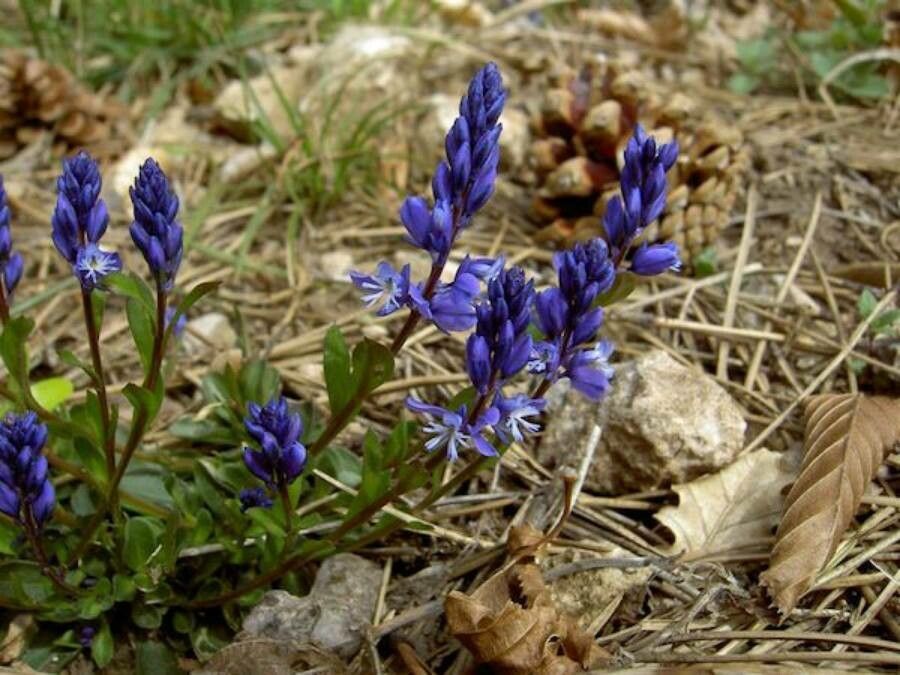
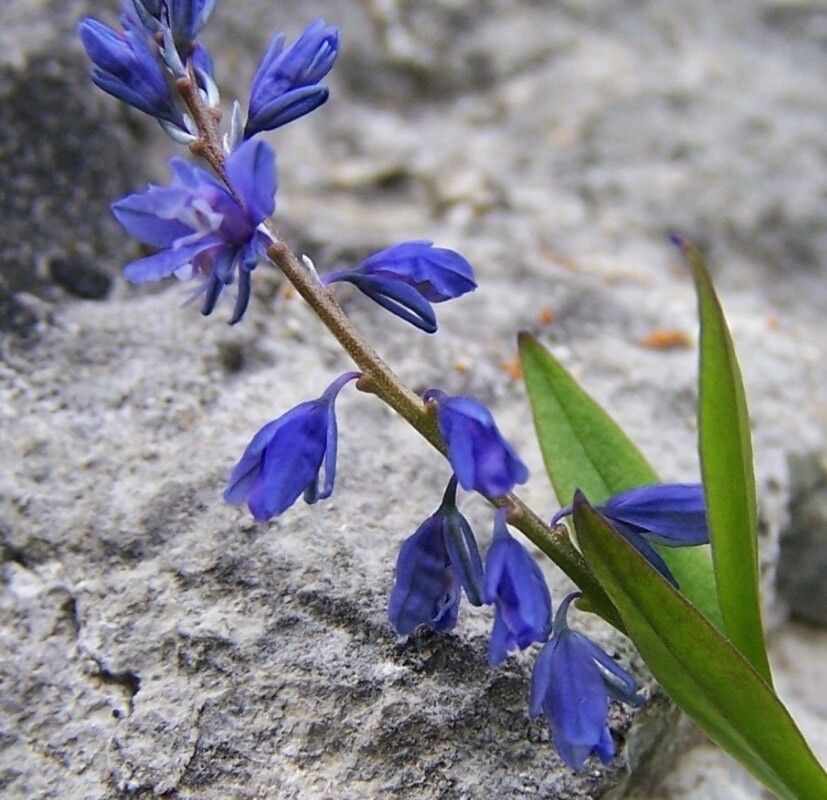
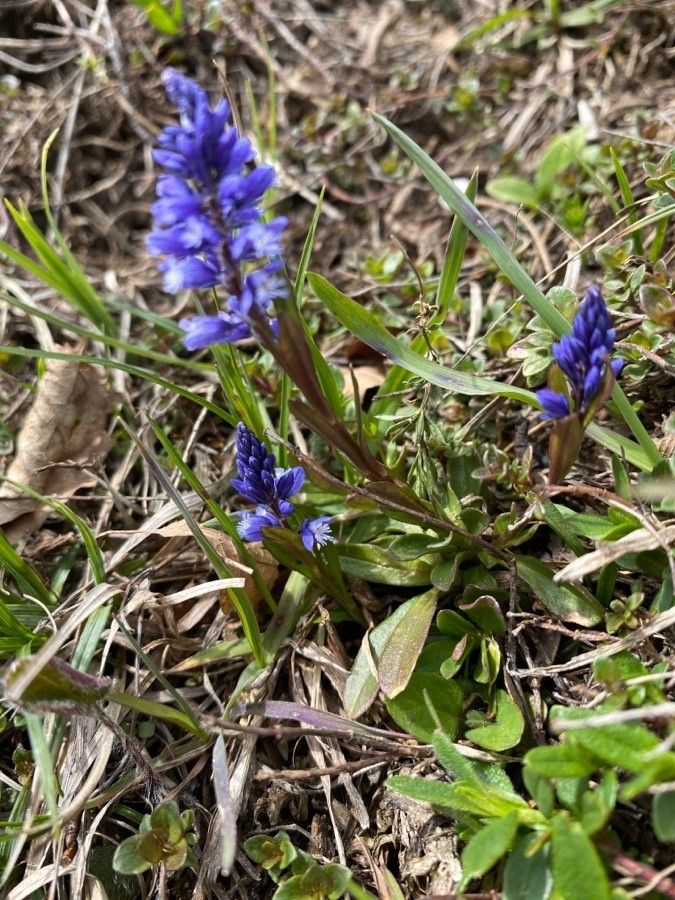
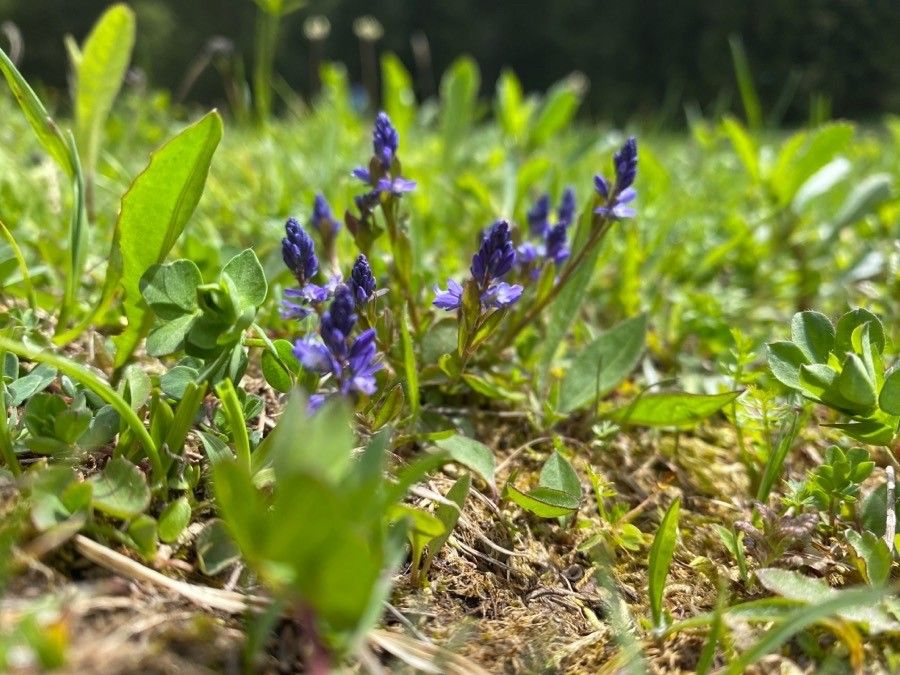
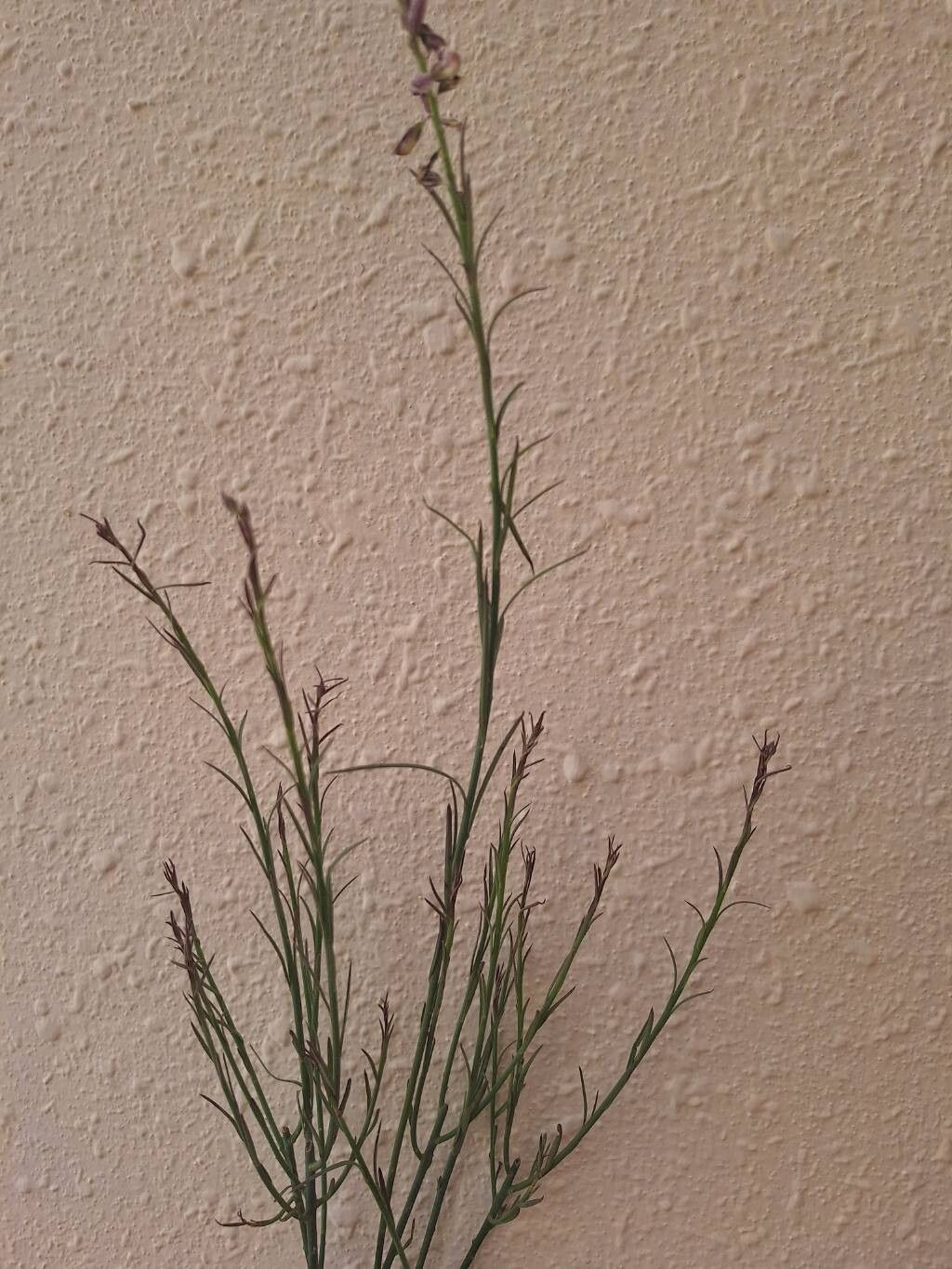
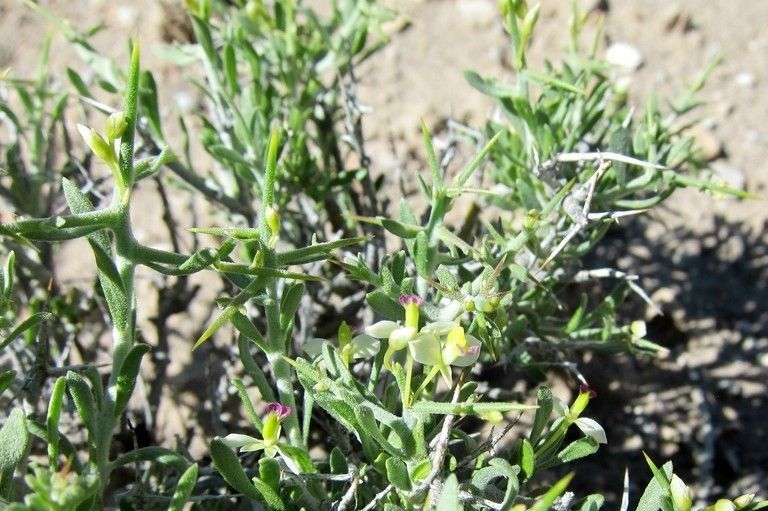
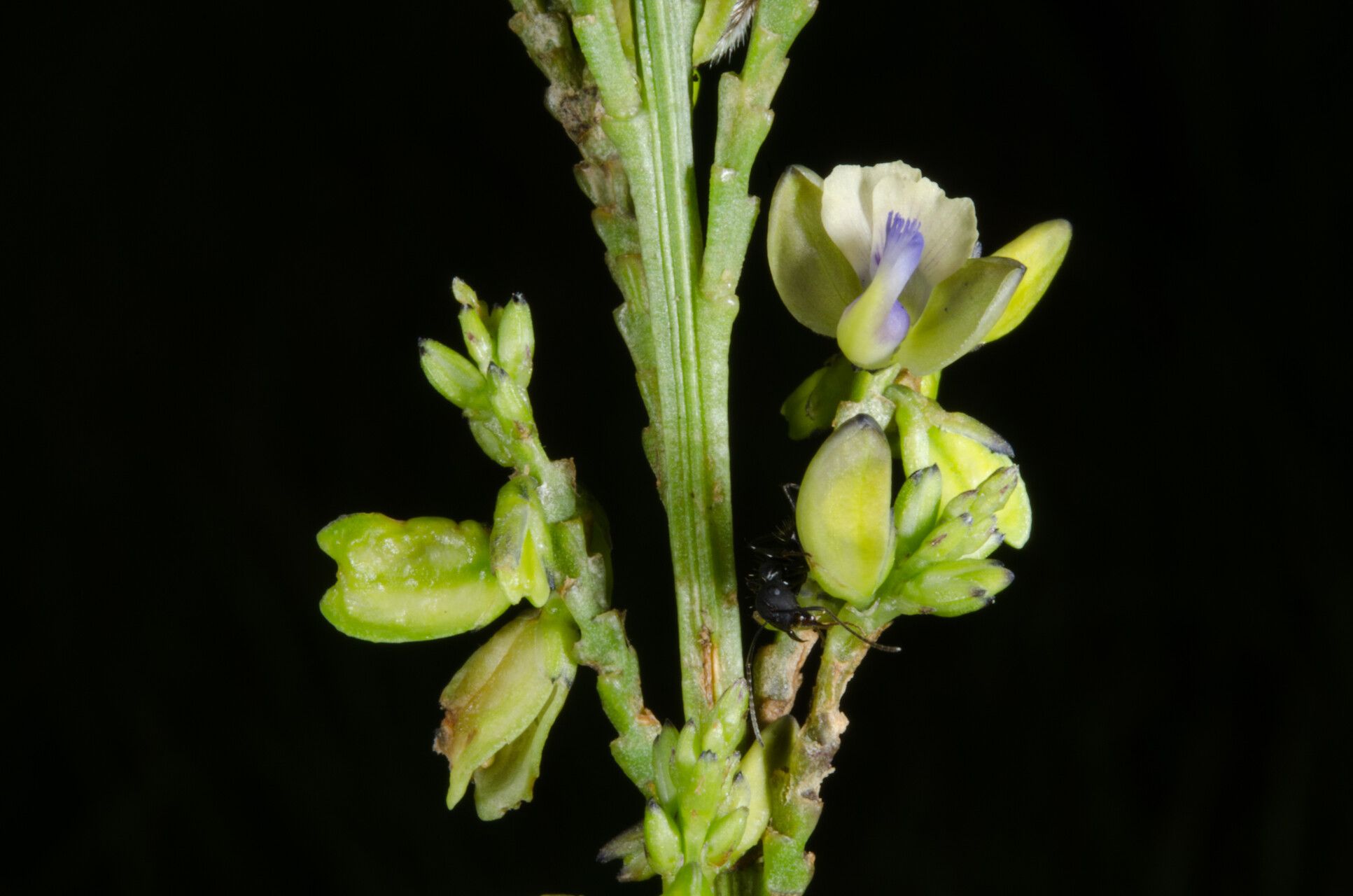
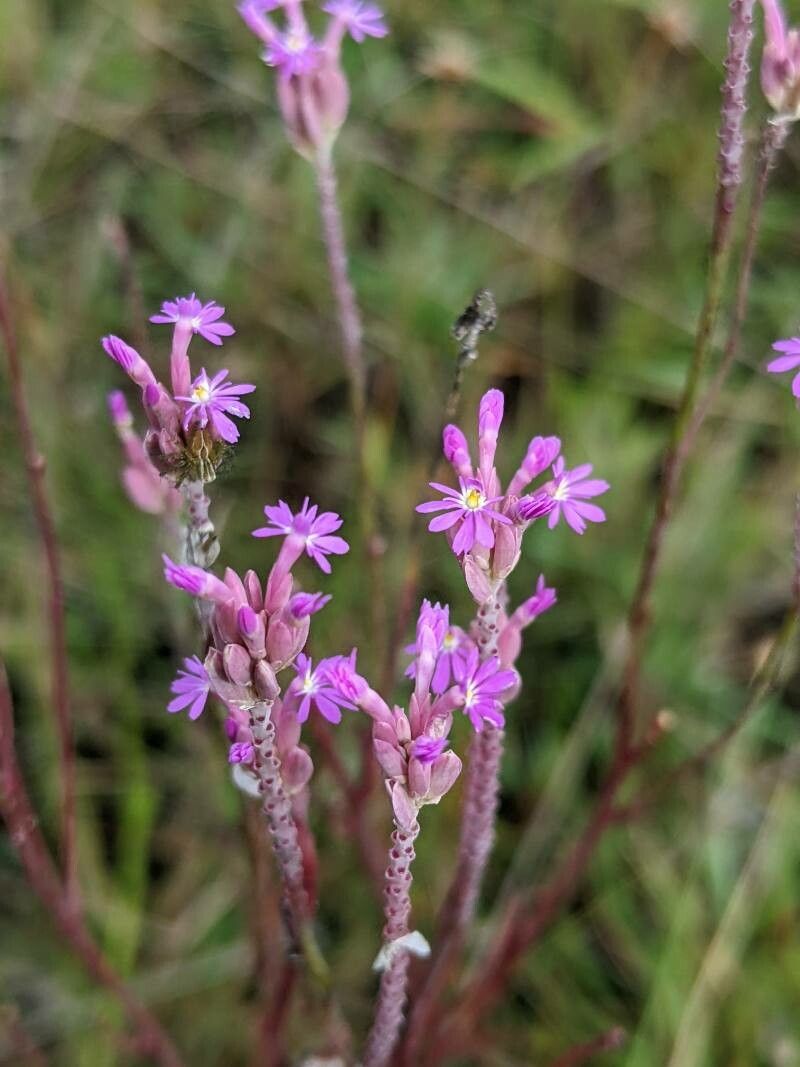
Polygala amara is a species of flowering plant in the milkwort family (Polygalaceae). It was described in 1769 and is found in Germany, Poland, Slovakia, the Czech Republic, Hungary, Slovenia, Croatia, Bosnia, Serbia, and Montenegro.
Dwarf milkwort is fairly resistant to disease and typically does not suffer from illnesses. Still, it can be affected by pests and diseases present in its surroundings. These problems are generally mild. For care, the plant needs moderate maintenance. It should be pruned regularly to keep a neat appearance and support healthy growth. Fertilizing can also encourage flowering. Dwarf milkwort is suitable for anyone with outdoor space, such as a garden or patio, and does not demand extensive gardening experience. It may need more attention if grown indoors.
How to keep Polygala Amara.
Light
Dwarf milkwort naturally occurs in habitats like forest understories or rocky areas where it grows in natural shade. It prefers partial sun but can tolerate full sun or full shade, showing its versatility and hardiness.
Water
Dwarf milkwort, a plant that originates from temperate regions, thrives in environments with moderate moisture. For best results, water it twice a week to keep the soil adequately hydrated. It's ideal to grow dwarf milkwort outdoors so it can benefit from natural rainfall. Keeping the soil consistently moist is essential during the plant's active growth period.
Temperature
Dwarf milkwort possesses the capacity to acclimatize to diverse temperature environments, though the mix of heat and water circumstances can still restrict its dispersal. It flourishes optimally in heated climates throughout the summer if sufficient rainfall or irrigation is provided. Extended bouts of overcast and rainy climate, along with prolonged elevated temperatures, can escalate the chances of Dwarf milkwort perishing. During the winter, ensuring suitable protection from the cold can bolster the plant's chance of survival.
Fertilizer
A single spring fertilization is generally adequate for Dwarf milkwort, though additional feedings can enhance growth. Feed approximately every one to one and a half months. Fertilizing improves the leaves' appearance and function, helping maintain uniform color and a healthy texture. It also promotes root development and nutrient uptake for sustained plant health.
Pruning
Dwarf milkwort thrives when properly pruned, ideally from early to late spring, to promote growth and blooming. Key techniques involve shaping the plant and removing dead branches. Careful trimming helps prevent stress, while using clean tools reduces the risk of disease. To achieve the best results, avoid over-pruning.
Botanical profile.
- Plant Type
- Herb
- Life Cycle
- Perennial
- Genus
- Polygala
- Family
- Polygalaceae
- Hardiness Zone
- 6-9
- Mature Height
- 5 cm to 15 cm
- Mature Spread
- 10 cm to 20 cm
- Leaf Color
- Green
- Leaf Type
- Deciduous
- Flower Color
- Pink, Purple, Blue
- Flower Size
- 0.51 cm to 0.76 cm
- Bloom Time
- Mid spring, Late spring, Early summer
- Planting Time
- Spring, Summer, Autumn
- Harvest Time
- Mid summer, Late summer, Early fall
- Native Area
- Germany, Austria, Romania, Poland, Hungary, Ukraine
Other names.