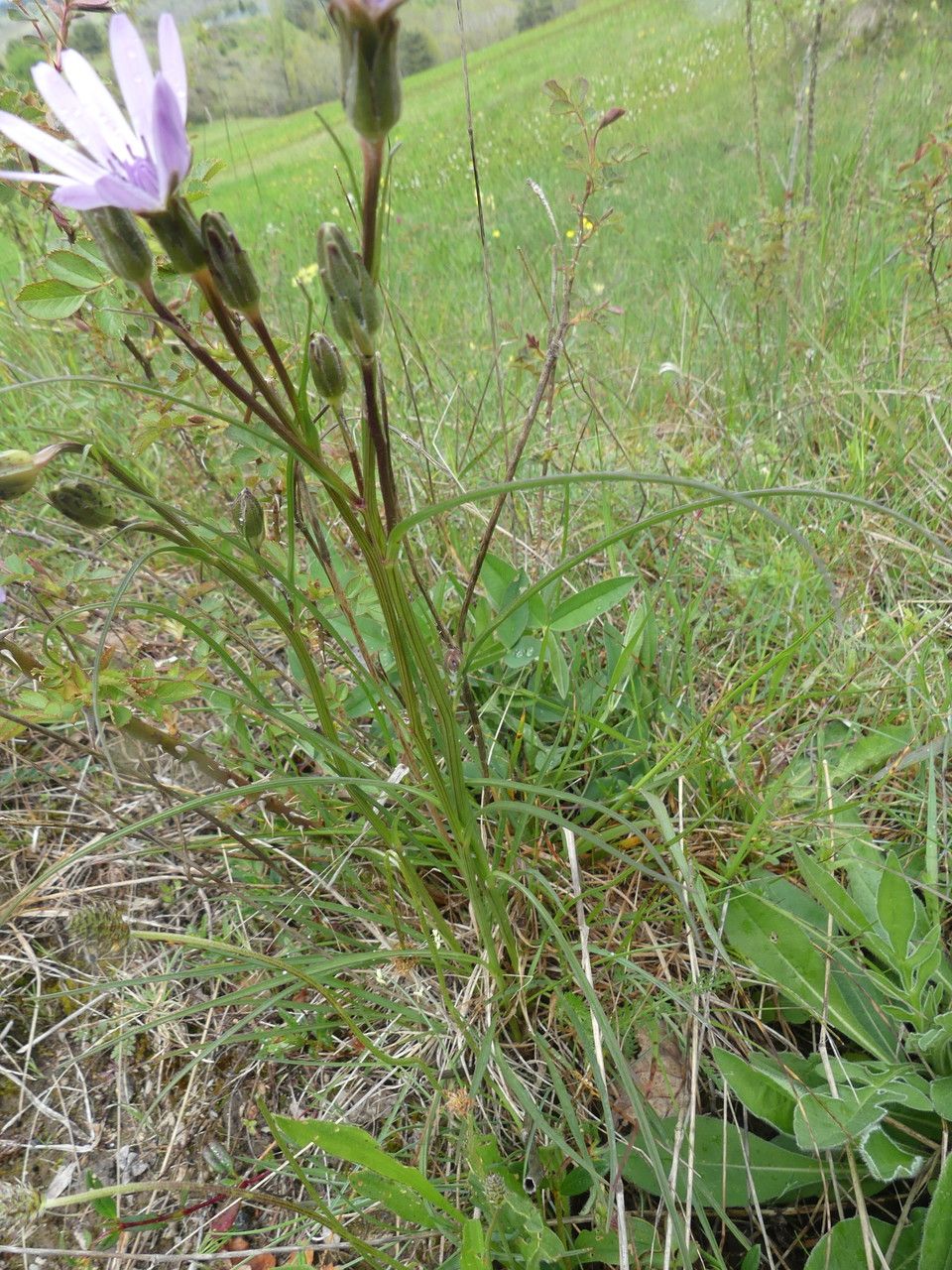
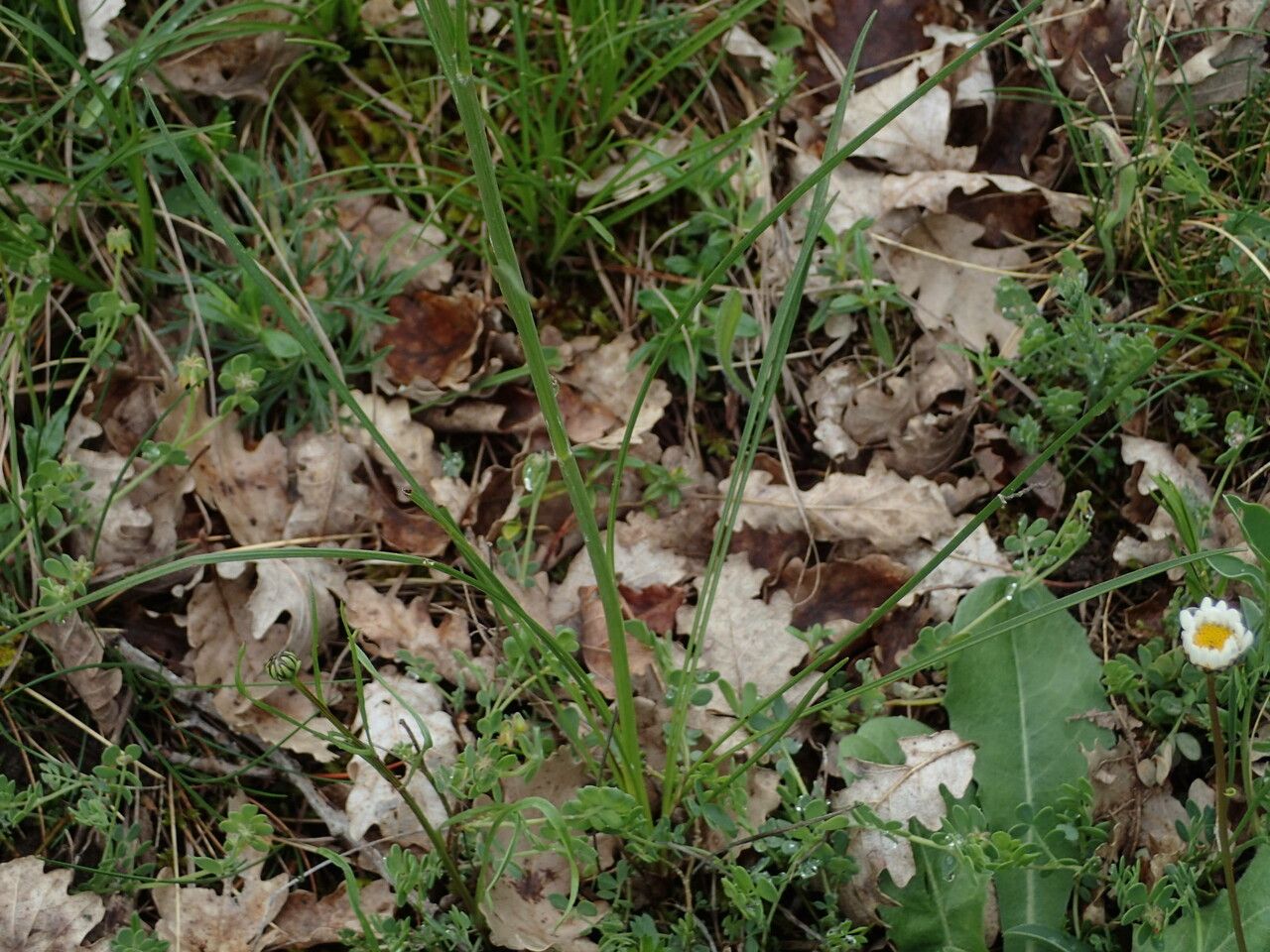
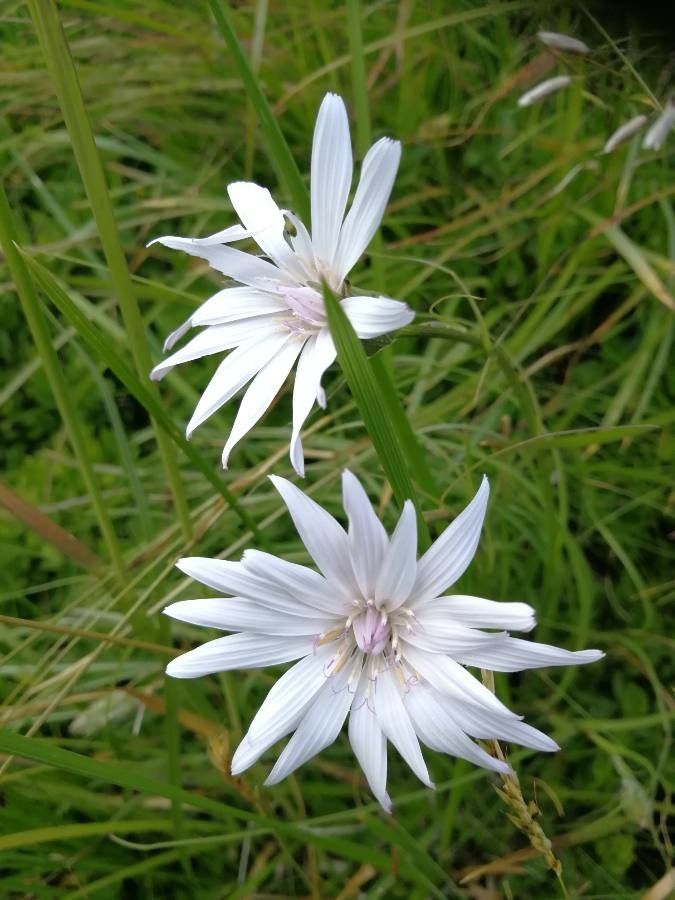
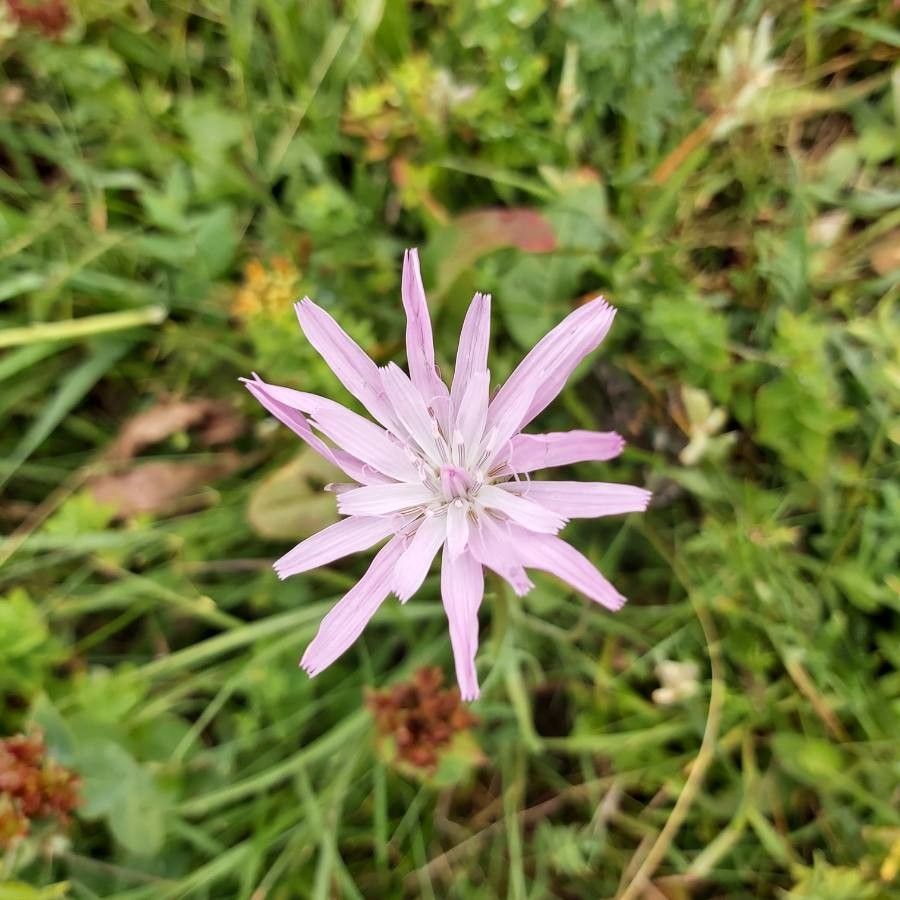
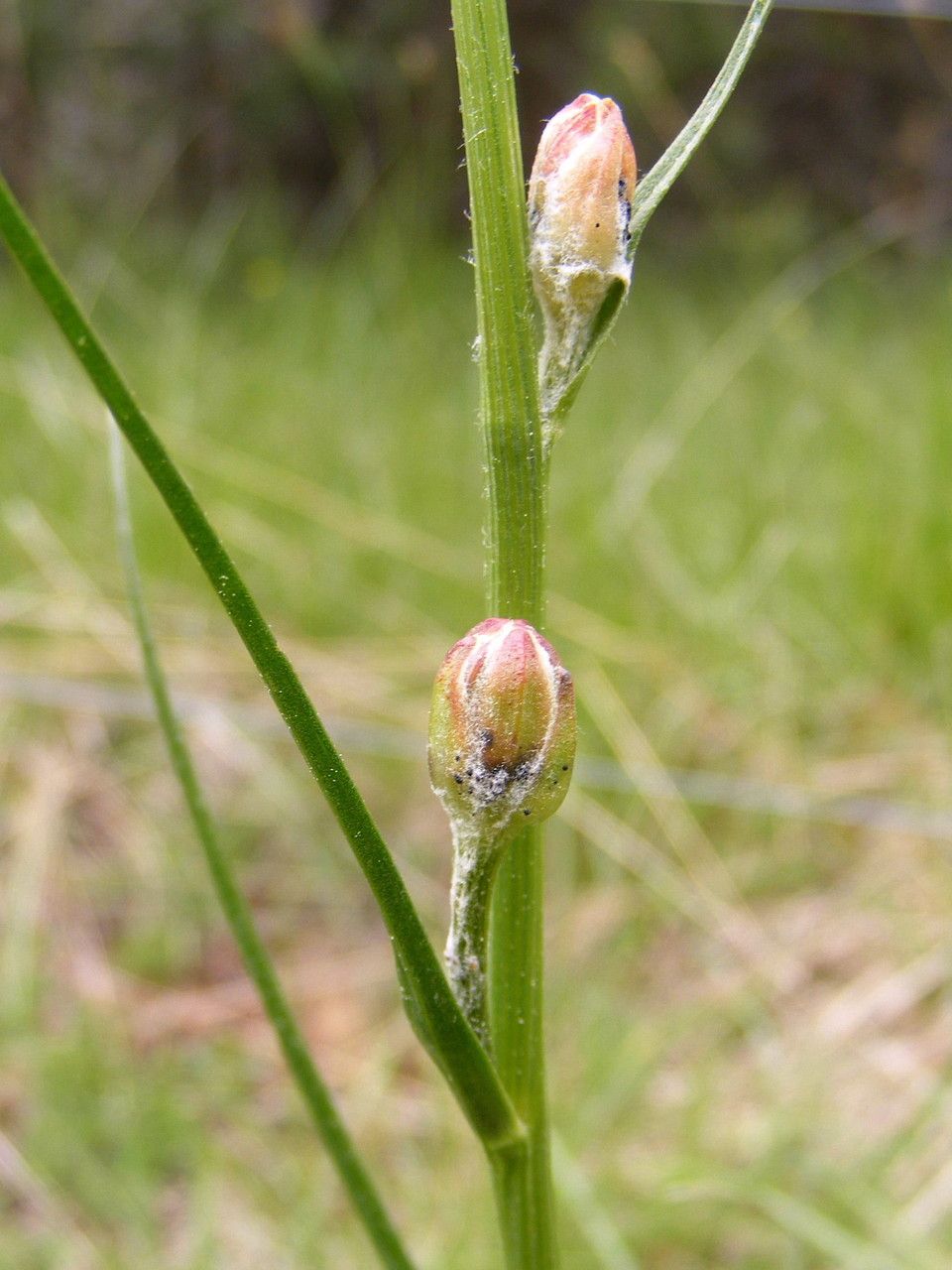
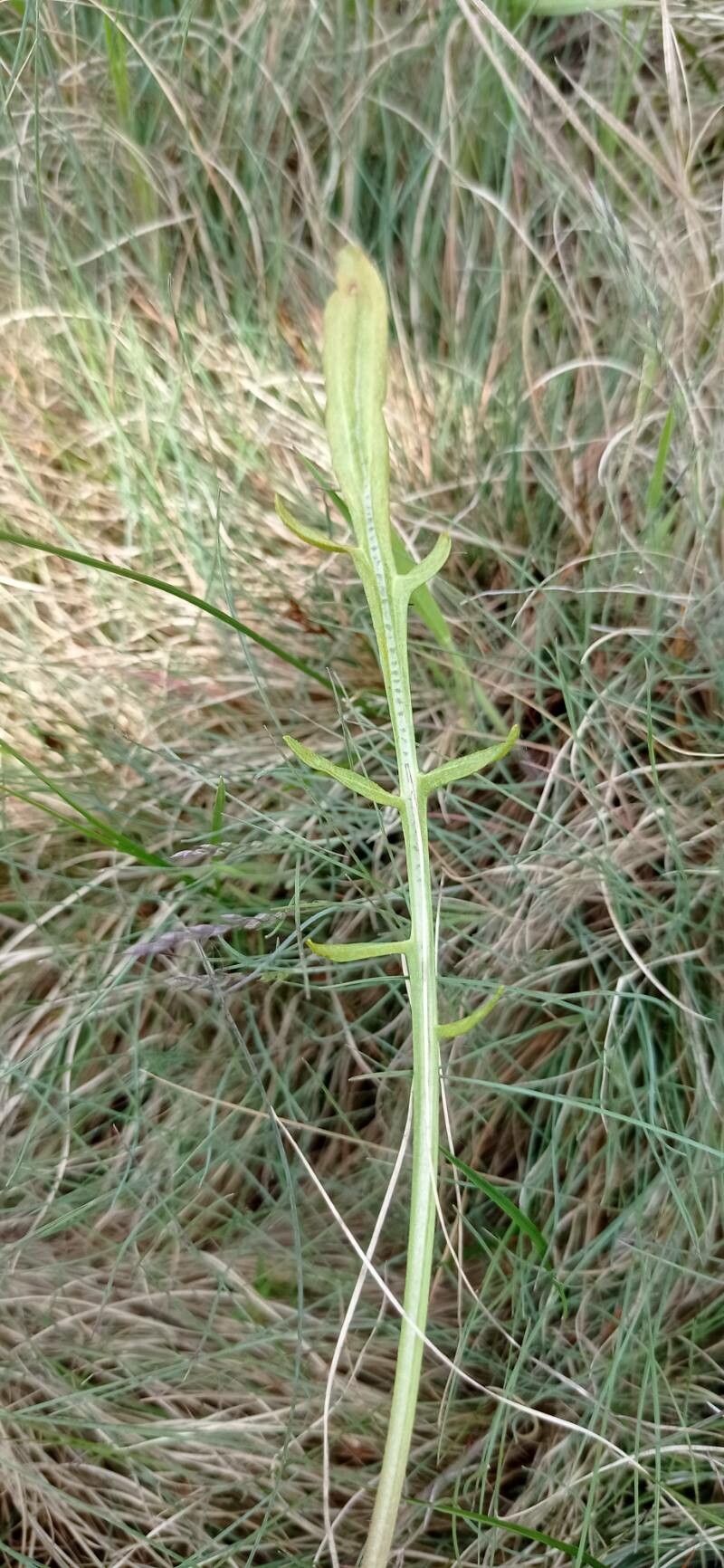
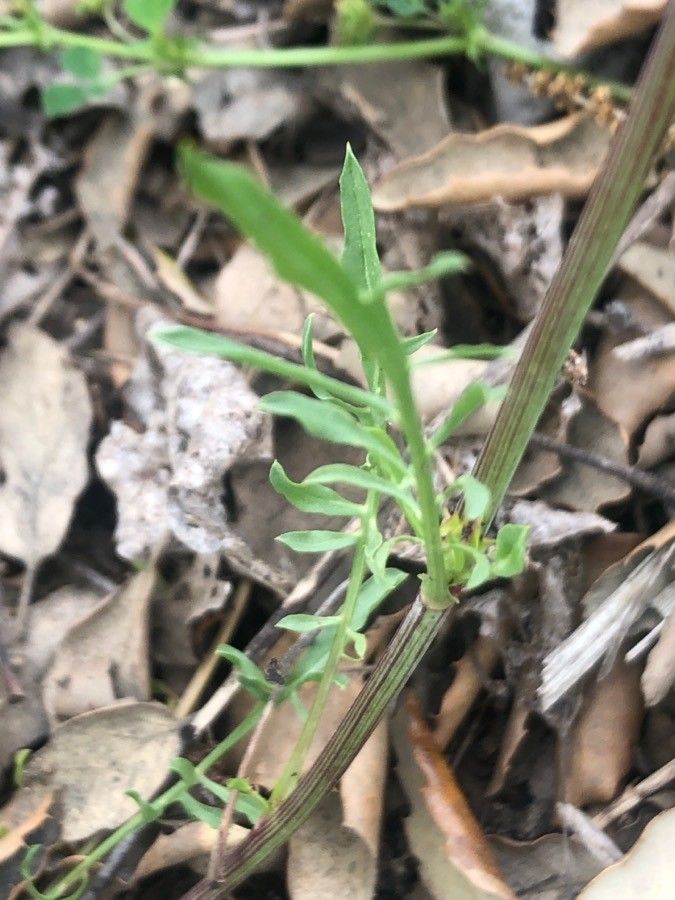
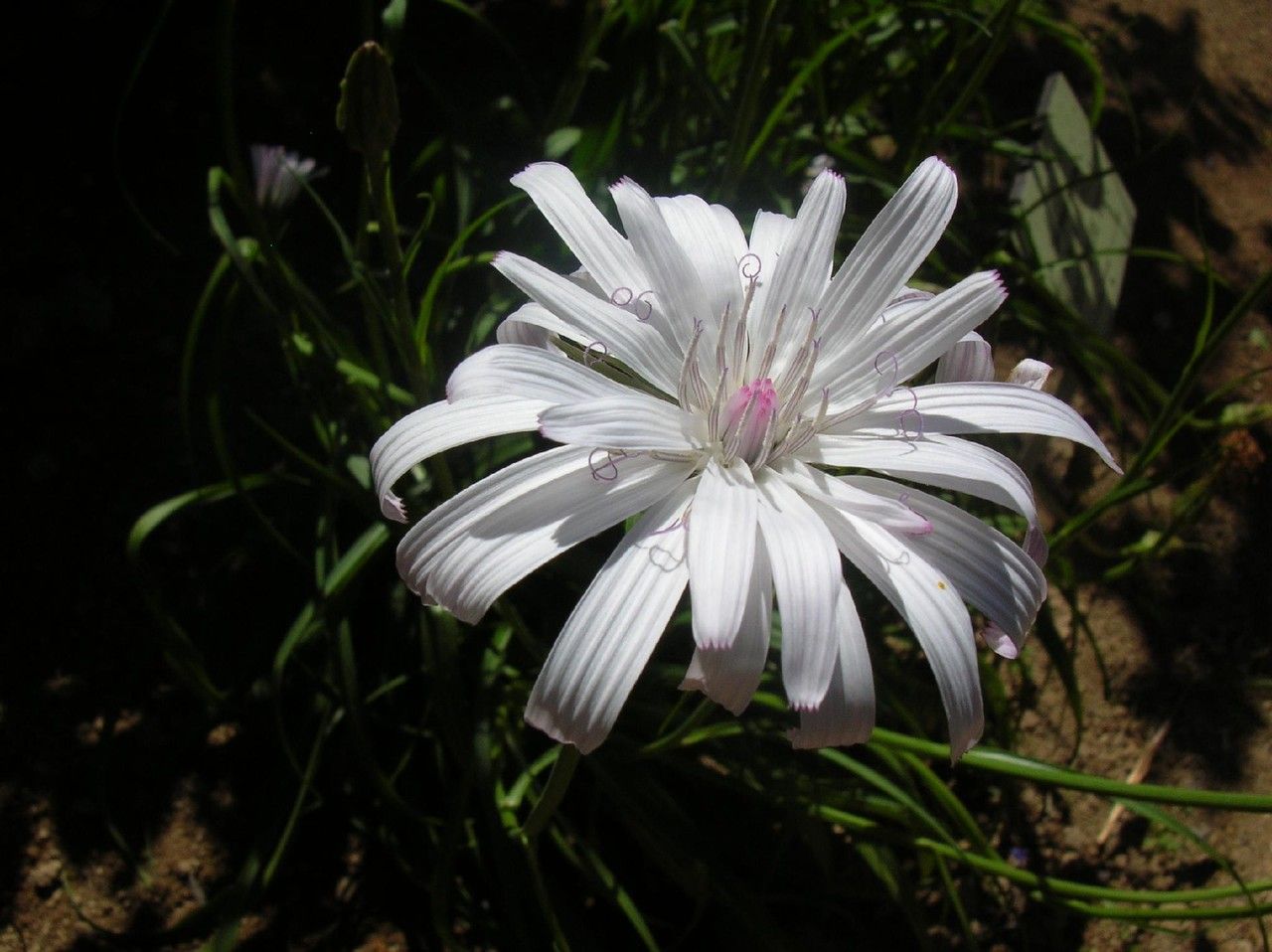
Purple viper's grass displays strong disease resistance and usually does not suffer from illnesses. However, it can be vulnerable to pests and diseases present in its environment. These infections tend to be mild. Regarding care, the plant requires moderate maintenance. It should be pruned regularly to keep a neat appearance and support healthy growth. Fertilizing can also encourage flowering. Purple viper's grass is appropriate for anyone who has outdoor space, such as a garden or patio, and does not demand extensive plant-care experience. It may need more attention when grown indoors.
How to keep Podospermum Purpureum.
Light
Purple viper's grass is a sun-loving herbaceous perennial native to open habitats, frequently found in meadows and grasslands. It prefers full sun but can tolerate partial sunlight.
Water
Purple viper's grass flourishes with a balanced watering routine and can withstand moderate dry periods. For optimal health, it needs weekly watering, especially during its growing season. To support its growth cycles, which are closely tied to water availability, efficient irrigation practices are essential.
Fertilizer
Usually a single fertilizer application in spring suffices for Purple viper's grass, though repeated feedings can maximize its growth. Feed every month to month and a half. Fertilizing improves the leaves’ appearance and function, helping maintain uniform color and a healthy texture. It also encourages root growth and nutrient uptake to support the plant’s long-term health.
Pruning
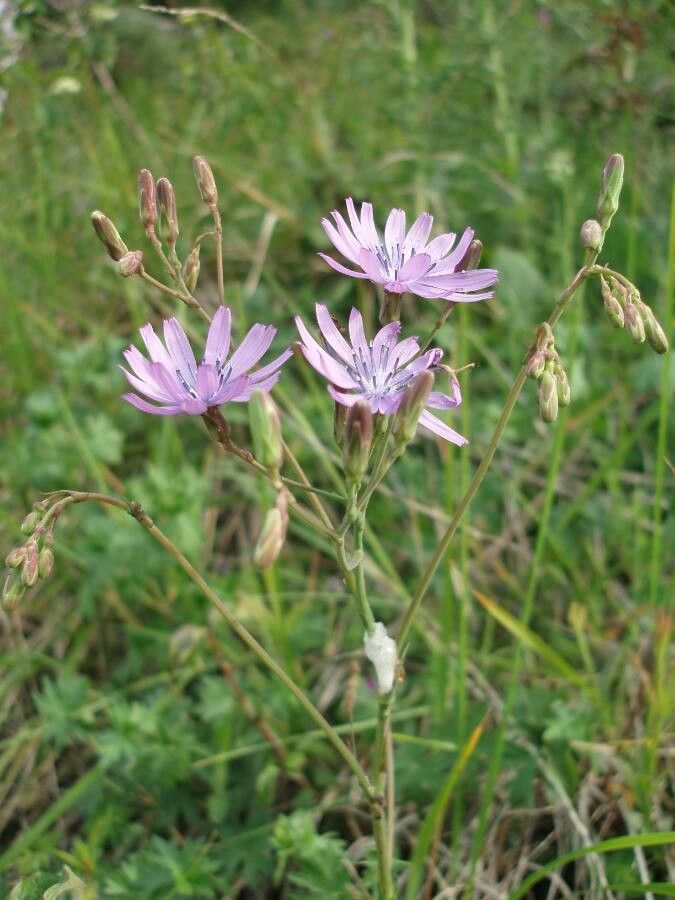
Purple viper's grass showcases vibrant purple flowers and benefits from being pruned between early and late spring. To enhance its growth, maintain its size, and improve air circulation, remove any dead or damaged stems. When pruning, make cuts just above the leaf nodes to encourage new growth, which promotes blooming and overall vigor throughout the growing season.
Botanical profile.
- Plant Type
- Herb
- Life Cycle
- Perennial
- Genus
- Podospermum
- Family
- Compositae
- Leaf Type
- Deciduous
Other names.