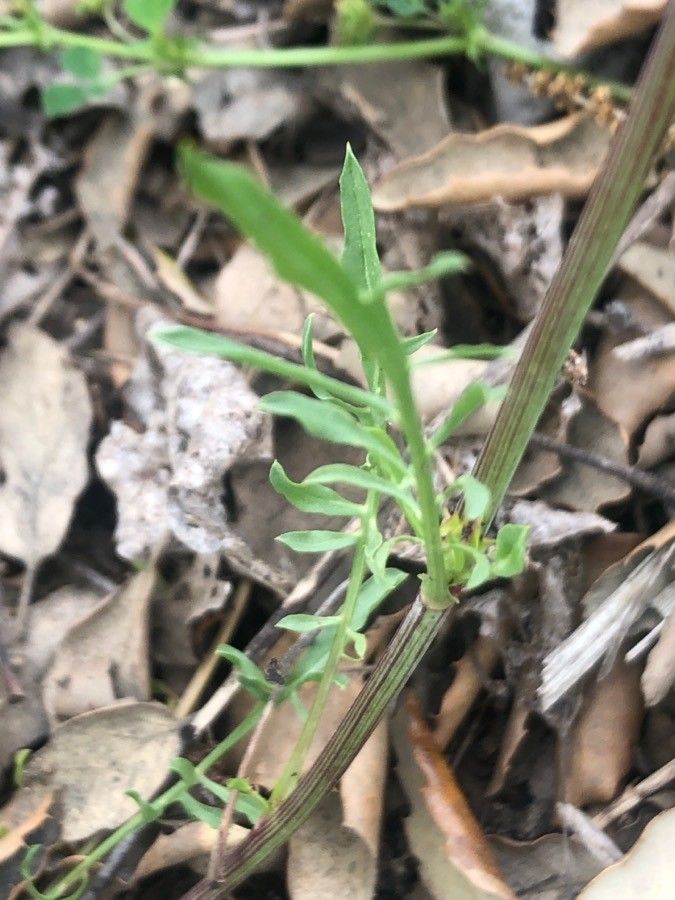
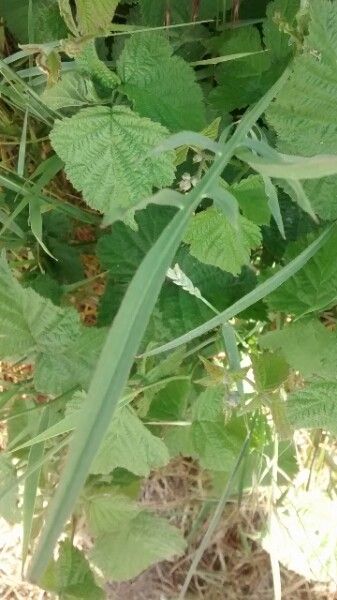
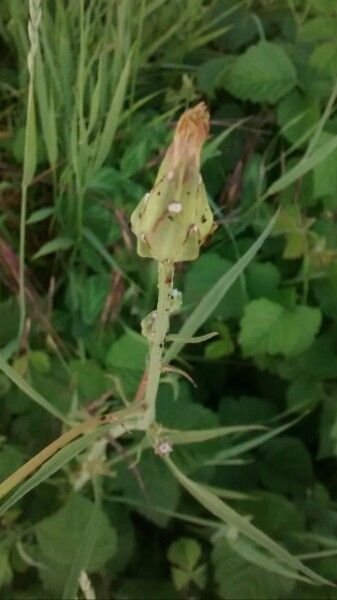
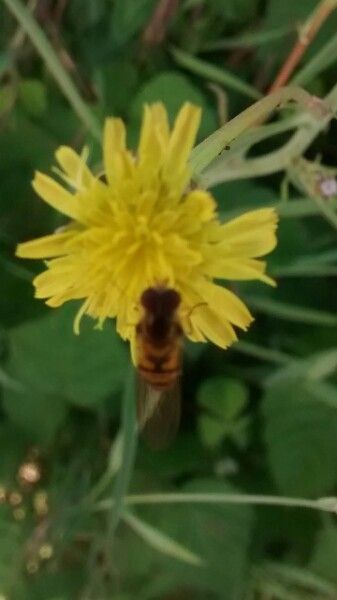
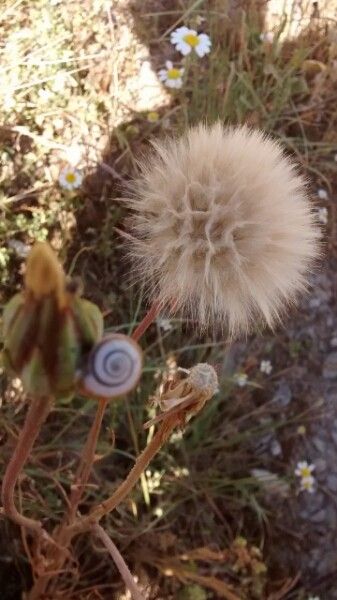
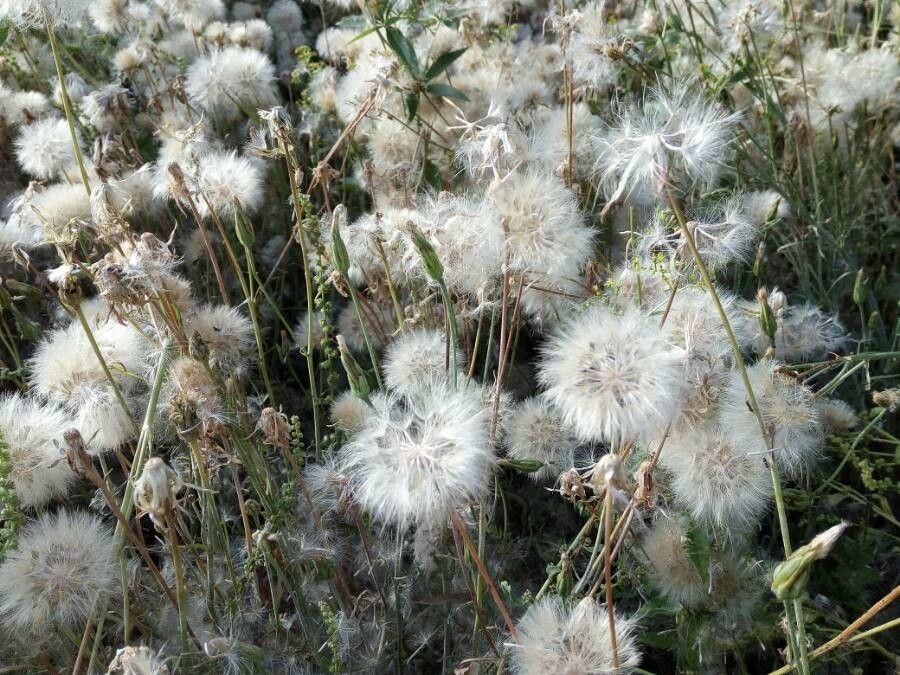
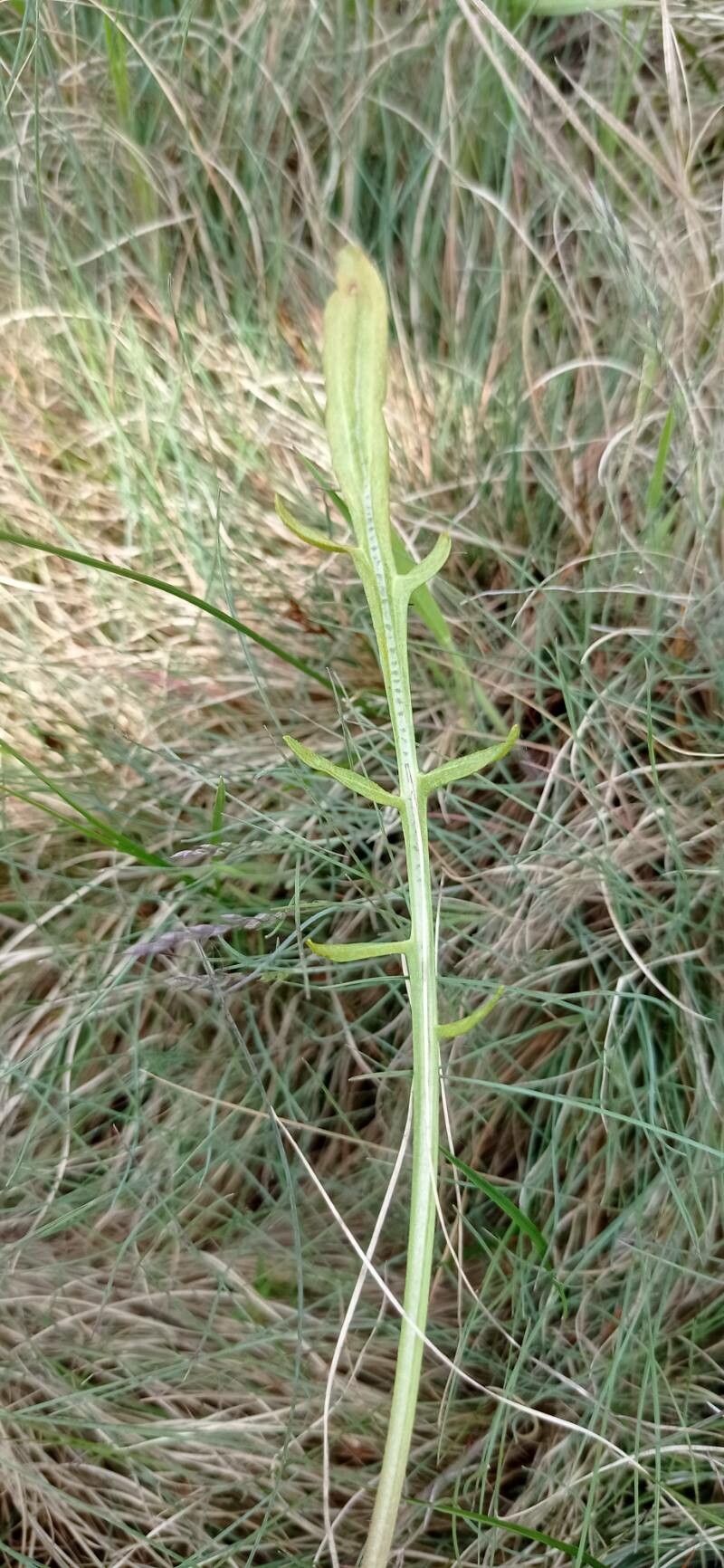
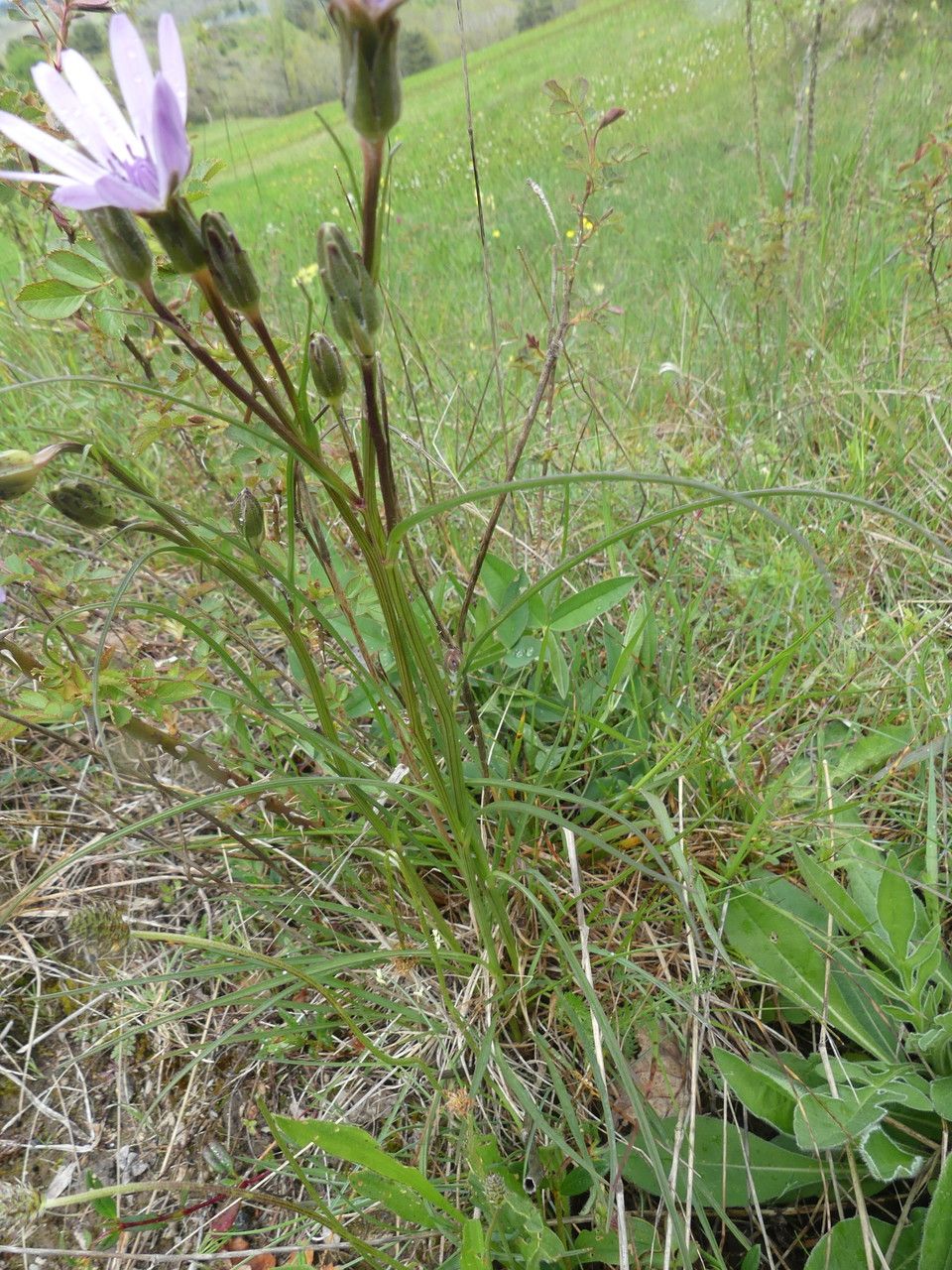
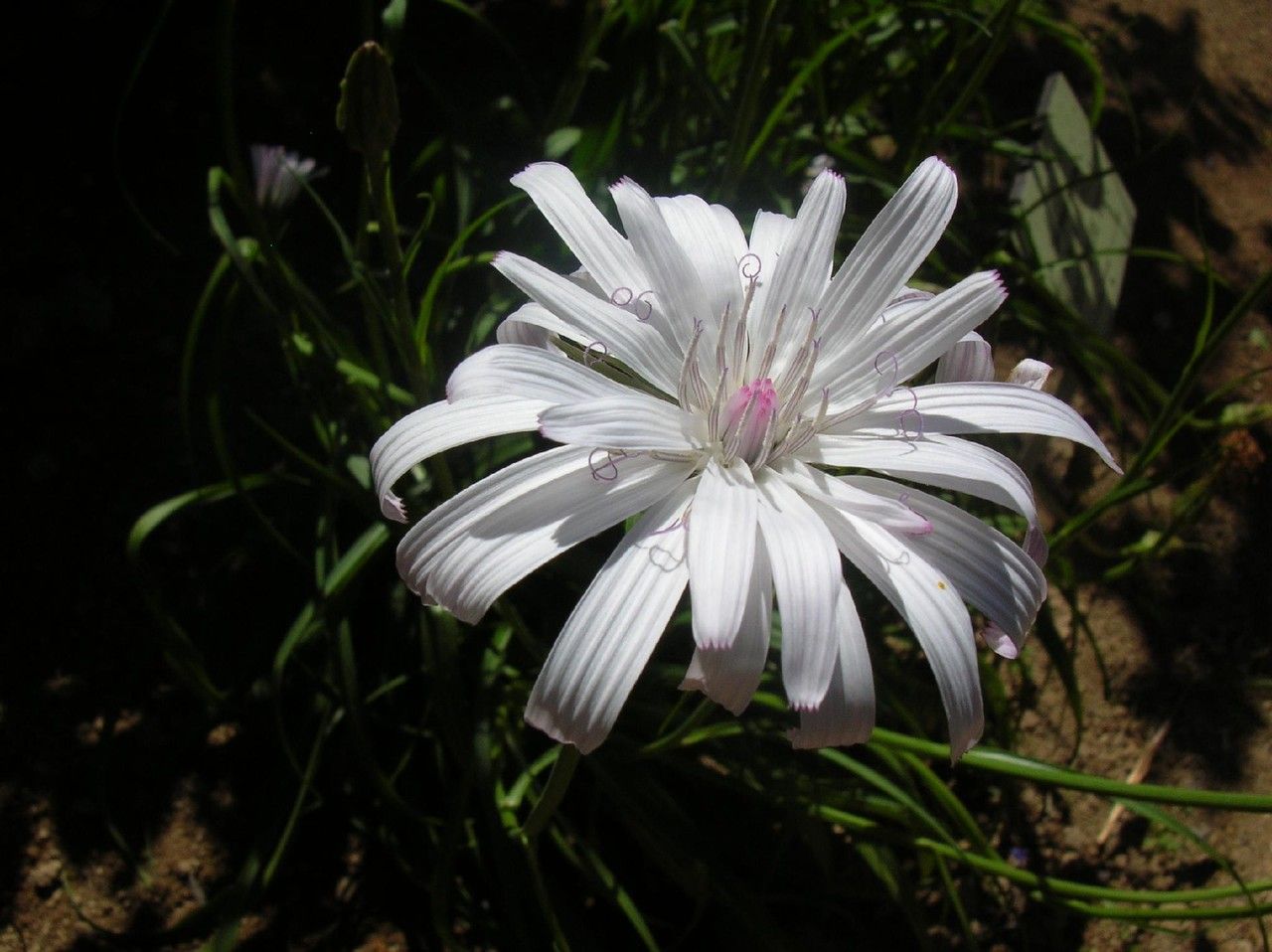
Podospermum laciniatum, commonly known as cut-leaved cottonweed, is a perennial herbaceous plant in the Asteraceae family. Native to Europe and Asia, it thrives in meadows, pastures, and open woodlands. The plant can grow up to 60 cm tall and features a basal rosette of deeply lobed, hairy leaves. Its stem is also hairy and supports small yellow flowers that bloom from June to August, arranged in clusters at the top of each stem, each flower measuring about 1 cm in diameter.
The cut-leaved cottonweed has been used for medicinal purposes for centuries due to its anti-inflammatory properties. It serves as an herbal remedy for respiratory ailments such as asthma and bronchitis, as well as digestive issues like indigestion and bloating.
Beyond its medicinal uses, Podospermum laciniatum plays an important ecological role by providing food for pollinators, including bees and butterflies.
Overall, Podospermum laciniatum is a versatile plant with both medicinal benefits and ecological significance, commonly found throughout the natural landscapes of Europe and Asia.
Cut-leaf vipergrass is quite disease-resistant and generally not prone to illnesses. Still, it can be affected by pests and diseases present in the surrounding area. These problems are typically not severe. For care, the plant requires moderate maintenance. Regular pruning is needed to keep it attractive and to encourage healthy growth. Fertilizing can also help stimulate flowering. Cut-leaf vipergrass is suitable for anyone with an outdoor area, such as a garden or patio, and does not demand extensive plant-care experience. It may need more attention when grown indoors.
How to keep Podospermum Laciniatum.
Light
Cut-leaf vipergrass is a sun-loving perennial herbaceous plant native to open habitats, commonly found in meadows and grasslands. It prefers full sun but can also tolerate partial shade.
Water
Cut-leaf vipergrass thrives with moderate moisture and benefits from weekly watering to maintain optimal health. This plant strikes a balance between drought tolerance and a preference for high humidity. Well-suited for containers, cut-leaf vipergrass is an outdoor herbaceous plant that allows for efficient water management in its growth conditions.
Temperature
Cut-leaf vipergrass can tolerate a wide span of temperatures, but its distribution may still be restricted by particular combinations of moisture and heat. It performs best in warm summer conditions with sufficient rainfall or watering. Long periods of cloudy, rainy weather, as well as extended high temperatures, can raise the likelihood of Cut-leaf vipergrass dying. In winter, protecting it from the cold can increase its survival rate.
Fertilizer
Typically one spring fertilization is enough for Cut-leaf vipergrass, though repeated feedings can maximize growth. Apply fertilizer every one to one and a half months. Fertilizing improves the leaves’ appearance and function, helping maintain uniform color and a healthy texture. It also promotes root development and nutrient uptake, supporting the plant’s long-term health.
Pruning
Cut-leaf vipergrass is characterized by its deeply lobed leaves and bright yellow flowers. To promote growth and manage its size, prune the plant from early to late spring. During pruning, remove dead stems and thin out dense areas to improve air circulation. Make sure to clean your tools to prevent disease and to enhance the plant's overall health and blooming potential.
Botanical profile.
- Plant Type
- Herb
- Life Cycle
- Perennial
- Genus
- Podospermum
- Family
- Compositae
- Hardiness Zone
- 6-9
- Mature Height
- 10 cm to 46 cm
- Mature Spread
- 20 cm to 40 cm
- Leaf Color
- Green
- Leaf Type
- Semi-evergreen
- Flower Color
- Yellow
- Flower Size
- 2.54 cm
- Bloom Time
- Mid spring, Late spring, Early summer
- Planting Time
- Spring, Summer
- Harvest Time
- Summer
Other names.
Reader questions.
How should I water my Cut-leaf vipergrass plant?
To ensure the optimal health of the Cut-leaf vipergrass, it is important to water it correctly. Use filtered water at room temperature or slightly warmer, as tap water can contain harmful particles. This plant is accustomed to a warm environment, so avoid using cold water which can be a shock to its system. Additionally, it is recommended to avoid overhead watering, as it can cause problems with the foliage. Instead, simply soak the soil with your filtered room temperature water until it is completely saturated. This helps moisturize the roots and allows them to spread throughout the soil, collecting necessary nutrients for the plant's growth.
What are the sunlight requirements for Cut-leaf vipergrass?
Cut-leaf vipergrass, botanically known as Podospermum laciniatum, thrives best in conditions of full sun, which means it requires more than 6 hours of sunlight a day. It can, however, tolerate partial sun conditions, where it would receive about 3-6 hours of sunlight. It's important to watch how sunlight moves through your garden to find spots that offer the right balance for your plants, ensuring their health and happiness.
What should I do if I give my Cut-leaf vipergrass too much water or too little water?
Overwatering and underwatering both harm your Cut-leaf vipergrass, but overwatering is more common. When given excessive water, the stems and leaves may wilt and turn yellow. Extended overwatering can also lead to root rot, mold, and mildew, which can kill the plant. Underwatering is less likely, as this plant can tolerate moderate drought. However, if underwatering occurs, the leaves may become brittle and brown. It's crucial to detect overwatering signs early on. Some diseases caused by overwatering, like root rot, may become irreversible if not addressed promptly. Reduce watering immediately if you notice early signs of overwatering. Consider replacing poorly draining soil with loose, well-draining potting mix. If underwatering is evident, increase watering until the signs improve.
What essential care does Cut-leaf vipergrass need?
As a sun-loving perennial herbaceous plant originating from open habitats like meadows and grasslands, Cut-leaf vipergrass has a preference for full to partial sunlight. In situations where natural sunlight is not sufficient, especially during winter or in less sunny areas, it's crucial to provide adequate artificial lighting. LED lights are recommended for indoor plant lighting, as they can be customized to offer specific light wavelengths needed by plants. For full sun plants, 30-50W/sq ft of artificial light is advised, 20-30W/sq ft for partial sun plants, and 10-20W/sq ft for full shade plants. Proper placement and duration of artificial lighting — 12-36 inches above the plant for 8-12 hours a day — mimic natural sunlight conditions and support plant health.
How frequently do I need to water my Cut-leaf vipergrass?
If your Cut-leaf vipergrass is in a pot, the best way to check if it needs water is by sticking your finger into the soil. If the top two to three inches of soil feel dry, it's time to water it. If your Cut-leaf vipergrass is planted outdoors, you can use the same method to test the soil. When the top few inches of soil are dry, it's time to water it. During the spring and early fall, you will typically need to water this plant about once a week using this method. In extremely hot weather, you may need to water it twice a week or more. However, mature, well-established Cut-leaf vipergrass can withstand drought conditions.
What symptoms indicate insufficient sunlight for Cut-leaf vipergrass?
Cut-leaf vipergrass exhibits several symptoms when it does not receive enough light. These include the production of smaller leaves than previous ones, leggy or sparse growth due to elongated spaces between leaves or stems, faster leaf drop as the plant conserves resources, slower or halted new growth, and the appearance of lighter-colored or chlorotic (yellow) leaves. Excessive sunlight can also harm the plant, leading to sunscald, leaf curling as a defense against water loss, wilting due to increased transpiration, and leaf scorching characterized by brown, dry, and crispy leaf edges.
How much water does my Cut-leaf vipergrass require?
To properly water your Cut-leaf vipergrass, don't be shy about giving it water. Wait until the top two to three inches of soil are dry, and then give the plant a long and thorough watering. Make sure to soak the soil completely until excess water flows out of the drainage holes at the bottom of the pot. If there's no excess water draining, you may not have given enough water. However, be careful not to let water accumulate inside the soil, as this can harm the plant. Check if the pot has good drainage, as a lack of water draining could mean the soil is not draining well. If the plant is outside, one inch of rain per week should be enough.
How can I address light-related issues for Cut-leaf vipergrass?
To ensure optimal growth for Cut-leaf vipergrass facing light-related issues, gradually acclimatize the plant to more sunlight. This can be done by moving the plant to a sunnier location each week until it receives at least 6 hours of direct sunlight daily. For indoor plants that are large or not easily movable, consider providing additional light with a desk or ceiling lamp for at least 8 hours daily, or use professional plant grow lights. If your plant is outdoors, ensure a gradual move to avoid shock and sunburn. For plants affected by insufficient light, remember while damaged parts might not recover, new growth will be healthy with better light exposure. Mitigating obstructions by trimming tree branches or moving the plant to a sunnier location can also be effective strategies.
How do I water my Cut-leaf vipergrass as it grows?
The water needs of the Cut-leaf vipergrass are influenced by its growth stages. When the plant is in its early years or has been recently transplanted, it requires more water. This is because it is focused on developing new roots, which need additional moisture to support future growth. As the plant matures, it will require less water. Additionally, during the bloom period, the plant may need increased water due to the significant amount of moisture used during flower development.
How do I water my Cut-leaf vipergrass in different seasons?
The water needs of the Cut-leaf vipergrass vary depending on the season. During the hottest months, it will require more water, possibly even more than once per week, depending on how quickly the soil dries out. In contrast, during the winter, the plant enters a dormant phase and requires much less water. In fact, watering may not be necessary at all during this time. If you do choose to water in winter, it should not be done more than once per month to avoid the risk of disease.
What's the difference between watering my indoor and outdoor Cut-leaf vipergrass?
If you live in a temperate or tropical region, it is common to grow the Cut-leaf vipergrass indoors. However, it's important to consider that soil in a container can dry out faster than ground soil. Additionally, if there are drying elements like air conditioning units present, your Cut-leaf vipergrass may need more frequent watering compared to if it was planted outside. In such cases, you may not need to water it much at all if you receive regular rainfall. On the other hand, if you grow this plant indoors, you will need to water it more often as you can't rely on rainwater to soak the soil.