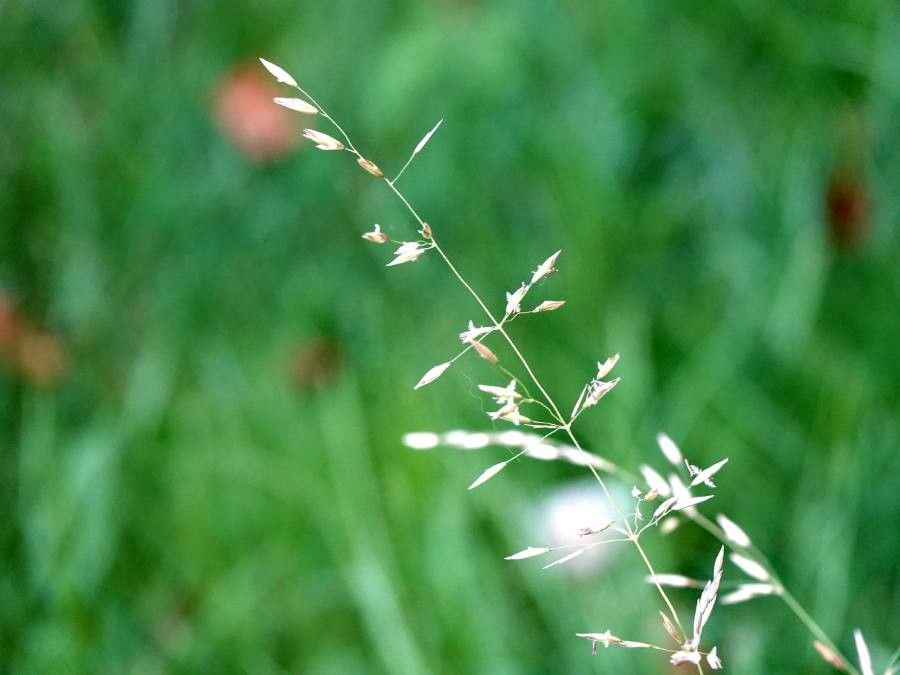
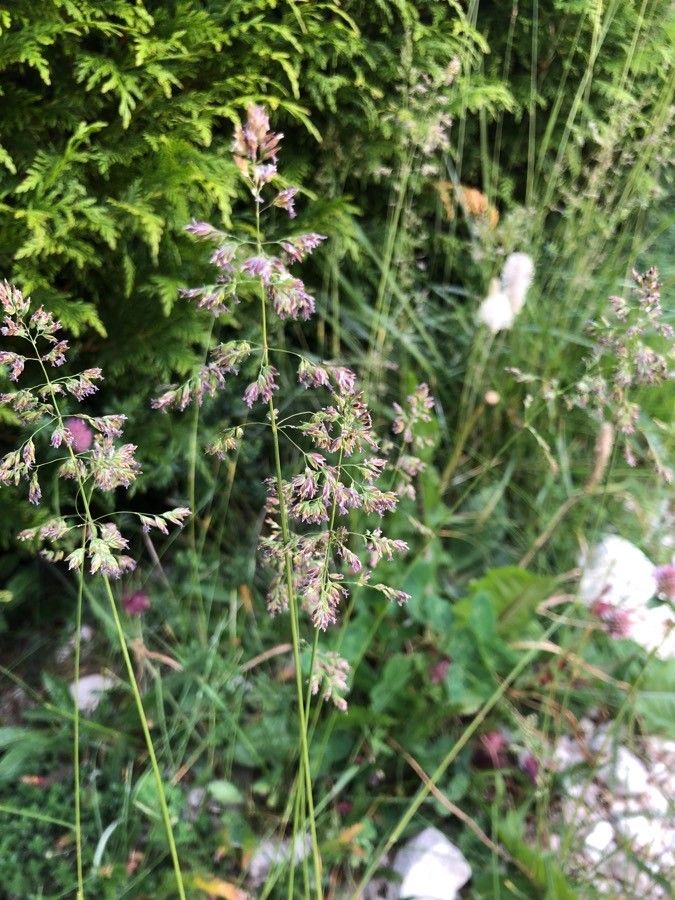
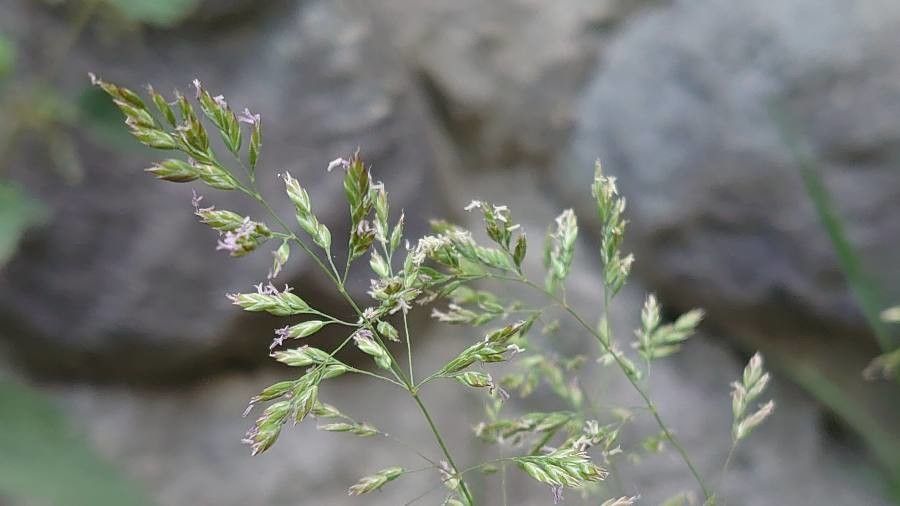
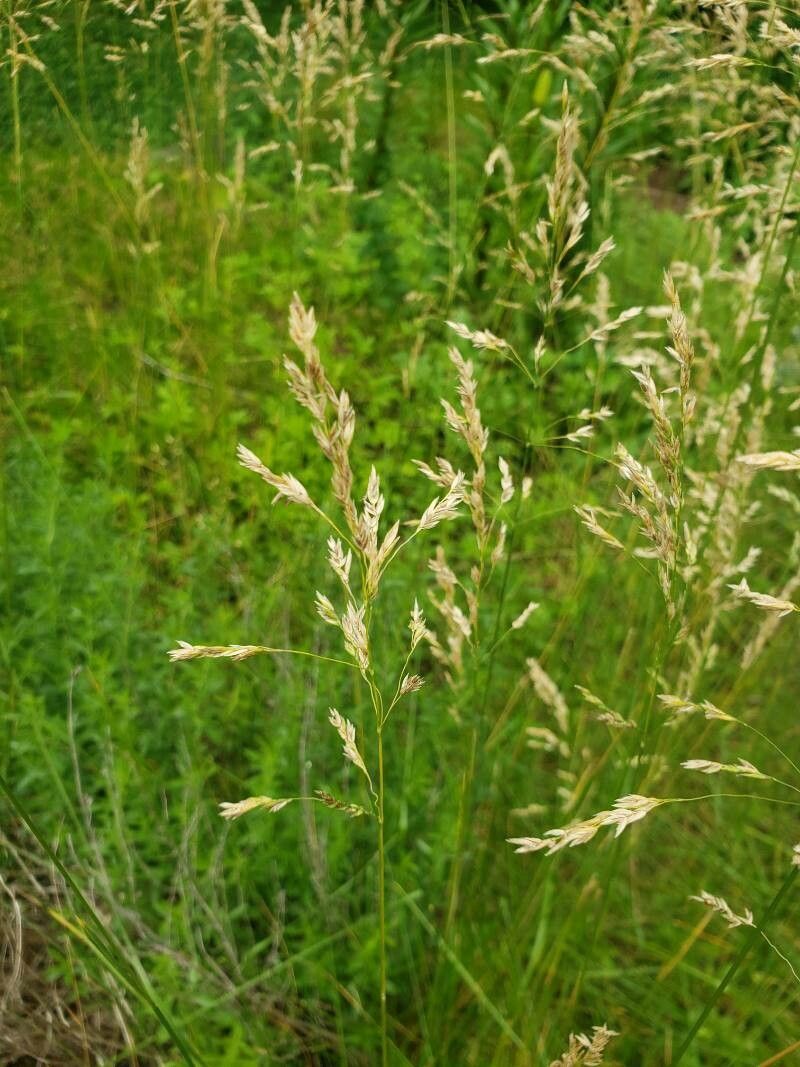
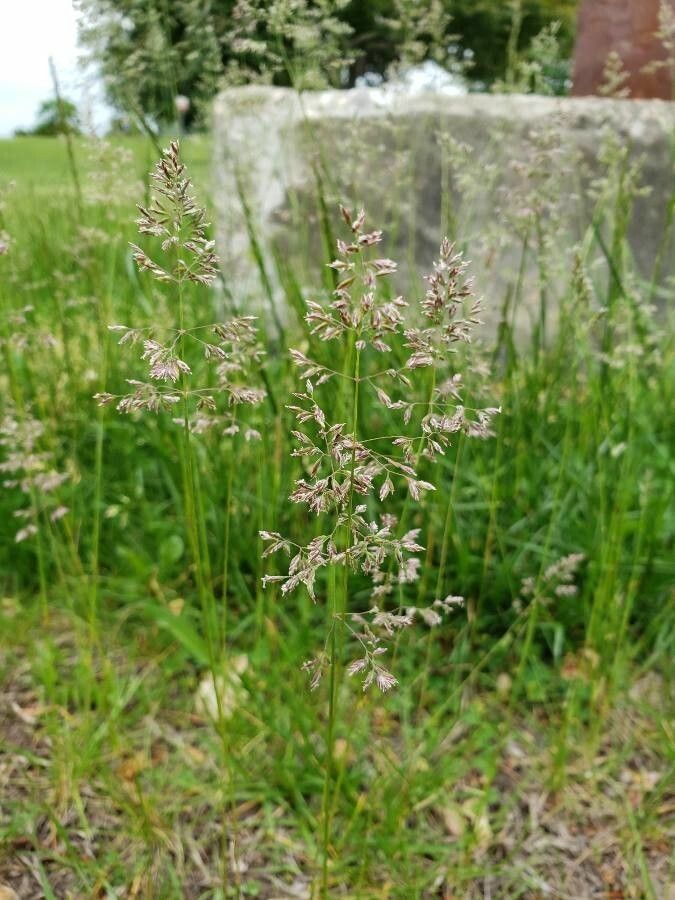
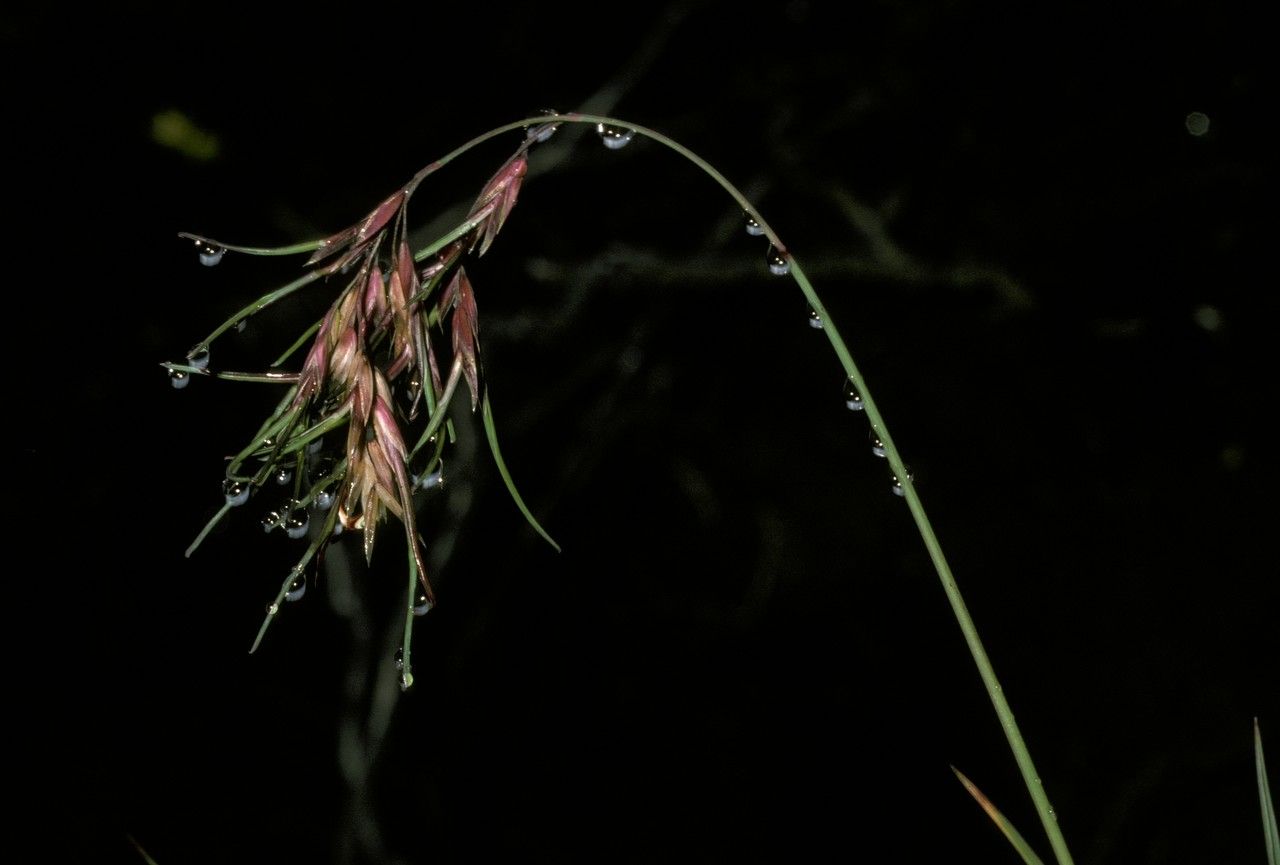
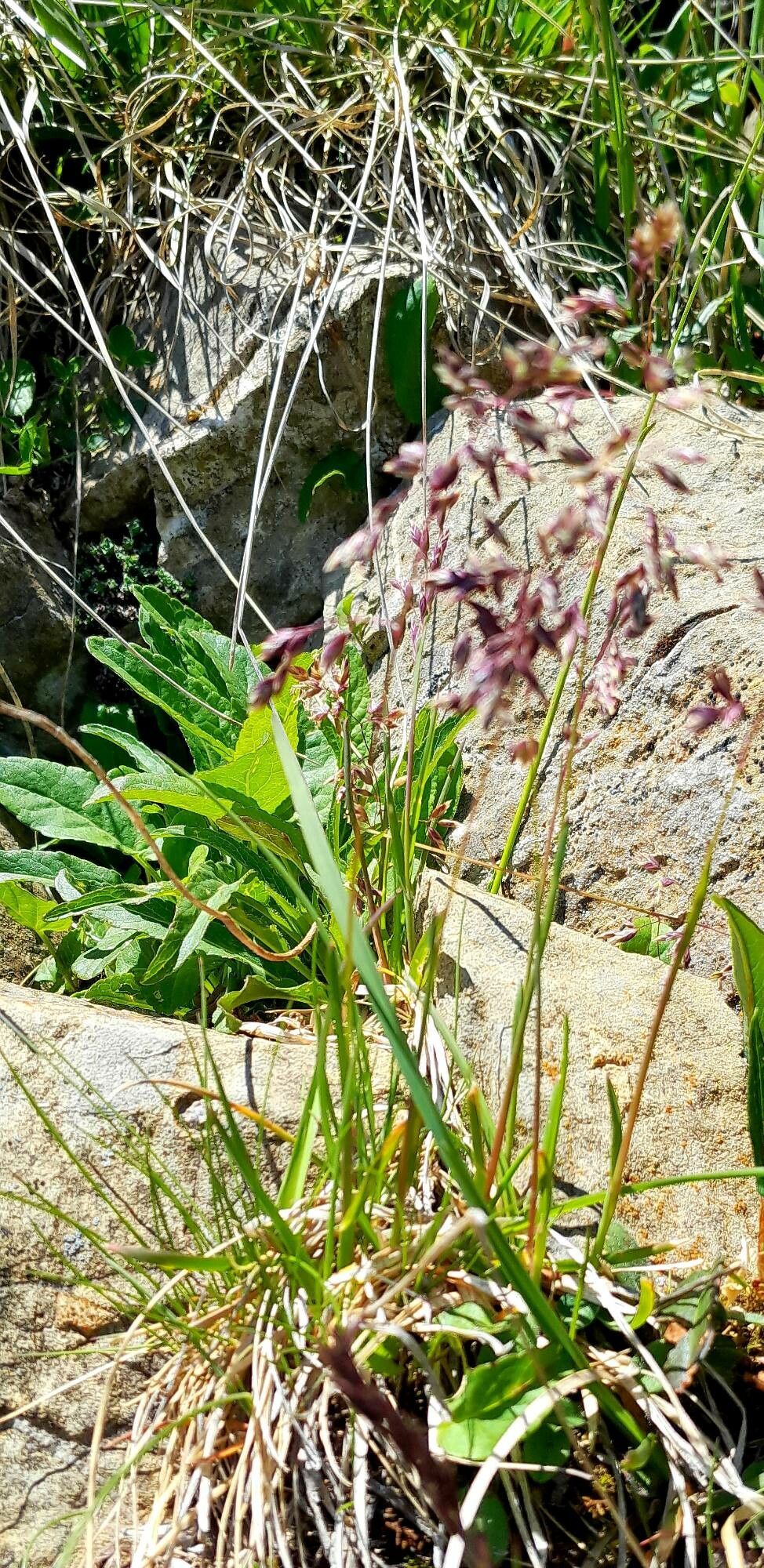
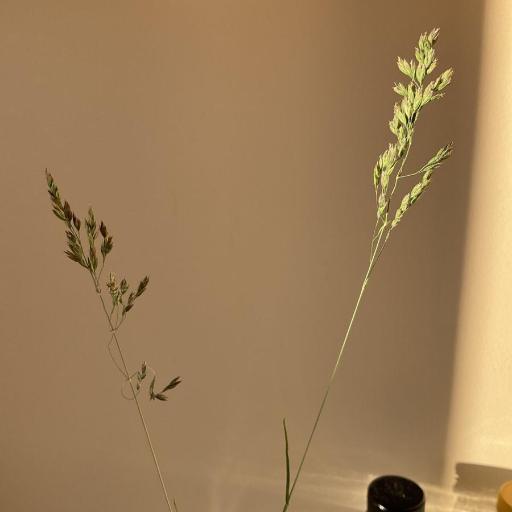
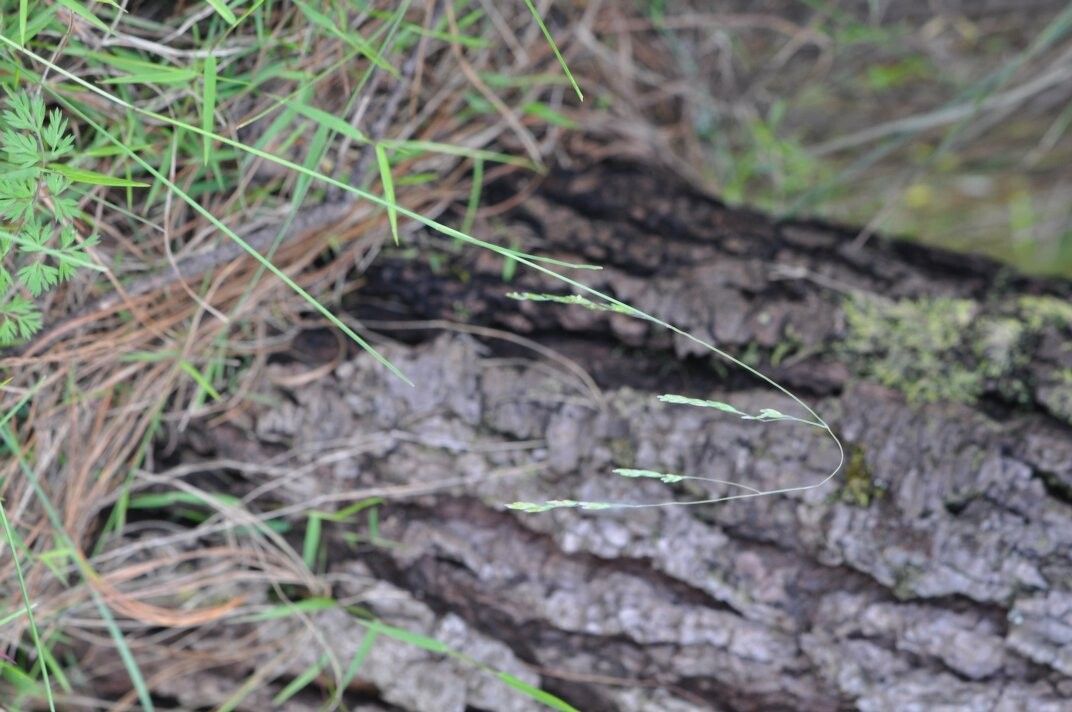
Poa pratensis, commonly known as Kentucky bluegrass (or blue grass), smooth meadow-grass, or common meadow-grass, is a perennial species of grass native to practically all of Europe, North Asia and the mountains of Algeria and Morocco. Although the species is spread over all of the cool, humid parts of the United States, it is not native to North America. The Spanish Empire brought the seeds of Kentucky bluegrass to the New World in mixtures with other grasses. In its native range, Poa pratensis forms a valuable pasture plant, characteristic of well-drained, fertile soil. It is also used for making lawns in parks and gardens and has established itself as a common invasive weed across cool moist climates like the Pacific Northwest and the Northeastern United States. When found on native grasslands in Canada, for example, it is considered an unwelcome exotic plant, and is indicative of a disturbed and degraded landscape.
Kentucky bluegrass is resistant to many diseases and typically does not suffer from them. As for care, this plant is fairly low-maintenance. Planted outdoors, it needs little watering, and larger plants usually do not require pruning. Smaller plants, however, should be trimmed after they finish blooming. Kentucky bluegrass is appropriate for anyone with an outdoor area, such as a garden or deck, and does not need extensive care experience.
How to keep Poa Pratensis.
Light
Kentucky bluegrass performs best when it receives a generous amount of sunlight each day, though it can withstand lower light levels. In its early growth it is adaptable, but established plants prefer regular sun exposure. Its native environment corresponds to areas with abundant sunlight. A lack of light can slow its growth, while too much light may lead to stress.
Water
Kentucky bluegrass flourishes in temperate regions, where it prefers consistent moisture without becoming waterlogged. To maintain the right balance, it needs to be watered twice a week. Often found in cooler climates, this grass benefits from morning dew and occasional rain, which help keep it hydrated without the risk of overwatering.
Humidity
This plant needs special care because it loves high humidity levels of 60-80% or more. The best way to achieve this is by placing a humidifier near the plant. Daily misting is also essential! Make sure the room has good ventilation.
Temperature
Kentucky bluegrass is a cool-season grass that prefers temperatures from 32 to 85℉ (0 to 29.4℃). It performs best in spring and fall when temperatures are mild, but can endure hot summer conditions if it receives adequate water.
Fertilizer
Kentucky bluegrass is a warm-season grass that performs best in summer and goes dormant in winter. Fertilizing is essential for thick growth, a vibrant green color, and resistance to stresses like heat, drought, and cold. Lawns that are neglected become weak and thin and invite unwanted grasses, weeds, insects, and diseases.
Pruning
Kentucky bluegrass is a cool-season grass that thrives best when it's regularly mowed to a height of 2 to 3 inches. To promote dense growth and reduce the risk of disease, prune the grass between early and late spring. For the best results, use sharp mower blades and follow standard horticultural care practices.
Botanical profile.
- Plant Type
- Grass
- Life Cycle
- Perennial
- Genus
- Poa
- Family
- Poaceae
- Hardiness Zone
- 3-9
- Mature Height
- 30 cm to 61 cm
- Mature Spread
- 1.52 m
- Leaf Color
- Green, Blue
- Leaf Type
- Deciduous, Semi-evergreen
- Flower Color
- White, Yellow, Green, Brown
- Flower Size
- 3.05 cm to 5.08 cm
- Bloom Time
- Late spring, Early summer
- Planting Time
- Spring, Summer
- Harvest Time
- Early summer, Mid summer
- Native Area
- Sri Lanka, Libya, India, Turkey, Sweden, Austria, Slovakia, Pakistan, Croatia, Slovenia, Morocco, Yemen, Belarus, Uzbekistan, Russia, Iraq, Germany, Indonesia, Iceland, Estonia, Romania, Latvia, South Korea, Portugal, Nepal, Saudi Arabia, Netherlands, France, Tajikistan, Georgia, Philippines, Cyprus, Bulgaria, Poland, Greece, North Macedonia, Ukraine, Serbia, Lebanon, Lithuania, Norway, China, Afghanistan, Syria, Kyrgyzstan, Kazakhstan, Italy, Spain, Switzerland, Denmark, Myanmar, Mongolia, Japan, Finland, Bhutan, Iran, Albania, Ireland, United Kingdom, Hungary, Algeria, Azerbaijan, Turkmenistan
Other names.
Reader questions.
When Should I Water My Kentucky Bluegrass?
Proper and timely watering is crucial for the health and development of Kentucky bluegrass, affecting its growth, appearance, and disease resistance. The best indicators for watering include checking the soil moisture at a depth of 2-3 inches and watering if it feels dry, observing any wilting or yellowing of the leaves, noticing soil cracks, or if the grass doesn't bounce back after stepping on it. Additionally, look out for signs of heat stress during hot weather. Avoid watering too early or late to prevent shallow root development or severe drought stress, respectively. Regular monitoring of soil moisture, grass appearance, and signs of stress will ensure you water Kentucky bluegrass optimally.
Why should I put fertilizer on my Kentucky bluegrass?
To achieve vigorous, thick growth, it is crucial to fertilize Kentucky bluegrass. A well-fed and healthy lawn not only maintains density and vibrant green color, but it also recovers effectively from damage caused by insects or mechanical factors, while better enduring stress from heat, drought, and cold temperatures. On the other hand, lawns that are unhealthy and lack sufficient fertilization will progressively lose density and become sparse, creating an opportunity for unwanted grasses and weeds to invade. Moreover, malnourished lawns are more susceptible to insect and disease issues.
What are the sunlight requirements for Kentucky bluegrass?
Kentucky bluegrass thrives best with ample sunlight, preferably above 6 hours of direct sunlight daily, categorizing it as a full sun plant. However, it can also tolerate partial sun conditions, needing about 3-6 hours of sunlight a day during its initial growth stages. Mature plants favor consistent sun exposure, reflecting their natural preference for sunny locations. Insufficient sunlight can hamper growth, while too much sunlight can stress the plants. It's important to observe how sunlight moves through your garden throughout the day, choosing locations that provide a balanced light environment for your plants.
What is the optimal temperature range for Kentucky bluegrass growth?
Kentucky bluegrass is a cool-season grass that thrives in temperatures ranging from 32°F to 85°F (0°C to 29.4°C). It enjoys mild conditions during the spring and fall, making these seasons ideal for its growth. Although it can withstand hotter summer periods with sufficient watering, it flourishes best when the weather is cooler. It possesses strong resistance against cold, making it less likely to require special frost protection in the winter. However, in extreme cases where winter temperatures are forecasted to plummet below -35°C, some form of cold protection, such as covering the grass with soil or straw, should be considered. Additionally, to help the grass endure the cold winter and prepare for early spring, it's advisable to water it abundantly before the first freeze of autumn to ensure the soil remains moist when it freezes.
How Should I Water My Kentucky Bluegrass?
Kentucky bluegrass thrives with deep and infrequent watering, encouraging deep root growth and robust health while discouraging diseases. Utilize soaker hoses or sprinkler systems to evenly cover the root zone without wetting the foliage excessively. Focus on watering the soil to a depth of 4 to 6 inches to encourage deeper roots. Morning watering is preferable to allow any moisture on the leaves to dry up, reducing disease risk. Implementing the use of a moisture meter can also optimize watering schedules, preventing over or under-watering.
When should I fertilize my Kentucky bluegrass for the best results?
Kentucky bluegrass is a warm-season grass that grows the most during the hottest part of summer. It goes dormant in the cooler winter season. To match its growth patterns, fertilize it right after it comes out of dormancy. Continue fertilizing throughout the growing season, but stop just before it goes dormant again in the fall.
How does artificial lighting support indoor Kentucky bluegrass growth?
Indoor Kentucky bluegrass requires adequate lighting for optimal growth, especially when natural sunlight is insufficient, such as during winter or in less sunny spaces. Artificial lights, like LED lights, are vital as they can be customized to provide specific wavelengths needed by the plants. Full sun plants require 30-50W/sq ft, partial sun plants need 20-30W/sq ft, and full shade plants require 10-20W/sq ft of artificial light. To mimic natural sunlight, place the light source 12-36 inches above the plant and ensure it receives 8-12 hours of light daily.
How does low temperature affect Kentucky bluegrass, and what are the solutions?
Kentucky bluegrass shows a high tolerance to cold weather and generally thrives best in temperatures above 0°C. If winter temperatures are expected to stay above -30°C, the grass is usually unaffected. However, if temperatures fall below -35°C, you might not notice any immediate damage during the winter, but come spring, there could be a noticeable reduction in sprouting, or in some cases, no sprouting at all. To remedy this, in spring, it is recommended to remove any parts of the grass that have failed to sprout, helping the rest of the grass to recover and grow.
How Much Water Does Kentucky Bluegrass Really Need?
Kentucky bluegrass requires an optimal amount of water for maintaining its green color and healthy growth. The exact amount depends on factors like pot size and root depth, typically around 2-3 centimeters (3/4 - 1 1/4 inches) per week, spread over a few sessions or through deep, infrequent watering. Properly hydrated Kentucky bluegrass displays vibrant, green, turgid blades. Overwatering or underwatering can cause yellow or brown leaves and reduced vigor. Balancing water intake by monitoring and adjusting to the plant's needs, including weather and soil conditions, is essential for its health.
When is the best time to not put fertilizer on my Kentucky bluegrass?
Sometimes, fertilizer can actually harm Kentucky bluegrass rather than help it. This is especially true if the plant is already stressed for another reason. Therefore, it is best to avoid fertilizing when Kentucky bluegrass is dealing with diseases like leaf spot, pythium, large patch, brown patch, or fairy rings, as well as insect problems like grubs, chinch bugs, or armyworms. Fertilizing in these situations can weaken the plant's defenses, making it even more susceptible to other pest problems or disease infections. Additionally, it is important to never fertilize Kentucky bluegrass when it is dormant in the winter and instead wait until the grass is actively growing. In the hot summer months, it is advisable to avoid fertilizing during the hottest part of the day in order to minimize fertilizer burn. It is also wise to wait a day or two after a rainstorm to allow the soil to dry out before applying fertilizer. This helps to minimize runoff and the potential contamination of ground and surface waters.
What are the symptoms of inadequate lighting for Kentucky bluegrass?
When Kentucky bluegrass doesn't receive enough light, it may show several symptoms, including smaller new leaves, leggy or sparse growth, faster leaf drop, slower or halted growth, and lighter-colored or irregularly patterned new leaves. Conversely, excessive sun exposure can cause chlorosis (yellowing leaves), sunscald (damage from intense light), leaf curling, wilting from increased water loss, and leaf scorching with brown, crispy edges. These symptoms highlight the plant's struggle to adapt to lighting conditions outside its ideal range.
What should be done if Kentucky bluegrass experiences high temperatures?
During the summer months, it's crucial to ensure that the temperature around Kentucky bluegrass does not exceed 35°C. Temperatures surpassing 38°C may cause the leaves to lighten in color, become prone to curling, suffer from sunburn, and in extreme situations, the entire plant might wilt and dry up. To mitigate these effects, it's advisable to trim away the sunburned and dried parts of the grass. Moving the grass to a shaded area, or utilizing a shade cloth during the midday and afternoon sun, can prevent further damage. Additionally, watering the grass in the morning and evening will help to maintain soil moisture and protect the plant from heat stress.