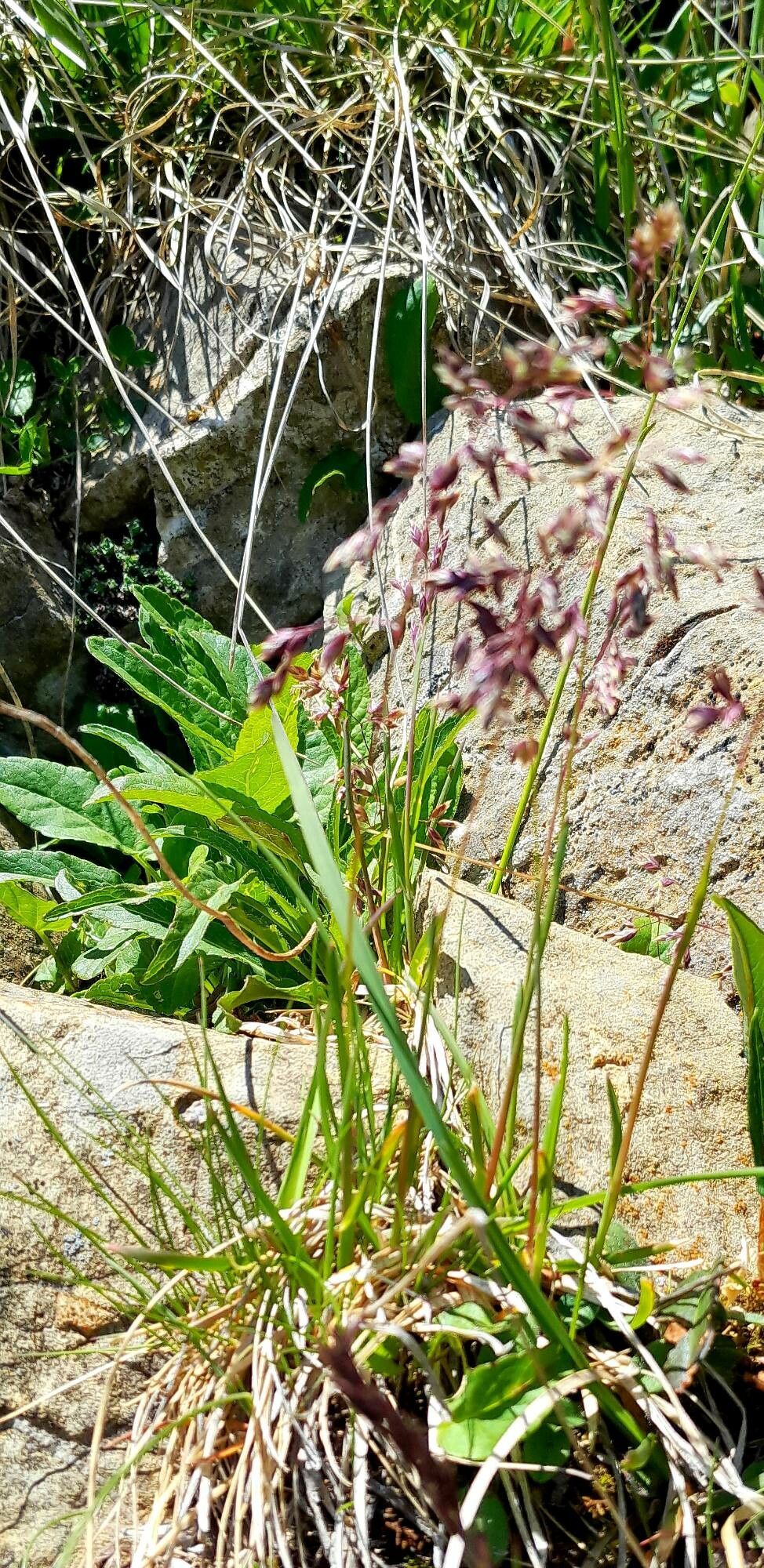
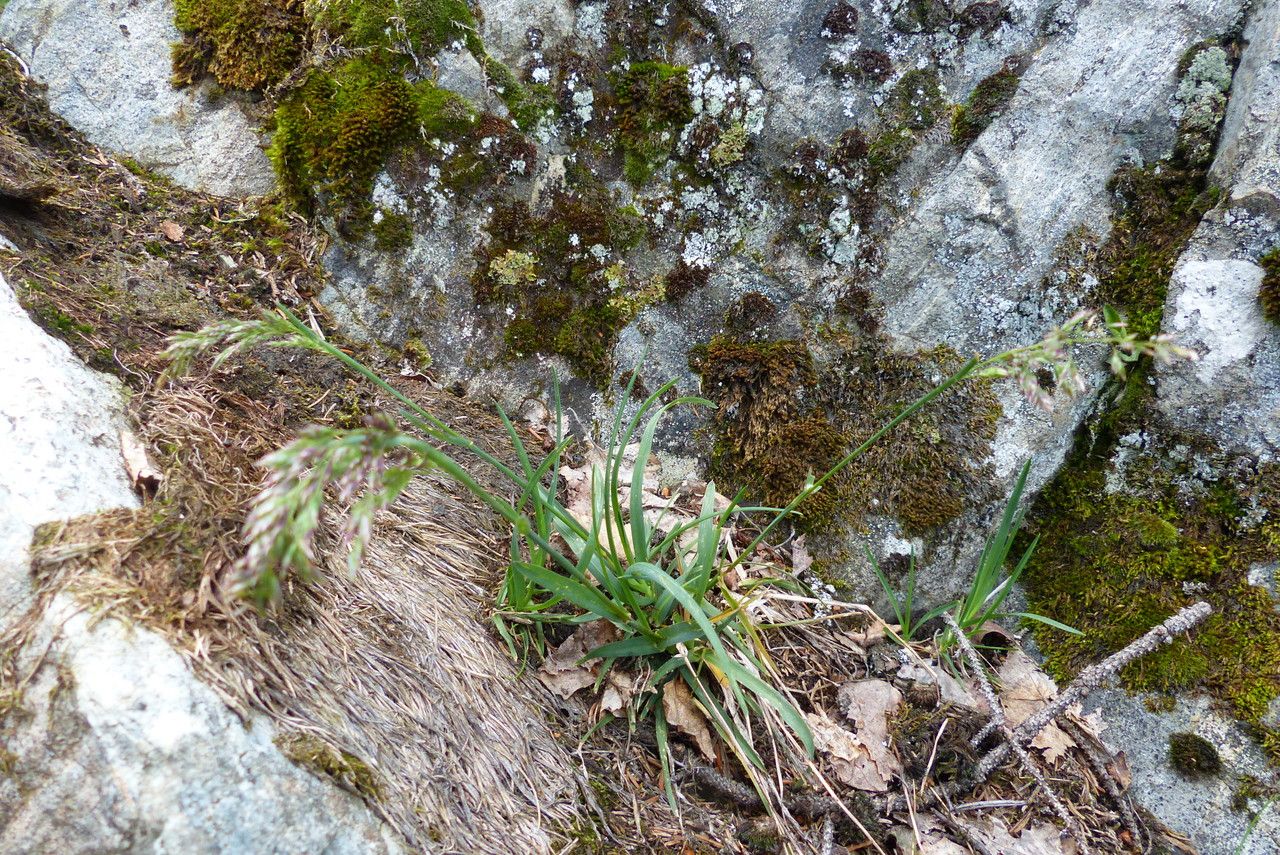
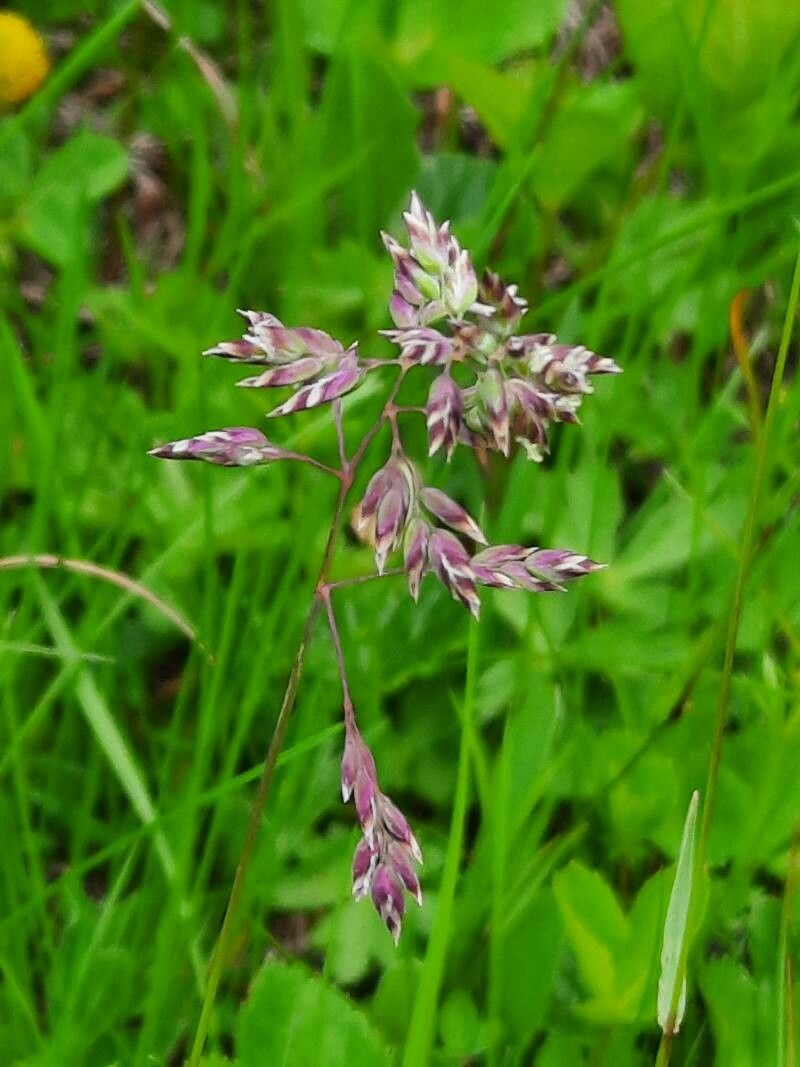
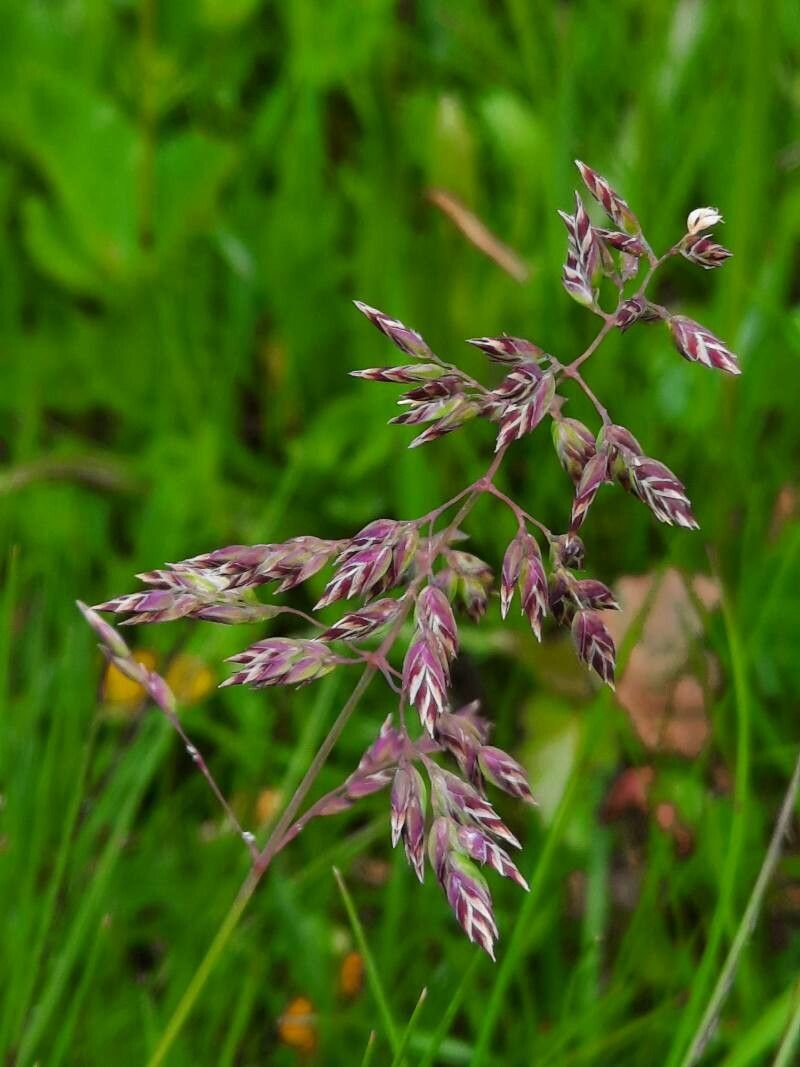
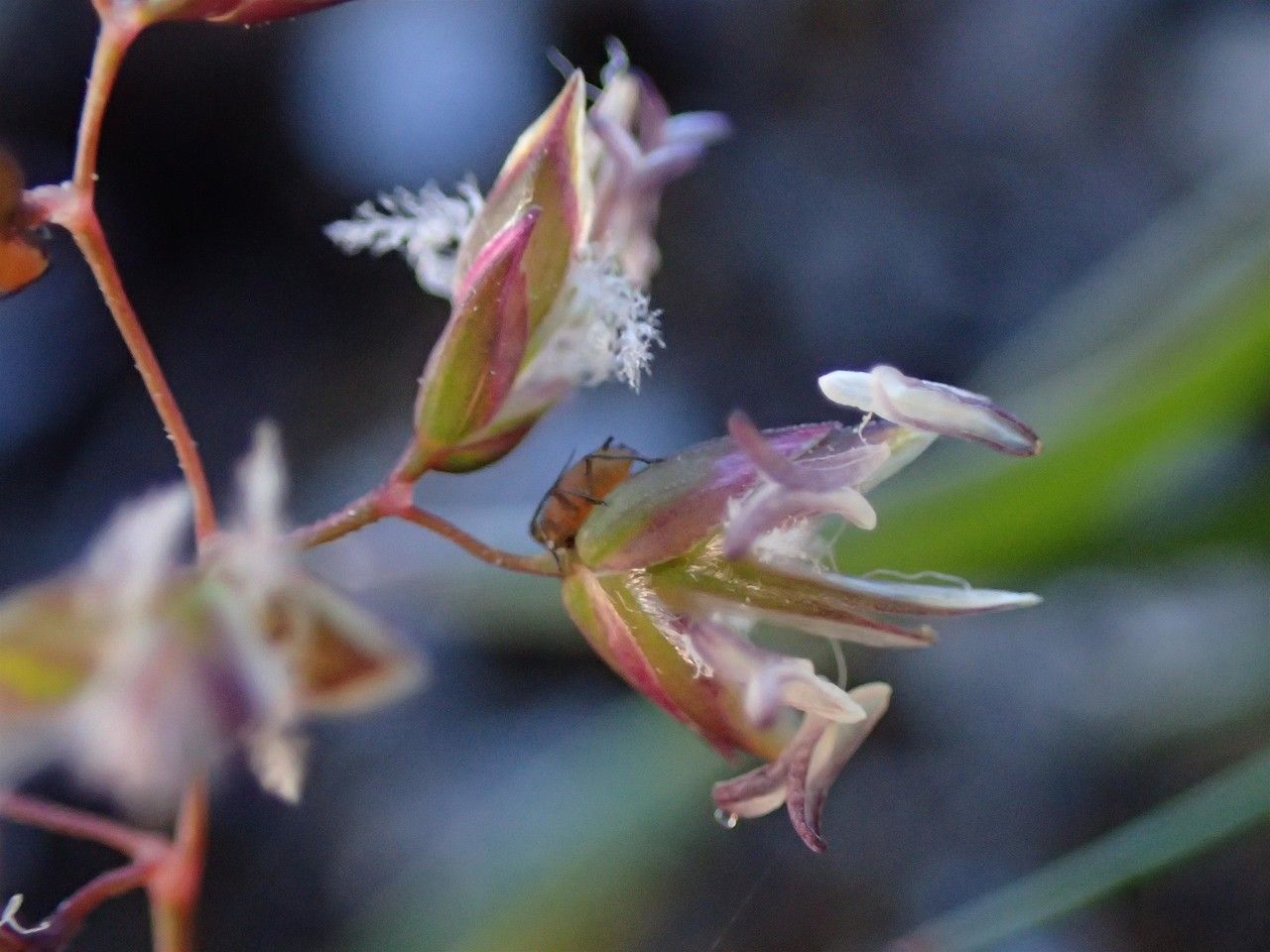
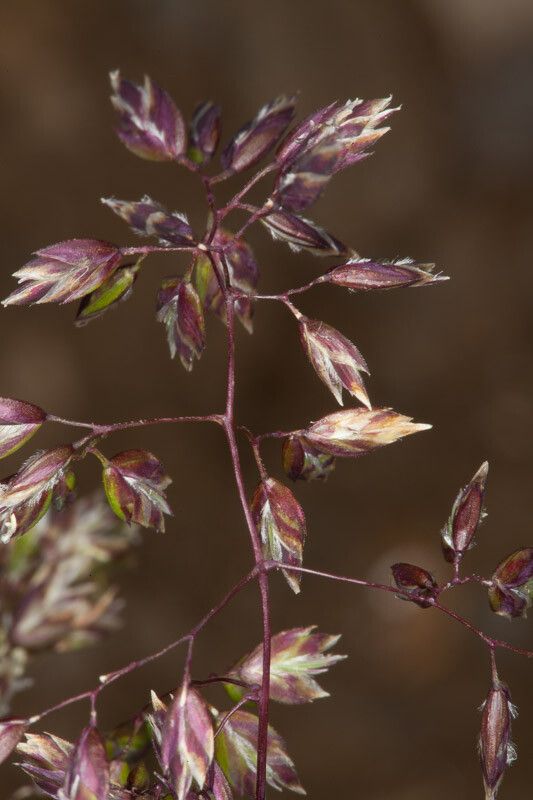
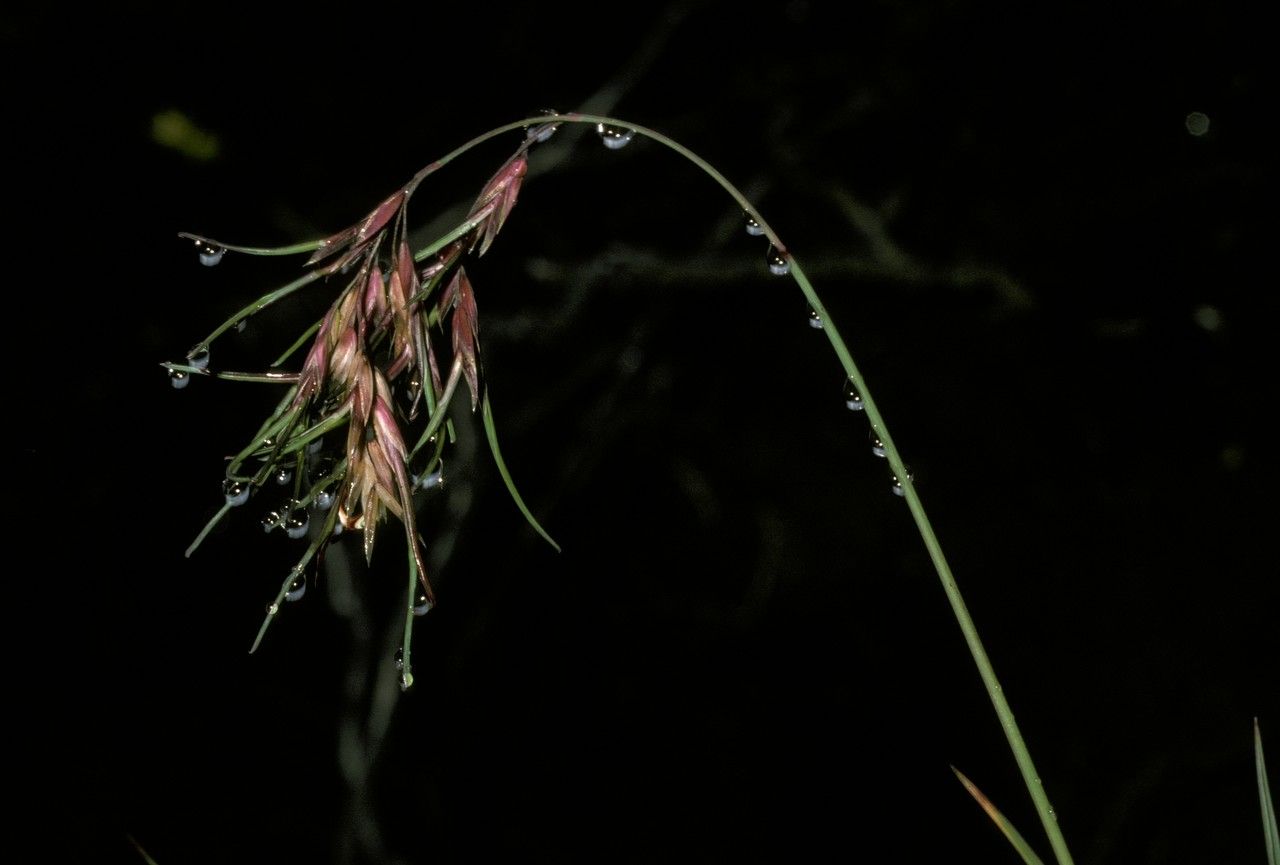
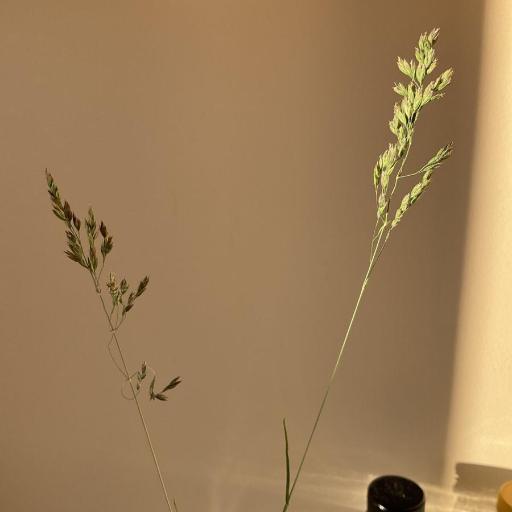
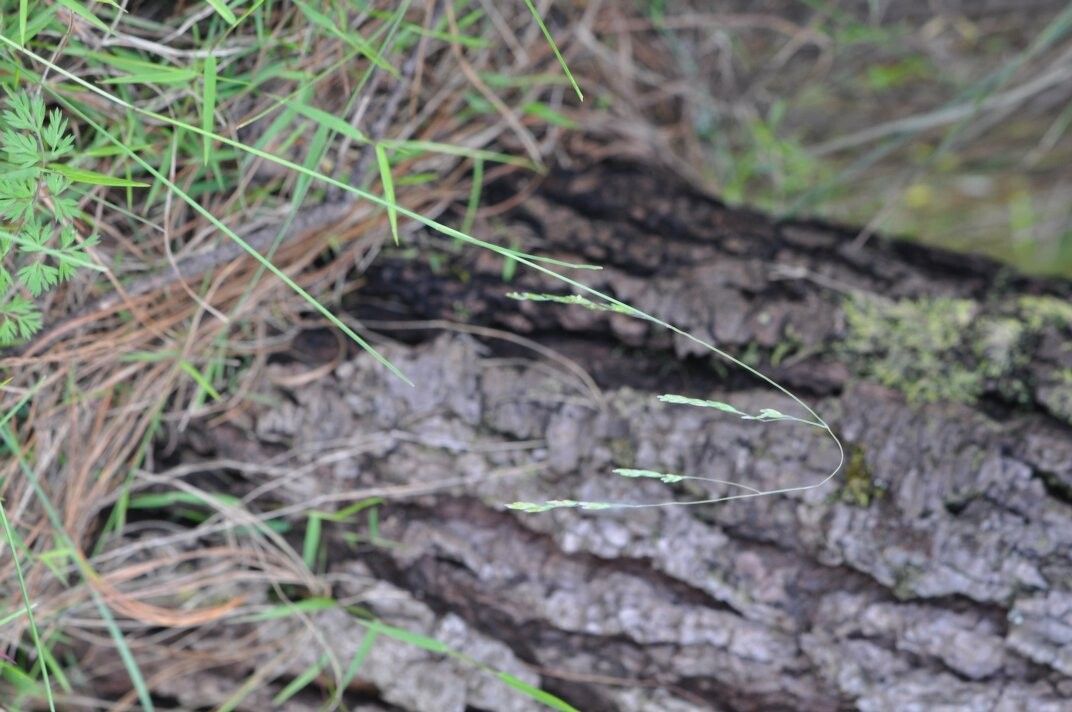
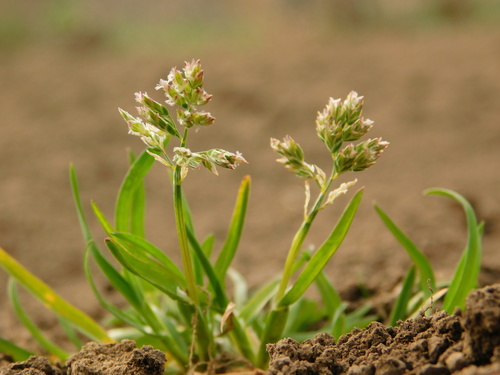
Poa alpina, commonly known as alpine meadow-grass or alpine bluegrass, is a species of grass with a primarily holarctic distribution.It is noted for being pseudoviviparous: in place of seeds, it sometimes reproduces asexually, creating new plantlets in the spikelets.
Bulbous bluegrass has good resistance to disease and is usually not prone to illnesses. Still, it can be affected by pests and diseases present in its environment, although these problems are generally mild. Regarding care, this plant requires a moderate level of maintenance. Regular pruning is necessary to preserve its appearance and encourage healthy growth. Applying fertilizer can also help stimulate flowering. Bulbous bluegrass is appropriate for anyone with an outdoor space, such as a garden or patio, and does not demand extensive plant-care experience. It may need more attention when grown indoors.
How to keep Poa Alpina.
Light
Bulbous bluegrass is a sun-loving, perennial herbaceous plant that originates in open habitats and is often found thriving in meadows and grasslands. It prefers full sun but can also tolerate partial sun conditions.
Water
Alpine meadow-grass flourishes in alpine regions, where it prefers consistently moist conditions but can withstand short periods of dryness. For optimal growth, it's recommended to water it weekly. This grass grows best in well-draining soil, which helps prevent waterlogging and mimics its natural mountainous habitat.
Temperature
Bulbous bluegrass is native to climates where temperatures range from 59 to 89.6 °F (15 to 32 ℃). In its natural environment it prospers in these warmer conditions. When grown outside its native range, seasonal temperature adjustments may be necessary to keep bulbous bluegrass healthy.
Fertilizer
Typically, a single fertilizer application in spring is enough for Bulbous bluegrass, though repeated feedings can enhance growth. Apply fertilizer every one to one and a half months. Fertilization improves leaf appearance and function, helping maintain uniform color and a healthy texture. It also encourages root development and increases nutrient uptake for long-term plant health.
Pruning
Alpine meadow-grass thrives in mountainous regions with its lush green blades and tufted seed heads. To encourage healthy growth, prune the grass early in the spring by removing any dead blades, but be careful not to trim too much. Regular, light pruning helps improve air circulation and lowers the risk of disease. Always use clean tools to prevent infections.
Botanical profile.
- Plant Type
- Herb
- Life Cycle
- Perennial
- Genus
- Poa
- Family
- Poaceae
- Hardiness Zone
- 7
- Mature Height
- 15 cm to 61 cm
- Mature Spread
- 10 cm to 30 cm
- Leaf Color
- Light Green, Pale Green
- Leaf Type
- Semi-evergreen
- Flower Color
- Yellow, Green, Red
- Flower Size
- 0.25 cm to 0.51 cm
- Bloom Time
- Early spring, Mid spring
- Planting Time
- Spring, Summer, Autumn
- Harvest Time
- Mid spring, Late spring
- Native Area
- Libya, Turkey, Austria, Sweden, Pakistan, Morocco, Uzbekistan, Russia, Iraq, Germany, Oman, Romania, Belgium, Portugal, Nepal, Saudi Arabia, France, Netherlands, Tunisia, Sudan, Cyprus, Bulgaria, Poland, Greece, Ukraine, China, Norway, Afghanistan, Italy, Kazakhstan, Spain, Switzerland, Denmark, Finland, Israel, Iran, Albania, United Kingdom, Hungary, Algeria, Turkmenistan
Other names.
Reader questions.
How much water should I give my Alpine meadow-grass?
The watering needs of Alpine meadow-grass will vary depending on where it is planted. Generally, it is recommended to water this grass every week. However, in hot climates, watering once or twice a week during the summer may be necessary. In moderate climates, watering once every seven days or more may be enough. Grass in containers usually requires more frequent watering compared to grass planted in the ground. Additionally, the location of the grass matters, as shaded grass needs less watering compared to grass in the ground. Alpine meadow-grass should only be watered when the soil is dry. There are a few signs to look out for that indicate when it's time to water the grass. For example, you can press your finger a couple of inches into the soil to check its dryness. For potted grass, you can weigh the pot to see if it feels light, indicating a lack of water. When the roots lack sufficient water, the blades may appear folded along their centers and thinner than usual. Despite its drought tolerance, regular deep waterings will result in beautiful color. In the wild, Alpine meadow-grass grows in open scrubland, facing extreme heat, bright sun, and intermittent rain. Although this grass is drought resistant, it still requires care and attention. Even in harsh, dry conditions, gardeners agree that it thrives best with consistent water. When initially planted, Alpine meadow-grass will need more frequent watering until it establishes deep roots. Potted grass in particular will dry out quickly, especially when exposed to hot, direct sunlight. To determine when to water, test the soil every 3 to 4 days and only water when it feels dry. The watering needs of Alpine meadow-grass in the ground generally require less frequency, but this depends on the type of soil it is grown in. Clay soils hold water for longer periods, so the surface may feel dry while there is still moisture below ground. Sandy soils, on the other hand, drain quickly and will need to be watered more often.
Why should I put plant food on my Alpine meadow-grass?
There are a few reasons why fertilizing Alpine meadow-grass is important. Firstly, your plant requires extra nutrients to promote healthy new growth. Secondly, these additional nutrients aid in maintaining the health of the existing growth, and ultimately help your plant in resisting diseases and pests.
What are the sunlight requirements for Alpine meadow-grass (Poa alpina)?
Alpine meadow-grass (Poa alpina) thrives in areas receiving above 6 hours of unobstructed sunlight daily. In its natural mountainous habitat, it is well-adapted to relentless exposure to sunlight, demonstrating exceptional tolerance to it. Insufficient sunlight can hinder its growth, though surplus exposure doesn't seem to negatively affect the plant. It's essential to observe how sunlight moves through your garden to choose spots that provide a perfect balance of light and shade, ensuring your plants' happiness.
What do I need to watch out for when watering my Alpine meadow-grass in different seasons, climates, or during different growing times?
To determine if you're watering enough, observe the rate of growth of your grass. Alpine meadow-grass tends to double in size during the hottest months. If the weather is hot but the grass is not growing vigorously, adjust your watering schedule. In winter, you may only need to water once a month, but check the soil for moisture. During the warmest months, the grass needs more water, while in winter and cooler months, the water requirement decreases significantly. Always allow the soil to dry out completely before watering Alpine meadow-grass.
When should I put fertilizer on my Alpine meadow-grass?
To ensure the survival of Alpine meadow-grass in the garden, it is important to understand the ideal timing for fertilization. This grass does not require excessive nutrients when it is dying back, as it is not a heavy feeder. While it may be tempting to apply diluted fertilizer at the beginning of the growing season, this is not advised. Instead, a more effective approach is to apply mulch or compost around the base of the plant.
How can artificial lighting benefit indoor Alpine meadow-grass plants?
Indoor Alpine meadow-grass plants require adequate lighting, especially when natural sunlight is insufficient, such as in winter or less sunny spaces. Artificial lights, like LED lights, offer a vital solution by promoting faster, healthier growth. These lights can be customized to provide specific wavelengths needed by your plants. For optimal growth under artificial light, full sun plants need 30-50W/sq ft, partial sun plants 20-30W/sq ft, and full shade plants 10-20W/sq ft. It's important to place the light source 12-36 inches above the plant and mimic natural daylight hours, with most plants needing 8-12 hours of light per day.
What should I do if I give too much or too little water to my Alpine meadow-grass?
Proper watering is crucial for the growth and health of this beautiful ornamental grass. When planted in the ground, watering issues can be resolved. However, in a container, excessive or insufficient water can quickly kill Alpine meadow-grass. When the water amount is not right, the grass may stop growing. Overwatering can cause yellow leaves with brown tips, while underwatering can result in drooping leaves, weak seed head production, and browned leaves. If you suspect improper watering, first determine if there is too much or too little water. For excessive water, immediately stop watering and wait for heavy soils to dry out. Once you see new growth, test the soil moisture and decide if more water is needed. On the other hand, if there is not enough water, give the grass a deep drink and observe if it improves. Keep in mind that a long, deep watering is always preferable to frequent shallow waterings. This encourages deep root growth, making the grass more resistant to drought and watering-related issues.
When is the best time to not fertilize my Alpine meadow-grass?
If you're not using packaged fertilizers, you won't need to concern yourself with stopping the feeding of Alpine meadow-grass. Simply adding a layer of compost or mulch in the spring will suffice to ensure the happiness of the grass throughout the year. No need to worry about mulching or composting during the plant's dormant winter period.
What are the symptoms of light deficiency in Alpine meadow-grass?
Symptoms of light deficiency in Alpine meadow-grass include new leaves growing smaller in size, leggy or sparse growth with longer spaces between leaves or stems, quicker leaf drop, and halted or no new growth, indicating the plant is in survival mode due to poor light conditions. Leaves may also develop irregular color patterns or appear pale due to insufficient sunlight, indicating a lack of chlorophyll and essential nutrients. Other symptoms, like chlorosis, sunscald, leaf curling, wilting, and leaf scorching, can result from excessive sunlight, negatively affecting the plant's ability to photosynthesize and maintain overall health.
What kind of fertilizer does my meadow-grass in the mountains need?
You can skip rushing to the garden center for fertilizer since alpine meadow-grass doesn't require it. Instead, an alternative is to lay down compost in the spring which will provide the necessary nutrients for the plant. Additionally, if you mulch your garden annually, the bark will also serve as a feeding source to keep your plant content.
What solutions can address light deficiency for Alpine meadow-grass?
To address light deficiency in Alpine meadow-grass, progressively move the plants to a location with at least 6 hours of direct sunlight daily. For indoor plants, use a south-facing window, keep curtains open during the day, or consider artificial lighting like a desk or ceiling lamp for at least 8 hours daily. Outdoor plants should be gradually moved to sunnier spots to avoid sunburn. Prune trees or other obstructions to allow more sunlight to reach the plants. For smaller plants, consider transplanting them during their dormant period to a location with ample sunlight and good drainage. Note that parts of the plant affected by insufficient sunlight may not recover, but new growth will be healthy after increasing light exposure.
How do I give plant food to my Alpine meadow-grass?
When using mulch or compost for Alpine meadow-grass, the steps are simple. First, place the material, ensuring it covers the plant's base. If using both mulch and compost, reduce the amount of compost. Additionally, adding mulch has two benefits: it retains moisture in the soil and provides nutrients to your plant.