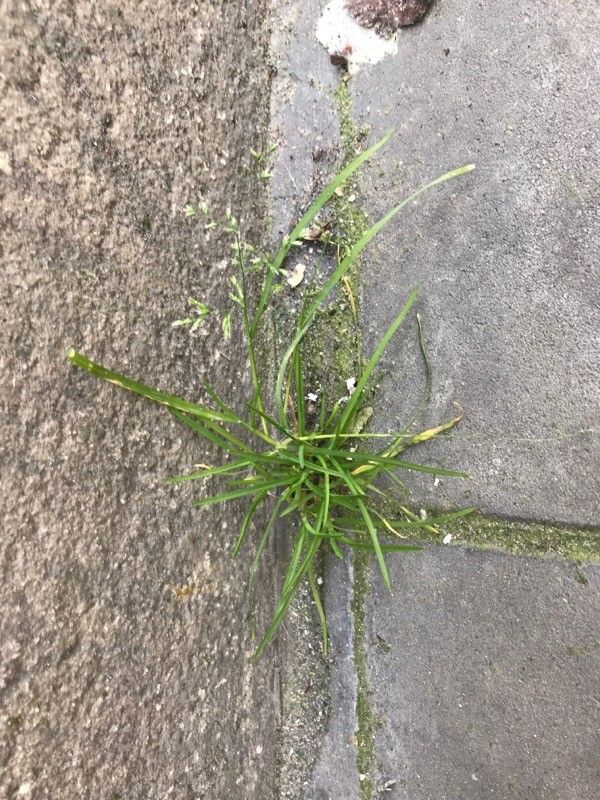
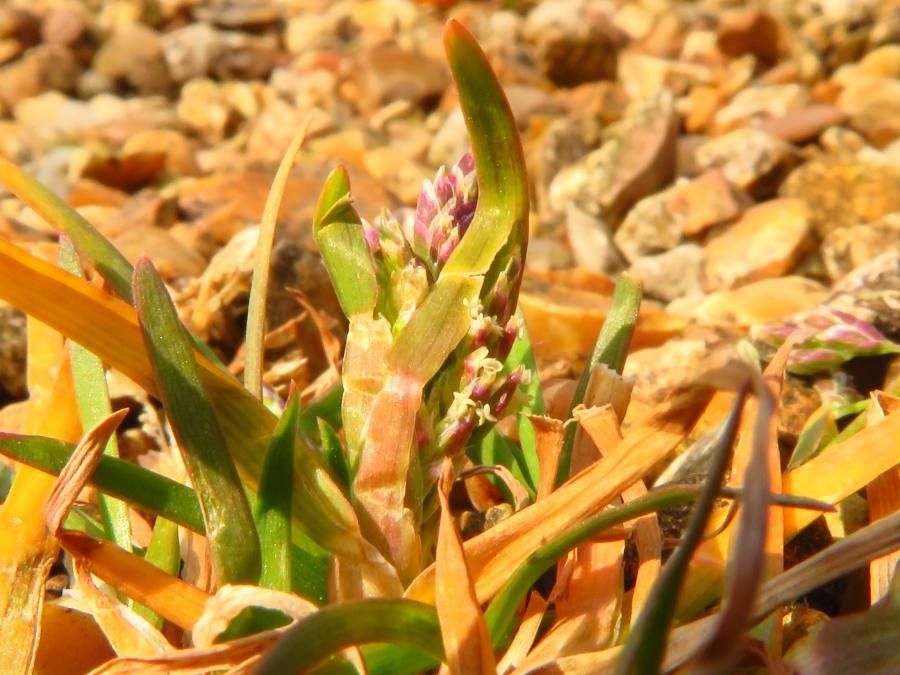
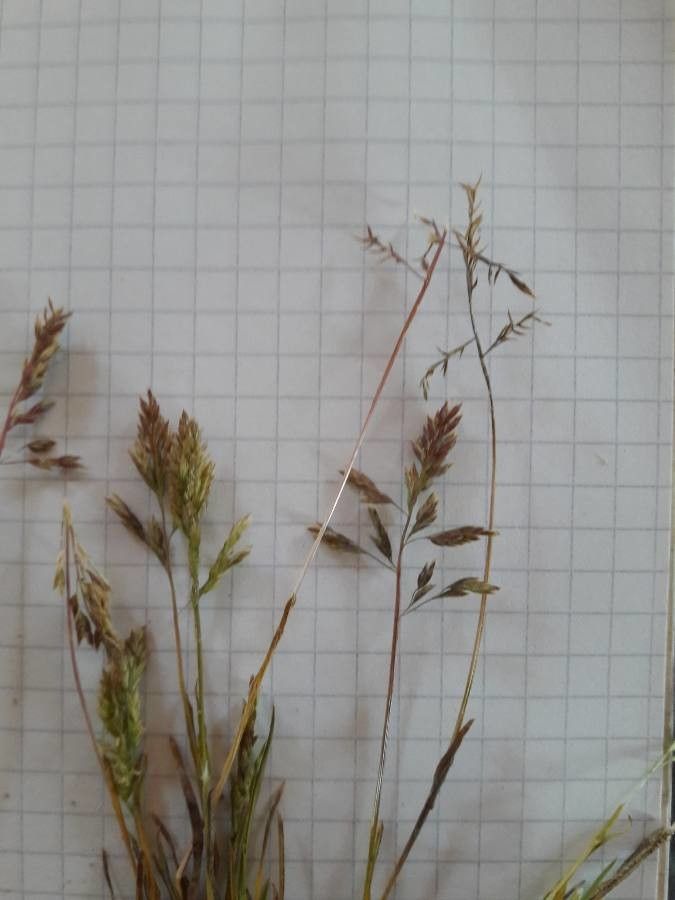
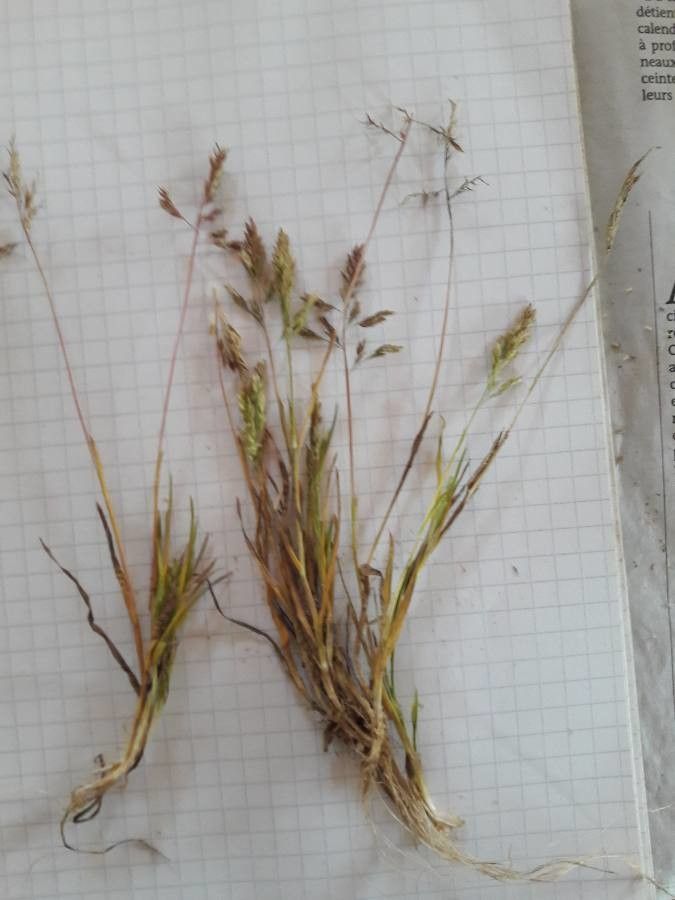
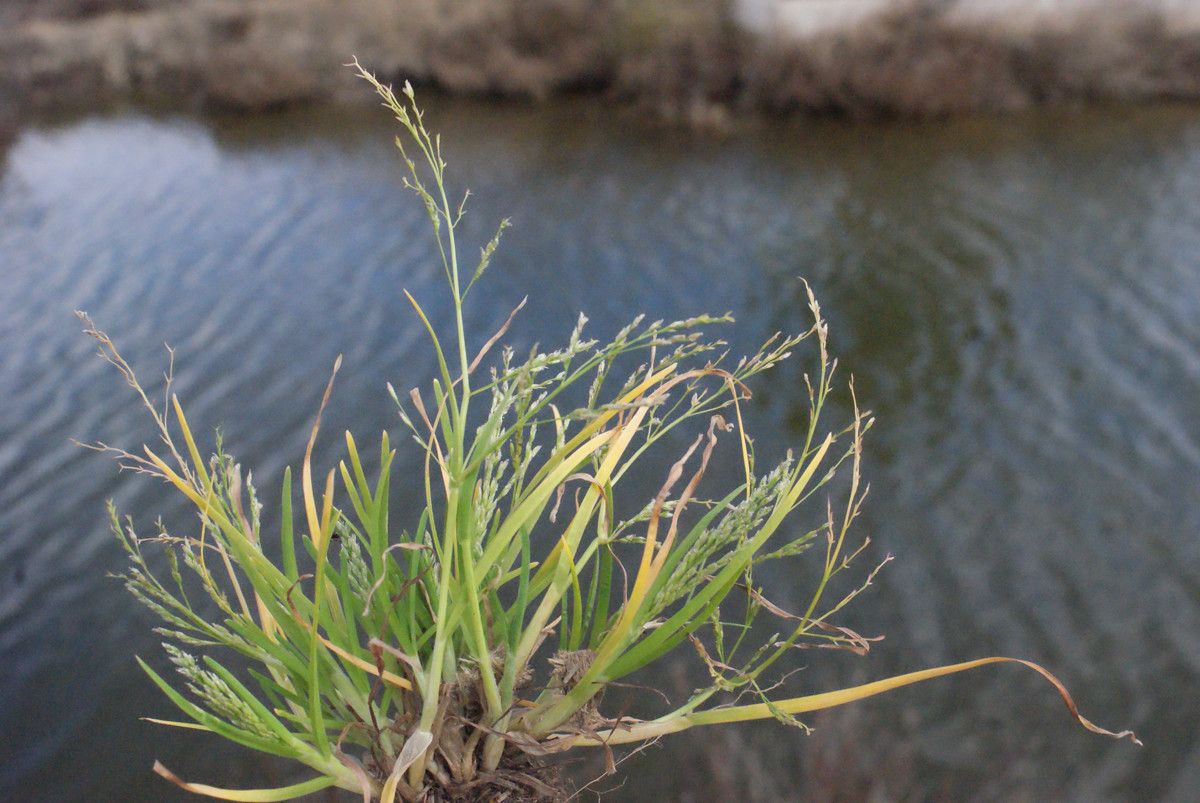
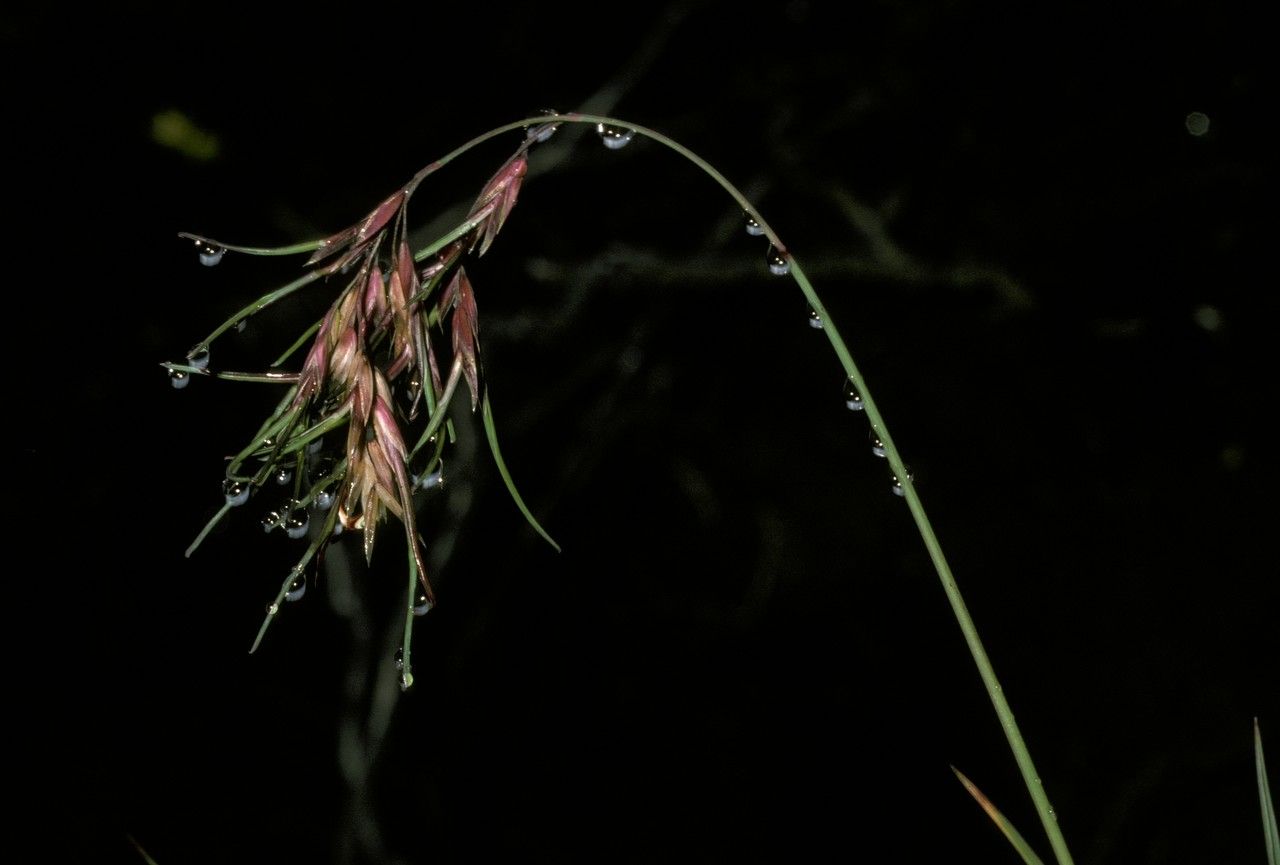
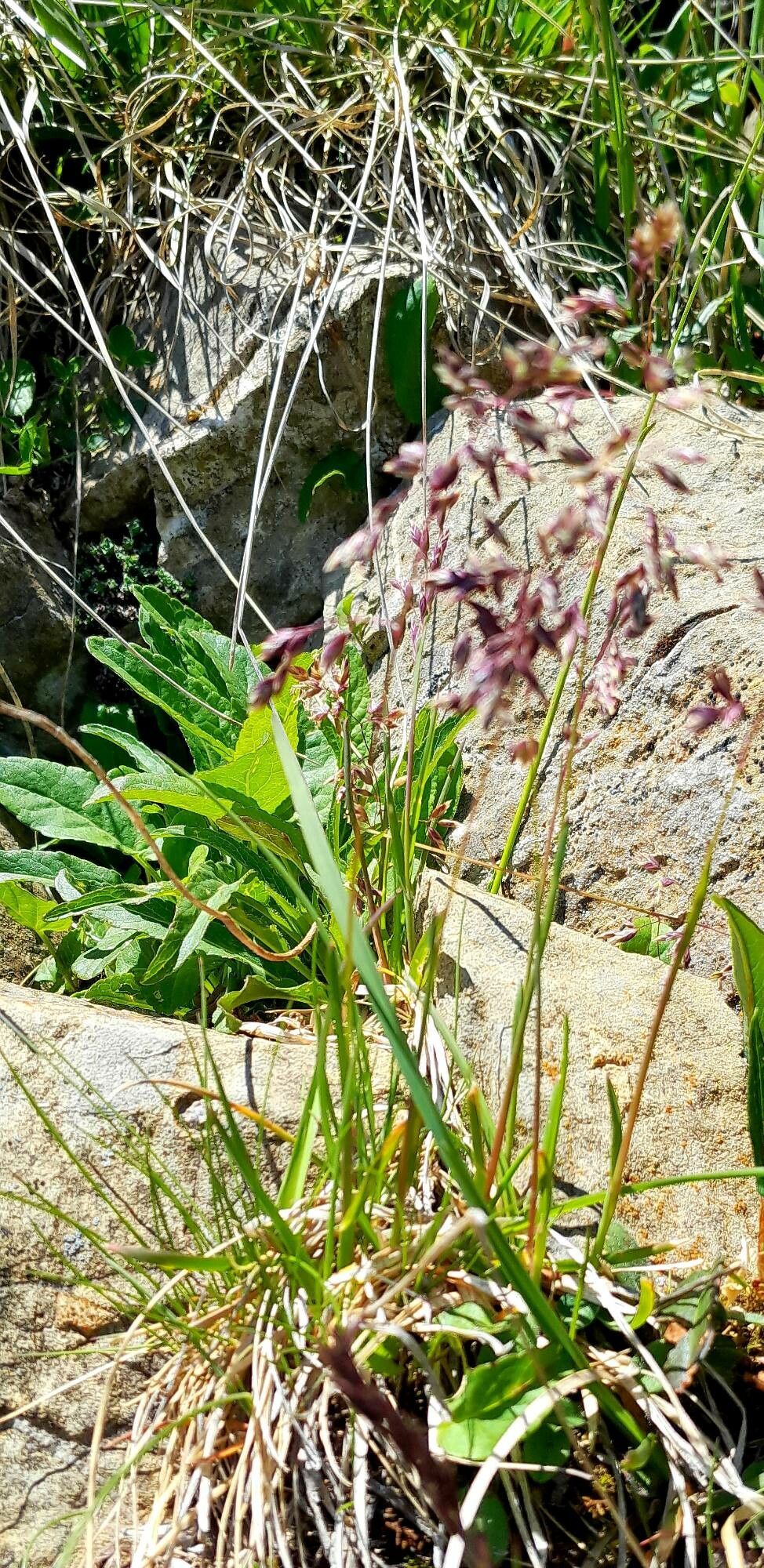
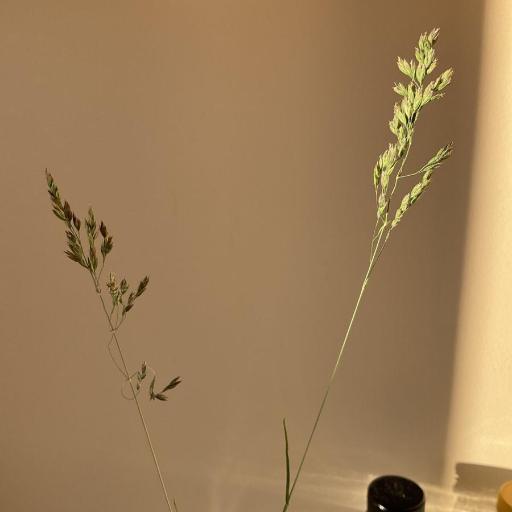
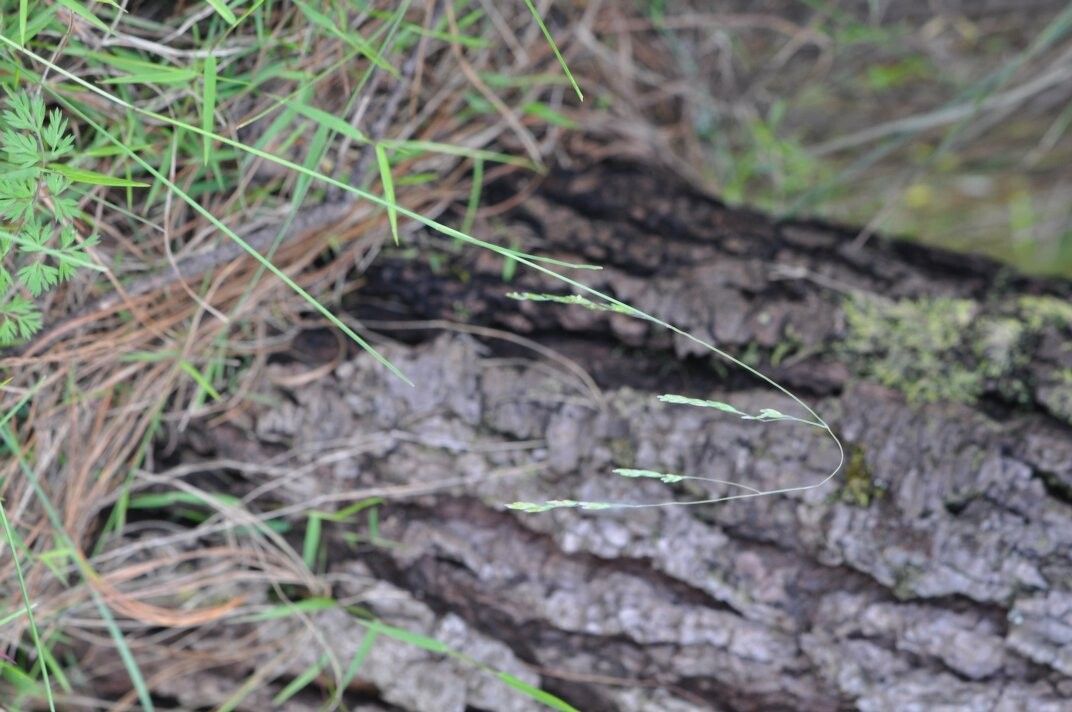
Poa infirma, commonly known as weak bluegrass, is a species of grass belonging to the Poaceae family. This cool-season grass is native to North America and thrives in various habitats such as meadows, prairies, and open woodlands. The plant typically reaches up to 30 cm in height and features a shallow root system. Its leaves are narrow, flat, and pointed with a bluish-green hue. The inflorescence consists of small spikelets arranged in loose panicles at the top of its stem. Poa infirma offers several ecological benefits. It provides food for wildlife, including deer and rabbits, and serves as an important forage crop for livestock grazing. Additionally, its shallow root system helps prevent soil erosion. In terms of cultivation, Poa infirma prefers moist soils with good drainage but is also drought-tolerant once established. It requires full sun or partial shade for optimal growth. Overall, Poa infirma is a significant species within its ecosystem due to its ecological benefits. Its aesthetically pleasing bluish-green leaves also make it a popular choice among gardeners seeking low-maintenance ornamental grasses.
Early meadow grass is disease-resistant and generally not prone to illnesses. In terms of maintenance, this plant is fairly low-maintenance. When grown outdoors it needs minimal watering, and larger specimens usually do not require pruning. Smaller specimens, however, should be pruned after they finish blooming. Early meadow grass is appropriate for anyone with an outdoor area, such as a garden or a deck, and does not demand extensive plant-care experience.
How to keep Poa Infirma.
Light
Early meadow grass comes from bright, open environments and does best in full sun. It tolerates partial sun but favors direct sunlight for optimal growth. This plant, which can be annual or biennial, is recognized for its sun-loving habit.
Water
Early meadow grass thrives in moderate climates and prefers consistent moisture without becoming waterlogged. It can tolerate some drought but benefits most from weekly watering. As an outdoor plant, early meadow grass benefits from natural rainfall, which boosts its growth and helps achieve a lush, green appearance during the growing season.
Temperature
Early meadow grass can endure a wide range of temperatures, but its distribution may still be restricted by various combinations of moisture and heat. It performs best in warm summer conditions with sufficient rainfall or watering. Extended periods of cloudy, rainy weather or prolonged high temperatures increase the chance of Early meadow grass dying. In winter, appropriate protection from cold can enhance the plant's survival rate.
Pruning
Early meadow grass thrives in full sun and well-drained soil. For optimal growth, prune it from early to late spring. Remove any dead or overcrowded areas to improve airflow and encourage vigorous growth. Be sure to use clean, sharp tools to prevent the spread of disease. Additionally, consult local horticultural sources for climate-specific care tips.
Botanical profile.
- Plant Type
- Grass
- Life Cycle
- Annual
- Genus
- Poa
- Family
- Poaceae
- Hardiness Zone
- 5-9
- Mature Height
- 10 cm to 25 cm
- Mature Spread
- 10 cm to 20 cm
- Leaf Color
- Light Green
- Leaf Type
- Semi-evergreen
- Flower Color
- White, Green, Brown
- Flower Size
- 2.03 cm to 10.16 cm
- Bloom Time
- Spring
- Planting Time
- Spring, Autumn
- Harvest Time
- Mid spring, Late spring, Early summer
- Native Area
- Libya, Egypt, Turkey, Austria, Pakistan, Croatia, Morocco, Iraq, Portugal, France, Tajikistan, Tunisia, Cyprus, Greece, China, Lebanon, Syria, Italy, Spain, Japan, Israel, Iran, Albania, Azerbaijan, United Kingdom, Algeria, Kuwait
Other names.
Reader questions.
What are the sunlight requirements for Early Meadow Grass?
Early Meadow Grass thrives in full sun, requiring above 6 hours of sunlight daily for optimal growth. It can also tolerate partial sun, needing about 3-6 hours of sunlight. It's important to observe how sunlight moves through your garden to find spots that provide a perfect balance of light and shade, ensuring the plants' happiness.
How does Early Meadow Grass adapt to its environment?
Originally from bright, open environments, Early Meadow Grass is an annual and biennial plant that loves the sun. It flourishes in areas of full sun but can tolerate partial sun, although it prefers direct sunlight for optimal growth. When natural sunlight is insufficient, especially in winter or less sunny spaces, artificial lighting can be a vital solution for indoor plants, promoting faster, healthier growth. Select the right type of artificial light, like LED lights, and consider factors such as wattage per square foot, placement distance, and daily duration to mimic natural sunlight as closely as possible.
What are the symptoms of inadequate light for Early Meadow Grass?
When Early Meadow Grass is cultivated indoors with insufficient light, it may show symptoms such as small or lighter-colored new leaves, leggy or sparse growth, faster leaf drop, slower or no new growth, chlorosis, sunscald, leaf curling, wilting, and leaf scorching. These symptoms indicate a struggle due to inadequate sunlight, affecting the plant's ability to photosynthesize and maintain healthy growth.
How can you remedy inadequate lighting conditions for Early Meadow Grass?
To support optimal growth of Early Meadow Grass in inadequate lighting conditions, gradually moving the plants to sunnier locations can help. For indoor plants, use a south-facing window or artificial lights like desk lamps or plant grow lights for at least 8 hours daily. Outdoors, consider moving the plants to sunnier spots gradually to avoid sunburn. Additionally, reducing obstructions by pruning or transplanting can improve sunlight exposure. Remember, parts of the plant damaged from low light might not recover, but new growth will be healthy with improved light conditions.