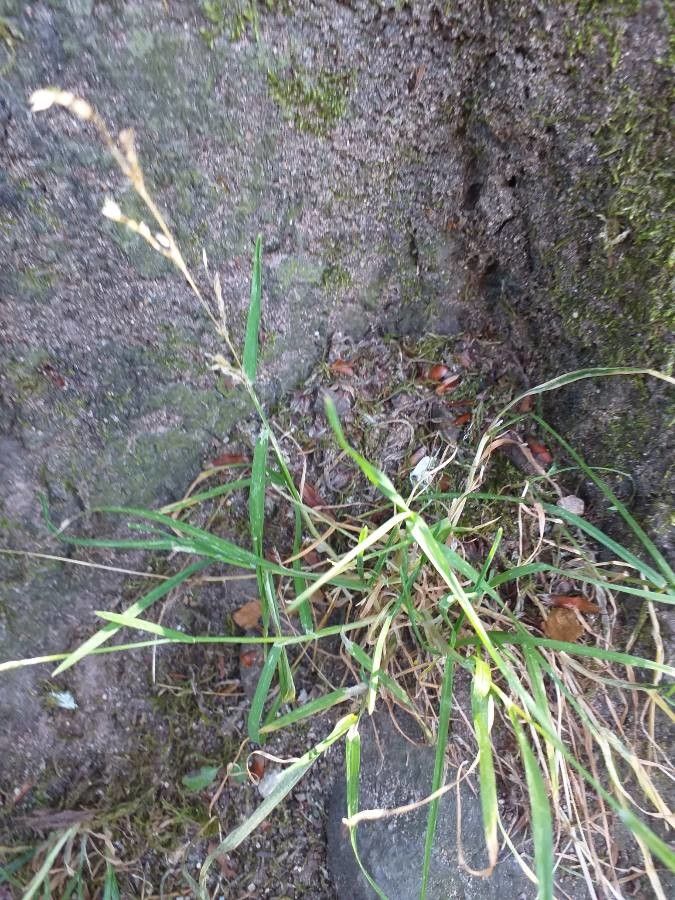
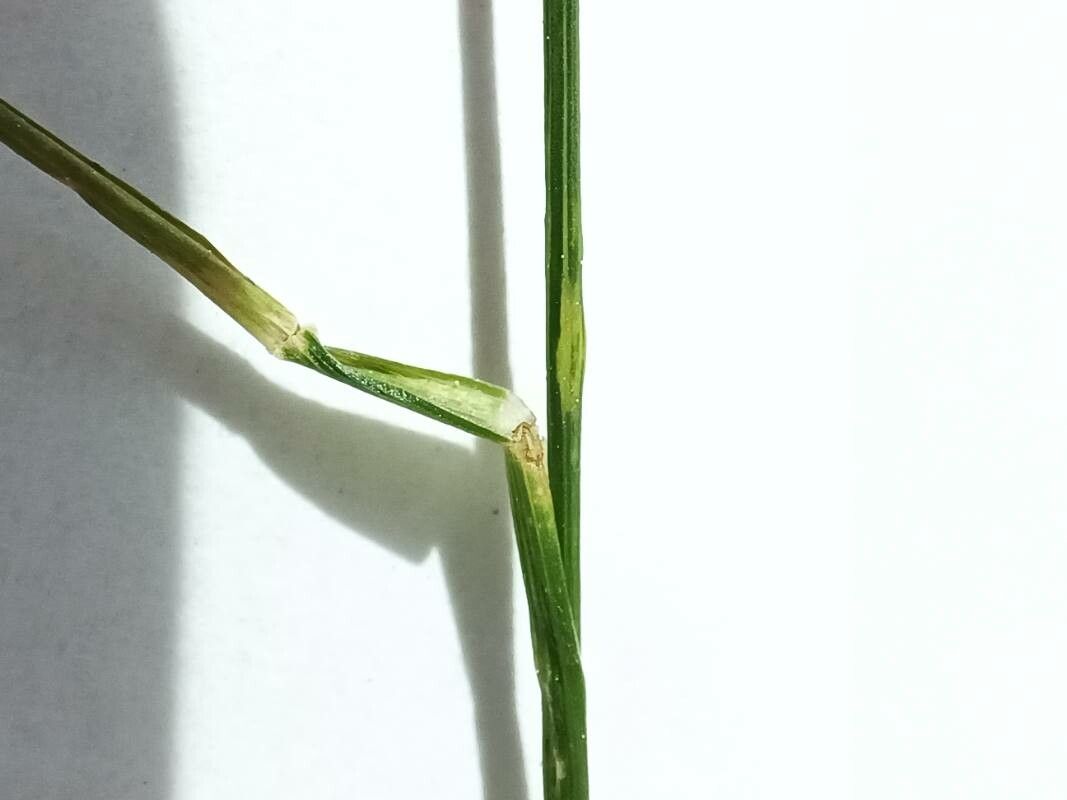
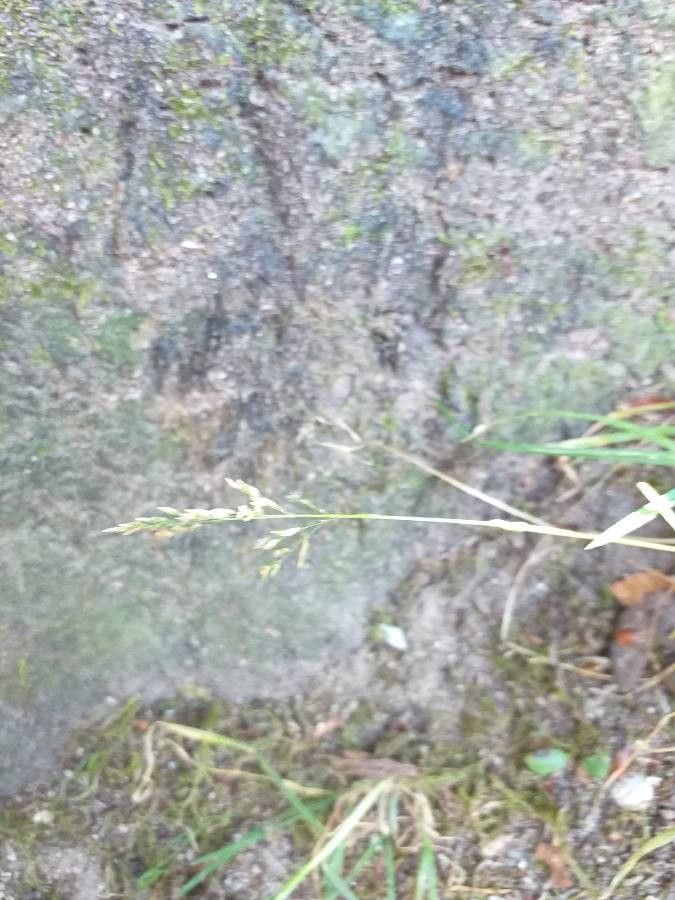
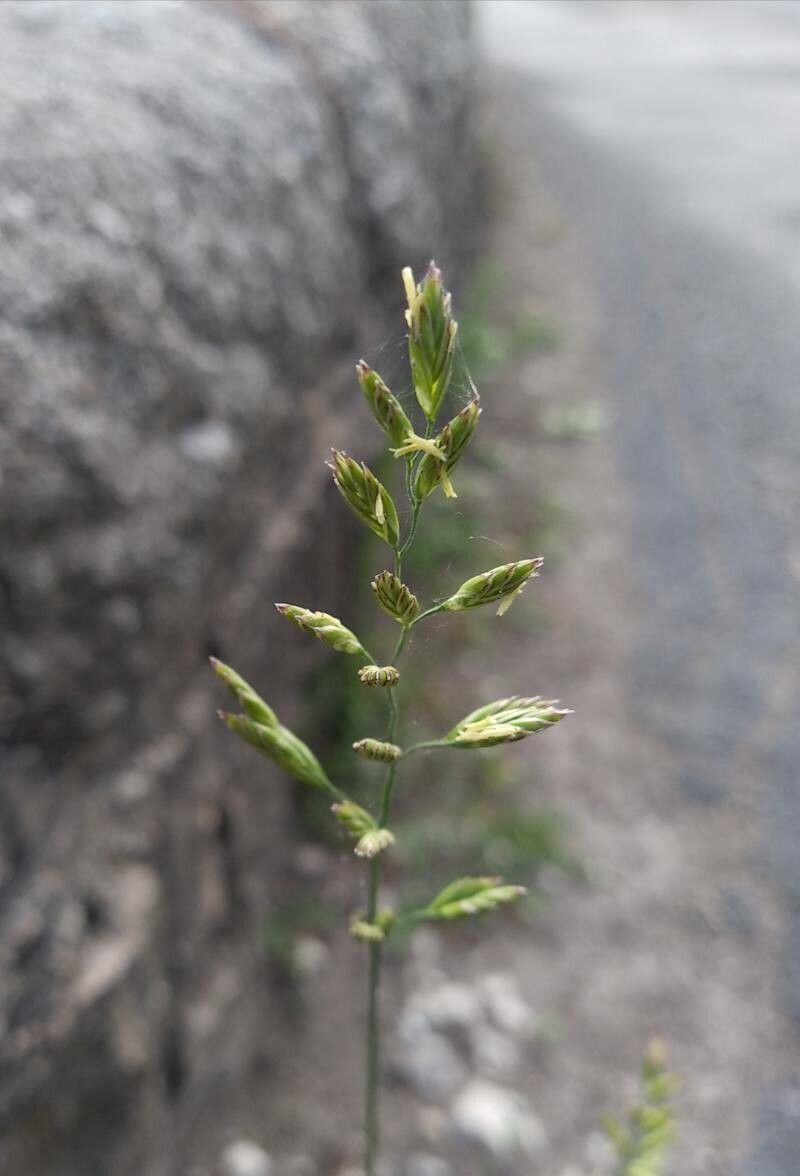
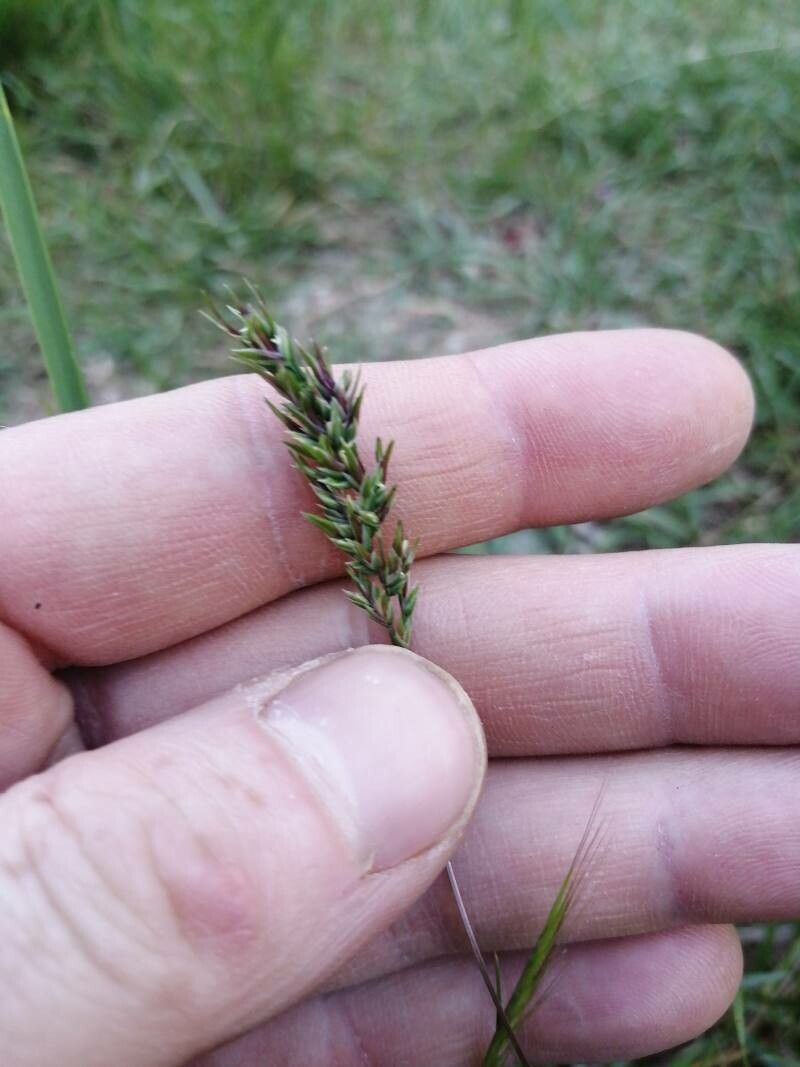
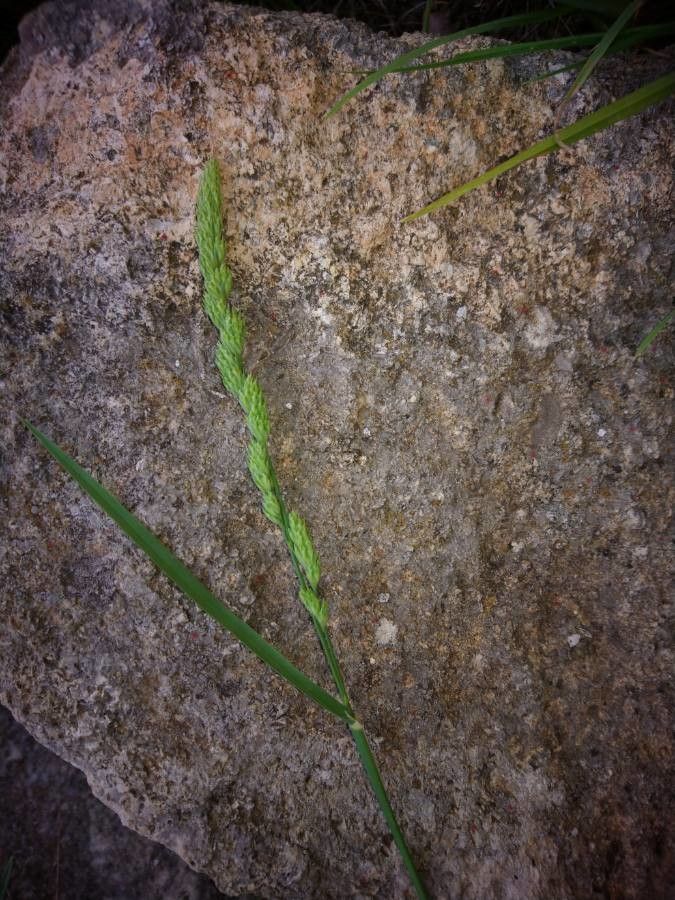
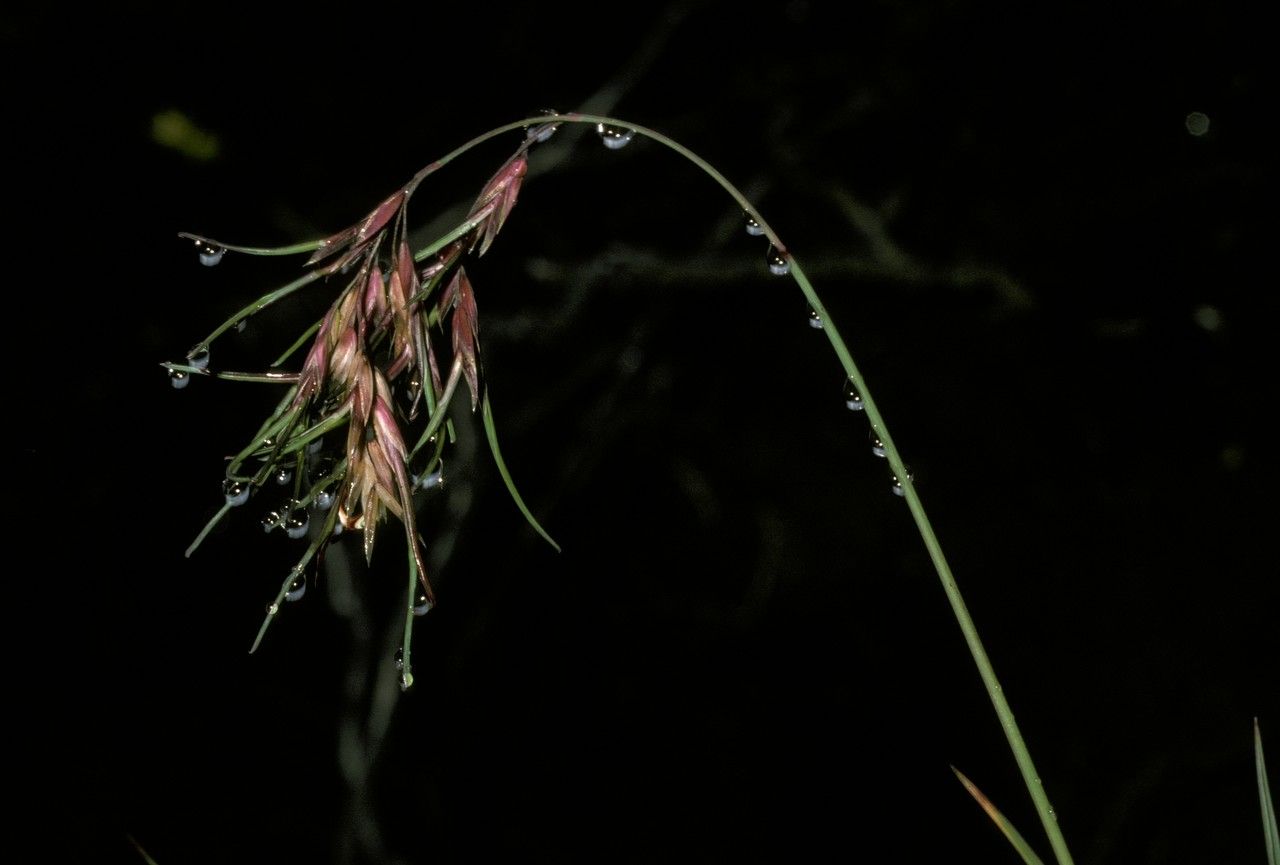
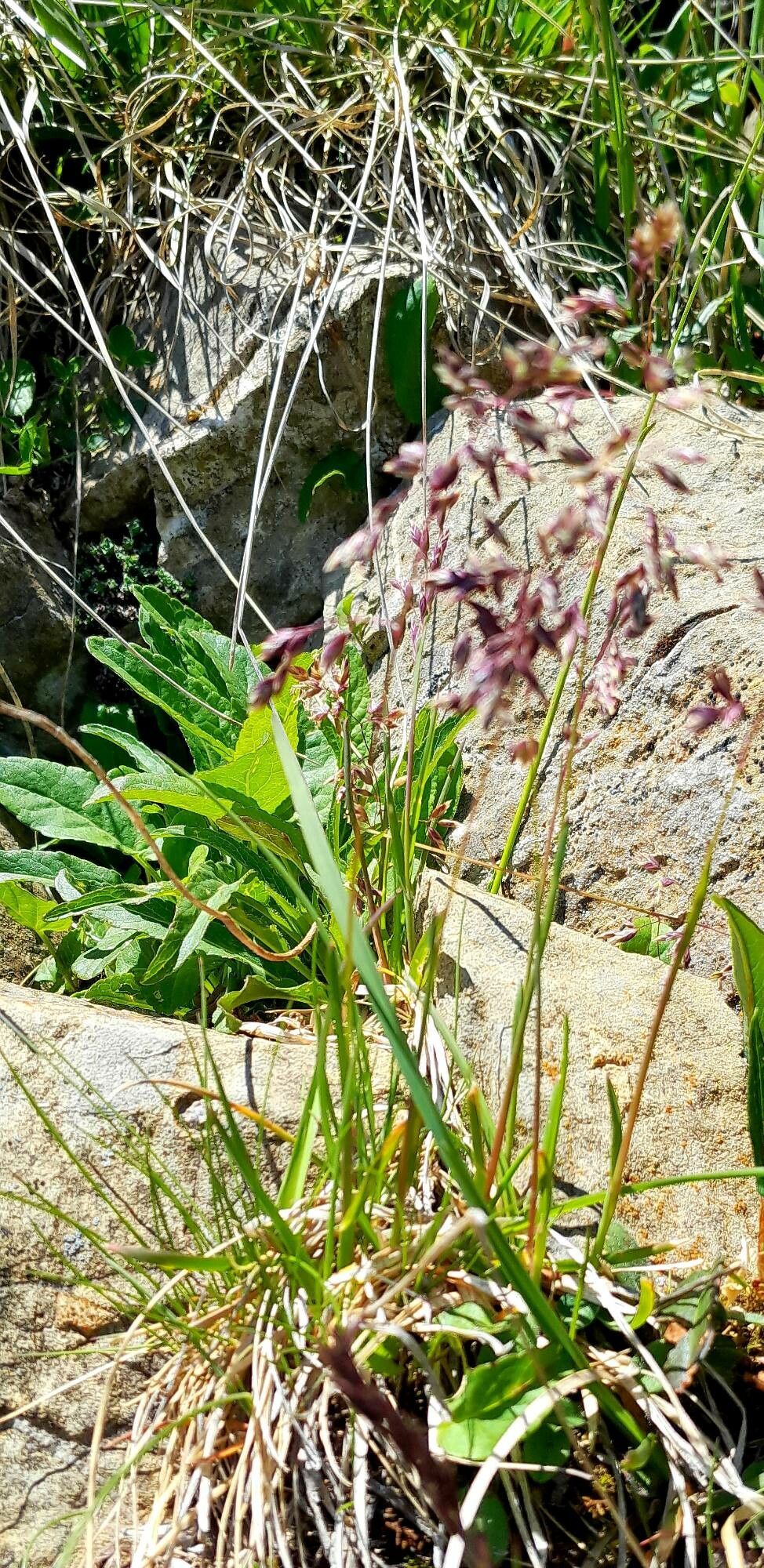
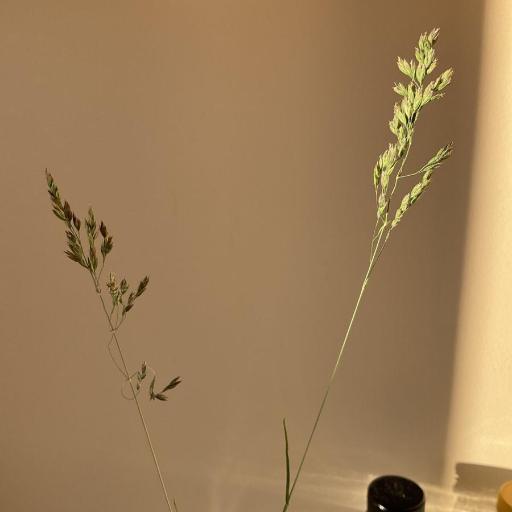
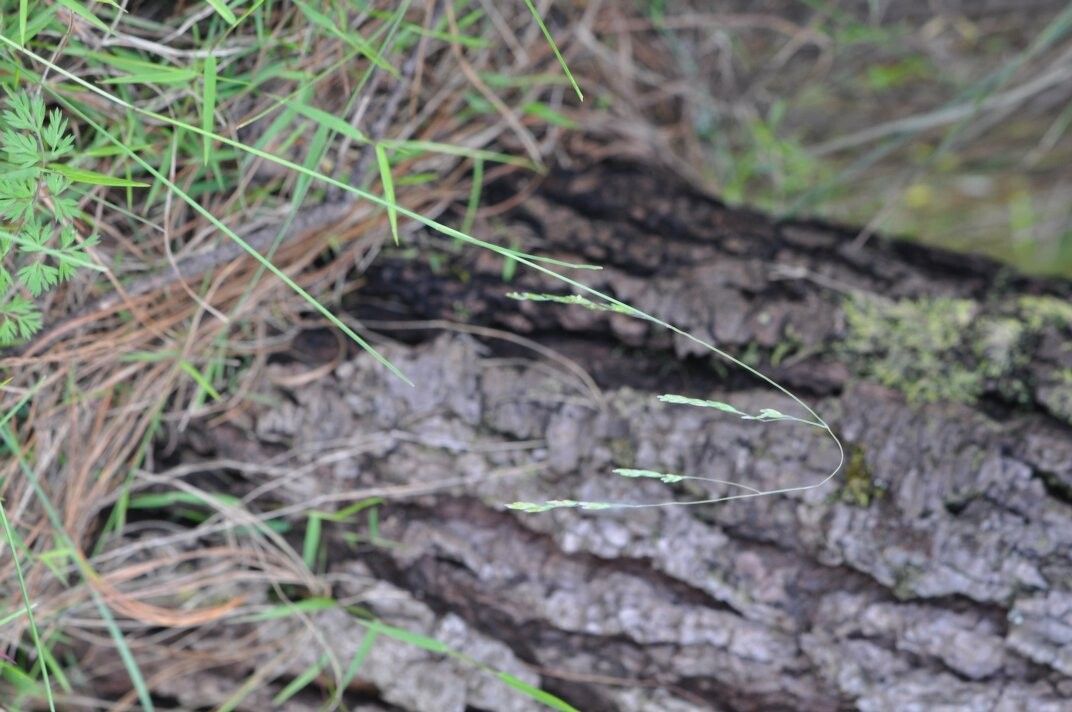
Poa compressa, commonly known as Canada bluegrass or wiregrass, is a perennial grass species native to Europe and Asia but introduced to North America. It features a distinctive flattened stem, giving it a compressed appearance. The plant typically grows in dense clumps and can reach heights of up to 3 feet.
Canada bluegrass prefers well-drained soils and can tolerate drought conditions. It is commonly found in open fields, meadows, roadsides, and disturbed areas such as construction sites.
From June through August, the plant produces seed heads that are typically 4-8 inches long with small spikelets containing the seeds. These seeds are dispersed by wind or animals.
While Canada bluegrass has been used as forage for livestock, it is not considered high-quality feed due to its low protein content. Additionally, it has some medicinal properties and is used in traditional Chinese medicine to treat fever and inflammation.
In summary, Poa compressa is an adaptable grass species with various practical uses. However, it is also considered an invasive species in some areas due to its ability to outcompete native plants.
Bulbous bluegrass has good resistance to disease and is usually not prone to illnesses. Still, it can be affected by pests and diseases present in its environment, although these problems are generally mild. Regarding care, this plant requires a moderate level of maintenance. Regular pruning is necessary to preserve its appearance and encourage healthy growth. Applying fertilizer can also help stimulate flowering. Bulbous bluegrass is appropriate for anyone with an outdoor space, such as a garden or patio, and does not demand extensive plant-care experience. It may need more attention when grown indoors.
How to keep Poa Compressa.
Light
Bulbous bluegrass is a sun-loving, perennial herbaceous plant that originates in open habitats and is often found thriving in meadows and grasslands. It prefers full sun but can also tolerate partial sun conditions.
Water
Canada bluegrass thrives in cool, temperate climates. It prefers consistent moisture but can handle short dry periods. For best growth, water it weekly. This plant, native to meadows and open woods, efficiently manages water, which boosts its resilience to temperature changes.
Temperature
Bulbous bluegrass is native to climates where temperatures range from 59 to 89.6 °F (15 to 32 ℃). In its natural environment it prospers in these warmer conditions. When grown outside its native range, seasonal temperature adjustments may be necessary to keep bulbous bluegrass healthy.
Fertilizer
Typically, a single fertilizer application in spring is enough for Bulbous bluegrass, though repeated feedings can enhance growth. Apply fertilizer every one to one and a half months. Fertilization improves leaf appearance and function, helping maintain uniform color and a healthy texture. It also encourages root development and increases nutrient uptake for long-term plant health.
Pruning
Canada bluegrass is a low-growing grass characterized by its blue-green foliage. To promote regrowth and control its spread, prune the grass in early spring using shears. Regular mowing helps maintain its height and density, which encourages denser growth to effectively outcompete weeds. Always use clean, sharp tools to minimize damage and reduce the risk of disease.
Botanical profile.
- Plant Type
- Herb
- Life Cycle
- Perennial
- Genus
- Poa
- Family
- Poaceae
- Hardiness Zone
- 7
- Mature Height
- 15 cm to 61 cm
- Mature Spread
- 10 cm to 30 cm
- Leaf Color
- Light Green, Pale Green
- Leaf Type
- Semi-evergreen
- Flower Color
- Yellow, Green, Red
- Flower Size
- 0.25 cm to 0.51 cm
- Bloom Time
- Early spring, Mid spring
- Planting Time
- Spring, Summer, Autumn
- Harvest Time
- Mid spring, Late spring
- Native Area
- Libya, Turkey, Austria, Sweden, Pakistan, Morocco, Uzbekistan, Russia, Iraq, Germany, Oman, Romania, Belgium, Portugal, Nepal, Saudi Arabia, France, Netherlands, Tunisia, Sudan, Cyprus, Bulgaria, Poland, Greece, Ukraine, China, Norway, Afghanistan, Italy, Kazakhstan, Spain, Switzerland, Denmark, Finland, Israel, Iran, Albania, United Kingdom, Hungary, Algeria, Turkmenistan
Other names.
Reader questions.
What should I do if I give my Canada bluegrass too much water or too little water?
Proper watering is essential for the health and performance of this beautiful ornamental grass. When planted in the ground, watering issues can be resolved, but in a container, both overwatering and underwatering can quickly kill Canada bluegrass. Insufficient water can cause stunted growth, while overwatering may result in yellow leaves with brown tips. It's important to determine whether the issue is too much or too little water. If the grass is being overwatered, stop watering immediately and allow the soil to dry out. Once new growth appears, test the soil for moisture before deciding whether to water again. If the grass is underwatered, providing a thorough and deep watering should help it recover. Remember that deep watering encourages deep root growth, making the grass more resilient to drought and water-related problems.
What are the sunlight requirements for Canada bluegrass (Poa compressa)?
Canada bluegrass thrives in areas that receive full sun, which is defined as above 6 hours of sunlight daily. However, it can also tolerate partial sun conditions, meaning about 3-6 hours of sunlight. Observing how sunlight moves through your garden is crucial for selecting the optimal spots that provide the right balance of light and shade, ensuring the plants' wellbeing. This perennial herbaceous plant is native to open habitats and often found in meadows and grasslands, showcasing its preference for abundant sunlight.
What are the temperature essentials for growing Canada bluegrass?
Canada bluegrass, or Poa compressa, thrives in its native environment with temperatures ranging from 41 to 89.6 °F (5 to 32 °C). It's important to adjust the temperature accordingly with seasonal changes when growing Canada bluegrass in home gardens or landscapes. This species is highly tolerant of cold and does not require additional frost protection in the winter. However, it's advised to water the plant generously before the first freeze in autumn to ensure the soil stays moist and enters a frozen state, helping to prevent drought and water scarcity during the winter and early spring.
How often do I need to water my Canada bluegrass?
The watering needs of Canada bluegrass depend on where it is planted. In general, watering once a week is recommended. In hot climates, watering once or twice a week in the summer might be necessary. In moderate climates, watering once every seven days or more may be sufficient. Grass in containers usually needs more frequent watering than grass in the ground. However, the location also plays a role, as shaded grasses require less frequent watering than grasses in the ground. Canada bluegrass should only be watered when the soil is dry. To determine if the soil is dry, you can press your finger a couple of inches into the soil or weigh the potted grass to see how light it is. Insufficient water may cause the blades to appear folded and thinner than usual. Despite its drought tolerance, regular, deep waterings will result in a beautiful color. Although Canada bluegrass is drought resistant, it still needs care and attention, and consistent watering is recommended. When initially planted, more frequent watering is necessary until it establishes deep roots. Potted Canada bluegrass dries out quickly, especially in hot, direct sun, so the soil should be tested every 3 to 4 days and watered when dry. Canada bluegrass in the ground generally requires less watering, but this depends on the type of soil. Heavy clay soil may feel dry on the surface but still retain moisture below, while sandy soils that drain quickly will need more frequent watering.
How can artificial lighting support the growth of Canada bluegrass indoors?
When natural sunlight is insufficient, especially during winter or in less sunny spaces, artificial lighting becomes essential for Canada bluegrass' growth. For optimal growth under artificial lighting conditions, it's important to select the right type of light, such as LED lights, which can be customized to provide specific wavelengths needed by plants. Full sun plants require 30-50W per square foot, partial sun plants need 20-30W per square foot, and full shade plants need 10-20W per square foot. The light source should be placed 12-36 inches above the plant to mimic natural sunlight, and the duration of exposure should imitate natural daylight hours, with most plants needing 8-12 hours of light per day.
How does Canada bluegrass react to low temperatures?
Canada bluegrass is extremely cold-tolerant and can withstand temperatures down to -25°C. Even though there may not be noticeable changes during the winter at such low temperatures, a decrease in sprouting or complete failure to sprout may occur in the spring. To address this, in spring, remove any parts of the plant that have failed to sprout as a way to encourage new growth and maintain the health of the plant.
What should I pay attention to when watering my Canada bluegrass at different times of the year, in different weather conditions, or during different stages of growth?
Monitoring the rate of growth of your grasses can often indicate if you are watering enough. In the hottest months, Canada bluegrass has been known to double in size within a year. Therefore, if the weather is hot but the grass is not growing vigorously, adjusting your watering schedule may be necessary. During winter, watering once a month might be sufficient, although it is still important to check the soil for moisture. It is crucial to remember that during the warmest months, when the grass is in its growth cycle, it will require more water than usual. On the other hand, during winter and cooler months, the need for water will significantly decrease. Lastly, it is essential to allow the soil in which Canada bluegrass is planted to dry out completely before adding water.
What are the symptoms of inadequate lighting for Canada bluegrass?
Symptoms of light deficiency in Canada bluegrass include small new leaves, leggy or sparse growth, faster leaf drop, slower or no new growth, lighter-colored new leaves, chlorosis (leaves turning yellow due to the breakdown of chlorophyll), sunscald (damage from intense sunlight exposure), leaf curling, wilting, and leaf scorching. These symptoms indicate either insufficient sunlight or excessive exposure, both of which can adversely affect the plant's health and growth.
What should I do if Canada bluegrass is exposed to high temperatures?
Canada bluegrass does not tolerate high temperatures well. Growth halts and the plant becomes susceptible to rot if temperatures exceed 32°C. To mitigate damage from high temperatures, trim away any sunburned and dried-up parts of the plant. Moving the plant to a shaded location or using a shade cloth can protect it from the midday and afternoon sun. Additionally, watering the plant in the morning and evening can help keep the soil moist and reduce stress on the plant.
What solutions can improve lighting conditions for Canada bluegrass?
To address lighting issues for Canada bluegrass, both indoor and outdoor solutions are available. Indoors, gradually relocating the plant to sunnier spots weekly until achieving at least 6 hours of direct sunlight daily is advised, utilizing south-facing windows for maximum sunlight. Artificial lighting, such as desk lamps or professional grow lights, can also supplement light for at least 8 hours daily. Outdoors, transition plants to sunnier locations progressively each week to prevent sunburn. Reducing obstructions like tree branches can increase sunlight access. For small, transplantable plants, relocating them during their dormant period in late winter or early spring to a sunnier, well-drained area can significantly improve light exposure. It's important to note that parts of the plant previously affected by insufficient light may not recover, but new growth post-improvement will be healthy.