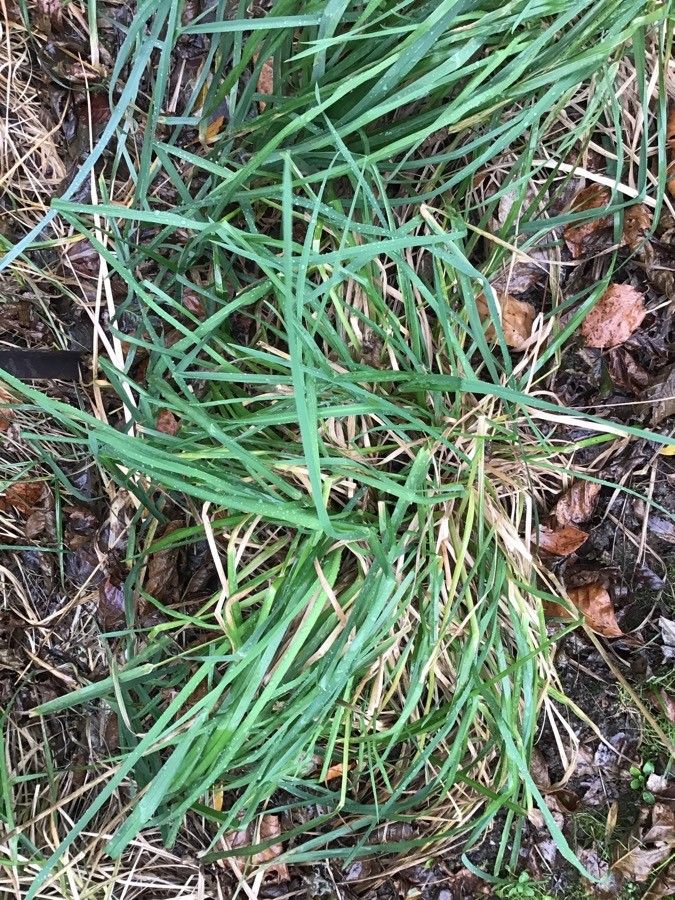
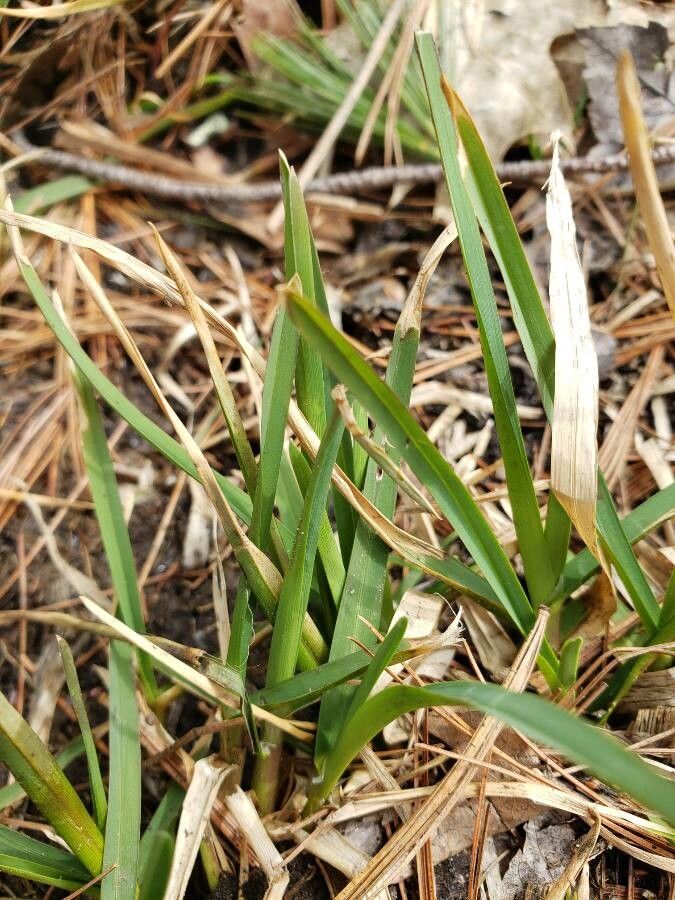
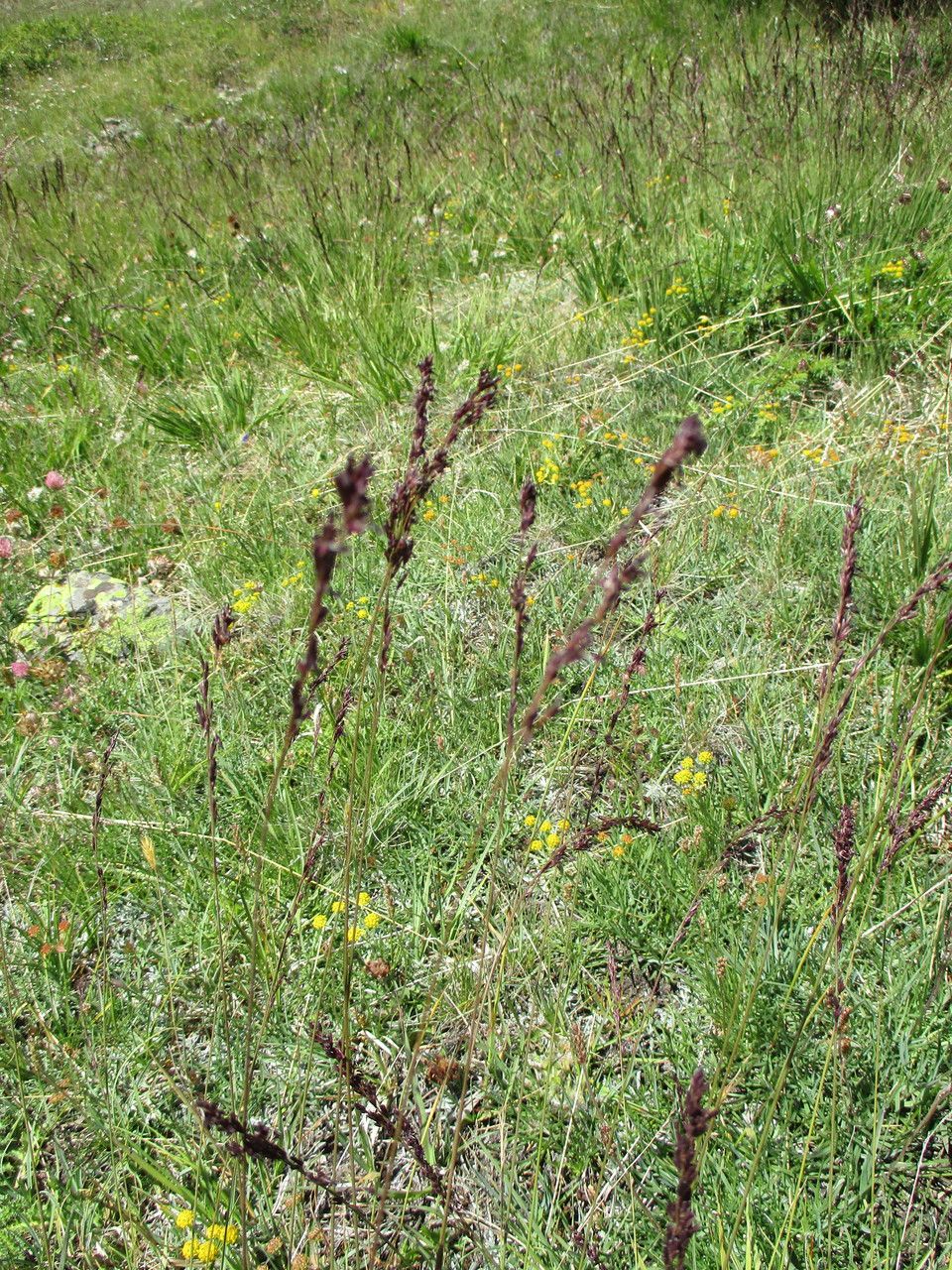
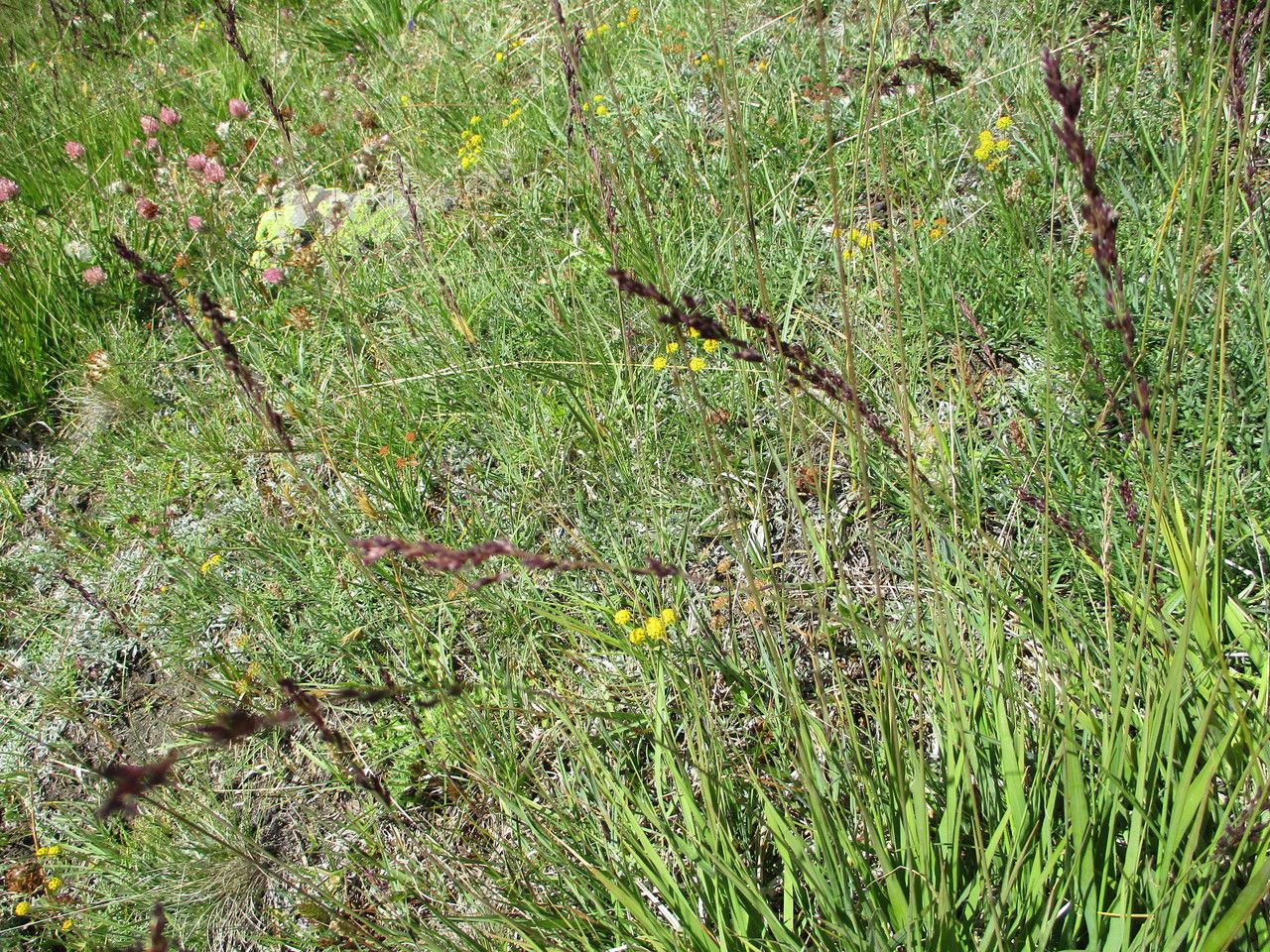
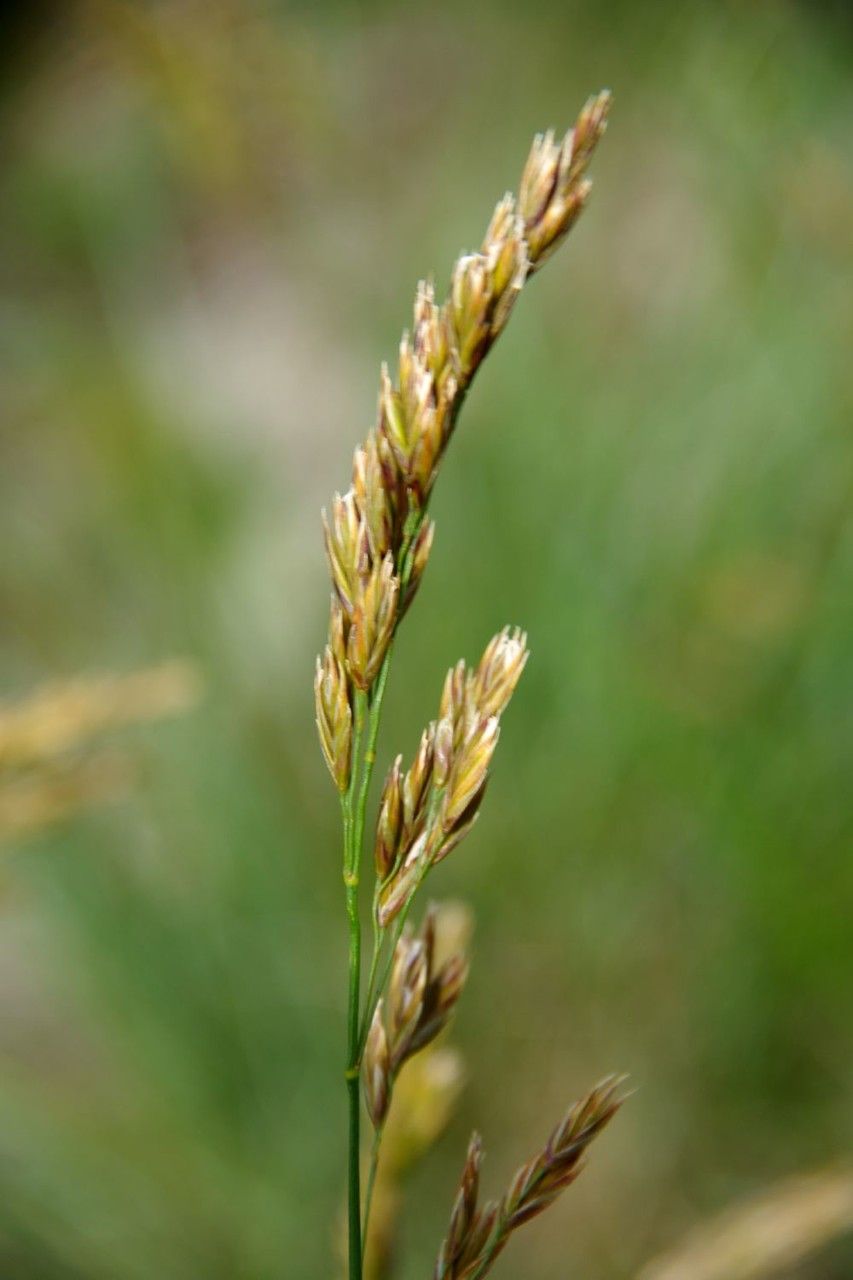
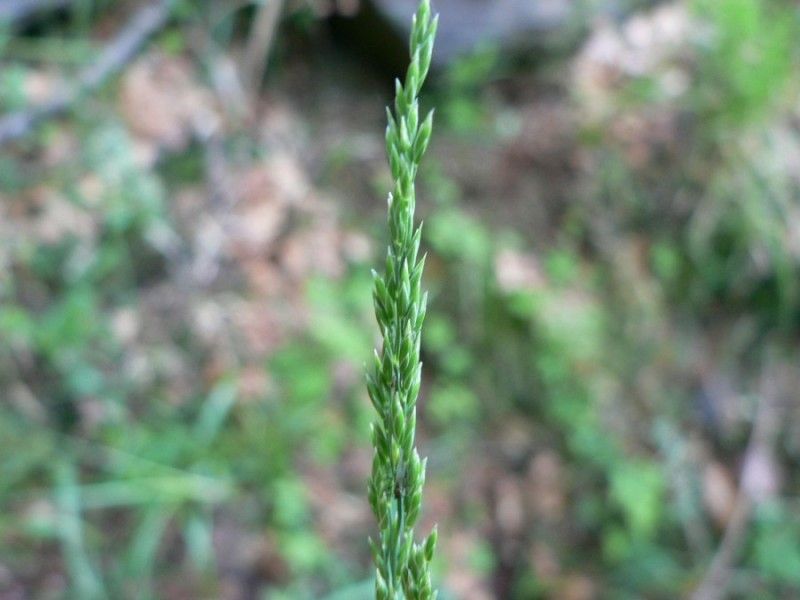
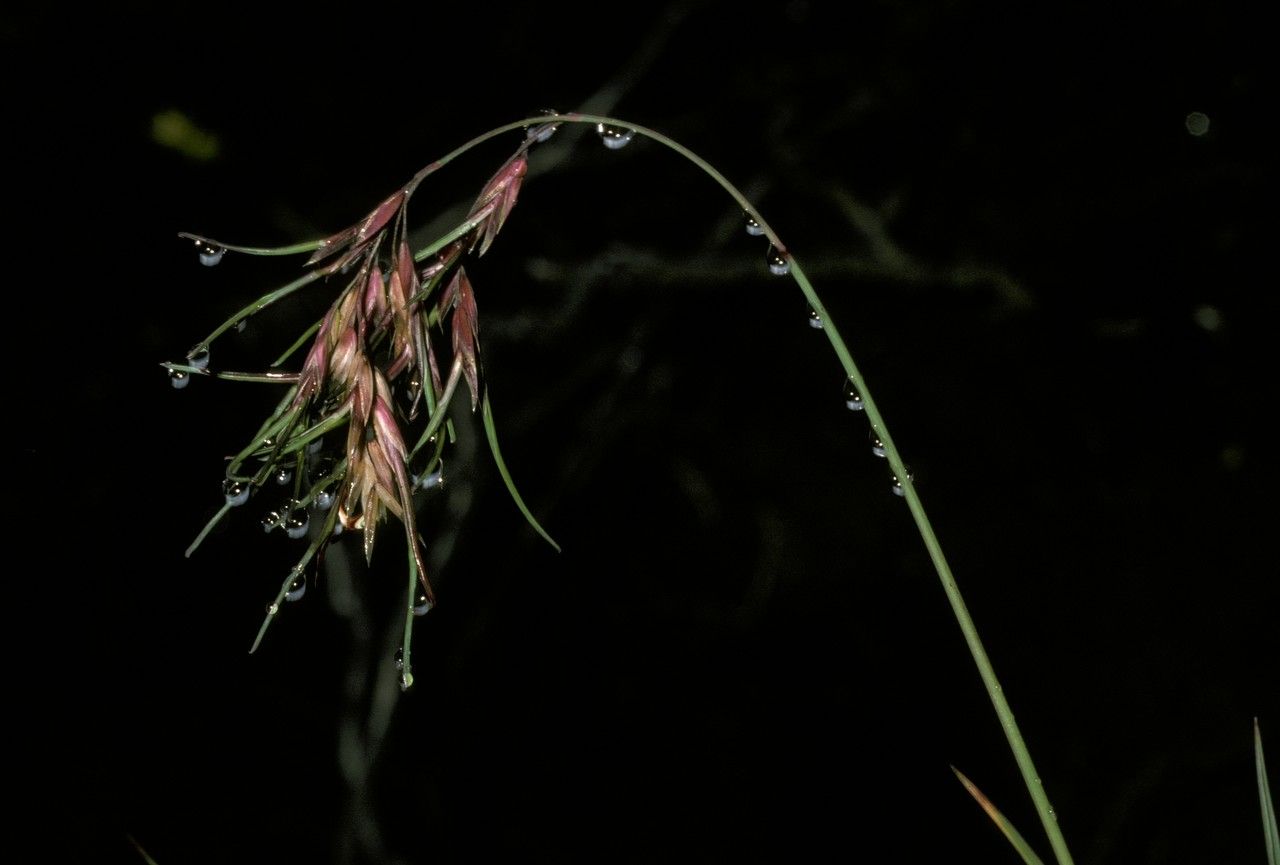
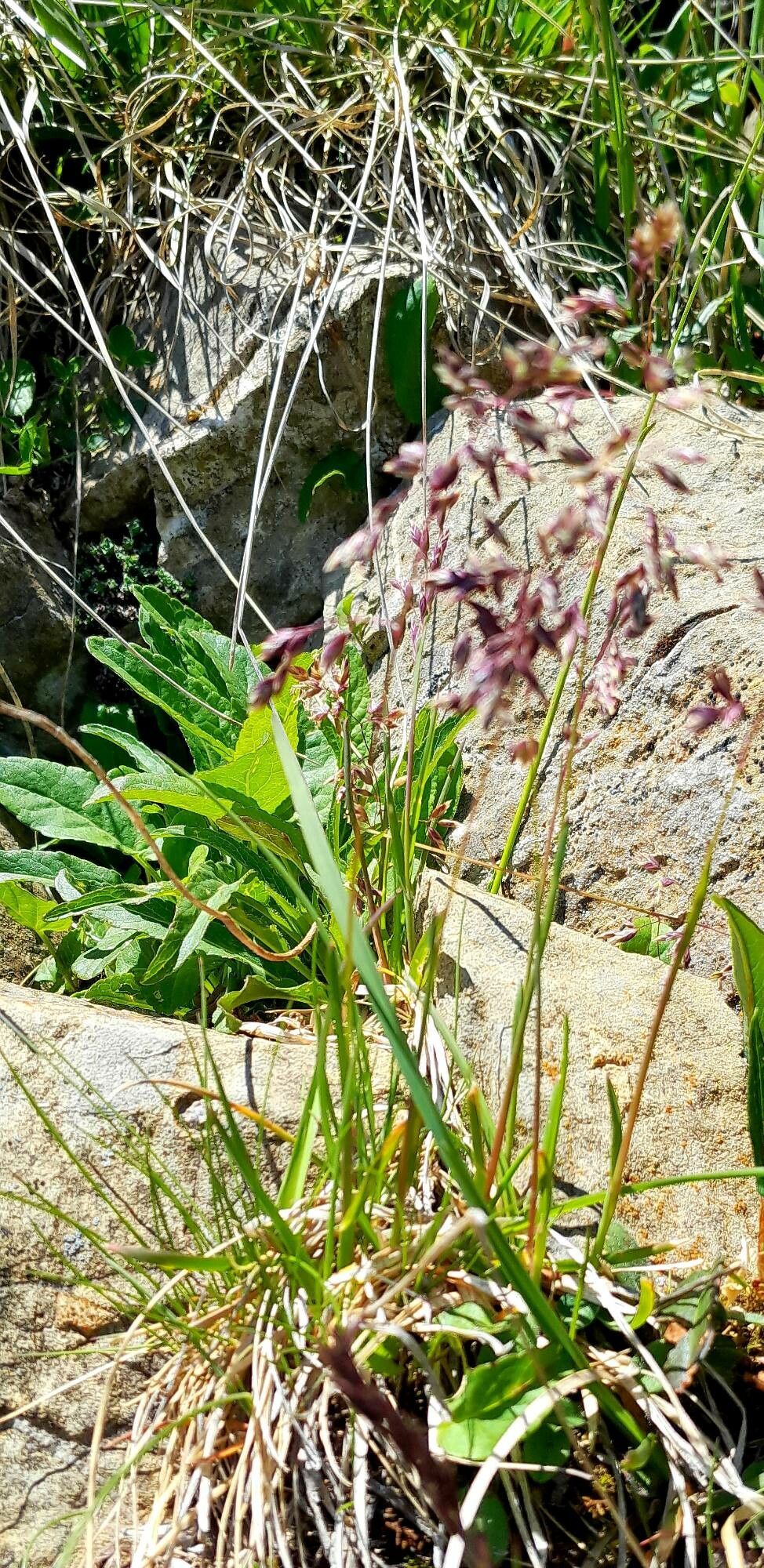
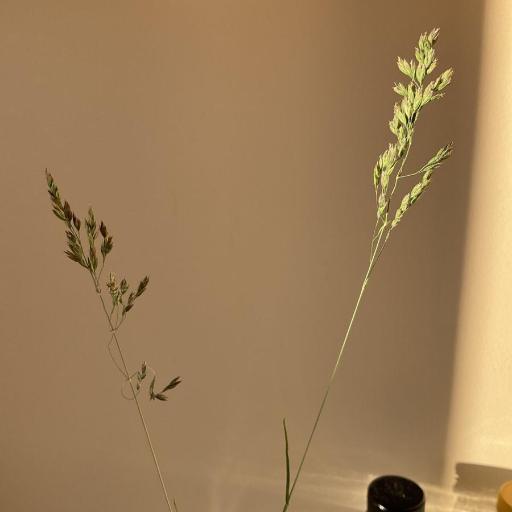
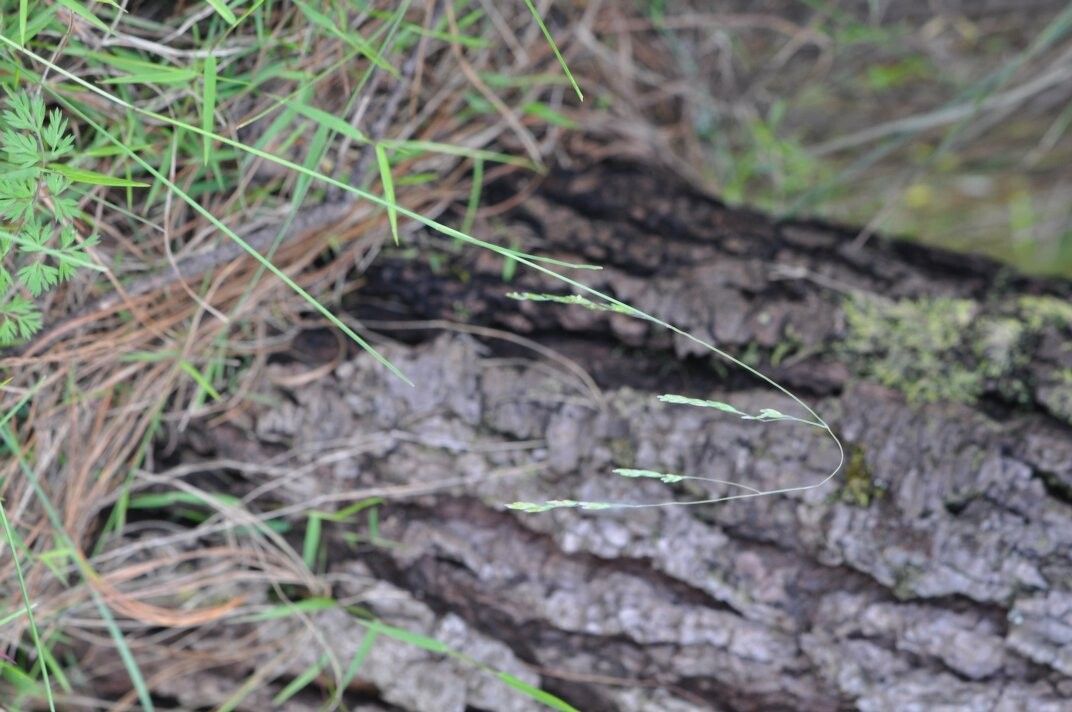
Poa chaixii, known as broad-leaved meadow-grass or broadleaf bluegrass, is a species of perennial grass native to Europe and temperate Asia. Its culms are erect or ascending, ranging from 60–120 centimetres (24–47 in) long, with leaf-blades flat or conduplicate, from 15–45 centimetres (5.9–17.7 in) long by 5–10 millimetres (0.20–0.39 in) wide.
Broad-leaved meadow grass is highly resistant to disease and typically does not suffer from illnesses. In terms of care, the plant is fairly low-maintenance. When grown outdoors it needs only light watering, and mature plants usually do not require pruning. Smaller plants, however, should be trimmed after they finish flowering. Broad-leaved meadow grass is suitable for anyone with outdoor space, such as a garden or a deck, and does not require much experience in plant care.
How to keep Poa Chaixii.
Light
Broad-leaved meadow grass is a sun-loving, perennial herbaceous plant native to open habitats, commonly found in meadows and grasslands. It prefers full sun but can also tolerate partial sun.
Water
Broad-leaved meadow grass flourishes in humid environments and requires regular watering each week to maintain its lush growth. As an evergreen plant, it keeps its foliage throughout the year, which means it needs consistent moisture to remain green. Its natural habitats are moist meadows and damp woodlands.
Temperature
Broad-leaved meadow grass can adapt to a broad range of temperatures, but its distribution may still be restricted by different combinations of water and heat. It does best in warm summer climates with sufficient rainfall or watering. Extended periods of cloudy, rainy weather, as well as prolonged high temperatures, can increase the chance of Broad-leaved meadow grass dying. In winter, proper protection from cold can improve the plant's survival rate.
Fertilizer
Broad-leaved meadow grass needs extra nutrients to encourage healthy new growth. In spring, adding some compost around the base of the plant can effectively supply the required nutrition. Fertilizing helps support vigorous growth and aids the plant in resisting diseases and pests.
Pruning
Broad-leaved meadow grass has wide leaves and thrives in meadow environments. It's best to prune it in early spring by removing any dead stems. This helps promote growth and improves air circulation. By doing so, you encourage denser foliage, control its spread, and reduce the risk of disease, ensuring your garden remains healthy and well-maintained.
Botanical profile.
- Plant Type
- Grass
- Life Cycle
- Perennial
- Genus
- Poa
- Family
- Poaceae
- Hardiness Zone
- 4-8
- Mature Height
- 0.61 m to 1.22 m
- Mature Spread
- 30 cm to 61 cm
- Leaf Color
- Green
- Leaf Type
- Evergreen
- Flower Color
- Yellow, Green, Brown
- Flower Size
- 0.25 cm to 0.51 cm
- Bloom Time
- Late spring, Early summer, Mid summer
- Planting Time
- Spring
- Harvest Time
- Mid summer, Late summer, Early fall
- Native Area
- Turkey, Austria, Slovakia, Croatia, Slovenia, Germany, Romania, Belgium, France, Czech Republic, Bulgaria, Poland, Ukraine, Serbia, Syria, Italy, Spain, Switzerland, Albania
Other names.