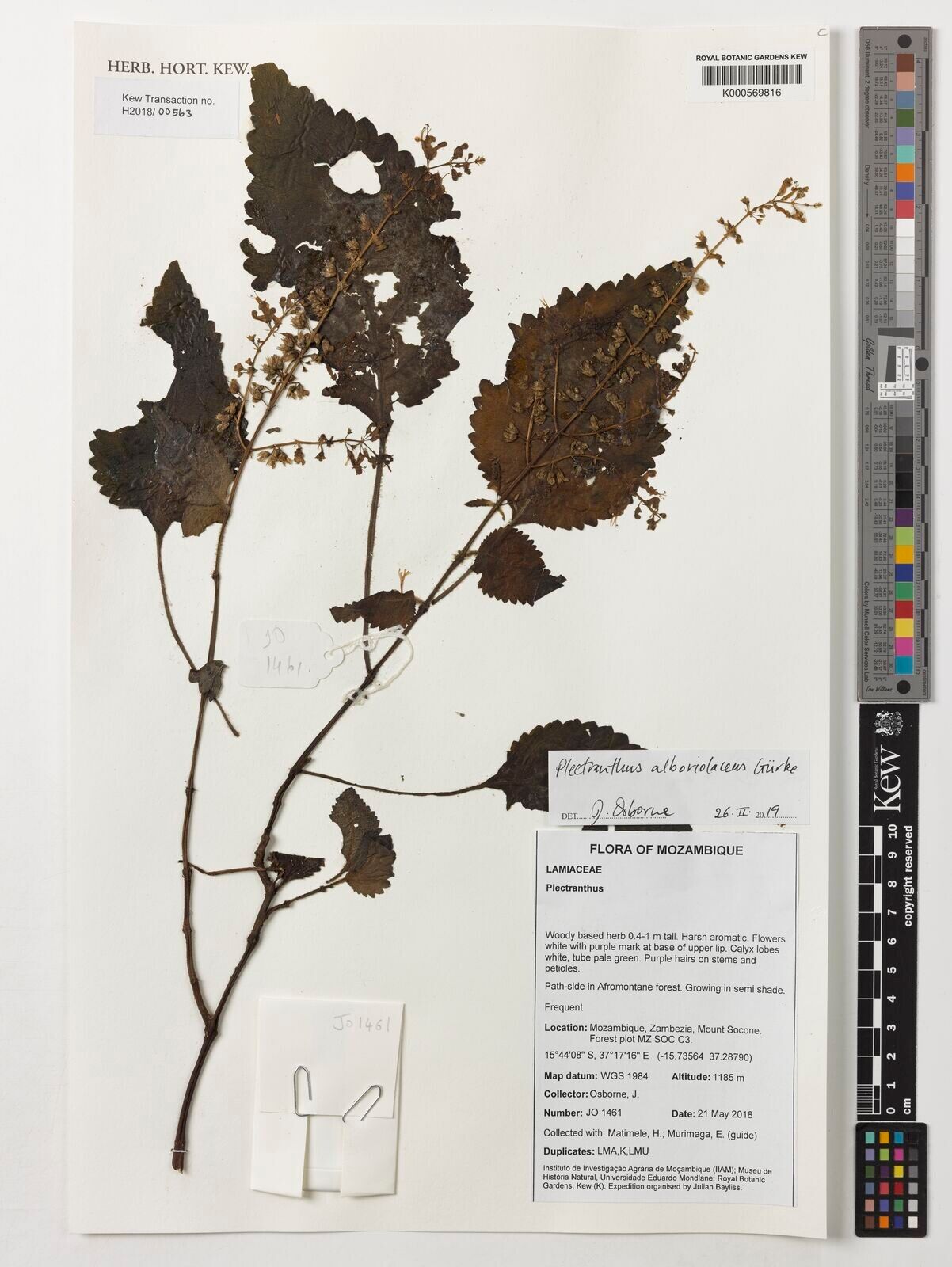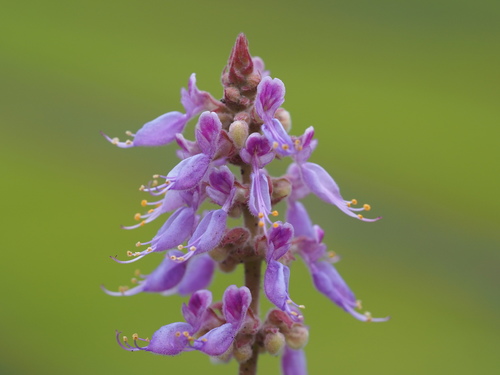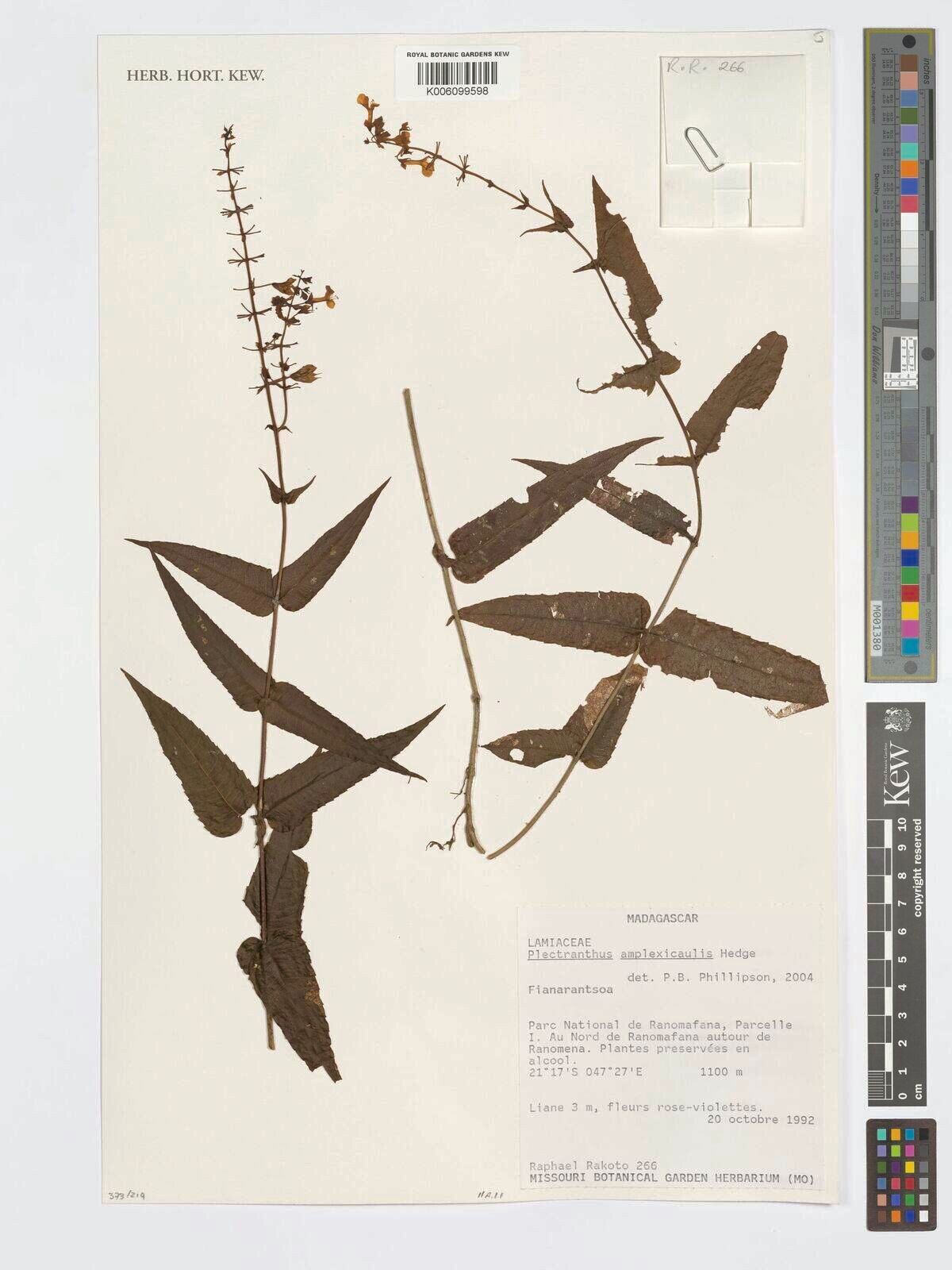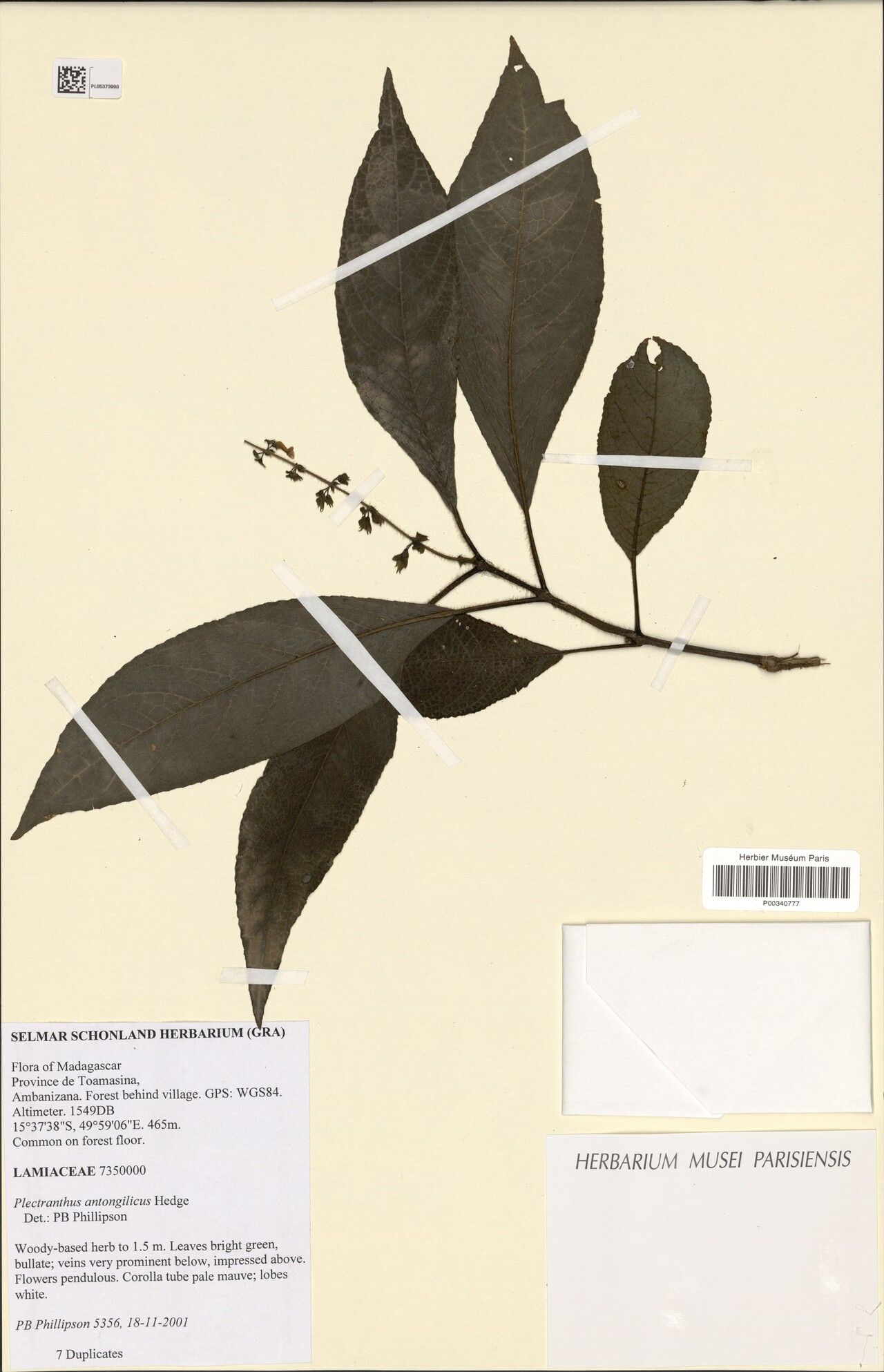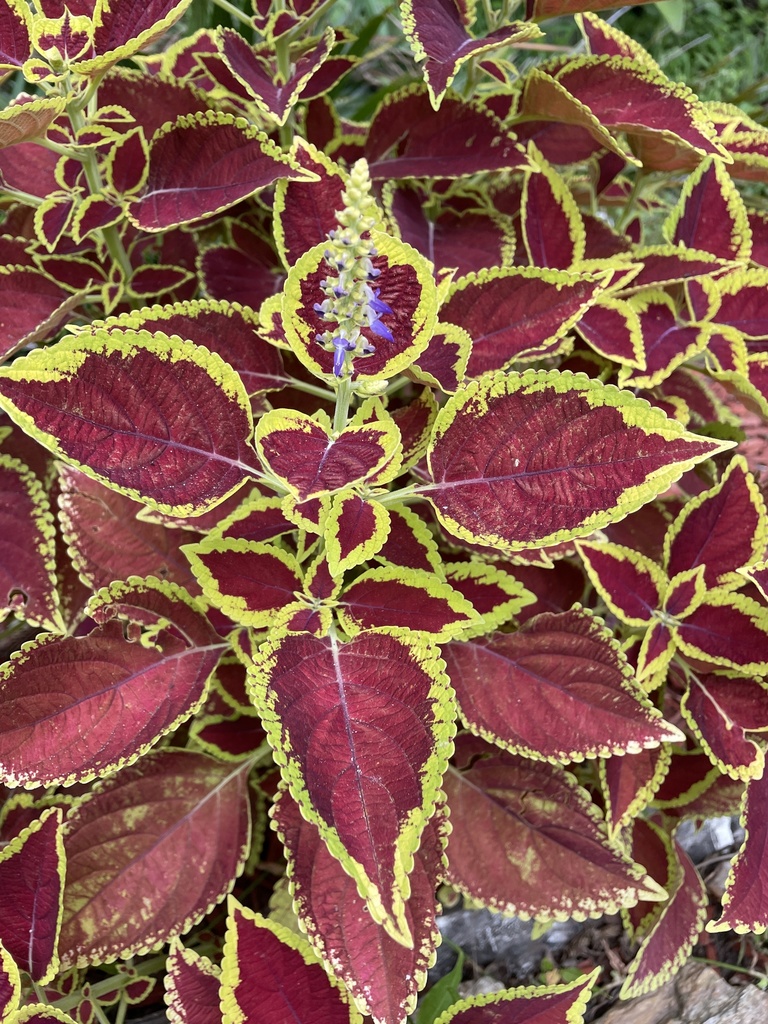
Coleus scutellarioides, commonly known as coleus, is a species of flowering plant in the family Lamiaceae (the mint or deadnettle family), native to southeast Asia through to Australia. Typically growing to 60–75 cm (24–30 in) tall and wide, it is a bushy, woody-based evergreen perennial, widely grown for the highly decorative variegated leaves found in cultivated varieties. Another common name is painted nettle, reflecting its relationship to deadnettles (Lamium species), which are in the same family. (True nettles and their close kin are in the distant family Urticaceae.) The synonyms Coleus blumei, Plectranthus scutellarioides and Solenostemon scutellarioides are also widely used for this species.
Coleus is generally resistant to disease and usually not prone to illnesses. However, it can be vulnerable to leaf spots when light and ventilation are poor or when watering is excessive. The plant’s care level is considered easy since it mainly needs regular watering and little else. Coleus is suitable for people who do not have much time or energy to spend on regular care.
How to keep Plectranthus Scutellarioides.
Light
Coleus grows best with a moderate amount of sunlight each day, although it tolerates exposure to intense sun. Native to environments with moderate daylight, coleus withstands strong light periods well, but too little sun results in weak growth.
Water
Water your plant once the top inch of the soil surface becomes dry. Aim to keep the ground consistently moist but not soggy. Mulching around the base will help retain soil moisture, especially during hotter seasons.
Temperature
Coleus originates from warm, tropical areas and prefers temperatures of 68 to 100 ℉ (20 to 38 ℃). In cooler months, make sure the temperature does not drop below 60 ℉ (15.5 ℃) to prevent harm to the plant. During hotter periods, provide some shade to protect it from excessive heat.
Fertilizer
Coleus needs the greatest amount of fertilizer during its active growth phase, which occurs mainly in spring, summer, and early fall. Fertilization supplies essential nutrients the soil may be lacking, supporting healthy root and stem development and encouraging attractive foliage, which is a key feature of this plant.
Pruning
The best time to prune Coleus is when the plant is actively growing throughout the spring and summer. Dead or damaged leaves and blossoms can be removed, and you can prune regularly to maintain a clean, healthy plant.
Pot & Repot
When repotting Coleus, select a pot 1–2 inches (2.5–5.1 cm) larger that has good drainage. Use a well-draining potting mix. Repot in spring or fall, making sure the root ball sits slightly lower than the rim of the pot. Water thoroughly after repotting and put the plant in a warm place with indirect sunlight.
Toxicity
Coleus is not edible and can elicit toxic effects on people or pets. Ingesting the foliage will likely cause gastrointestinal upset, while contact will lead to dermatitis and skin irritation.
Further reading →
The toxicity and danger assessments provided are for reference only. We do not assure their accuracy, so it's crucial not to depend on them. Seek professional advice when necessary for accurate guidance.
Botanical profile.
- Plant Type
- Herb
- Life Cycle
- Perennial, Annual
- Genus
- Plectranthus
- Family
- Lamiaceae
- Hardiness Zone
- 9-11
- Mature Height
- 61 cm to 91 cm
- Mature Spread
- 1 cm to 1 cm
- Leaf Color
- Green, White, Red, Gold, Orange, Purple, Brown
- Leaf Type
- Evergreen
- Flower Color
- Lavender
- Flower Size
- 0.76 cm to 1.02 cm
- Bloom Time
- Mid spring, Late spring, Summer, Early fall
- Planting Time
- Spring, Summer, Autumn
- Harvest Time
- Summer, Fall
- Native Area
- Sri Lanka, India, Malaysia, Indonesia, Vietnam, Myanmar, Philippines, Thailand, China