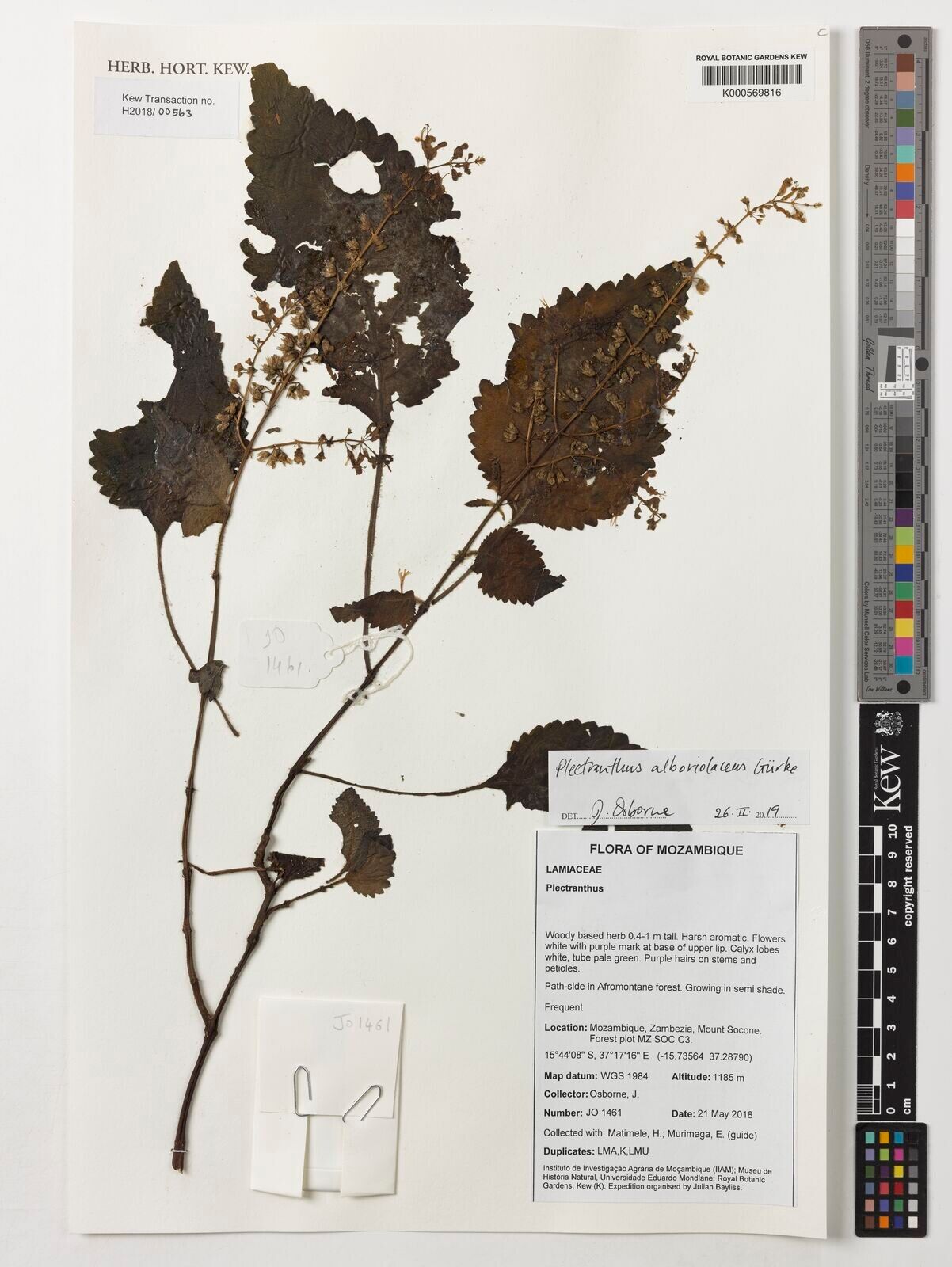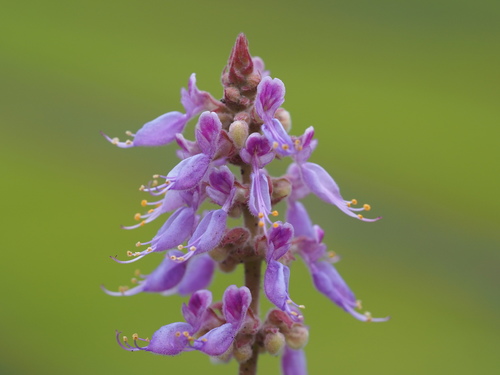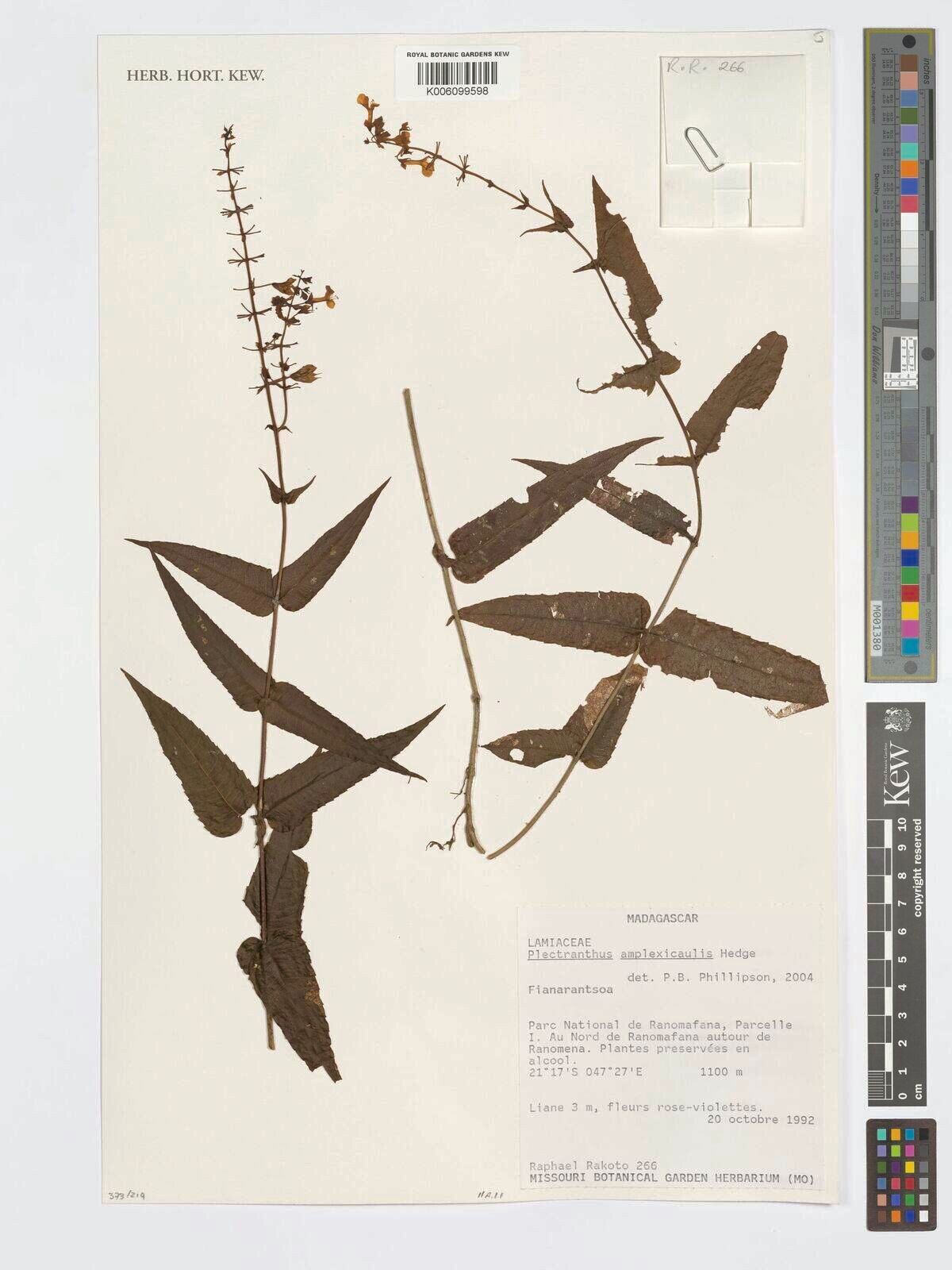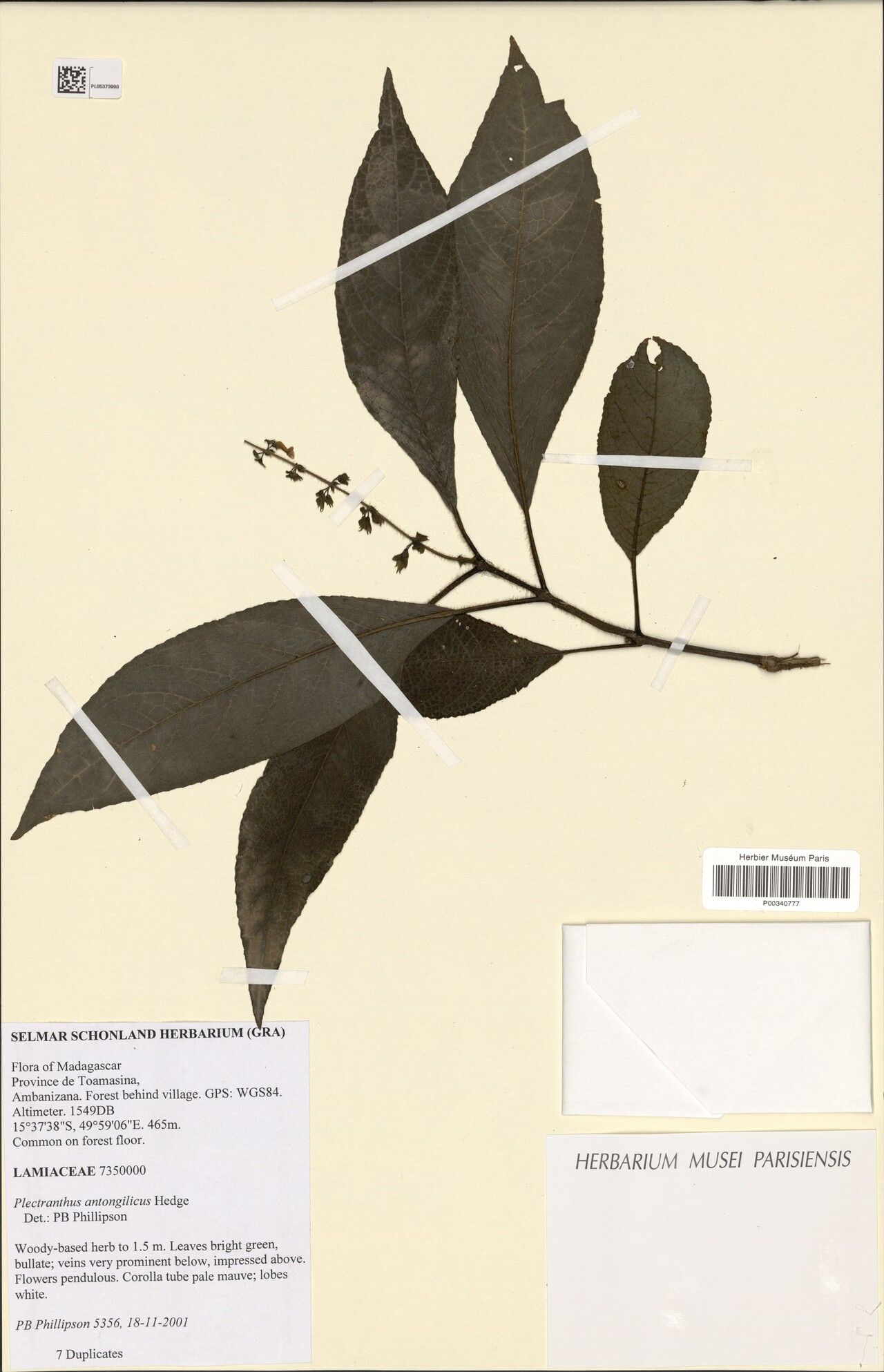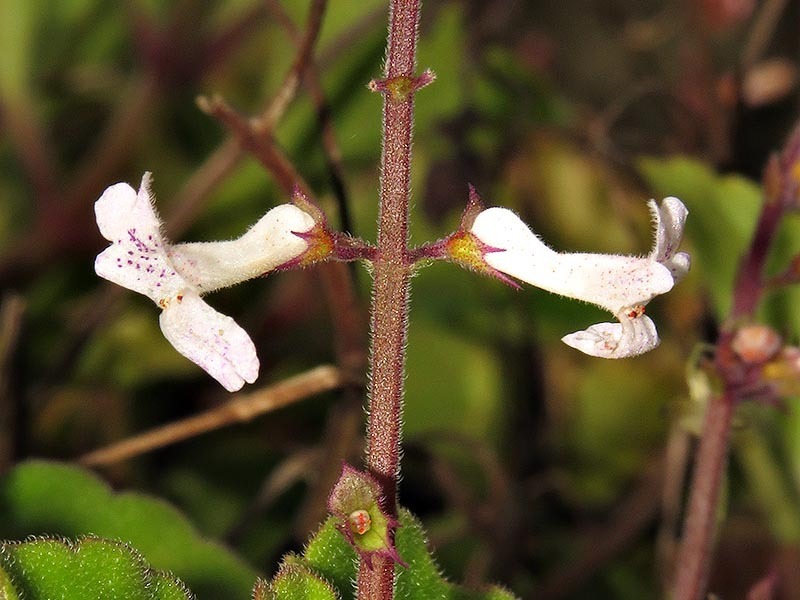
Plectranthus purpuratus, commonly known as the Vicks Plant or Succulent Coleus, is a perennial herb in the Lamiaceae family. Native to India and East Africa, it has gained popularity worldwide as a houseplant due to its attractive foliage and ease of care.
The Vicks Plant features succulent stems covered in soft, velvety hairs. Its oval-shaped leaves have serrated edges and emit a distinct menthol scent when crushed or rubbed. The foliage is green with purple undersides, lending the plant a striking appearance.
This plant thrives in bright, indirect light but can tolerate some shade. It needs well-draining soil and should be watered when the top inch of soil feels dry to the touch. Be cautious not to overwater, as this can cause root rot. Ensure the plant does not sit in standing water.
Indoors, Plectranthus purpuratus can grow up to 2 feet tall with adequate space and proper care. It is an excellent choice for beginner gardeners or anyone seeking low-maintenance houseplants with unique foliage that adds interest and texture indoors all year round.
Purple swedish ivy is fairly resistant to disease and typically doesn't suffer from many illnesses. Still, it can be affected by pests and ailments present in its environment. Such infections tend to be mild. Regarding care, the plant needs moderate maintenance. It should be pruned regularly to keep a neat appearance and encourage healthy growth. Applying fertilizer can also help promote flowering. Purple swedish ivy is suitable for people who have an outdoor space, such as a garden or patio, and doesn't require much experience in plant care. When grown indoors, however, it may need more attention.
How to keep Plectranthus Purpuratus.
Light
Purple Swedish ivy naturally occurs in habitats like forest understories or rocky sites, where it grows in natural shade. It prefers partial sun but can tolerate full sun or complete shade, reflecting its hardy, adaptable nature.
Temperature
Purple Swedish ivy comes from tropical areas, where the climate is generally warm and humid. As a result, it is adapted to high temperatures and humidity. It does not tolerate sudden temperature shifts and prefers a steady temperature environment, so avoiding temperature fluctuations indoors is important. It typically cannot withstand cold and needs warmer conditions to grow. If the surrounding temperature falls too low, the plant may stop growing or even die.
Fertilizer
Proper fertilization is essential for Purple swedish ivy's health and appearance. Fertilize Purple swedish ivy in summer, repeating the application monthly throughout summer. Nutrients provide energy for growth and sustain the plant's components. Fertilization improves Purple swedish ivy's flower display, ensuring the best blooms.
Pot & Repot
When repotting Purple swedish ivy, select a pot 1-2 inches (2.5–5.1 cm) larger with ample drainage. Use a well-draining potting mix. Repot in spring or fall, making sure the root ball sits slightly lower than the rim of the flower pot. Water thoroughly after repotting and place it in a warm spot with indirect sunlight.
Botanical profile.
- Plant Type
- Herb
- Life Cycle
- Perennial
- Genus
- Plectranthus
- Family
- Lamiaceae
- Hardiness Zone
- 9-11
- Mature Height
- 91 cm
- Mature Spread
- 91 cm
- Leaf Color
- Purple, Green
- Leaf Type
- Semi-evergreen
- Flower Color
- Lavender
- Flower Size
- 1.02 cm to 2.03 cm
- Bloom Time
- Mid summer, Late summer, Early fall, Mid fall
- Planting Time
- Spring, Summer, Autumn
- Harvest Time
- Fall, Early winter