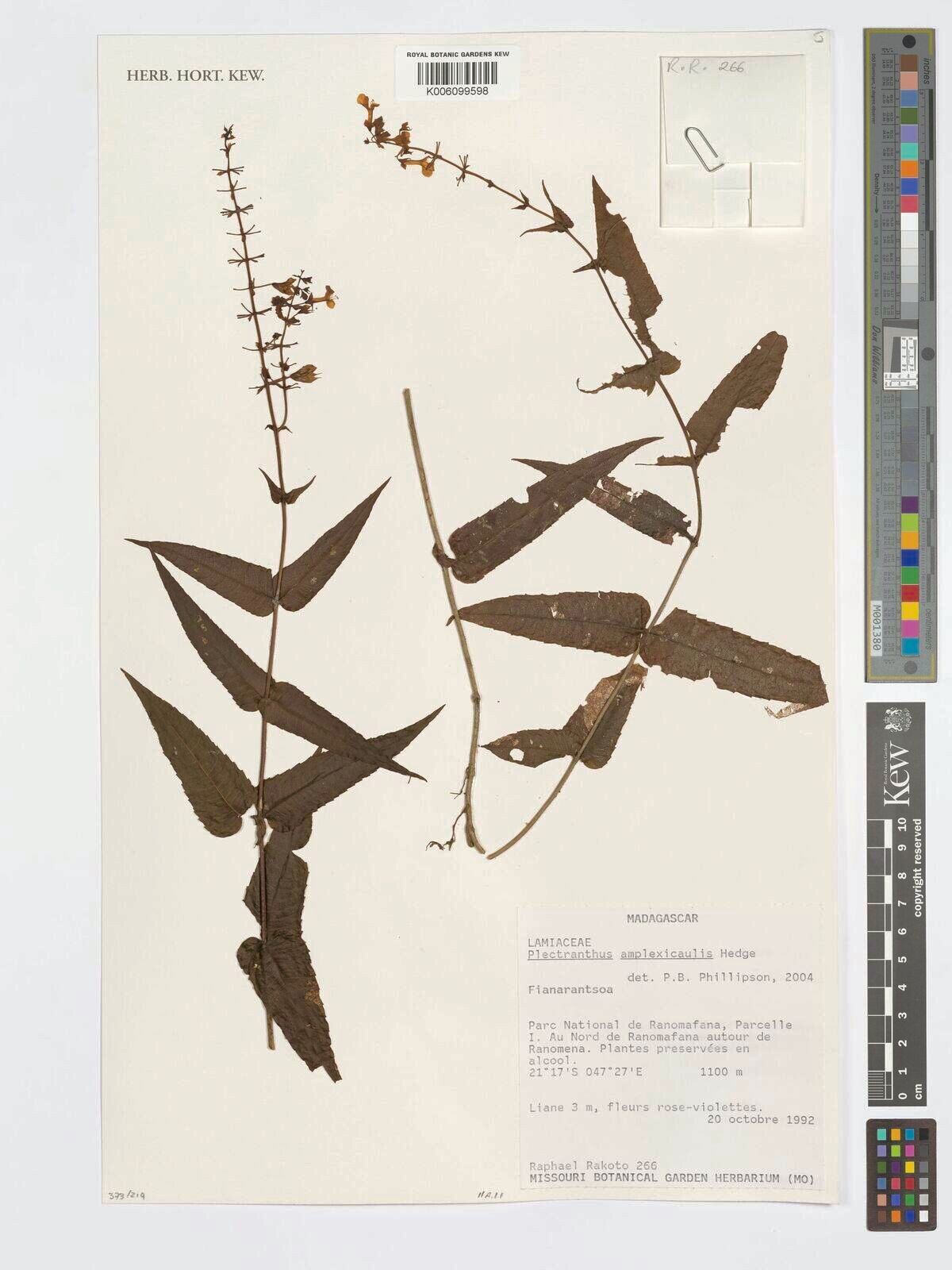
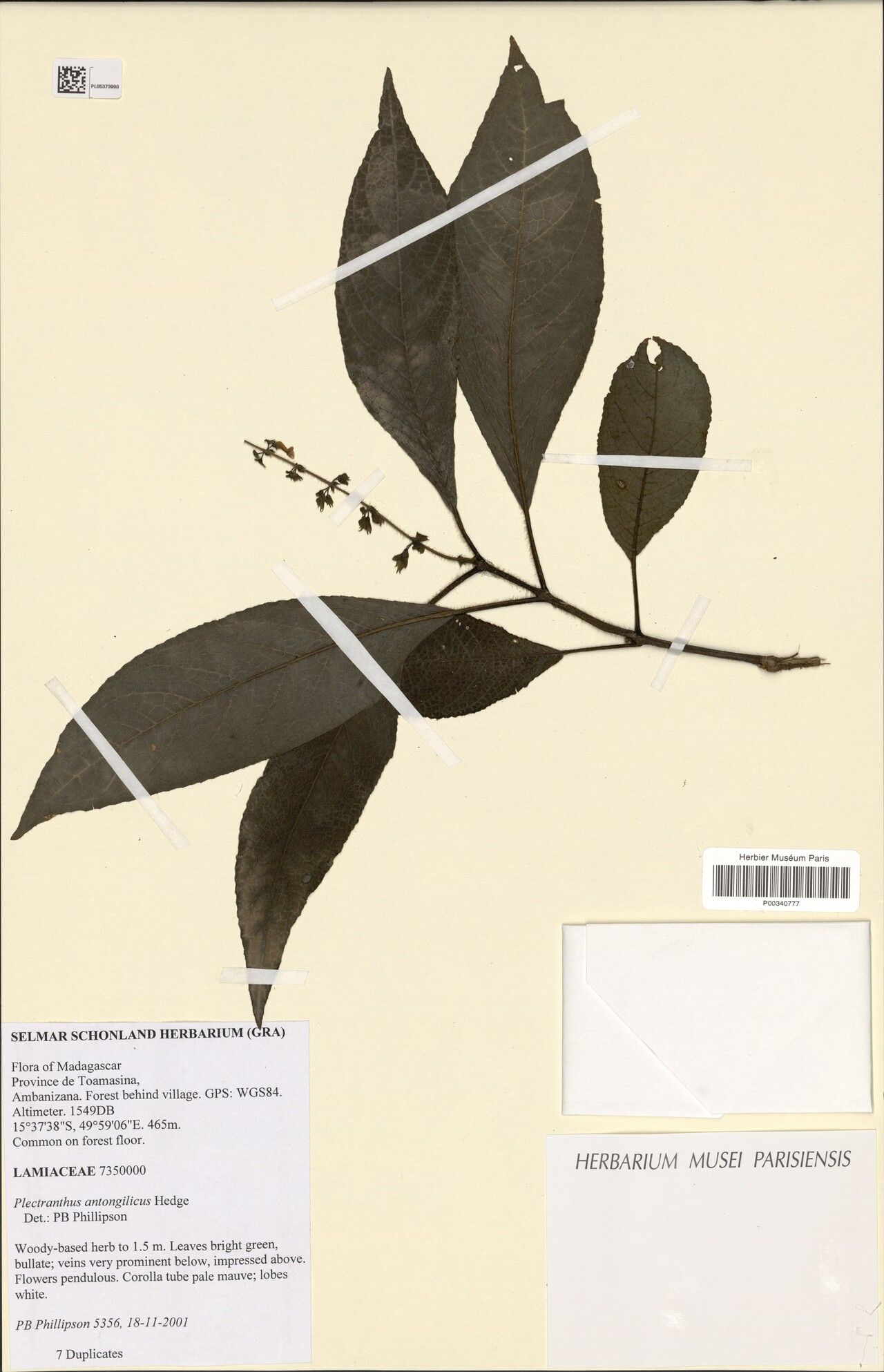
Plectranthus prostratus, commonly known as the creeping coleus or trailing spurflower, is a low-growing perennial plant from the mint family. It is native to South Africa and can be found in diverse habitats, including rocky outcrops, grasslands, and forests.
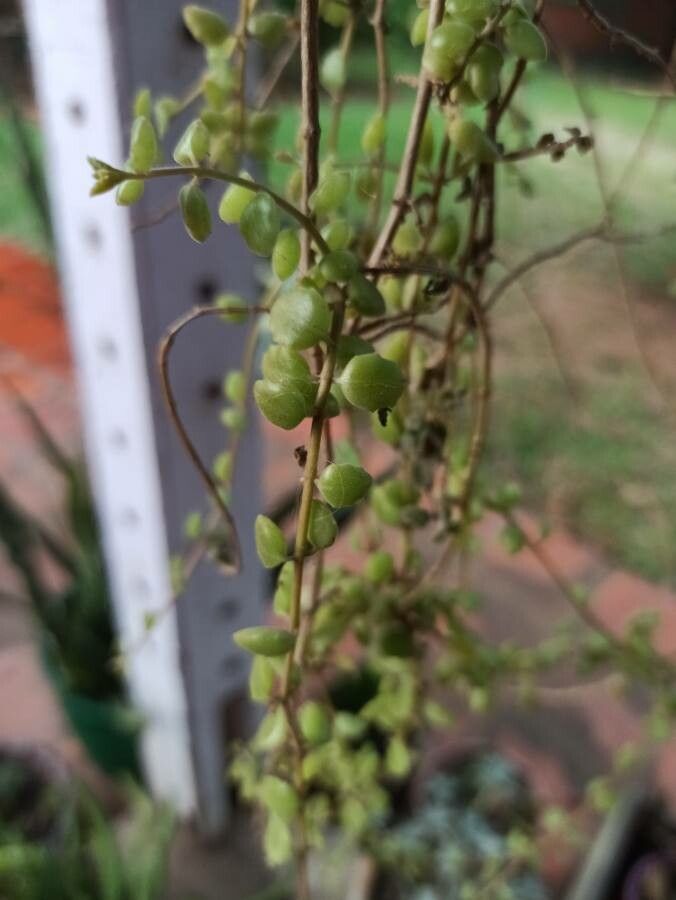
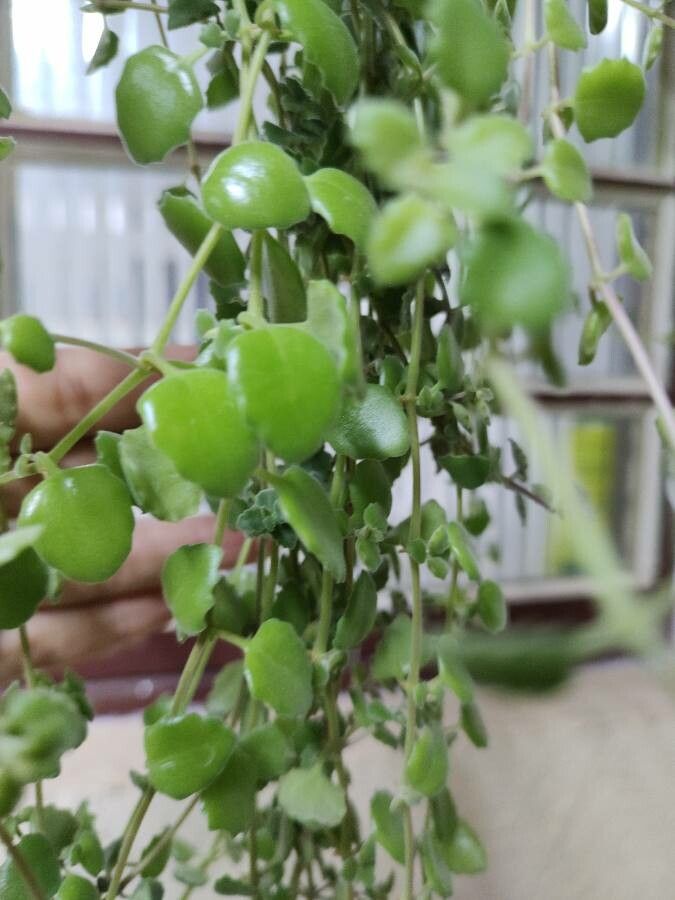
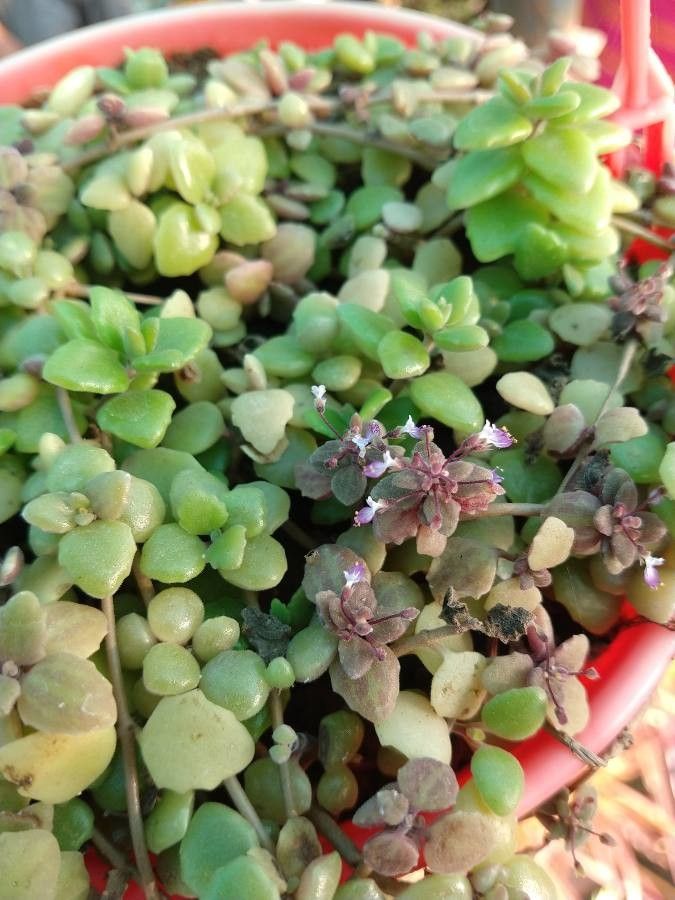
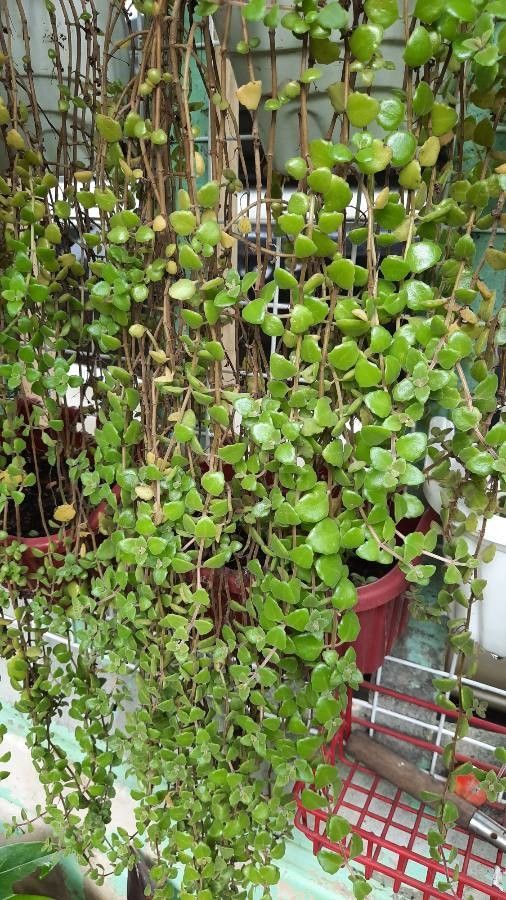
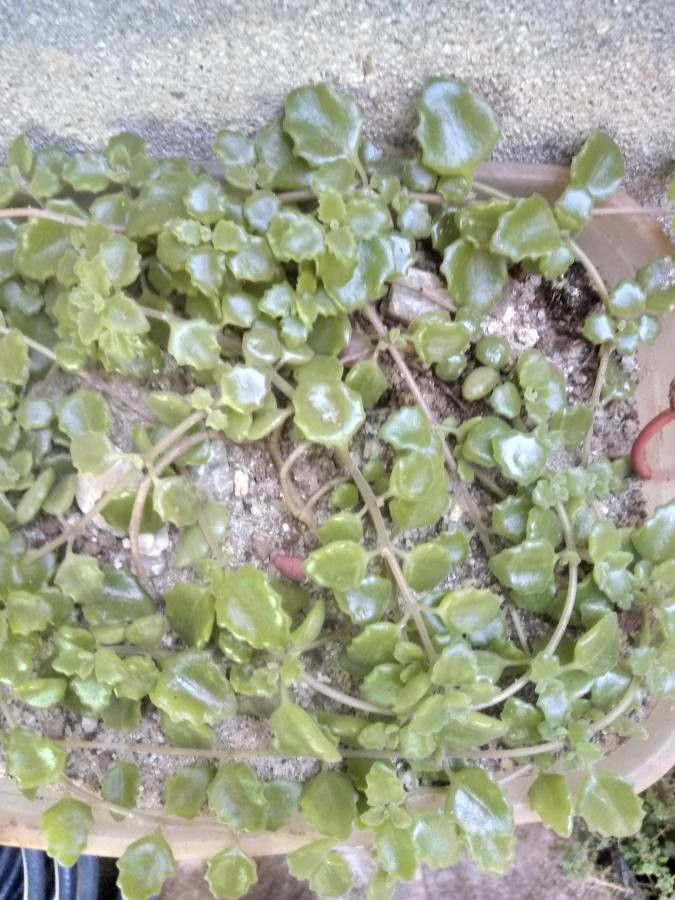
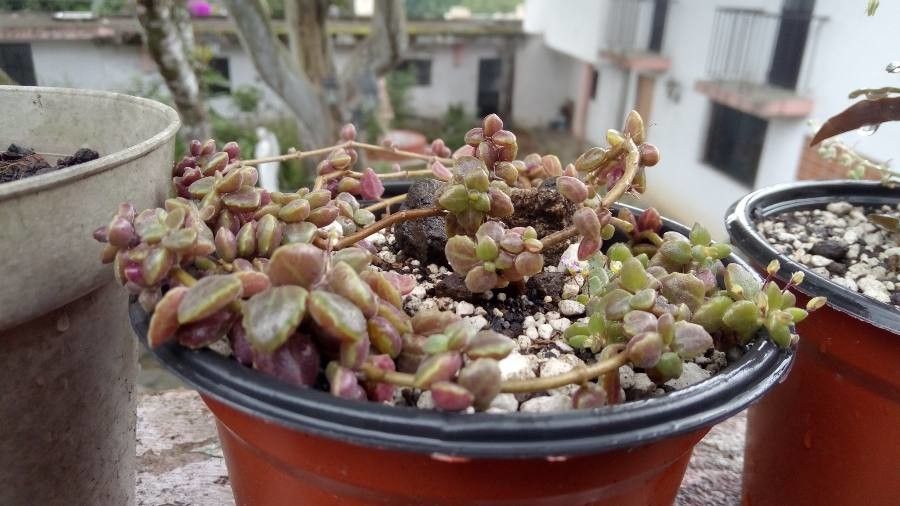
The plant has a trailing growth habit with stems that can extend up to 1 meter in length. The small, oval-shaped leaves have scalloped edges and are arranged in opposite pairs along the stem. While the foliage is typically green, it can also feature purple or variegated markings.
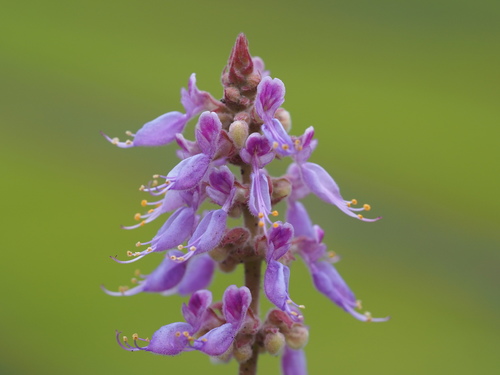
Plectranthus prostratus produces small, tubular flowers that are generally blue or purple, though they can also appear white or pink. These flowers bloom from late summer through fall.
This plant is easy to grow and requires minimal care once established. It prefers well-draining soil with moderate moisture but can tolerate drought once it is well-rooted. Plectranthus prostratus thrives in partial shade but can also tolerate full sun if adequately watered.
Beyond its ornamental appeal as a groundcover or hanging basket plant, Plectranthus prostratus has been used in traditional South African medicine to treat various ailments, including coughs, colds, headaches, and stomach problems, due to its anti-inflammatory properties.
Overall, Plectranthus prostratus is an attractive, low-maintenance groundcover that offers gardeners an easy-to-grow perennial with aesthetic and medicinal benefits for both indoor and outdoor settings.
Plectranthus prostratus has moderate resistance to disease but is relatively sensitive to humidity and excessive watering. It becomes more prone to disease when it receives little light and is overwatered. Regarding care, Plectranthus prostratus is drought-tolerant and can withstand long periods without water. It needs little fertilizer and only occasional pruning. As a result, it is appropriate for people with any level of experience, especially those who prefer to spend less time on plant care or who may be away from home for extended periods. It is a good option for individuals who do not want to devote much time to caring for plants but still want an easy-to-maintain plant.
How to keep Plectranthus Prostratus.
Light
Plectranthus prostratus comes from habitats with dappled light, such as the understory of forests or rocky sites that provide natural shade. It prefers partial sunlight but can tolerate full sun as well.
Water
Plectranthus prostratus flourishes in conditions that are moderately moist and have balanced humidity. It prefers soil that stays consistently moist but is not waterlogged, so it should be watered once a week. As an indoor plant, it benefits from occasional misting to mimic its natural humidity levels, which helps promote vibrant growth and overall health.
Temperature
Plectranthus prostratus does best in warm conditions and requires higher temperatures during the growing season to support its growth and metabolism. It prefers ample sunlight, appropriate moisture, and good ventilation. However, it can be harmed by excessively low temperatures and by overwatering. It’s important to strike a balance and avoid temperatures that are too high or conditions that are too dry.
Fertilizer
For Plectranthus prostratus, light applications of fertilizer once or twice a year during the growing season are sufficient. Avoid fertilizing in winter and in summer when the plant is dormant. Reduce fertilizer for repotted plants and wait a couple of months after repotting before fertilizing. Fertilizing supports healthy growth and encourages blooms.
Pruning
Plectranthus prostratus is a low-growing plant known for its lush foliage and delicate flowers. To encourage growth and maintain its shape, prune the plant from early to late spring. During pruning, remove any dead stems and trim back leggy growth to promote vigor. Proper pruning enhances air circulation, reduces the risk of disease, and coincides with the plant's active growth period.
Botanical profile.
- Plant Type
- Herb
- Life Cycle
- Perennial
- Genus
- Plectranthus
- Family
- Lamiaceae
- Hardiness Zone
- 9-12
- Mature Height
- 25 cm
- Mature Spread
- 49 cm
- Leaf Color
- Green, Purple
- Leaf Type
- Evergreen
- Flower Color
- White, Purple
- Flower Size
- 1.02 cm to 1.52 cm
- Bloom Time
- Late spring, Early summer, Mid summer
- Planting Time
- Spring
- Harvest Time
- Summer
Other names.