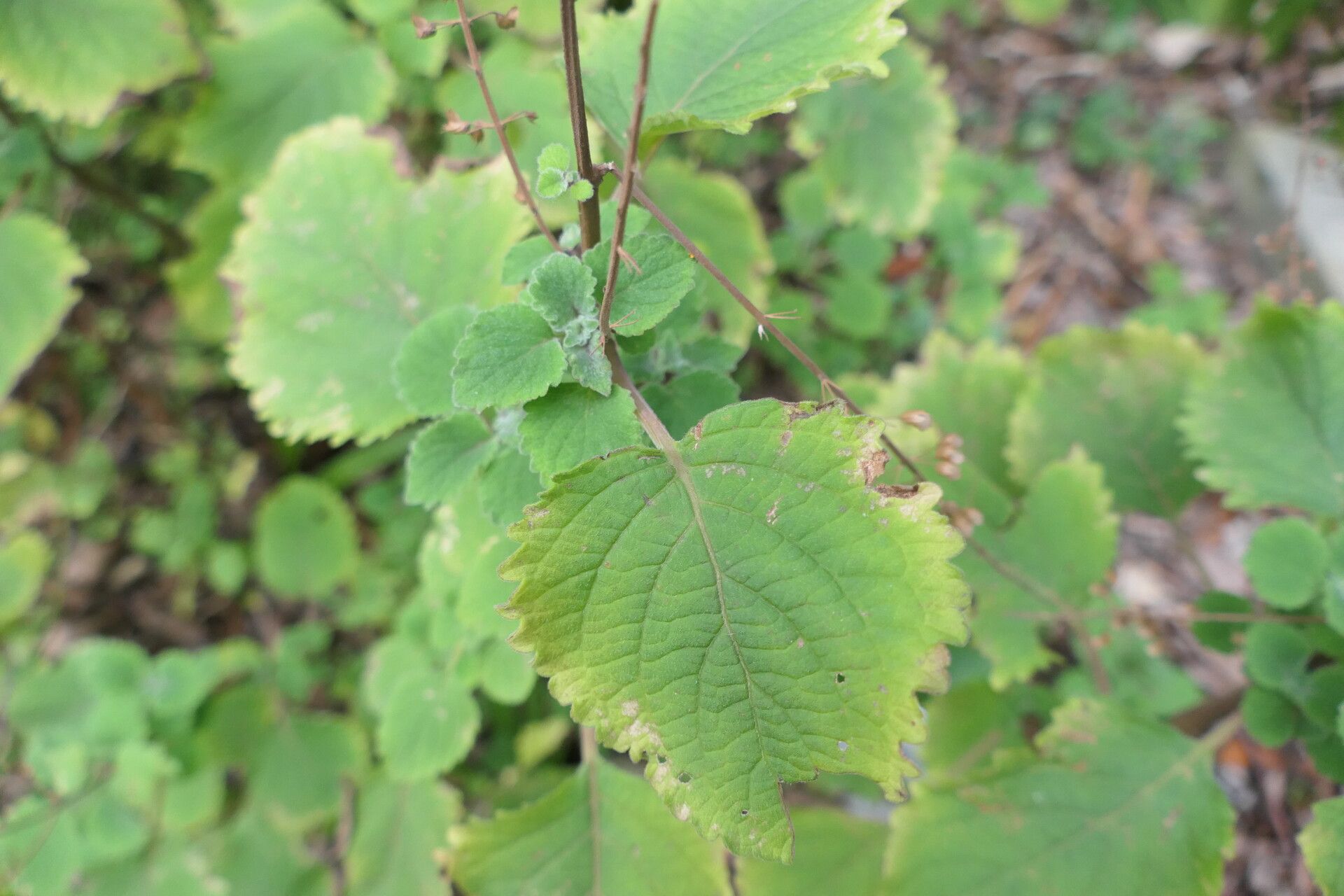
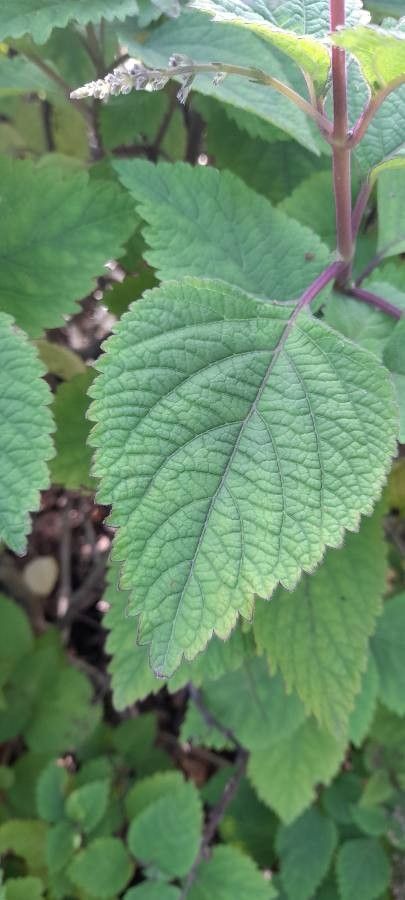
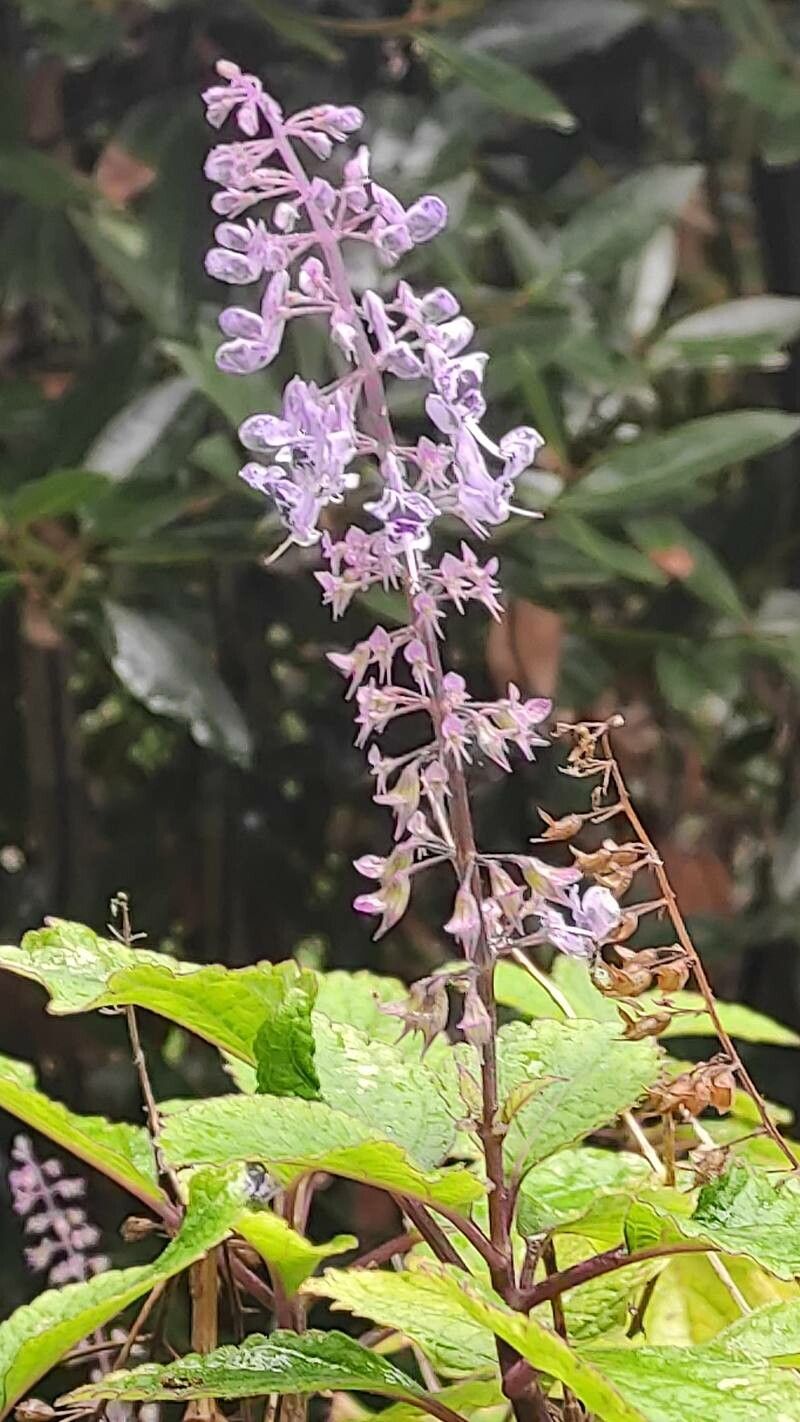
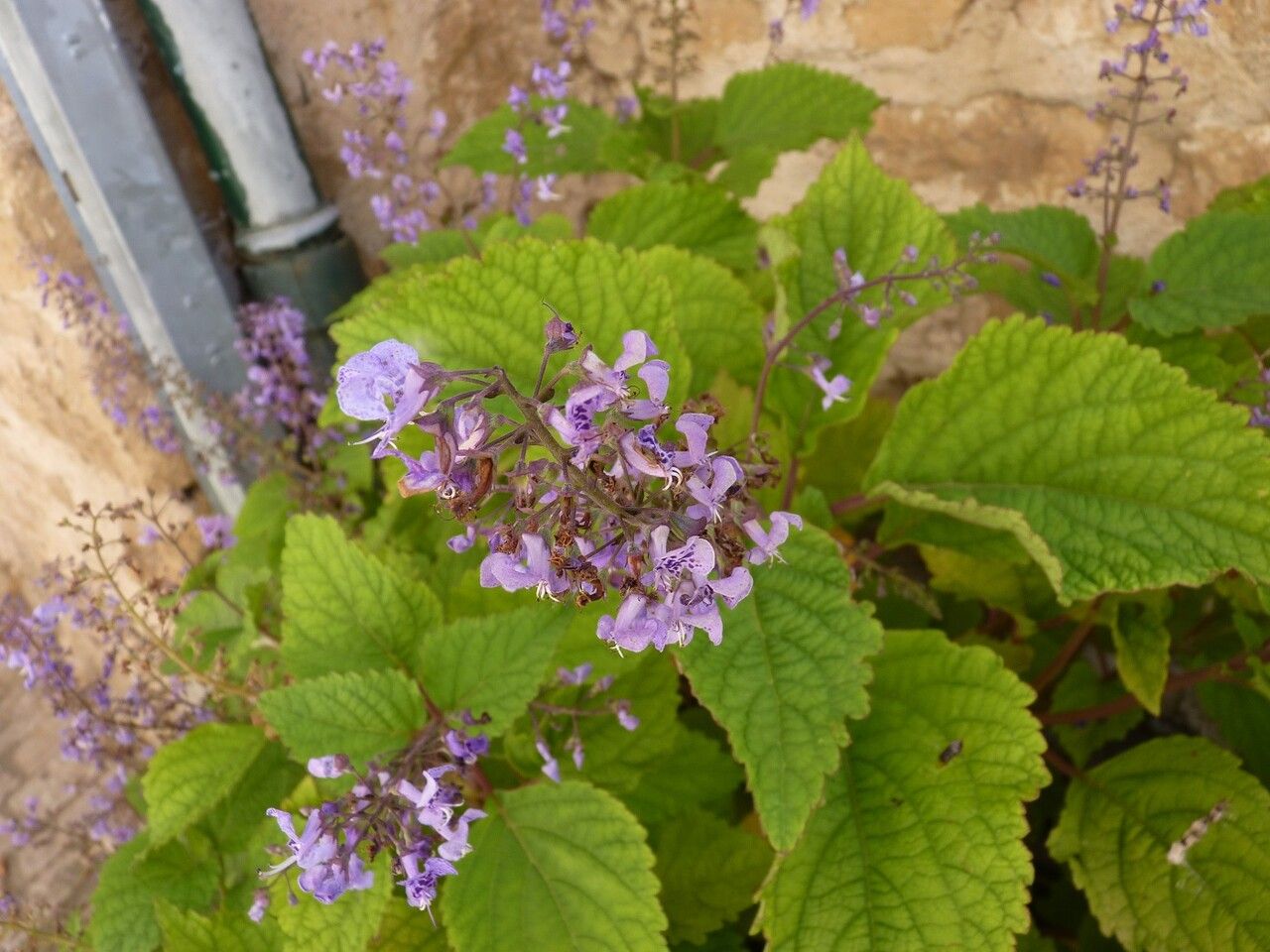
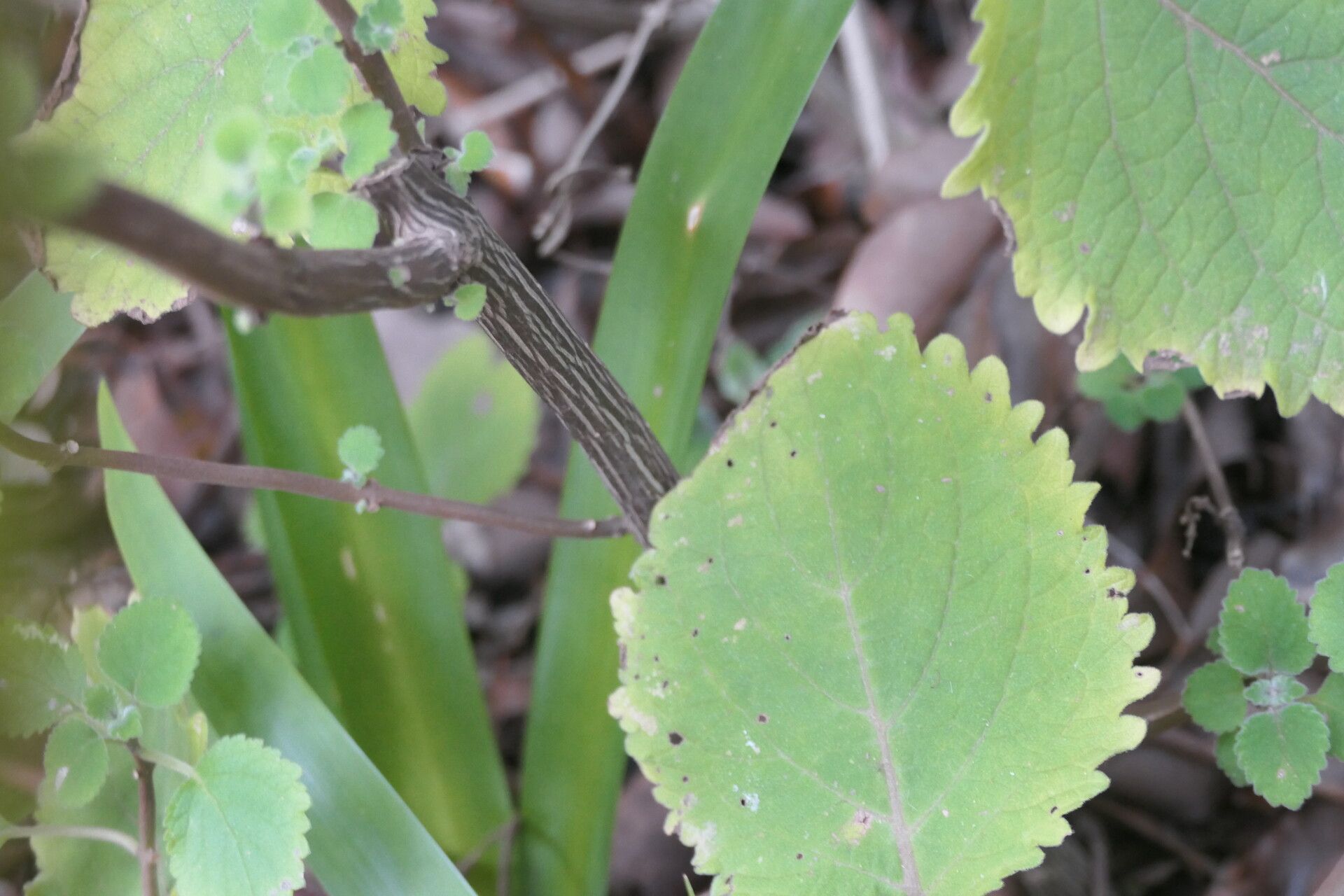
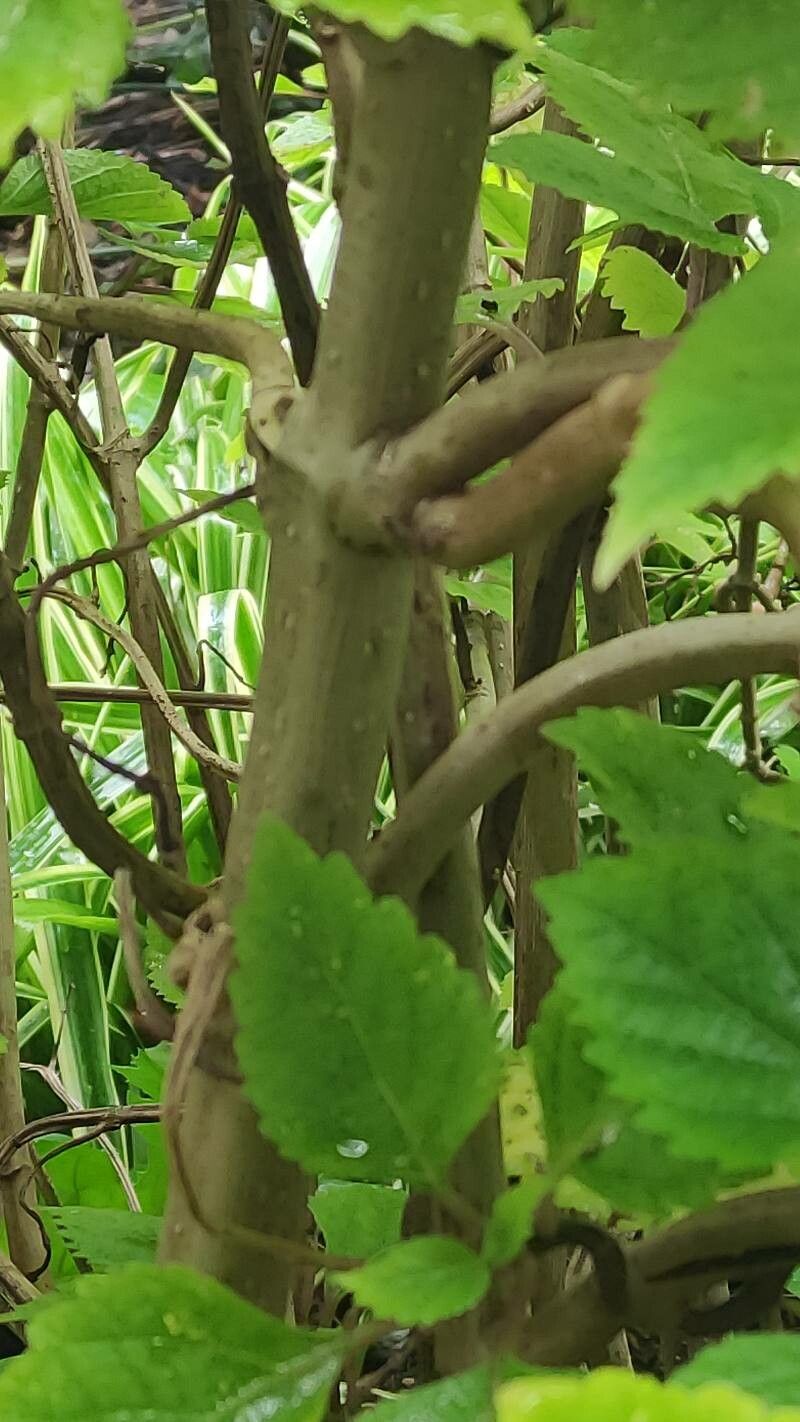
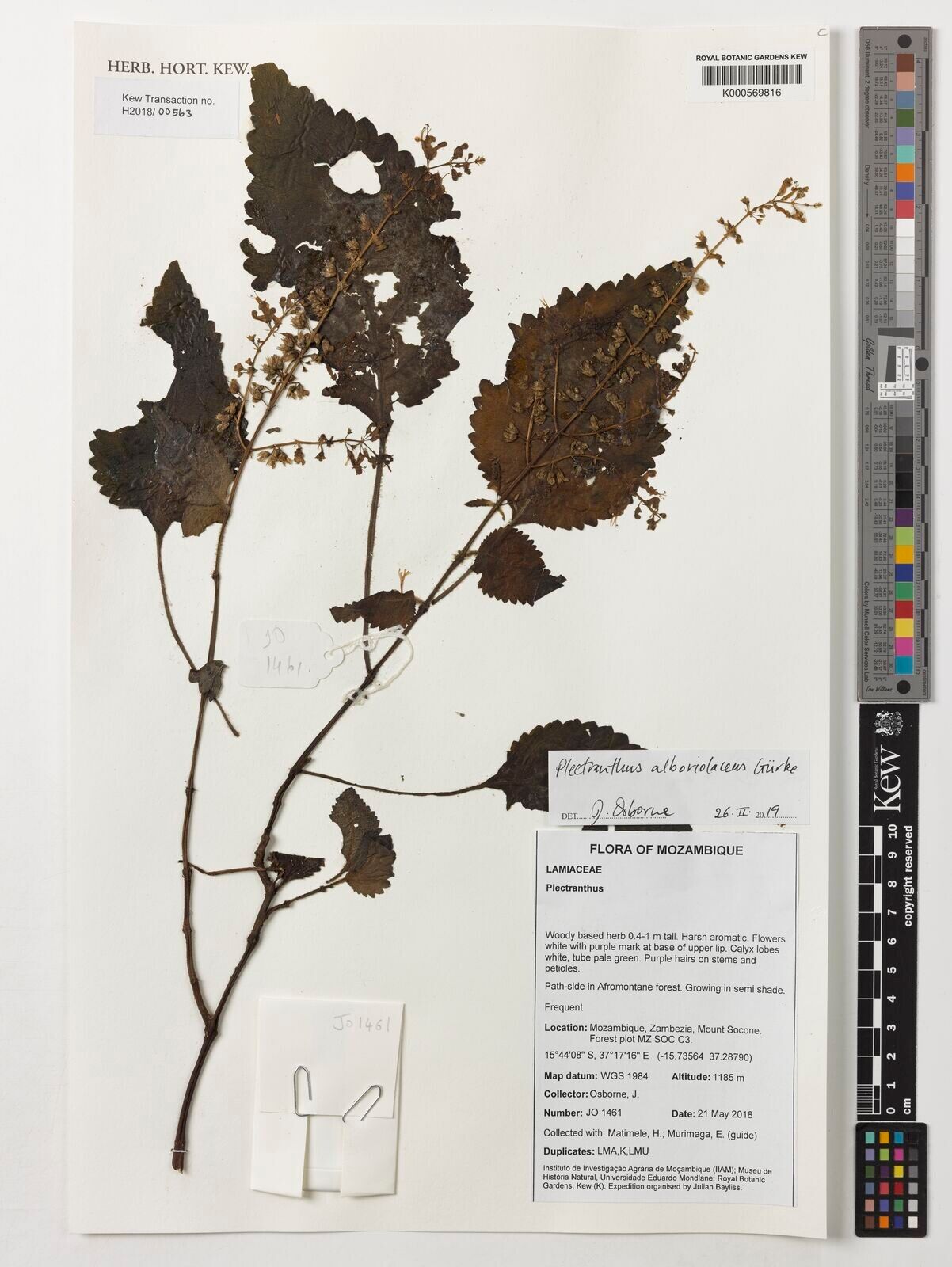
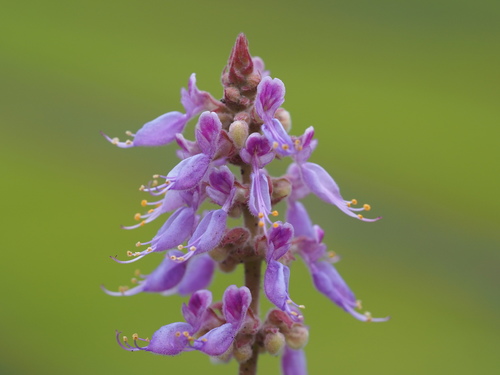
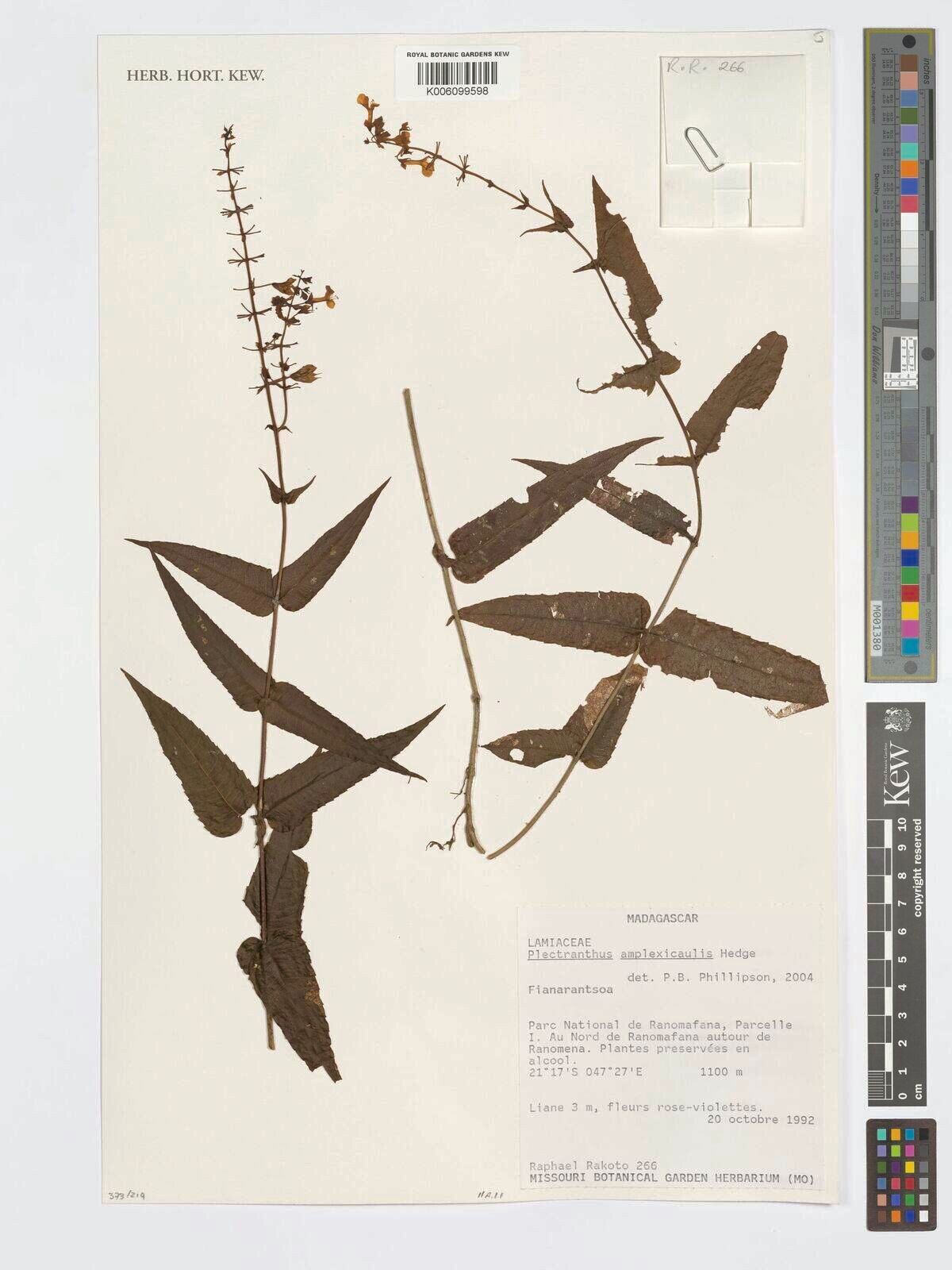
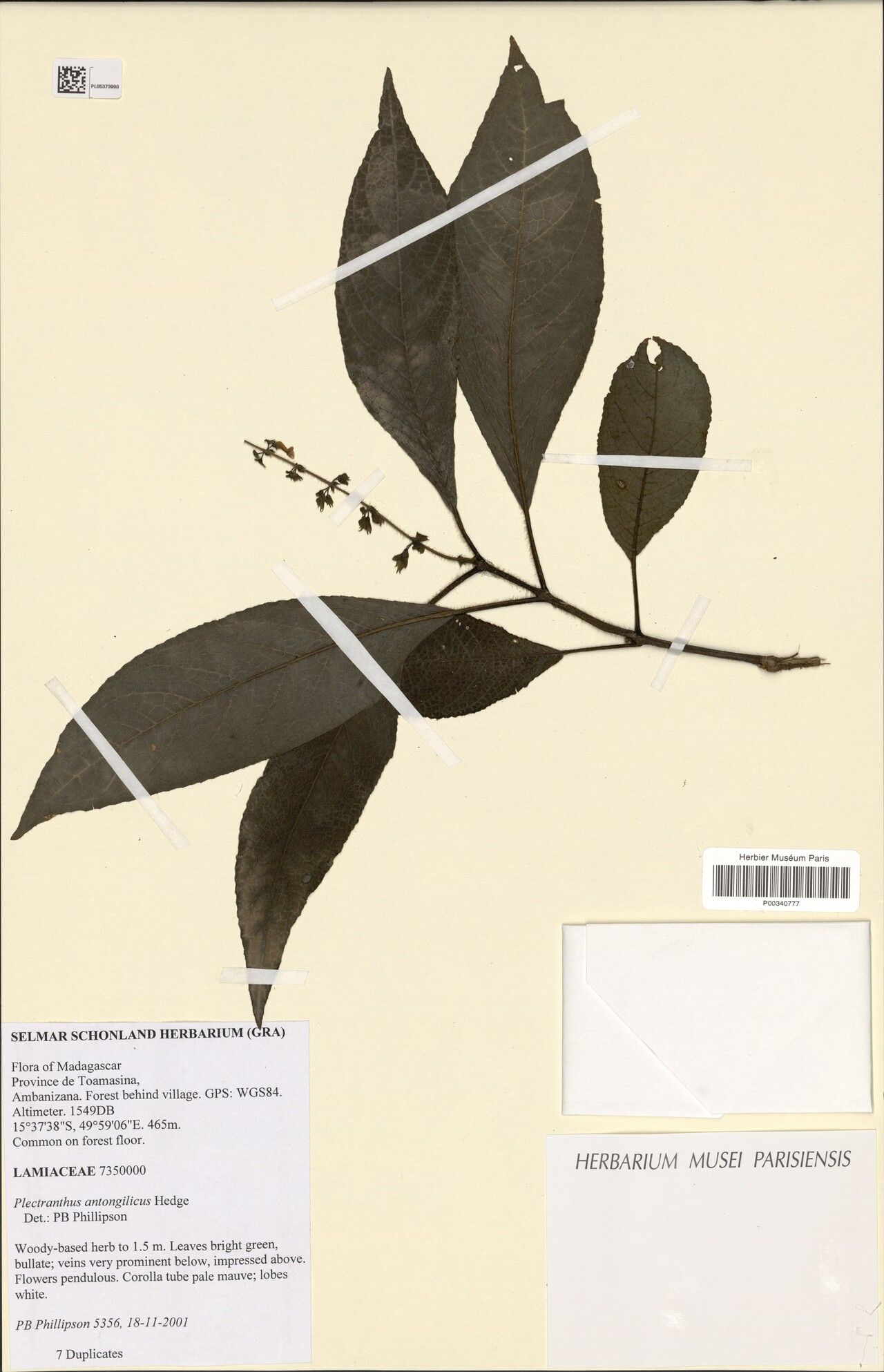
Plectranthus fruticosus, the forest spurflower, is a species of flowering plant in the mint family Lamiaceae, native to South Africa. Growing up to 2 m (6.6 ft) tall, it is an erect evergreen shrub, with rounded, hairy leaves, and spikes of soft blue or mauve flowers in summer. The Latin specific epithet fruticosus means “shrubby”.This plant is found throughout the Western Cape and Limpopo regions, enjoying the moist conditions and dappled shade of forest margins.It has a long history of cultivation in Europe, where it requires protection from freezing temperatures. Several cultivars are available, of which the pink-flowered ‘James’ has won the Royal Horticultural Society’s Award of Garden Merit.
Pink fly bush has strong disease resistance and generally isn't highly susceptible to illnesses. However, it can be affected by pests and diseases present in its surroundings. Such infections are generally mild. Regarding care, this plant needs moderate maintenance. Regular pruning is required to preserve a good appearance and healthy growth. Fertilizing can also encourage flowering. Pink fly bush is appropriate for anyone with an outdoor space, like a garden or patio, and does not demand extensive care experience. It may need more attention when grown indoors.
How to keep Plectranthus Fruticosus.
Light
Pink fly bush is native to habitats such as forest understories or rocky areas, where it grows in natural shade. It prefers partial sun but can adapt to full sun or full shade, demonstrating its versatile and hardy nature.
Temperature
Pink fly bush shows good temperature adaptability, tolerating high heat and wide temperature fluctuations. In hot conditions, attention should be paid to watering and providing appropriate shade to prevent sunburn. However, Pink fly bush is relatively intolerant of low temperatures; while it can withstand some cold, excessively cold conditions can cause frost damage.
Fertilizer
Early spring is the best time to fertilize a Pink fly bush, as it is coming out of dormancy and starting active growth. Fertilizing supplies essential nutrients needed for healthy development. Although the Pink fly bush has relatively low fertilizer requirements, an annual application can boost its survival and encourage better, longer-lasting blooms.
Pruning
The pink fly bush is known for its vibrant pink flowers. To maintain its shape and encourage healthy blooms, prune the plant in early spring. This involves removing weak branches and overgrown areas, which improves air circulation and light exposure. Pruning at this time helps the plant recover optimally and promotes denser foliage and more abundant flowering.
Botanical profile.
- Plant Type
- Herb
- Life Cycle
- Perennial
- Genus
- Plectranthus
- Family
- Lamiaceae
- Hardiness Zone
- 9-11
- Mature Height
- 2.13 m
- Mature Spread
- 2.13 m
- Leaf Color
- Green
- Leaf Type
- Evergreen
- Flower Color
- Lavender
- Flower Size
- 1.02 cm to 2.03 cm
- Bloom Time
- Summer, Fall
- Planting Time
- Spring, Summer, Autumn
- Harvest Time
- Fall, Early winter, Mid winter
- Native Area
- South Africa, Eswatini
Other names.
Reader questions.
How much sunlight does the Pink Fly Bush (Plectranthus fruticosus) require?
The Pink Fly Bush, also known by its botanical name Plectranthus fruticosus, thrives in conditions where it can receive a specific amount of sunlight daily. For optimal growth, the plant requires full sun, which means it should be exposed to more than 6 hours of sunlight every day. However, it can also adapt to partial sun, getting about 3 to 6 hours of sunlight. It's important to observe the movement of sunlight through your garden to identify spots that provide a perfect balance of light and shade, ensuring the plants are happy and healthy.