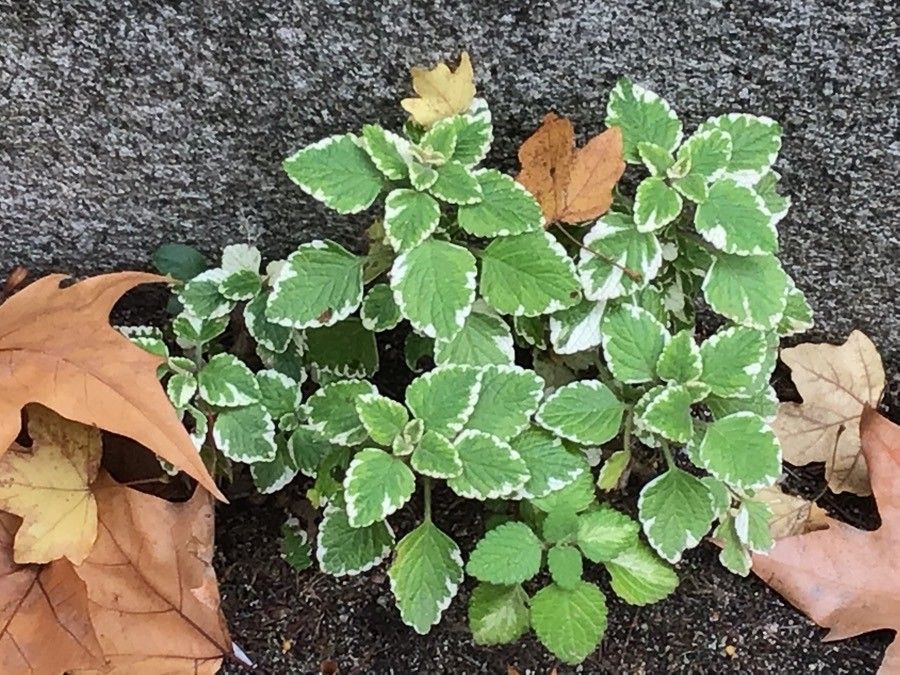
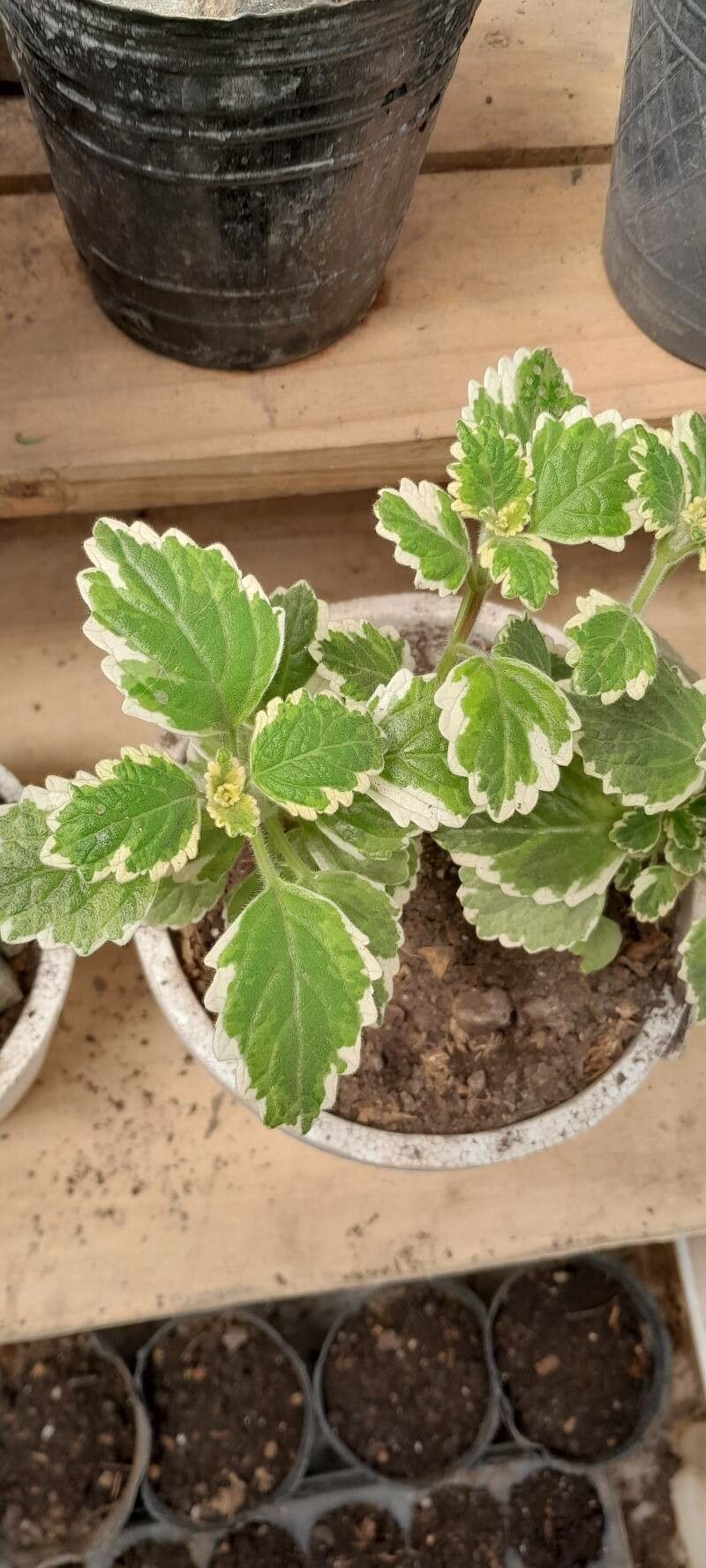
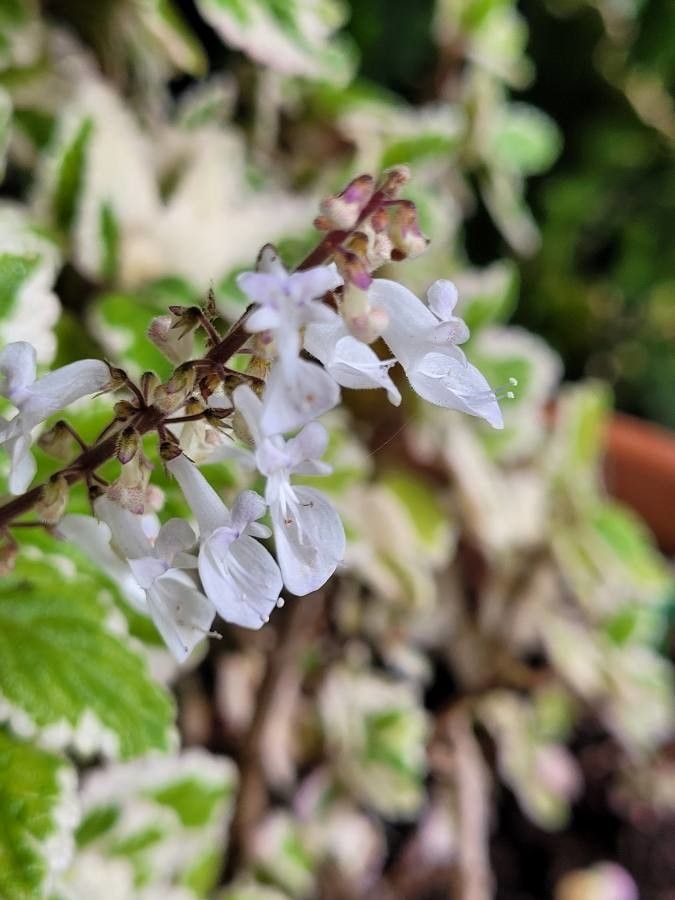
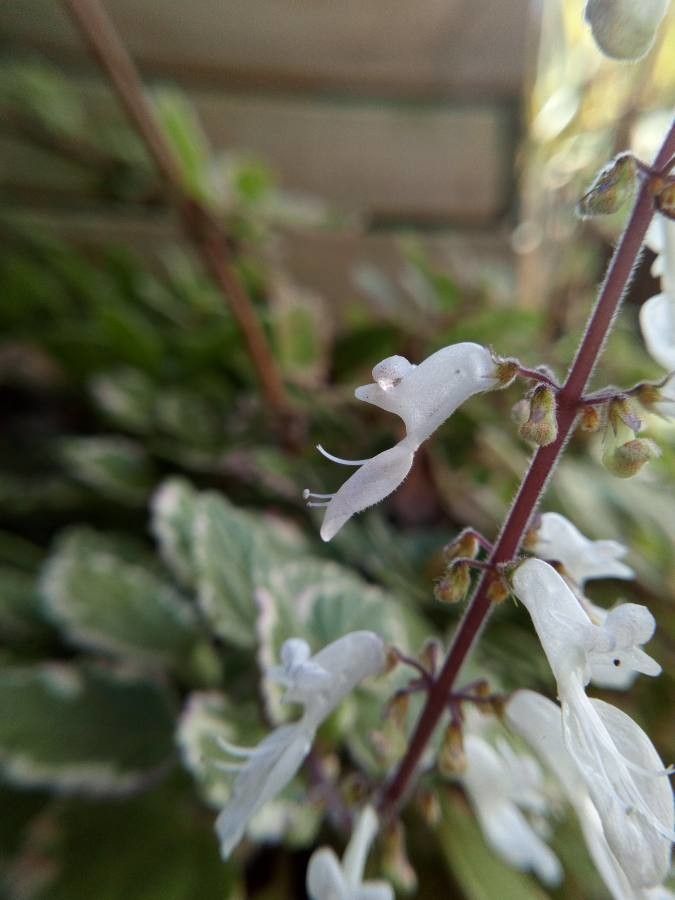
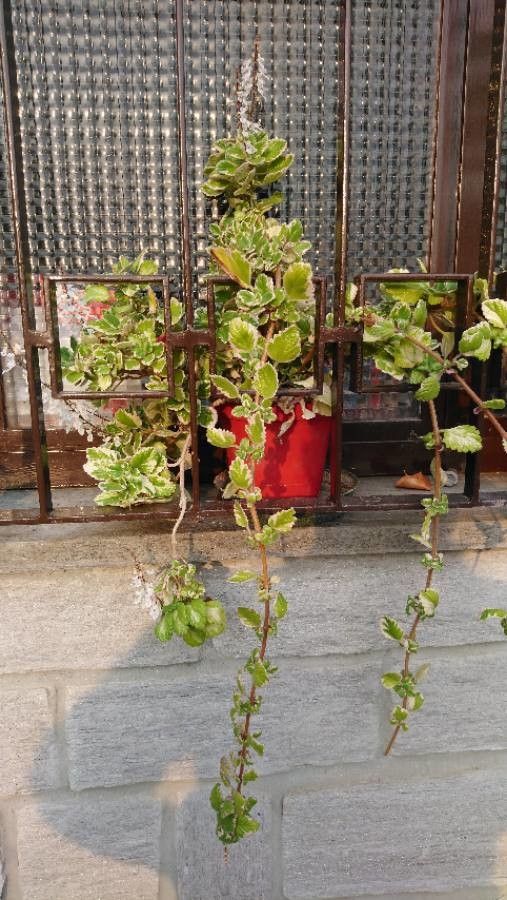
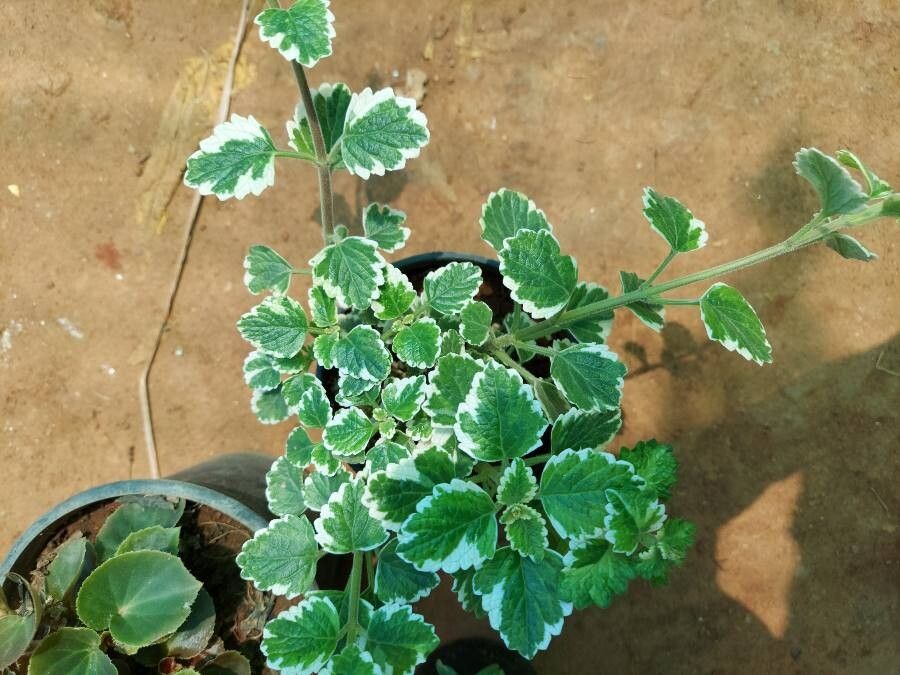
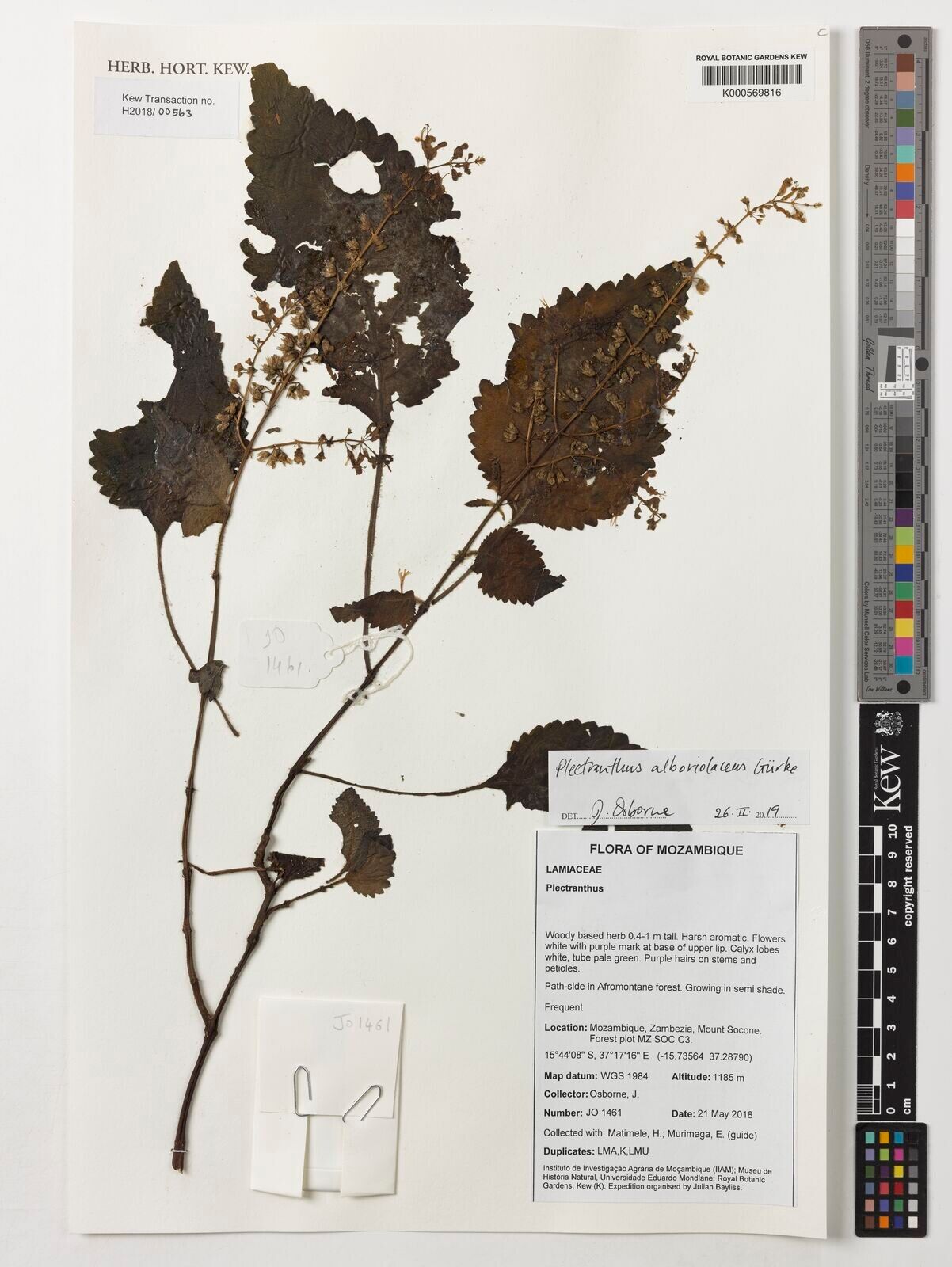
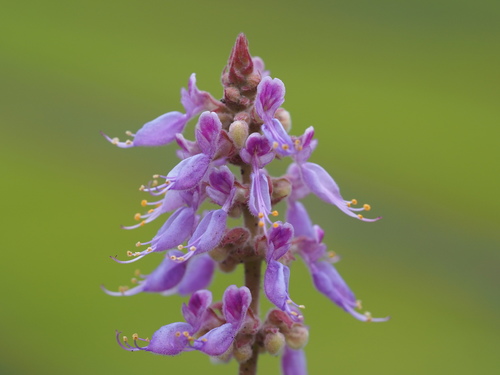
Swedish ivy has strong resistance to disease and is generally unlikely to suffer from illnesses. Still, it can be vulnerable to pests and diseases that exist in its environment. Such infections are typically mild. Regarding care, this plant needs a moderate amount of attention. It should be pruned regularly to preserve a neat appearance and encourage healthy growth. Fertilizing can also aid in boosting flowering. Swedish ivy is well suited for anyone with outdoor areas like a garden or patio and does not demand extensive plant-care experience. It may need extra attention when cultivated indoors.
How to keep Plectranthus Forsteri.
Light
Swedish ivy does best in locations that receive moderate, filtered light for much of the day and can tolerate stronger sun. Seasonal changes may require moving it to adjust its light exposure. Too little sunlight can stunt its growth or make the foliage less vibrant.
Water
Swedish ivy thrives in humid environments and prefers well-drained soil to prevent waterlogging. It should be watered every 1 to 2 weeks because it requires balanced moisture, making it an excellent choice for indoor cultivation as an evergreen plant.
Temperature
Swedish ivy is native to climates with temperatures between 68 and 100 °F (20 to 38 ℃). It does best in moderate surroundings and does not tolerate extreme cold or heat. To ensure it flourishes, keep indoor conditions that match this temperature range throughout the year.
Fertilizer
The best time to fertilize a Swedish ivy is in early spring, as it comes out of dormancy and begins active growth. Fertilization supplies essential nutrients for healthy development. Although Swedish ivy needs relatively little fertilizer, feeding it annually can improve its survival and encourage better, longer-lasting flowers.
Pruning
To encourage bushier growth and improve the appearance of Swedish ivy, regular pruning is best done from early to late spring. Trim any leggy or damaged stems just above the leaf nodes. This promotes healthier development, prevents overgrowth, and keeps the plant compact and vigorous.
Pot & Repot
When repotting Swedish ivy, select a pot 1–2 inches (2.5–5.1 cm) larger that offers good drainage. Use a well-draining potting mix. Repot in spring or fall, making sure the root ball is slightly lower than the rim of the flower pot. Water thoroughly after repotting and place the plant in a warm spot with indirect sunlight.
Botanical profile.
- Plant Type
- Herb
- Life Cycle
- Perennial
- Genus
- Plectranthus
- Family
- Lamiaceae
- Hardiness Zone
- 9-12
- Mature Height
- 30 cm to 61 cm
- Mature Spread
- 61 cm to 91 cm
- Leaf Color
- Green, Light Green
- Leaf Type
- Evergreen
- Flower Color
- Lavender, White
- Flower Size
- 1.02 cm to 2.03 cm
- Bloom Time
- All year round
- Planting Time
- Spring
- Harvest Time
- All year round
Other names.