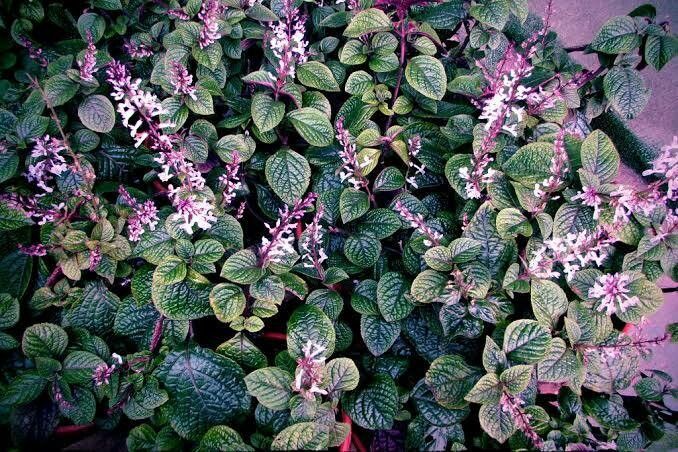
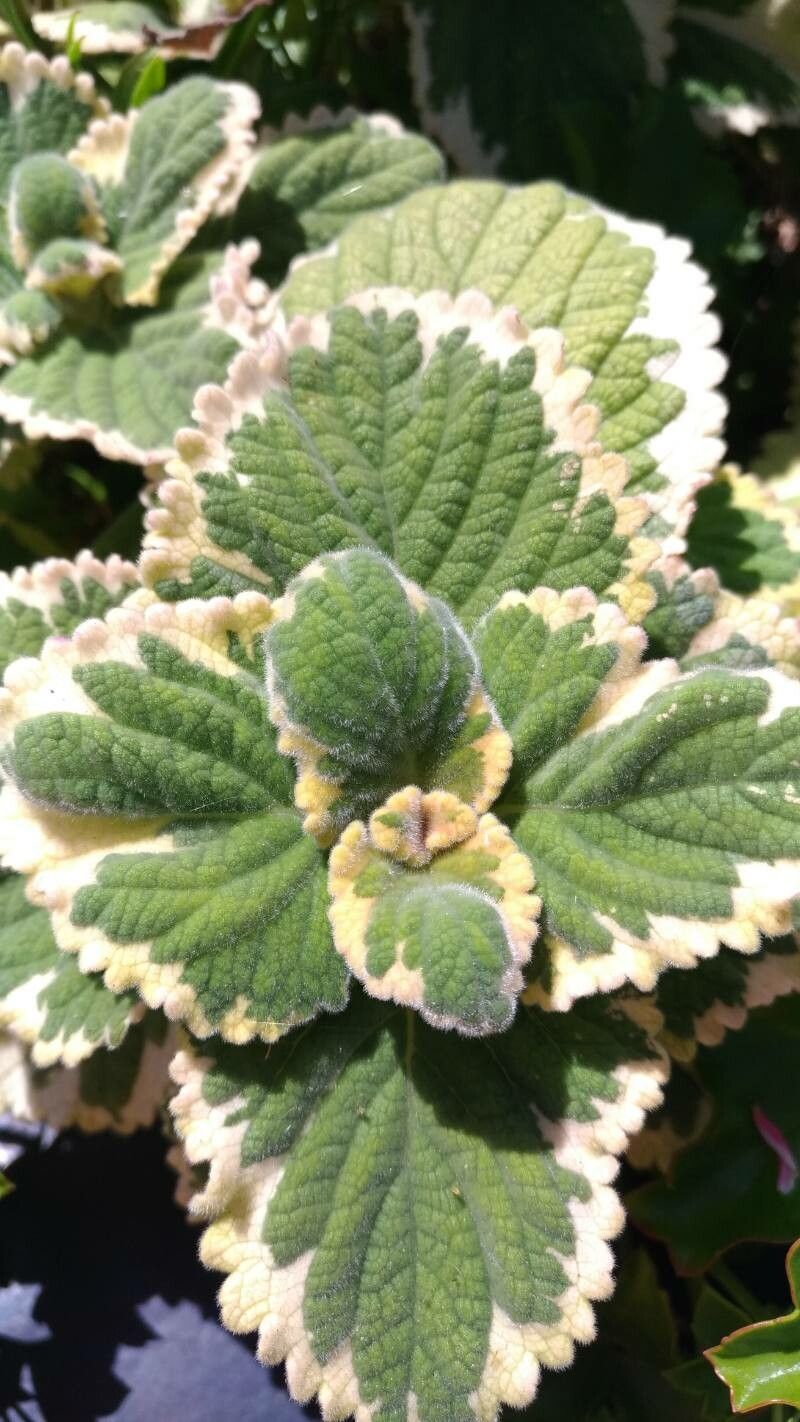
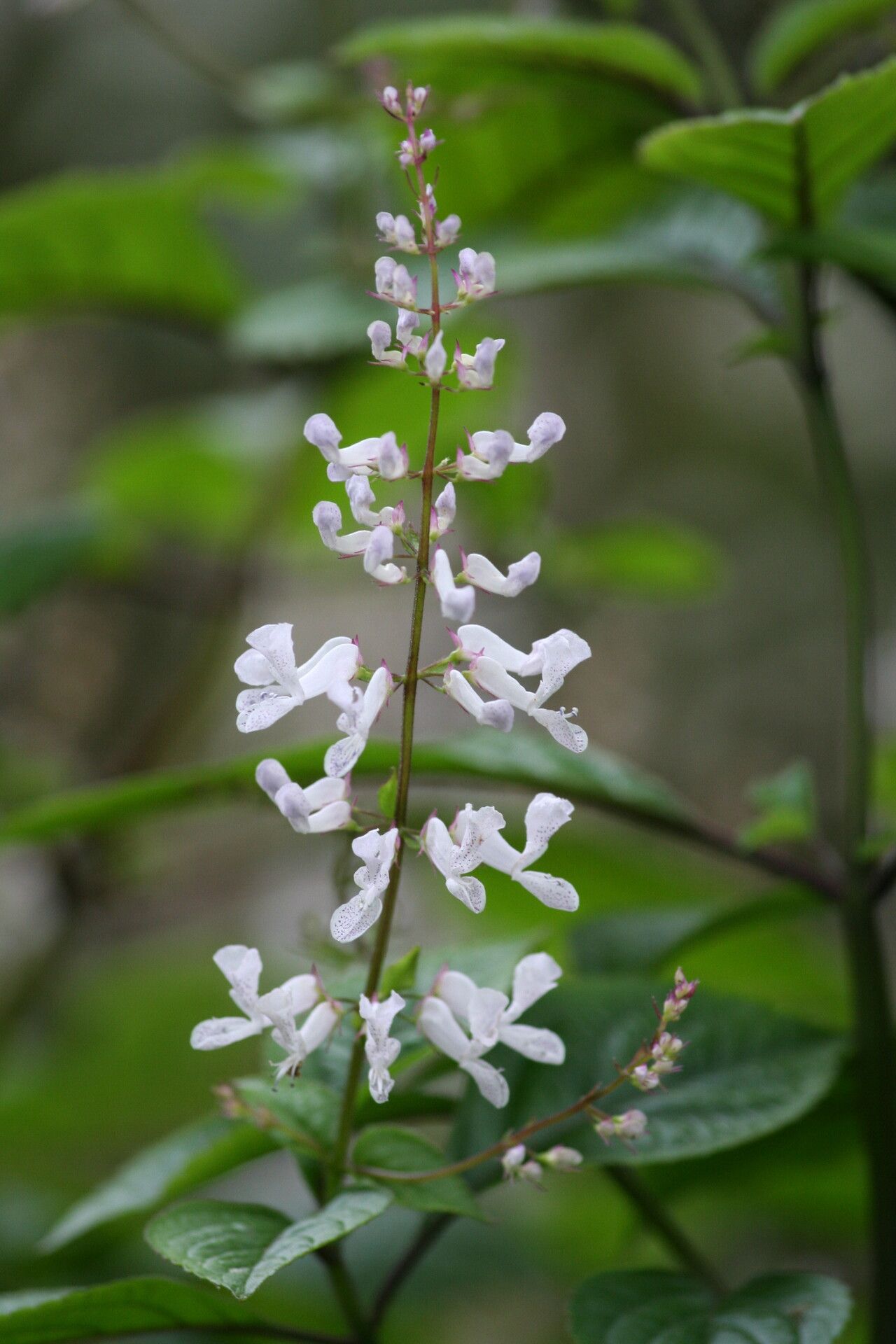
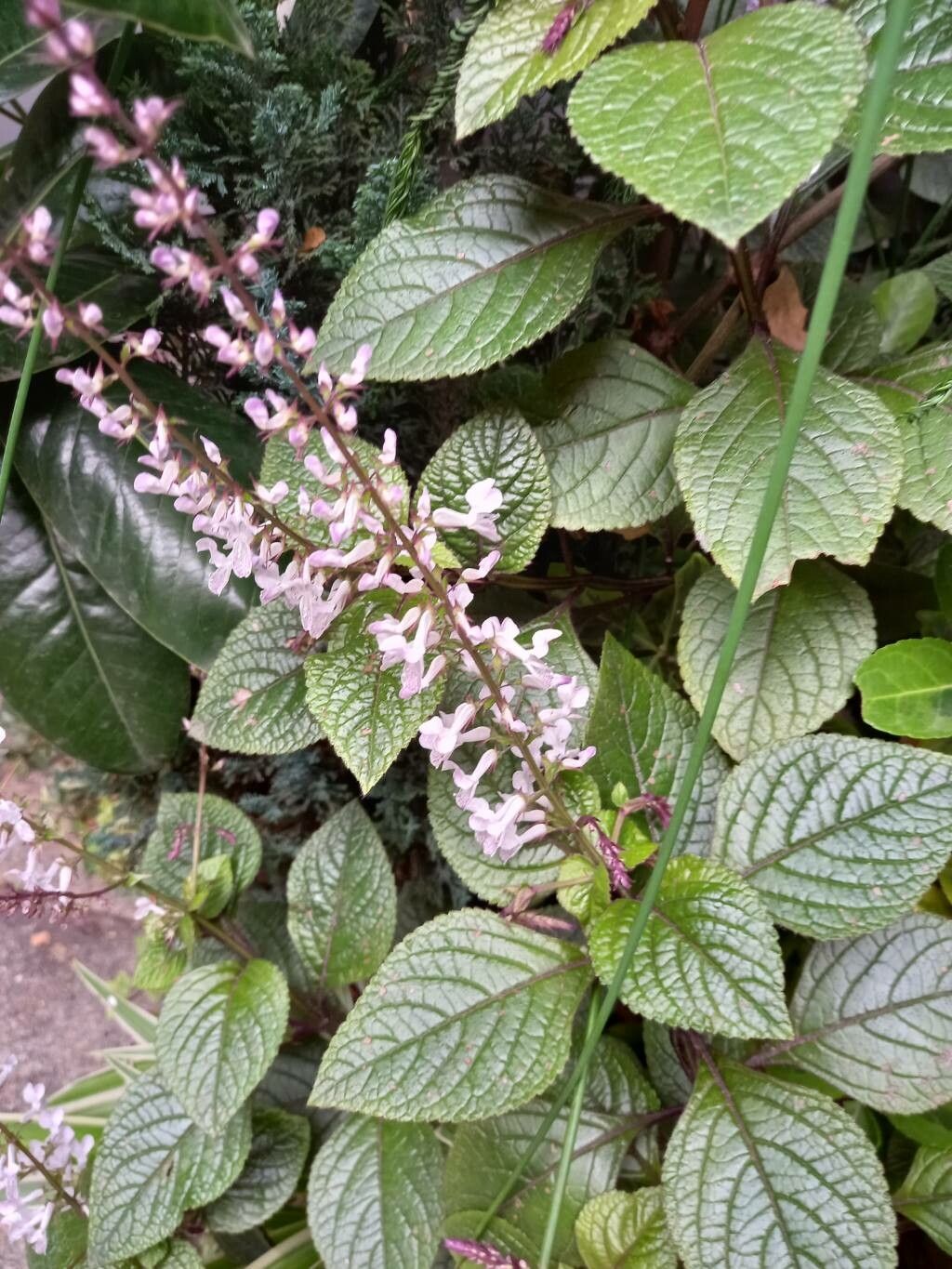
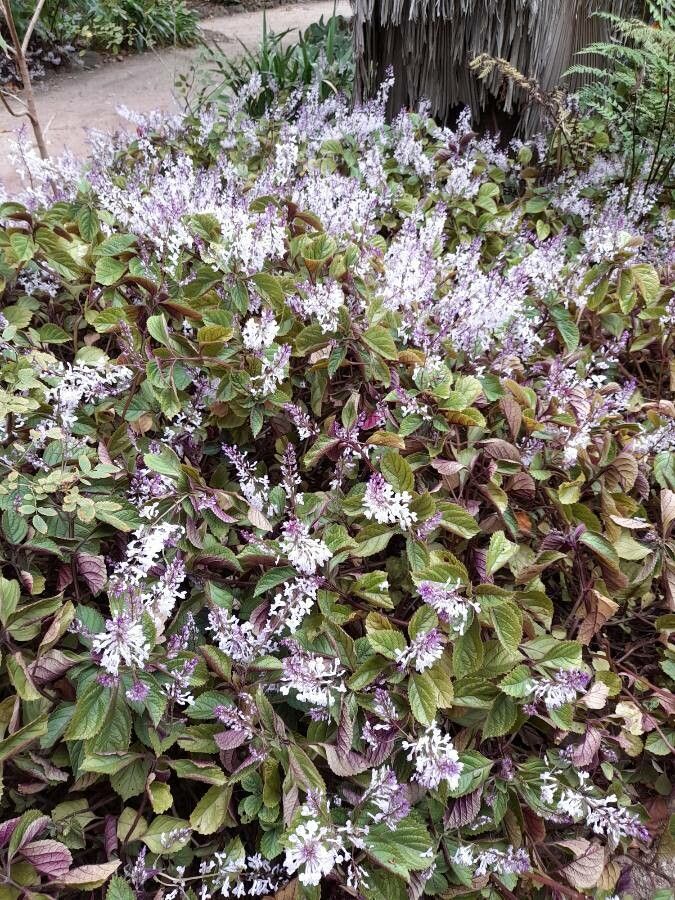
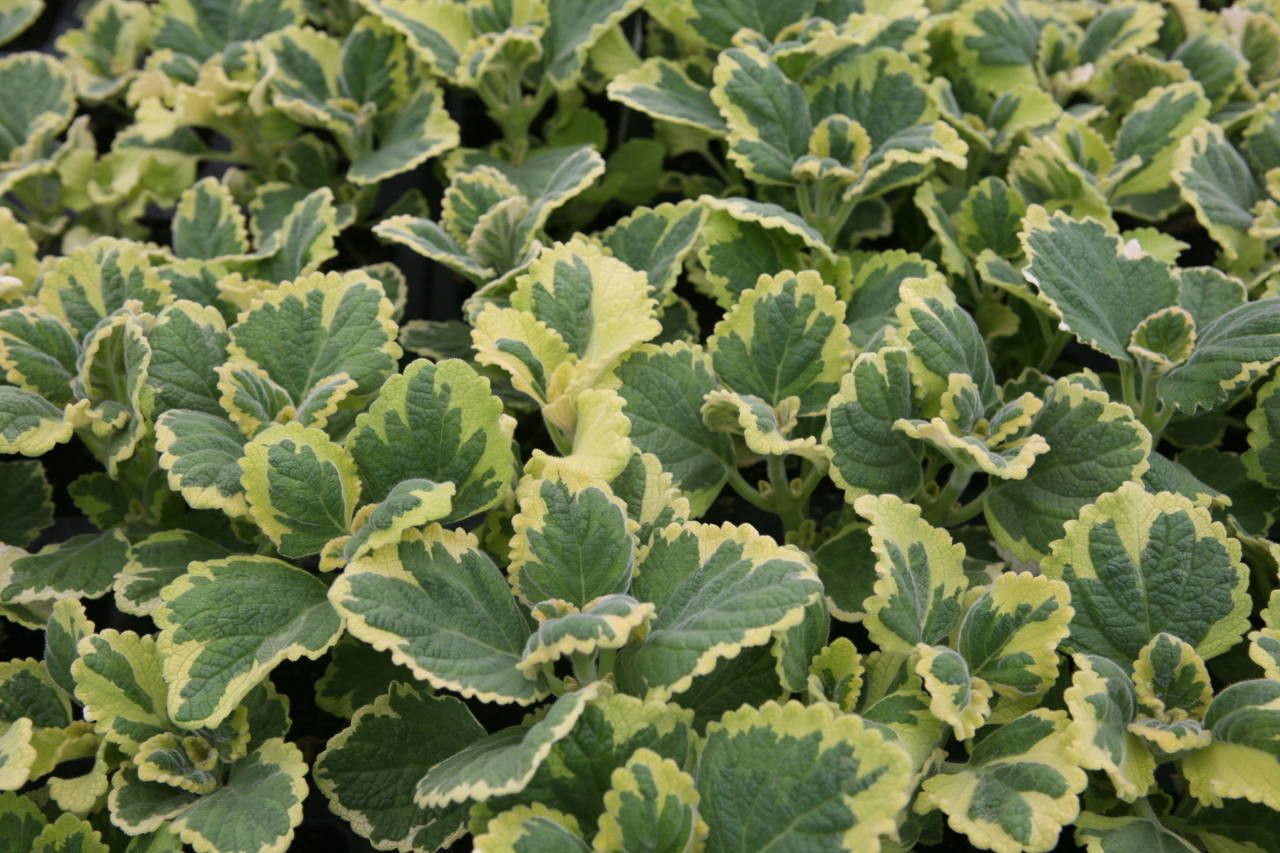
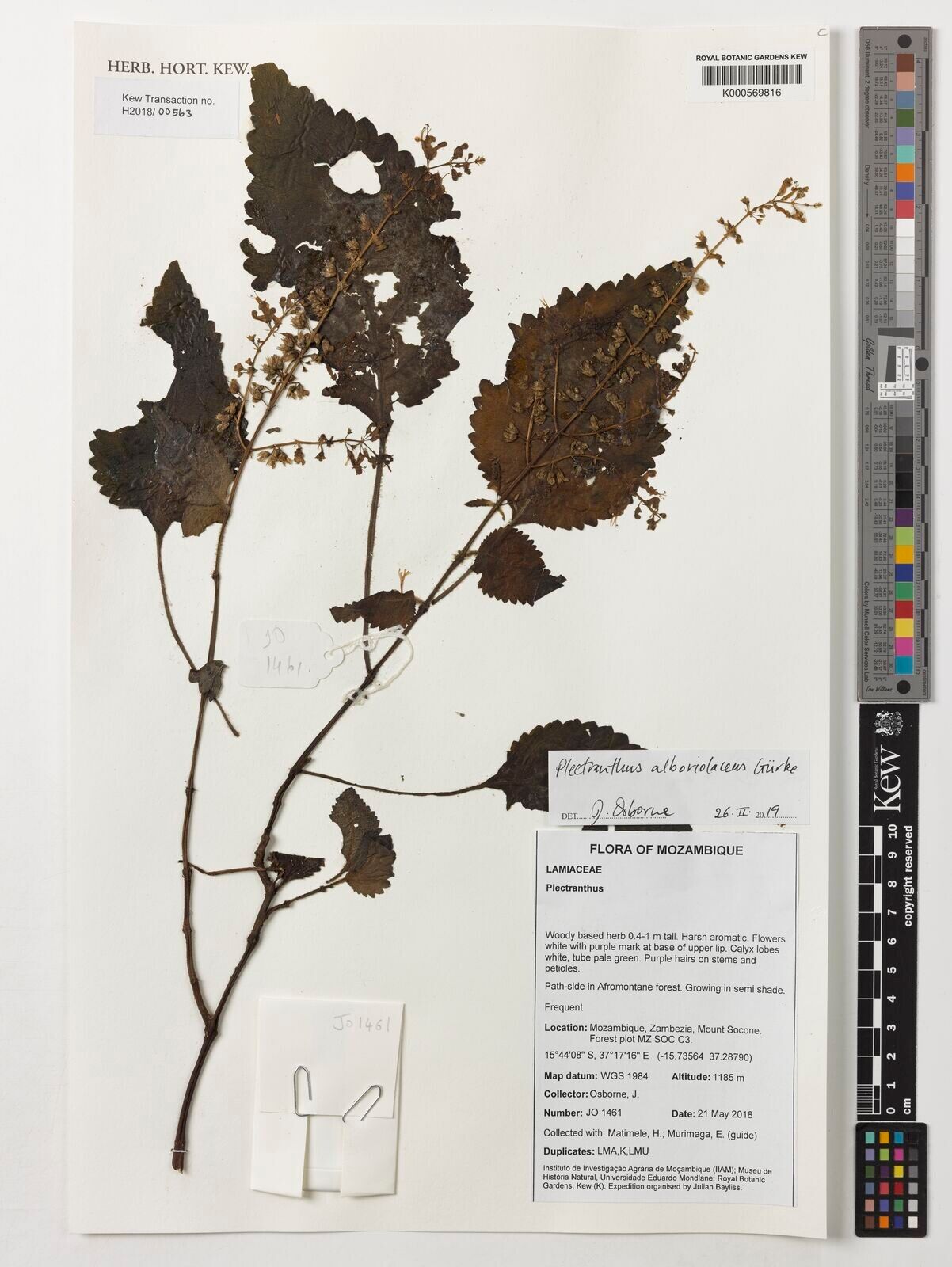
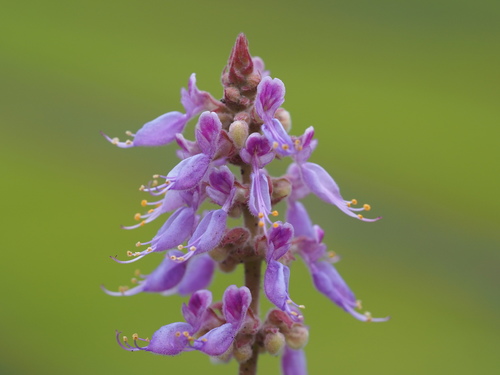
Plectranthus ciliatus, commonly known as the speckled spurflower or variegated Swedish ivy, is a popular ornamental plant that belongs to the mint family. Native to South Africa and Mozambique, it is widely cultivated for its attractive foliage. This plant has a trailing growth habit and features small, rounded leaves variegated in shades of green, white, and purple. The leaves are slightly hairy and have serrated edges.
Plectranthus ciliatus thrives in bright, indirect light and well-draining soil. It can be grown both indoors and outdoors in warm climates where temperatures do not fall below 50°F (10°C). The plant requires regular watering but should not be overwatered, as this can lead to root rot.
The speckled spurflower has several medicinal properties. It exhibits anti-inflammatory effects on skin conditions such as eczema and psoriasis when applied topically in oil form. Additionally, it can be used in aromatherapy to alleviate respiratory issues like asthma and bronchitis.
Overall, Plectranthus ciliatus is an easy-to-grow houseplant that adds a splash of color to any space with its unique foliage patterns. It also offers potential health benefits when used medicinally.
Speckled spur flower has good resistance to disease and is generally not prone to illnesses. However, it can be vulnerable to pests and diseases present in its surroundings. These infections are typically not severe. In terms of care, this plant requires a moderate level of maintenance. It should be pruned regularly to preserve an attractive appearance and support healthy growth. Fertilizing can also encourage flowering. Speckled spur flower is suitable for anyone who has outdoor space, such as a garden or patio, and does not demand much prior care experience. When grown indoors, it may need more attention.
How to keep Plectranthus Ciliatus.
Light
Speckled spur flower prefers environments with moderate light. It flourishes in places where it receives abundant diffused light, making it well adapted to its original habitat of forested areas with dappled light. Too little light can lead to leggy growth, while too much can scorch the leaves.
Water
The speckled spur flower, native to subtropical regions, flourishes in humid and shaded environments. It prefers consistent moisture and should be watered weekly. As an evergreen plant, it retains its foliage throughout the year and requires steady hydration to achieve optimal growth. This is especially important in indoor settings where conditions can be controlled.
Humidity
This plant will thrive in moderate humidity, which is probably the level in your home. However, misting it a few times a week can be very beneficial. Make sure the room has good ventilation.
Temperature
Speckled spur flower is indigenous to areas with mild climates and prefers temperatures of 68 to 100 °F (20 to 38 °C). Temperatures should be adjusted throughout the year according to the season. In colder periods, aim to maintain temperatures above 68 °F (20 °C).
Fertilizer
Appropriate fertilization is essential for the health and appearance of the Speckled spur flower. Fertilize the Speckled spur flower in summer, applying it monthly throughout the summer. Nutrients support growth and the maintenance of the plant's parts. Fertilization improves the Speckled spur flower's floral display, ensuring the best blooms.
Pruning
Speckled spur flower thrives with proper pruning, which is most beneficial from late winter to early spring. This timing encourages bushier growth and helps remove any dead branches. During the growing season, light pruning helps maintain the plant's shape and improves air circulation, both of which can reduce pest problems. Additionally, removing spent flowers promotes new blooms. To ensure the plant stays healthy and looks its best, always use clean, sharp tools when pruning.
Pot & Repot
To keep your speckled spur flower thriving, repot it every 2-3 years during the spring. Use a medium-sized pot with well-draining soil for best results. After repotting, provide moderate watering and place the plant in bright, indirect light. This care will help it recover and encourage healthy, lush growth of its beautifully patterned foliage.
Botanical profile.
- Plant Type
- Herb
- Life Cycle
- Perennial
- Genus
- Plectranthus
- Family
- Lamiaceae
- Hardiness Zone
- 10-11
- Mature Height
- 30 cm to 61 cm
- Mature Spread
- 46 cm to 61 cm
- Leaf Color
- Dark Green, Forest Green
- Leaf Type
- Evergreen
- Flower Color
- Lavender
- Flower Size
- 2.54 cm
- Bloom Time
- Mid summer, Late summer, Early fall, Mid fall
- Planting Time
- Spring, Summer, Autumn, Winter
- Harvest Time
- Fall, Early winter
- Native Area
- South Africa, Eswatini
Other names.
Reader questions.
How should I water my Speckled spur flower?
To properly water the Speckled spur flower, it's best to use filtered water at room temperature. Tap water may contain harmful particles, so filtering it is preferred. The plant is accustomed to warm environments, so cold water can be stressful for it. It's advisable to avoid watering from overhead as it can cause problems with the foliage. Instead, generously water the soil with your filtered room temperature water until it is completely soaked. This helps to keep the plant's roots hydrated and allows them to spread and absorb necessary nutrients from the soil.
Why should I put fertilizer on my Speckled spur flower?
Fertilizer and soil nutrients are like fuel for your Speckled spur flower's growth. Plants use these nutrients to develop new material and keep their existing components healthy. For the Speckled spur flower, fertilization is important to help it display its best flowers. Because the flowers are the main attraction, most gardeners want to make sure they look their best. Fertilization is a reliable way to help your Speckled spur flower produce beautiful blooms.
What kind of sunlight does the Speckled spur flower need?
To help your Speckled spur flower thrive indoors, it requires full, indirect sunlight. This means the plant needs to be in a spot where it receives bright sunlight that doesn't directly hit it from a window or other light source (e.g., grow lights). To shield it from direct sunlight, you can place a sheer curtain between the plant and the window or position it behind a part of the window covered by a dark screen.
What is the ideal temperature range for Speckled spur flower?
The Speckled spur flower thrives in mild climates, preferring a temperature range between 68 to 100 °F (20 to 38 °C). It is crucial to adjust care throughout the year depending on the season to maintain these optimal conditions. During colder periods, efforts should be made to keep the environment above 68 °F (20 °C) to foster proper growth and health of the plant.
What do I do if I give my Speckled spur flower too much or too little water?
Overwatering is a common issue for the health of your Speckled spur flower. It causes wilting, yellowing leaves, and can lead to root rot, mold, and mildew. Underwatering, although less common, can cause brittle, brown leaves. It's important to notice signs of overwatering early as some diseases may not be fixable if you wait too long. Reduce watering and replace poorly draining soil if necessary. If signs of underwatering are present, increase watering until the signs go away.
When should I fertilize my Speckled spur flower?
The Speckled spur flower has two main phases each year. The first is the dormant phase, which occurs during winter and involves minimal new growth. The second phase is the active growth phase, happening in spring and fall, when the plant requires more fertilization. To properly fertilize your Speckled spur flower, it's recommended to start in spring and repeat monthly throughout spring and most of the summer. As fall approaches, you can gradually decrease the fertilization rate.
How can I make sure the sun doesn't harm my new Speckled spur flower?
If you've just brought home a Speckled spur flower for the first time, it's recommended to gradually introduce it to sunlight instead of immediately placing it in bright, indirect light. Taking about two weeks, slowly transition your plant into the sunlight to prevent the leaves from getting shocked or burnt due to sudden intense light. By easing the plant into light, it will have a better chance of adapting well to your home environment.
How does Speckled spur flower react to cold temperatures, and what are the solutions?
Speckled spur flower is sensitive to low temperatures and performs best when the temperature remains above 20°C. It should be protected from cold, especially in winter, by ensuring the temperature stays above 5°C. Exposure to temperatures below 1°C can cause the leaves to lighten in color, and after frost damage, they may turn brown or black, exhibiting symptoms like wilting and drooping. The solution involves trimming off the frost-damaged parts and moving the plant to a warm indoors setting, ideally near a south-facing window for ample sunlight, avoiding placements near heaters or air vents to prevent air dryness.
How often do I need to water my Speckled spur flower?
If your Speckled spur flower is in a pot, the best way to check if it needs water is by sticking your finger in the soil. If the top two to three inches of soil are dry, then it's time to water it. If you have your Speckled spur flower planted outdoors, you can use the same method to test the soil. Again, if the top few inches of soil are dry, it's time to water it. Typically, during the spring and early fall, you'll need to water this plant about once a week using this method. However, when it gets extremely hot, you may need to water it twice or more per week. Nevertheless, mature and well-established Speckled spur flowers have an impressive ability to withstand drought.
When is it not a good idea to add fertilizer to my Speckled spur flower?
To support the growth of Speckled spur flowers without causing root burn, it is important to provide extra nutrients during the active growth phases in spring and summer. However, it is advisable to cease fertilizing during the plant's dormancy stage in the fall and winter.
How do I know if Speckled spur flower is getting too much light?
The Speckled spur flower is sensitive to excessive sunlight and can get sunburned easily. In its natural habitat, these plants are accustomed to receiving gentle, filtered light from trees. While they do require more light to grow indoors, too much can be harmful. Signs that your Speckled spur flower is getting too much light include faded or pale foliage, yellow or brown crispy leaf tips, and rapid growth without proper support.
What should be done if a Speckled spur flower is exposed to high temperatures?
During the summer, it is essential to monitor the Speckled spur flower and ensure that temperatures do not exceed 38°C. High temperatures above 43°C can cause the leaves to lighten and increase the risk of sunburn. To alleviate damage, trim away sunburned or dried parts of the plant and relocate it to a spot that offers protection from the intense midday and afternoon sun. Additionally, watering the plant in the morning and evening will help keep the soil adequately moist and support the plant's health under high temperature conditions.