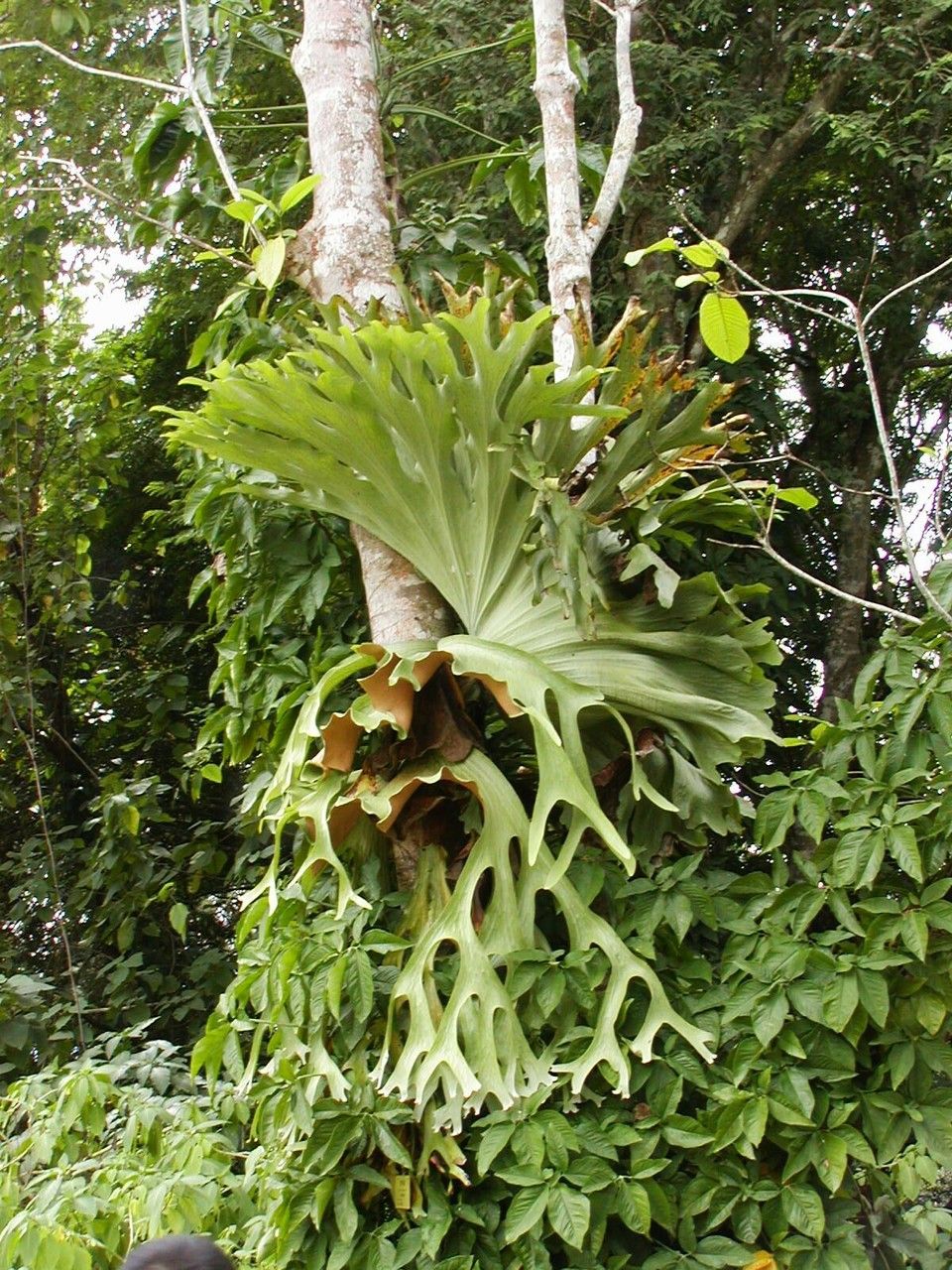
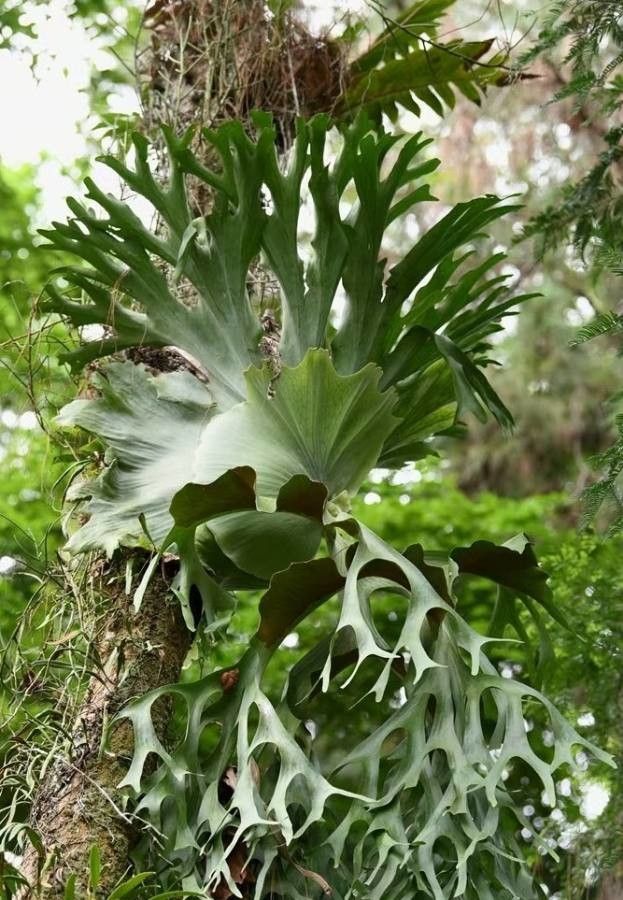
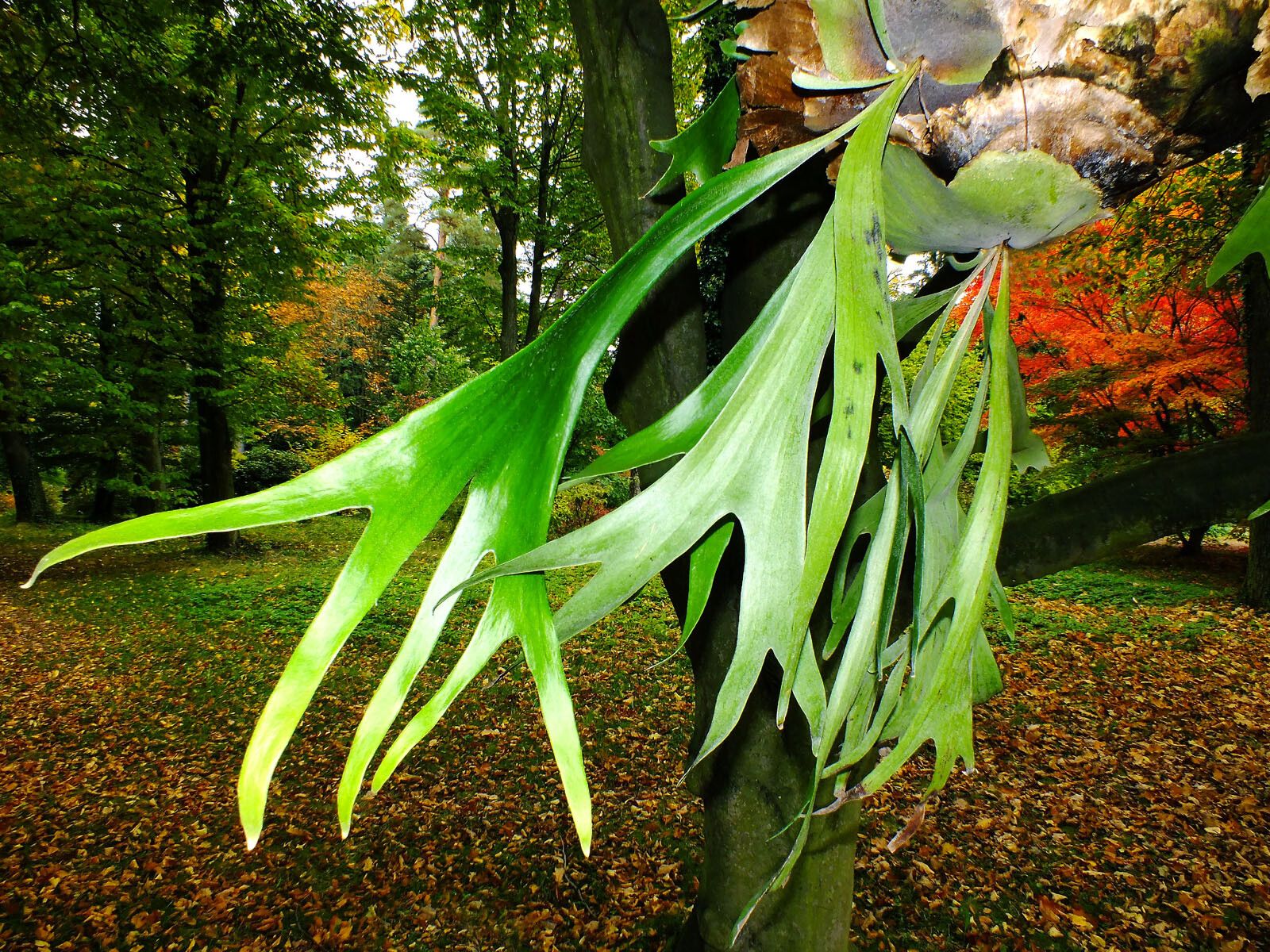
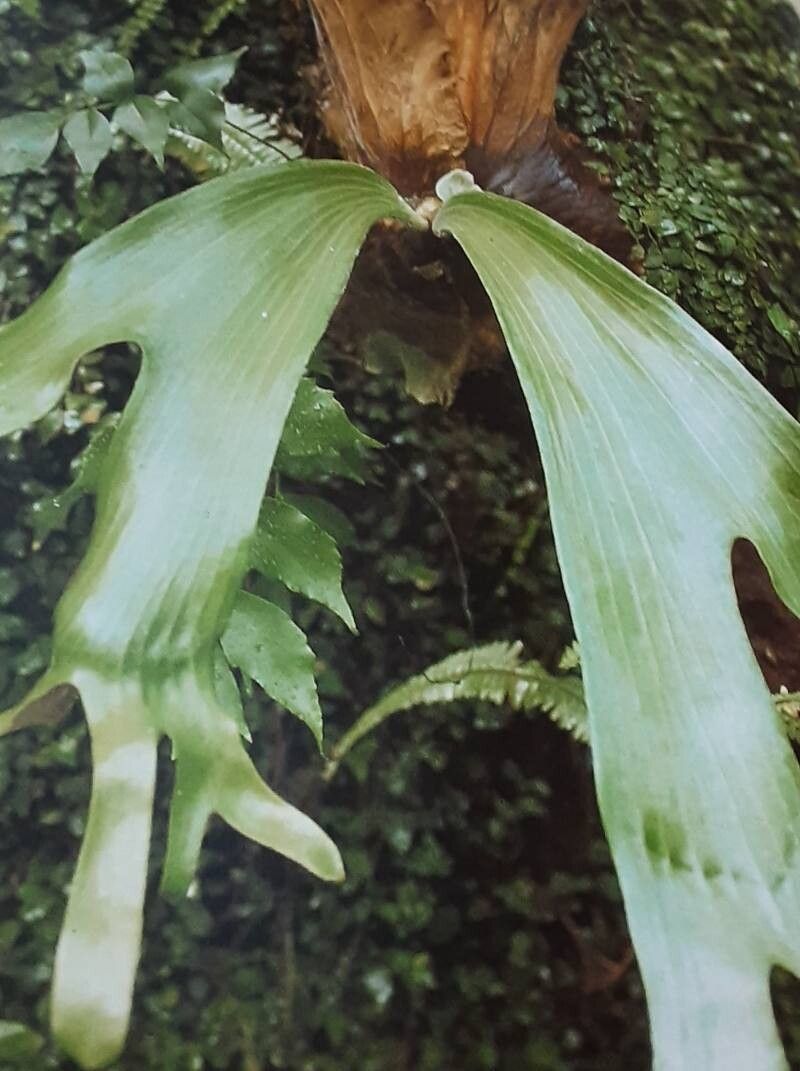
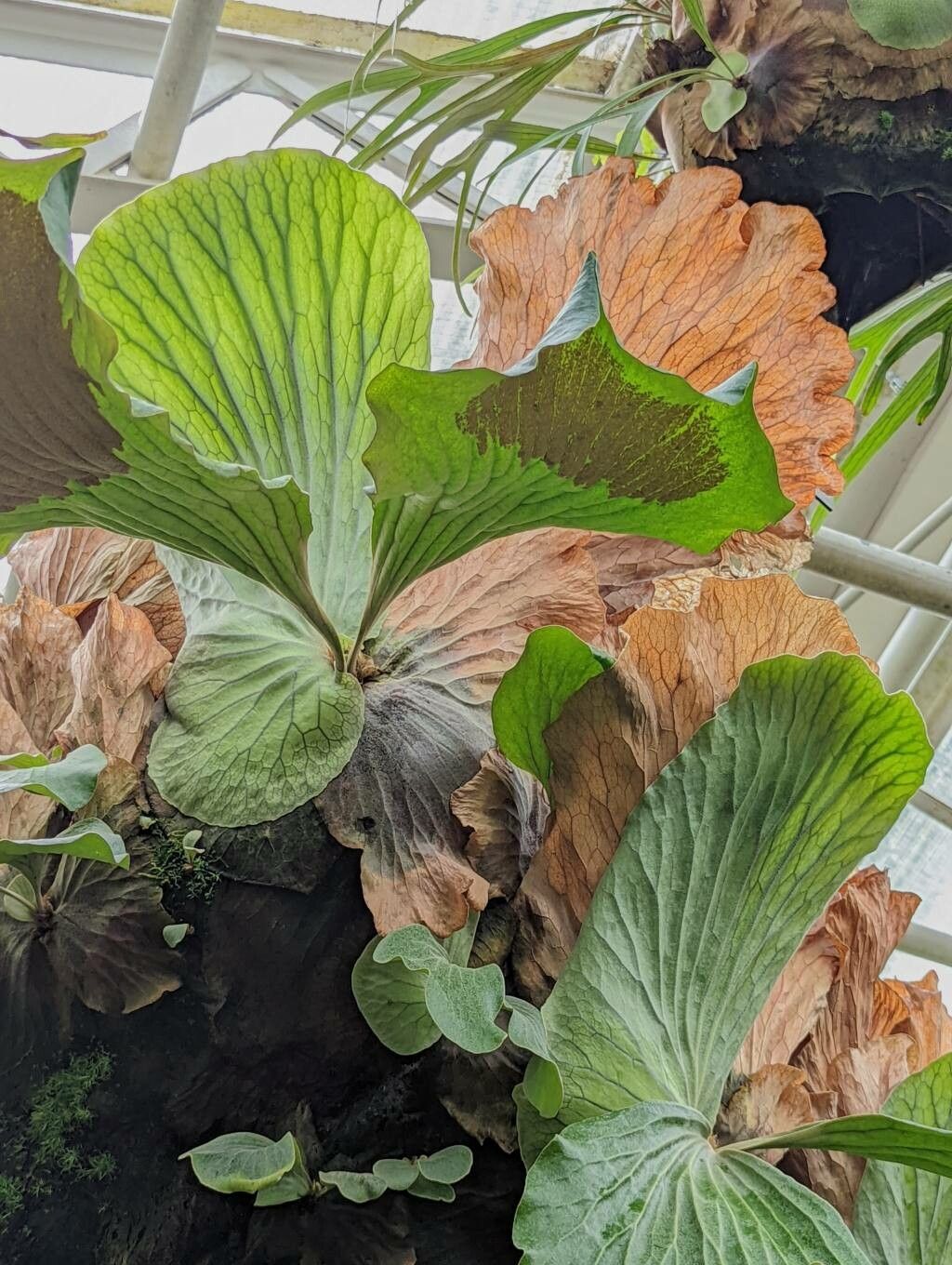
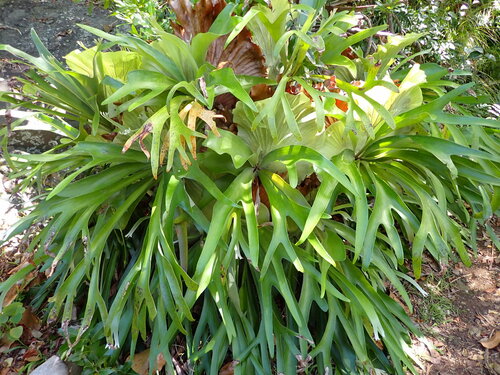
Indian staghorn is fairly disease-resistant and generally not prone to illnesses. However, it can be susceptible to pests and diseases present in its surroundings, and these infections are usually not severe. In terms of care, this plant needs moderate maintenance. It should be pruned regularly to maintain a good appearance and healthy growth. Fertilizing can also help encourage flowering. Indian staghorn is suitable for anyone with outdoor space, such as a garden or patio, and does not require much prior care experience. It may demand more attention when grown indoors.
How to keep Platycerium Wallichii.
Light
Indian staghorn does best when largely shielded from direct sunlight and can tolerate dappled light. Native to sheltered habitats like dense forests, it copes well with low light. However, too little or too much light can hinder its growth. Excessive exposure may cause leaves to dry, while insufficient light can result in unthrifty growth.
Water
The Indian staghorn fern thrives in humid conditions similar to those found in its tropical rainforest origins. It prefers substrates that are kept evenly moist and requires weekly watering to prevent drying out. When grown indoors, regular misting is beneficial to help replicate its natural environment.
Humidity
This plant needs special care because it loves high humidity levels of 60-80% or more. The best way to achieve this is by placing a humidifier near the plant. Daily misting is also essential! Make sure the room has good ventilation.
Temperature
Indian staghorn originates from a temperate climate and thrives at temperatures of 68 to 100 °F (20 to 38 ℃). It prefers warm conditions and needs regular temperature monitoring across seasons, particularly if the climate becomes significantly cooler.
Fertilizer
The Indian staghorn needs the most fertilizer during its active growth period, which takes place mainly in spring, summer, and early fall. Fertilization supplies essential nutrients the soil may be lacking, supporting healthy root and stem growth and enhancing the attractive foliage that is a hallmark of this plant.
Pruning
The Indian staghorn, known for its antler-like fronds, thrives when pruned between early and late spring. By removing damaged fronds, you can improve the plant's health and appearance. However, be careful not to over-prune, as this can stress the plant. Proper pruning encourages better air circulation and protects the root ball.
Pot & Repot
Repot the Indian staghorn every 2 to 3 years in the spring or early summer to promote optimal growth. Select a container that is slightly larger than the previous one, and ensure the plant receives indirect light and consistent humidity. Indian staghorns thrive in spacious pots and need gentle care after repotting to adjust successfully.
Botanical profile.
- Plant Type
- Herb
- Life Cycle
- Perennial
- Genus
- Platycerium
- Family
- Polypodiaceae
- Hardiness Zone
- 9-12
- Mature Height
- 46 cm to 61 cm
- Mature Spread
- 61 cm to 91 cm
- Leaf Color
- Forest Green, Dark Green
- Leaf Type
- Evergreen
- Flower Color
- White
- Planting Time
- Spring, Summer, Autumn
- Native Area
- India, Vietnam, Myanmar, Bangladesh, Thailand, China
Reader questions.
What are the sunlight requirements for Indian staghorn?
Indian staghorn requires specific conditions when it comes to sunlight exposure. It thrives best in full shade, which means less than 3 hours of direct sunlight daily, or in partial sun, receiving about 3-6 hours of sunlight. Observing how sunlight moves through your garden will help you choose the ideal spots that offer a balance of light and shade, ensuring your plants flourish.
What is the ideal climate for Indian staghorn?
Indian staghorn, or Platycerium wallichii, thrives in a moderate climate with temperatures ranging from 68 to 100°F (20 to 38°C). It is a plant that loves warm conditions and requires attention to temperature fluctuations across the seasons. During cooler periods, particularly in autumn, it is advised to bring outdoor-grown Indian staghorn indoors, positioning it near a bright window but away from direct heat sources. Keeping the temperature consistently above 20°C during winter promotes healthy growth. Temperatures nearing or dropping to 0°C can adversely affect the plant.
What are the essential care tips for Indian staghorn?
The Indian Staghorn thrives under conditions that mimic its natural habitat, which usually involves substantial cover from direct sunlight, coping well even with dappled light found in dense forests. For indoor Indian staghorns, artificial lighting can be used to supplement natural sunlight, especially in less sunny locales or during winter. LED lights are recommended for their ability to mimic the sunlight's spectrum, aiding in healthier growth. Full sun plants typically need 30-50W/sq ft, partial sun plants 20-30W/sq ft, and full shade plants 10-20W/sq ft of artificial light. The artificial light source should be placed 12-36 inches above the plant for optimal growth, ensuring it receives 8-12 hours of light per day.
How does low temperature affect Indian staghorn and what are the solutions?
Indian staghorn prefers warm temperatures and does not tolerate cold well, with optimal growth above 20°C. Exposure to temperatures below 0°C or worse, below -5°C, can cause the leaves to lighten, indicating frost damage. Subsequently, the affected parts may turn brown or black as the plant exhibits wilting or drooping. To combat such damage, trim off the frost-bitten areas and bring the plant into a warm location, ideally near a south-facing window to ensure it gets enough sunlight. It's crucial to avoid placing the plant too close to heaters or air conditioners to prevent the air from becoming too dry.
What symptoms indicate improper lighting for Indian staghorn?
Improper lighting can cause several symptoms in Indian staghorn. If the plant is receiving too little light, you may notice smaller leaves, leggy or sparse growth, faster leaf drop, slower or no new growth, and lighter-colored or chlorotic new leaves. Exposure to excessive sunlight can lead to chlorosis, sunscald, leaf curling and wilting, as well as leaf scorching. These symptoms highlight the importance of providing the right amount of light to maintain plant health.
What should be done if Indian staghorn is exposed to high temperatures?
During high-temperature periods, especially in summer, it's important to ensure that Indian staghorn does not remain in conditions exceeding 38°C. Exposure to temperatures above 43°C can cause the leaves to lighten and increase the risk of sunburn. To address heat damage, prune away the sunburned and dried parts of the plant. Relocate the plant to an area with shade, particularly during the intense midday and afternoon sun, to prevent further sun damage. Additionally, water the plant during the cooler morning and evening hours to maintain soil moisture and prevent drought stress.
How can I address lighting issues for my Indian staghorn?
To address lighting issues for your Indian staghorn, start by identifying the best spot that offers the right amount of sunlight. For indoor plants, moving them 1-2 meters away from a window to receive ample filtered light, including brief periods of direct morning sunlight, is ideal. If the plant is large or not easily movable, using artificial light sources like desk or ceiling lamps for at least 8 hours daily or investing in professional plant grow lights can be beneficial. For outdoor plants, gradually adapting them to sunlight by moving them to a sunnier location each week can prevent sunburn. Reducing obstructions such as pruning trees that block sunlight or transplanting smaller plants during their dormant period to more sunlit areas can also improve light exposure. Note that parts of the plant affected by insufficient sunlight may not recover completely, but new growth should be healthy with increased light exposure.