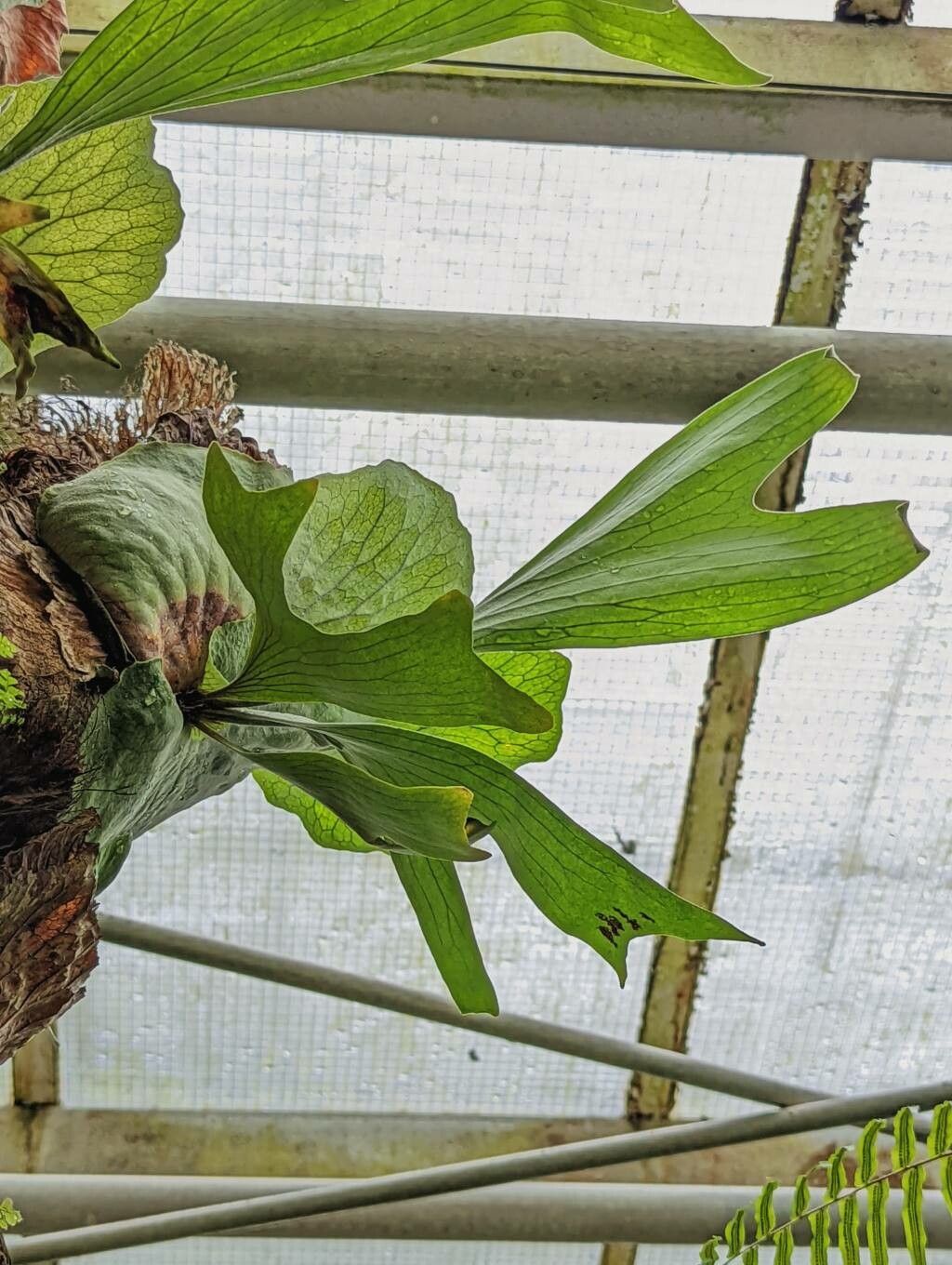
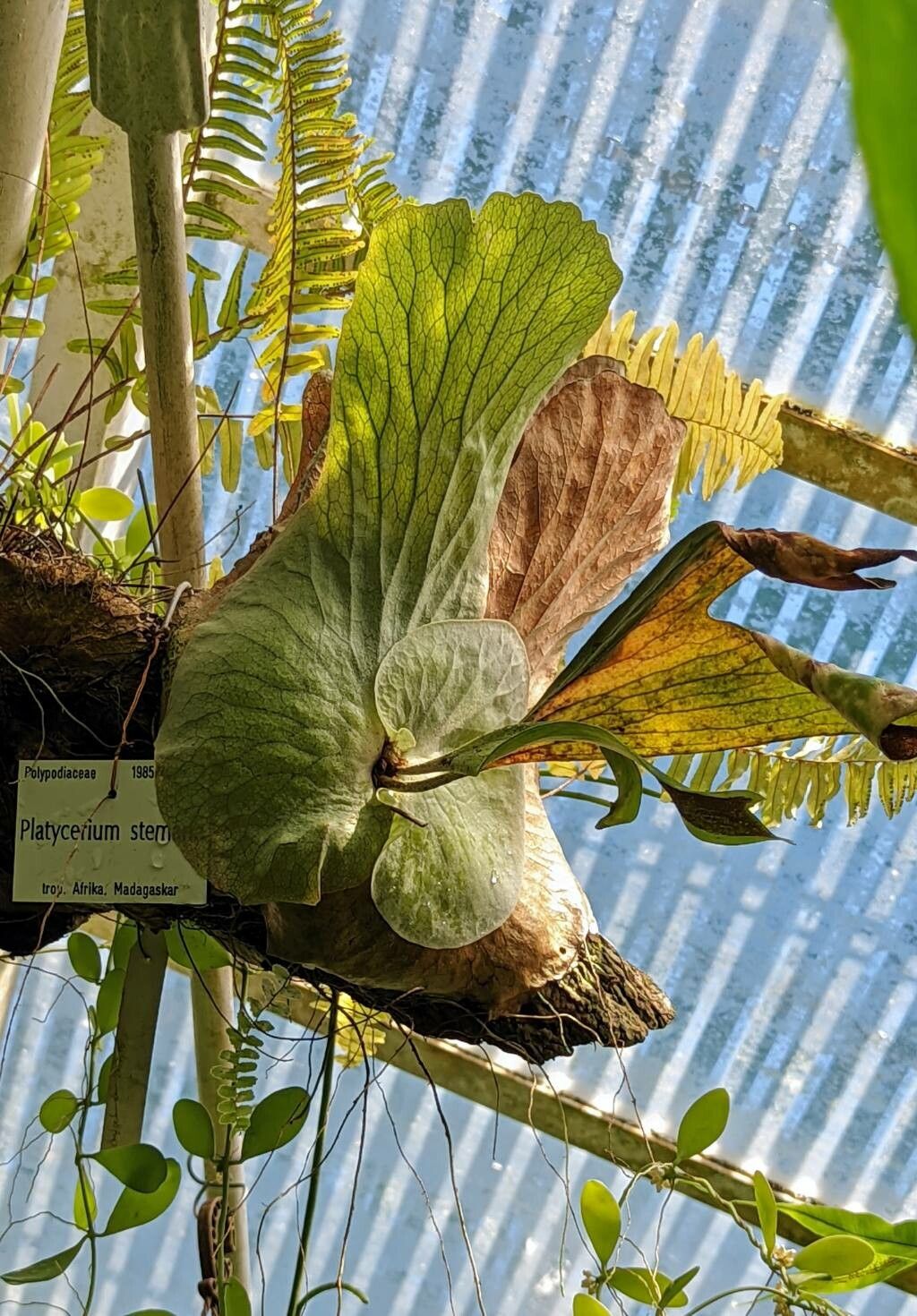
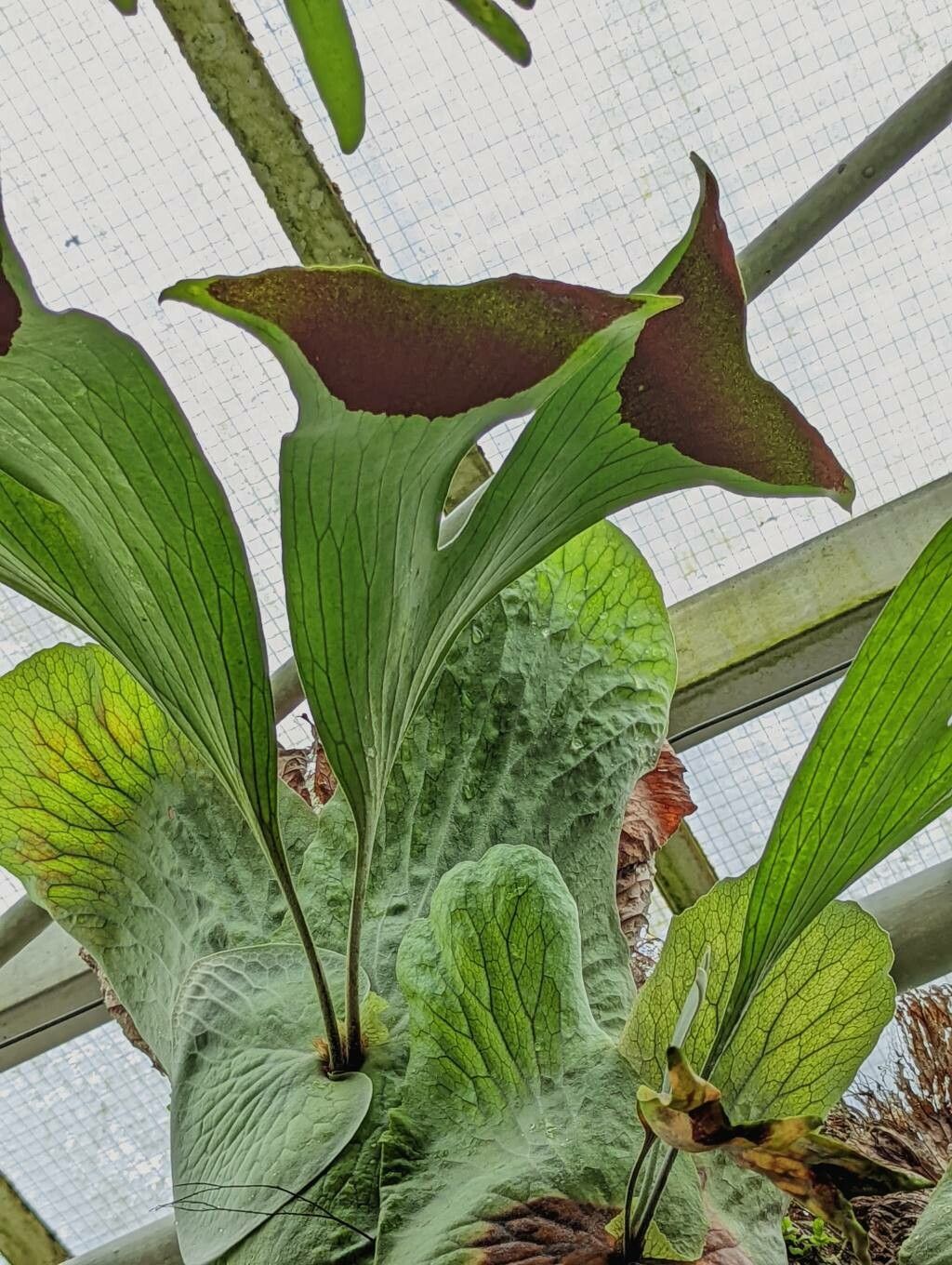
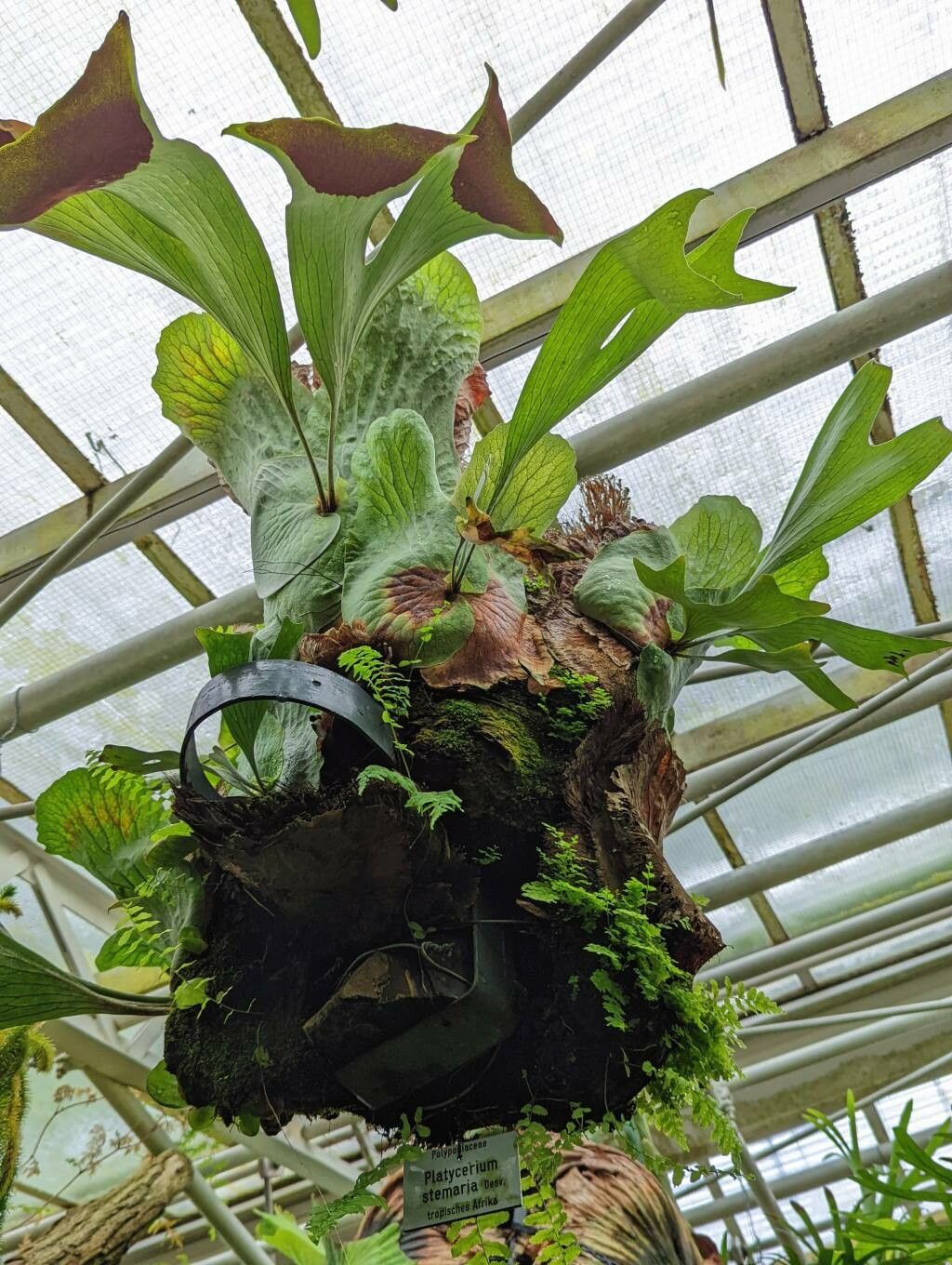
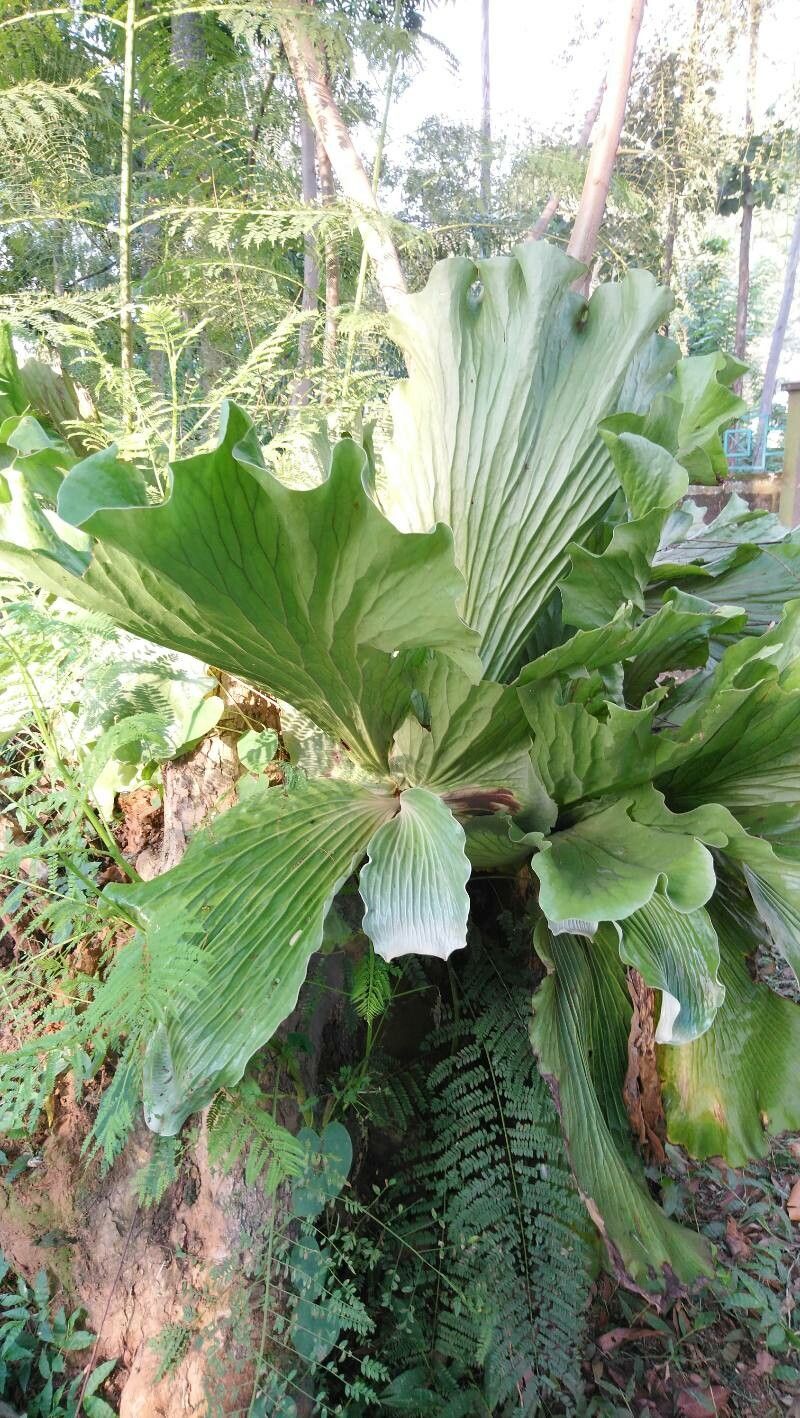
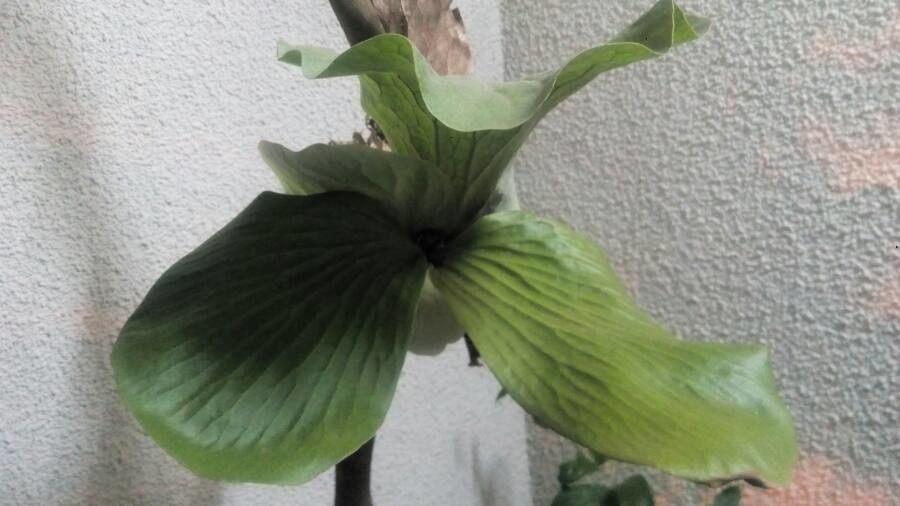
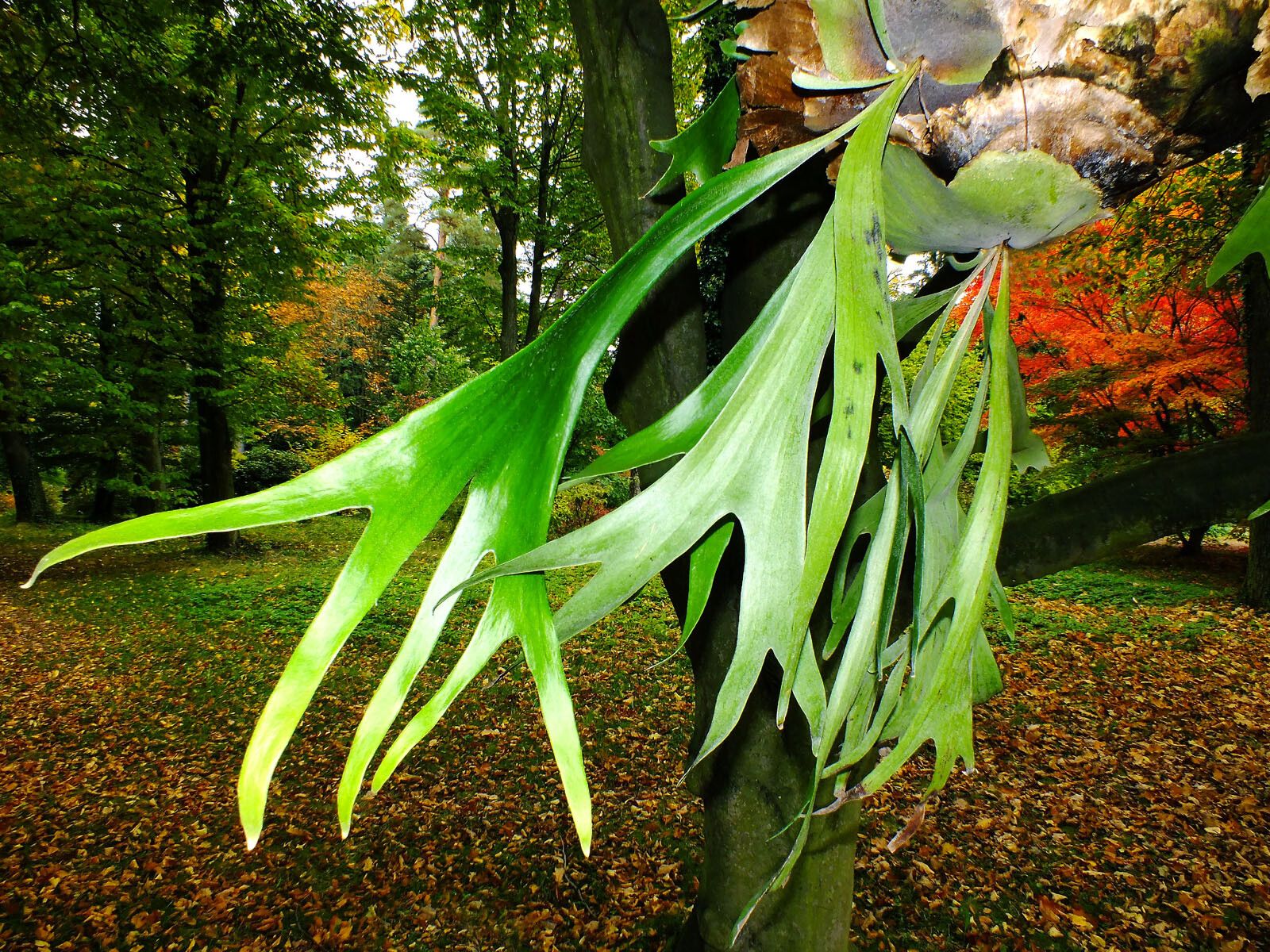
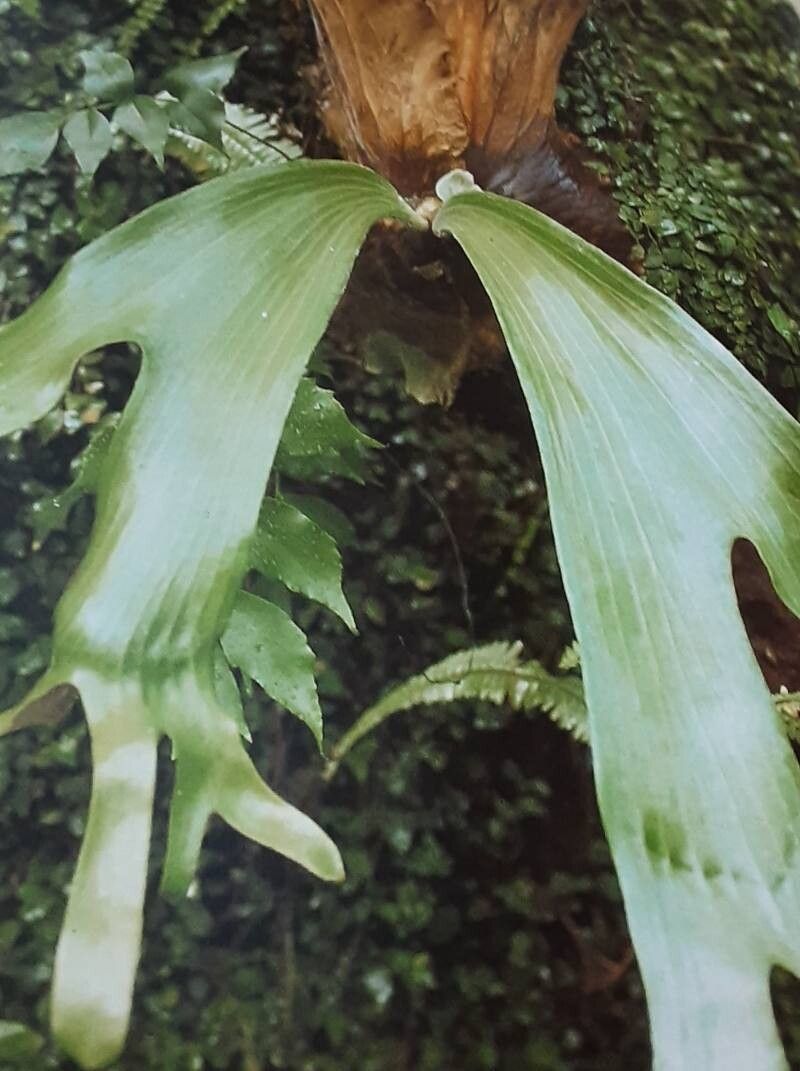
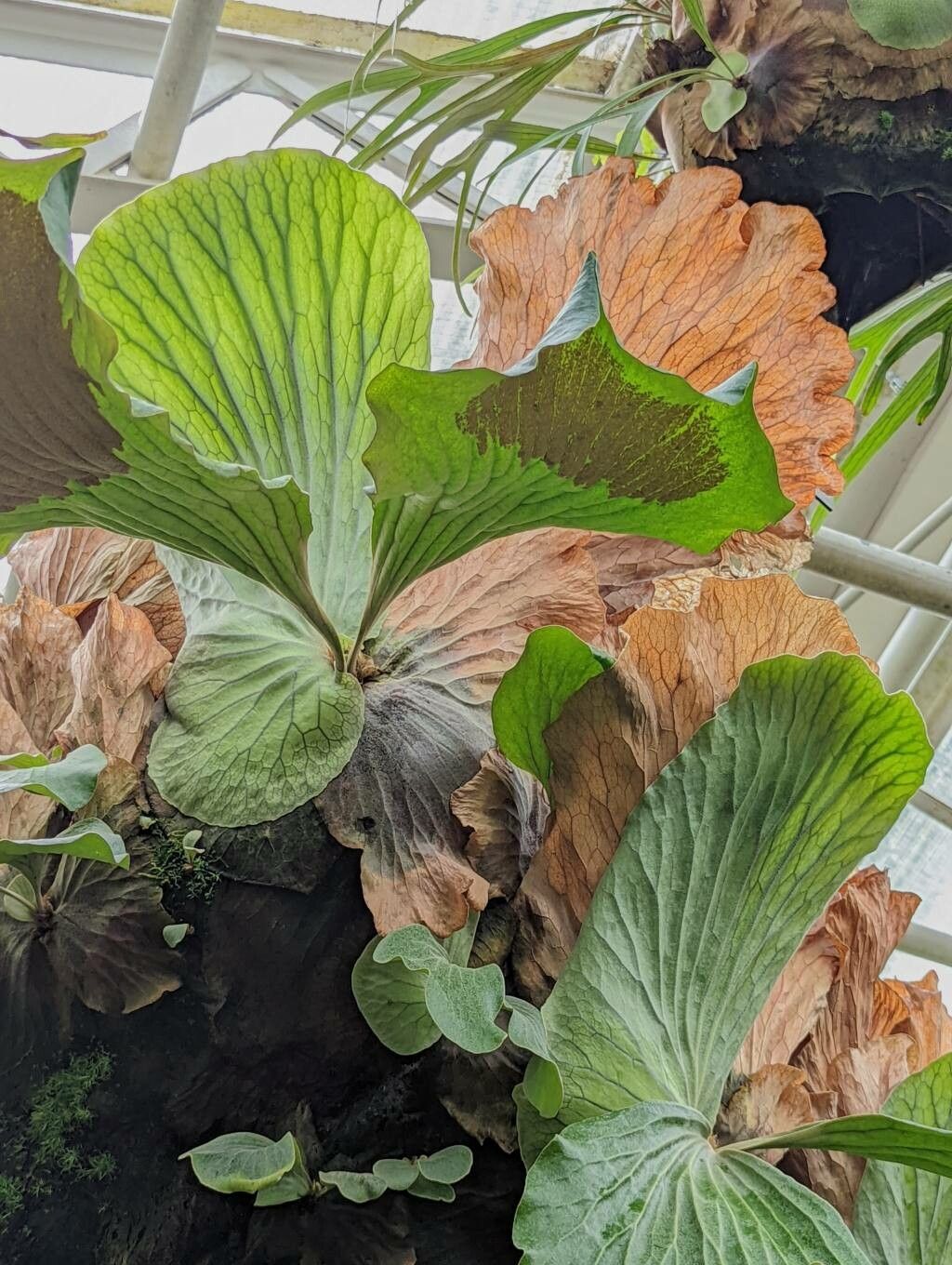
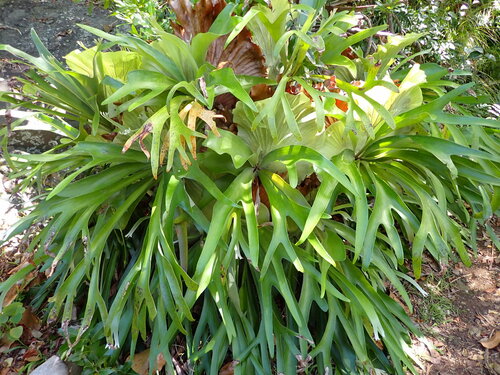
triangle staghorn fern generally has good resistance to disease and faces relatively few insect pests. Its care is considered difficult, since it requires a moist environment and frequent watering. However, its roots are prone to rotting if overwatered or if the environment is not well ventilated. triangle staghorn fern is suitable for people with some growing experience, as most people can keep it alive for a certain amount of time. However, triangle staghorn fern may struggle to thrive and its leaves can dry out and become less healthy over time.
How to keep Platycerium Stemaria.
Light
The triangle staghorn fern comes from habitats such as forest understories or rocky areas that provide natural shade. Its preferred light condition is Full Shade, though it can tolerate Partial Sun.
Water
Platycerium stemaria needs proper watering but is sensitive to being overwatered. In warmer months, water it once a week when the soil is dry and the fronds look wilted. During winter, reduce watering to twice a month. Keep the humidity level up, and only mist the new leaves. Avoid misting the dark, dry leaves, as these are responsible for producing spores.
Temperature
triangle staghorn fern comes from tropical areas, where the climate is usually warm and humid. Consequently, it is adapted to high temperatures and humidity. It does not tolerate sudden temperature changes and prefers a steady temperature, so avoiding indoor temperature fluctuations is important. It generally cannot withstand cold and needs warmer conditions to grow. If the surrounding temperature falls too low, the plant may stop growing or even die.
Pruning
Platycerium stemaria boasts distinctive, antler-like fronds. To keep your plant healthy and well-shaped, it is best to prune it in early spring. Use clean, sharp tools to carefully remove dead fronds. This practice not only promotes growth but also enhances air circulation and helps prevent fungal infections. Pruning at this time aligns with the plant's growth cycle, minimizing stress and ensuring optimal health.
Botanical profile.
- Plant Type
- Fern
- Life Cycle
- Perennial
- Genus
- Platycerium
- Family
- Polypodiaceae
- Hardiness Zone
- 10-12
- Mature Height
- 49 cm to 91 cm
- Mature Spread
- 0.61 m to 1.22 m
- Leaf Color
- Forest Green, Olive Drab
- Leaf Type
- Evergreen
- Planting Time
- Spring, Summer, Autumn
- Native Area
- Angola, Sudan, Madagascar, Nigeria, Guinea, Gabon, Guinea-Bissau, Kenya, Uganda, Tanzania, Zimbabwe, Benin, Central African Republic, Sierra Leone, Equatorial Guinea, Cameroon, Liberia, Mozambique, Ghana, Senegal, Côte d'Ivoire, Congo (DRC), Congo
Other names.
Reader questions.
What are the sunlight requirements for Platycerium stemaria?
Platycerium stemaria, also known as Platycerium stemaria, thrives under specific sunlight conditions. For 'Full shade,' it requires less than 3 hours of sunlight per day. When it comes to 'Partial sun,' about 3-6 hours of sunlight daily is optimal. It's important to observe the way sunlight moves through your garden throughout the day. Finding the perfect balance of light and shade is crucial for the happiness and health of your Platycerium stemaria.