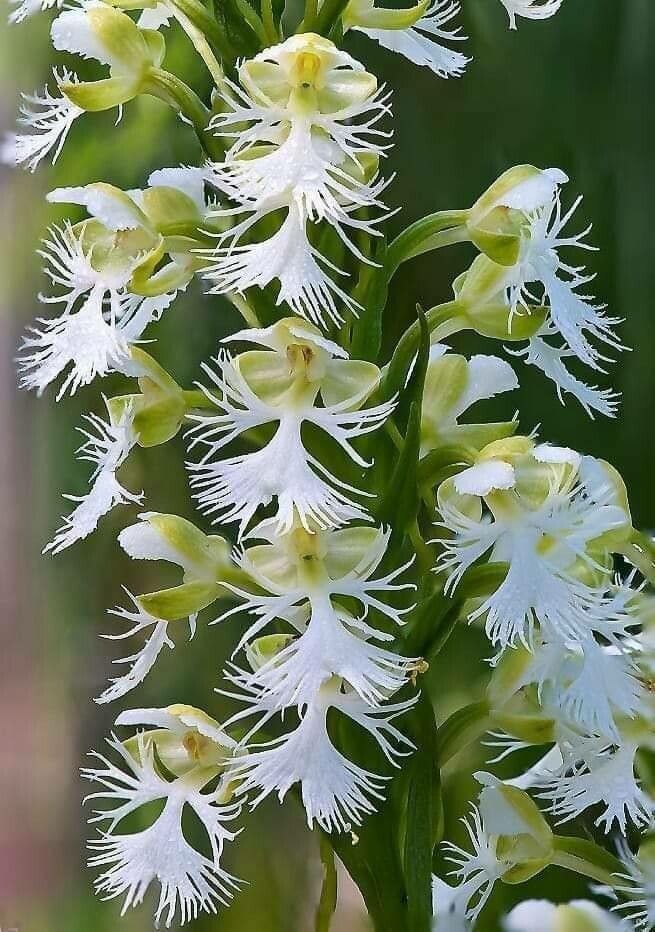
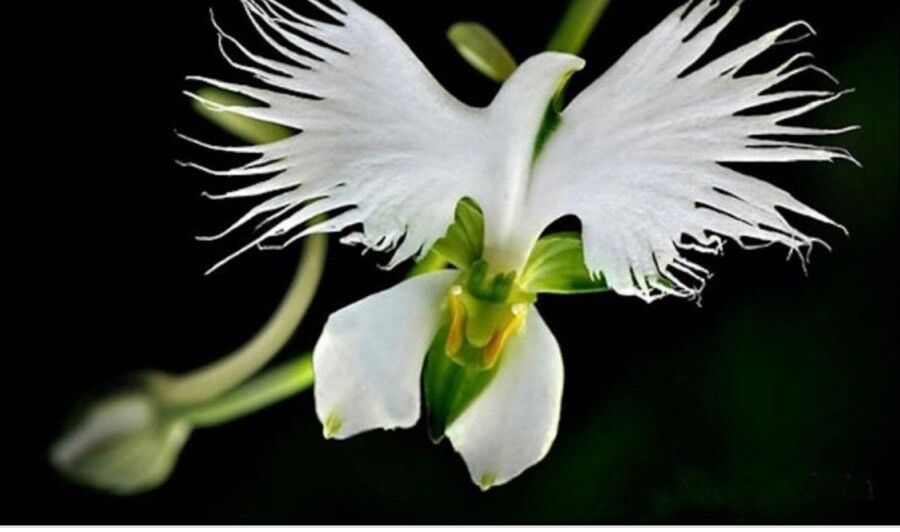
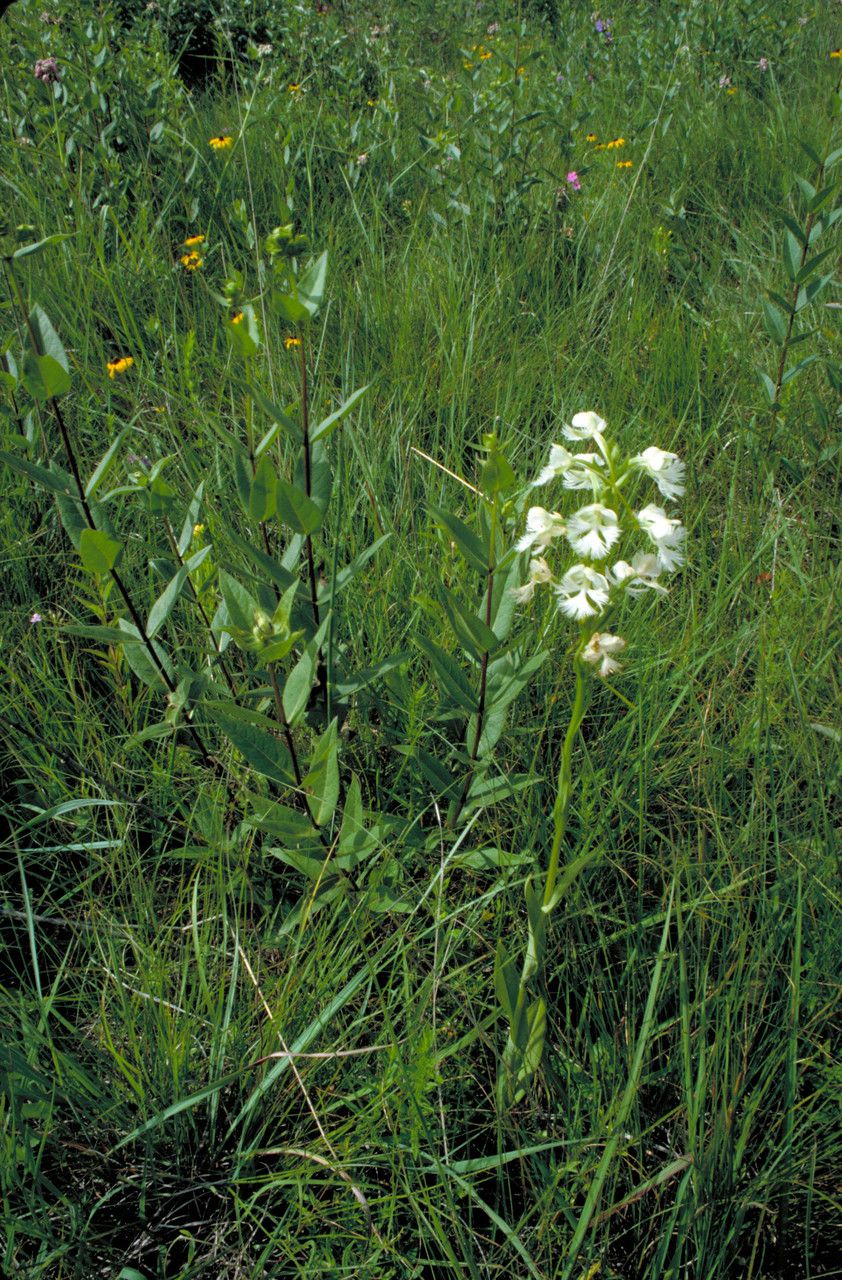
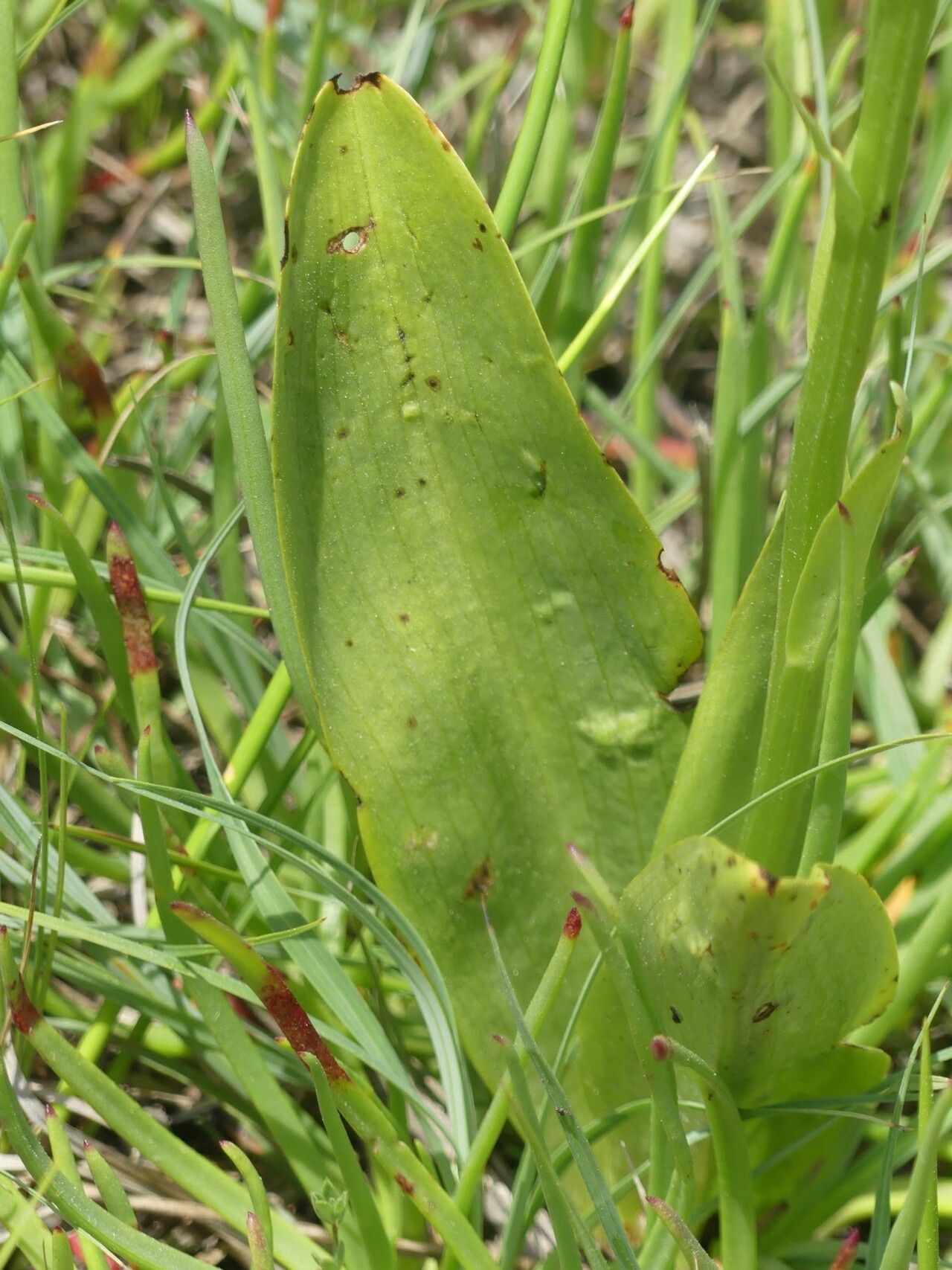
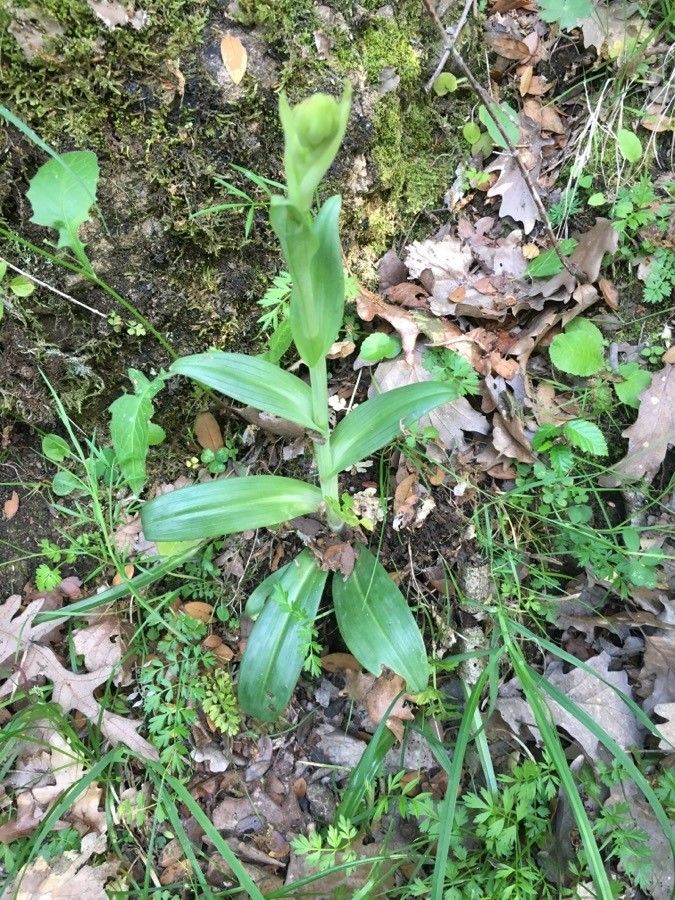
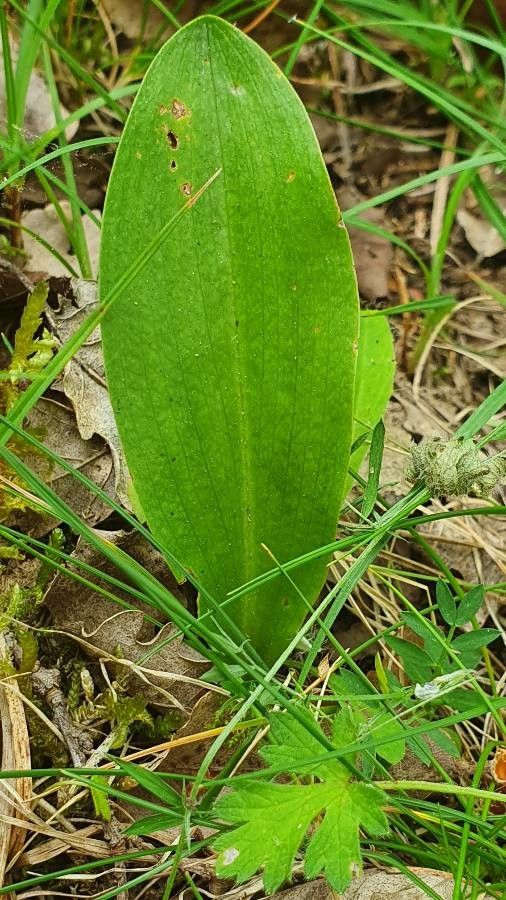
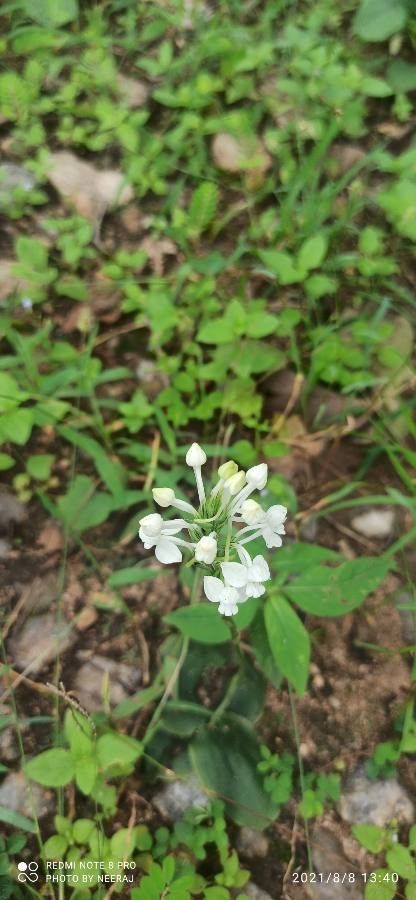
Platanthera leucophaea, commonly known as the prairie white fringed orchid or eastern prairie fringed orchid, is a rare species of orchid native to North America. It is listed as a threatened species in the United States on September 28, 1989. The IUCN does not currently recognize it as being at risk.
Prairie white fringed orchid typically exhibits strong resistance to disease and encounters relatively few insect pests. Its care is considered challenging because it needs high humidity together with good ventilation and minimal harmful pathogens. Too much watering can cause root rot. Although anyone can grow the Prairie white fringed orchid, more experience is required to keep it healthy and to get it to bloom again.
How to keep Platanthera Leucophaea.
Light
Prairie white fringed orchid occurs naturally in habitats like forest understories or rocky sites, where it grows in natural shade. It prefers partial sun but can tolerate full sun or full shade, showing that it is adaptable and hardy.
Temperature
Prairie white fringed orchid can tolerate a broad range of temperatures, though its distribution may still be constrained by different combinations of water and heat. It does best in warm summers with sufficient rainfall or watering. Extended periods of cloudy, rainy weather and prolonged high temperatures can raise the chance of the Prairie white fringed orchid dying. In winter, adequate protection from cold can increase the plant’s survival rate.
Fertilizer
The best time to fertilize a Prairie white fringed orchid is in early spring, when it is coming out of dormancy and beginning active growth. Fertilization supplies essential nutrients for healthy development. Although the Prairie white fringed orchid has relatively low fertilizer requirements, giving it fertilizer once a year can improve its survival and encourage better, longer-lasting flowers.
Pruning
The prairie white fringed orchid benefits greatly from early spring pruning, which is crucial for its blooming cycle. Important practices include removing dead stems and spent flowers to boost its vitality and prevent disease. Using sterilized tools is essential to minimize the risk of infection. Pruning not only improves the plant's appearance but also enhances air circulation.
Botanical profile.
- Plant Type
- Herb
- Life Cycle
- Perennial
- Genus
- Platanthera
- Family
- Orchidaceae
- Hardiness Zone
- 3-7
- Mature Height
- 30 cm to 91 cm
- Mature Spread
- 15 cm to 30 cm
- Leaf Color
- Green
- Leaf Type
- Deciduous
- Flower Color
- White, Yellow, Green
- Flower Size
- 1.02 cm to 2.03 cm
- Bloom Time
- Early summer, Mid summer
- Planting Time
- Spring, Autumn
- Harvest Time
- Late summer, Early fall
Other names.
Reader questions.
What is the Prairie white fringed orchid?
The Prairie white fringed orchid, known botanically as Platanthera leucophaea, is a species of orchid. There is no additional information provided on its essentials or symptoms.