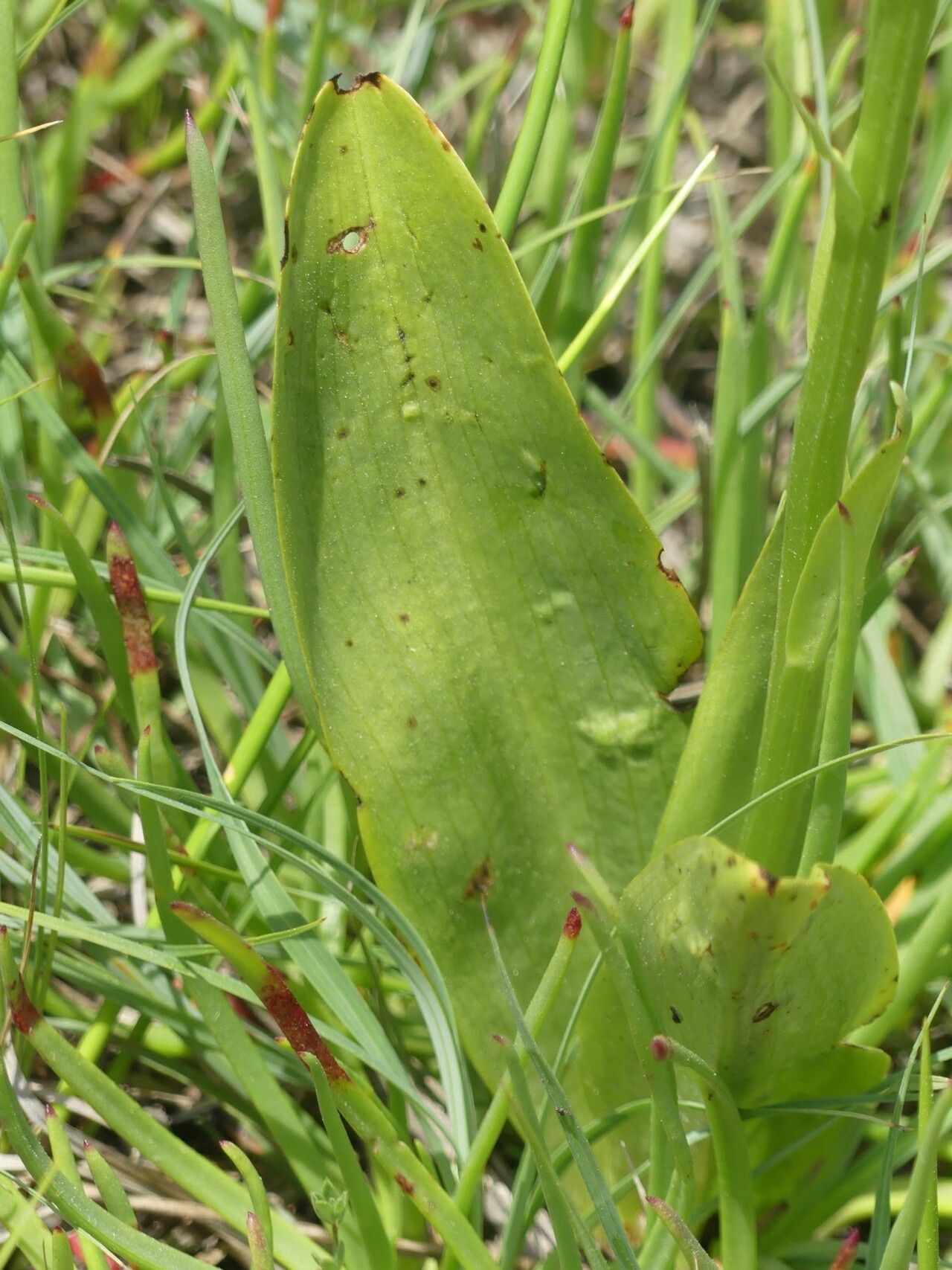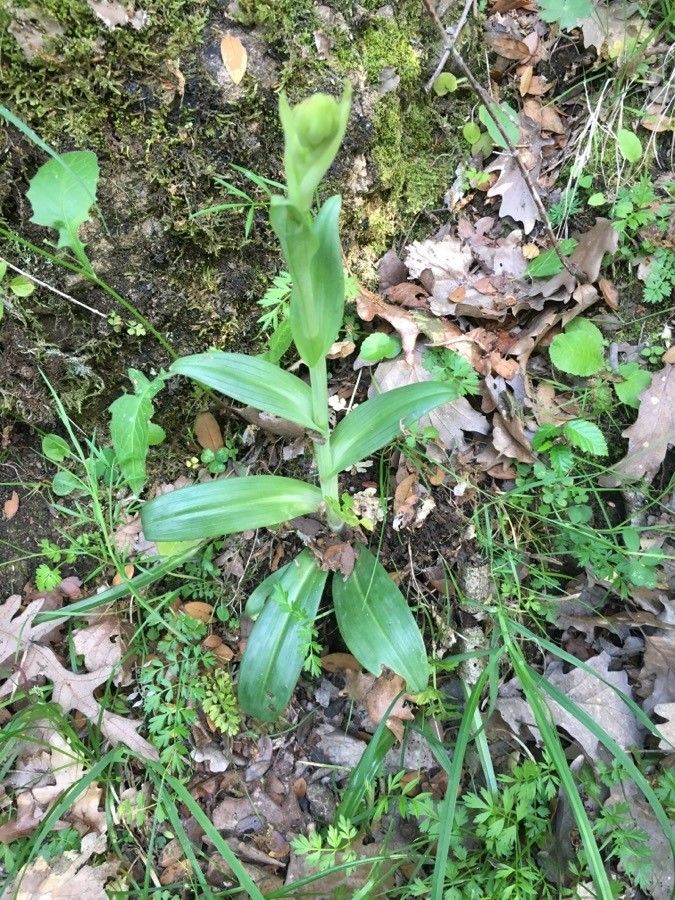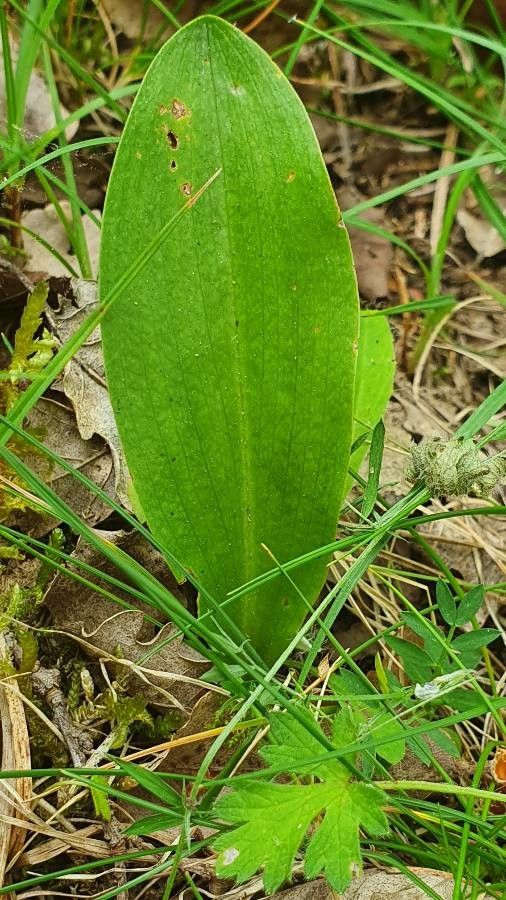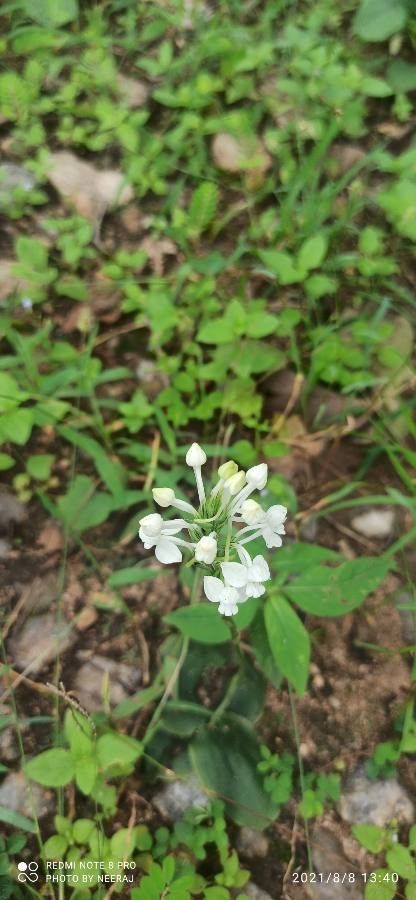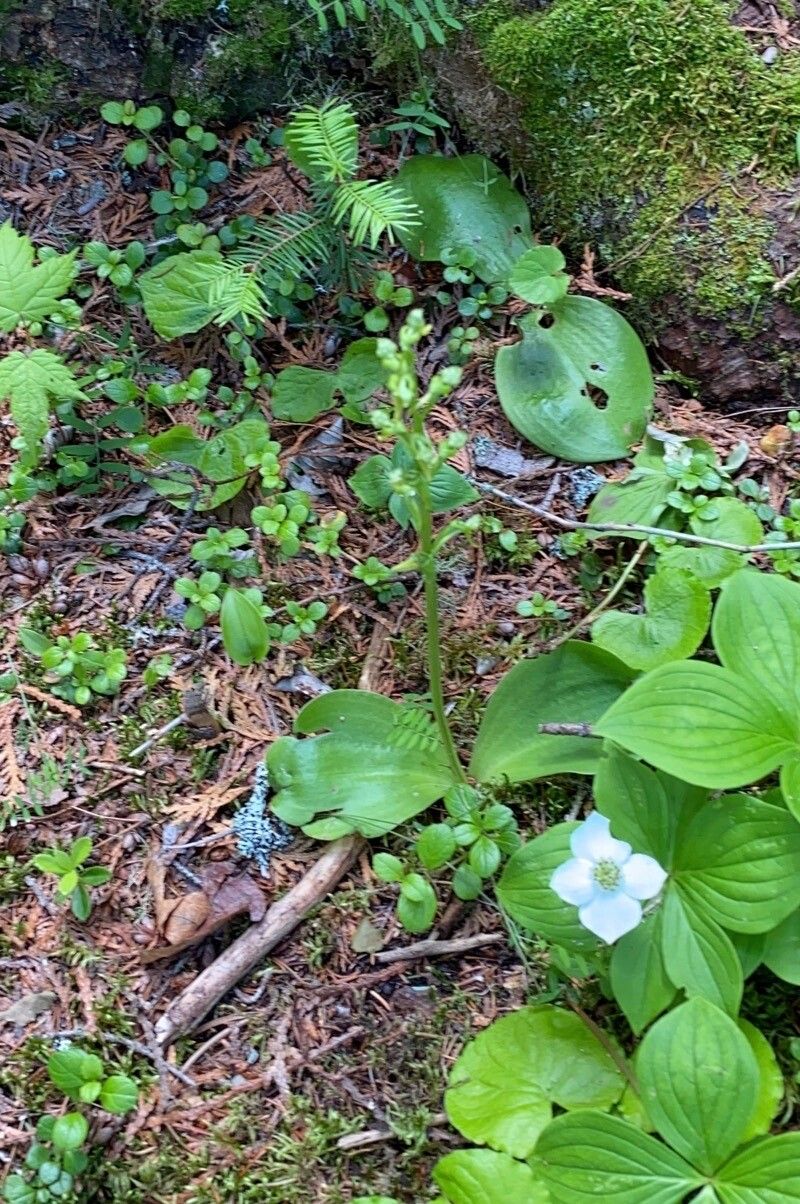
Platanthera hookeri, otherwise known as Hooker's orchid or Hooker's bog orchid, is a perennial wildflower in the genus Platanthera that can be found in temperate regions of North America ranging from Iowa to Newfoundland.
Hooker's orchid typically has strong disease resistance and encounters relatively few insect pests. Its care is considered difficult because it needs high humidity alongside good ventilation and an environment with minimal harmful pathogens. Overwatering can result in root rot. While anyone can grow Hooker's orchid, maintaining its health and inducing repeat flowering requires more cultivation experience.
How to keep Platanthera Hookeri.
Light
The orchid of Hooker is indigenous to settings like forest undergrowth and boulder-strewn areas, where it is naturally sheltered from the sun. It is most favorable in partially sunny conditions, but it can also adjust to complete sunlight or complete shade, which shows its adaptability and resilience.
Water
Hooker's orchid thrives with adequate moisture but can tolerate occasional drought. Water the plant weekly during the summer and every 10 days in the winter. To maintain humidity in dry conditions, regularly mist the plant. Use water with a neutral pH by letting tap or rainwater sit for a while before using it.
Temperature
Hooker's orchid possesses the capacity to acclimate to varying temperature situations, yet its dispersion might still be constrained by diverse assemblies of heat and water circumstances. It flourishes optimally in warm climates during the summer season when plenty of rainfall or watering is available. Long-lasting periods of cloudy and rainy weather, along with extended high temperatures, can boost the chances of demise for Hooker's orchid. In winter, an adequate safeguard against cold can enhance the plant's likelihood of survival.
Fertilizer
Hooker's orchid typically requires only one application of fertilizer in the spring, however, to boost its growth, multiple feedings can be beneficial. Provide nourishment every month to a month and a half. The process of fertilizing improves the look and functionality of the leaves, fostering a uniform color and robust texture. Moreover, it encourages the development of roots and the absorption of nutrients which contributes to the long-term wellbeing of the plant.
Pruning
This orchid species has heart-shaped leaves and small greenish-yellow flowers. Pruning hooker's orchid is best done from early to late spring. Focus on removing dead or damaged foliage to encourage healthy growth. Wait to cut the flower spikes until after they have fully bloomed; this helps optimize energy use and promotes vigorous blooming in future seasons.
Botanical profile.
- Plant Type
- Herb
- Life Cycle
- Perennial
- Genus
- Platanthera
- Family
- Orchidaceae
- Hardiness Zone
- 3-7
- Mature Height
- 20 cm to 40 cm
- Leaf Color
- Forest Green, Dark Green
- Leaf Type
- Deciduous
- Flower Color
- White, Yellow, Green
- Flower Size
- 1.02 cm to 1.52 cm
- Bloom Time
- Late spring, Early summer
- Planting Time
- Spring, Summer
- Harvest Time
- Mid summer, Late summer
Other names.
Reader questions.
What is Hooker's Orchid?
Hooker's Orchid, scientifically known as Platanthera hookeri, is a type of orchid. Detailed information about its essential characteristics, symptoms (if any), and additional details were not provided. For more specific information on its care, growth habits, or habitat, further research or a reliable source should be consulted.