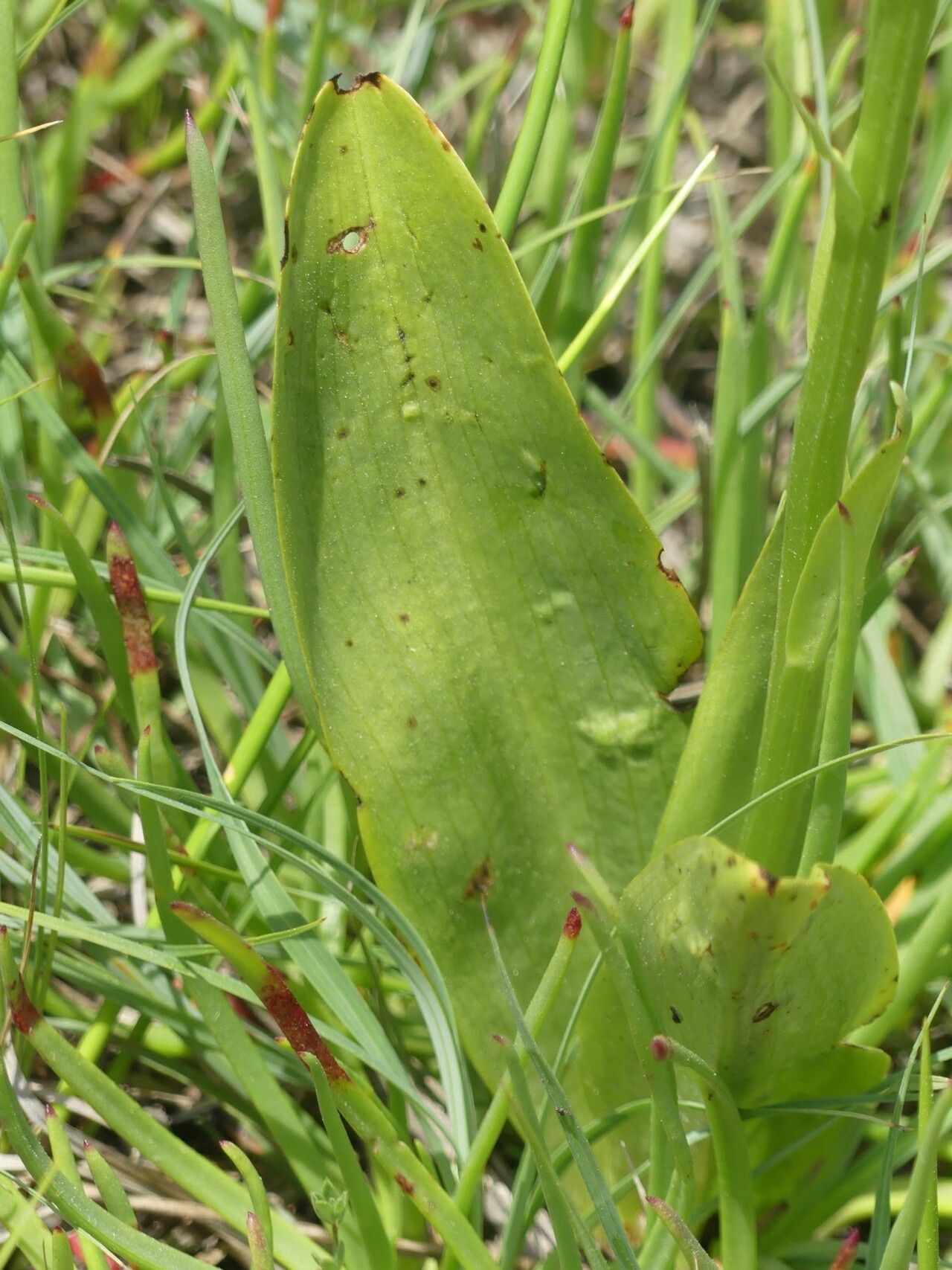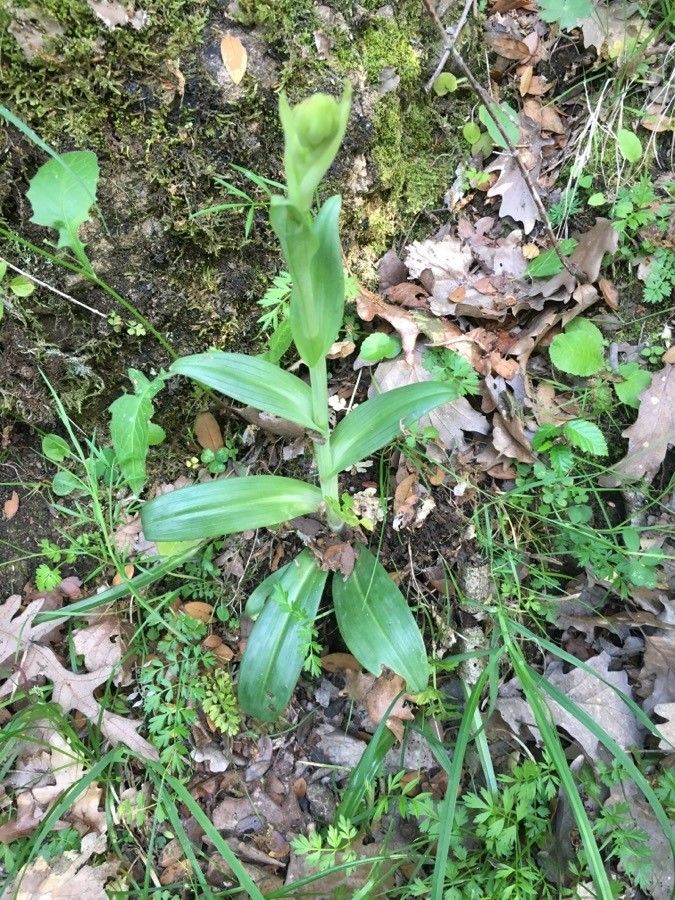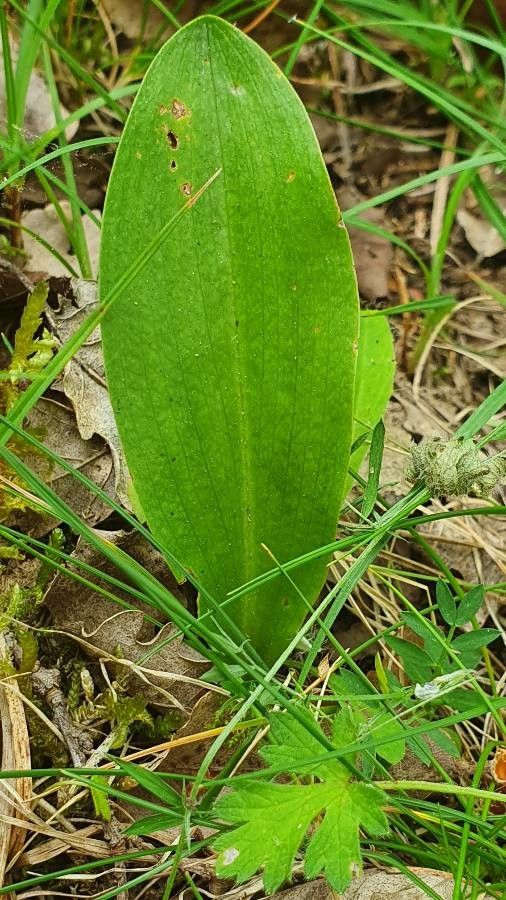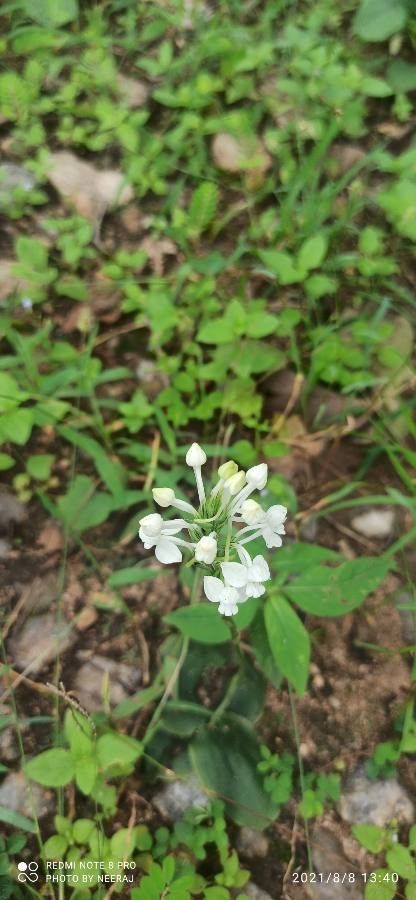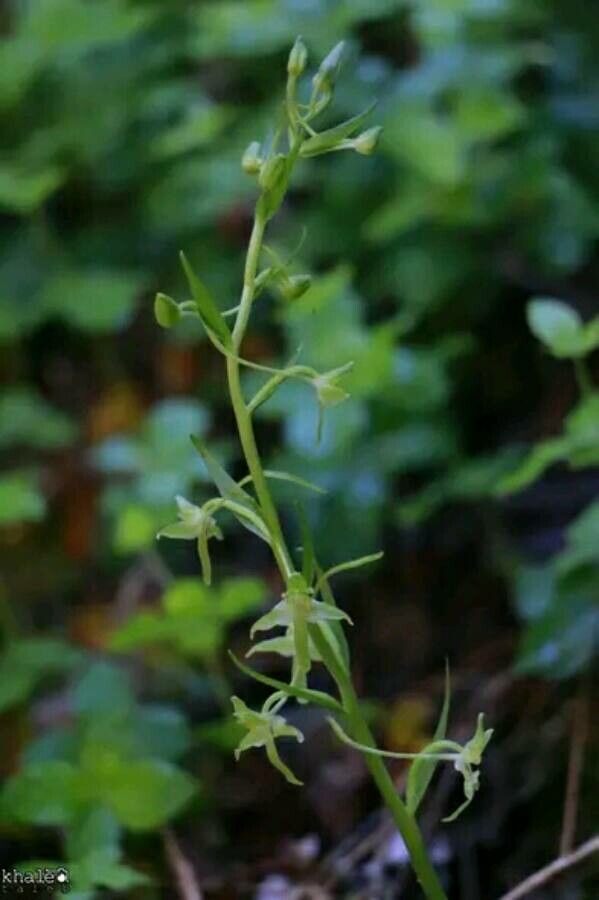
Platanthera holmboei is a species of orchid native to the eastern Mediterranean (northern Israel, Syria, Lebanon, Turkey, the Greek Islands, and Cyprus).
The Greater butterfly orchid is generally fairly resistant to disease and affected by relatively few insect pests. Its care is rated as difficult because it needs high humidity while also having good ventilation and minimal harmful pathogens. Too much watering can cause root rot. Growing the Greater butterfly orchid is appropriate for anyone, but keeping it healthy and getting it to bloom again requires more cultivation experience.
How to keep Platanthera Holmboei.
Light
The greater butterfly orchid does best in full sun all day, though it can also survive when sunlight is partly blocked. Its native habitats typically receive a significant amount of solar radiation. Both excessive exposure and insufficient light can impede its growth and overall health.
Temperature
The greater butterfly orchid is indigenous to cool to temperate climates, flourishing in temperatures ranging from 41 to 77 °F (5 to 25 ℃). Seasonal modifications might be necessary for its ideal development, especially during the summer and winter periods.
Fertilizer
The optimal period to feed a Greater butterfly orchid is during the early spring, when it transitions from dormancy to active growth. Fertilization gives essential nutrients necessary for robust growth. Despite the lower feeding requirements of the Greater butterfly orchid, feeding it once a year can boost its longevity and foster superior, more enduring blooms.
Botanical profile.
- Plant Type
- Herb
- Life Cycle
- Perennial
- Genus
- Platanthera
- Family
- Orchidaceae
- Hardiness Zone
- 5
- Mature Height
- 25 cm to 61 cm
- Mature Spread
- 15 cm
- Leaf Color
- Green
- Leaf Type
- Deciduous
- Flower Color
- White
- Flower Size
- 1.02 cm to 2.03 cm
- Bloom Time
- Late spring, Early summer
- Planting Time
- Spring
- Harvest Time
- Mid summer, Late summer