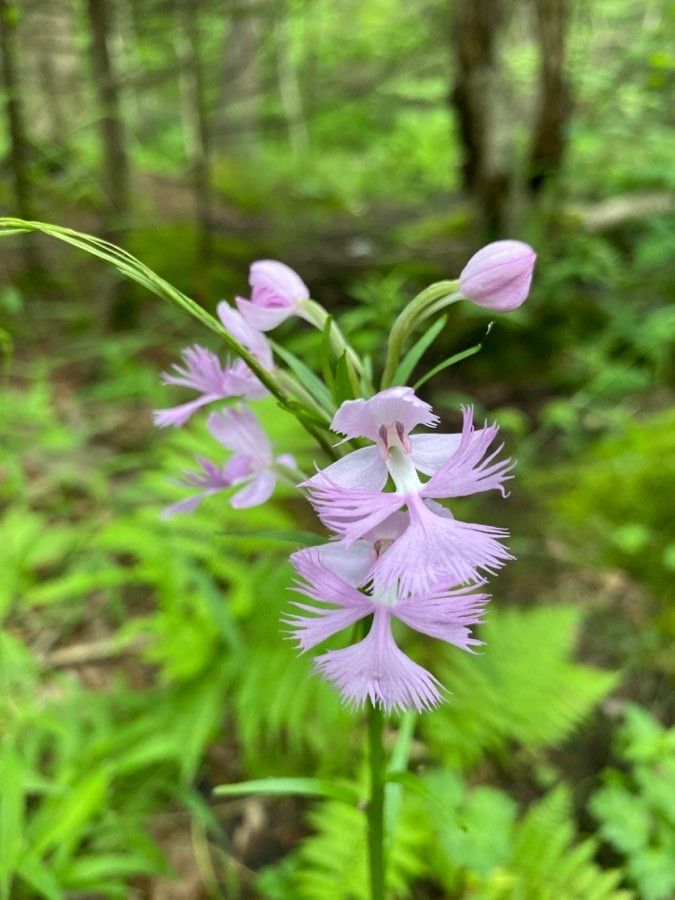
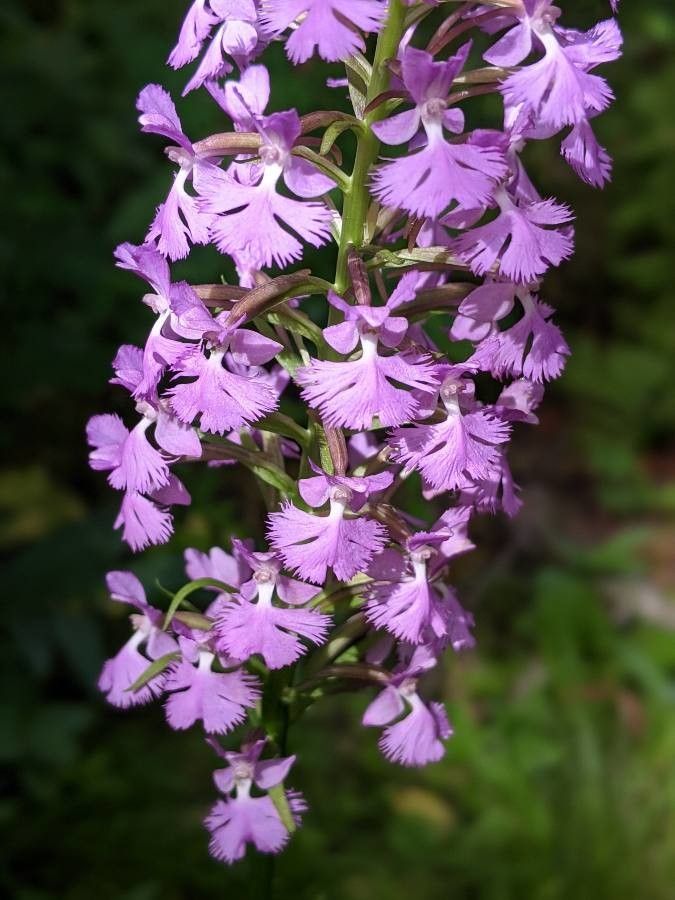
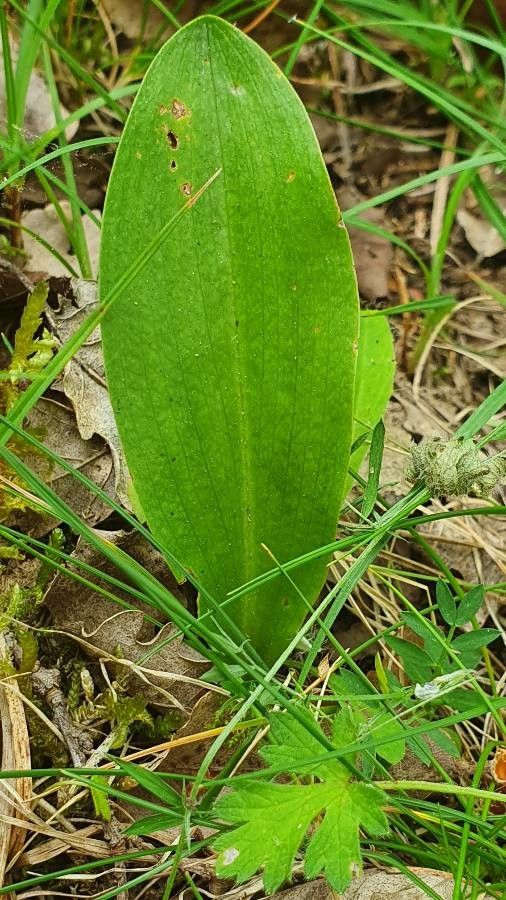
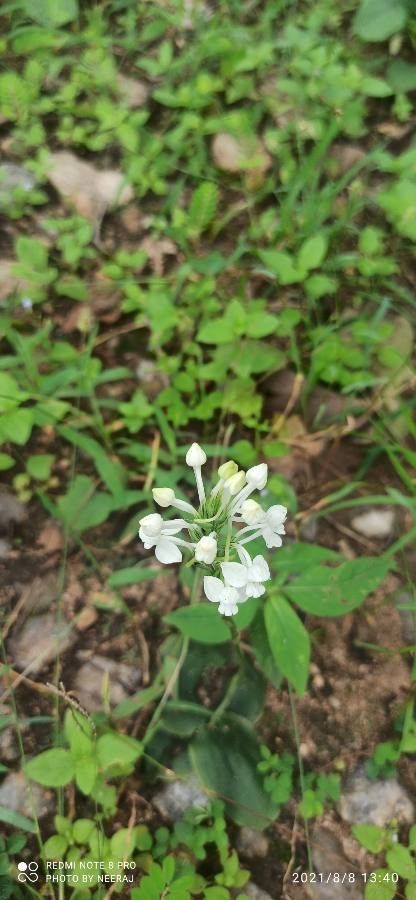
Platanthera grandiflora, the greater purple fringed orchid, is a species of orchid, genus Platanthera, occurring from Ontario to Newfoundland, south along the Appalachian Mountains to northeastern Georgia, with an isolated population in Illinois. It is imperiled in Georgia, Tennessee, Virginia and North Carolina and presumed extirpated in Ohio.
The Greater purple fringed orchid is generally quite resistant to disease and is affected by relatively few insect pests. Its care is regarded as difficult because it needs high humidity combined with good ventilation and minimal presence of harmful pathogens. Overwatering can cause root rot. While anyone can grow the Greater purple fringed orchid, keeping it healthy and getting it to bloom again requires more cultivation experience.
How to keep Platanthera Grandiflora.
Light
The greater purple fringed orchid does best in full sunlight, though it can also grow in moderate light. Originating from areas with abundant light, it benefits from those conditions for optimal health. Excessive shading can hinder its development, while overly intense sun exposure may stress the plant.
Water
The greater purple fringed orchid, which originates from moist environments, requires consistent moisture and should ideally be watered weekly. However, it can tolerate short dry spells. This orchid thrives indoors where humidity levels can be controlled, which is essential for vibrant flowering during its active growing season.
Temperature
The greater purple fringed orchid is a native plant of temperate regions and is adapted to temperatures between 32 and 90°F (0 to 32°C). For best growth, keep it within that temperature range and adjust conditions as the seasons change.
Fertilizer
For the Greater purple fringed orchid, the primary time to fertilize is in early spring when the flowers are developing. Using the correct fertilizer promotes stronger blooms and helps the orchid produce attractive flowers. Fertilizing in early spring supports excellent flowering during the season and supplies energy for dormant growth phases.
Pruning
The greater purple fringed orchid is known for its striking purple fringed flowers. To encourage growth and improve its appearance, prune the plant in early to late spring. When pruning, focus on removing dead stems and spent flowers. This will enhance air circulation and reduce the risk of disease. However, be careful not to over-prune, as the plant needs enough foliage for photosynthesis.
Botanical profile.
- Plant Type
- Herb
- Life Cycle
- Perennial
- Genus
- Platanthera
- Family
- Orchidaceae
- Hardiness Zone
- 3-8
- Mature Height
- 0.28 m to 1.22 m
- Mature Spread
- 0.91 m to 1.83 m
- Leaf Color
- Green
- Leaf Type
- Deciduous
- Flower Color
- Pink, Purple
- Flower Size
- 1.27 cm to 2.54 cm
- Bloom Time
- Late spring, Early summer
- Planting Time
- Spring, Summer
- Harvest Time
- Mid summer, Late summer
Other names.
Reader questions.
What are the sunlight requirements for the Greater Purple Fringed Orchid?
The Greater Purple Fringed Orchid thrives under full sun exposure, requiring more than 6 hours of sunlight daily, but it can also sustain growth in partial sun conditions, which means about 3-6 hours of sunlight. It's crucial to watch how sunlight moves through your garden and select locations providing an optimal balance of light and shade, ensuring the plant's happiness and health. Originating from well-lit areas, the orchid benefits from abundant light for optimal health, while excessive shade or overly intense sun exposure could hinder its growth or stress the plant.
What is the ideal temperature range for the greater purple fringed orchid?
The greater purple fringed orchid, also known as Platanthera grandiflora, thrives best in temperate climate regions with temperatures ranging from 32 to 90°F (0 to 32°C). To ensure optimal growth for this native plant, maintaining it within this temperature range is crucial, making necessary adjustments in response to seasonal changes.
How does artificial lighting support indoor growth of the Greater Purple Fringed Orchid?
Indoor Greater Purple Fringed Orchids require adequate lighting for optimal growth, especially when natural sunlight is insufficient, such as in winter or less sunny spaces. Artificial lights, like LED lights, provide a crucial solution by offering the specific wavelengths needed by plants. For full sun plants, 30-50W per square foot is recommended; partial sun plants need 20-30W per square foot, while full shade plants require 10-20W per square foot. The appropriate distance for placing lights is 12-36 inches above the plant to mimic natural sunlight, and most plants benefit from 8-12 hours of light per day.
Does the greater purple fringed orchid require special frost protection during winter?
The greater purple fringed orchid possesses strong resistance to cold, so it doesn't usually require special frost protection measures during the winter. However, if temperatures are expected to plummet below -35°C, it's important to protect the plant against the cold. This can be done by covering it with soil or straw. Additionally, it's recommended to water the plant abundantly before the first freeze of autumn to keep the soil moist, helping prevent drought and water scarcity during the winter and early spring.
What are signs of inadequate lighting in the Greater Purple Fringed Orchid?
When the Greater Purple Fringed Orchid is grown in inadequate lighting conditions, certain symptoms may manifest. These include smaller new leaves compared to those previously matured, leggy or sparse growth indicated by longer spaces between leaves or stems, faster leaf drop as the plant conserves resources, and slower or halted new growth due to the plant entering survival mode. Additionally, lighter-colored new leaves suggest a lack of chlorophyll, and symptoms like chlorosis, sunscald, leaf curling, wilting, and leaf scorching may occur due to varying light conditions.
How does low temperature affect the greater purple fringed orchid, and what are the recommended solutions?
The greater purple fringed orchid is cold-tolerant and fares best above 0°C. It should be kept above -30°C during winter, as temperatures below -35°C might not cause visible changes immediately but could lead to lesser sprouting or even no sprouting in spring. If this occurs, the recommended solution is to remove any parts of the plant that have failed to sprout when spring arrives.
What solutions can improve the lighting conditions for the Greater Purple Fringed Orchid?
To optimize growth for the Greater Purple Fringed Orchid, gradually move the plant to a location with more sunlight, aiming for at least 6 hours of direct sunlight daily, if grown indoors, keeping it by a south-facing window with curtains open during the day can maximize sunlight exposure. Consider using artificial lights if the plant is large or hard to move, keeping them on for at least 8 hours daily. Outdoors, adapt plants gradually to sunlight to prevent sunburn. Minimize light obstructions by pruning trees if necessary or transplant smaller plants to sunnier spots during their dormant period to ensure they receive ample sunlight and have proper drainage.
What are the effects of high temperature on the greater purple fringed orchid, and how can they be mitigated?
Exposing the greater purple fringed orchid to temperatures above its ideal range, particularly beyond 35°C, can cause its leaves to lighten in color, become prone to curling, suffer from sunburn, and in severe cases, cause the entire plant to wilt and dry out. To mitigate these effects, it's advised to trim away any sunburned or dried parts of the plant. Relocating the plant to a shaded area during the midday and afternoon sun, or using a shade cloth, can also help. Moreover, watering the plant in the morning and evening will keep the soil appropriately moist.