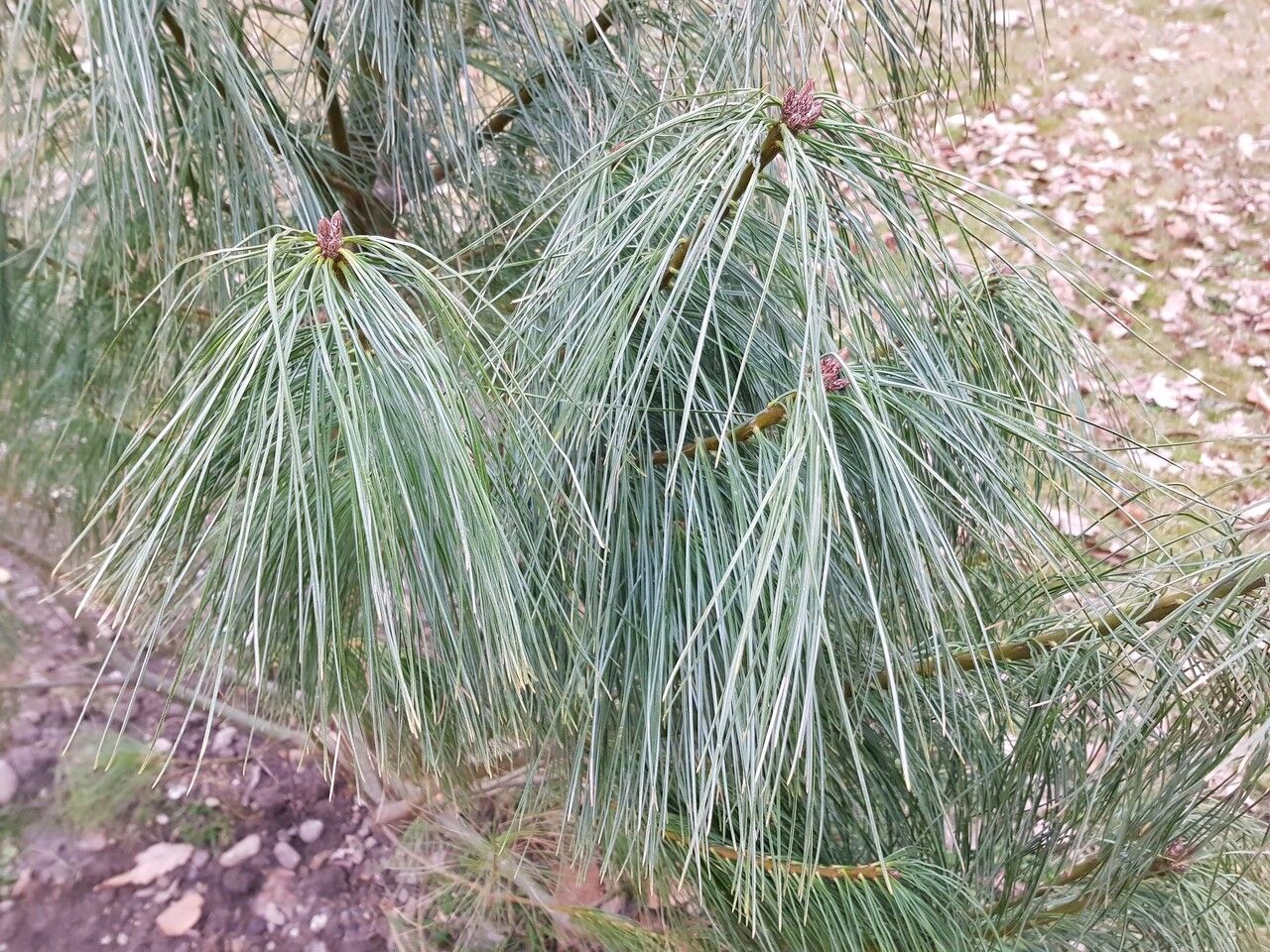
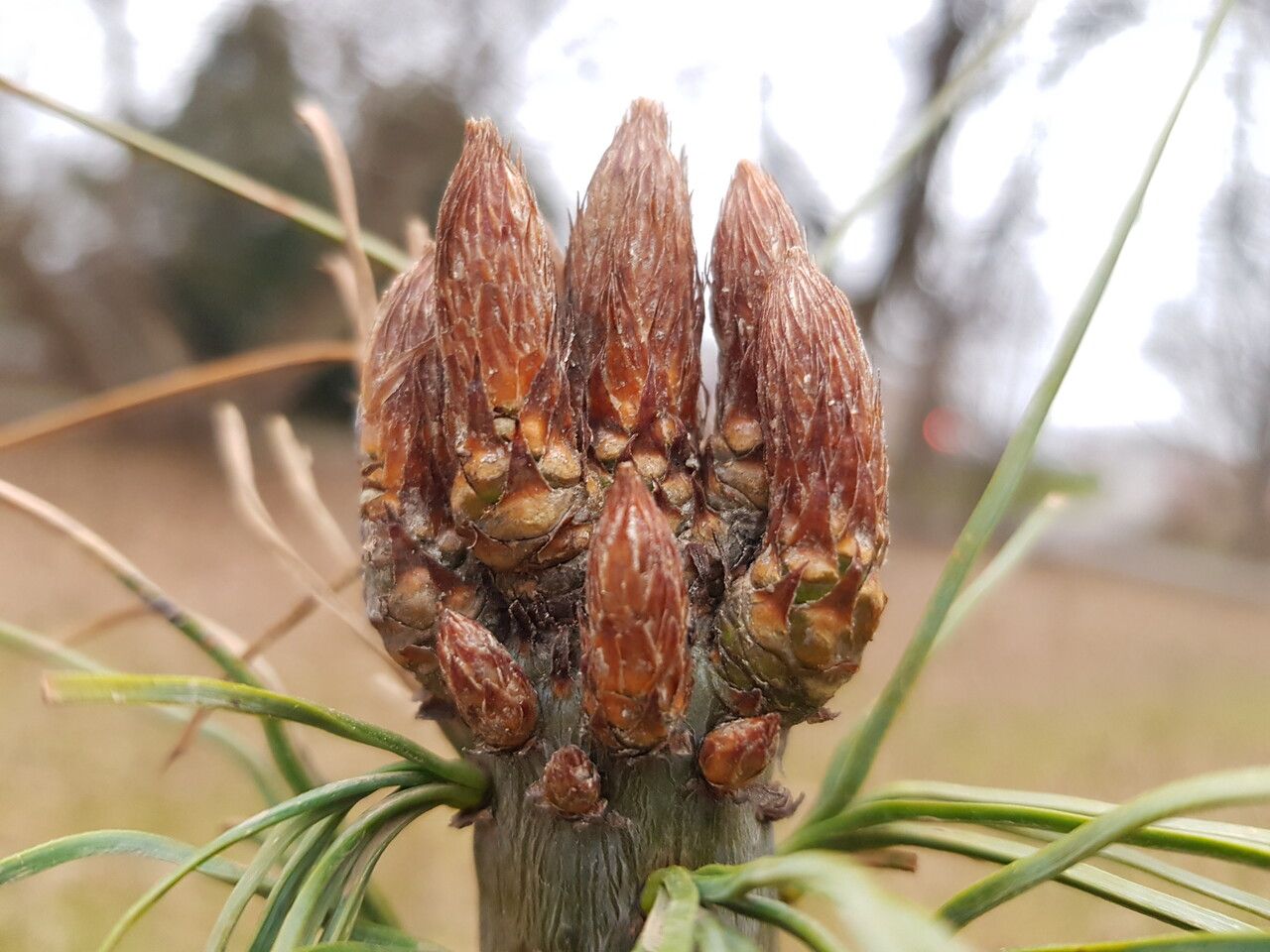
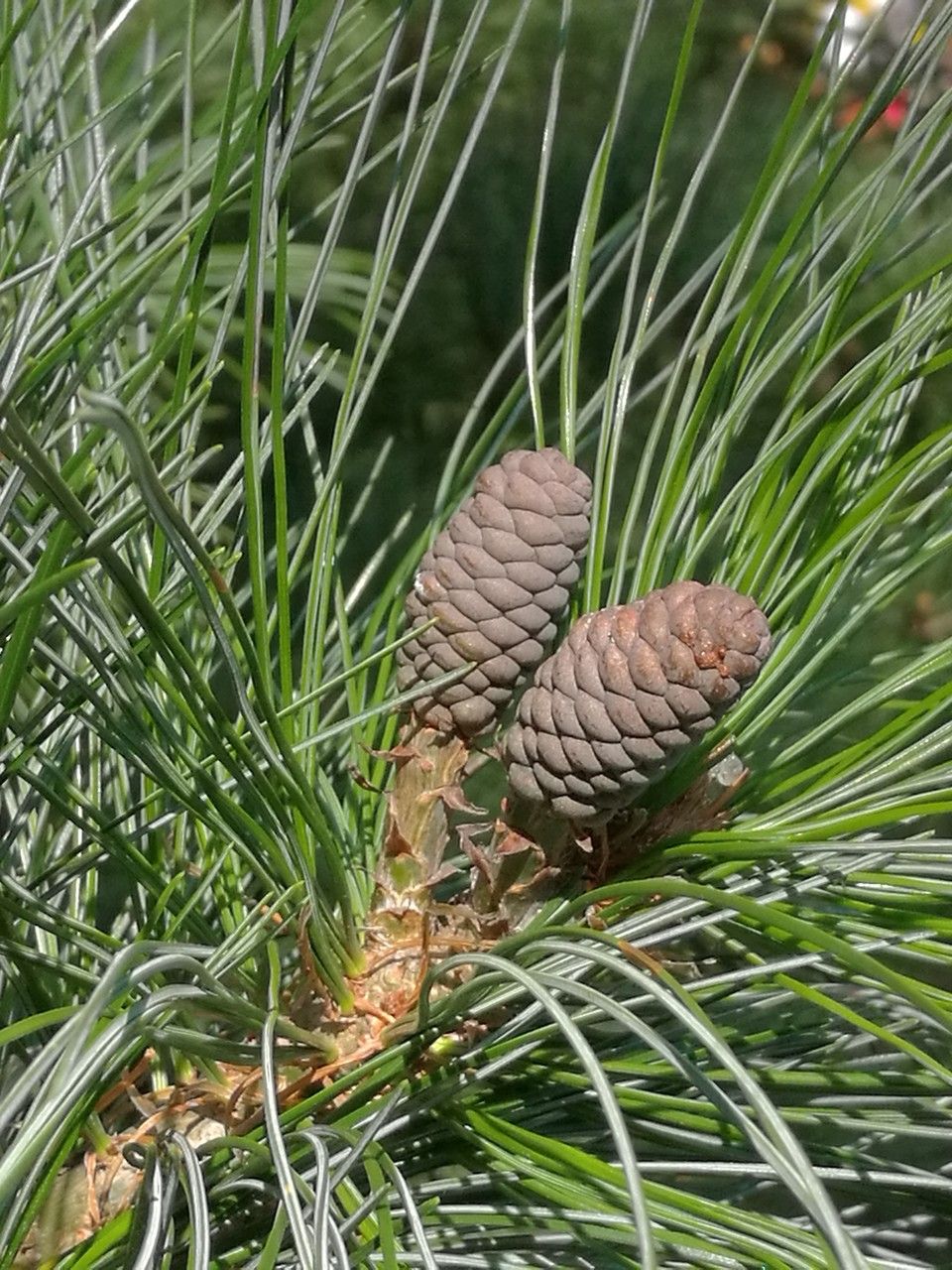
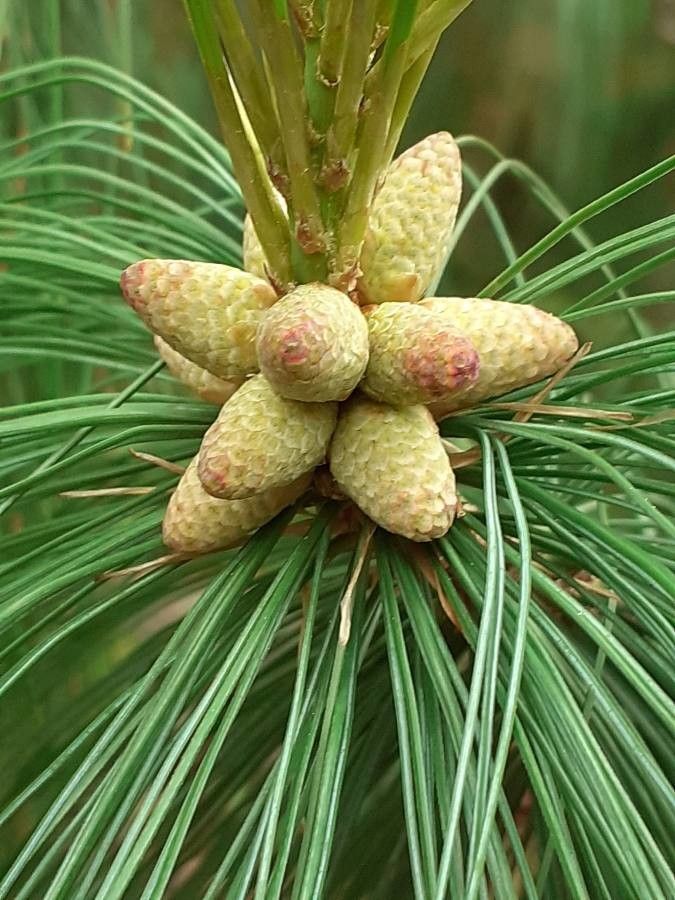
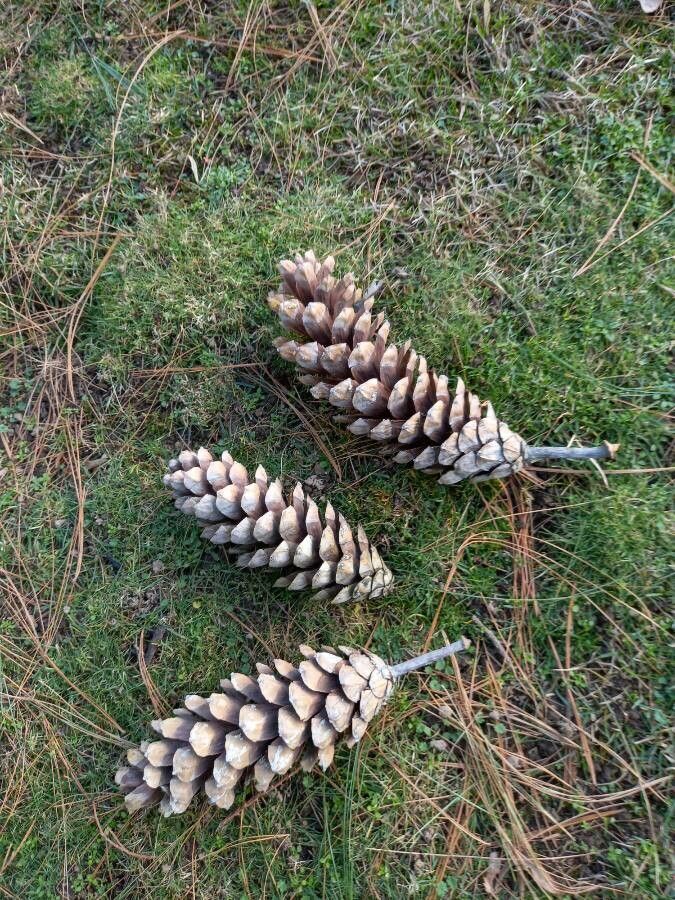
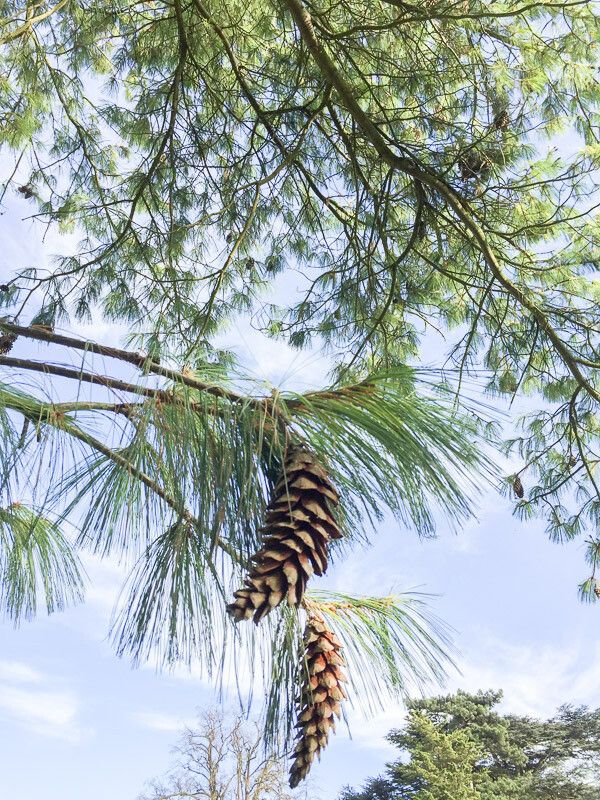
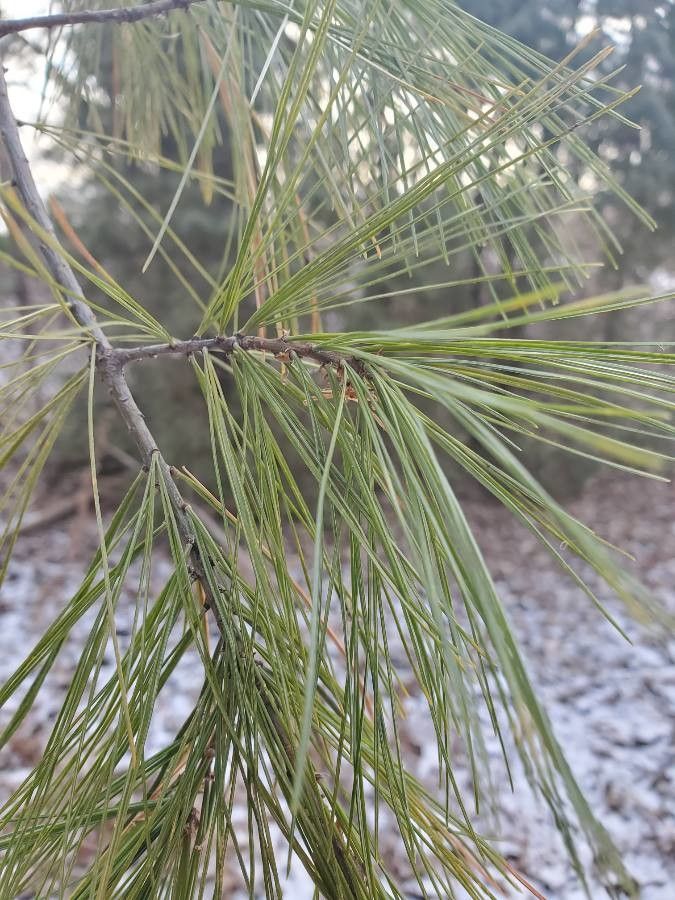
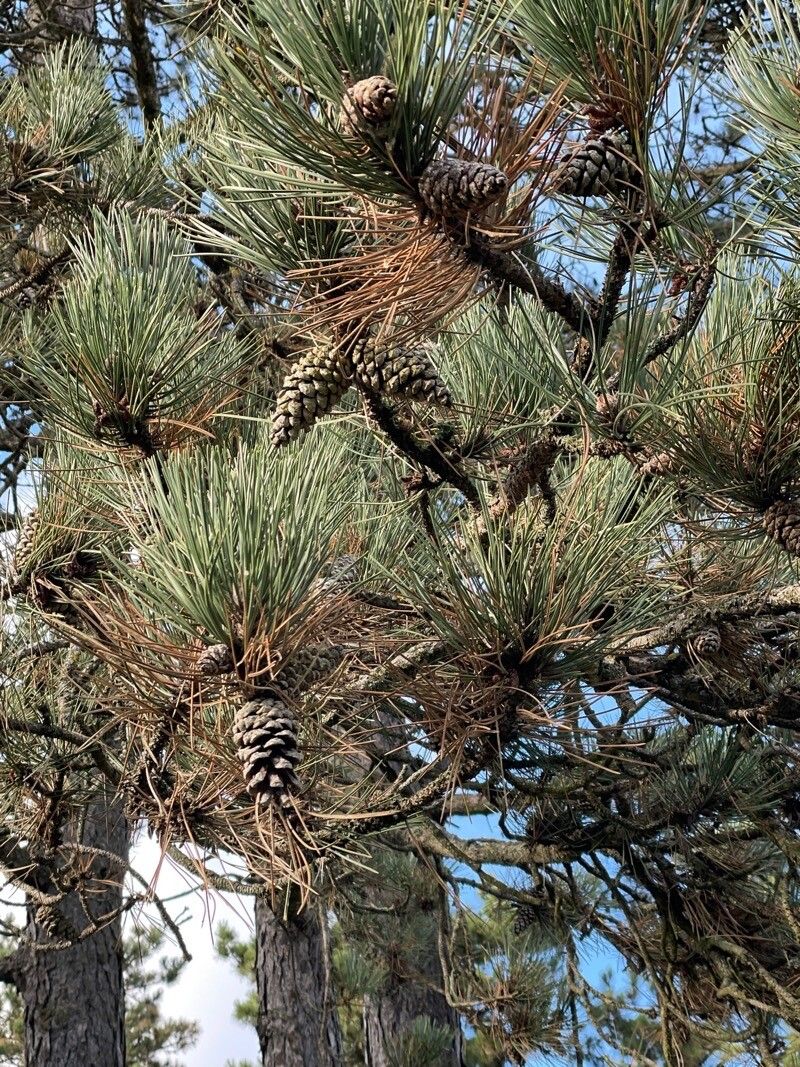
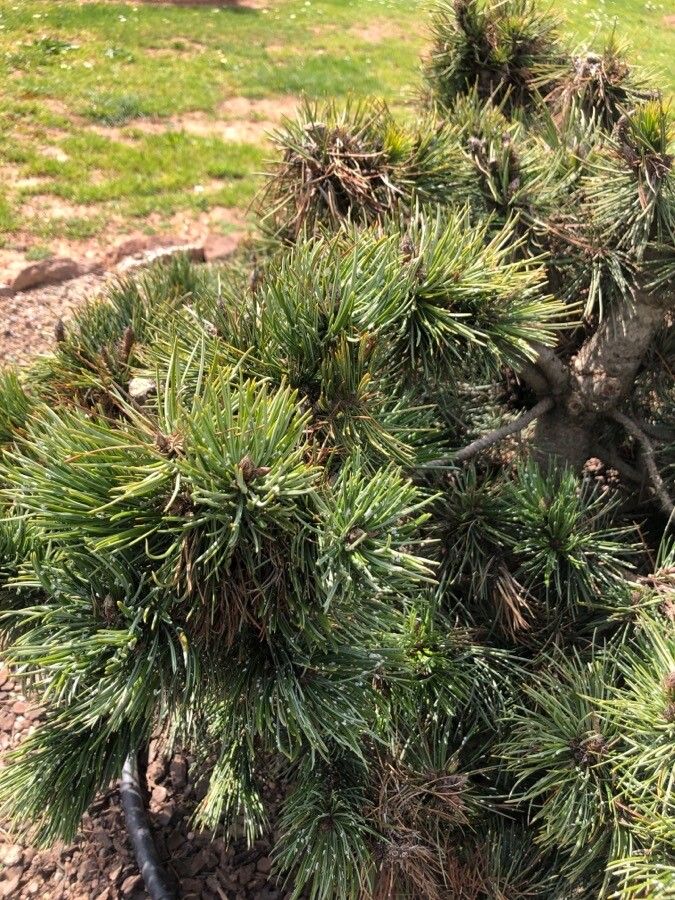
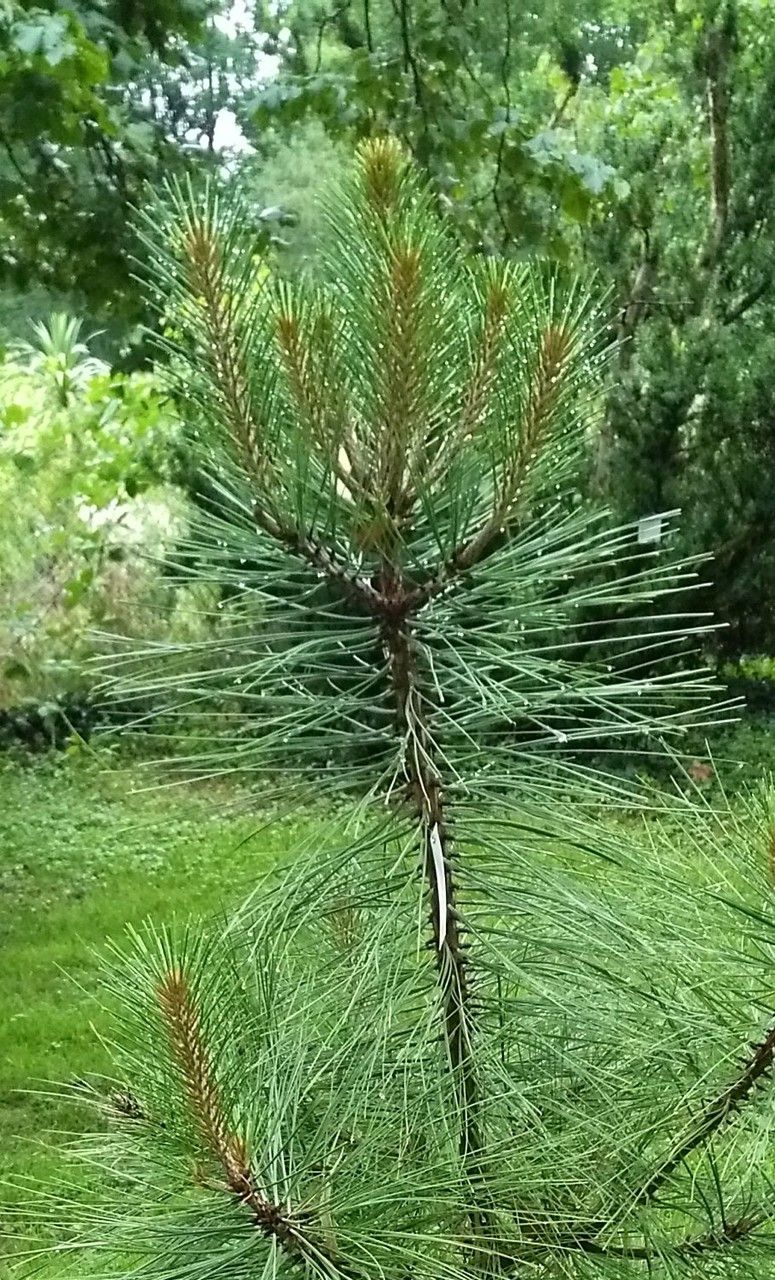
Pinus wallichiana, commonly known as the Himalayan pine, is a tall evergreen tree native to the Himalayan region of Asia. It can grow up to 50 meters in height and has a conical shape with a straight trunk and horizontal branches. The needles of this tree are long and slender, measuring up to 30 cm in length, and are arranged in clusters of five. The cones produced by Pinus wallichiana are also large, reaching up to 30 cm in length.
This species is highly valued for its timber, which is used in construction for roofing shingles and furniture making. Additionally, it possesses medicinal properties; its bark has been traditionally used to treat various ailments such as coughs and colds.
Pinus wallichiana prefers well-drained soils that are slightly acidic or neutral with moderate moisture levels. While it can tolerate cold temperatures, it does not fare well in hot or dry conditions.
Due to deforestation within its natural habitat range, Pinus wallichiana has been listed as vulnerable by the International Union for Conservation of Nature (IUCN). Conservation efforts, including reforestation programs, have been implemented to restore degraded areas where this species once thrived.
Himalayan pine is fairly disease-resistant and is generally not susceptible to illnesses. Regarding care, this plant is fairly low-maintenance. When grown outdoors it needs little watering, and larger specimens usually do not require pruning. Smaller plants, however, should be pruned after they finish blooming. Himalayan pinet is appropriate for anyone with an outdoor area, such as a garden or deck, and does not demand much plant-care experience.
How to keep Pinus Wallichiana.
Light
The himalayan pine does best when it receives sunlight all day, though it can tolerate periods when light is somewhat irregular. Its natural range is in places with plentiful sunshine. Too much or too little sun can hinder its healthy growth.
Water
Himalayan pine thrives in moderate moisture conditions and can withstand occasional dry spells, although it ideally requires watering once a week. As an evergreen tree, it needs consistently moist soil to maintain healthy needles. It prefers well-draining soil, which mimics its native alpine environment, making it well-suited for outdoor growth.
Temperature
Himalayan pine grows best between 41 and 90 °F (5 to 32 °C). Native to cooler mountainous regions, it favors cooler climates but can adapt to warmer areas when necessary. In hotter locations, seasonal temperature adjustments may be required.
Fertilizer
Himalayan pine has particular nutrient needs and does not require heavy fertilization. Spring is the best time to apply fertilizer for optimal growth. Providing nutrients enhances its health, increases its resistance to pests and diseases, and helps support a long lifespan.
Pruning
Prune Himalayan pine from early to late winter by removing dead branches and thinning crowded areas to improve air circulation. Avoid heavy pruning to reduce stress on the tree. Pruning while the tree is dormant minimizes sap loss, leading to healthier and more visually appealing growth.
Pot & Repot
When repotting Himalayan pine, pick a pot 1–2 inches (2.5–5.1 cm) larger with good drainage. Use a well-draining potting mix. Repot in spring or fall, making sure the root ball sits slightly below the rim of the flower pot. Water thoroughly after repotting and place it in a warm spot with indirect sunlight.
Botanical profile.
- Plant Type
- Tree
- Life Cycle
- Perennial
- Genus
- Pinus
- Family
- Pinaceae
- Hardiness Zone
- 5-7
- Mature Height
- 9.14 m to 15.24 m
- Mature Spread
- 6.1 m to 9.14 m
- Leaf Color
- Green, Blue, Gray, Silver
- Leaf Type
- Evergreen
- Flower Color
- Yellow, Red, Brown
- Flower Size
- 15.24 cm
- Bloom Time
- Mid spring, Late spring
- Planting Time
- Spring, Autumn
- Harvest Time
- Late summer, Early fall, Mid fall
- Native Area
- Nepal, Afghanistan, India, Myanmar, Bhutan, Pakistan, China
Other names.
Reader questions.
What is the most effective way to water my Himalayan pine tree?
Watering your Himalayan pine is a simple task. The easiest way to do it is by using a garden hose to slowly soak the soil. This method is best for mature trees that require a lot of water. However, for smaller trees, a watering can or smaller tool may suffice. It's important to avoid overhead watering, especially for young trees, as this can cause disease due to excessive moisture on the leaves.
Why should I add fertilizer to my Himalayan pine tree?
To ensure the healthy growth of the Himalayan pine, it is important to fertilize it in the spring. This plant has a long lifespan and requires support. Additionally, adding nutrients to the soil can enhance its overall health, helping it resist common pests and diseases that can hinder growth or reduce its lifespan.
What are the sunlight requirements for Himalayan pine?
Himalayan pine requires full sun, which means it thrives in conditions with more than 6 hours of sunlight daily, though it can also manage with partial sun, about 3-6 hours of sunlight. It's crucial to observe how sunlight moves through your garden to find spots that ensure the right balance of light and shade for your plants' happiness. Naturally, this plant loves to soak up the sun all day, but it can withstand less consistent sun exposure. Too much or too little sun can hinder its growth, so finding the perfect balance is key.
What temperature range does Himalayan pine thrive in?
Himalayan pine, also known as Pinus wallichiana, thrives in temperatures ranging from 41 to 90 °F (5 to 32 °C). Native to cooler mountainous areas, it is well-adapted to cooler climates but is capable of adjusting to warmer regions if necessary. In regions experiencing hotter climates, seasonal temperature adjustments might be required to ensure the plant remains healthy.
What should I do if I give too much or too little water to my Himalayan pine?
Overwatering can occur if the soil does not drain properly for your Himalayan pine. In that case, you can either improve the soil's drainage or move the plant to a better location. If you have your Himalayan pine in a pot, you may need to repot it with looser soil in a container that drains well. Overwatered plants can also get diseases, so treat them promptly. To fix an underwatered Himalayan pine, water it more often. You can tell if your pine is overwatered by looking at the new growth, which may be discolored or fragile. Standing water or slow drainage are also signs of overwatering. On the other hand, underwatered pine trees will have sparse, brown leaves. Consider recent rainfall or high temperatures if you see symptoms on your plant.
When should I fertilize my Himalayan pine tree?
Himalayan pine is different from garden plants because it doesn't need a lot of extra nutrients. While the growing medium may not always have enough nutrients, Himalayan pine is an exception. Spring is the best time to fertilize it, right before new growth occurs.
How can artificial lighting be used for indoor Himalayan pine plants?
Indoor Himalayan pine plants require adequate lighting to grow optimally, especially when natural sunlight is insufficient, like during winter or in less sunny spots. Artificial lights can significantly help in promoting healthier and faster growth. LED lights, due to their adjustability to provide specific light wavelengths, are excellent choices. For full sun plants, 30-50W/sq ft is needed, partial sun plants require 20-30W/sq ft, and full shade plants need 10-20W/sq ft. The light source should be placed 12-36 inches above the plant, simulating natural sunlight, and it's important to mimic the length of natural daylight hours, which is usually 8-12 hours per day for most plants.
How should Himalayan pine be prepared for winter?
Himalayan pine is highly cold-tolerant and does not require additional frost protection measures during winter. However, it is recommended to water the plant generously before the first freeze in autumn. This ensures the soil remains moist and enters a frozen state, which helps prevent drought and water scarcity for the plant during winter and early spring.
How frequently do I need to water my Himalayan pine?
A mature Himalayan pine typically does not need much watering. It can become resistant to drought and rely solely on rainfall for survival. During the hottest months, watering once a week may be necessary, but in other seasons, watering may not be needed at all. However, if you have just planted a new tree, regular watering is important to help the roots establish themselves and maintain consistent soil moisture. Remember, Himalayan pines do not tolerate standing water, so it is better to avoid overwatering and err on the side of not watering if unsure.
When is the best time to not use fertilizer for my Himalayan pine tree?
Himalayan pine plants are different from others in terms of fertilization needs. Unlike some plants, they do not need frequent fertilization. In fact, excessive fertilizer can harm them and lead to decline. It is best to only apply fertilizer in the spring and refrain from doing so in the summer, fall, and winter. Additionally, avoid adding any organic matter to the soil during these seasons.
What are the common symptoms of insufficient light in Himalayan pines?
When Himalayan pines, which typically thrive in full sunlight, are placed in low-light conditions, they may exhibit several symptoms indicating light deficiency. These include the growth of smaller new leaves, a leggy or sparse plant appearance due to longer spaces between leaves or stems, premature leaf drop to conserve resources, halted growth as the plant enters survival mode, paler new leaves due to insufficient chlorophyll and nutrients, chlorosis leading to yellow leaves, sunscald from intense light exposure, leaf curling as a defense mechanism against sunlight, wilting from increased water loss, and leaf scorching characterized by brown, crispy leaf edges.
What should be done if Himalayan pine experiences temperatures below -25°C?
Himalayan pine is extremely cold-tolerant, capable of surviving winter temperatures above -25°C without noticeable damage. However, if temperatures fall below this threshold, branches may become brittle and dry by spring, failing to produce new shoots. In such cases, it is advised to prune any dead branches that have failed to produce new leaves come spring.