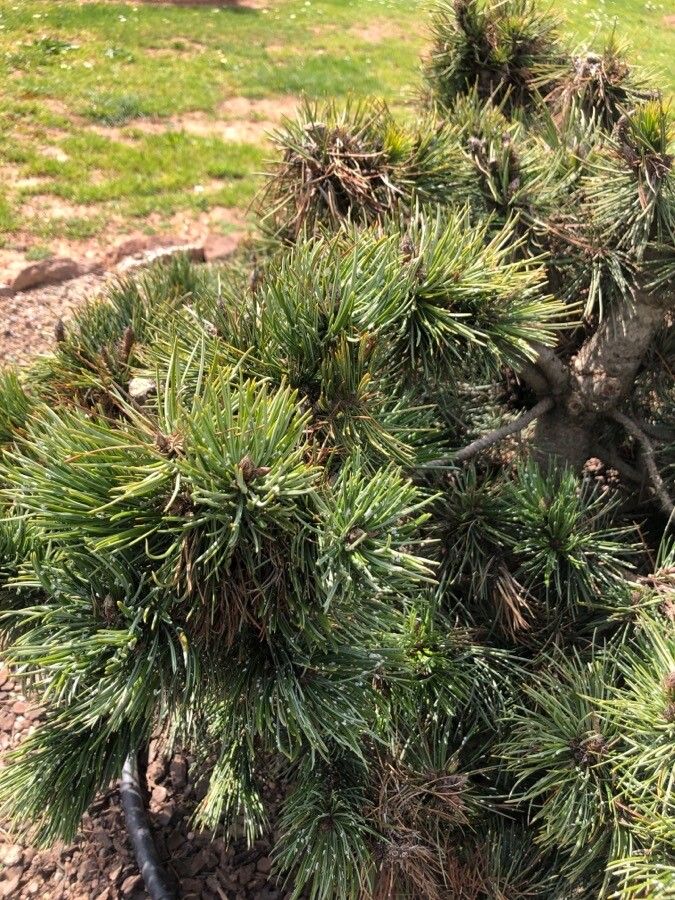
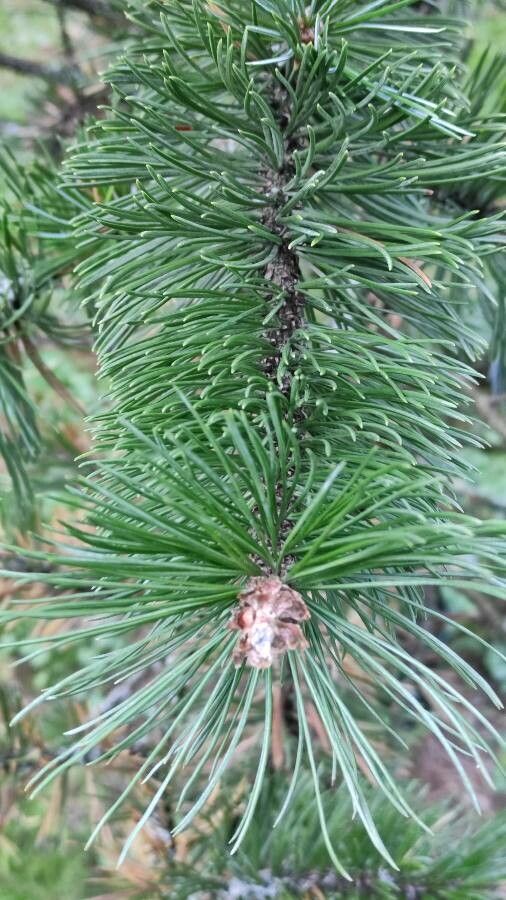
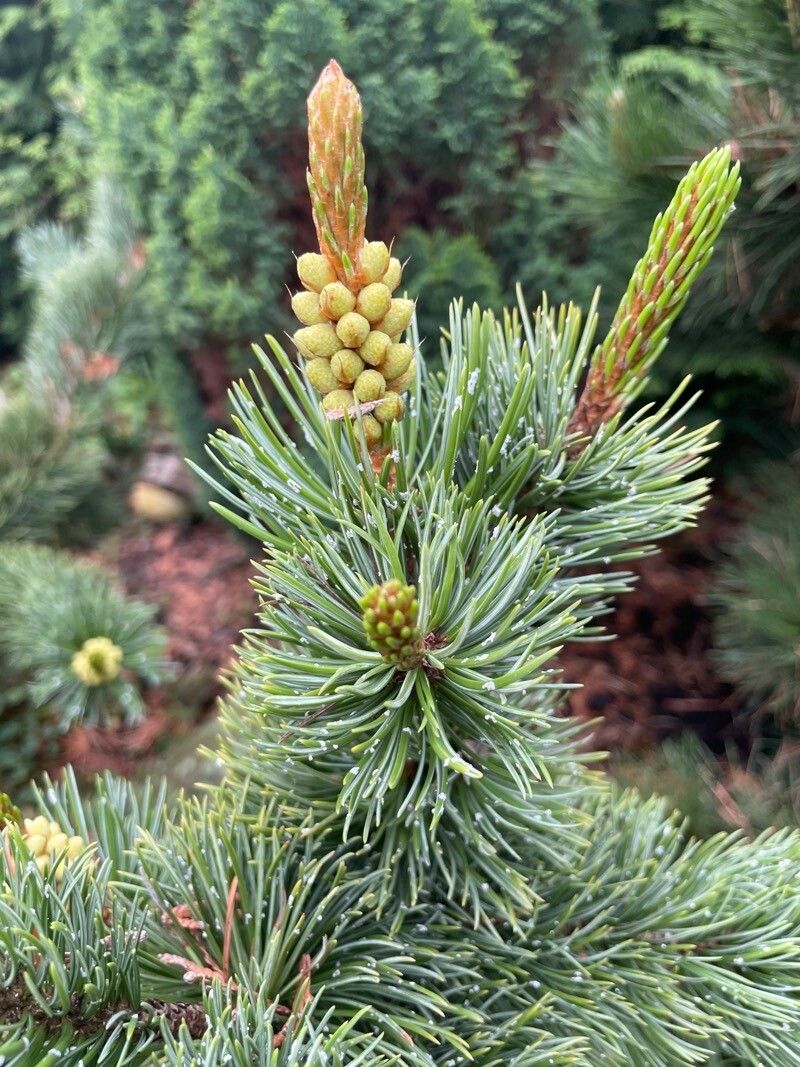
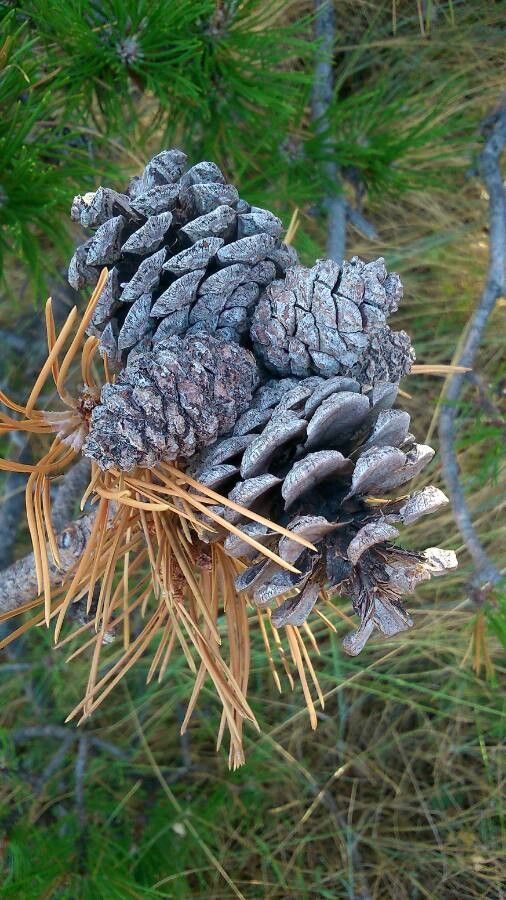
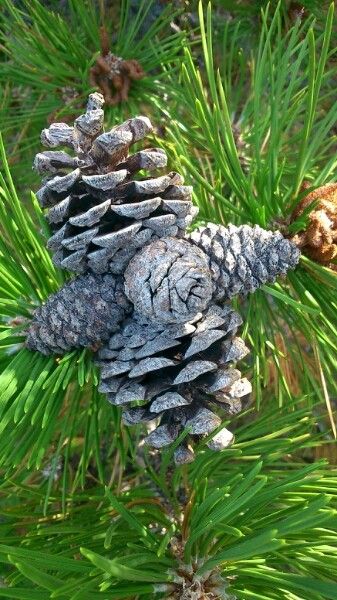
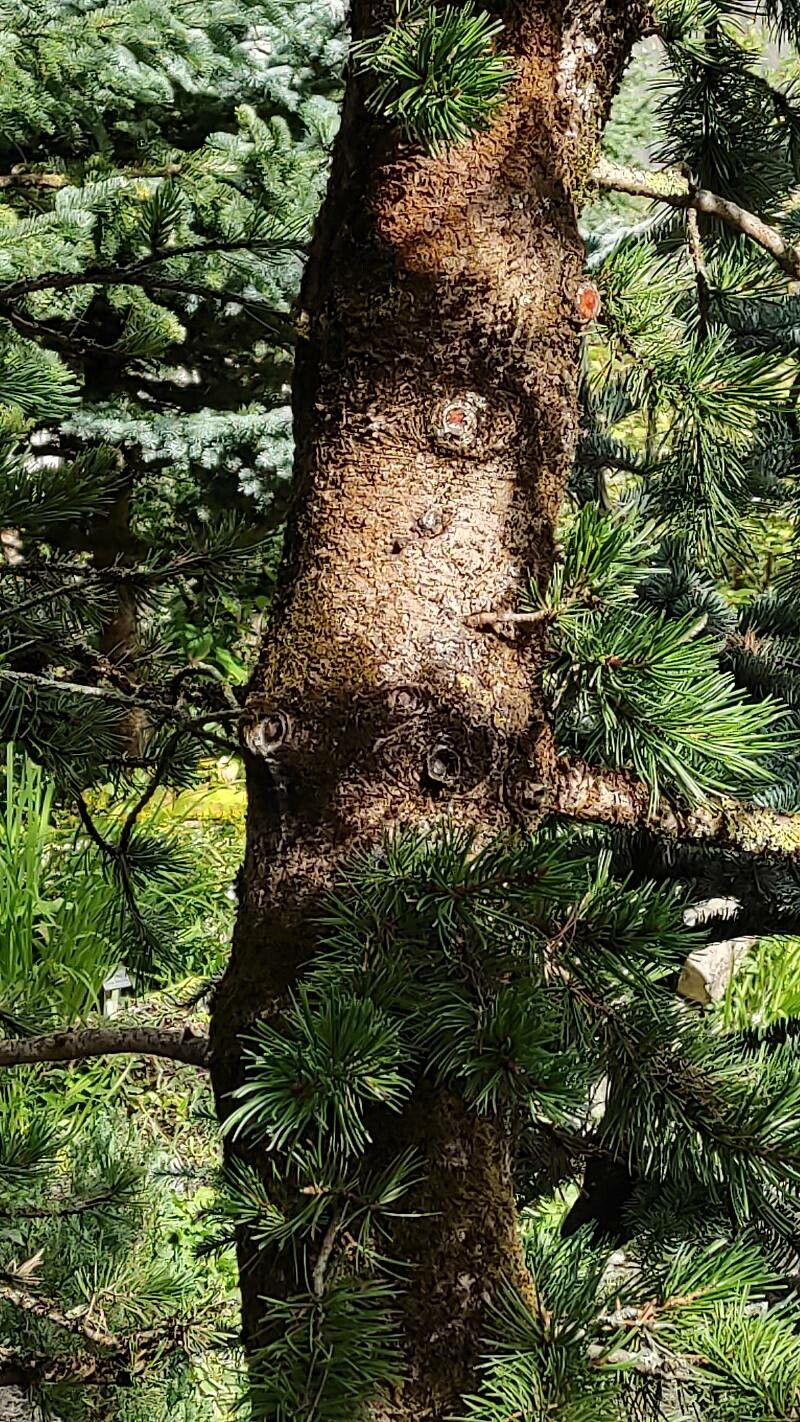
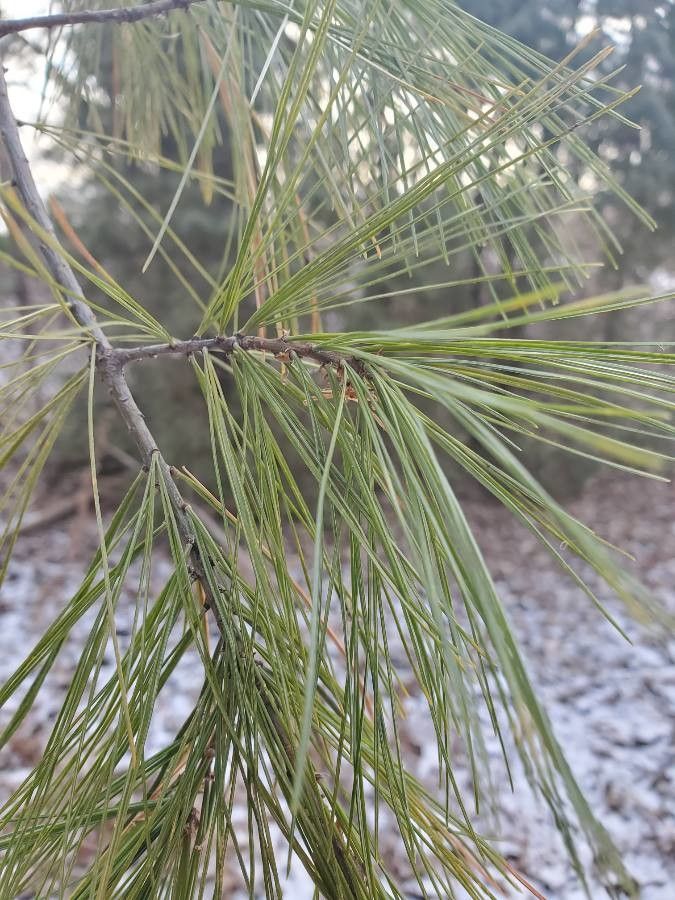
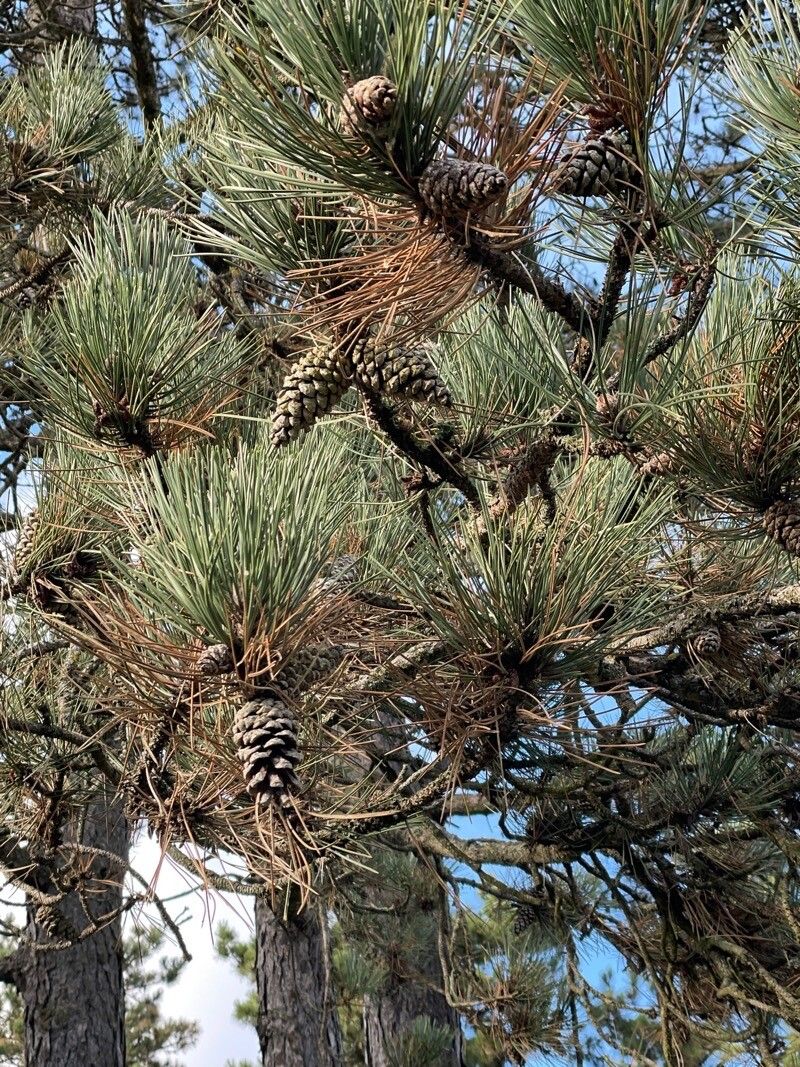
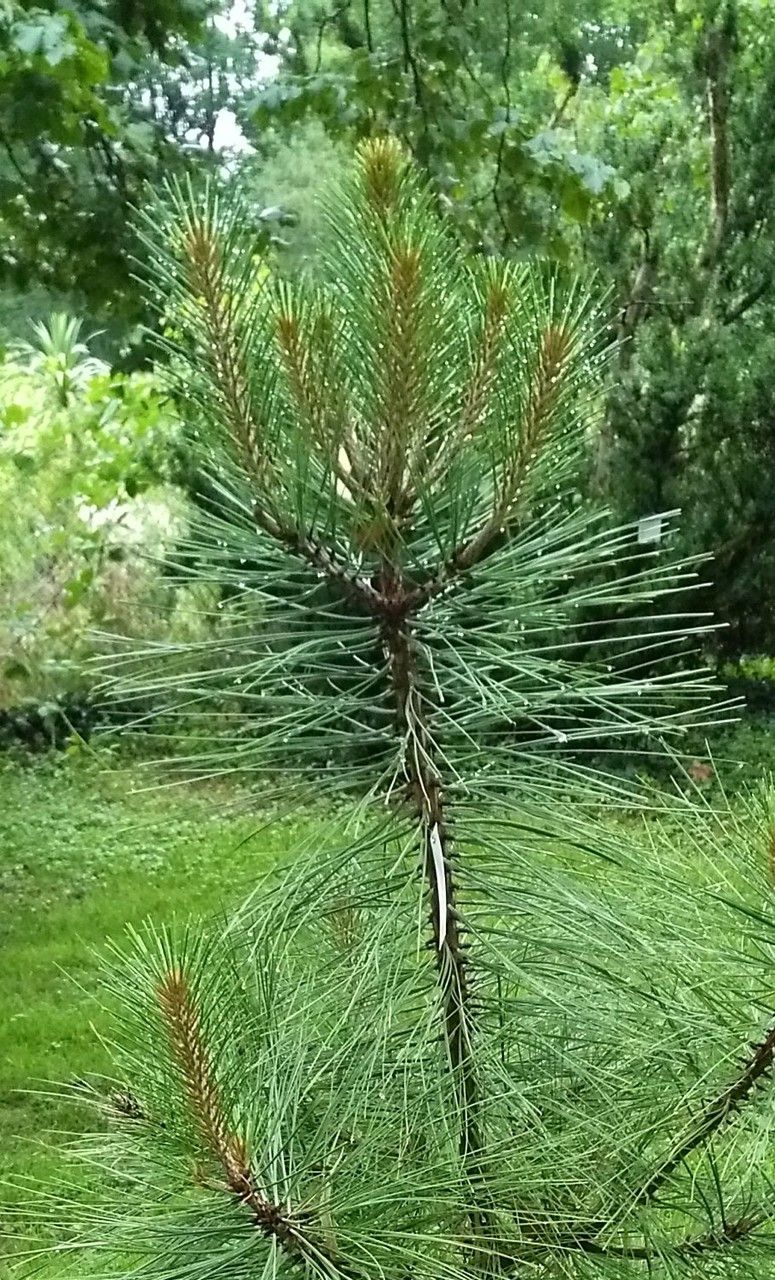
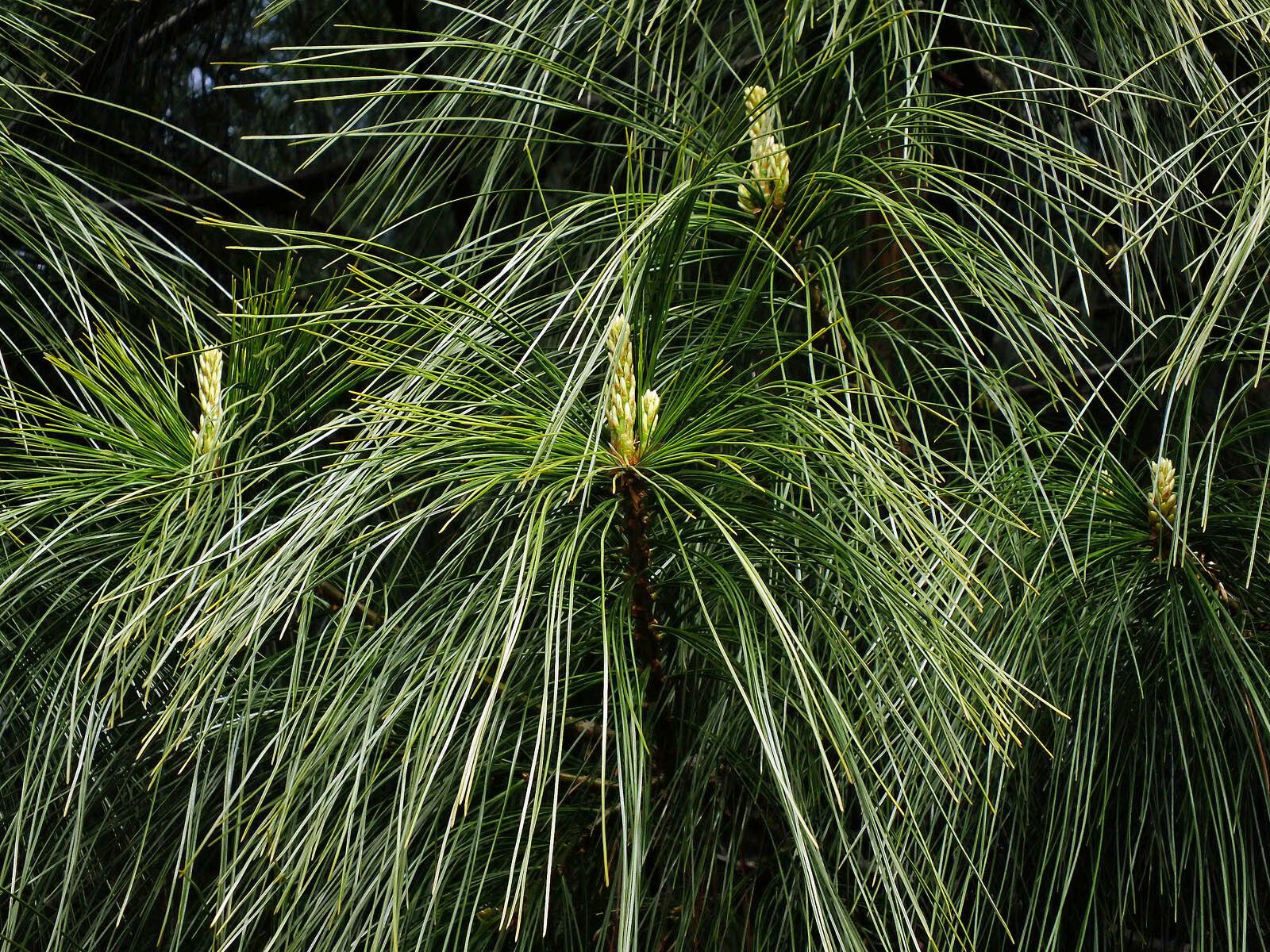
Pinus aristata, commonly known as the Bristlecone Pine, is a slow-growing evergreen tree native to the Rocky Mountains of North America. This hardy species can survive in harsh environments and has the incredible ability to live for thousands of years. Its distinctive needles, typically 1-2 inches long, grow in clusters of five, while its unique cones feature bristles on the scales that help protect the seeds from predators.
For centuries, Native American tribes have utilized the Bristlecone Pine for various purposes, including as a source of food and medicine. Culturally, the tree holds significant meaning, symbolizing longevity and resilience.
Thanks to its ability to thrive in extreme conditions, such as high altitudes and cold temperatures, Pinus aristata is often used in reforestation efforts and planted as an ornamental tree in gardens and parks. However, it is worth noting that this species grows very slowly, meaning it may take many years to reach its full potential height.
Overall, Pinus aristata is an impressive tree with unique features and remarkable resilience, making it an important component of North American ecosystems, both ecologically and culturally.
Rocky Mountain Bristlecone Pine resists disease well and is usually not susceptible to illnesses. As for care, this plant is fairly low-maintenance. When grown outdoors it needs only light watering, and larger specimens typically do not require pruning. Smaller plants, however, should be pruned after they have bloomed. Rocky Mountain Bristlecone Pinet is appropriate for anyone who has an outdoor area, like a garden or a deck, and it does not demand extensive care experience.
How to keep Pinus Aristata.
Light
The Rocky Mountain bristlecone pine carries out strong photosynthesis in full sun, yet it can continue producing energy in places that receive only part of the sunlight. Its native habitat has made it adapted to abundant sunshine. Too much or too little light can stunt its growth and cause deformities and discoloration.
Water
The Rocky Mountain Bristlecone Pine is well-suited for high-altitude environments and is exceptionally drought-tolerant, thriving with minimal moisture. It only needs to be watered every two weeks, which mirrors the dry climate of its natural habitat. Its needle-like leaves help reduce water loss, making it highly resilient to drought conditions.
Humidity
This plant will thrive in moderate humidity, which is probably the level in your home. However, misting it a few times a week can be very beneficial. Make sure the room has good ventilation.
Temperature
The Rocky Mountain Bristlecone Pine typically flourishes in its native cool-temperate habitats at temperatures of 59 to 95 °F (15 to 35 °C). If it undergoes seasonal temperature fluctuations, make moderate adjustments to closely replicate its natural growing conditions.
Fertilizer
Rocky Mountain Bristlecone Pine has particular nutrient needs and does not require heavy fertilization. Spring is the best time to apply fertilizer for optimal growth. Providing nutrients enhances its health, increases resistance to pests and diseases, and helps sustain its long lifespan.
Pruning
To promote growth and reduce stress, prune Rocky Mountain Bristlecone Pines from early to late winter. Concentrate on removing dead branches and thinning overcrowded areas to improve airflow. Avoid excessive pruning to preserve the tree's natural shape. Use sharp, sterilized tools to prevent infections and enhance the tree's resistance to disease.
Botanical profile.
- Plant Type
- Tree
- Life Cycle
- Perennial
- Genus
- Pinus
- Family
- Pinaceae
- Hardiness Zone
- 7-9
- Mature Height
- 2.44 m to 6.1 m
- Mature Spread
- 3.05 m to 4.57 m
- Leaf Color
- Green, Blue
- Leaf Type
- Evergreen
- Flower Color
- Yellow, Green, Red
- Flower Size
- 2.54 cm
- Bloom Time
- Early summer, Mid summer
- Planting Time
- Spring, Summer
- Harvest Time
- Late summer, Early fall, Mid fall
- Native Area
- Southern mountain regions of North America—Arizona, Colorado, New Mexico
Other names.
Reader questions.
How should I water my Rocky Mountain Bristlecone Pine in the best way?
Watering your Rocky Mountain Bristlecone Pine is a straightforward task. To water it, you can simply use a garden hose to slowly soak the soil. This is ideal for larger trees that require a high volume of water. However, for smaller trees, using a watering can or another smaller tool may be sufficient. It is important to avoid overhead watering, as excessive moisture on the leaves can lead to disease, particularly when the tree is young.
Why should I add fertilizer to my Rocky Mountain Bristlecone Pine?
To promote healthy growth of the Rocky Mountain Bristlecone Pine, it's important to fertilize it in the spring. Since this plant has a long lifespan, it requires support for optimal development. By enriching the soil with nutrients, we can enhance its health and boost its resistance against common pests and diseases, which can hinder its growth or reduce its lifespan.
What are the sunlight requirements for the Rocky Mountain Bristlecone Pine?
The Rocky Mountain Bristlecone Pine thrives under full sun, needing more than 6 hours of sunlight daily, but it can also sustain its energy generation process with about 3-6 hours of sunlight. This adaptability can be attributed to its ancestral habitat, which is accustomed to handling abundant sunshine. However, both too much and too little sunlight could impede its growth, causing issues such as deformities and discoloration. It's essential to observe how sunlight moves through your garden to find the ideal balance of light and shade, ensuring the plant's health and happiness.
What are the optimal temperature conditions for the Rocky Mountain Bristlecone Pine?
The Rocky Mountain Bristlecone Pine thrives in cool-temperate environments, particularly within a temperature range of 59 to 95 °F (15 to 35 °C). To mimic its natural growing conditions, moderate adjustments should be made during seasonal temperature fluctuations to ensure the plant experiences similar environmental changes. This species possesses significant cold resistance, usually negating the need for special frost protection measures. However, if temperatures are forecasted to plunge below -15°C during winter, it becomes crucial to protect the plant from cold. Wrapping the trunk and branches with non-woven fabric or cloth can provide necessary insulation against extreme cold. Additionally, watering the plant abundantly before the first freeze in autumn is recommended to keep the soil moist and prevent drought and water scarcity during winter and early spring.
What should I do if I give too much or too little water to my Rocky Mountain Bristlecone Pine?
Overwatering can harm your Rocky Mountain Bristlecone Pine if the soil doesn't allow water to drain effectively. If this happens, you can improve drainage by amending the soil or moving the plant to a better location. If your plant is in a pot, repotting with looser soil and a container that drains well may be necessary. Overwatering can also lead to diseases, so treat them promptly. To fix an underwatered plant, simply water it more frequently. To determine if your plant is overwatered, check the foliage, especially new growth, for discoloration or breakage. Standing water or slow drainage are also signs of overly moist soil. Underwatered plants may have sparse, brown leaves. Consider recent or consistent rain and high temperatures when assessing these symptoms.
When should I fertilize my Rocky Mountain Bristlecone Pine tree?
Unlike garden annuals and perennials, the Rocky Mountain Bristlecone Pine does not need a lot of extra nutrients to grow well. However, sometimes the growing medium may not provide enough nutrients for healthy growth. To ensure optimal growth, it is best to fertilize the Rocky Mountain Bristlecone Pine in the spring before new growth appears.
How does artificial lighting support plant growth, and what are the recommendations for its use?
Artificial lighting is crucial for indoor plants, especially when natural sunlight is insufficient, like in winter or less sunny spaces. It promotes faster, healthier growth by providing vital light energy. For ideal growth under artificial light: LED lights are recommended for their ability to offer specific light wavelengths needed by plants. Full sun plants require 30-50W/sq ft, partial sun plants 20-30W/sq ft, and full shade plants 10-20W/sq ft of artificial light. The light source should be placed 12-36 inches above the plant to mimic natural sunlight, and most plants benefit from 8-12 hours of light per day.
What should be done if the Rocky Mountain Bristlecone Pine is exposed to low temperatures?
The Rocky Mountain Bristlecone Pine is cold-tolerant, ideally kept in temperatures above 15°C. During winter months, the temperature should remain above -10°C. Exposure to temperatures below -15°C might not show immediate visual changes during the winter, but come spring, the branches can become brittle, dry, and fail to produce new shoots. In spring, it's advised to prune away any dead branches that do not produce new leaves as a method to encourage health and growth in the plant.
How frequently should I water my Rocky Mountain Bristlecone Pine tree?
A mature Rocky Mountain Bristlecone Pine is highly adaptable to drought conditions and can typically survive solely on rainfall. During the hottest months, watering once a week may be necessary, but other seasons may not require any additional watering. However, if you have recently planted a tree, it is crucial to water it regularly to ensure proper root establishment. It is important to note that standing water is not tolerated by this species, so it is better to err on the side of not watering too much.
When should I not give fertilizer to my Rocky Mountain Bristlecone Pine tree?
While some plants benefit from regular fertilization, the Rocky Mountain Bristlecone Pine does not have the same needs. This particular plant does not require excessive nutrients, and in fact, using too much fertilizer may result in it declining. To ensure its health, only apply fertilizer during the spring season, and avoid adding any in the summer, fall, and winter. It's also important to refrain from introducing organic matter to the soil during these seasons.
What are the important symptoms of light deficiency or overexposure in the Rocky Mountain Bristlecone Pine?
When exposed to suboptimal lighting conditions, the Rocky Mountain Bristlecone Pine may show various symptoms. Deficiency in light can lead to smaller new leaves, leggy or sparse growth, faster leaf drop, slower or halted new growth, and lighter-colored new leaves. Overexposure to sunlight can cause chlorosis, where leaves turn yellow due to chlorophyll breakdown, sunscald indicated by pale or necrotic areas on the plant, leaf curling as a defense against water loss, wilting from excessive water loss through transpiration, and leaf scorching characterized by brown, dry patches on the leaves due to too much sunlight.
How can Rocky Mountain Bristlecone Pine be cared for in high temperatures?
In the summer months, the temperature around the Rocky Mountain Bristlecone Pine should be kept below 35°C. Should the temperature rise above 38°C, the plant may exhibit signs of stress such as lighter-colored leaves, dry and withered tips, and increased susceptibility to sunburn. To manage these symptoms, trim away the sunburned and dried-up parts of the plant. Relocating the plant to a shadier spot or utilizing a shade cloth to block out the midday and afternoon sun can also help. Additionally, watering the plant in the morning and evening will help keep the soil sufficiently moist and further protect the plant from the adverse effects of high temperatures.