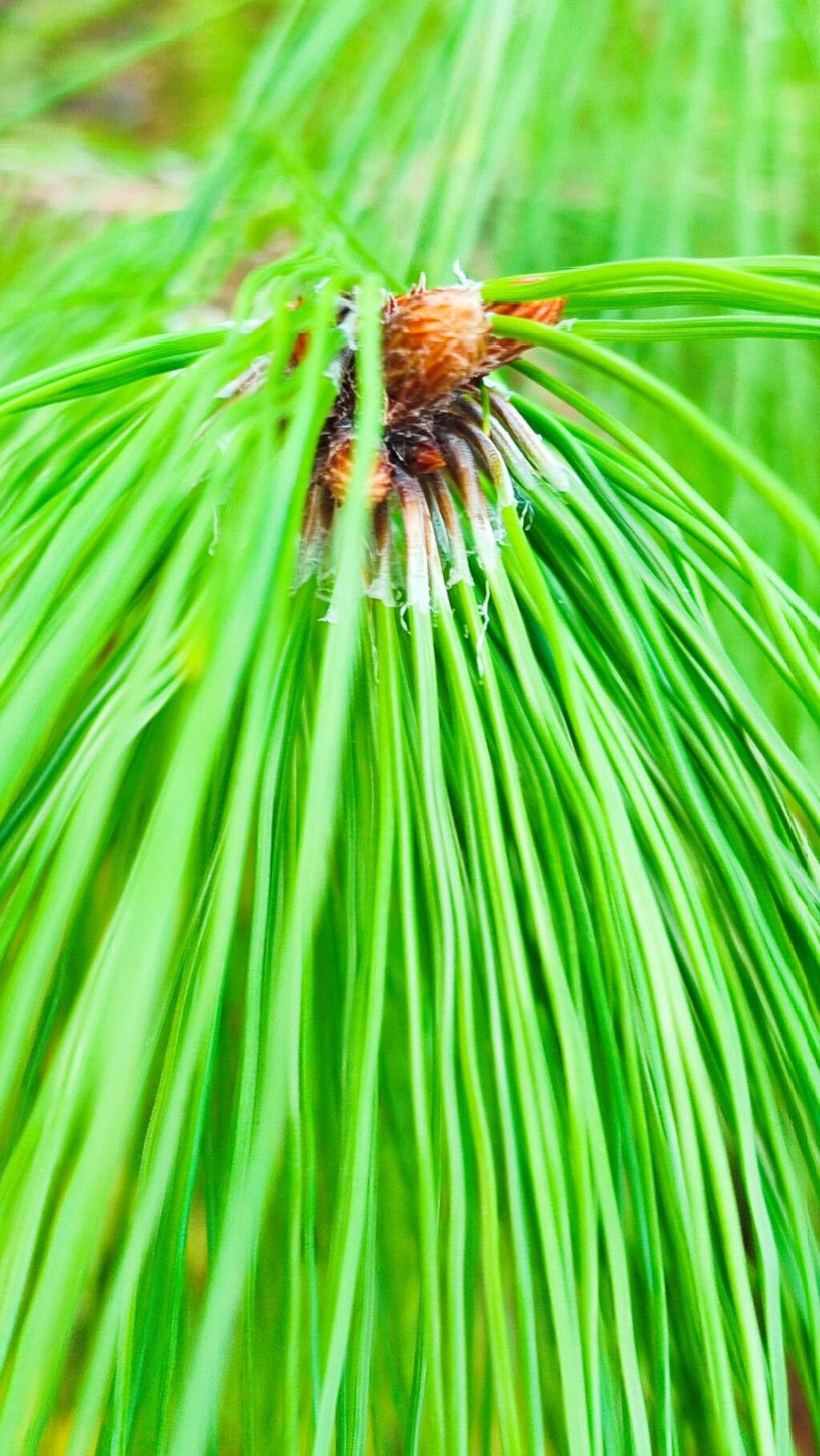
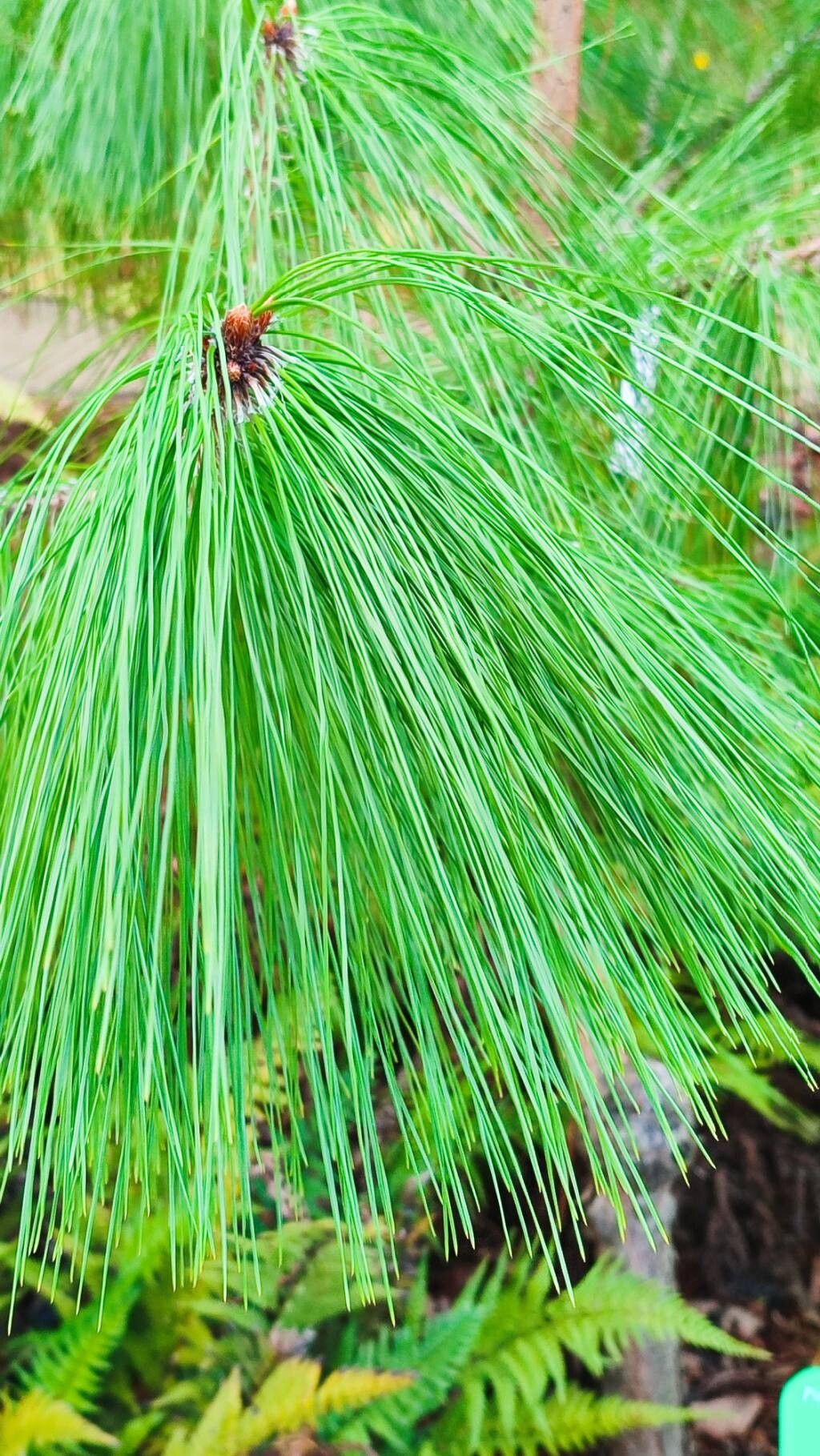
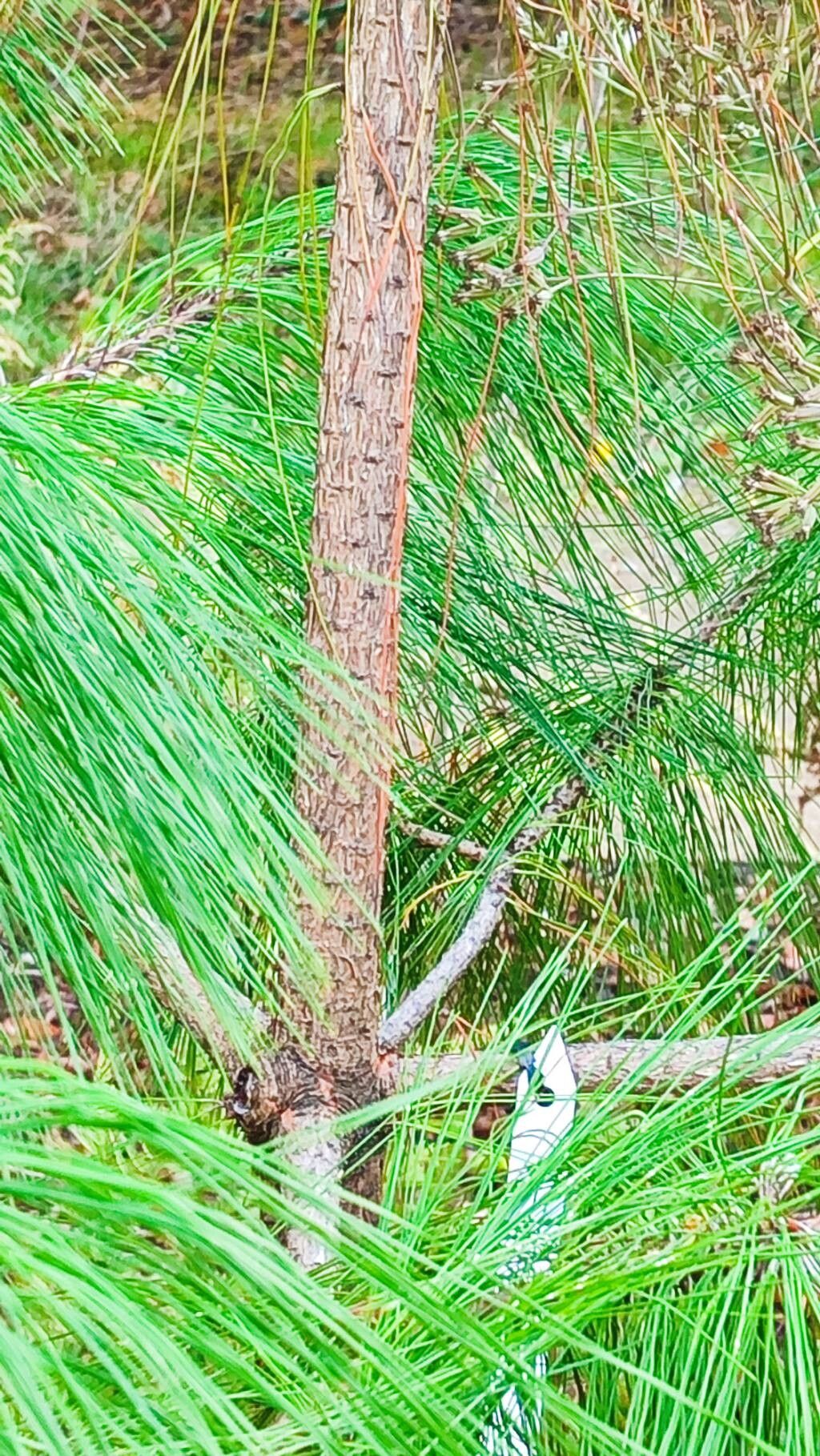
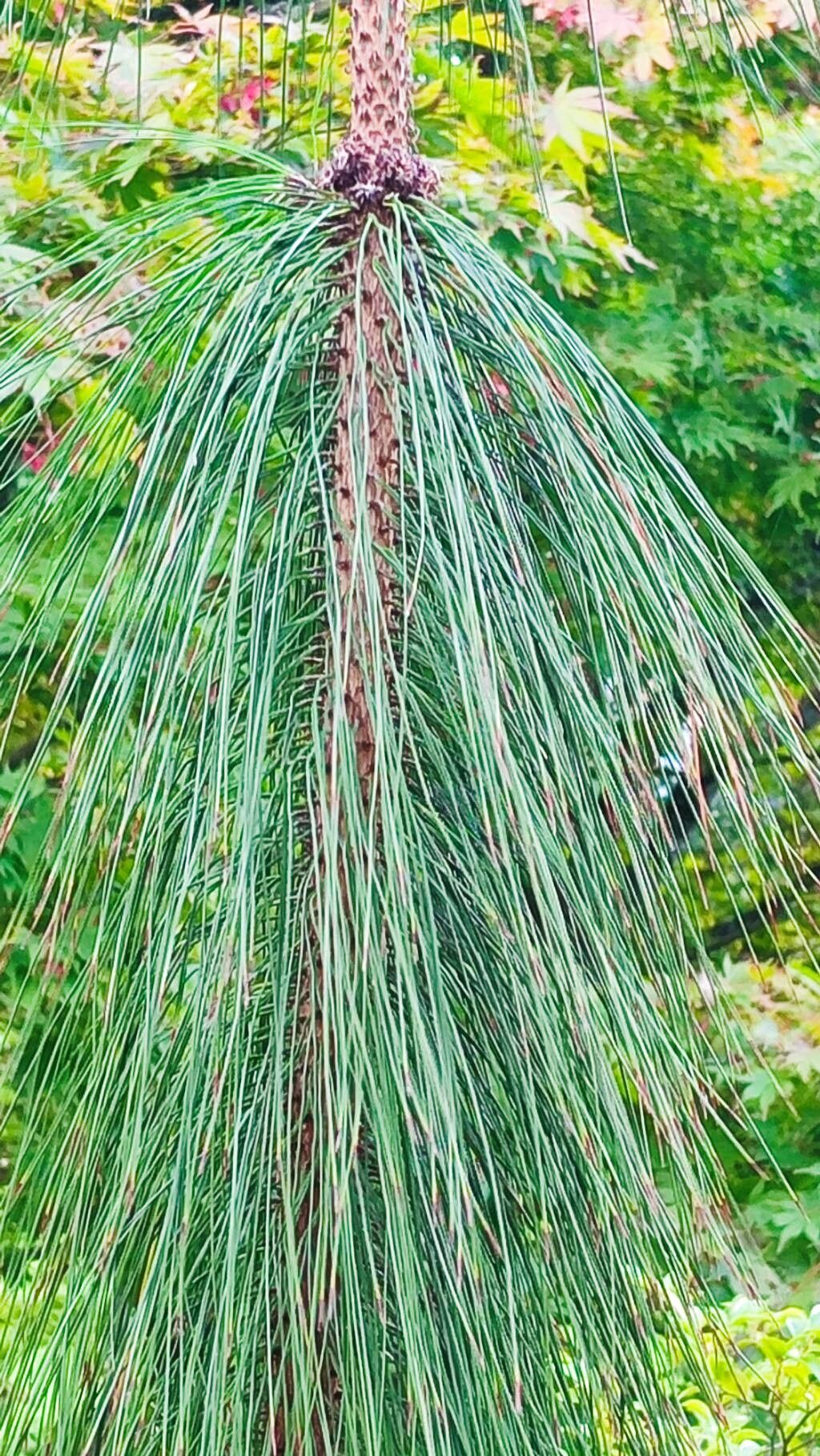
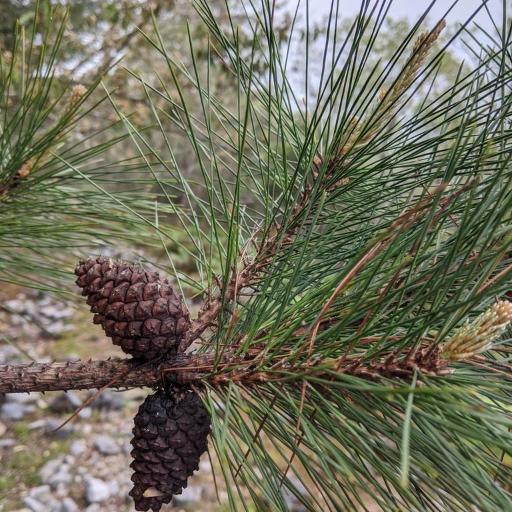
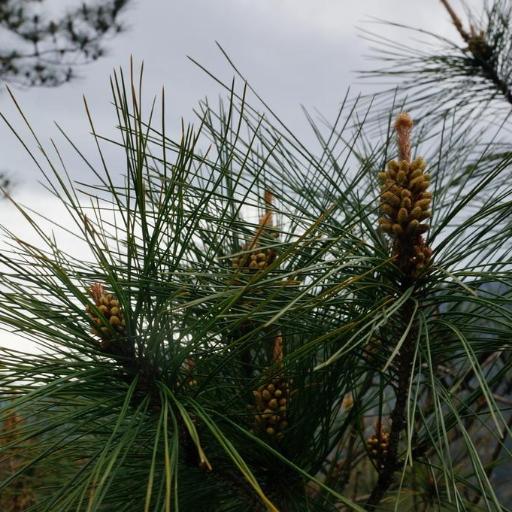
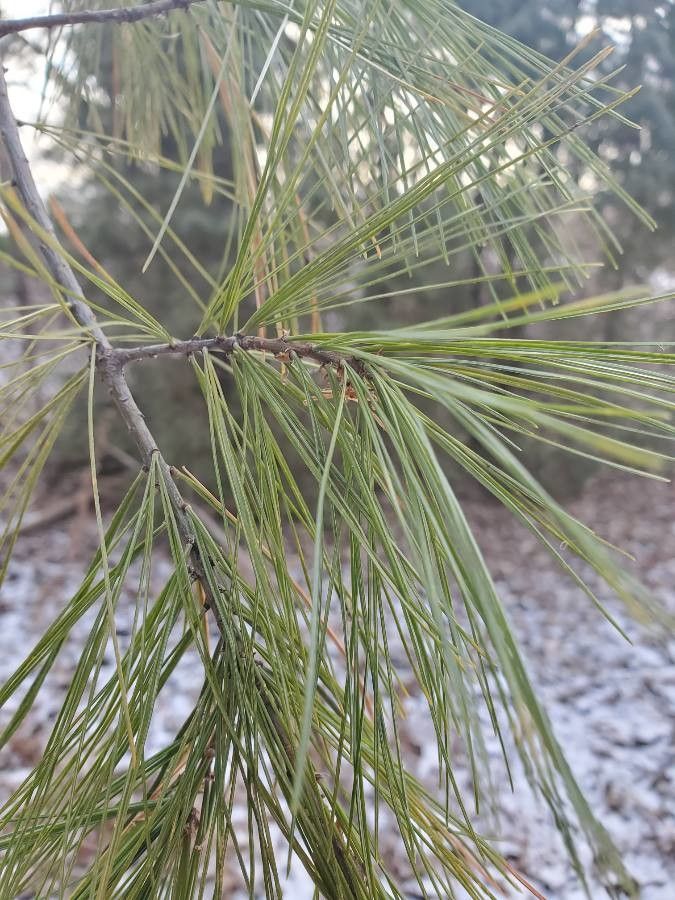
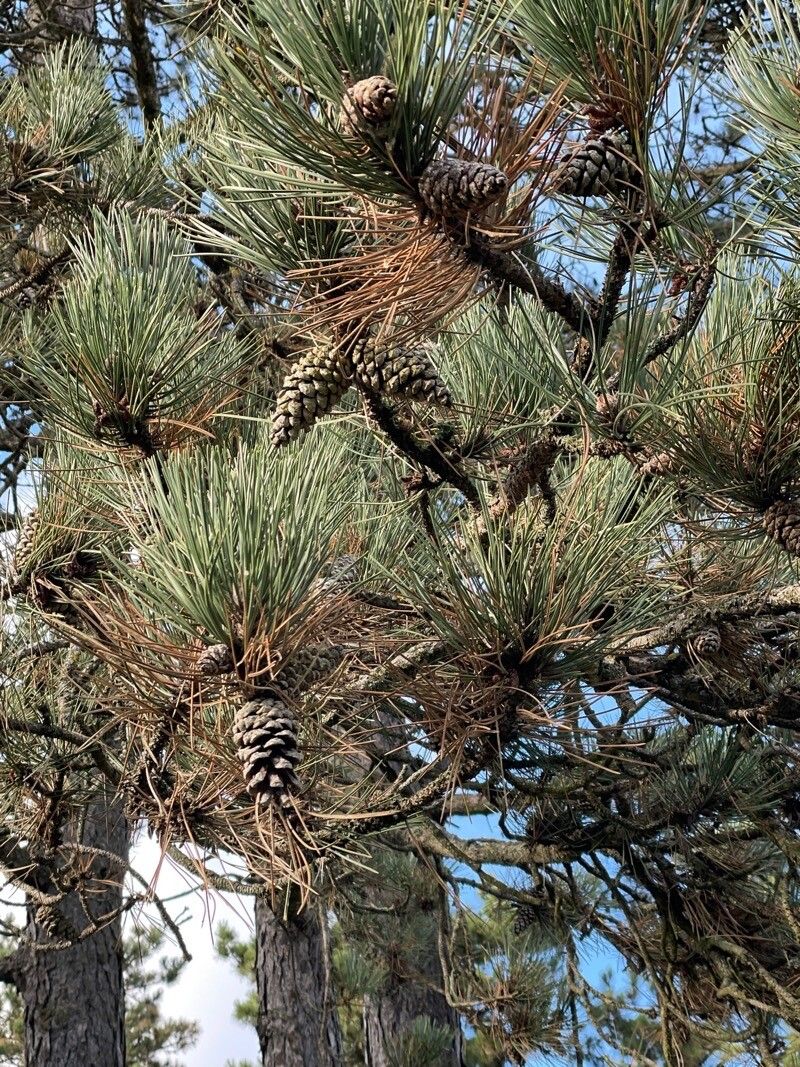
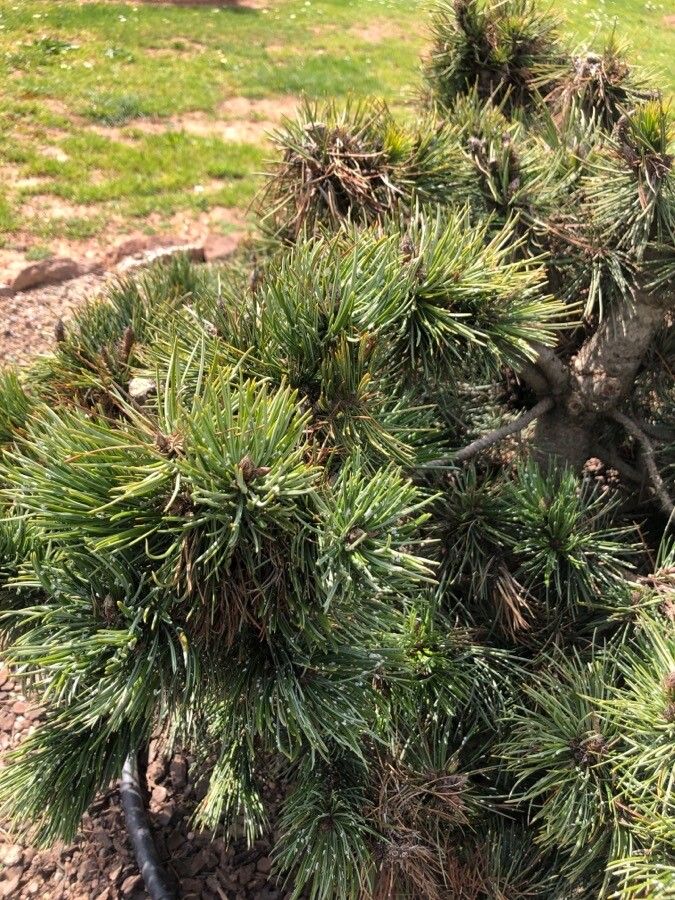
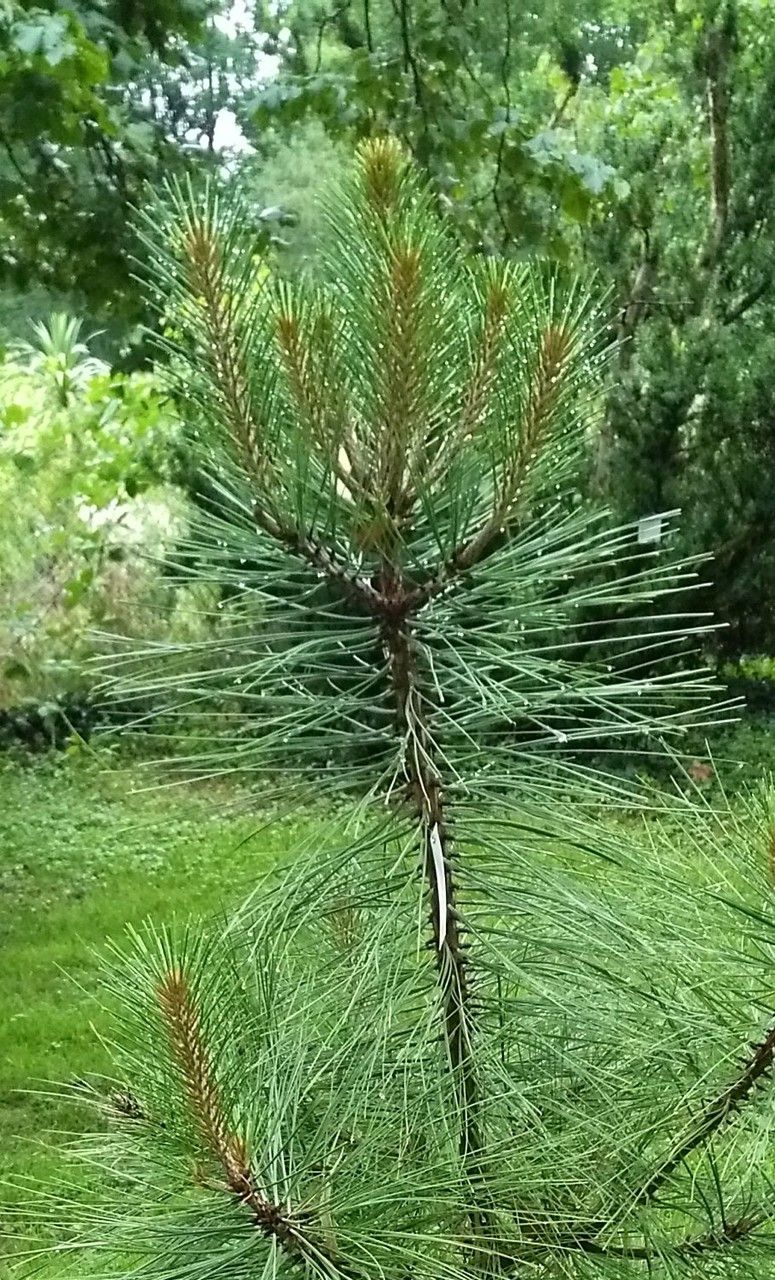
Pinus taiwanensis, the Taiwan red pine, is a species of conifer in the family Pinaceae endemic to Taiwan.
Taiwan red pine is highly resistant to disease and generally does not tend to get sick. In terms of care, this plant is fairly low-maintenance. Planted outdoors, it needs only minimal watering, and larger specimens typically do not require pruning. Smaller plants, however, should be pruned after they finish blooming. Taiwan red pine is suitable for anyone with outdoor space, such as a garden or a deck, and does not demand a lot of caregiving experience.
How to keep Pinus Taiwanensis.
Light
Preferring plentiful sunlight, Taiwan red pine generally performs best in bright conditions and is rarely discouraged by lower light, reflecting its adaptation to the well-lit habitat of its native ecosystem. Insufficient light can limit its growth, while too much light may lead to scorching. Its developmental stages do not especially require altered light conditions.
Temperature
Taiwan red pine is highly adaptable to a range of climate conditions, tolerating both scorching summers and chilly winters. However, it has an optimal temperature range for growth. If temperatures become too high, the plant is vulnerable to heat and humidity stress, which can kill it. In areas where temperatures approach the lower limit of its cold tolerance, insulating measures should be taken to protect the plant.
Fertilizer
Taiwan red pine has specific nutrient needs and does not require heavy fertilization. Spring is the best time to apply fertilizer for optimal growth. Supplying nutrients enhances its health, increases its resistance to pests and diseases, and helps maintain a long lifespan.
Botanical profile.
- Plant Type
- Tree
- Life Cycle
- Perennial
- Genus
- Pinus
- Family
- Pinaceae
- Hardiness Zone
- 5-8
- Mature Height
- 35.05 m
- Mature Spread
- 6.1 m
- Leaf Color
- Blue, Green
- Leaf Type
- Evergreen
- Flower Color
- Red, Bronze
- Flower Size
- 1.02 cm to 1.52 cm
- Bloom Time
- Mid spring, Late spring
- Planting Time
- Winter
- Harvest Time
- Late summer, Early fall, Mid fall
- Native Area
- China
Other names.