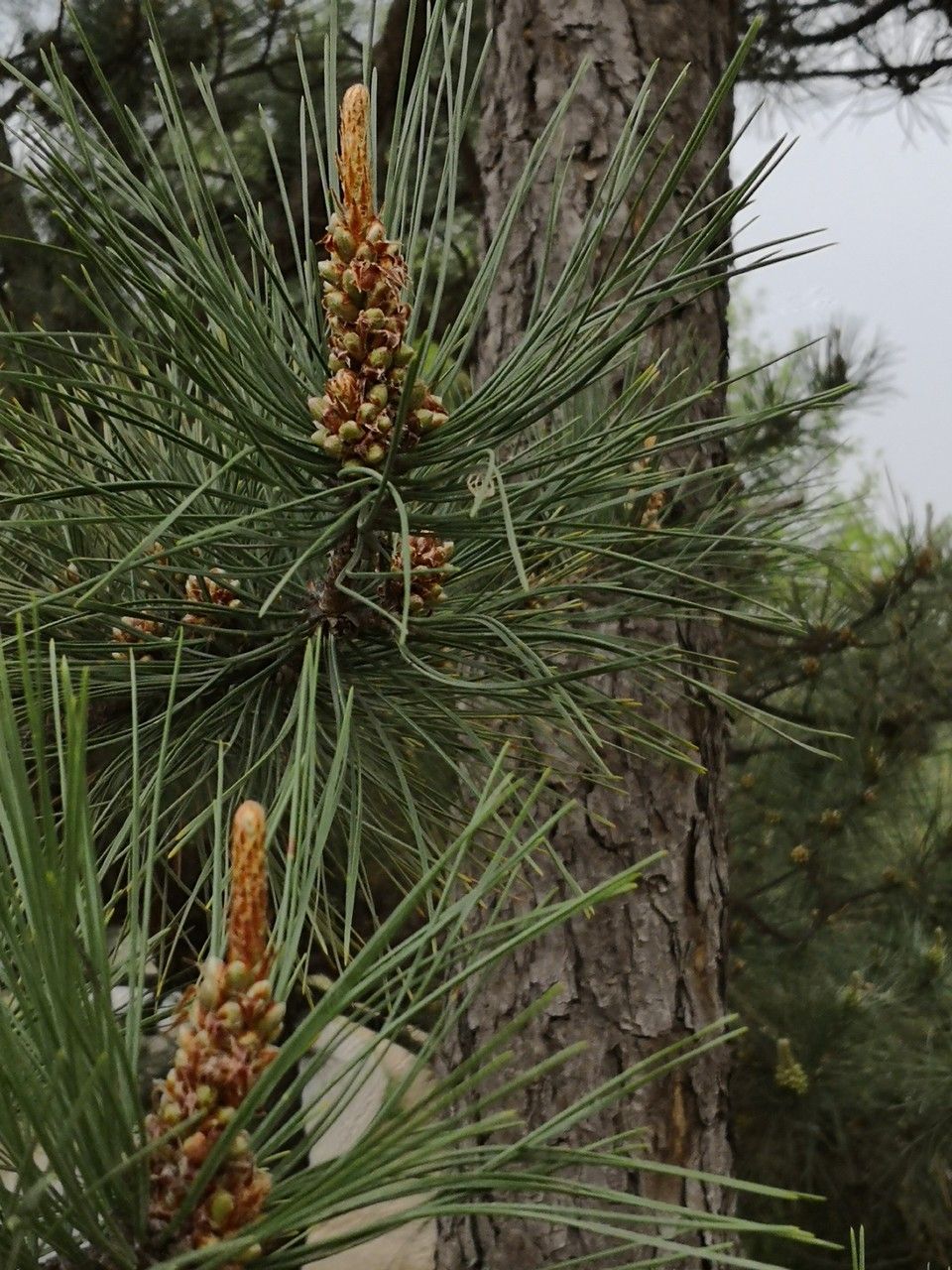
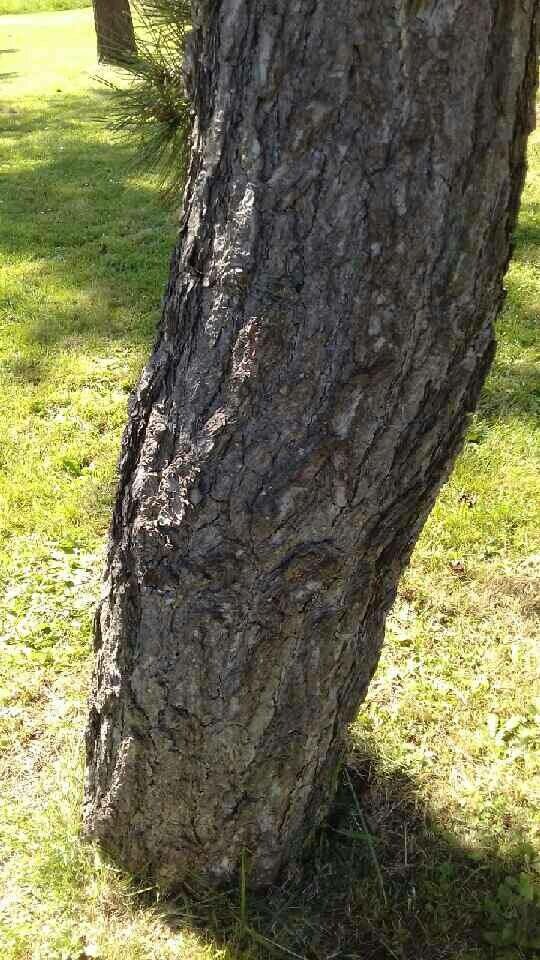
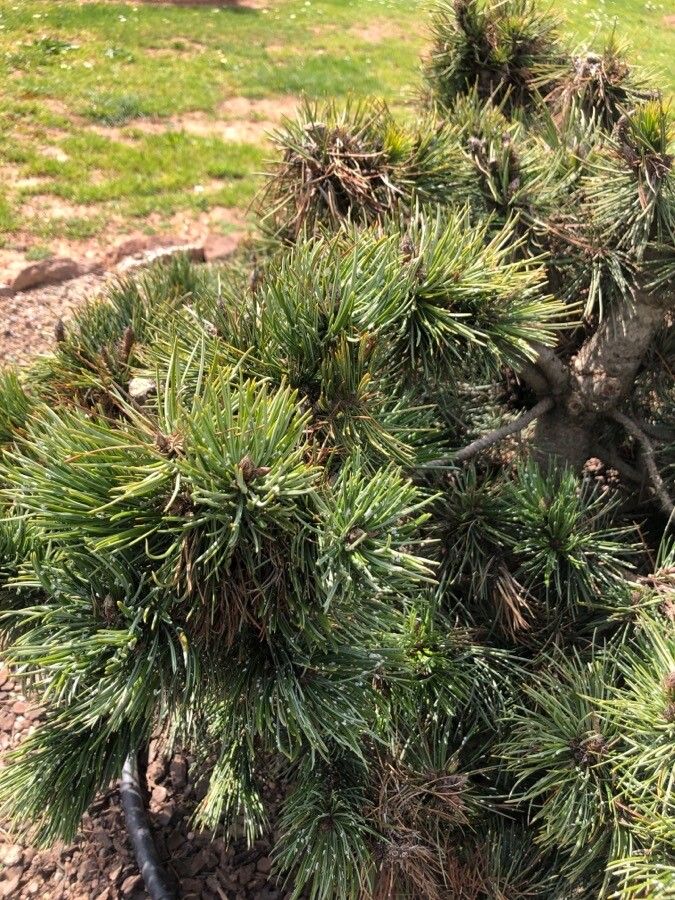
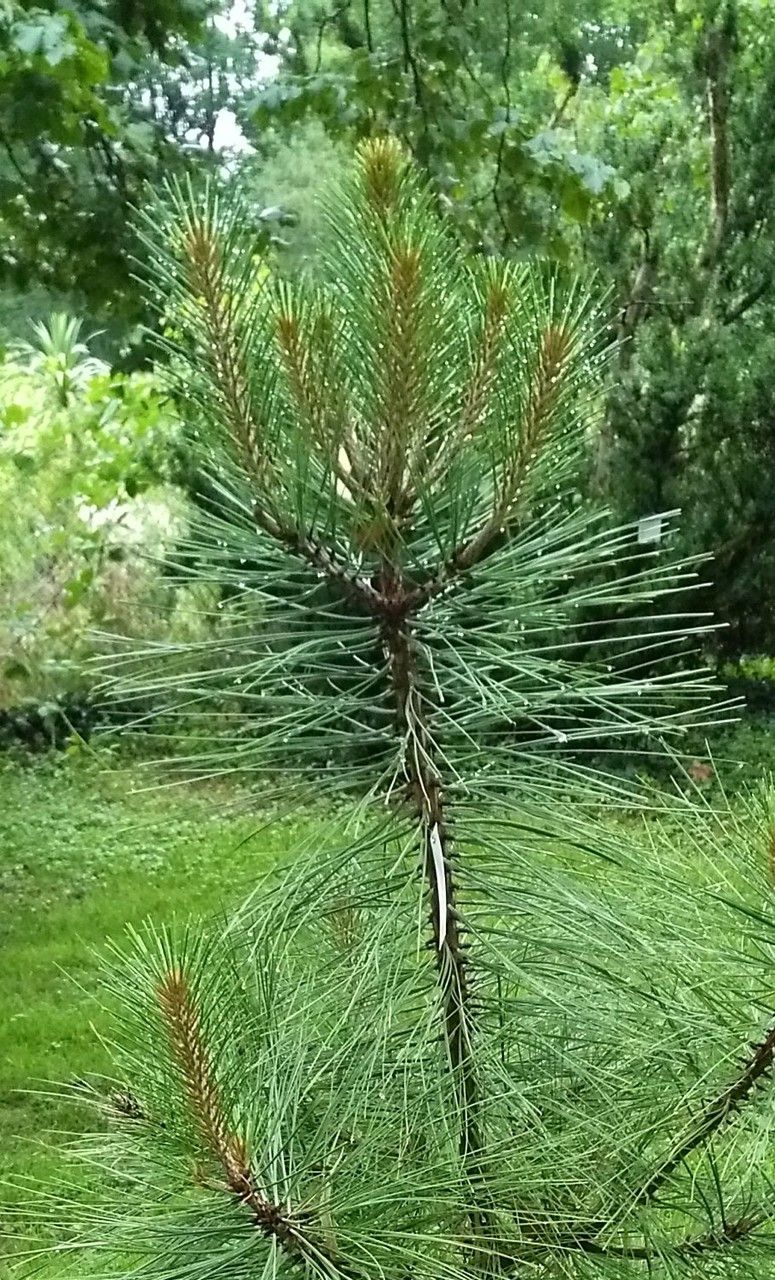
Pinus tabuliformis, commonly known as Chinese pine or Chinese red pine, is a species of coniferous tree native to China. This slow-growing evergreen can reach heights of up to 30 meters and features a broad, flat-topped crown. Its bark is thick, scaly, and reddish-brown.
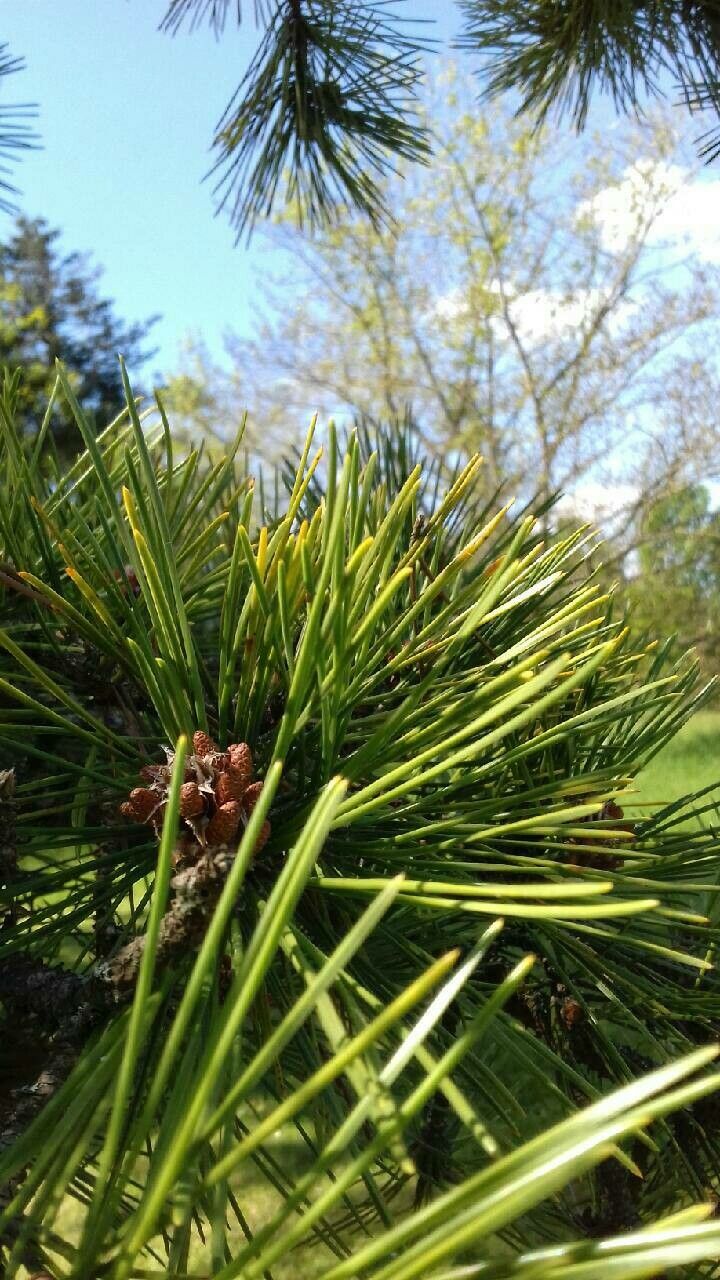
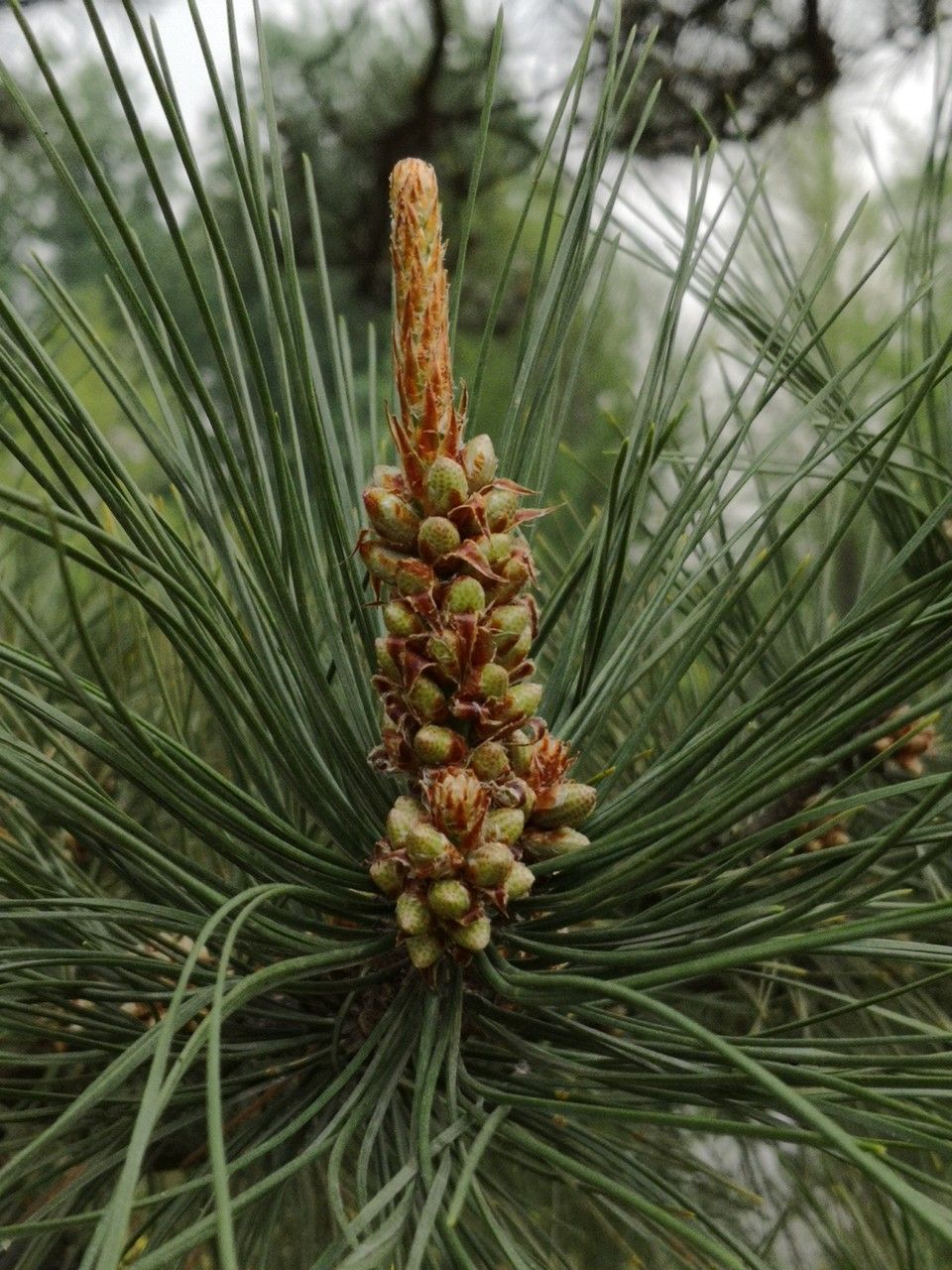
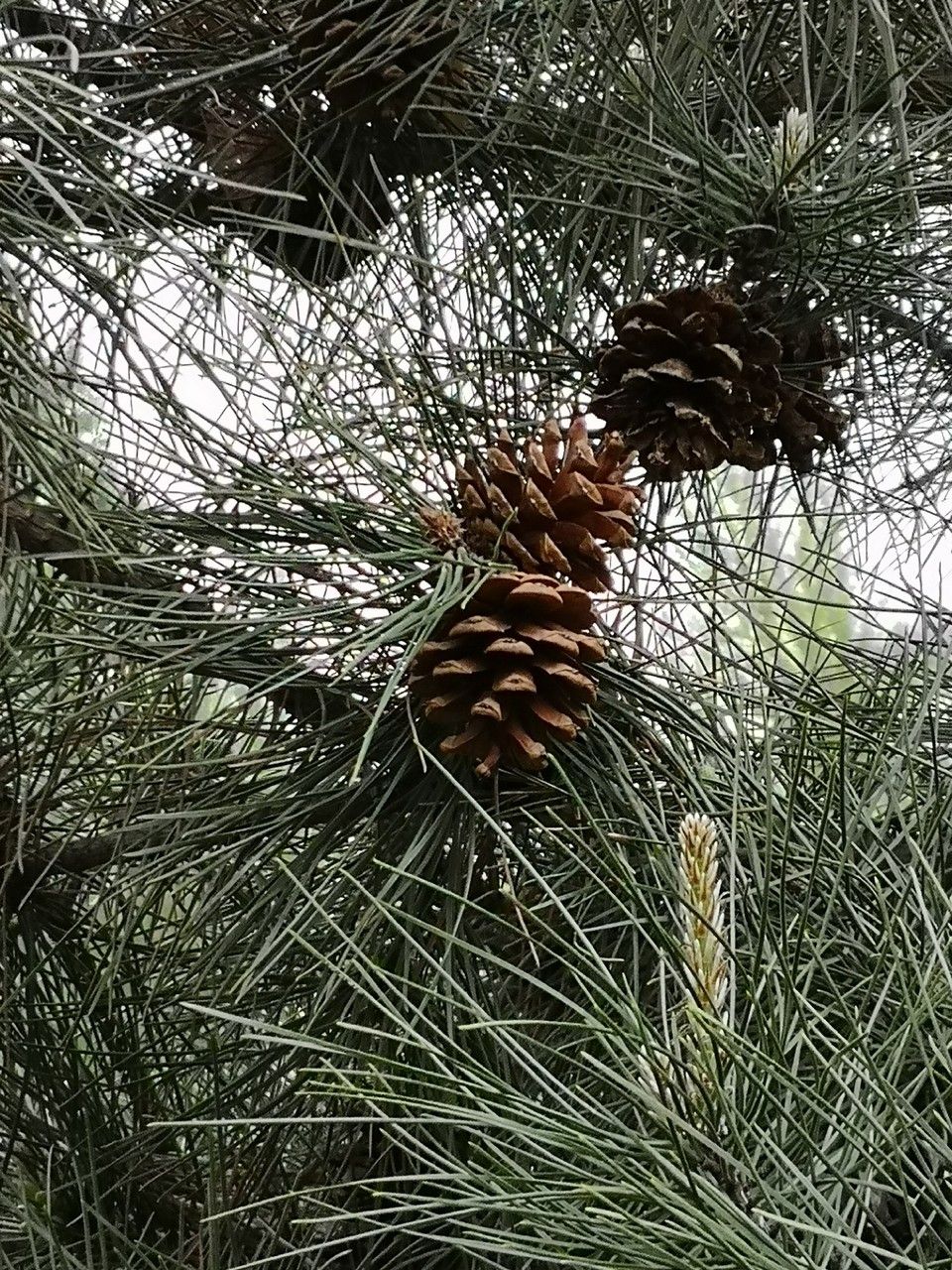
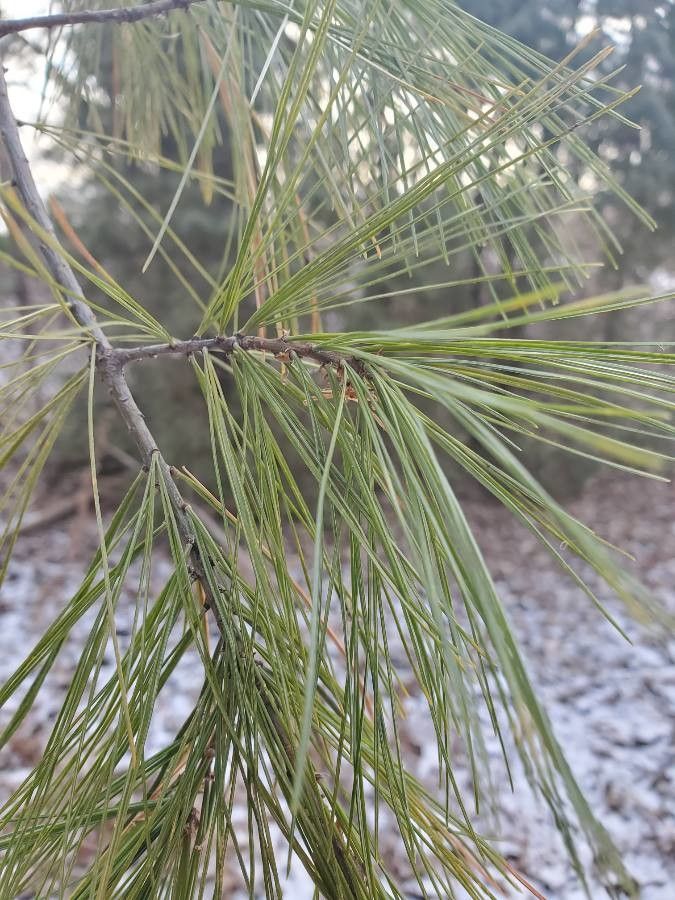
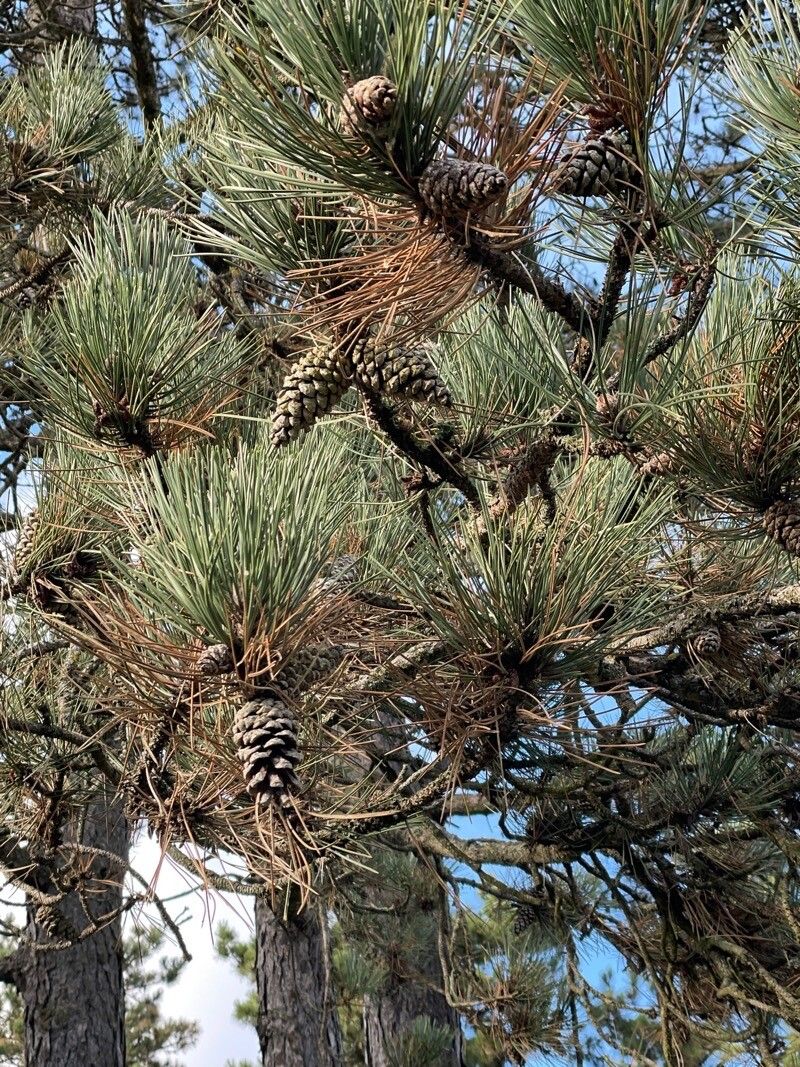
The needles of Pinus tabuliformis are long and slender, measuring up to 15 centimeters in length. They are arranged in pairs along the branches and display a bluish-green color. The cones produced by this species can grow up to 20 centimeters long and have thick scales that protect the seeds inside.
Pinus tabuliformis is an important timber species in China due to its strong wood, which is suitable for construction purposes such as flooring, furniture making, and shipbuilding. The tree also possesses medicinal properties; its resin can be used to treat coughs and colds.
This tree prefers well-drained soils with moderate moisture levels but can tolerate drought conditions once established. It thrives under full sun exposure but can also tolerate partial shade.
Overall, Pinus tabuliformis is an attractive evergreen coniferous tree that offers both aesthetic value and economic benefits. Its timber production capabilities make it an important plant for both ornamental and commercial use.
Chinese pine shows strong disease resistance and is generally not susceptible to diseases. In terms of care, this plant is fairly low-maintenance. When planted outdoors, it needs minimal watering, and larger plants usually do not require pruning. However, smaller plants should be pruned after they have bloomed. Chinese pinet is suitable for anyone with an outdoor space, such as a garden or deck, and does not require much care experience.
How to keep Pinus Tabuliformis.
Light
Chinese pine grows best with abundant sunlight, which supports its healthy development. Light intensity affects the greenness of its foliage and the strength of its needles. The species can tolerate environments without shade. Nevertheless, excessive or insufficient light can, respectively, cause color fading or hamper growth. It is adapted to the brightness of its native, unshaded habitats.
Water
The Chinese pine, native to arid regions, is drought-tolerant and needs watering only every two weeks. It thrives in temperate zones and benefits from mulching, which helps retain soil moisture and regulate temperature—both essential for its growth cycle.
Temperature
Chinese pine originates from temperate regions and prefers temperatures between 32 and 90°F (0 to 32°C). It can tolerate and grow well in colder winters and moderate summers. Seasonal temperature adjustments can help ensure healthy growth.
Fertilizer
Chinese pine has specific nutrient needs and does not require heavy fertilization. The best time to apply fertilizer for optimal growth is in spring. Providing nutrients enhances its health, increases its resistance to pests and diseases, and helps sustain its long lifespan.
Pruning
Chinese pine trees are known for their layered branches and conical shape. To maintain their health and appearance, they benefit from pruning between early and late winter. Key pruning techniques include removing dead or diseased branches, thinning out dense areas, and improving air circulation. Pruning during their dormant season minimizes stress on the trees, enhancing both their growth and aesthetics. As a result, Chinese pine is highly valued in landscaping.
Botanical profile.
- Plant Type
- Tree
- Life Cycle
- Perennial
- Genus
- Pinus
- Family
- Pinaceae
- Hardiness Zone
- 3-7
- Mature Height
- 24.99 m
- Mature Spread
- 91 cm
- Leaf Color
- Green, Blue
- Leaf Type
- Evergreen
- Flower Color
- Yellow, Green
- Bloom Time
- Mid spring, Late spring
- Planting Time
- Spring
- Harvest Time
- Late summer, Early fall, Mid fall
- Native Area
- Koppen, China
Other names.
Reader questions.
What are the sunlight requirements for Chinese pine?
Chinese pine requires ample sunlight to promote its healthy growth, thriving best under conditions that mimic its indigenous, non-shaded landscapes. The plant needs full sun, defined as more than 6 hours of sunlight per day, to maintain the greenness of its foliage and the strength of its needles. Partial sun, about 3-6 hours of sunlight per day, can also be suitable, but it's crucial to observe how sunlight moves through your garden to ensure plants receive the right balance of light and shade. Insufficient or excessive light might cause the foliage to fade in color or hinder growth.
What climates are suitable for growing Chinese pine?
Chinese pine, botanically known as Pinus tabuliformis, is native to regions with a temperate climate, ideally with temperatures ranging between 32 to 90°F (0 to 32°C). It is capable of thriving in environments that experience colder winters as well as moderate summers, without the need for additional frost protection measures. Proactively adjusting for seasonal temperatures, such as watering generously before the first freeze of autumn to ensure soil moisture, can promote healthy growth even through winter and early spring.
How does artificial lighting support plant growth?
Artificial lighting is essential for indoor plants, especially when natural sunlight is insufficient. It promotes faster, healthier growth by providing the required luminosity. LED lights, a popular choice, can be customized to emit specific light wavelengths necessary for plant growth. For full sun plants, 30-50W/sq ft of artificial light is recommended; partial sun plants require 20-30W/sq ft, and full shade plants need 10-20W/sq ft. The light source should be placed 12-36 inches above the plant to mimic natural sunlight and kept on for 8-12 hours per day depending on the plant species' needs.
What should be done if Chinese pine experiences very low temperatures?
Chinese pine is exceptionally cold-tolerant and can generally withstand winter temperatures down to -35°C. However, temperatures falling below this may not show immediate visible damage during winter, but can lead to brittle, dry branches by spring, without the emergence of new shoots. To mitigate this, it's advisable to prune away any dead branches that have failed to produce new leaves come spring, to encourage healthy growth and maintain the plant's appearance.
What symptoms indicate light deficiency in Chinese pine?
Chinese pine may exhibit several symptoms due to light deficiency, including smaller new leaves, leggy or sparse growth, faster leaf drop, slower or no new growth, lighter-colored new leaves, and irregular color patterns. These symptoms indicate a struggle in maintaining optimal photosynthesis and overall plant health when the light conditions are not suitable.
How does high temperature affect Chinese pine, and what are the solutions?
Chinese pine struggles to cope with high temperatures, particularly those exceeding 32°C. Such conditions may lead to significant leaf drop and, in extreme cases, can result in the plant withering and dying. To address this, trim away any sunburned and dried-up parts to help the plant recover. Relocating the plant to a shaded area or using a shade cloth to protect it from the harsh midday and afternoon sun is beneficial. Regular watering in the morning and evening will also help keep the soil moist, aiding in the plant's overall health during hot spells.
What symptoms of excess sunlight can appear in Chinese pine?
Excess sunlight can cause several issues for Chinese pine, such as chlorosis, sunscald, leaf curling, wilting, and leaf scorching. Chlorosis leads to yellowing leaves due to chlorophyll breakdown, sunscald appears as pale or necrotic areas on plant tissues, leaf curling reduces surface area to minimize water loss, wilting indicates a loss of turgor pressure, and leaf scorching results in brown, dry leaf edges. These symptoms reflect the plant's struggle to cope with excessive light exposure.
How can I address lighting issues for indoor and outdoor Chinese pine?
For indoor Chinese pines, gradually increasing direct sunlight exposure to at least 6 hours daily is recommended. This can be achieved by using a south-facing window or supplementing with artificial light, such as a desk or ceiling lamp, for at least 8 hours daily. For outdoor plants, gradually move them to sunnier spots each week to avoid shock and sunburn. If the plant has been affected by insufficient sunlight, parts may not recover, but new growth will be healthy after adjusting the light exposure. Reducing obstructions or transplanting to sunnier locations with good drainage are also effective strategies.