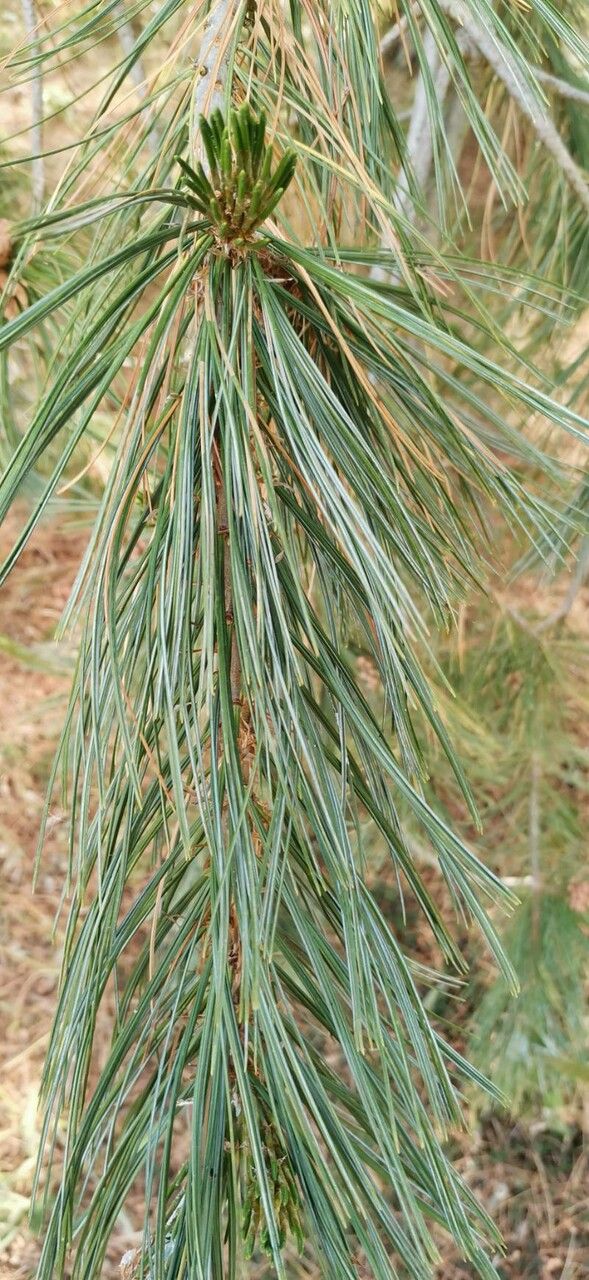
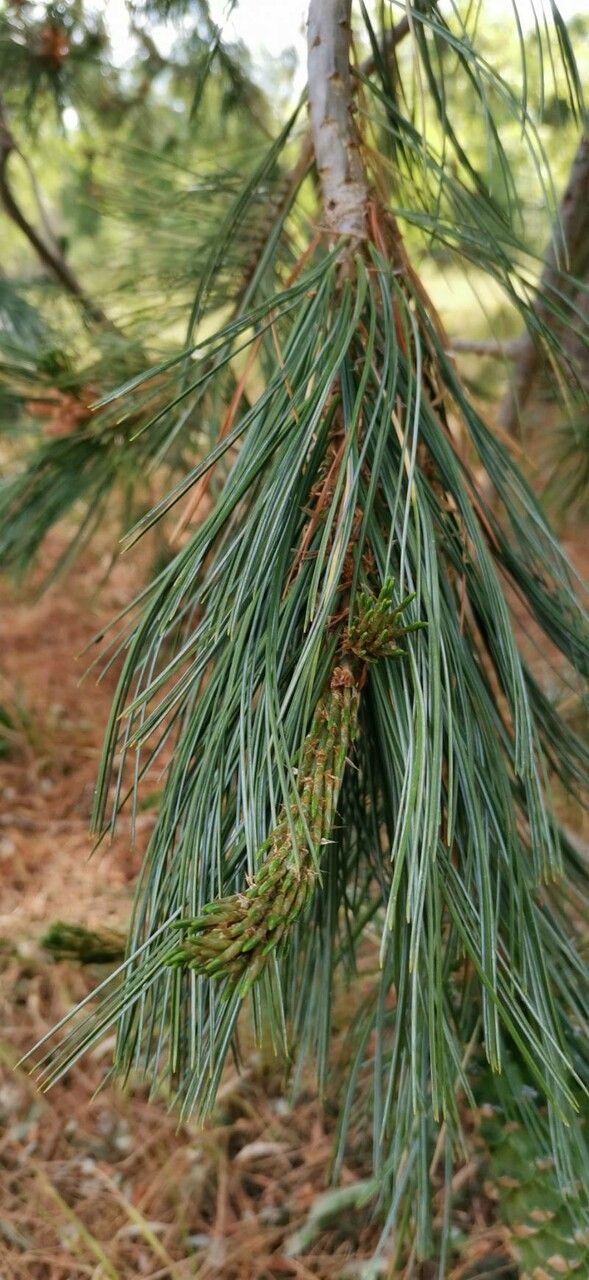
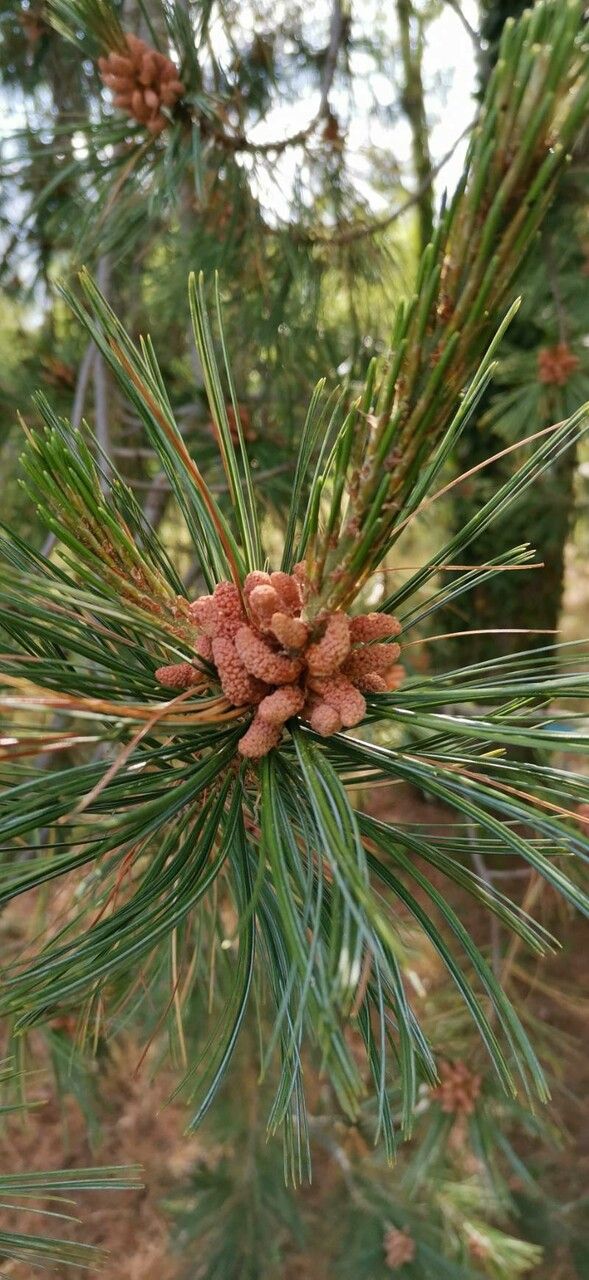
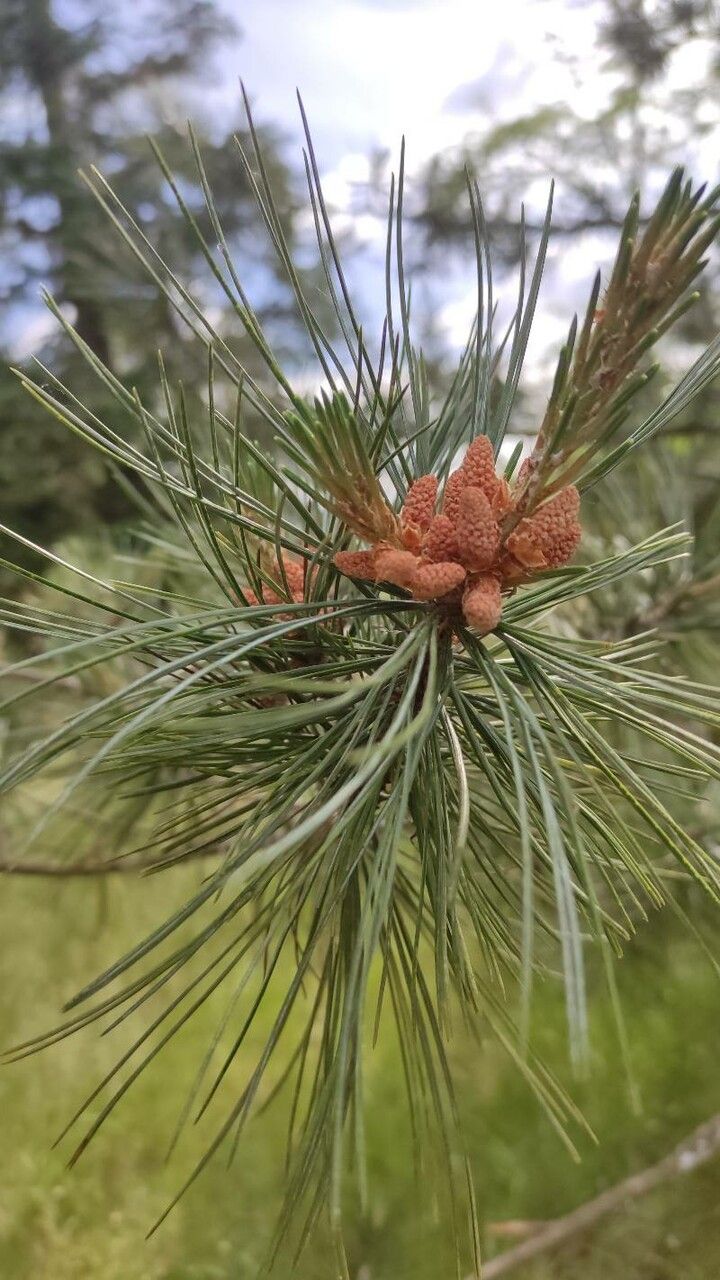
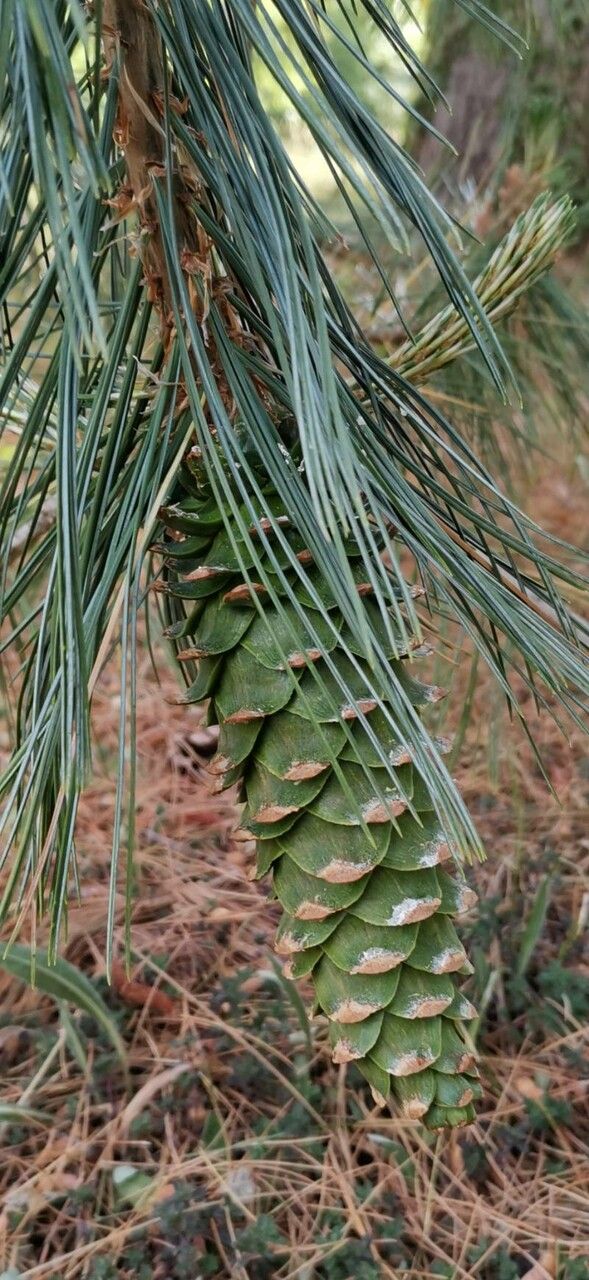
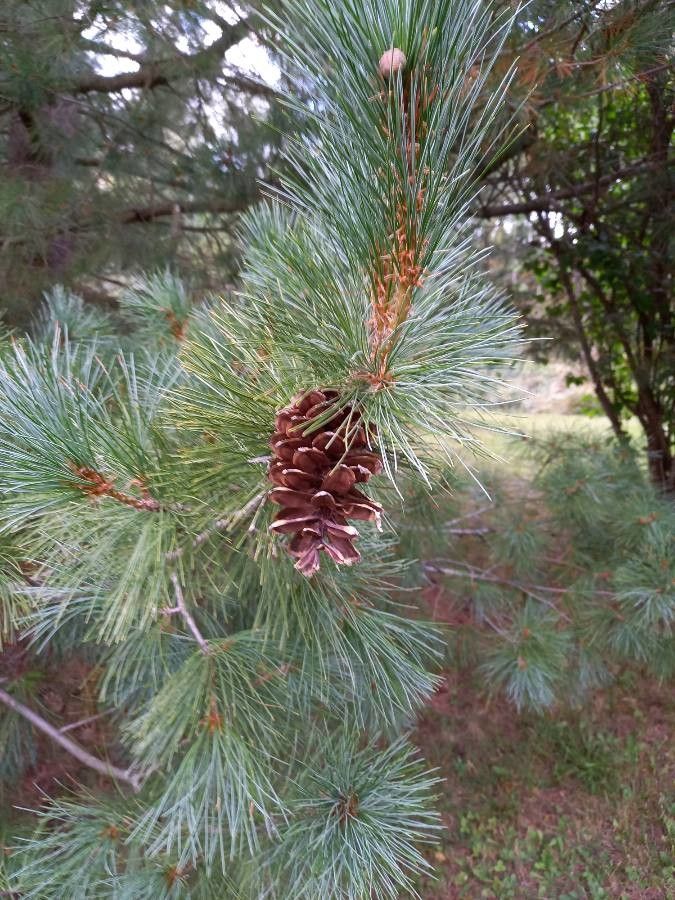
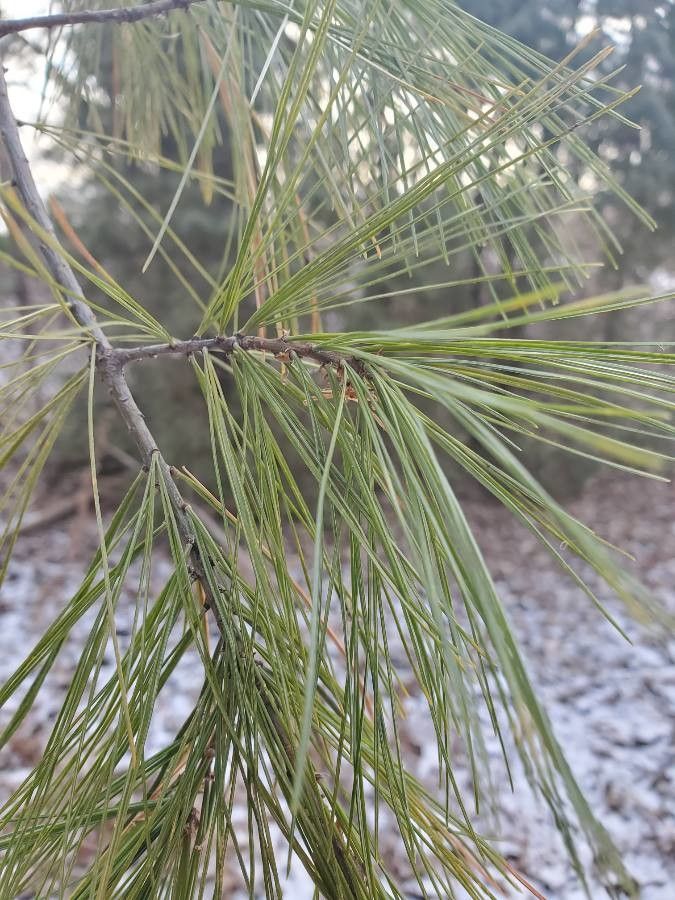
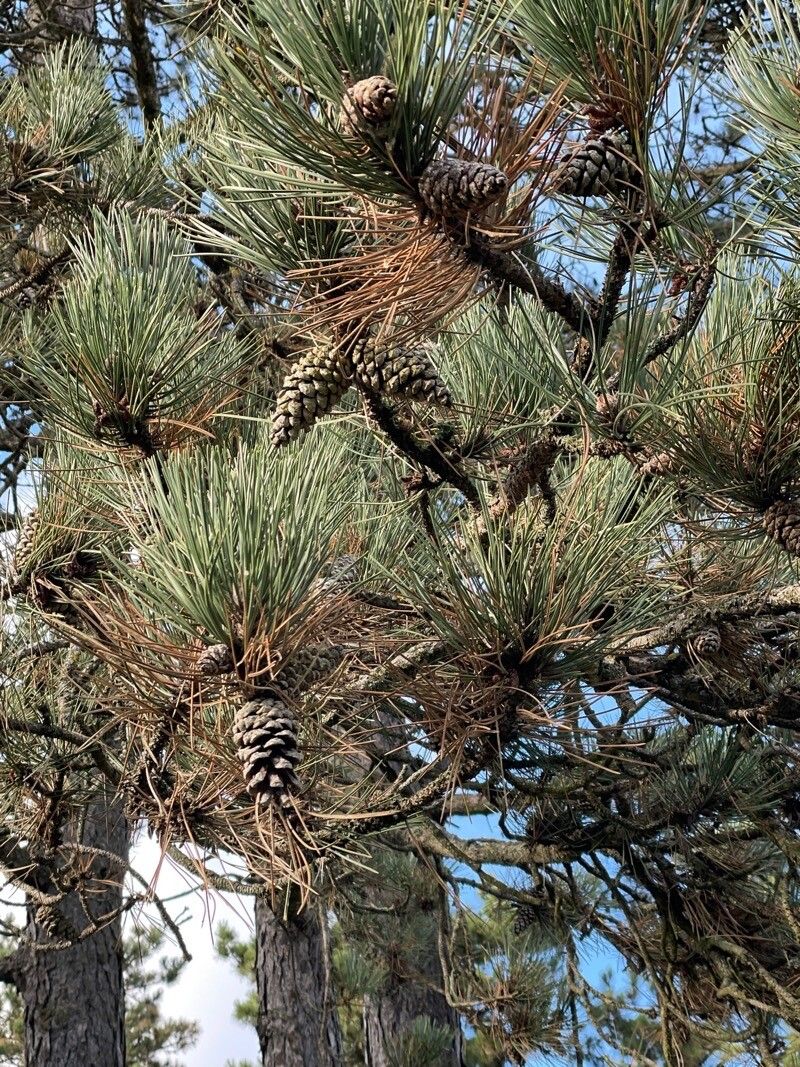
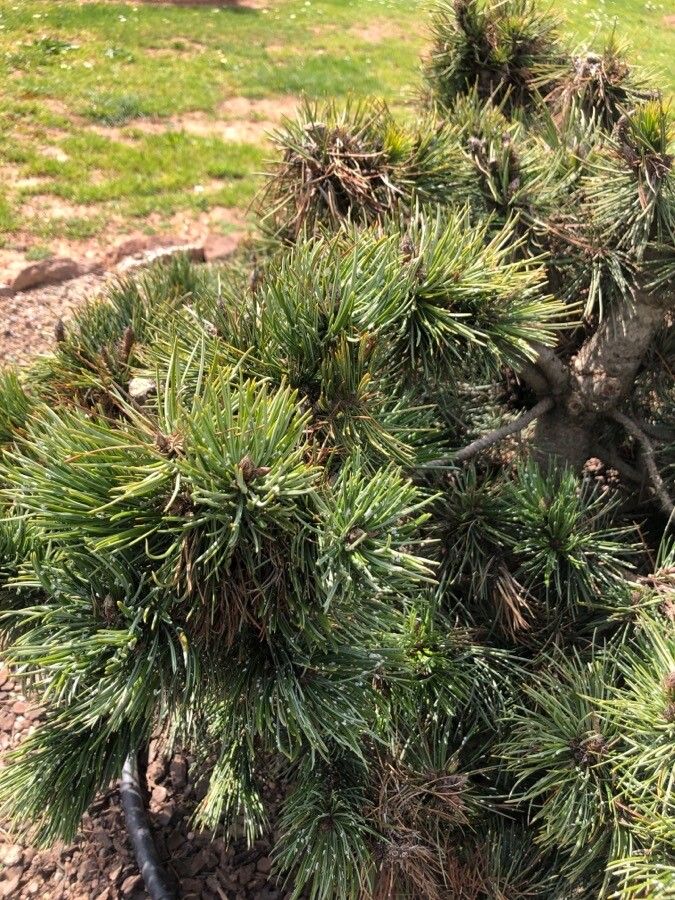
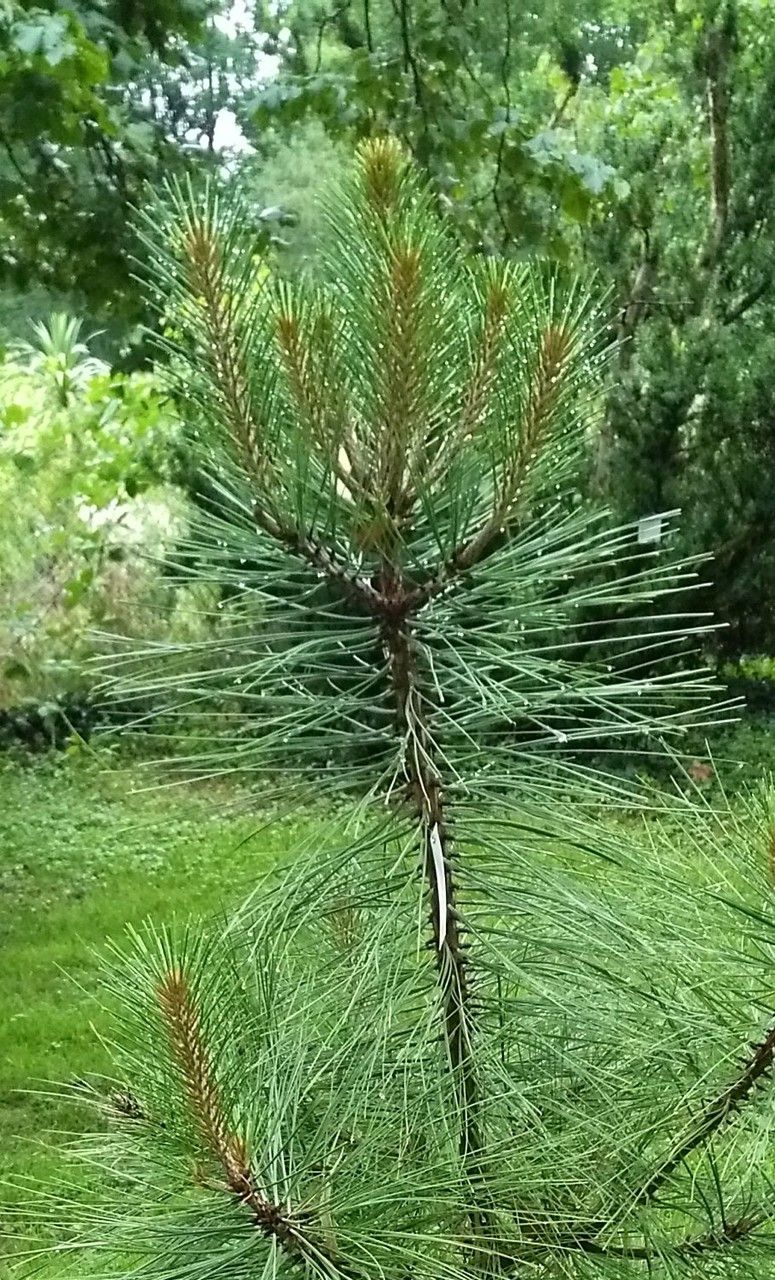
Pinus strobiformis, commonly known as southwestern white pine, Mexican white pine or Chihuahua white pine, is a medium-sized white pine tree whose native habitat is in southwestern United States and Mexico. It is typically a high-elevation pine growing mixed with other conifers (a montane forest).
Southwestern white pine demonstrates strong resistance to disease and is generally not susceptible to illnesses. In terms of care, this plant is fairly low-maintenance. When grown outdoors it needs only minimal watering, and larger specimens typically do not require pruning. Smaller plants, however, should be pruned after they have finished blooming. Southwestern white pinet is appropriate for anyone with an outdoor area, such as a garden or deck, and does not demand much care experience.
How to keep Pinus Strobiformis.
Light
Southwestern white pine is native to open habitats, such as sunny meadows and forest edges, which furnish abundant light. It does best in Full Sun but can tolerate Partial Sun, adjusting well to different light conditions.
Water
Southwestern white pine thrives in high-altitude habitats and prefers environments with moderate humidity, while also displaying a tolerance to drought conditions. In cultivation, it needs to be watered every 1-2 weeks, which aligns with its capacity to store water. This tree is typically grown outdoors, and its water needs correspond with the seasonal precipitation patterns found in mountainous regions.
Humidity
This plant will thrive in moderate humidity, which is probably the level in your home. However, misting it a few times a week can be very beneficial. Make sure the room has good ventilation.
Temperature
Southwestern white pine shows strong adaptability to a range of climate conditions, whether facing very hot summers or cold winters. However, it does have an optimal temperature range for growth. When temperatures get too high the plant is susceptible to heat and humidity stress, which can lead to its death. In areas where temperatures approach the lower limit of its cold tolerance, it’s important to provide insulation to protect the plant.
Fertilizer
Southwestern white pine has specific nutrient needs and does not require heavy fertilization. Fertilizing in spring is best for optimal growth. Supplying nutrients improves its health, increases resistance to pests and diseases, and helps support its long lifespan.
Pruning
To help Southwestern white pine thrive, consider pruning in early spring. Focus on removing dead or damaged branches to increase air circulation. Minimal pruning helps maintain the tree's shape and prevents excessive resin bleeding. Avoid cutting into old wood to ensure the tree can regenerate effectively. Regular maintenance improves disease resistance and supports healthy growth.
Botanical profile.
- Plant Type
- Tree
- Life Cycle
- Perennial
- Genus
- Pinus
- Family
- Pinaceae
- Hardiness Zone
- 4-8
- Mature Height
- 10.97 m to 21.95 m
- Mature Spread
- 6.1 m to 10.06 m
- Leaf Color
- Dark Green
- Leaf Type
- Evergreen
- Bloom Time
- Mid spring, Late spring
- Planting Time
- Spring
- Harvest Time
- Late summer, Early fall, Mid fall
- Native Area
- Mexico
Other names.
Reader questions.
What are the sunlight requirements for Southwestern white pine (Pinus strobiformis)?
The Southwestern white pine, or Pinus strobiformis, has specific sunlight requirements to thrive. It requires full sun, defined as receiving above 6 hours of sunlight daily, to flourish. However, it can also tolerate partial sun, meaning it can grow in conditions where it receives about 3-6 hours of sunlight. When planting your Southwestern white pine, it's crucial to observe how sunlight moves through your garden throughout the day. Choosing a location that provides the perfect balance of light and shade will ensure the happiness and health of your plant.
What is the botanical name of the Southwestern white pine?
The Southwestern white pine is botanically known as Pinus strobiformis. This name helps distinguish it from other species in the diverse pine family.