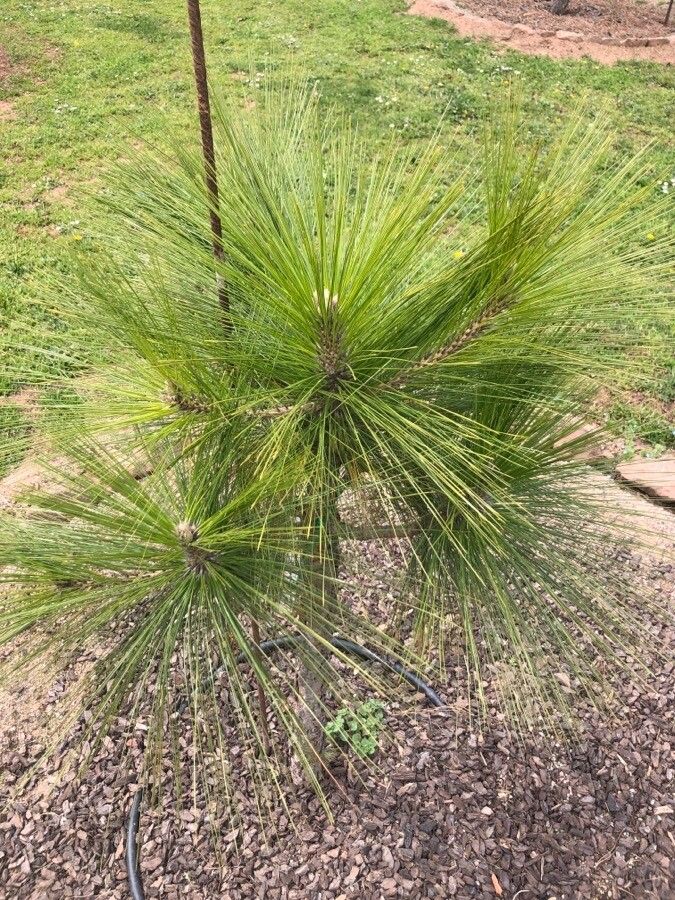
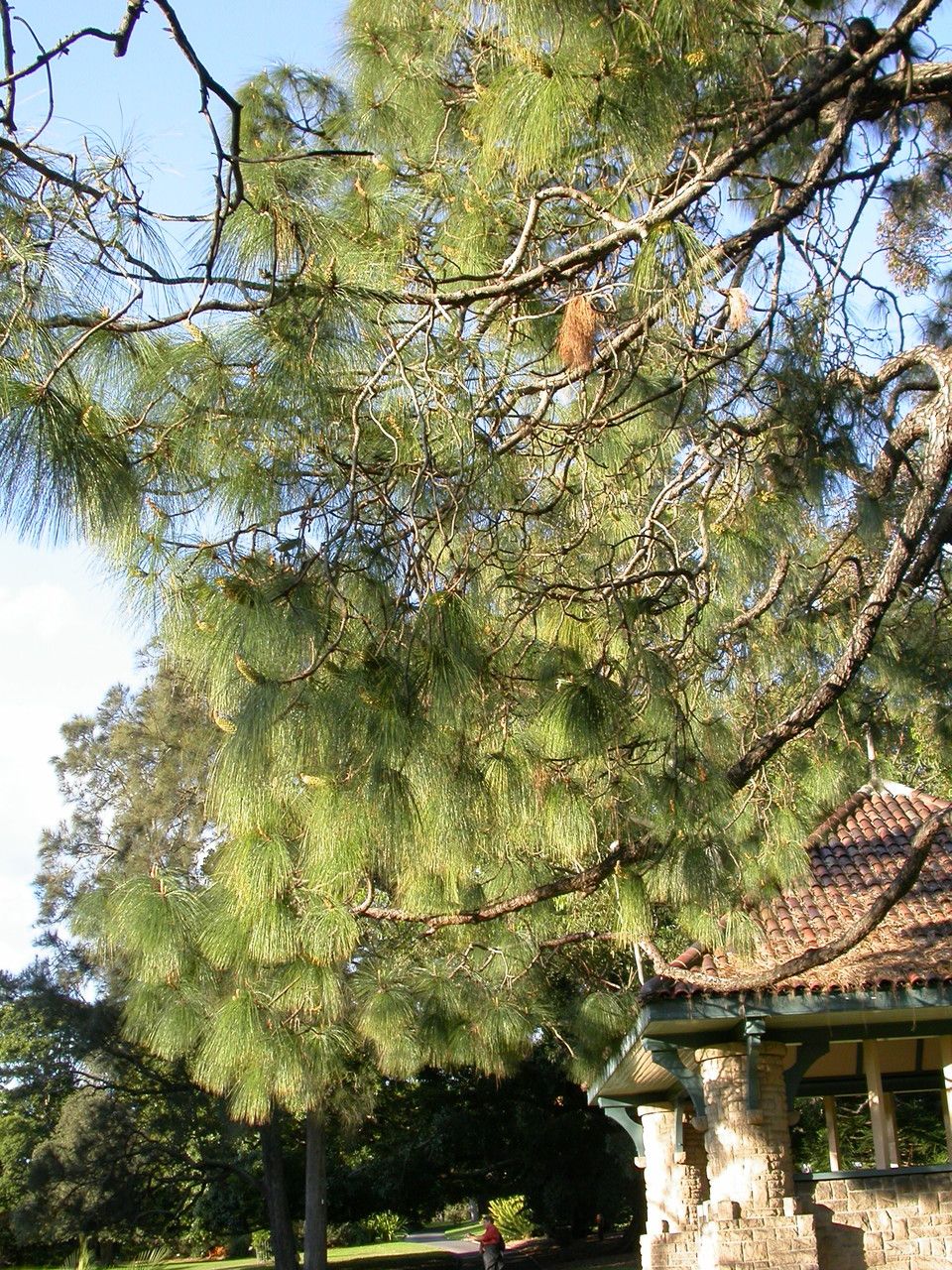
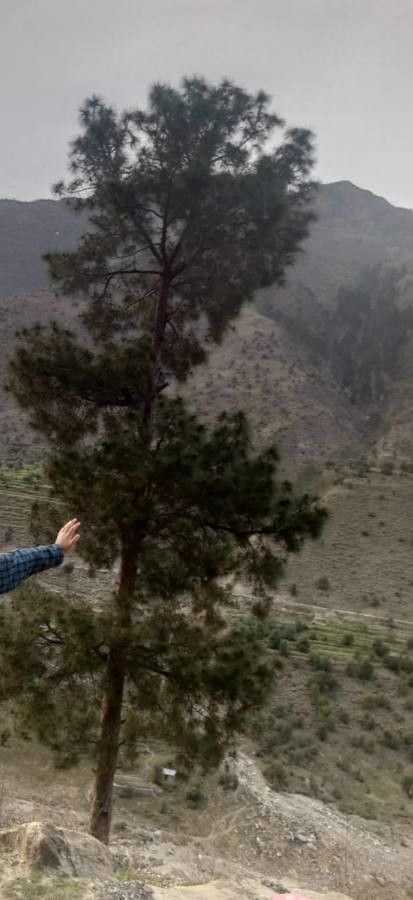
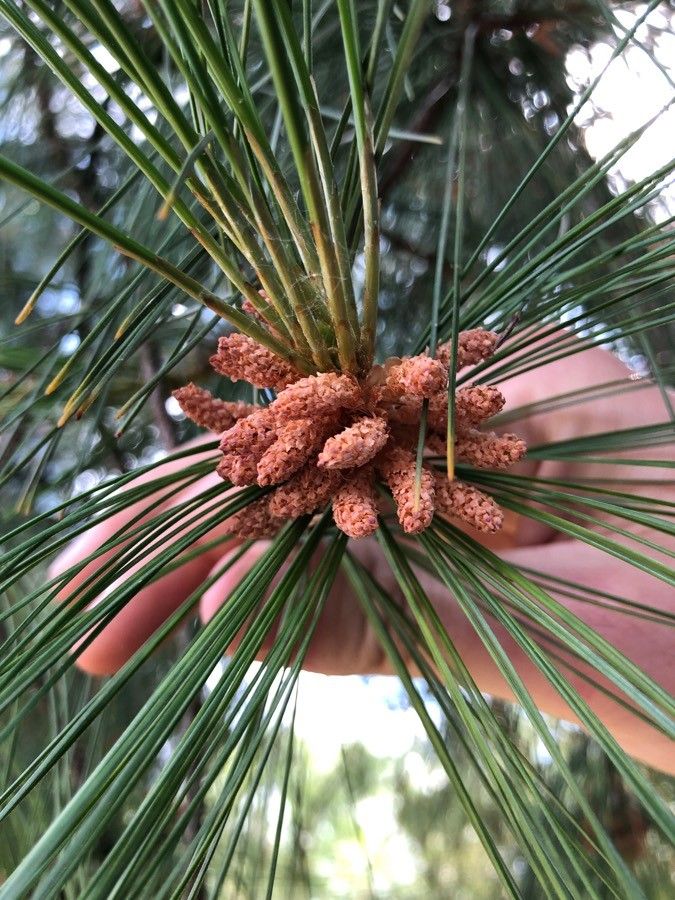
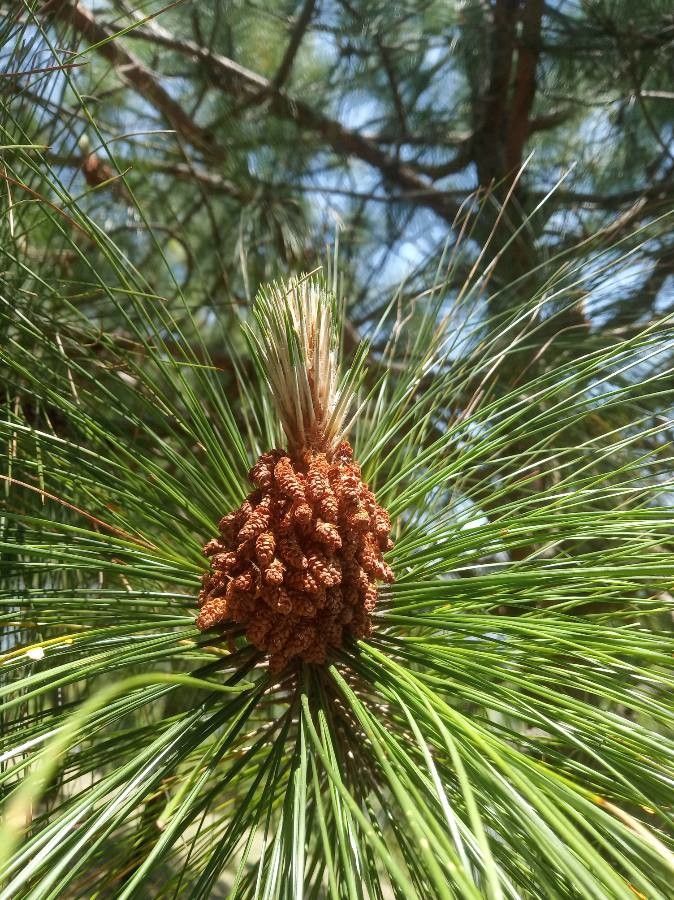
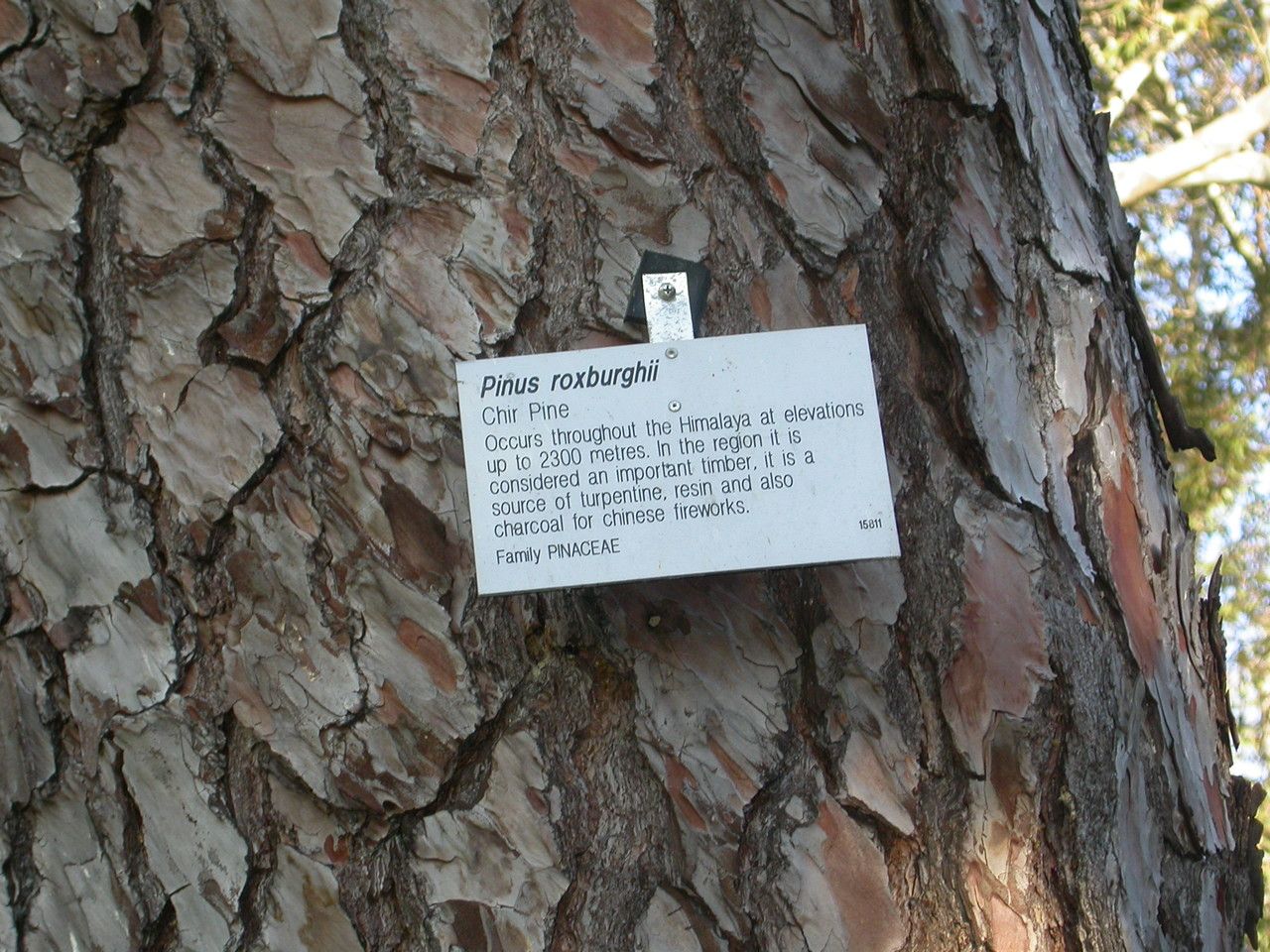
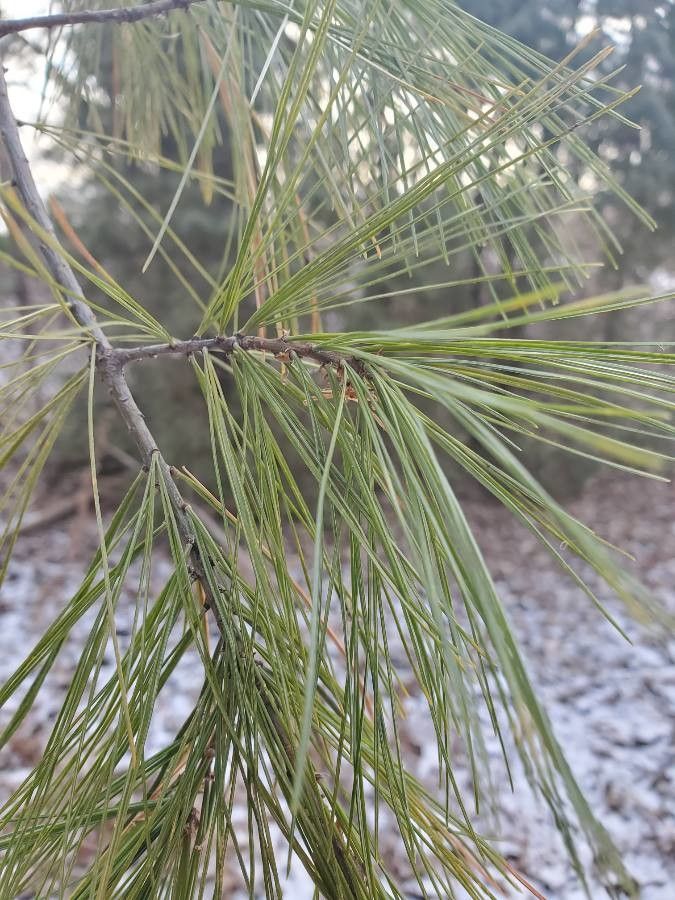
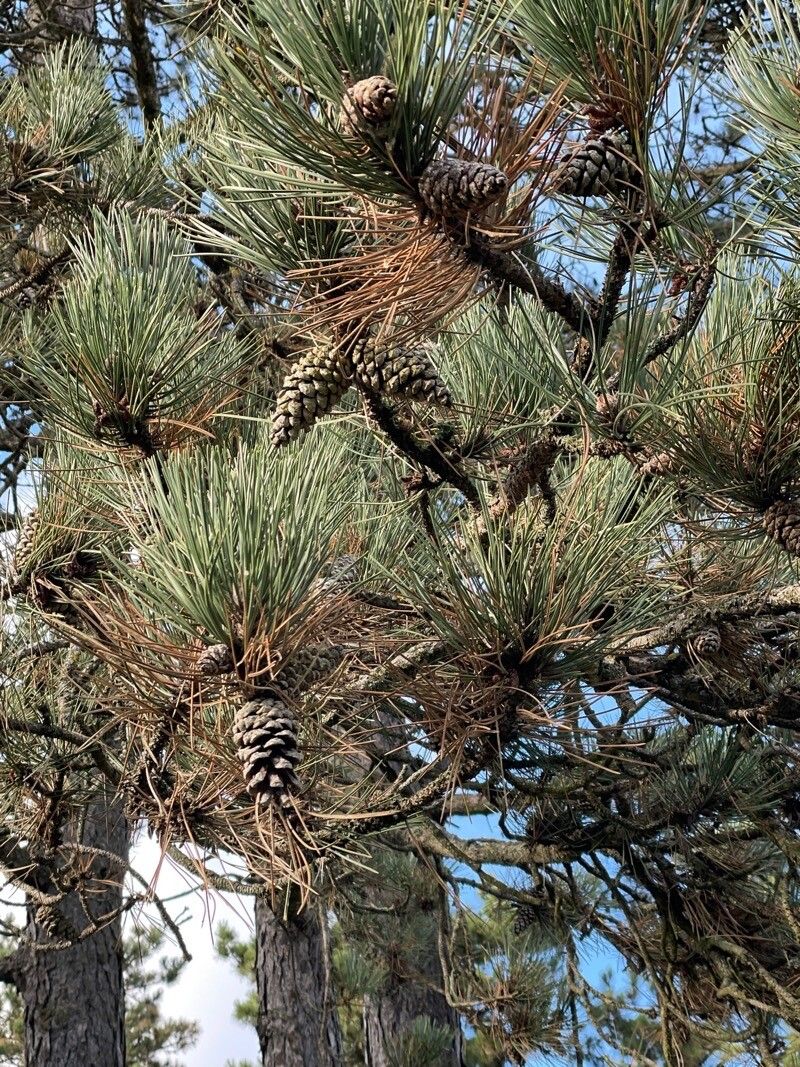
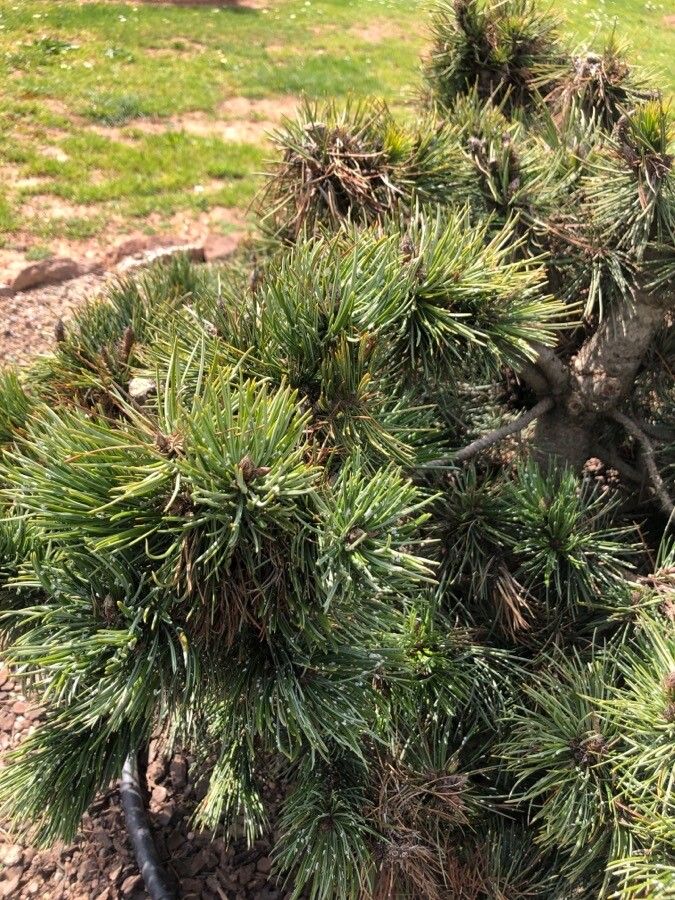
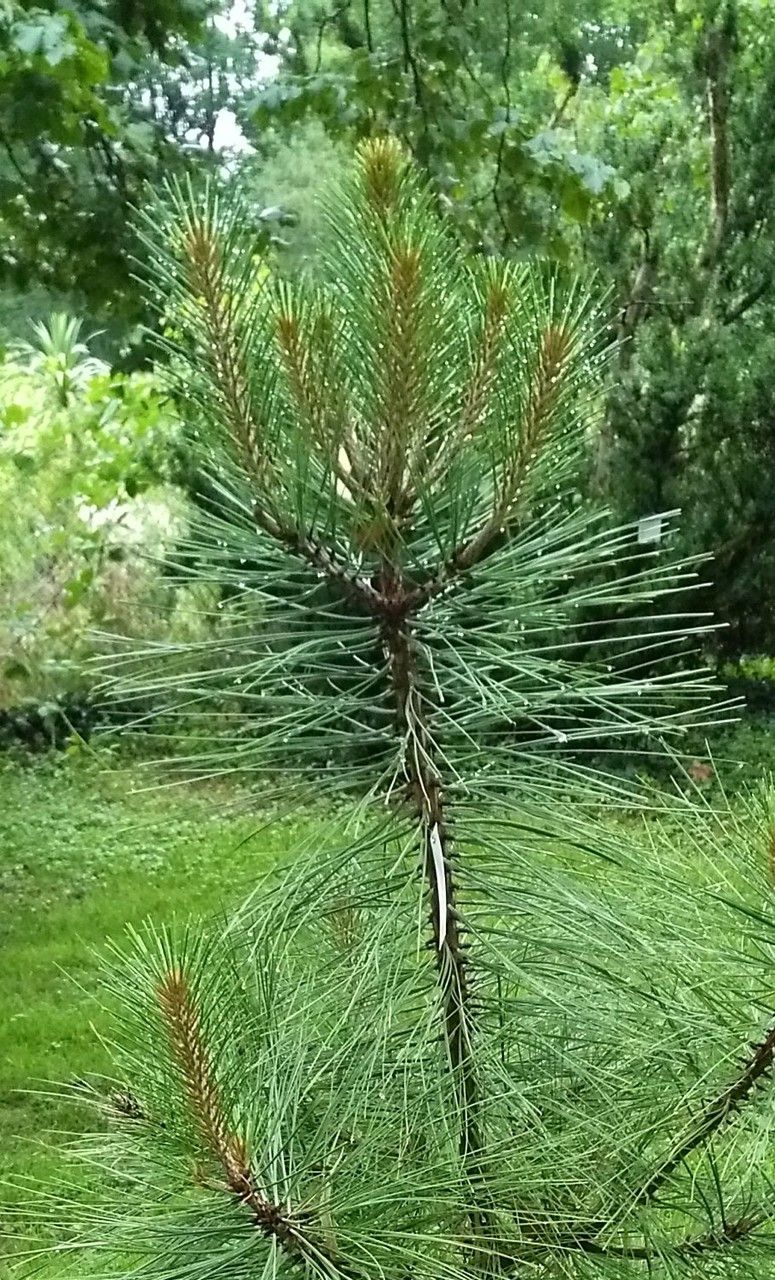
Pinus roxburghii, commonly known as chir pine or longleaf Indian pine, is a species of pine, native to the Himalayas. It was named after William Roxburgh.
Chir pine is fairly disease-resistant and is usually not susceptible to diseases. As for care, this plant is fairly low-maintenance. When grown outdoors it needs only light watering, and larger specimens typically do not require pruning. Smaller plants, however, should be pruned after they have finished blooming. Chir pine is suitable for anyone who has outdoor space, like a garden or deck, and does not call for much gardening experience.
How to keep Pinus Roxburghii.
Light
Chir pine comes from open environments, such as sunny meadows and forest edges, which provide ample light. It thrives in Full Sun but can also tolerate Partial Sun, adapting well to different sunlight conditions.
Water
Chir pine is well-adapted to dry conditions and thrives when watered every 1-2 weeks, which mimics its natural rainfall pattern. This evergreen plant features needle-like leaves that help conserve water, making it ideal for temperate climates. It balances its hydration needs without becoming oversaturated.
Humidity
This plant prefers dry conditions, so don't mist it. However, watering it less often can also thrive in higher humidity.
Temperature
Chir pine is quite adaptable to temperature, able to withstand higher heat and large temperature fluctuations. When temperatures are high, it is important to ensure proper watering and provide adequate shade to prevent sunburn. However, Chir pine has relatively low tolerance for cold. While it can endure some degree of chill, very cold conditions can cause frost damage.
Fertilizer
Chir pine has specific nutrient needs and does not require heavy fertilization. Spring is the best time to apply fertilizer for optimal growth. Providing nutrients improves its health, strengthens its resistance to pests and diseases, and helps sustain a long lifespan.
Pruning
The Chir pine is characterized by its tall, straight trunk and long needles, which benefit from selective pruning. To improve air circulation and reduce the risk of disease, remove dead or diseased branches during the tree's dormant period, from early to late winter. Ensure you use sharp, clean tools for effective maintenance.
Botanical profile.
- Plant Type
- Tree
- Life Cycle
- Perennial
- Genus
- Pinus
- Family
- Pinaceae
- Hardiness Zone
- 8-11
- Mature Height
- 49.99 m
- Mature Spread
- 20.12 m
- Leaf Color
- Yellow, Green
- Leaf Type
- Evergreen
- Flower Color
- Green
- Flower Size
- 5.08 cm to 7.62 cm
- Bloom Time
- Early spring, Mid spring
- Planting Time
- Spring, Summer, Autumn
- Harvest Time
- Late summer, Early fall, Mid fall
- Native Area
- Nepal, India, Bhutan, Pakistan, China
Other names.
Reader questions.
What are the sunlight requirements for Chir pine?
Chir pine requires above 6 hours of sunlight for Full Sun and about 3-6 hours of sunlight for Partial Sun. Observing how sunlight moves through your garden helps in selecting the optimal spots that ensure a perfect balance of light and shade, vital for the plants' happiness. In its natural habitat such as sunny meadows and forest edges, Chir pine thrives in ample light, showing adaptability to varying sunlight conditions.
What is Chir pine?
Chir pine, known scientifically as Pinus roxburghii, doesn't have additional essential details provided in the given data. Information about its essentials or symptoms wasn't specified.
How can artificial lighting support Chir pine's growth indoors?
Artificial lighting becomes essential when natural sunlight is insufficient, especially during winter or in less sunny indoor spaces. Optimal growth is supported by selecting the right type of artificial light, like LED lights, which can be customized to provide specific wavelengths needed by the plants. Full sun plants require 30-50W/sq ft, partial sun plants need 20-30W/sq ft, and full shade plants need 10-20W/sq ft of artificial light. The light source should be placed 12-36 inches above the plant, mimicking natural sunlight and adjusted to provide 8-12 hours of light per day.
What are the symptoms of insufficient light for Chir pine?
When Chir pine is grown in conditions with suboptimal lighting, it may show signs such as smaller new leaves, leggy or sparse growth, faster leaf drop, slowed or ceased new growth, lighter-colored or yellow leaves due to chlorosis, sunscald with pale or necrotic patches on the tissue, leaf curling as a defensive measure against excessive sunlight, wilting due to loss of turgor pressure, and leaf scorching characterized by brown, dry edges or patches on leaves.
What solutions can alleviate light deficiency symptoms for Chir pine?
To address insufficient light for Chir pine, consider gradually moving your plants to sunnier locations, increasing exposure to at least 6 hours of direct sunlight daily. For indoor plants, using artificial lighting or keeping them near south-facing windows can help. Outdoors, adapt plants to the best sunlight spot by gradually increasing their sun exposure weekly. Removing obstructions and, for smaller plants, transplanting during their dormant period to a location with ample sunlight are also effective strategies. Note that while parts of the plant already affected may not recover, new growth post-adjustment will be healthy.