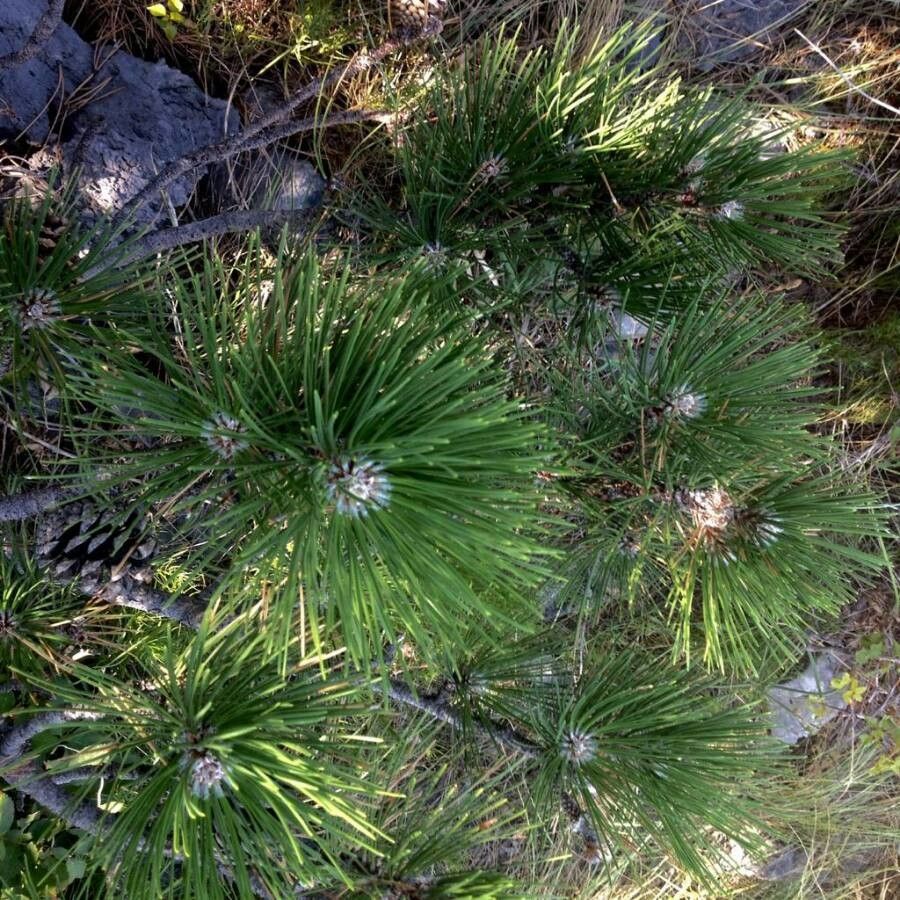
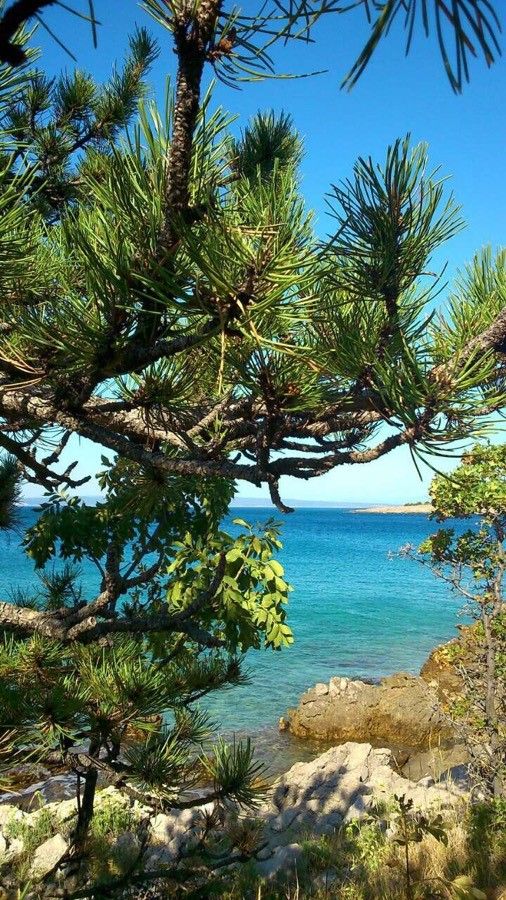
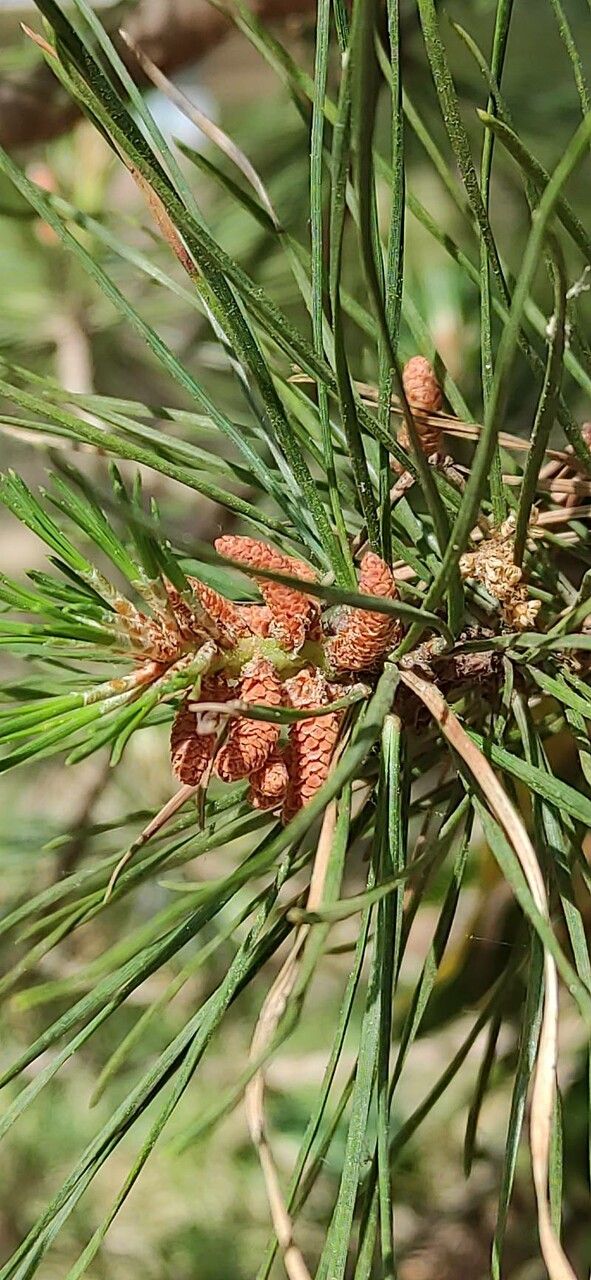
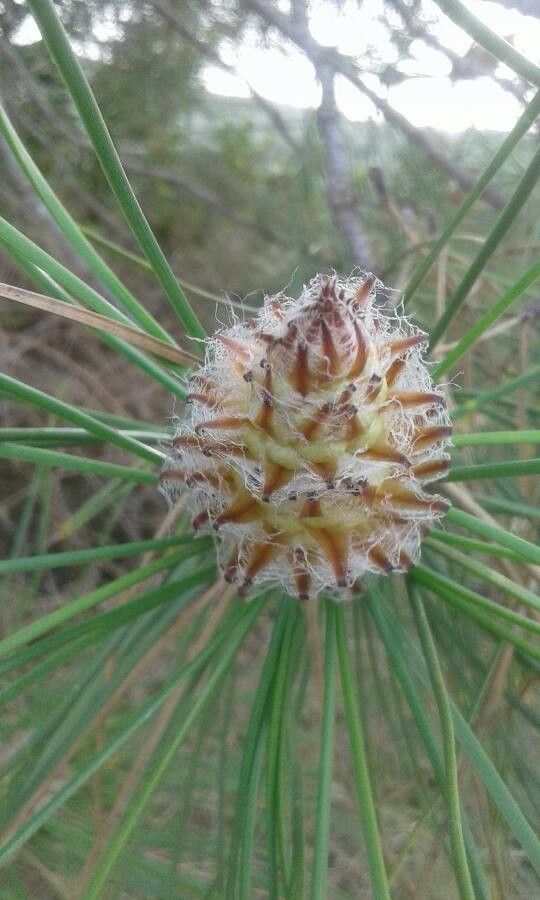
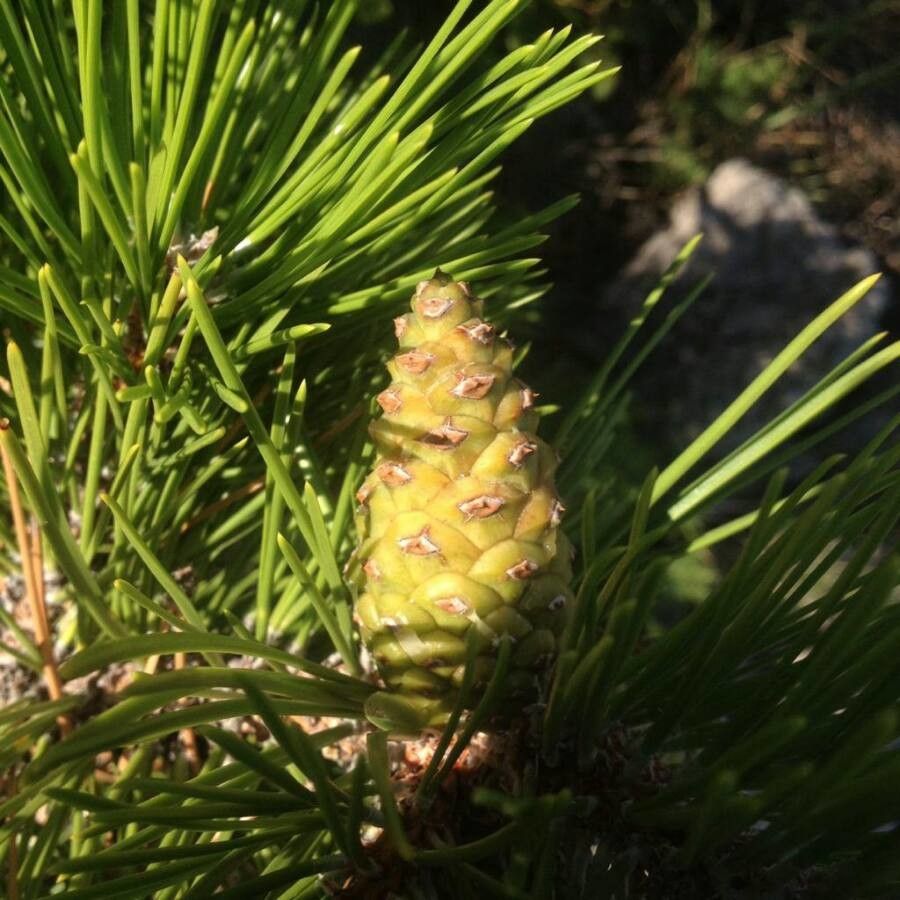
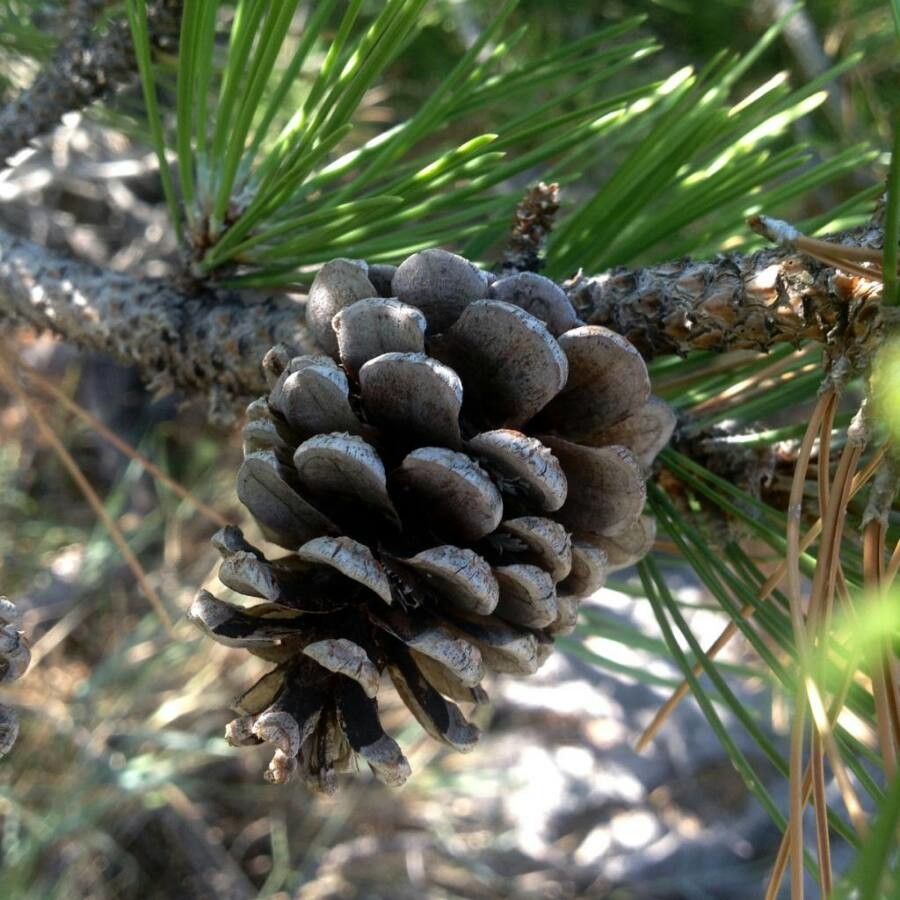
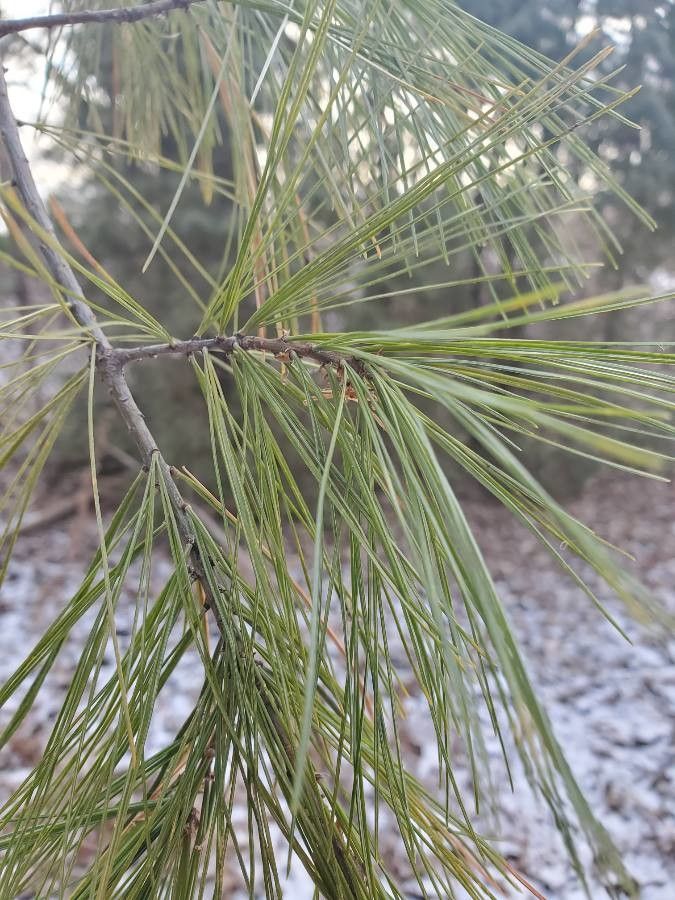
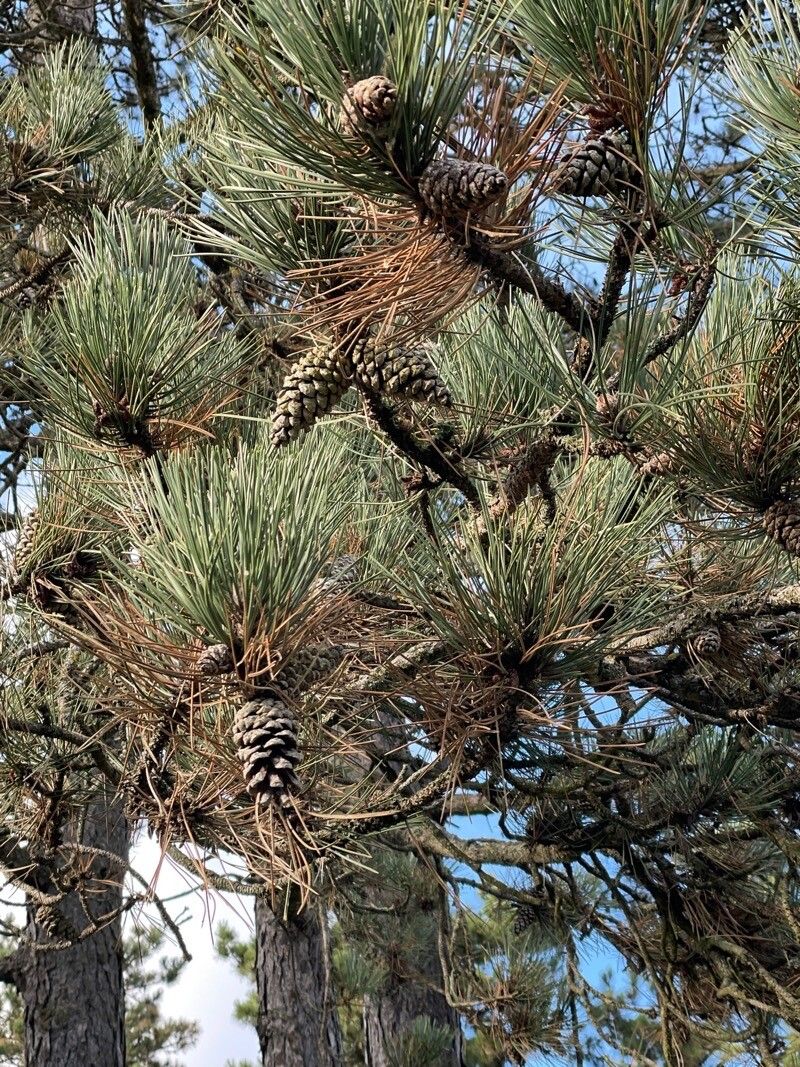
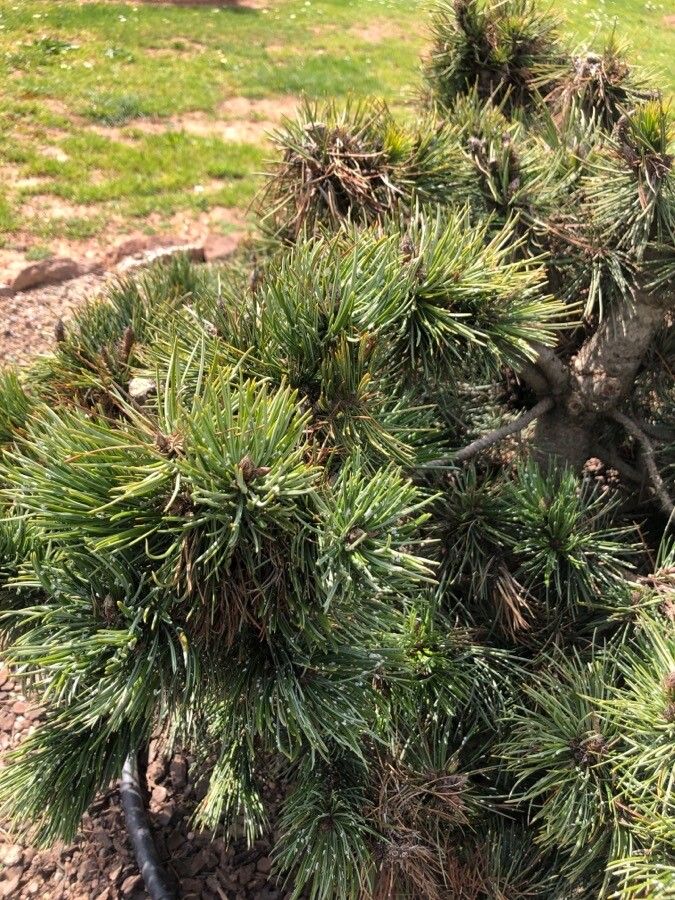
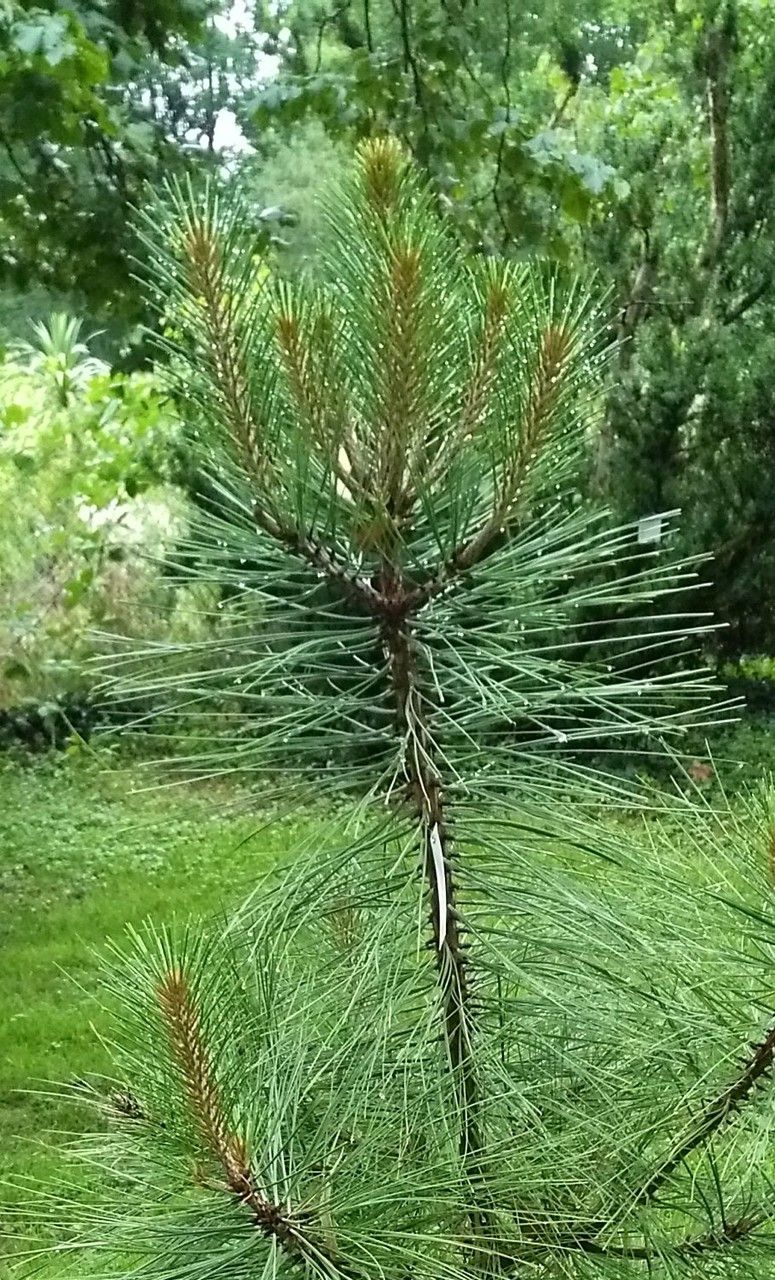
Pinus rigida, the pitch pine, is a small-to-medium-sized pine. It is native to eastern North America, primarily from central Maine south to Georgia and as far west as Kentucky. It is found in environments which other species would find unsuitable for growth, such as acidic, sandy, and low-nutrient soils.
Pitch pine is resistant to disease and, in general, does not tend to be affected by illnesses. In terms of care, this plant is fairly low-maintenance. When grown outdoors it needs very little watering, and larger specimens typically do not require pruning. However, smaller plants should be pruned after they have bloomed. Pitch pine is suitable for anyone with an outdoor area, such as a garden or deck, and does not need extensive care experience.
How to keep Pinus Rigida.
Light
Pitch pine strongly requires ample sunlight for healthy growth, although it can tolerate areas with partial shade. Its native habitats reflect this characteristic. Both too much and too little light can hinder pitch pine's growth and overall health, causing harmful effects.
Water
The pitch pine, native to the sandy soils of eastern North America, is well-adapted to withstand periodic droughts. It requires moderate watering every 1-2 weeks to thrive. This tree prospers in outdoor environments, thanks to its adaptable root system and evergreen needle-like leaves, which efficiently retain water. This natural adaptation reduces the need for frequent watering throughout the year.
Temperature
Pitch pine's native temperature-related growth environment is a temperate climate. It favors a temperature range of 41 to 89 ℉ (5 to 32 ℃). In winter, it can withstand temperatures as low as 5 ℉ (-15 ℃) if the soil is well-drained. During the growing season, it performs better in temperatures of 68 to 78 ℉ (20 to 26 ℃).
Fertilizer
Pitch pine has specific nutrient needs and does not require heavy fertilization. Spring is the best time to apply fertilizer for ideal growth. Providing nutrients improves its health, strengthens its resistance to pests and diseases, and helps maintain a long lifespan.
Pruning
Pitch pine is a resilient, fire-resistant plant that benefits from regular pruning, especially of any dead or diseased branches. It is important to use sterilized tools for this task. The best time to prune pitch pine is between early and late winter, as this helps minimize sap loss and encourages healthy regrowth. Regular thinning of the branches can improve air circulation, while ensuring proper spacing of the branches enhances the plant's structural integrity.
Botanical profile.
- Plant Type
- Tree
- Life Cycle
- Perennial
- Genus
- Pinus
- Family
- Pinaceae
- Hardiness Zone
- 4-7
- Mature Height
- 6.1 m to 29.87 m
- Mature Spread
- 6.1 m to 11.89 m
- Leaf Color
- Green, Gray, Silver
- Leaf Type
- Evergreen
- Flower Color
- Yellow, Green
- Flower Size
- 7.62 cm to 15.24 cm
- Bloom Time
- Late spring, Early summer
- Planting Time
- Spring
- Harvest Time
- Mid summer, Late summer, Early fall
- Native Area
- Northeast USA, Eastern Canada
Other names.
Reader questions.
How should I water my Pitch pine tree?
Watering your Pitch pine is a simple task. The easiest way is to use your garden hose to slowly soak the soil. For large trees, the garden hose is ideal because they require more water. However, for smaller trees, a watering can or smaller tool may suffice. It's important to avoid overhead watering as it can lead to disease, especially for young trees.
Why should I put fertilizer on my Pitch pine?
To promote healthy growth, it is beneficial to fertilize Pitch pine in the spring. This plant has a long lifespan and requires support. Additionally, adding nutrients to the soil can enhance the plant's health, helping it resist common pests and diseases that may hinder growth or longevity.
What are the sunlight requirements for Pitch Pine?
Pitch Pine, scientifically known as Pinus rigida, thrives under full sun conditions, requiring more than 6 hours of sunlight daily. It can, however, tolerate partial sun, with about 3-6 hours of sunlight. Ensuring the right balance of light and shade is crucial for the plant's health, as both excessive and insufficient sunlight can have detrimental effects.
What is the ideal temperature range for a Pitch Pine's native growth environment?
The ideal temperature range for the native growth environment of Pitch Pine, scientifically known as Pinus rigida, is within a temperate climate, specifically from 41 to 89 ℉ (5 to 32 ℃). During the winter, it can handle temperatures as low as 5 ℉ (-15 ℃), given that the soil is well-drained. For optimal growth, temperatures between 68 to 78 ℉ (20 to 26 ℃) are preferred during the growing season. Pitch Pine exhibits high cold-tolerance, eliminating the need for additional frost protection measures. However, to prepare for the winter months, it's advisable to water the plant abundantly before the first freeze in autumn. This ensures the soil stays moist when it freezes over, helping to prevent drought conditions for the plant during the harsh winter and early spring.
What can I do if I give my Pitch pine tree too much or too little water?
Overwatering can occur if the soil does not allow proper drainage for your Pitch pine. If this happens, you can either amend the soil or move the tree to a better location. If you have your Pitch pine in a pot, you may need to replant it with looser soil and a container that drains well. Overwatering can lead to diseases, so it should be addressed promptly. To determine if your Pitch pine is overwatered, check the foliage, particularly the new growth. Discolored or easily breakable new growth indicates too much moisture. Standing water or slow drainage in the growing area is another sign of excessive moisture. On the other hand, underwatered Pitch pines will have sparse and brown leaves. Consider recent rainfall or high temperatures as possible causes for the symptoms.
When should I fertilize my Pitch pine tree for the best results?
Pitch pine, unlike garden annuals and perennials, does not require a great deal of extra nutrients as it grows. The growing medium may not always provide enough nutrients for healthy growth. Fertilizing Pitch pine in the spring, before new growth emerges, is the most suitable time to provide additional nutrients.
What essentials should be considered for healthy growth of Pitch Pine?
Pitch Pine demands significant exposure to sunlight for optimal growth, reflecting its natural habitat preferences. It can survive in areas with shared shade, but the right amount of light is essential for its health. Inadequate light can hinder its growth. For indoor plants, when natural sunlight is insufficient, artificial lighting can be a viable alternative. LED lights are recommended for indoor plant lighting due to their ability to provide specific wavelengths needed by plants. The amount of artificial light required varies depending on the type of plant, with full sun plants needing 30-50W/sq ft, partial sun plants 20-30W/sq ft, and full shade plants 10-20W/sq ft. Positioning the light source correctly and mimicking the natural duration of daylight are also important considerations.
How does low temperature affect Pitch Pine, and what solutions are recommended?
Pitch Pine is extremely cold-tolerant, but it's crucial to keep winter temperatures above -30°C to prevent damage. While you might not notice any immediate changes during the winter, if the temperature falls below this threshold, the plant's branches may become brittle and dry by spring, failing to produce new shoots. The recommended solution for this issue is to prune away the dead branches that have failed to produce new leaves come spring.
How often do I need to water my Pitch pine tree?
A mature Pitch pine is typically drought tolerant and can survive solely on rainfall. During the hottest months, it may need watering about once per week, but in other seasons, watering may not be necessary. The exception is for newly planted trees, which require regular watering to establish their roots. However, it's important to avoid overwatering as Pitch pines cannot tolerate standing water. When uncertain, it's better to err on the side of not watering too much.
When should I not put fertilizer on my Pitch pine?
While some plants benefit from regular fertilization, Pitch pine is an exception. It doesn't need many extra nutrients and applying too much fertilizer can harm it. To ensure its wellbeing, only apply fertilizers in the spring and avoid adding any in the summer, fall, and winter. Additionally, refrain from adding organic matter to the soil during these seasons as well.
What are the symptoms of inadequate sunlight in Pitch Pine?
When Pitch Pine does not receive sufficient sunlight, it may display several symptoms indicating light deficiency. These include smaller new leaves, leggy or sparse growth, faster leaf drop, slower or halted new growth, and leaves that may appear lighter in color or show chlorosis (yellowing). Sunscald, leaf curling, wilting, and leaf scorching are symptoms associated with excessive sunlight. Each symptom reveals the plant's struggle to adapt to its lighting conditions, affecting its overall health and growth.
What impact does high temperature have on Pitch Pine, and how can it be mitigated?
High temperatures pose a significant threat to Pitch Pine, as it is not tolerant to conditions exceeding 32°C. Under such extreme heat, the plant may undergo substantial leaf drop, and in severe cases, may wither and die entirely. To alleviate the effects of high temperatures, it's advisable to trim away sunburned and dried-up parts of the plant. Additionally, moving the plant to a shaded area or employing a shade cloth to protect it from the midday and afternoon sun can be beneficial. Keeping the soil moist by watering in the mornings and evenings is also critical under such conditions.