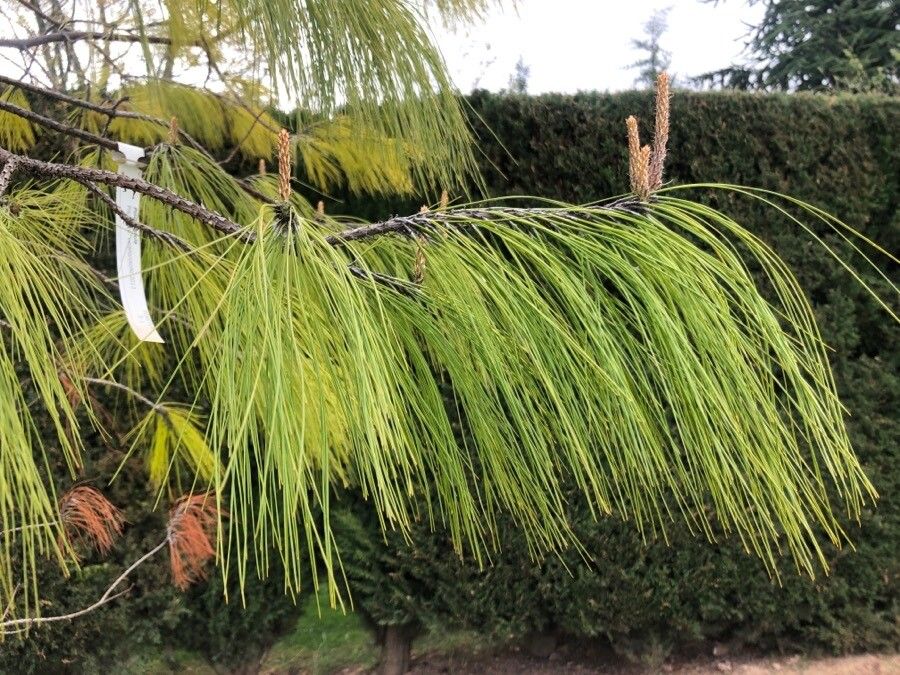
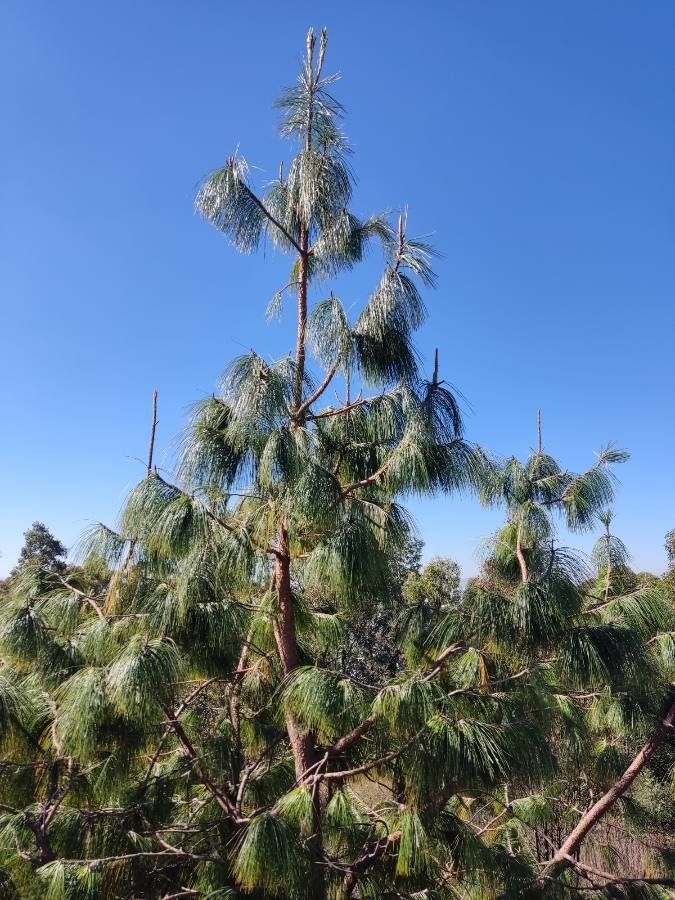
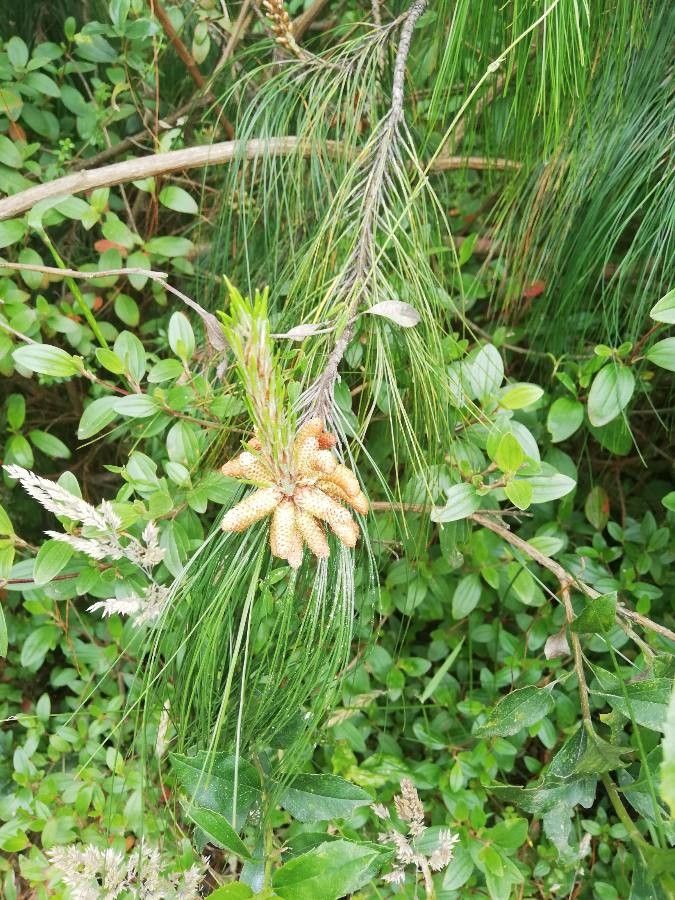
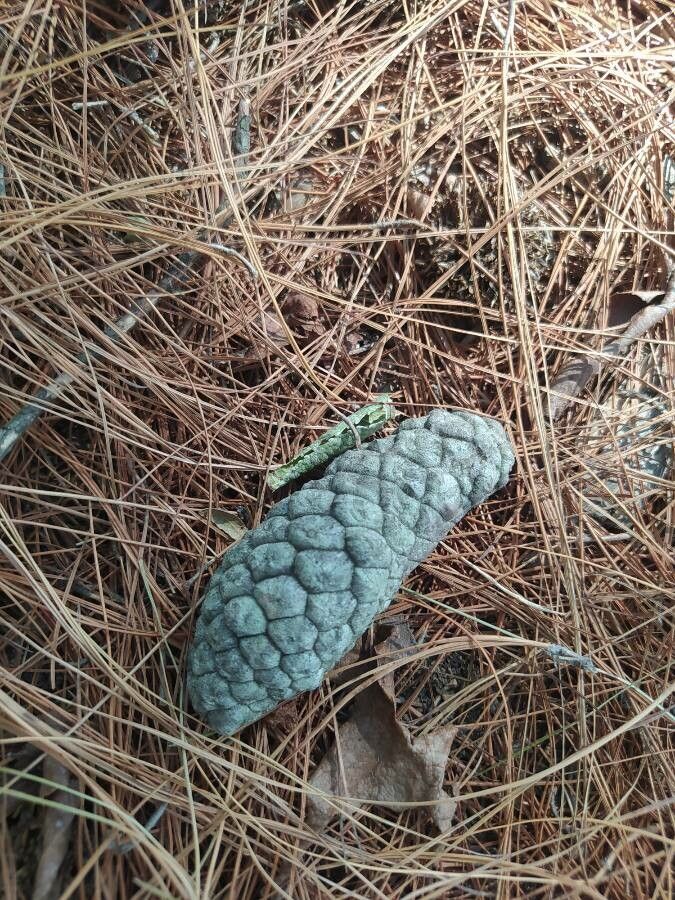
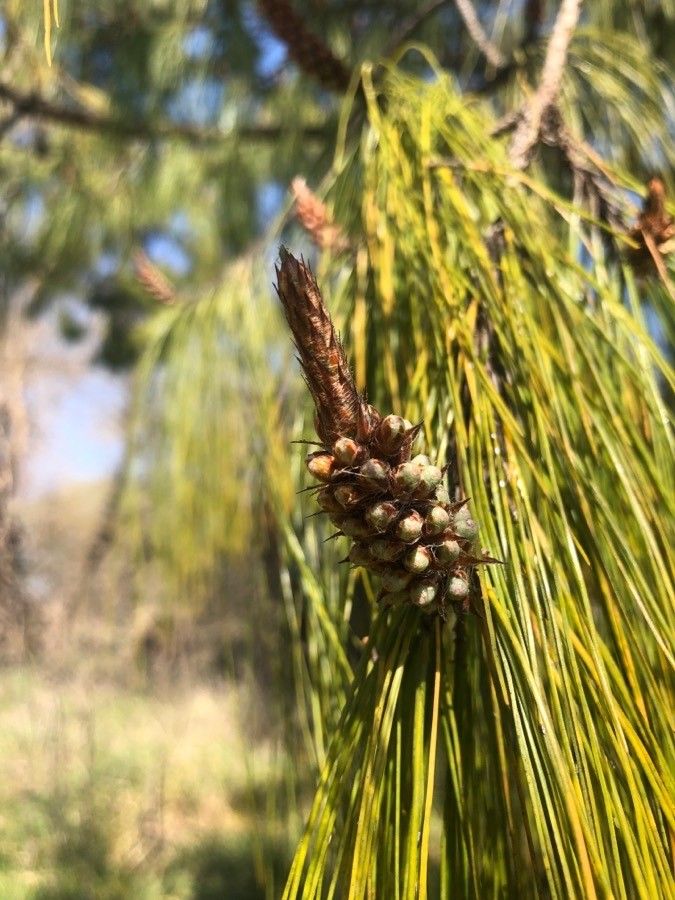
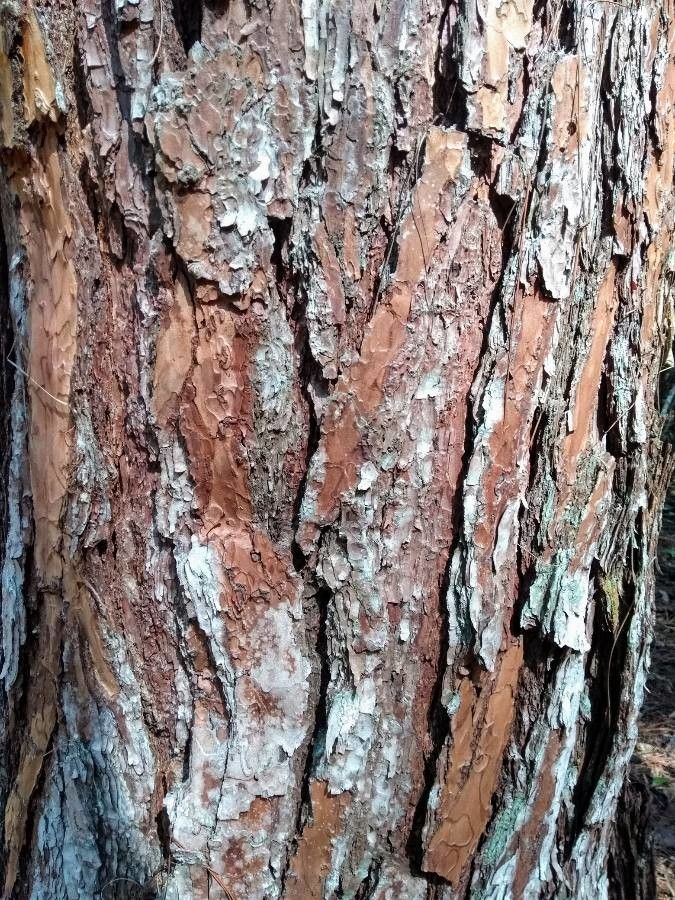
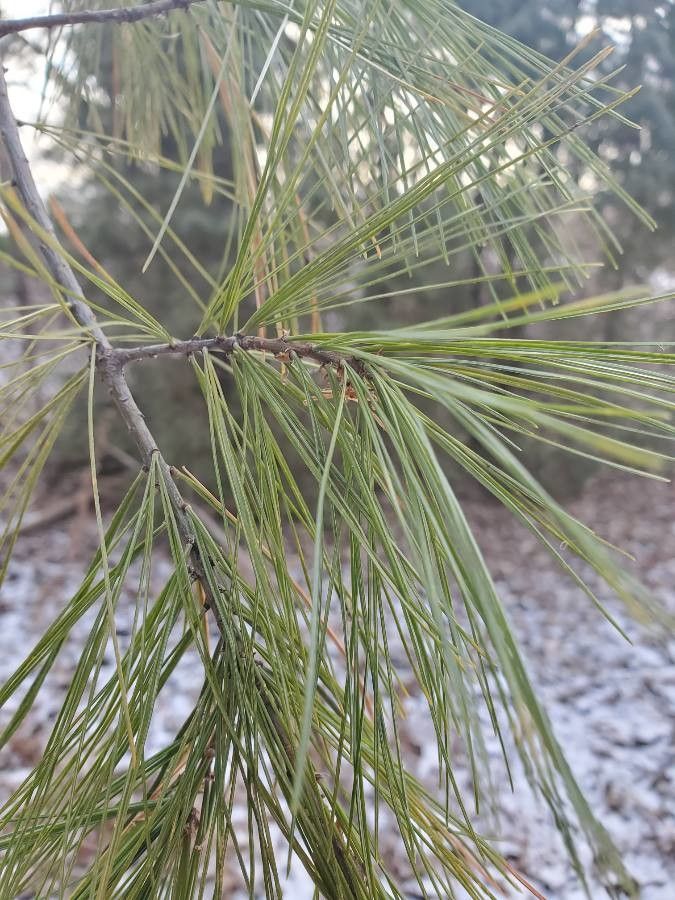
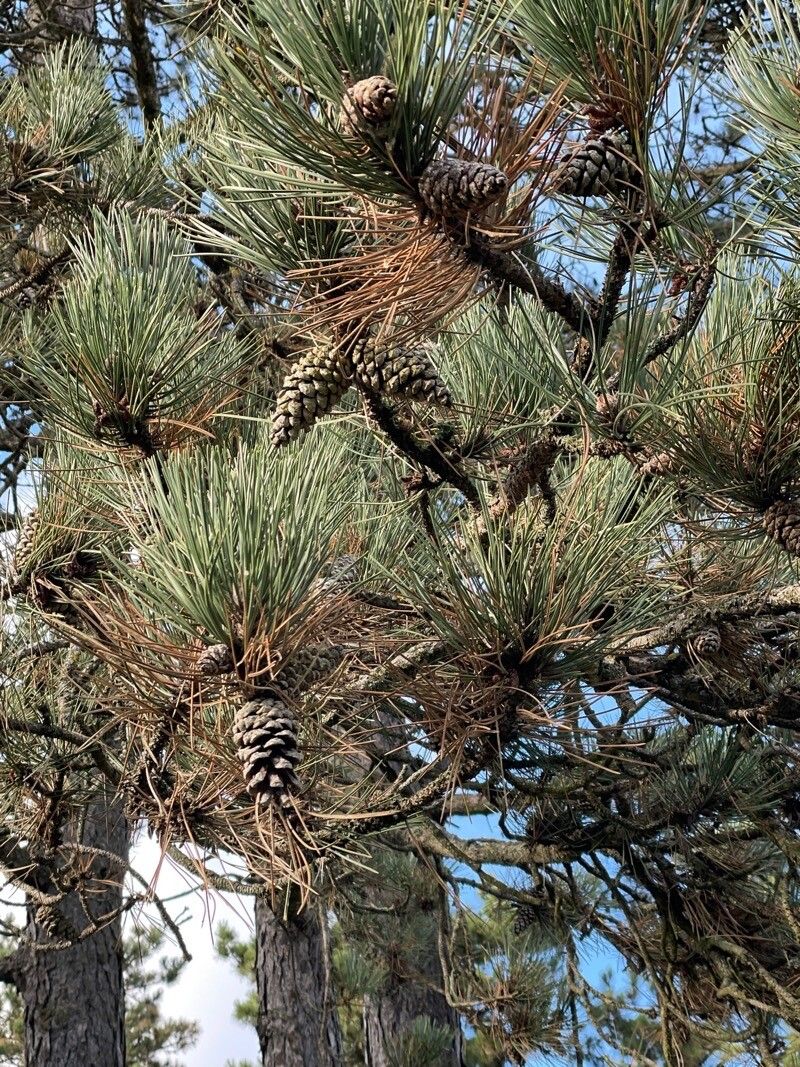
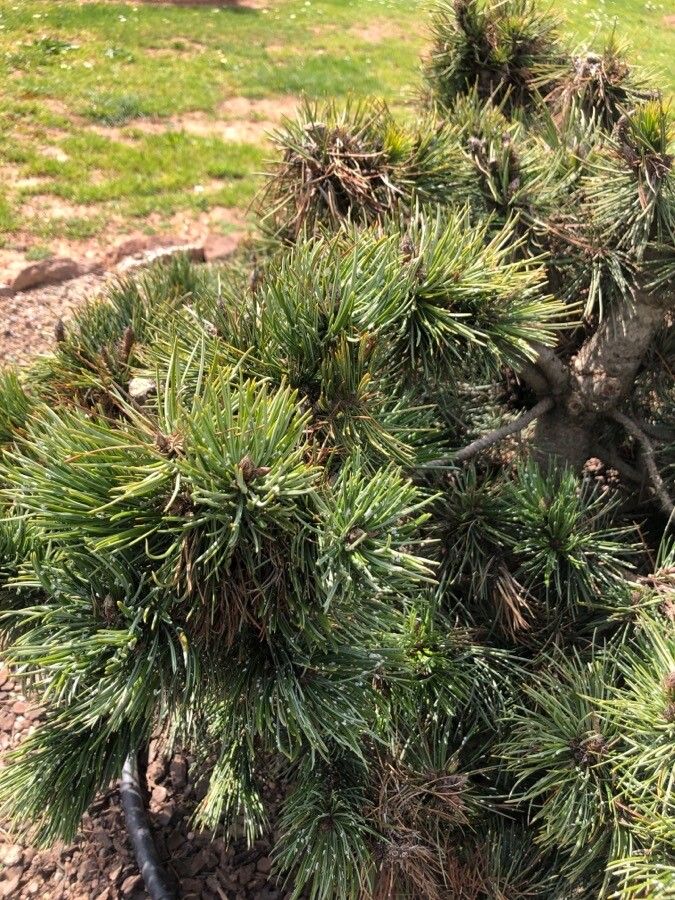
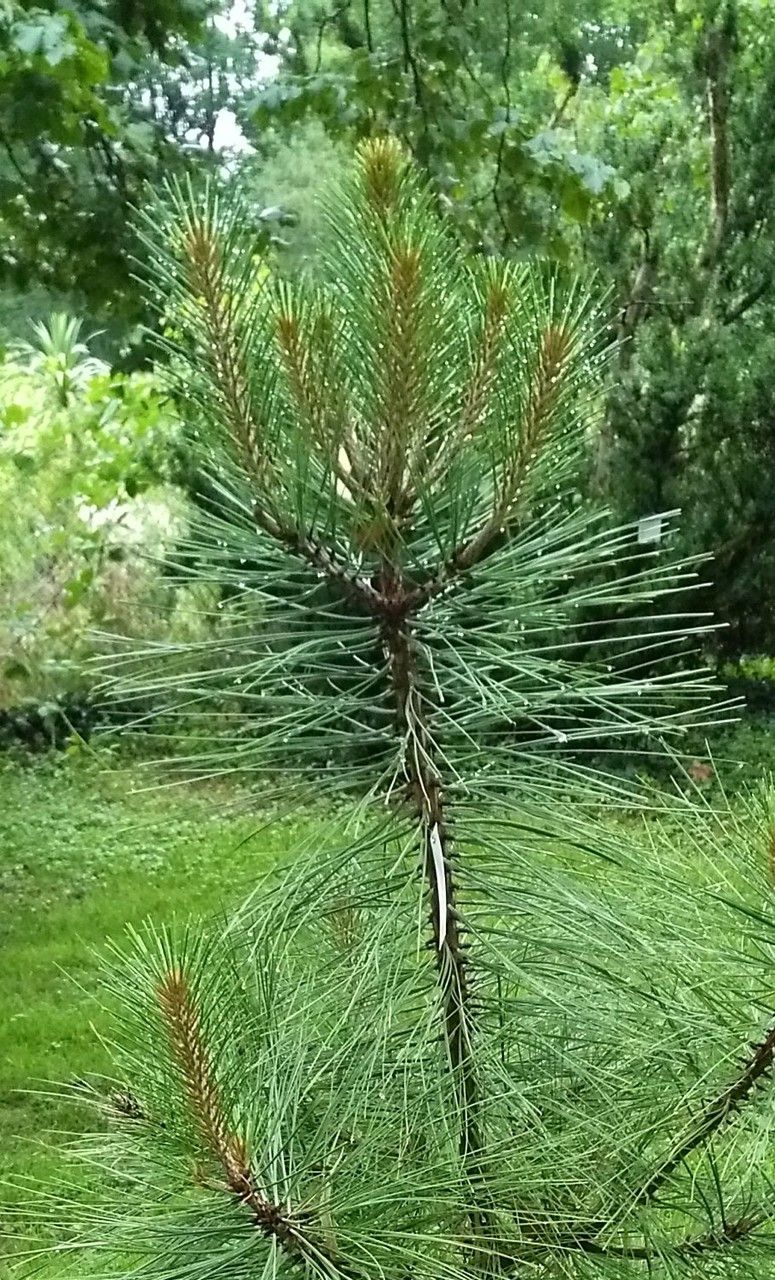
Pinus patula, commonly known as the Mexican weeping pine, is a species of pine tree native to Mexico and Central America. This fast-growing evergreen can reach heights of up to 40 meters. It has a conical shape with drooping branches and long needles that grow in clusters of three.
Pinus patula is frequently used for reforestation due to its rapid growth rate and adaptability to various soil types. Its timber is commercially valuable and is employed in construction, furniture making, and paper production.
The Mexican weeping pine thrives in well-drained soils with moderate moisture levels but can tolerate drought conditions once established. It also requires full sun exposure for optimal growth.
Beyond its practical uses, Pinus patula also has ornamental value. Its unique shape and drooping branches make it an attractive addition to landscaping projects or as an accent plant in gardens and parks.
Overall, Pinus patula is a versatile plant that offers practical benefits such as aiding reforestation, while also providing aesthetic appeal through its use in landscaping and ornamental applications.
Mexican weeping pine is highly disease-resistant and typically not susceptible to illnesses. As for upkeep, this plant is fairly low maintenance. When grown outdoors it needs only minimal watering, and larger specimens usually do not require pruning. Smaller plants, however, should be pruned after they finish blooming. Mexican weeping pine is appropriate for anyone with an outdoor area, such as a garden or deck, and does not demand extensive gardening experience.
How to keep Pinus Patula.
Light
The Mexican weeping pine flourishes with plentiful sunlight, which is crucial for vigorous growth. Coming from regions with abundant sun, the plant may display weak growth or poor health if deprived of this essential element. Nonetheless, it does not need protection from intense sunlight, since its native habitat has equipped it to make use of large amounts of light.
Water
The Mexican weeping pine thrives in high-altitude regions and prefers well-drained soil combined with consistent humidity. It should be watered every two weeks, as it can tolerate moderate drought. This evergreen conifer benefits from outdoor conditions and natural rainfall, which help ensure its resilience and year-round foliage retention.
Temperature
The Mexican weeping pine is native to temperate regions and does well in temperatures from 59 to 95 °F (15 to 35 °C). It prefers a mild climate and can adjust to seasonal variations. Its growth may suffer if temperatures fall outside this range.
Fertilizer
The Mexican weeping pine has specific nutrient needs and does not require heavy fertilization. Spring is the best time to apply fertilizer for optimal growth. Providing nutrients improves its health, increases resistance to pests and diseases, and helps sustain its long lifespan.
Pruning
To help the Mexican weeping pine thrive, it's best to prune it from early to late winter. Focus on removing dead or diseased branches and thin out areas to improve airflow. Be cautious not to cut into old wood, as the tree recovers slowly from such cuts. Pruning enhances the tree's structural integrity, appearance, and resistance to pests, which ultimately helps maintain its vigor and longevity.
Botanical profile.
- Plant Type
- Tree
- Life Cycle
- Perennial
- Genus
- Pinus
- Family
- Pinaceae
- Hardiness Zone
- 7-10
- Mature Height
- 49.99 m
- Mature Spread
- 17.98 m
- Leaf Color
- Green
- Leaf Type
- Evergreen
- Flower Color
- Yellow, Green, Brown
- Bloom Time
- Early spring, Mid spring
- Planting Time
- Spring
- Harvest Time
- Late summer, Early fall, Mid fall
- Native Area
- Mexico
Other names.
Reader questions.
How should I water my Mexican weeping pine tree?
Watering your Mexican weeping pine is a simple task. To water it, just use your garden hose and slowly soak the soil. The garden hose is best for larger trees that require a lot of water, while smaller trees can be watered using a watering can or other small tool. Avoid watering the leaves to prevent disease, especially when the tree is young.
Why is it necessary to fertilize my Mexican weeping pine tree?
To promote the healthy growth of Mexican weeping pine, it is recommended to fertilize it in the spring. It is important to note that this plant has a long lifespan and requires support. By adding nutrients to the soil, you can enhance the plant's overall health and make it more resilient against common pests and diseases that could hinder its growth or reduce its lifespan.
What are the sunlight requirements for Mexican weeping pine?
The Mexican weeping pine, or Pinus patula, thrives best under conditions of generous sunlight, reflecting its origin in sunny environments. It demands full sun, which means it needs above 6 hours of sunlight daily, though it can also manage with partial sun, about 3-6 hours. Lack of sufficient sunlight may lead to suboptimal growth or health issues for the plant. Keep an eye on how sunlight moves through your garden to ensure your plants receive the ideal balance of light and shade.
What is the ideal temperature range for Mexican weeping pine?
Mexican weeping pine, or Pinus patula, is native to temperate climates and thrives in a moderate environment with temperatures ranging between 59°F (15°C) and 95°F (35°C). It has a strong cold resistance, making it adaptable to seasonal changes, although its growth can be negatively affected if temperatures swing beyond this ideal range.
What should I do if I give too much or too little water to my Mexican weeping pine?
Overwatering can sometimes occur if the soil in which your Mexican weeping pine grows has poor drainage. This can lead to the decline of the plant. To address this issue, you can improve the soil's drainage or move the plant to a better location. If you have your Mexican weeping pine in a pot, you may need to use looser soil in a container that promotes better drainage. Overwatering can also make the plant more susceptible to diseases, so it's important to address these promptly. On the other hand, if your Mexican weeping pine is underwatered, you can simply increase the frequency of watering to restore its health. To determine if your plant is overwatered, check the foliage, particularly the new growth. If the new growth is discolored or fragile, it could indicate excess moisture. Standing water or slow drainage in the plant's growing area is another sign of overly moist soil. Underwatered Mexican weeping pines may have sparse, brown leaves. Consider recent rainfall or high temperatures if you notice these symptoms, as they can help you make an accurate assessment.
When should I fertilize my Mexican weeping pine tree?
The growing medium may not always provide enough nutrients for healthy growth, but Mexican weeping pine is unique compared to garden annuals and perennials. It doesn't need a lot of extra nutrients, and the ideal time to fertilize it is in the spring before new growth emerges.
How can artificial lighting support indoor Mexican weeping pine plants?
Indoor Mexican weeping pine plants can benefit significantly from artificial lighting, especially when natural sunlight is limited. Adequate lighting is crucial for their growth, particularly in less sunny spaces or during winter. LED lights are favored for indoor plant lighting due to their ability to provide specific wavelengths needed by plants. Full sun plants require 30-50W/sq ft of artificial light, partial sun plants need 20-30W/sq ft, and shade plants need 10-20W/sq ft. The light source should be placed 12-36 inches above the plant, mimicking natural sunlight, and plants typically need 8-12 hours of light per day.
How should I protect Mexican weeping pine in freezing temperatures?
Despite its strong cold resistance, Mexican weeping pine requires cold protection measures if winter temperatures are expected to drop below -15°C. You can protect the plant by wrapping its trunk and branches with non-woven fabric or cloth. Additionally, watering the plant abundantly before the first freeze of autumn to maintain soil moisture is crucial. This preparation helps prevent drought and ensures the plant has access to water during the cold winter and early spring.
How frequently should I give water to my Mexican weeping pine?
A mature Mexican weeping pine is highly drought tolerant and can survive mainly on rainfall. During the hottest months, you may need to water it once a week, but in other seasons, watering may not be necessary. The exception is for newly planted trees, which require regular watering to establish their roots. However, it's crucial to avoid overwatering as the Mexican weeping pine cannot tolerate standing water. When unsure, it's better to avoid watering too much and let the tree thrive in drier conditions.
When is the best time to not put fertilizer on my Mexican weeping pine?
While monthly or weekly fertilization benefits many plants, Mexican weeping pine does not share the same need for extra nutrients. In fact, it thrives better without an excess of fertilizer, as too much can lead to its decline. Therefore, it is best to apply fertilizer only in the spring and abstain from doing so during the other seasons - summer, fall, and winter. Additionally, refrain from adding any fertilizer or organic matter to the soil during these seasons. This approach will help maintain the health of the Mexican weeping pine.
What are some symptoms of inadequate light exposure in Mexican weeping pine?
When Mexican weeping pine does not receive enough sunlight, it may show various symptoms indicating light deficiency. New leaves may grow smaller, and the plant could exhibit leggy or sparse growth, with longer spaces between leaves or stems. There may be faster leaf drop, slowed, or completely halted new growth. New leaves might develop lighter colors or irregular patterns, signaling a lack of chlorophyll and essential nutrients. These symptoms underscore the pine's need for ample sunlight.
What are the effects of low temperatures on Mexican weeping pine, and how can they be addressed?
Mexican weeping pine is cold-tolerant, preferably kept above -10°C during winter. If temperatures fall below -15°C, the branches might not show immediate damage in winter but can become brittle and dry by spring, with new shoots failing to emerge. To address this, prune away any dead branches that have not produced new leaves in the spring.