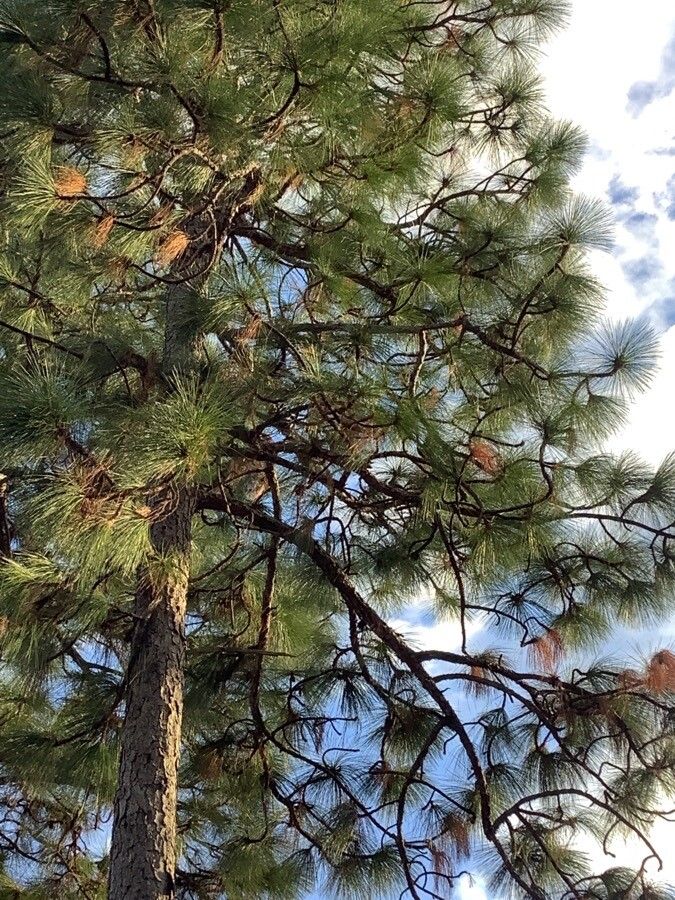
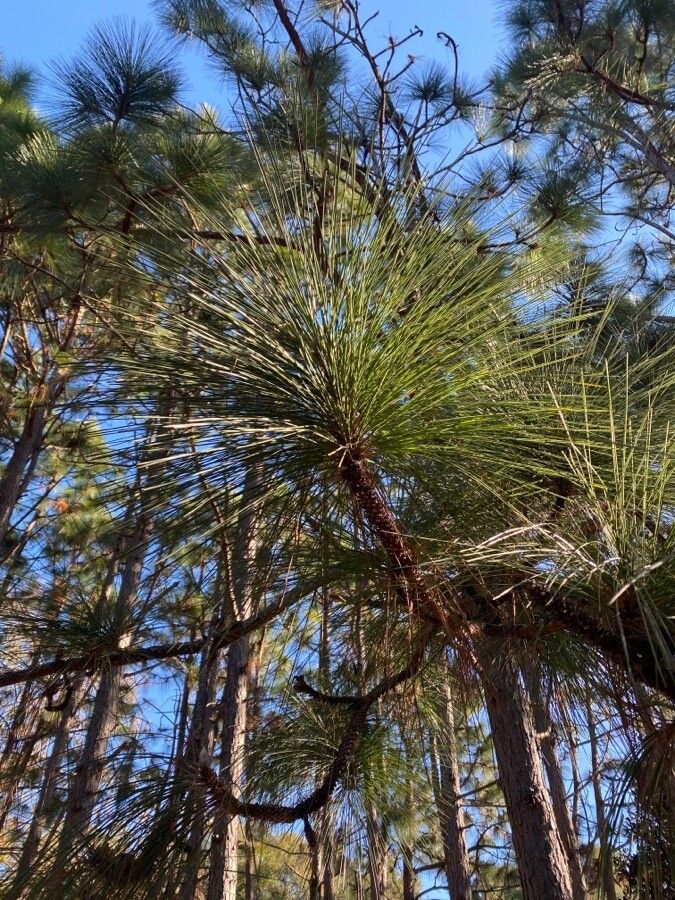
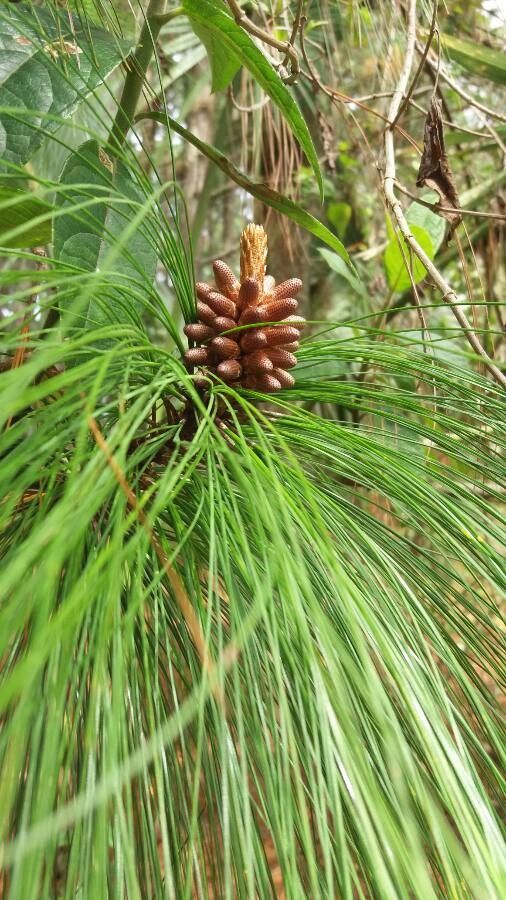
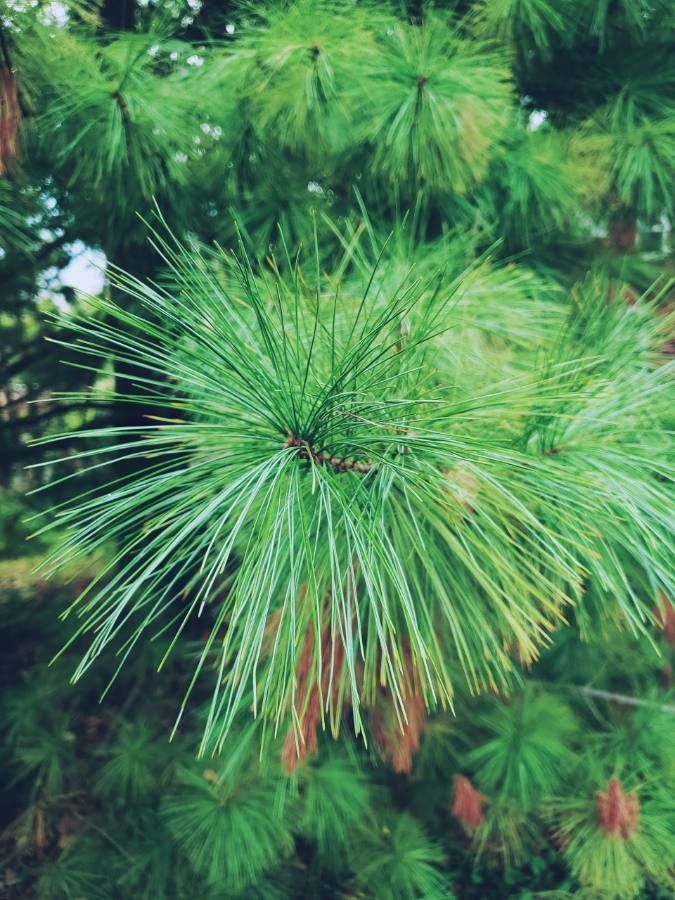
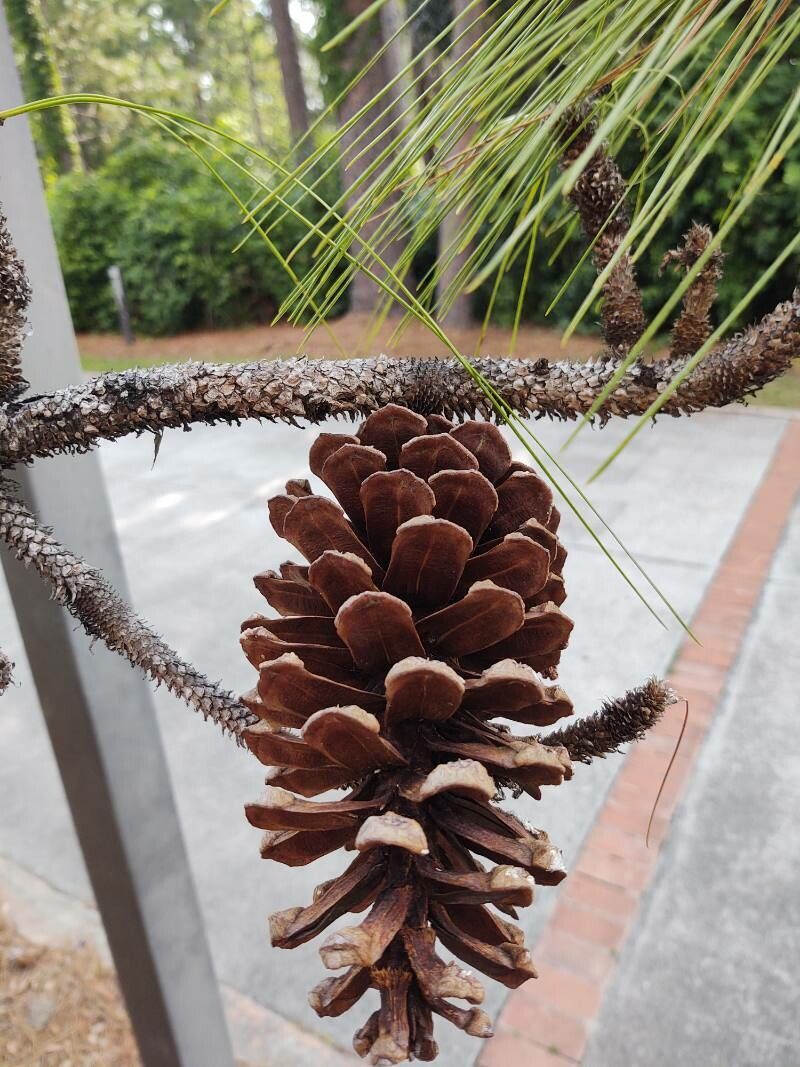
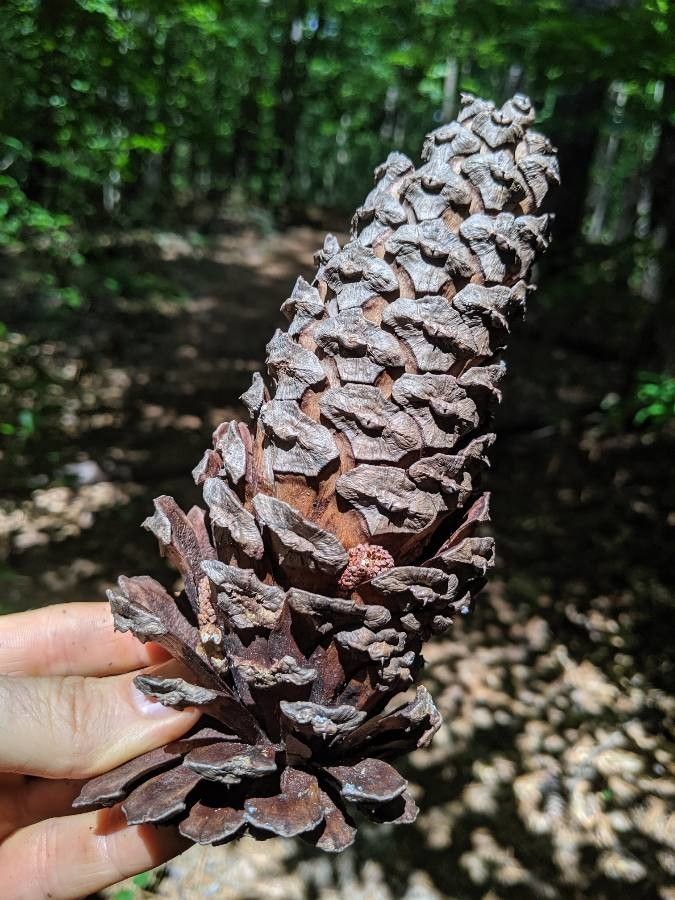
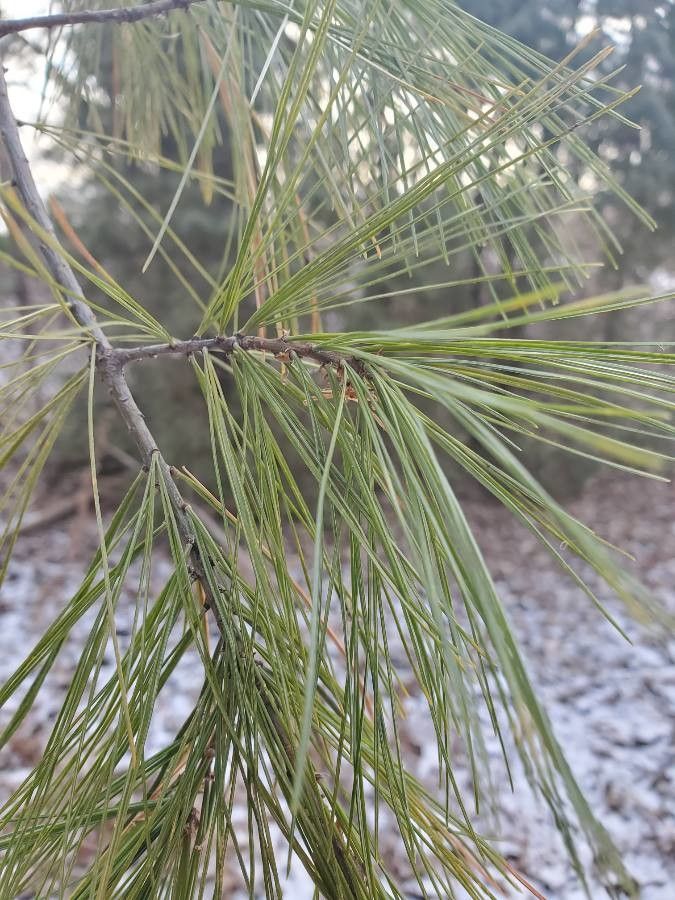
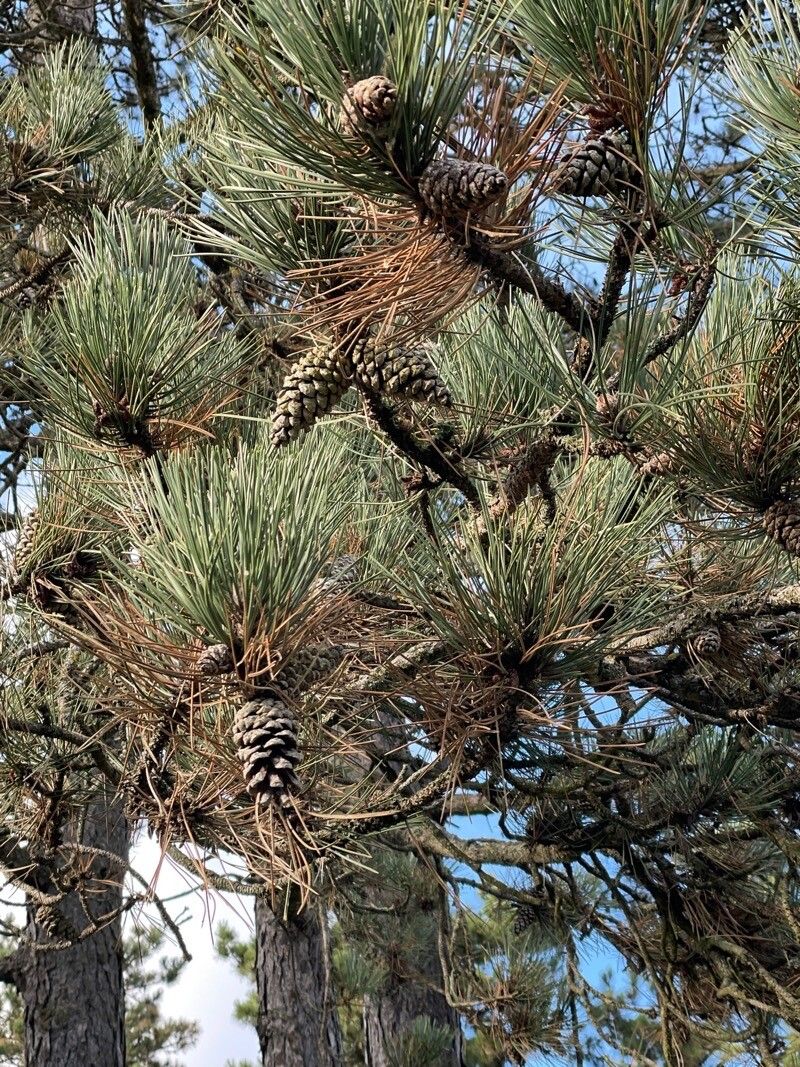
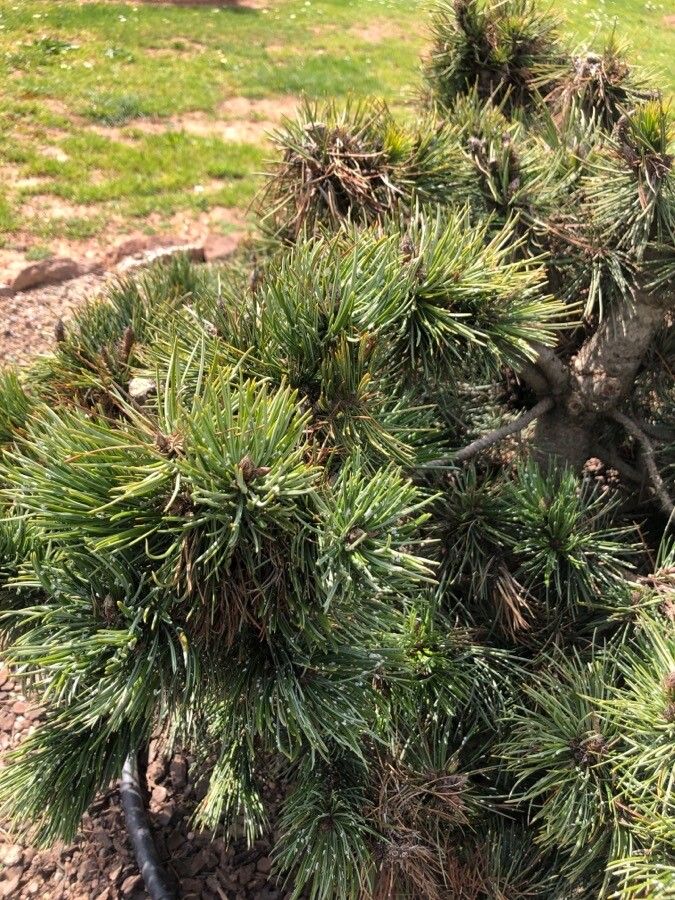
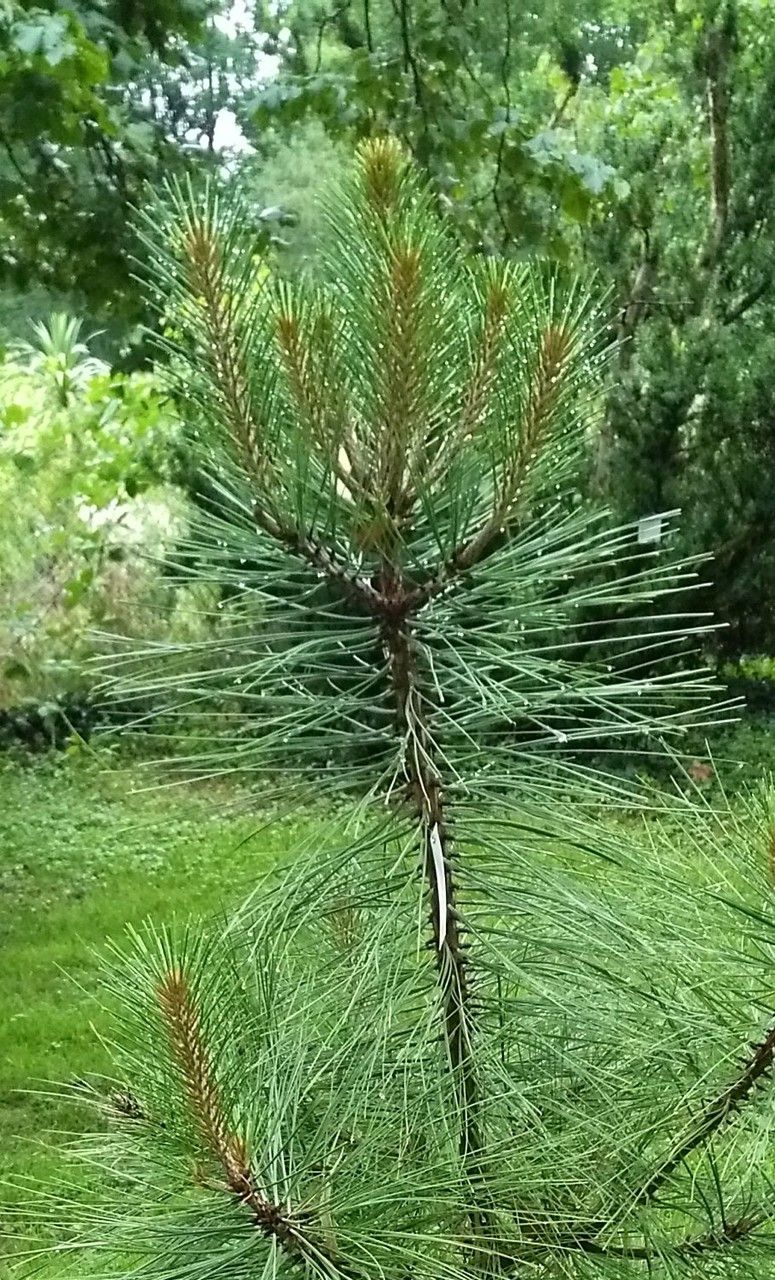
The longleaf pine (Pinus palustris) is a pine species native to the Southeastern United States, found along the coastal plain from East Texas to southern Virginia, extending into northern and central Florida. It reaches a height of 30–35 m (98–115 ft) and a diameter of 0.7 m (28 in). In the past, before extensive logging, they reportedly grew to 47 m (154 ft) with a diameter of 1.2 m (47 in). The tree is a cultural symbol of the Southern United States, being the official state tree of Alabama. Contrary to popular belief, this particular species of pine is not officially the state tree of North Carolina.
Longleaf pine is resistant to diseases and is generally not prone to them. Regarding care, this plant is fairly low-maintenance. When grown outdoors it needs little watering, and larger specimens usually do not require pruning. However, smaller plants should be pruned after they have bloomed. Longleaf pinet is suitable for anyone with an outdoor area, such as a garden or deck, and does not demand much care experience.
How to keep Pinus Palustris.
Light
The longleaf pine grows best in full sun but can tolerate moderate light. Its native habitat reflects this, flourishing in sun-drenched areas. Throughout its various growth stages it consistently needs a plentiful amount of sunlight. However, both excessive and insufficient light can hinder its growth and overall health.
Water
The longleaf pine, native to humid subtropical areas, thrives in well-drained soil with moderate water. It's best to water the tree every 1-2 weeks, which keeps the soil consistently moist without making it too wet. As an evergreen tree, the longleaf pine needs careful monitoring of moisture levels to sustain its needle-like foliage throughout the year.
Temperature
Longleaf pine is indigenous to the southeastern United States, where temperatures commonly range from 50 to 95 ℉ (10 to 35 ℃). It favors warm conditions and is adapted to open savanna habitats that are prone to fire. In winter it can tolerate brief episodes of freezing temperatures but typically performs best in regions with mild winters.
Fertilizer
Longleaf pine has particular nutrient requirements and does not require excessive fertilization. Spring is the best time to apply fertilizer for optimal growth. Supplying nutrients improves its health, increases resistance to pests and diseases, and supports its long lifespan.
Pruning
For optimal health and shape, longleaf pines benefit from selective pruning, which is best done in winter to minimize stress. By removing dead or damaged branches, you can improve airflow and help prevent pest infestations. Proper pruning not only enhances the tree's appearance but also promotes its long-term stability and vigorous growth.
Botanical profile.
- Plant Type
- Tree
- Life Cycle
- Perennial
- Genus
- Pinus
- Family
- Pinaceae
- Hardiness Zone
- 6-9
- Mature Height
- 18.29 m to 36.58 m
- Mature Spread
- 9.14 m to 11.89 m
- Leaf Color
- Green, White, Silver
- Leaf Type
- Evergreen
- Flower Color
- Yellow, Purple, Green, Red, Lavender, Burgundy, Gold
- Bloom Time
- Late spring, Early summer
- Planting Time
- Autumn
- Harvest Time
- Mid summer, Late summer, Early fall
- Native Area
- Southeastern U.S.
Other names.
Reader questions.
What's the best way to water my Longleaf pine tree?
Watering your Longleaf pine is a simple task. To do this, just turn on your garden hose and gradually soak the soil. This method works well for mature trees that require a lot of water. However, if you have smaller trees, you can use a watering can or a smaller tool. It's important to avoid overhead watering as excess moisture on the leaves can cause disease, especially in young trees.
Why should I put fertilizer on my Longleaf pine tree?
To support the healthy growth of Longleaf pine, it is recommended to fertilize it in the spring. As this plant has a long lifespan, it requires additional support. Adding nutrients to the soil not only enhances its overall health but also helps it resist pests and diseases, which can hinder growth or decrease its lifespan.
What are the sunlight requirements for longleaf pine?
Longleaf pine requires full sun exposure to thrive, necessitating more than 6 hours of sunlight daily. It can also endure partial sun, which is about 3-6 hours of sunlight. Observing how sunlight moves through your garden can help in selecting the ideal spots that provide a perfect balance of light and shade, ensuring the plant's well-being.
What is the native habitat of Longleaf Pine?
Longleaf pine is native to the southeastern United States, thriving in warm temperatures typical of the range from 50 to 95°F (10 to 35°C). It is well-suited to fire-prone, open savanna habitats. The species exhibits strong cold resistance, making it adaptable to various winter conditions, although it prefers areas with mild winters. Despite its cold tolerance, in regions where winter temperatures may drop below -25°C, protective measures are advised to prevent damage.
What should I do if I give my Longleaf pine too much water or not enough water?
Overwatering your Longleaf pine can be a result of poor soils that don't allow water to drain effectively. If this happens, your plant may start to decline. In such cases, you have two options: either improve the soil drainage by amending it or transplant your Longleaf pine to a better location. If you're growing it in a pot, you may also need to repot it with looser soils and better drainage. Overwatering can lead to diseases, so it's important to treat them promptly. On the other hand, if your Longleaf pine is underwatered, the solution is simple: water it more frequently and it will regain its health. To determine if your plant is overwatered, check the foliage, especially the new growth. If the new growth is discolored or prone to breakage, it may be a sign of too much moisture. Standing water or slow drainage in the growing area can also indicate excessive moisture. Conversely, underwatered Longleaf pines may have sparse, brown leaves. Considering recent rainfall or high temperatures can help you assess if the symptoms are due to too much rain or heat.
When should I fertilize my Longleaf pine tree?
The growing medium may not always have enough nutrients for healthy growth, but Longleaf pine is unique. Unlike garden annuals and perennials, it doesn't need a lot of extra nutrients. The best time to fertilize Longleaf pine is in the spring, before new growth starts.
How do different sunlight exposures affect the growth of longleaf pine?
The longleaf pine flourishes under full sunlight but can manage moderate sun exposure as well, mimicking its natural habitat where it excels in sun-drenched environments. Throughout its growth phases, it requires a considerable amount of sunlight. However, too much or too little light can hinder its growth and health. When natural sunlight is insufficient, especially in winter or shadowed areas, artificial lighting becomes essential for indoor plants. LED lights, with their customizable spectrum, are suitable for matching the plant's light needs, with intensity requirements varying based on the plant's natural sunlight needs.
How should Longleaf Pine be cared for during winter?
To care for Longleaf Pine during winter, especially if temperatures are expected to fall below -25°C, it's vital to protect the plant against the cold. This can be done by wrapping the trunk and branches with non-woven fabric or cloth. To help the plant through winter and early spring, it's recommended to water abundantly before the first freeze in autumn, ensuring the soil remains moist and prevents drought and water scarcity for the plant.
How much should I water my Longleaf pine tree?
A mature Longleaf pine can survive mainly on rainfall and is highly drought tolerant. During the hottest months, you may need to water it once a week, but for the rest of the year, watering is usually unnecessary. However, if you have recently planted a Longleaf pine, regular watering is essential to establish its roots properly. It is crucial to avoid overwatering as standing water is not well-tolerated by this species. When uncertain, it is best to refrain from watering rather than risking overwatering.
When is the best time to not fertilize my Longleaf pine?
While some plants benefit from regular fertilization, this is not the case for Longleaf pine. This type of pine tree does not need excessive nutrients and applying too much fertilizer can actually harm it. Therefore, it is recommended to only fertilize the Longleaf pine in the spring and refrain from doing so in the summer, fall, and winter seasons. It is also important to avoid adding fertilizer or organic matter to the soil during these times.
What are the symptoms of inappropriate light exposure in longleaf pine?
Longleaf pine exhibits various symptoms under poor light conditions, including smaller new leaves, leggy or sparse growth, accelerated leaf drop, cessation or reduction in new growth, and changes in leaf color such as paleness or chlorosis. Excessive sunlight can lead to symptoms like sunscald, leaf curling, wilting, and leaf scorching. These symptoms indicate either a lack or excess of sunlight, affecting the plant's ability to perform photosynthesis efficiently and maintain overall health.
What are the important temperature thresholds for Longleaf Pine?
Longleaf Pine thrives best in temperatures above 10°C and should be kept above -15°C during winter. Temperatures falling below -25°C might not show immediate damage but can result in brittle and dry branches in spring, with no new shoots emerging. In summer, maintaining temperatures below 35°C is optimal. Exceeding 38°C may cause the leaves to lighten in color and the tips to become dry and withered, increasing susceptibility to sunburn.