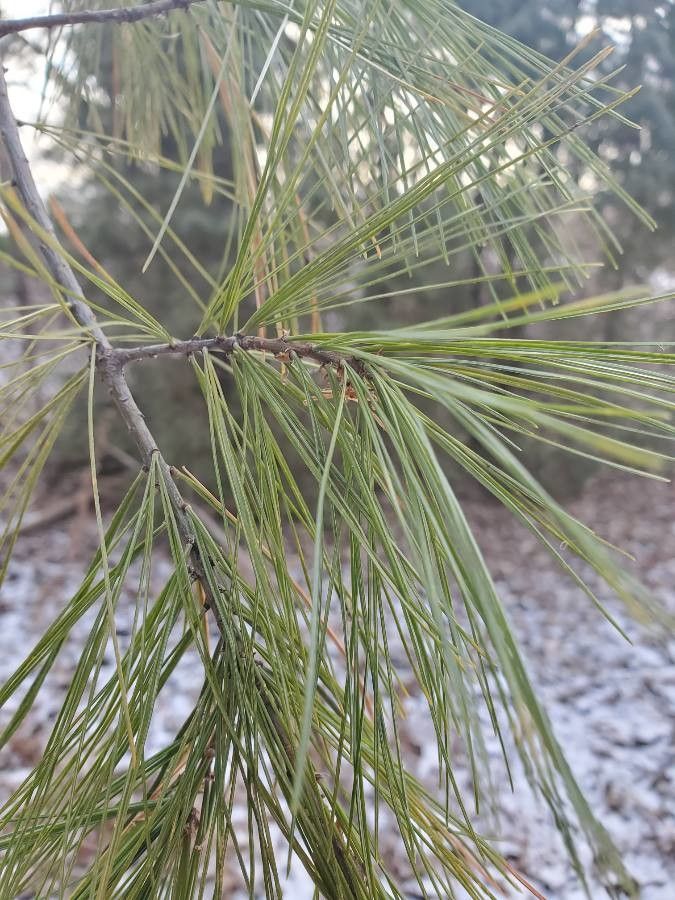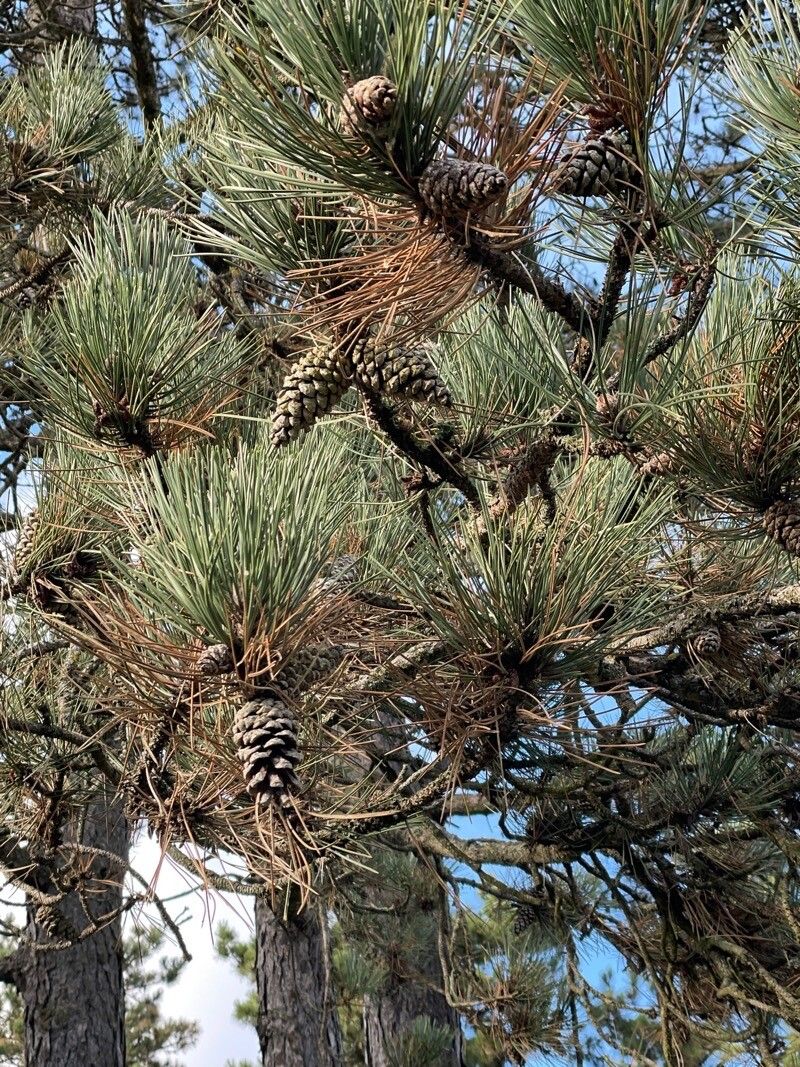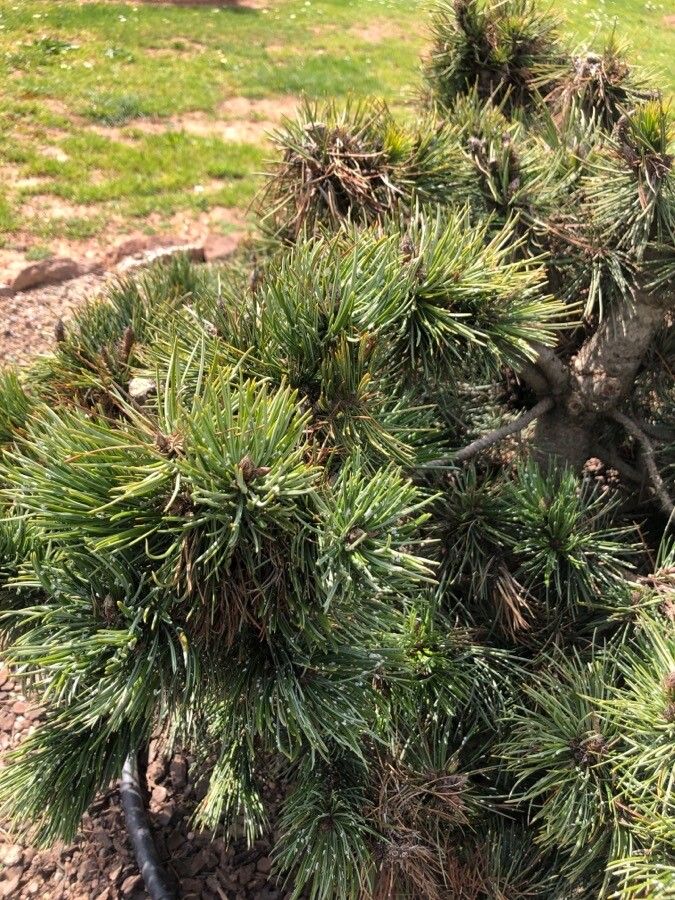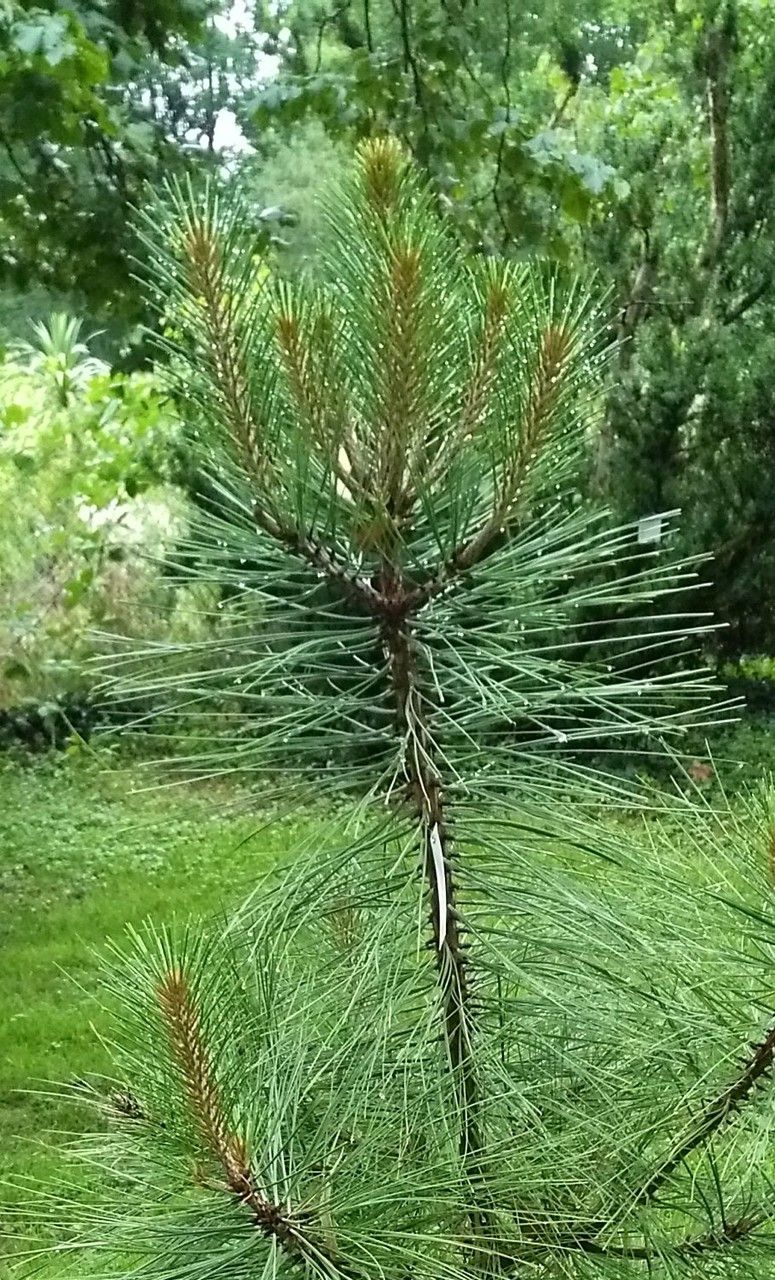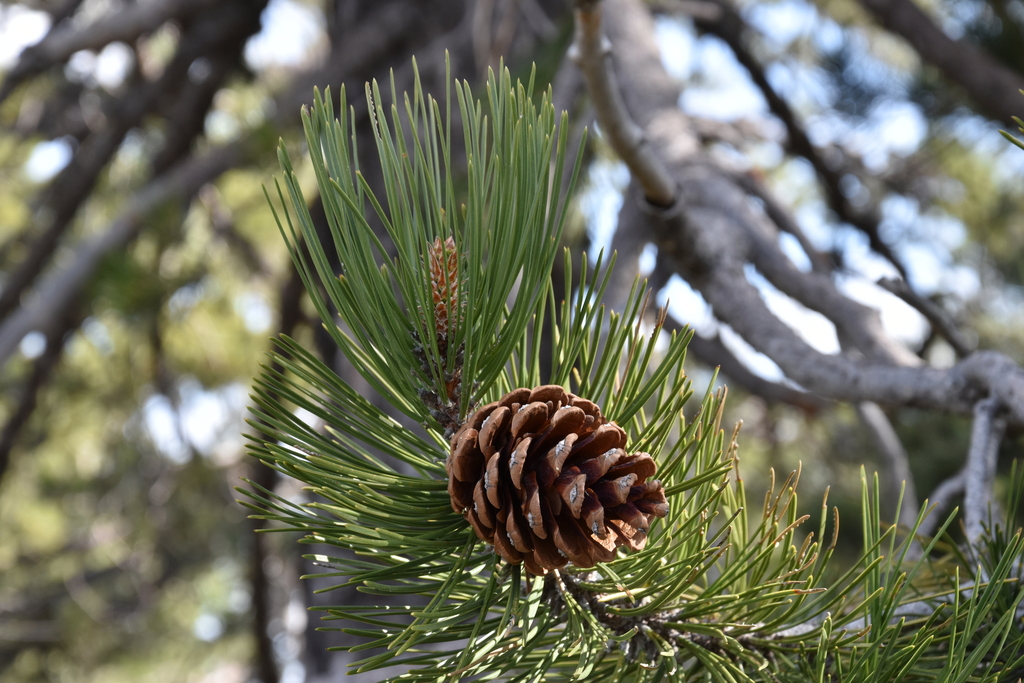
Pinus nigra, commonly known as the Austrian pine, is a species of coniferous tree native to Europe. This tall, evergreen tree can reach heights of 30-40 meters. Its dark brown bark is deeply fissured, and it features long, slender needles that are dark green in color.
The Austrian pine thrives in well-drained soils and is drought-tolerant. It grows best in full sun but can also adapt to partial shade. The tree produces cones that are 5-15 cm long with sharp scales.
The wood of the Austrian pine is prized for its strength, durability, and resistance to decay. It is used in various applications, including construction materials, furniture making, and paper production.
Beyond its practical uses, Pinus nigra holds ornamental value due to its attractive appearance, making it a popular choice for landscaping projects worldwide.
In summary, Pinus nigra serves practical purposes such as wood production while also being an appealing addition to landscaping projects. Its unique appearance and economic benefits make it an important species both economically and aesthetically.
Austrian pine has good disease resistance and is generally not prone to disease. In terms of care, this plant is relatively low maintenance. When planted outdoors, it requires minimal watering and larger plants generally do not need pruning. However, smaller plants should be pruned after they have bloomed. Austrian pine is suitable for anyone with an outdoor space, such as a garden or deck, and does not require a lot of care experience.
How to keep Pinus Nigra.
Light
Austrian pine does best in locations where it gets unobstructed sunlight for most of the day, though it can tolerate areas with less light. At every stage of its life, the plentiful sun of its original environment is essential for optimal health and growth. Both too much and too little exposure can be harmful, causing stress or reduced growth.
Water
The Austrian pine, native to the mountainous regions of Europe, is drought-tolerant and thrives in dry conditions. However, to stay healthy, it requires weekly watering. As an evergreen, it needs consistent soil moisture, especially when planted outdoors.
Temperature
Austrian pine originates from temperate climate zones and is accustomed to temperatures of 50 to 95 °F (10 to 35 °C). It is important to maintain that temperature range year-round, adjusting its conditions as necessary for changing seasons.
Fertilizer
Austrian pine has specific nutrient needs and does not require heavy fertilization. Spring is the best time to fertilize to encourage optimal growth. Providing nutrients improves its health, raises its resistance to pests and diseases, and helps maintain a long lifespan.
Pruning
Pruning Austrian pine during the early to late winter months is beneficial for its health. By removing dead or diseased branches, you promote healthy growth, improve air circulation, and help maintain the tree's shape. Additionally, this practice reduces the risk of branches breaking in the wind. Regular pruning not only supports the plant's resilience but also enhances its visual appeal.
Pot & Repot
When repotting Austrian pine, select a pot 1–2 inches (2.5–5.1 cm) larger with good drainage. Use a well-draining potting mix. Repot in spring or fall, making sure the root ball sits slightly below the rim of the flower pot. Water thoroughly after repotting and place it in a warm spot with indirect sunlight.
Toxicity
Though it is generally not toxic, sensitive individuals have reported adverse skin reactions and/or asthma-like symptoms after working with the Austrian pine.
Further reading →
The toxicity and danger assessments provided are for reference only. We do not assure their accuracy, so it's crucial not to depend on them. Seek professional advice when necessary for accurate guidance.
Botanical profile.
- Plant Type
- Tree
- Life Cycle
- Perennial
- Genus
- Pinus
- Family
- Pinaceae
- Hardiness Zone
- 6-9
- Mature Height
- 15.24 m to 18.29 m
- Mature Spread
- 6.1 m to 11.89 m
- Leaf Color
- Green
- Leaf Type
- Evergreen
- Flower Color
- Yellow
- Flower Size
- 2.03 cm
- Bloom Time
- Early summer, Mid summer
- Planting Time
- Spring, Autumn
- Harvest Time
- Mid summer, Late summer, Early fall
Other names.
Reader questions.
How should I water my Austrian pine tree?
Watering your Austrian pine is a simple task. To do so, just turn on your garden hose and slowly soak the soil around the tree. This method is most suitable for mature trees, which may require a significant amount of water. For smaller trees, a watering can or other small tool will suffice. Avoid watering from above as it can cause disease, especially in young trees.
Why should I put fertilizer on my Austrian pine tree?
To promote healthy growth, it is recommended to fertilize Austrian pine in the spring. Keep in mind that this plant has a long lifespan and requires support. Adding nutrients to the soil can enhance its overall health and increase resistance to common pests and diseases, preventing stunted growth or premature decline
What are the sun requirements for Austrian pine?
Austrian pine needs full sun, defined as over six hours of sunlight daily, to thrive optimally. It can also grow under partial sun conditions, which entail about 3-6 hours of sunlight. It's crucial to observe how sunlight moves through your garden to choose the optimal locations for planting, ensuring a balance of light and shade appropriate for the health of your plants.
What is the native climate of the Austrian pine?
The Austrian pine is native to temperate climate zones and is accustomed to temperatures ranging from 50°F to 95°F (10°C to 35°C). It is essential to maintain this temperature range throughout the year, adapting its setting as necessary to accommodate the varying seasonal climates. The Austrian pine has a strong resistance to cold, so special frost protection measures are usually not required during winter. However, in extreme cases where winter temperatures are expected to drop below -25°C, it is important to provide cold protection by wrapping the trunk and branches with materials such as non-woven fabric or cloth. To prevent drought and water scarcity for the plant during winter and early spring, it is advisable to water the plant abundantly before the first freeze in autumn, ensuring the soil remains moist as it enters a frozen state.
What should I do if I give too much or too little water to my Austrian pine tree?
Overwatering can occur when the soil does not drain effectively, causing the Austrian pine to decline. To address this, you can improve the soil's drainage or relocate the plant. If you grow the pine in a pot, consider using looser soil and a container with better drainage. Overwatering can lead to diseases, so timely treatment is important. To remedy underwatering, increase watering frequency for the pine to regain its health. To determine if the pine is overwatered, examine the foliage, particularly the new growth. Discolored or fragile new growth indicates excessive moisture. Standing water or slow drainage in the growing area is another indication of overly moist soil. Underwatered pines will have sparse, brown leaves. Considering recent rainfall or high temperatures can help determine the cause of foliage issues.
When should I fertilize my Austrian pine tree?
Austrian pine is different from other garden plants because it doesn't need a lot of extra nutrients. Sometimes, the growing medium doesn't provide enough nutrients for healthy growth. To fertilize Austrian pine, the best time is in the spring before new growth starts.
What are the essentials for growing Austrian pine?
Austrian pine flourishes best in conditions where it can bask in unobstructed sunlight for the majority of the day, showcasing resilience even in slightly less sunny conditions. Originating from environments with ample sunlight, it requires significant exposure to thrive properly throughout its stages of development. Both over and underexposure to sunlight can lead to issues such as distress or slowed growth. In situations where natural sunlight is insufficient, especially indoors or during winter, artificial lighting can be a vital solution. It's essential to choose the right type, with LED lights being a popular choice due to their customizable wavelength offerings, ensuring 30-50W/sq ft for full sun plants, 20-30W/sq ft for partial sun plants, and 10-20W/sq ft for full shade plants.
How does low temperature affect the Austrian pine and what are the solutions?
Austrian pine thrives best in cold temperatures and typically performs well when the temperature is above 10°C. However, during winter, it should be kept above -15°C. If the temperature falls below -25°C, the plant may not show noticeable changes during the winter, but come spring, the branches may become brittle and dry, with no new shoots emerging. The solution to this issue is to prune away any dead branches that have failed to produce new leaves in the spring.
How frequent should I water my Austrian pine?
A mature Austrian pine tree is highly drought tolerant and can typically survive solely on rainfall. Watering is only necessary about once per week during the hottest months, but during other seasons it may not need any additional water. However, if you have recently planted an Austrian pine, it is important to water it regularly to ensure the soil stays moist and promote root establishment. It is crucial to avoid overwatering as Austrian pines cannot tolerate standing water. When unsure, it is safer to avoid watering too much rather than risk overwatering.
When is it a bad idea to fertilize my Austrian pine?
While certain plants benefit from frequent fertilization, Austrian pine does not require an excessive amount of additional nutrients. Over-fertilization can actually lead to its decline. To ensure the pine's health, only apply fertilizer in the spring and avoid doing so during the rest of the year (summer, fall, and winter). Additionally, refrain from adding any fertilizer or organic matter to the soil during these seasons.
What are the symptoms of insufficient sunlight for Austrian pine?
Austrian pine, requiring full sunlight, shows symptoms of light deficiency when exposed to suboptimal lighting conditions. These can include smaller new leaves, leggy or sparse growth, faster leaf drop, no new growth, lighter-colored new leaves, and conditions such as chlorosis, sunscald, leaf curling, wilting, or leaf scorching. Each symptom points to a stress response to inadequate sunlight, ranging from growth inhibition to physical damage from overexposure or insufficient sunlight.
How does high temperature affect the Austrian pine and what are the solutions?
During the summer, it's crucial to keep Austrian pine below 35°C. When temperatures exceed 38°C, the plant's leaves may become lighter in color, the tips may become dry and withered, and the plant becomes more susceptible to sunburn. To combat these issues, trim away the sunburned and dried-up parts. Move the plant to a location that provides shade from the midday and afternoon sun, or use a shade cloth to create shade. Additionally, water the plant in the morning and evening to keep the soil moist and reduce the risk of sunburn and dehydration.