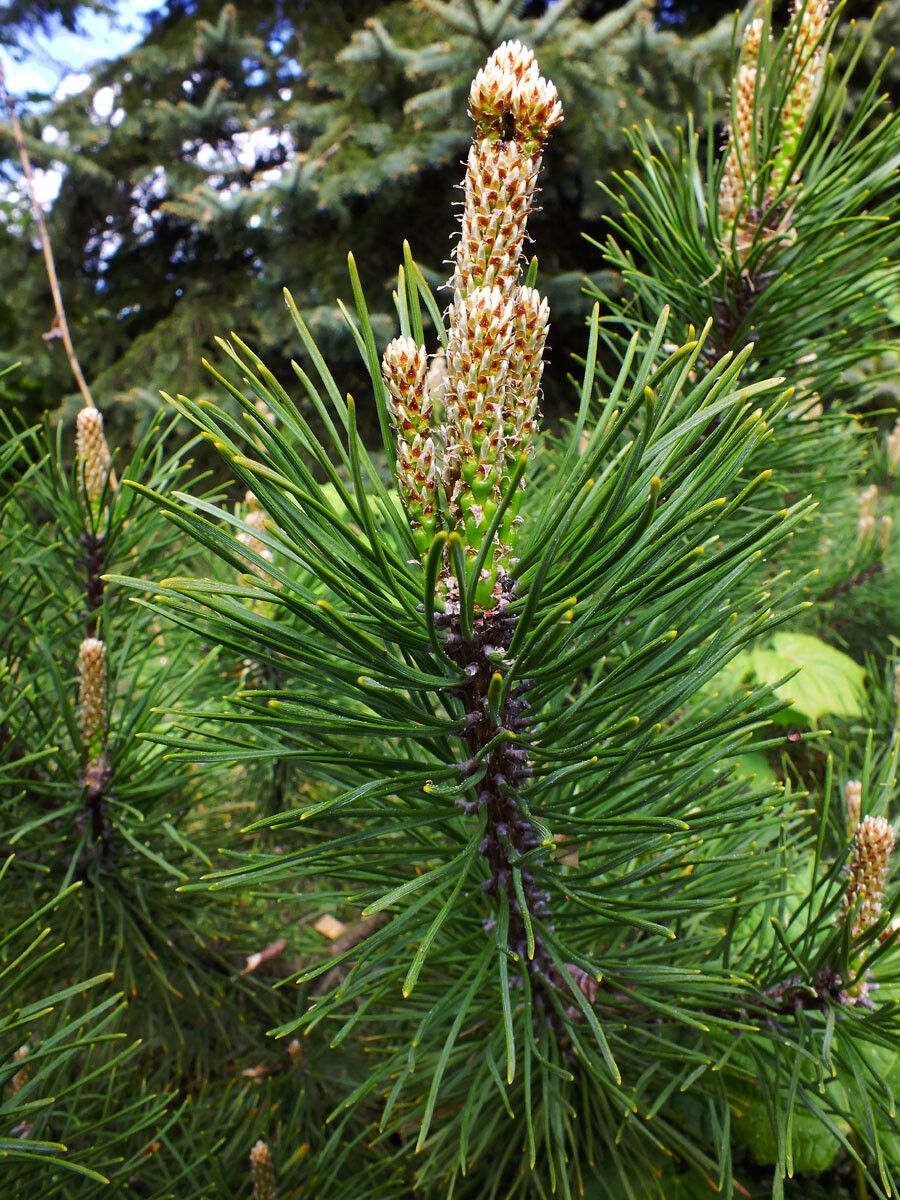
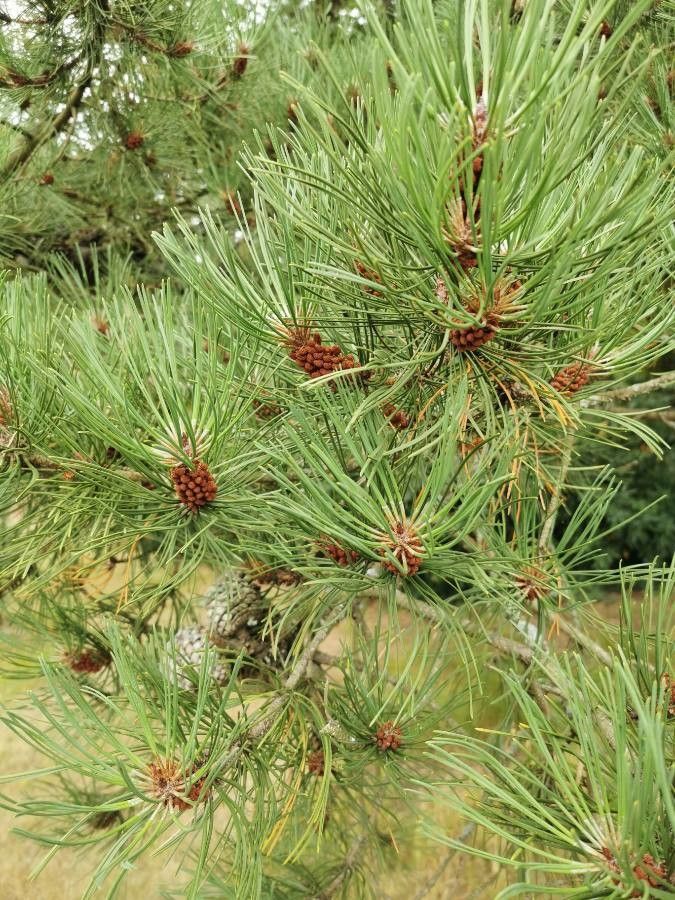
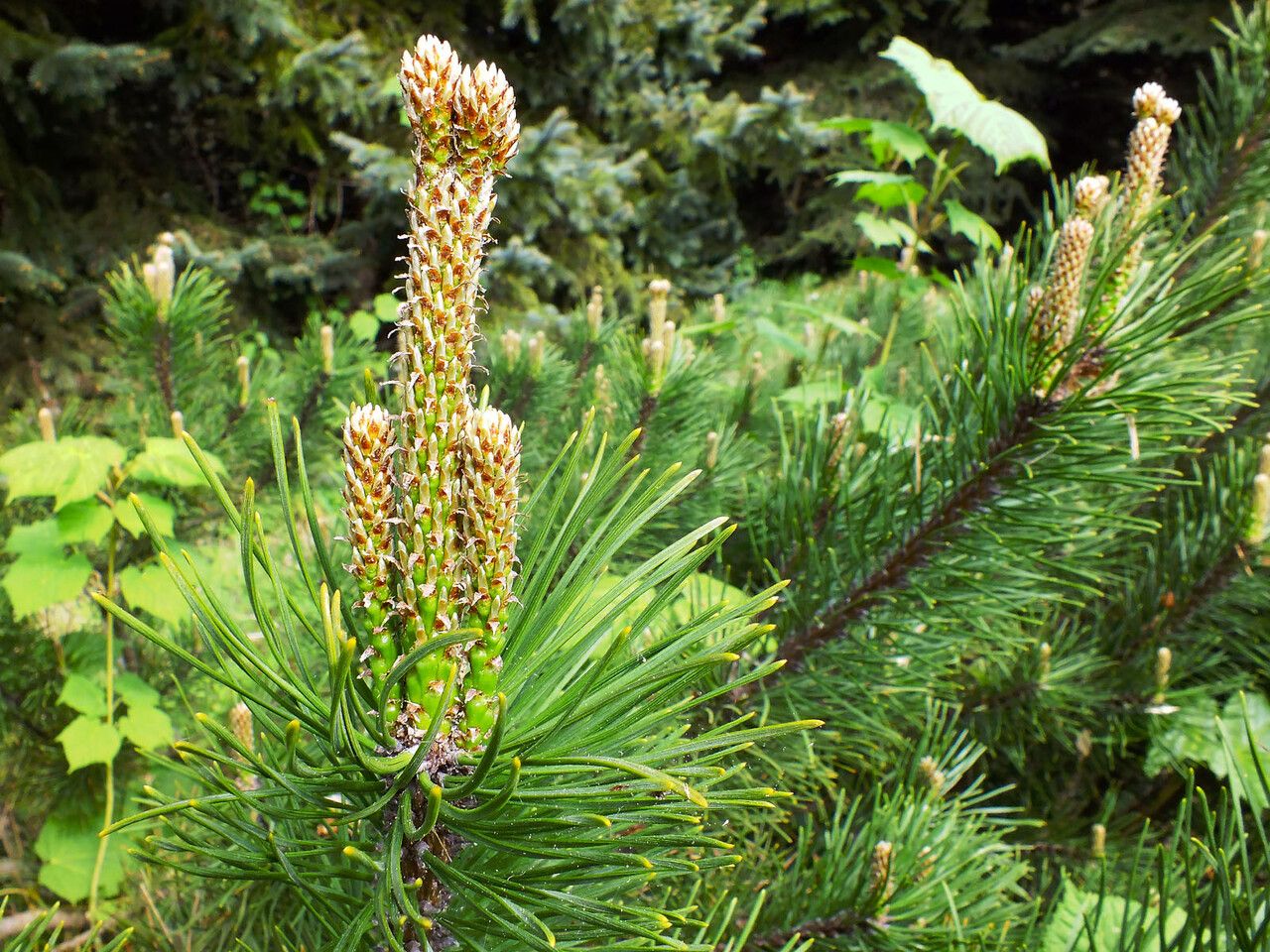
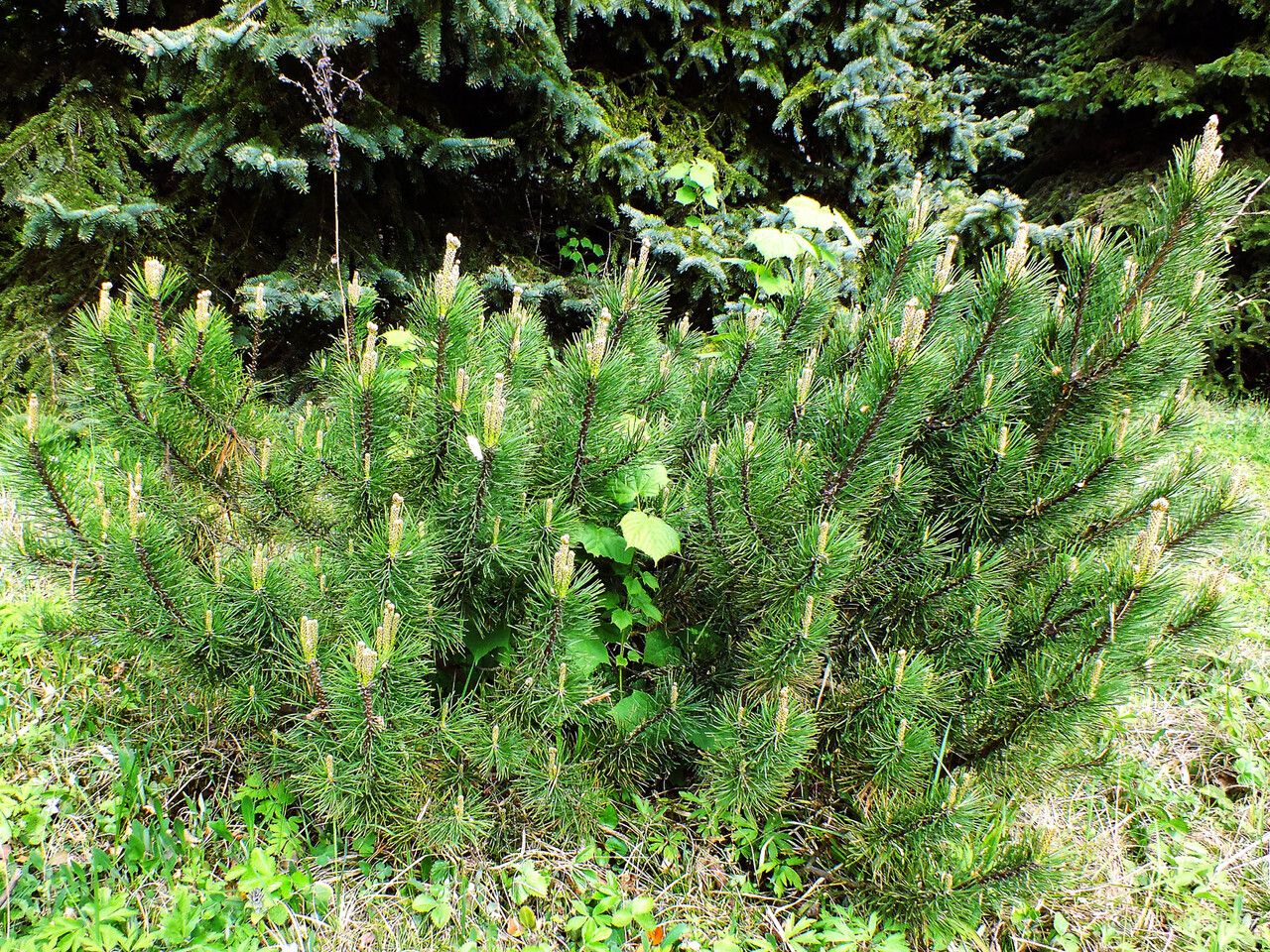
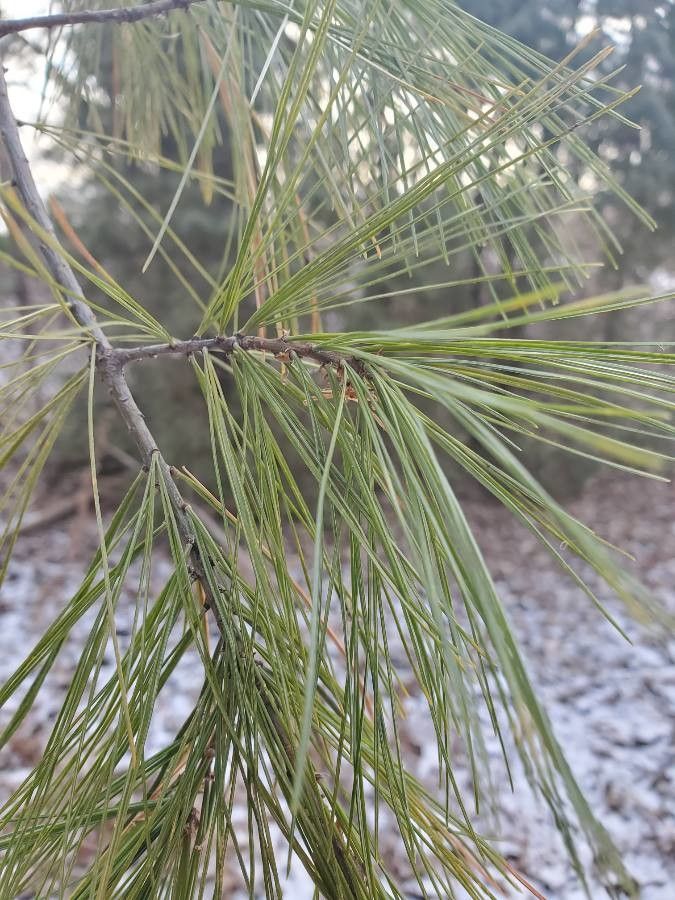
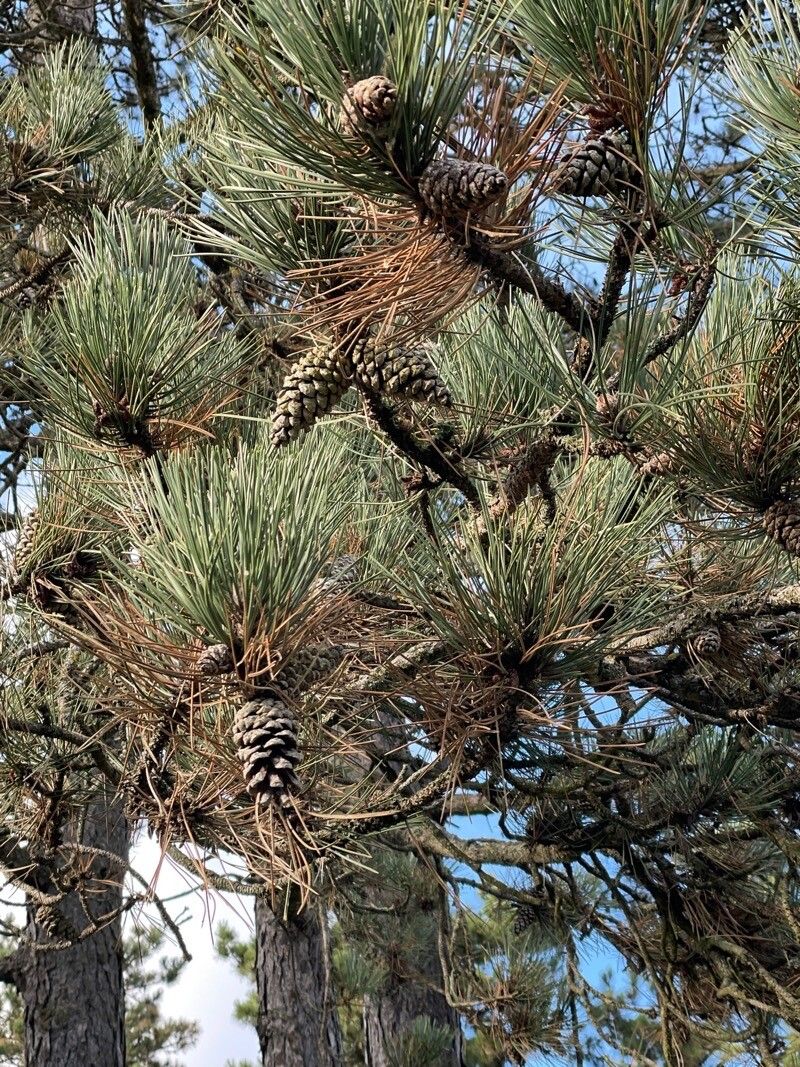
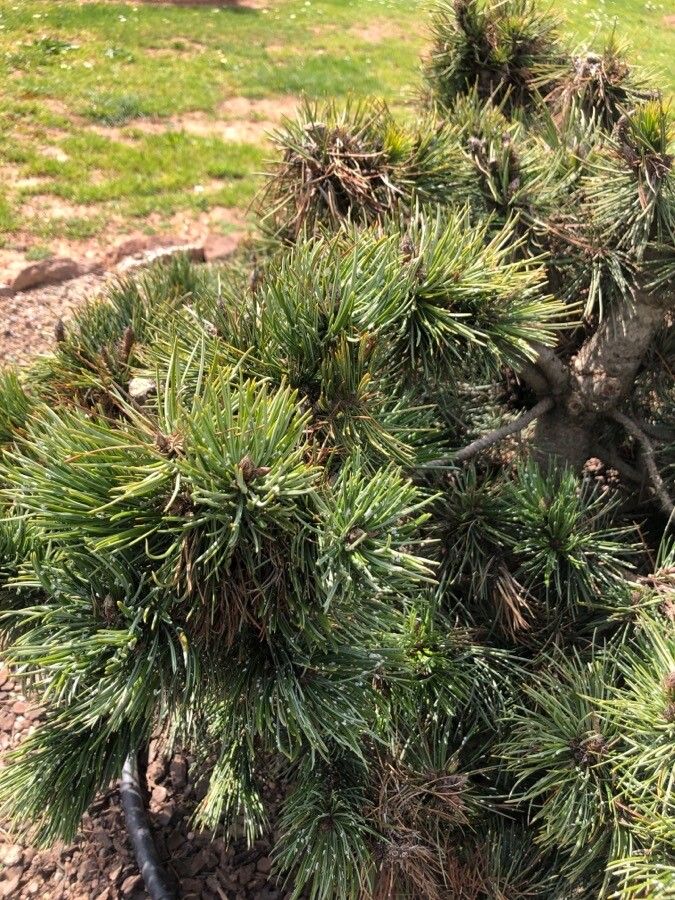
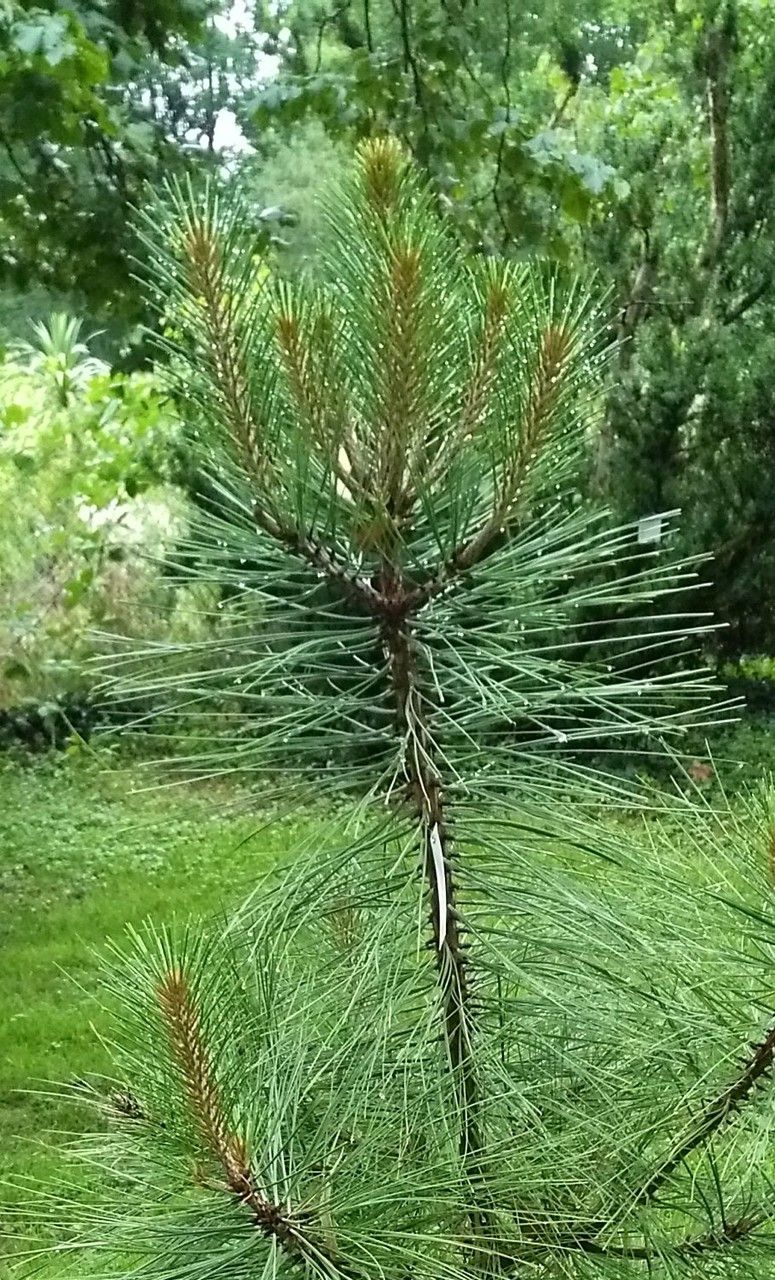
Pinus muricata, the bishop pine, is a pine with a very restricted range: mostly in California, including several offshore Channel Islands, and a few locations in Baja California, Mexico. It is always on or near the coast.In San Luis Obispo County it is found alone or in stands scattered on the coastal mountains and hills from Morro Bay to Shell Beach. A few stands of the tree are seen on the hills above the Sycamore Canyon Resort in Avila Beach. Within the City of San Luis Obispo, the Terrace Hill Open Space has several scattered specimens. Bishop pine seems to prefer already disturbed, unvegetated areas where it probably faces less competition from oaks and shrubs. The common name "bishop pine" resulted from the tree having been first identified near the Mission of San Luis Obispo in San Luis Obispo, California. This tree has a large number of common names and other prior scientific names, due primarily to numerous variant forms. Other English names that have occasionally been used are prickle cone pine, Obispo pine, Santa Cruz pine and dwarf marine pine.
Bishop pine has strong disease resistance and is generally not prone to disease. As for care, this plant is relatively low maintenance. When grown outdoors it needs minimal watering, and larger plants typically do not require pruning. Smaller plants, however, should be pruned after they have bloomed. Bishop pine is suitable for anyone with an outdoor area, such as a garden or deck, and does not require much care experience.
How to keep Pinus Muricata.
Light
Bishop pine is native to open habitats, like sunny meadows and forest margins, which supply abundant light. It does best in Full Sun but will also tolerate Partial Sun, demonstrating flexibility across different light conditions.
Water
The Bishop pine is well-suited for arid environments and demonstrates drought tolerance, requiring watering only every 1 to 2 weeks. It thrives outdoors by making use of the rainy seasons for hydration, effectively balancing moisture and dryness.
Temperature
Bishop pine shows strong adaptability to a variety of climate conditions, whether in very hot summers or cold winters. However, it does have a preferred temperature range for growth. When temperatures become too high, the plant is vulnerable to stress from heat and humidity, which can cause its death. In areas where temperatures near the lower limit of its cold tolerance, it is important to provide insulation to protect the plant.
Fertilizer
Bishop pine has specific nutrient needs and does not require heavy fertilization. Spring is the best time to apply fertilizer for optimal growth. Supplying nutrients improves its health, increases its resistance to pests and diseases, and helps maintain its long lifespan.
Pruning
Bishop pine benefits from pruning in early spring, which helps improve its health and shape. To ensure better airflow, remove any dead branches and thin out crowded areas. Also, trim the lower branches if they obstruct pathways. Pruning can also reduce the risk of wind damage. For the best results, always use clean, sharp tools.
Botanical profile.
- Plant Type
- Tree
- Life Cycle
- Perennial
- Genus
- Pinus
- Family
- Pinaceae
- Hardiness Zone
- 7-10
- Mature Height
- 10.97 m to 21.95 m
- Mature Spread
- 6.1 m to 11.89 m
- Leaf Color
- Green, Gray, Silver
- Leaf Type
- Evergreen
- Bloom Time
- Early spring, Mid spring
- Planting Time
- Spring, Autumn
- Harvest Time
- Late summer, Early fall, Mid fall
- Native Area
- Mexico
Other names.
Reader questions.
What are the sunlight requirements for Bishop pine?
Bishop pine, or Pinus muricata, thrives in conditions where it can receive ample sunlight. It is classified into two categories based on its sunlight requirements. For optimal growth, it needs 'Full sun,' which means it should receive above 6 hours of sunlight daily. However, it can also grow well under 'Partial sun' conditions, defined as receiving about 3-6 hours of sunlight daily. It's important to observe the movement of sunlight through your garden to find locations that offer a perfect mix of light and shade, which will support the happiness and health of your Bishop pine.
What is the botanical name of the Bishop pine?
The botanical name of the Bishop pine is Pinus muricata.