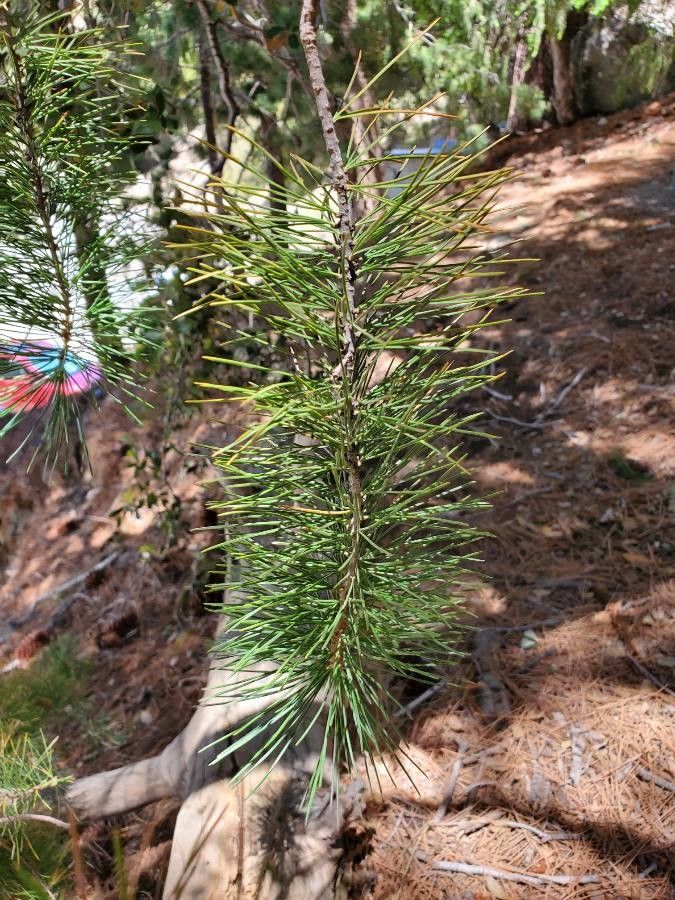
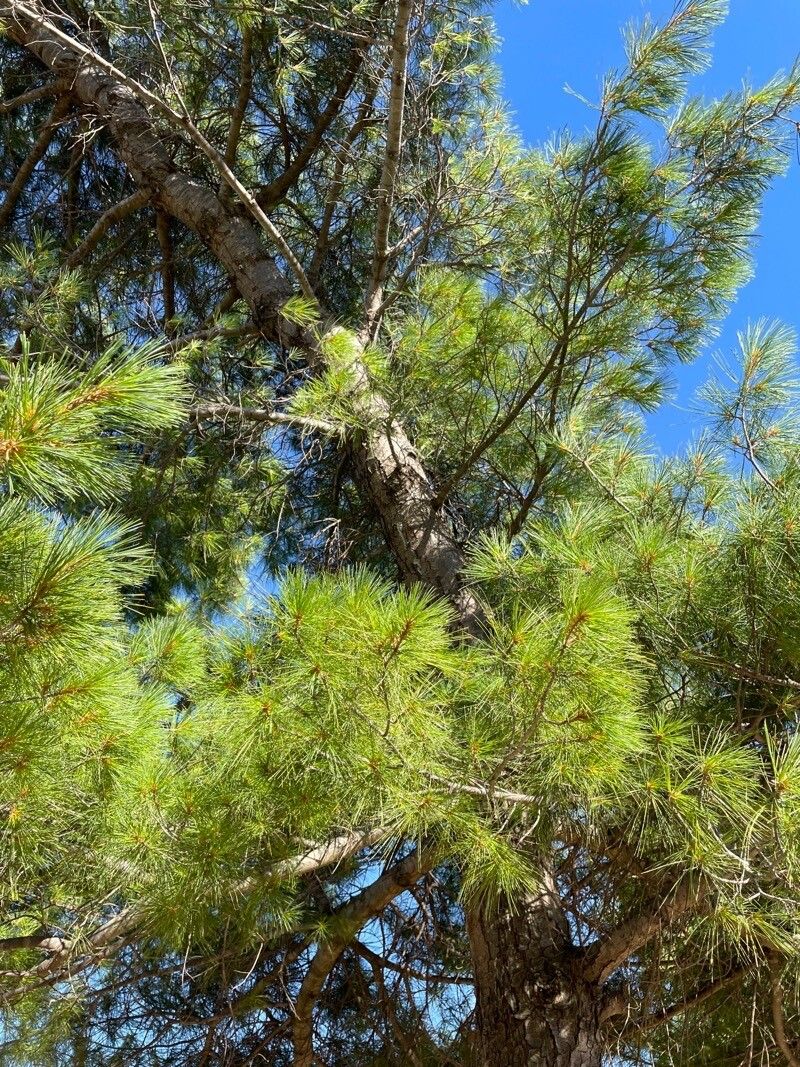
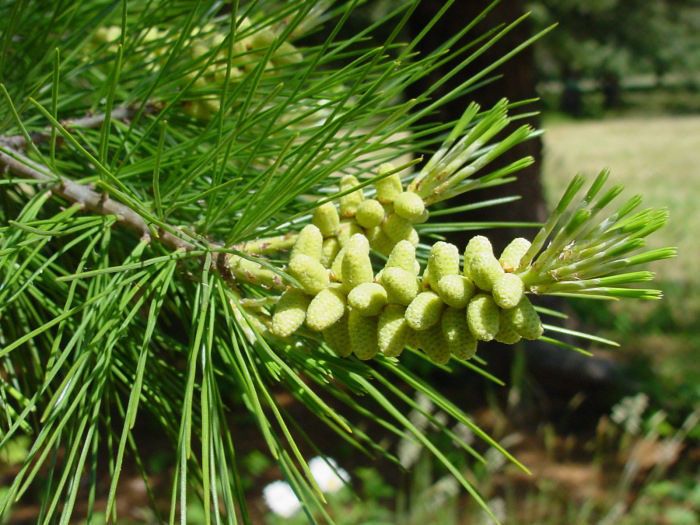
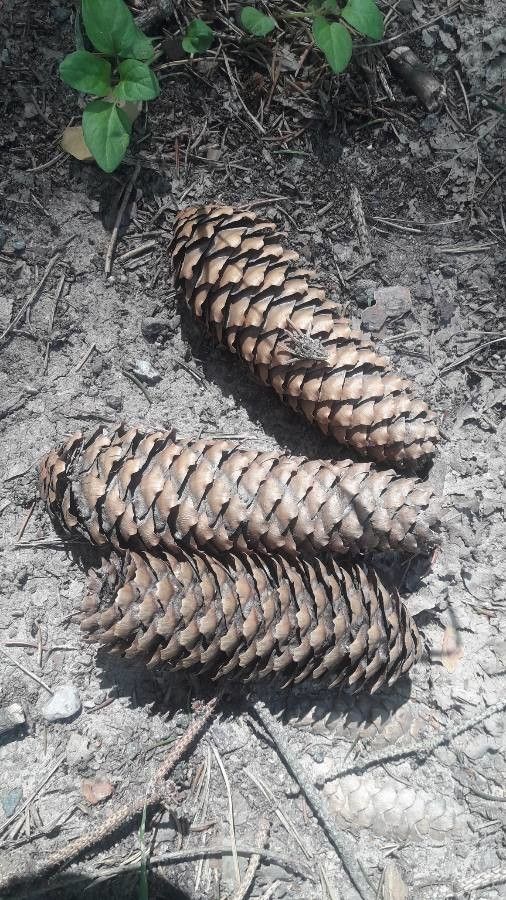
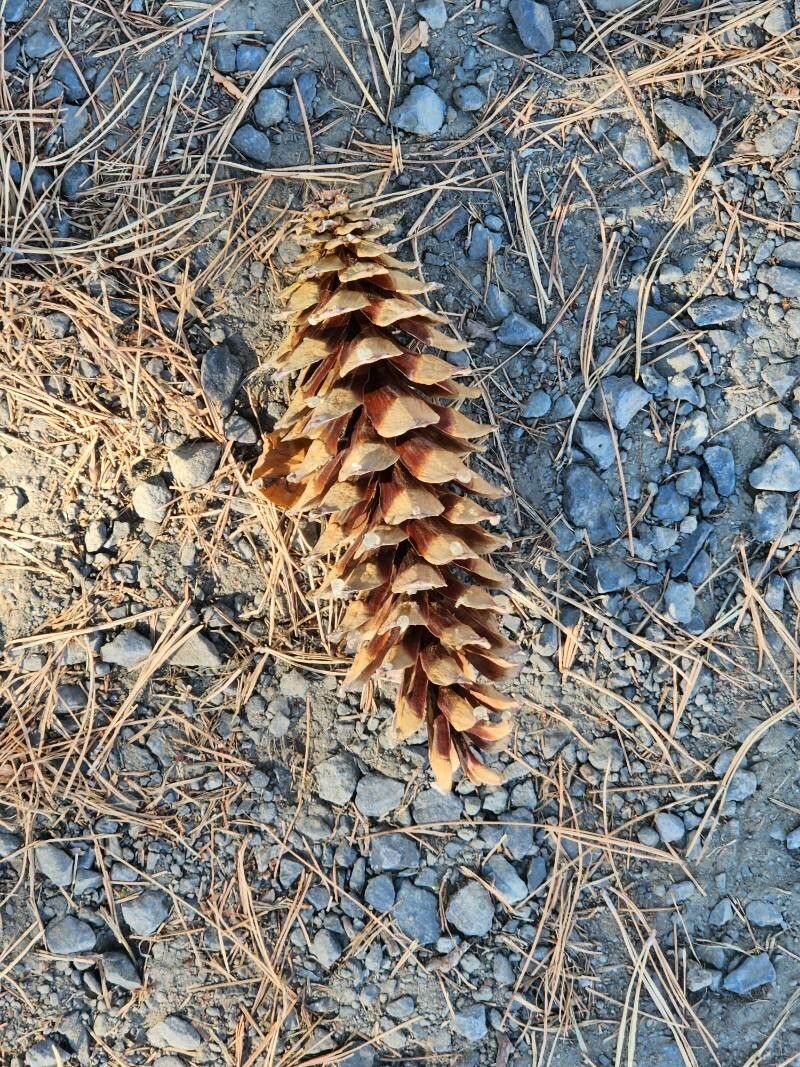
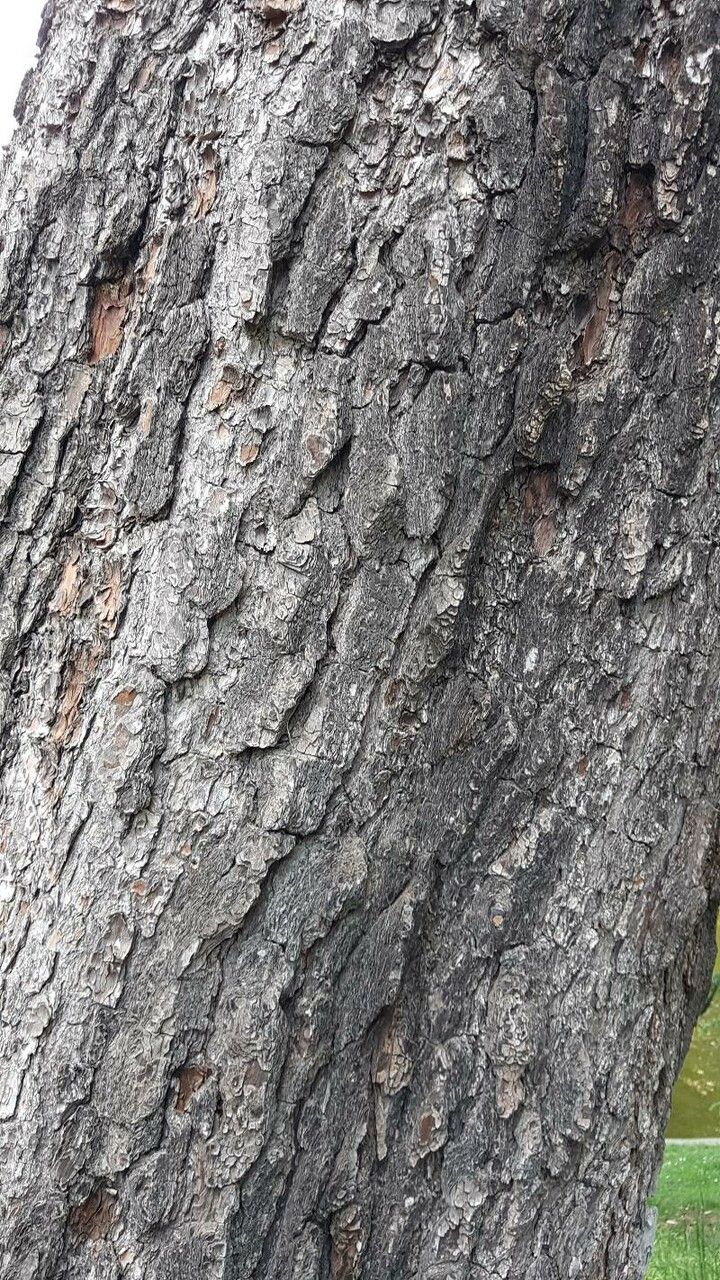
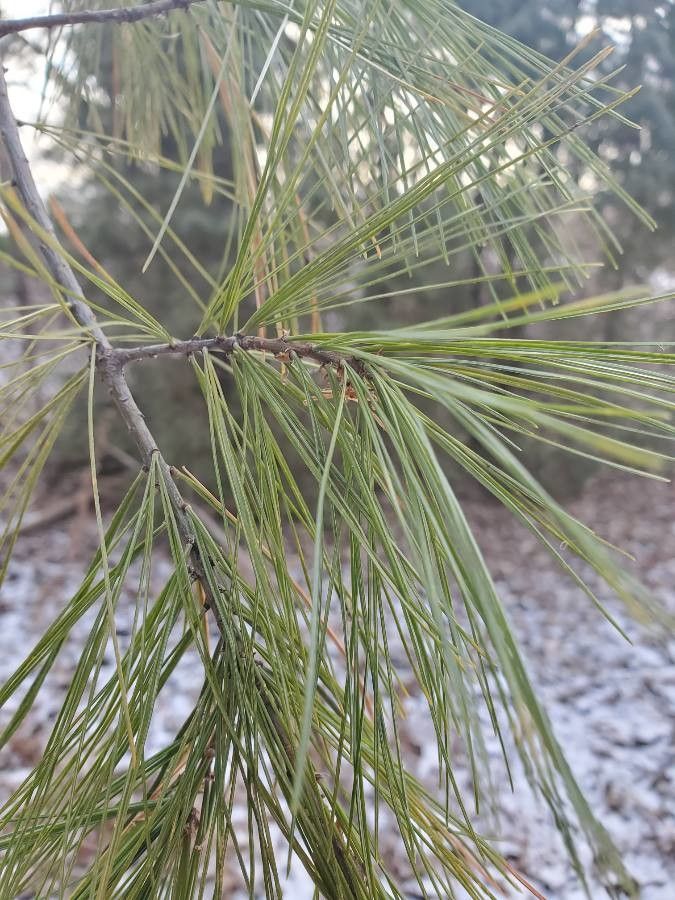
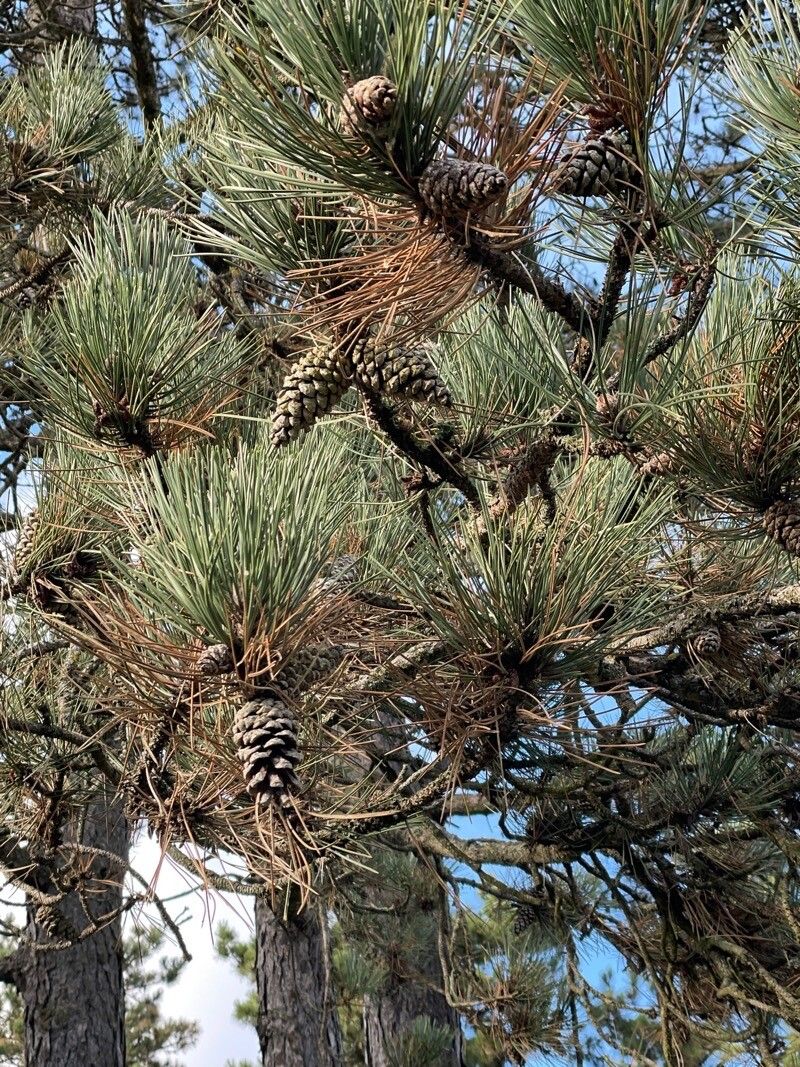
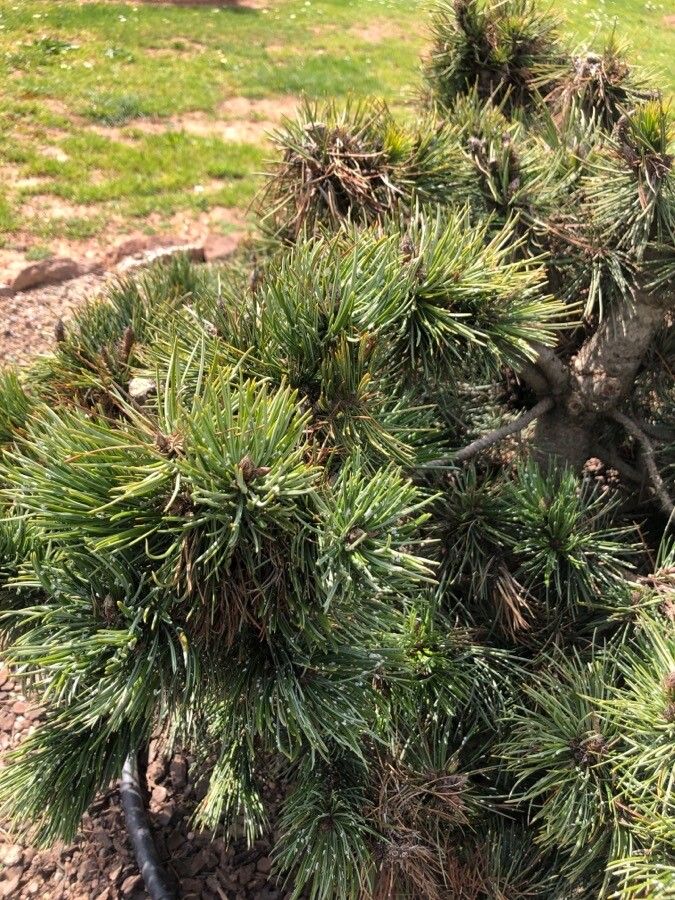
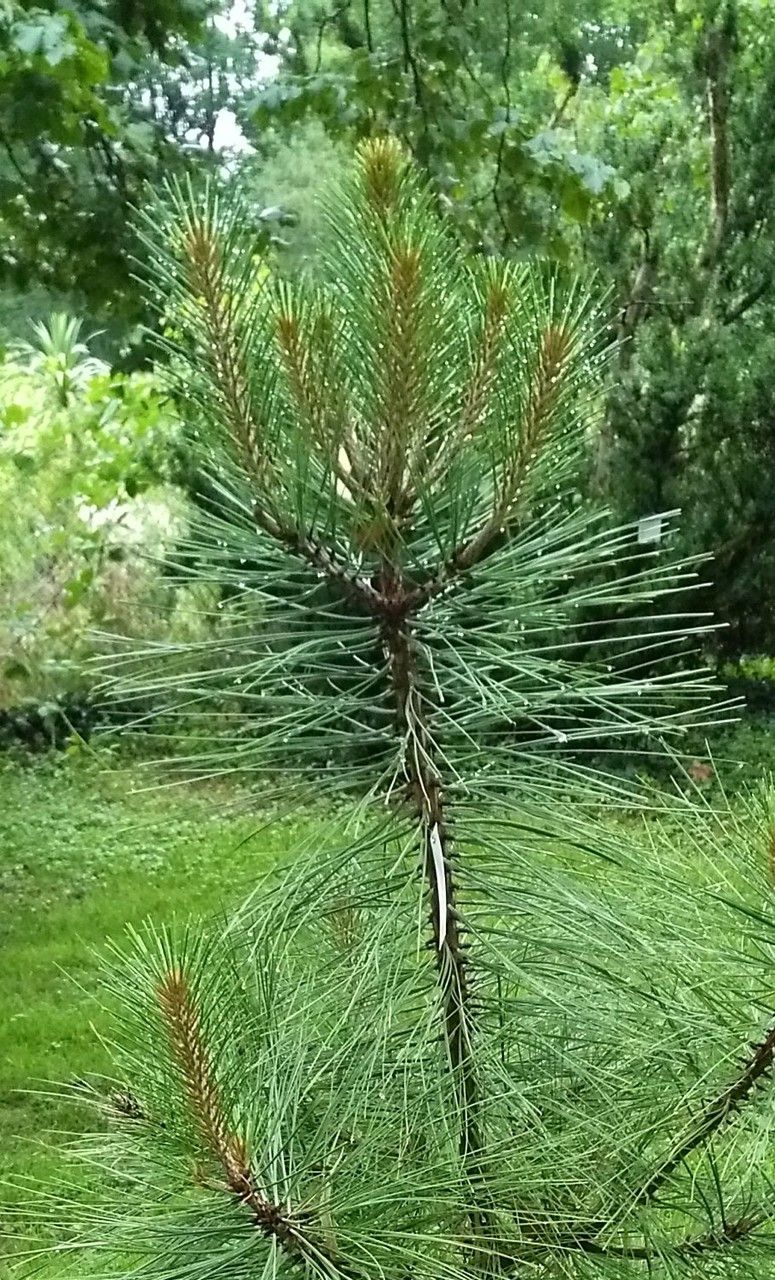
Pinus lambertiana (commonly known as the sugar pine or sugar cone pine) is the tallest and most massive pine tree, and has the longest cones of any conifer. The species name lambertiana was given by the Scottish botanist David Douglas, who named the tree in honour of the English botanist, Aylmer Bourke Lambert. It is native to coastal and inland mountain areas along the Pacific coast of North America, as far north as Oregon and as far south as Baja California in Mexico.
Sugar Pine is resistant to disease and generally not prone to health problems. Carewise, this plant is fairly low-maintenance. When grown outdoors it needs little watering, and larger specimens typically do not require pruning. Smaller plants, however, should be pruned after they finish blooming. Sugar Pinet is suitable for anyone with an outdoor area, such as a garden or deck, and does not require much care experience.
How to keep Pinus Lambertiana.
Light
Sugar Pine grows best when it gets direct sunlight for most of the day. While it can tolerate some shade, its growth and health may suffer if kept in more shaded spots. Take care to avoid both too little light and excessive exposure.
Water
Sugar pine thrives in environments with periodic dry spells and prefers deep, infrequent watering every two weeks. As an evergreen, it retains moisture in its needles throughout the year, making it suitable for various climate zones. Its strong drought tolerance and efficient water storage capabilities further enhance its adaptability.
Temperature
Sugar Pine is native to areas with temperatures ranging from 41 to 90 °F (5 to 32 ℃). It prefers cooler conditions and may need shading or watering during hotter seasons. Adjust as per the local climate.
Fertilizer
Sugar Pine has specific nutrient needs and does not require heavy fertilization. Spring is the best time to fertilize for optimal growth. Providing nutrients enhances its health, increases resistance to pests and diseases, and helps maintain its long lifespan.
Pruning
To maintain the health and ecological value of Sugar Pine trees, it is important to prune them carefully while they are dormant, from early to late winter. Start by removing any dead branches, and then thin out areas that are overcrowded to improve air circulation. Be cautious not to over-prune, as this can cause stress and hinder the tree's optimal growth.
Botanical profile.
- Plant Type
- Tree
- Life Cycle
- Perennial
- Genus
- Pinus
- Family
- Pinaceae
- Hardiness Zone
- 4-7
- Mature Height
- 36.58 m to 60.96 m
- Mature Spread
- 14.94 m
- Leaf Color
- Green
- Leaf Type
- Evergreen
- Flower Color
- Yellow, Green
- Bloom Time
- Mid spring, Late spring
- Planting Time
- Spring, Summer, Autumn
- Harvest Time
- Late summer, Early fall, Mid fall
- Native Area
- Mexico
Other names.
Reader questions.
How should I water my Sugar Pine tree?
Watering your Sugar Pine is a simple task. One way to do it is by slowly soaking the soil using your garden hose. This is the best method for larger trees, as they need a lot of water. However, for smaller trees, a watering can or another smaller tool will work. It's important to avoid watering the leaves too much, especially for young trees, as this can cause disease.
Why should I put fertilizer on my Sugar Pine tree?
To promote healthy growth in Sugar Pine, it is recommended to fertilize it in the spring. It is important to remember that this plant has a long lifespan and requires support. Adding nutrients to the soil can enhance its overall health, allowing it to better withstand common pests and diseases that can hinder growth or reduce its lifespan.
What are the sunlight requirements for Sugar Pine?
Sugar Pine requires specific conditions regarding sunlight exposure for optimal growth and health. It thrives best under full sun conditions, meaning it needs more than 6 hours of direct sunlight each day. However, it can also grow under partial sun, receiving about 3 to 6 hours of sunlight. It's important to monitor the movement of sunlight through your garden to identify the ideal spots that offer a balance of light and shade suitable for the plant's needs. Locations providing unobstructed exposure to sunrays for most of the day are preferred. Despite its adaptability, prolonged exposure to shaded areas can adversely affect the plant's health and growth.
What temperature range is ideal for Sugar Pine?
Sugar Pine, known botanically as Pinus lambertiana, thrives in cooler climates and is indigenous to areas with a temperature range between 41 to 90 °F (5 to 32 °C). It performs best in conditions where it can avoid the extremes of heat, necessitating possibly shading or additional watering during the hotter seasons. It's also highly cold-tolerant, not requiring extra frost protection in winter. However, to help it through winter and early spring, it's advised to water it generously before the first freeze to keep the soil moist and prevent drought.
What should I do if I give my Sugar Pine tree too much water or too little water?
Overwatering can occur when the soil does not drain well around your Sugar Pine. If this happens, the plant may start to decline. To fix this issue, you can either improve the soil's drainage by adding amendments or move your Sugar Pine to a better location. If you have your Sugar Pine in a pot, you might need to repot it using looser soil and a container that allows for better drainage. Overwatered plants can also get sick, so it's important to treat any diseases promptly. On the other hand, if your Sugar Pine is underwatered, the solution is simple: water it more frequently, and it will recover. To determine if your Sugar Pine is overwatered, check the foliage, particularly new growth. Discolored or easily breakable new growth is a sign of excessive moisture. Another indication of overly moist soil is if there is standing water or slow drainage in the area where the plant is growing. Underwatered Sugar Pines show symptoms in their foliage as well, such as sparse or brown leaves. In such cases, consider if there has been excessive rainfall or consistently high temperatures, as these factors can help you determine the appropriate action.
What is the ideal time to fertilize my Sugar Pine tree?
Sugar Pine, unlike typical garden plants, does not require an abundance of nutrients from the growing medium for healthy growth. In fact, it needs very little additional nutrients. For optimal fertilization, it is best to apply it in the spring, just before new growth begins.
How does artificial lighting help plants like Sugar Pine when natural sunlight is insufficient?
When natural sunlight is inadequate, particularly during winter or in less sunny spaces, artificial lighting can be crucial for the growth of indoor plants like Sugar Pine. It promotes healthier and faster growth by compensating for the lack of natural sunlight. LED lights are often recommended due to their capability to offer specific wavelengths needed by plants. For full sun plants, 30-50W/sq ft of artificial light is needed, while partial sun plants require 20-30W/sq ft, and full shade plants need 10-20W/sq ft. The light should be placed 12-36 inches above the plant and turned on for 8-12 hours daily to mimic natural daylight hours, ensuring the plant receives adequate light for photosynthesis and growth.
What should be done if the Sugar Pine experiences very low temperatures?
Sugar Pine is extremely cold-tolerant, capable of withstanding winter temperatures down to below -30°C without noticeable harm during the winter months. However, exposure to temperatures below this threshold can result in brittleness and drying of branches by spring, with no new shoots emerging. To mitigate this, it’s recommended to prune away any dead branches that have failed to produce new leaves as spring arrives.
How much water does my Sugar Pine need?
A mature Sugar Pine tree can survive with very little water, mainly relying on rainfall. During the hottest months, it may need watering once a week, but for the rest of the year, watering shouldn't be necessary. The exception is when a newly planted Sugar Pine needs regular watering to establish its roots. However, it's important to avoid overwatering, as Sugar Pines cannot tolerate standing water. When unsure, it's better to avoid watering too much.
When is it not a good idea to fertilize my Sugar Pine?
While certain plants benefit from regular fertilization on a monthly or weekly basis, the Sugar Pine does not require excessive nutrient intake. In fact, using too much fertilizer can actually harm it and cause it to deteriorate. To keep the Sugar Pine healthy, it is only necessary to apply fertilizer in the spring and avoid doing so during the other seasons (summer, fall, and winter). Additionally, refraining from adding any fertilizer or organic matter to the soil during these seasons is advisable.
What are the signs of insufficient light in Sugar Pine, and how can it be addressed?
Sugar Pine may exhibit several symptoms indicating insufficient light exposure. These include small new leaves, leggy or sparse growth, premature leaf drop, stunted growth, lighter-colored new leaves, and specific conditions like chlorosis, sunscald, leaf curling, wilting, and leaf scorching. To address insufficient light, gradually introduce the plant to areas with more sunlight, aiming for at least 6 hours of direct light daily for indoor plants. Use south-facing windows and keep curtains open during the day. For plants that can't be easily moved, consider using artificial lighting like desk lamps or professional grow lights for at least 8 hours daily. For outdoor plants, relocate them to sunnier spots gradually to avoid shock, and ensure new growth receives adequate light. Additionally, reduce obstructions by pruning or relocating the plant, especially if trees block sunlight.
How should a Sugar Pine be cared for in high temperatures?
Sugar Pine shows a lack of high-temperature tolerance. When exposed to temperatures exceeding 32°C, it may suffer significant leaf drop, and in severe cases, the plant can wither and die. To care for a Sugar Pine in such conditions, trim away sunburned and dried parts of the plant. It's important to relocate the plant to a shaded area or employ a shade cloth to protect it from midday and afternoon sun. Additionally, keeping the soil moist by watering in the morning and evening is crucial for its survival in high temperatures.