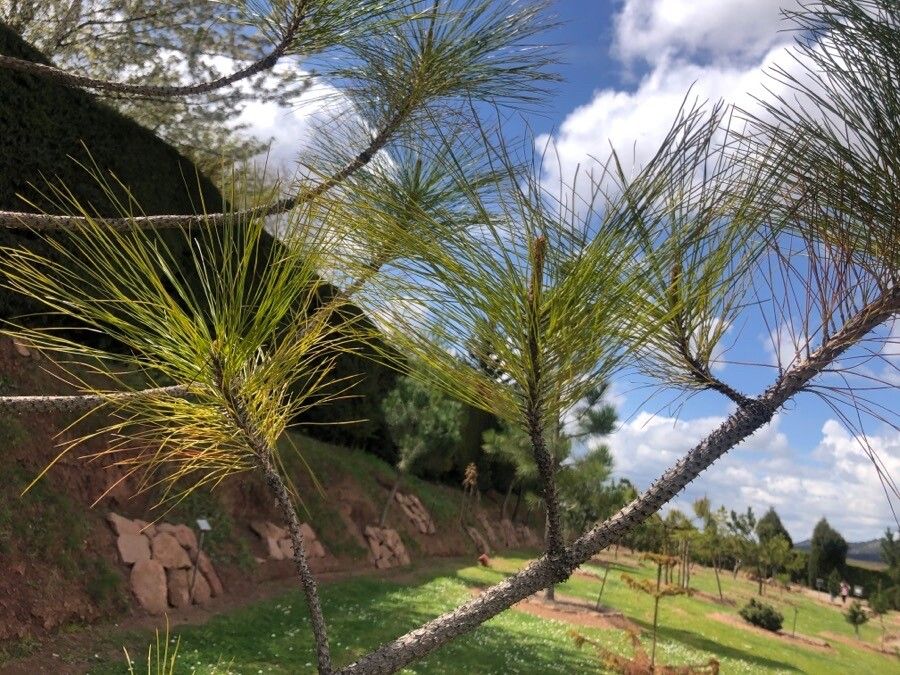
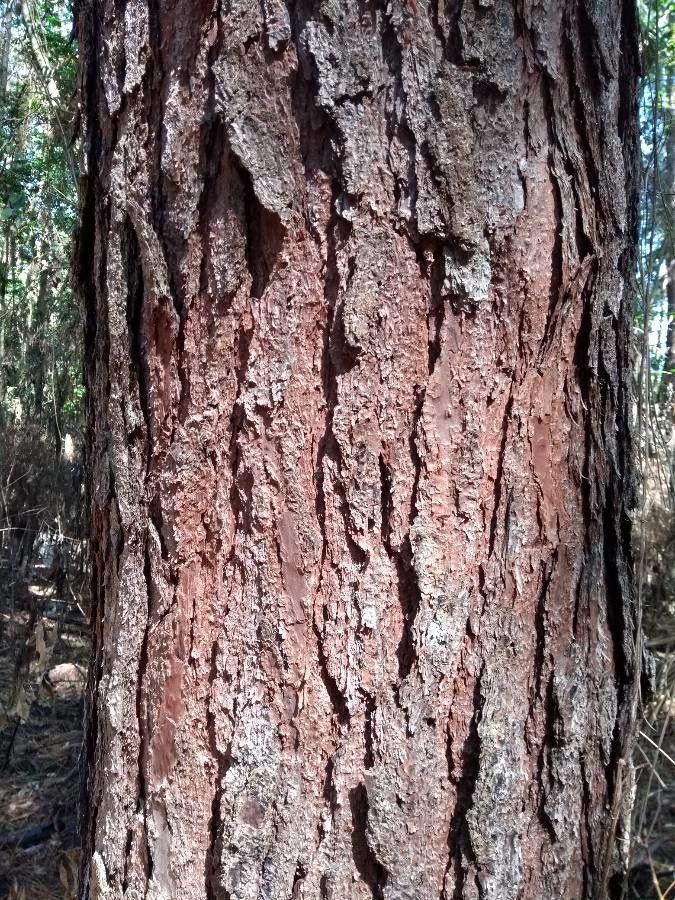
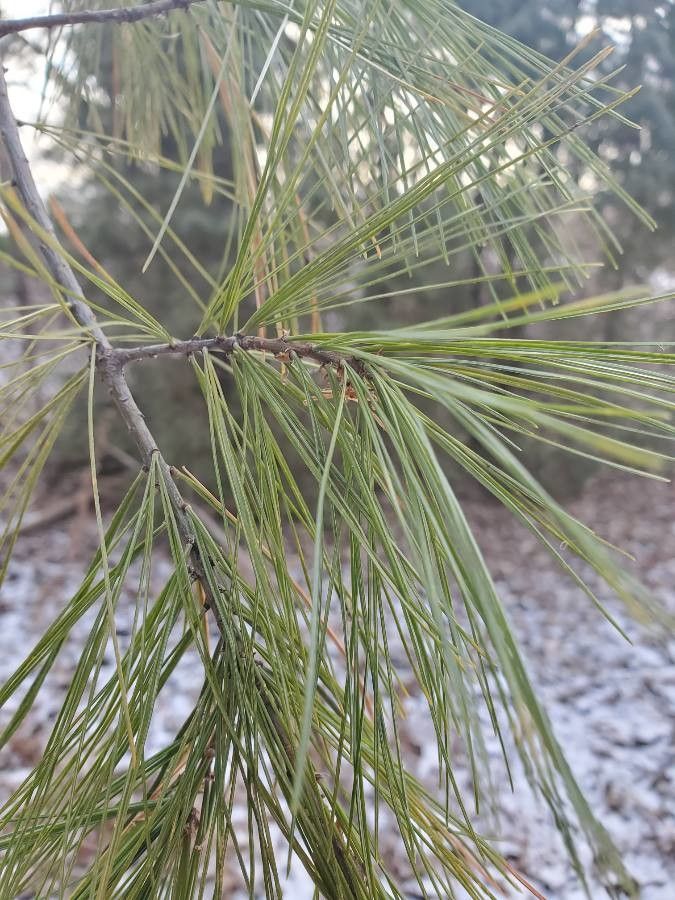
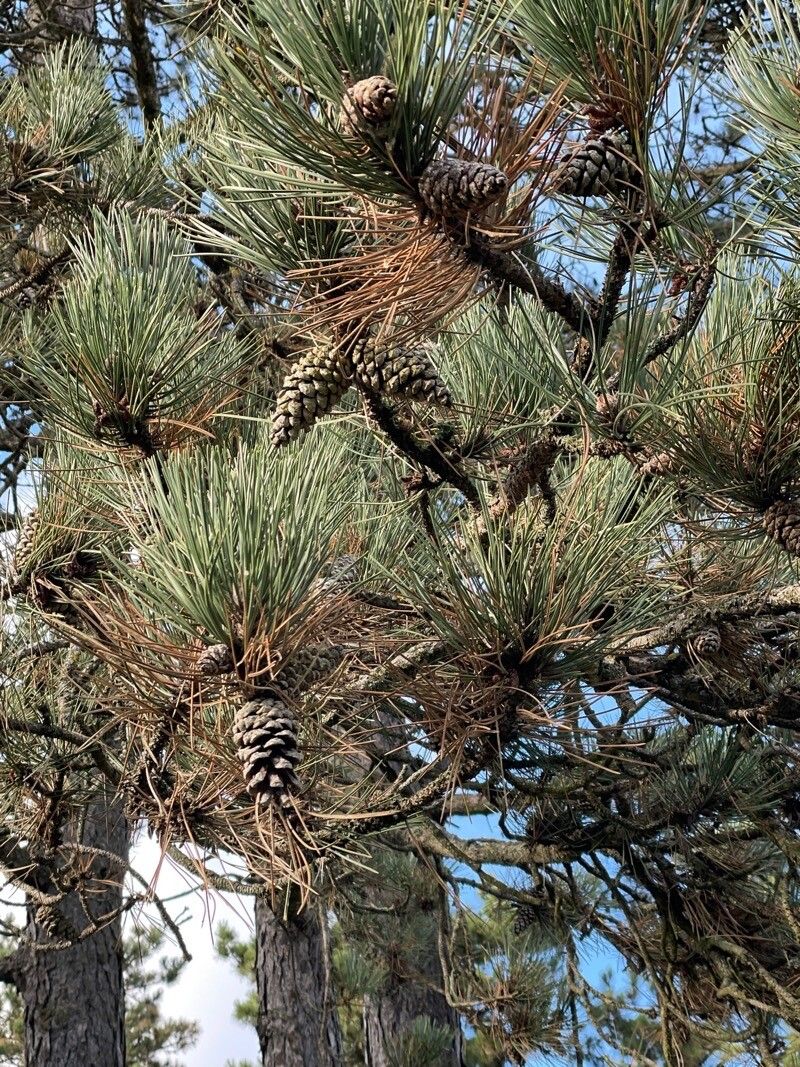
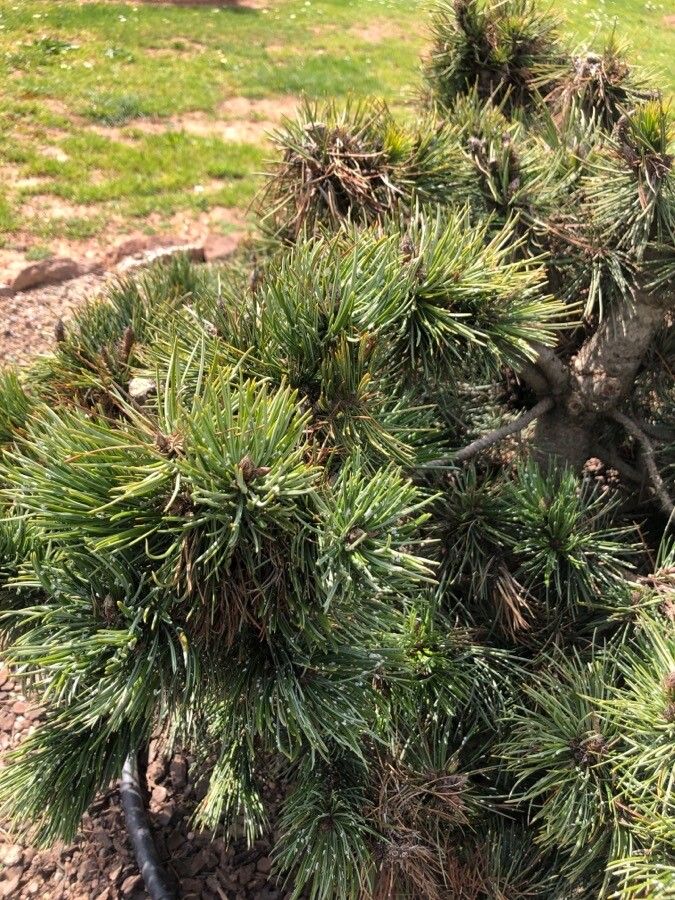
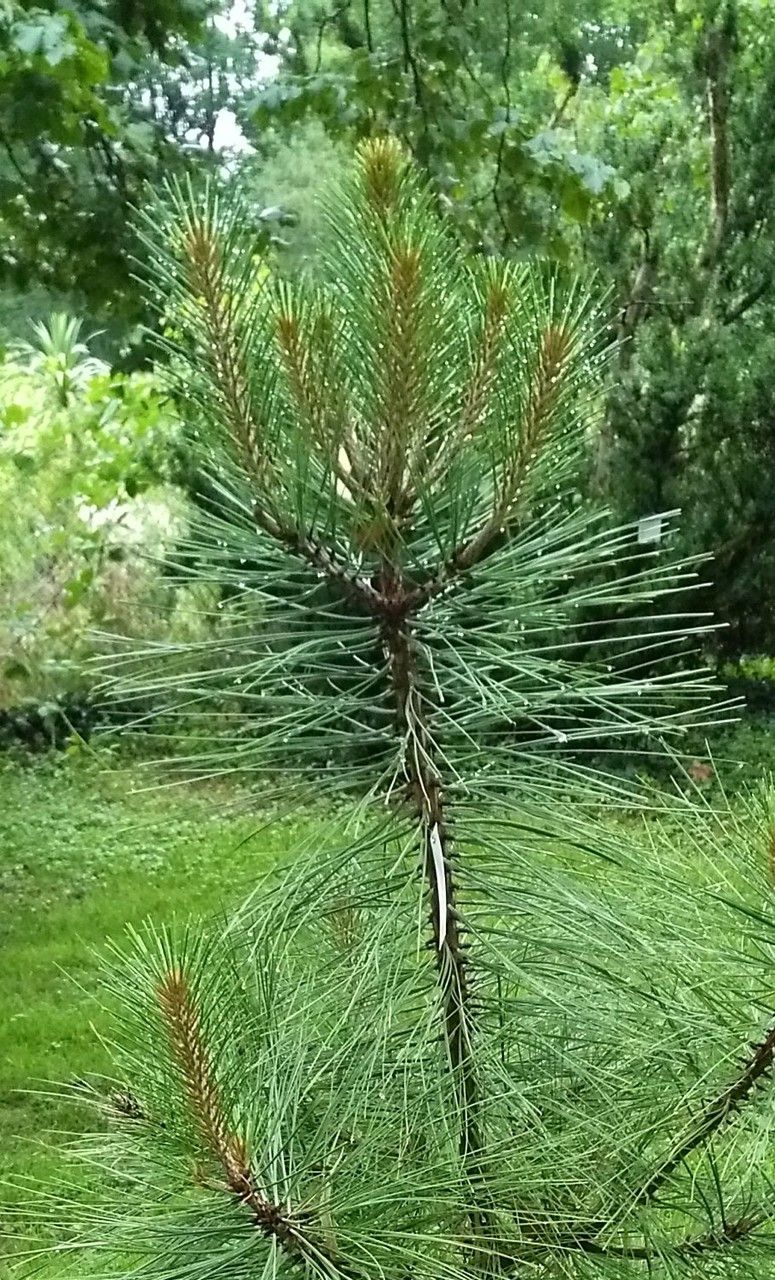
Pinus kesiya (Khasi pine, Benguet pine or three-needled pine) is one of the most widely distributed pines in Asia. Its range extends south and east from the Khasi Hills in the northeast Indian state of Meghalaya, to northern Thailand, Philippines, Burma, Cambodia, Laos, southernmost China, and Vietnam. It is an important plantation species elsewhere in the world, including in southern Africa and South America.The common name "Khasi pine" is from the Khasi hills in India, and "Benguet pine" is from the landlocked province of Benguet in Luzon, Philippines, where it is the dominant species of the Luzon tropical pine forests. The Benguet pine is sometimes treated as a separate species, Pinus insularis; however, the current opinion is to treat these as conspecific with P. kesiya. The city of Baguio is nicknamed "The City of Pines", as it is noted for large stands of this tree.
Khasi pine is resistant to disease and is generally not prone to illnesses. Regarding care, this plant is relatively low-maintenance. When grown outdoors it needs minimal watering, and larger plants typically do not require pruning. Smaller plants, however, should be pruned after they have bloomed. Khasi pinet is suitable for anyone with an outdoor space, such as a garden or deck, and does not require much care experience.
How to keep Pinus Kesiya.
Light
Khasi pine is native to open habitats, such as sunny meadows and forest edges, which offer plenty of light. It does best in Full Sun but can also tolerate Partial Sun, adapting well to different sunlight conditions.
Water
The Khasi pine, native to the highlands of Southeast Asia, thrives in environments with consistent moisture and evenly distributed rainfall. To maintain its health, it should be watered every 1-2 weeks, ensuring the soil remains lightly moist. Typically grown outdoors in full sun, the Khasi pine sheds its needles annually to adapt to seasonal changes.
Temperature
Khasi pine demonstrates good temperature adaptability, able to tolerate higher temperatures and wide temperature fluctuations. During hot weather, it's important to monitor watering and provide suitable shade to prevent sunburn. However, Khasi pine has relatively poor tolerance for low temperatures. Although it can withstand some cold, excessively cold conditions can cause frost damage.
Fertilizer
Khasi pine has specific nutrient needs and does not require heavy fertilization. Spring is the best time to apply fertilizer to achieve optimal growth. Supplying nutrients improves its health, increases resistance to pests and diseases, and helps support its long lifespan.
Pruning
The Khasi pine is known for its tall stature and needle-like leaves. To maintain its health, it is important to prune it annually, ideally from early to late winter. During pruning, focus on removing any dead or diseased branches and thinning out crowded areas. This helps to improve growth, increase air circulation, and boost the tree's resilience to pests. For detailed pruning guidelines, consult reputable sources.
Botanical profile.
- Plant Type
- Tree
- Life Cycle
- Perennial
- Genus
- Pinus
- Family
- Pinaceae
- Hardiness Zone
- 9
- Mature Height
- 35.05 m
- Mature Spread
- 7.92 m
- Leaf Color
- Green
- Leaf Type
- Evergreen
- Flower Size
- 5.08 cm to 8.89 cm
- Bloom Time
- Early spring, Mid spring
- Planting Time
- Spring, Summer, Autumn
- Harvest Time
- Late summer, Early fall, Mid fall
- Native Area
- India, Vietnam, Myanmar, Philippines, Bangladesh, Laos, China
Other names.