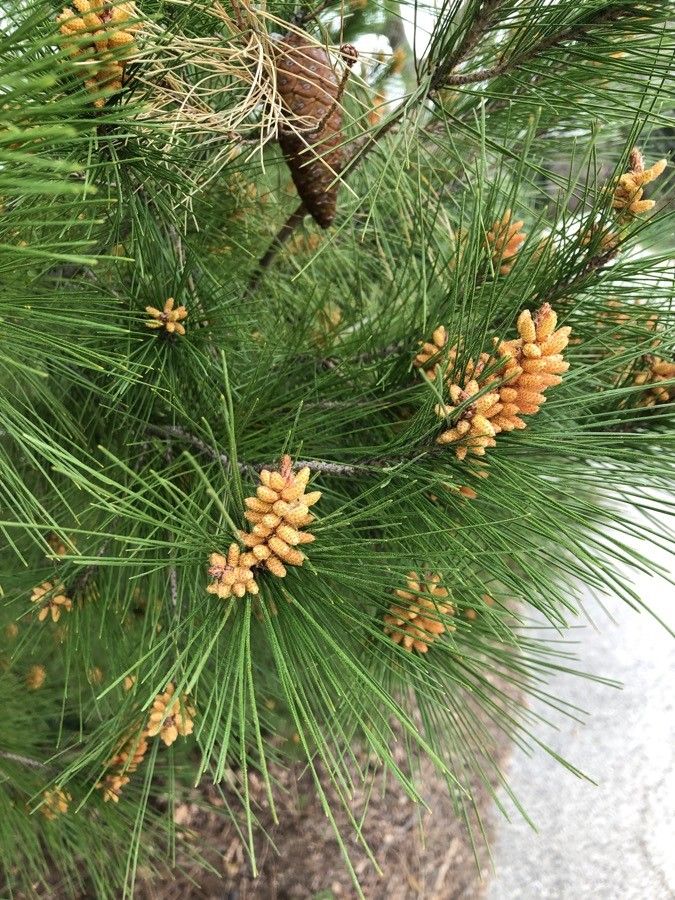
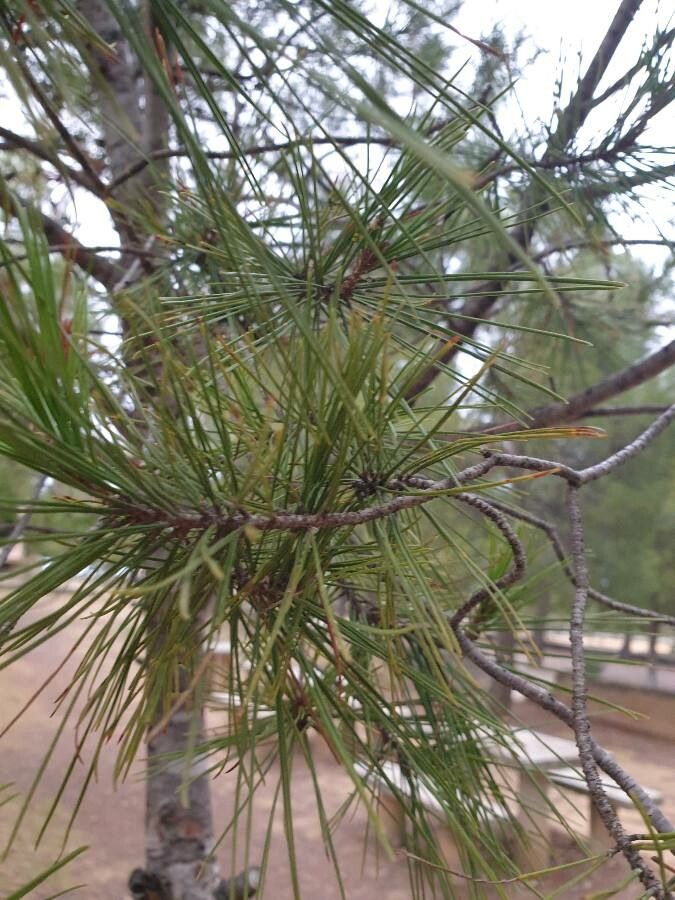
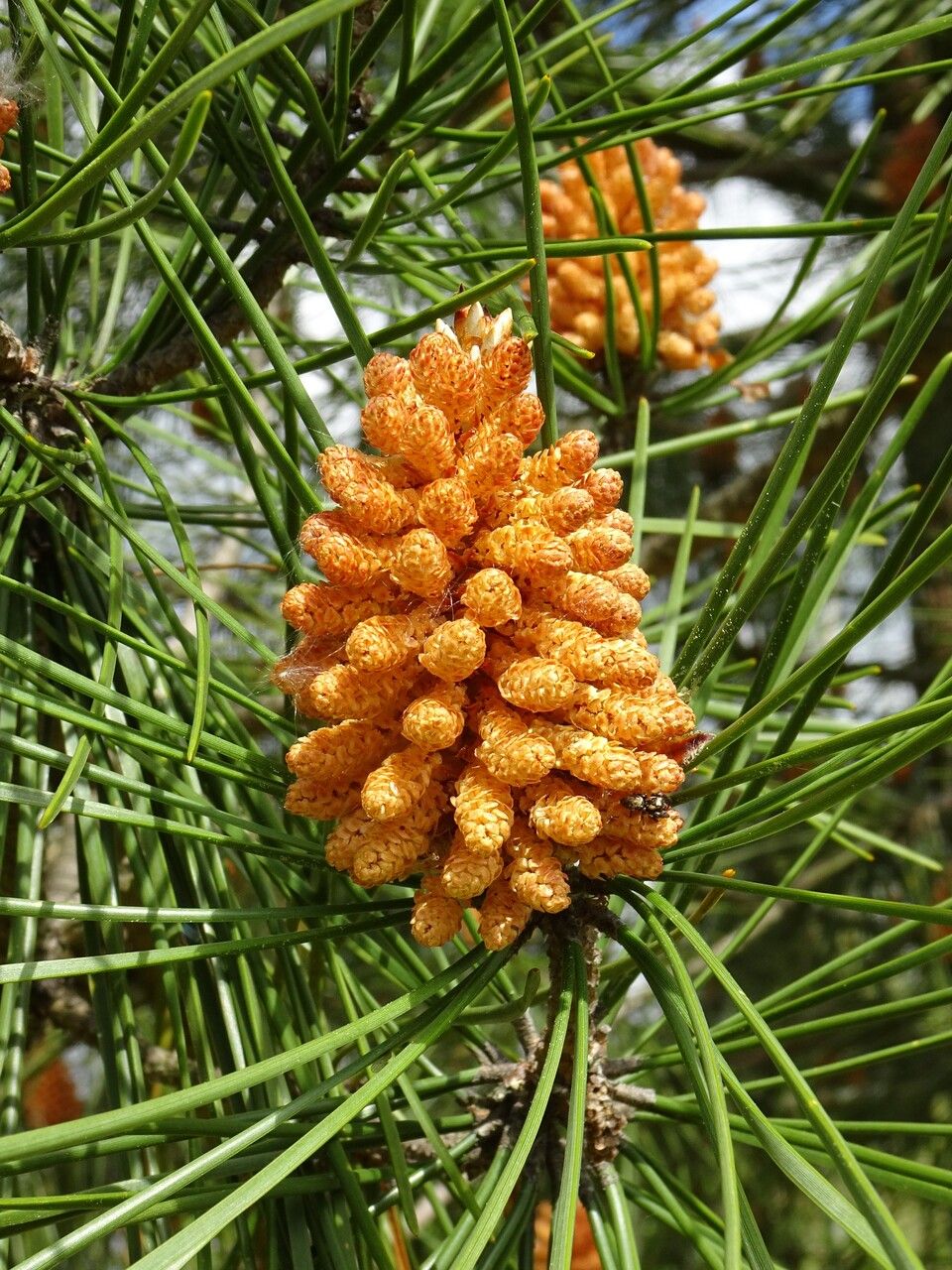
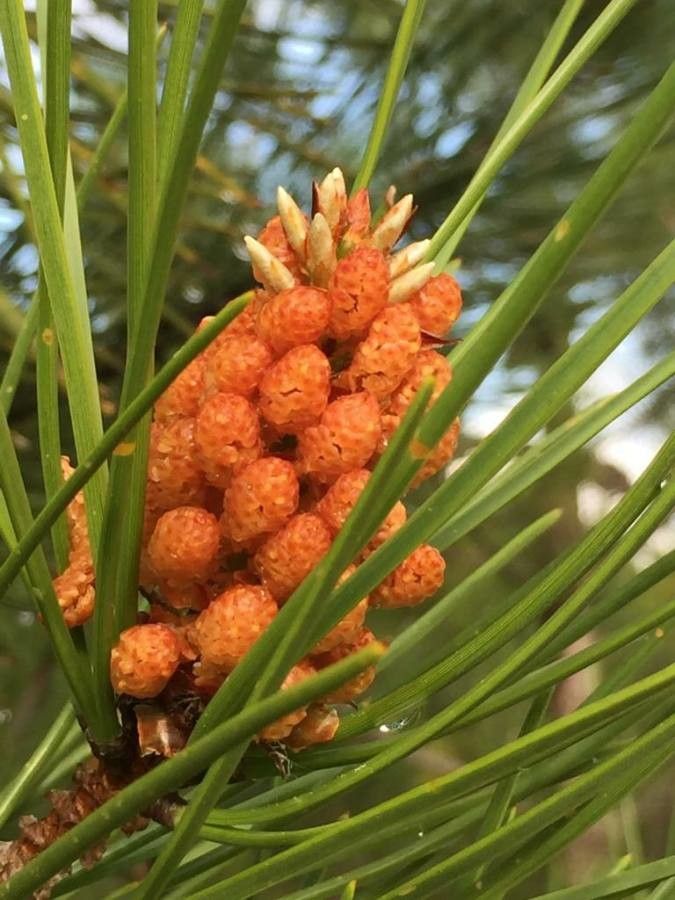
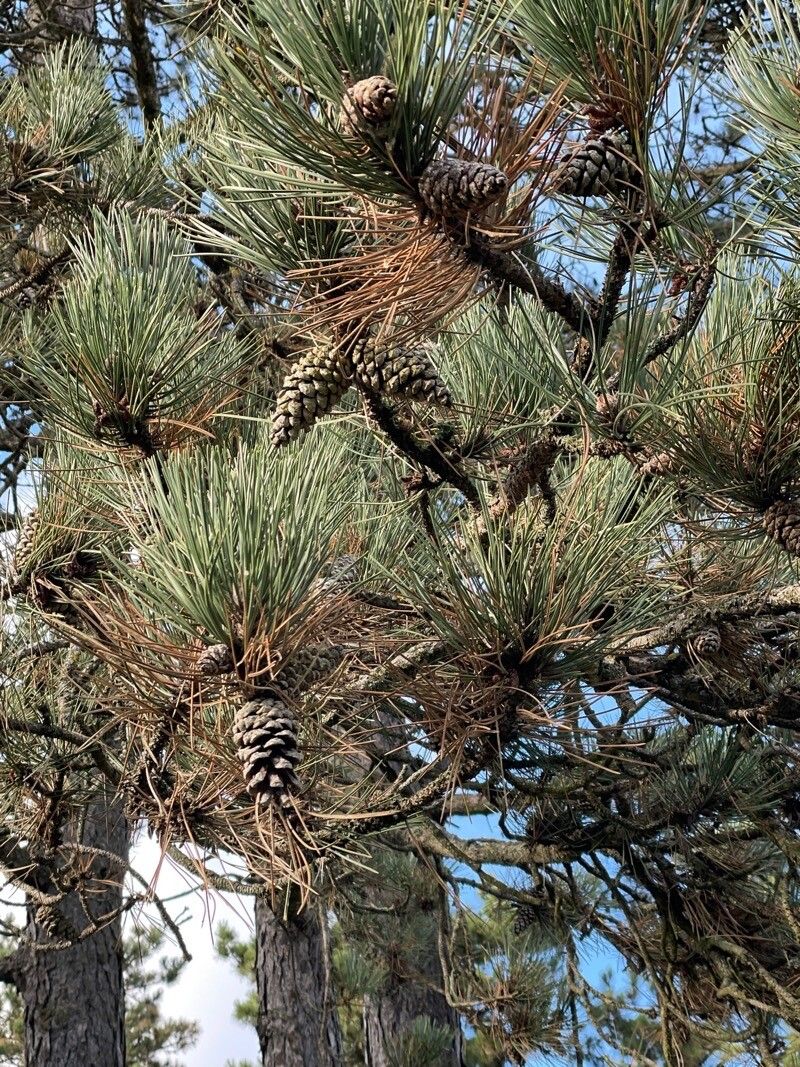
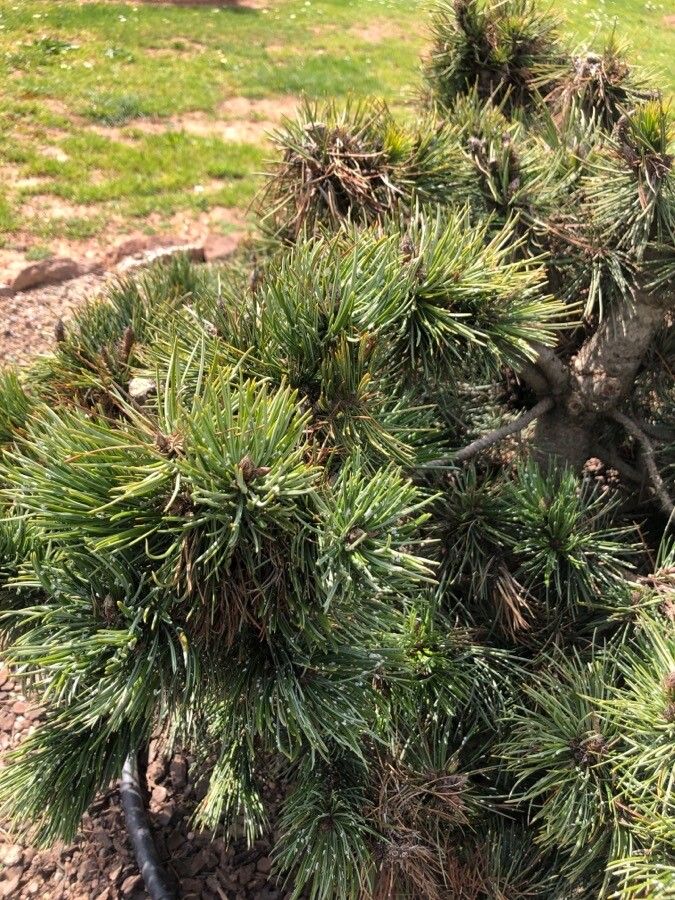
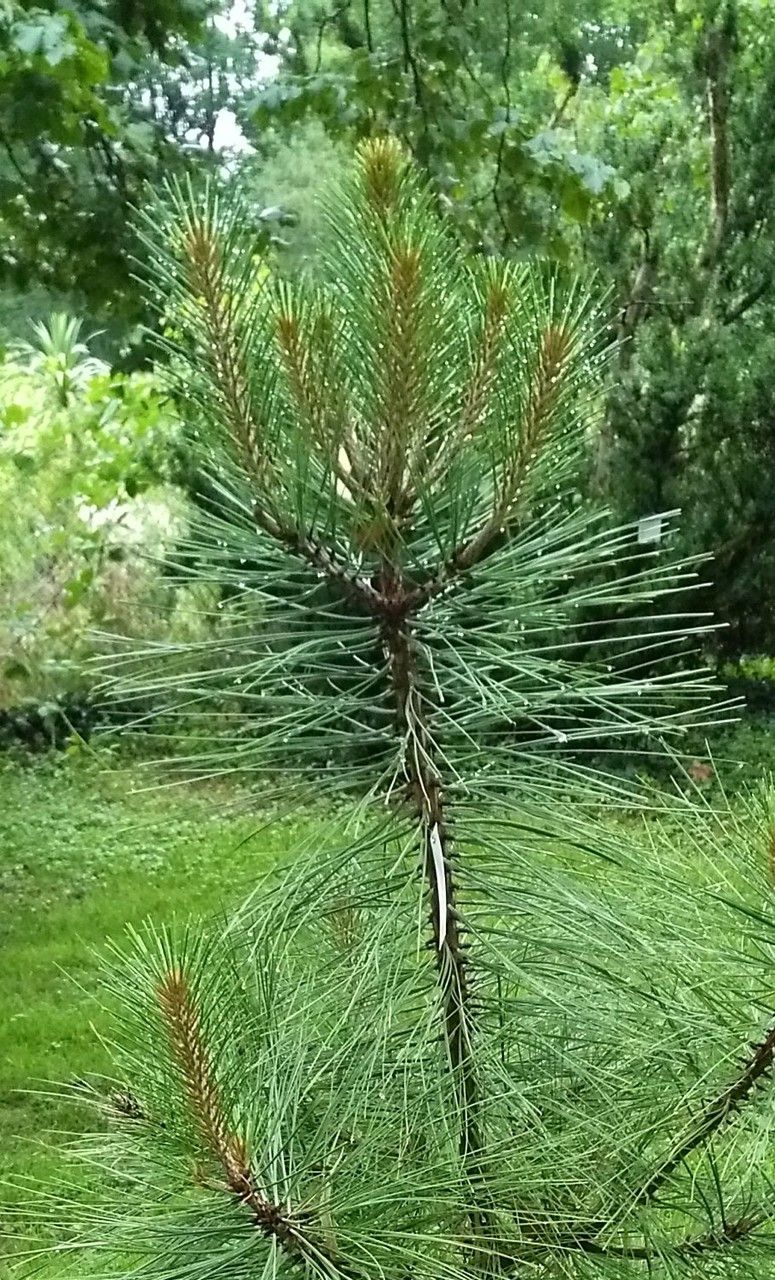
Pinus halepensis, commonly known as the Aleppo pine, is a species of pine tree native to the Mediterranean region. This fast-growing evergreen can reach heights of up to 20 meters and features a distinctive conical shape. The bark of the Aleppo pine is thick and rough, developing deep fissures as the tree ages.
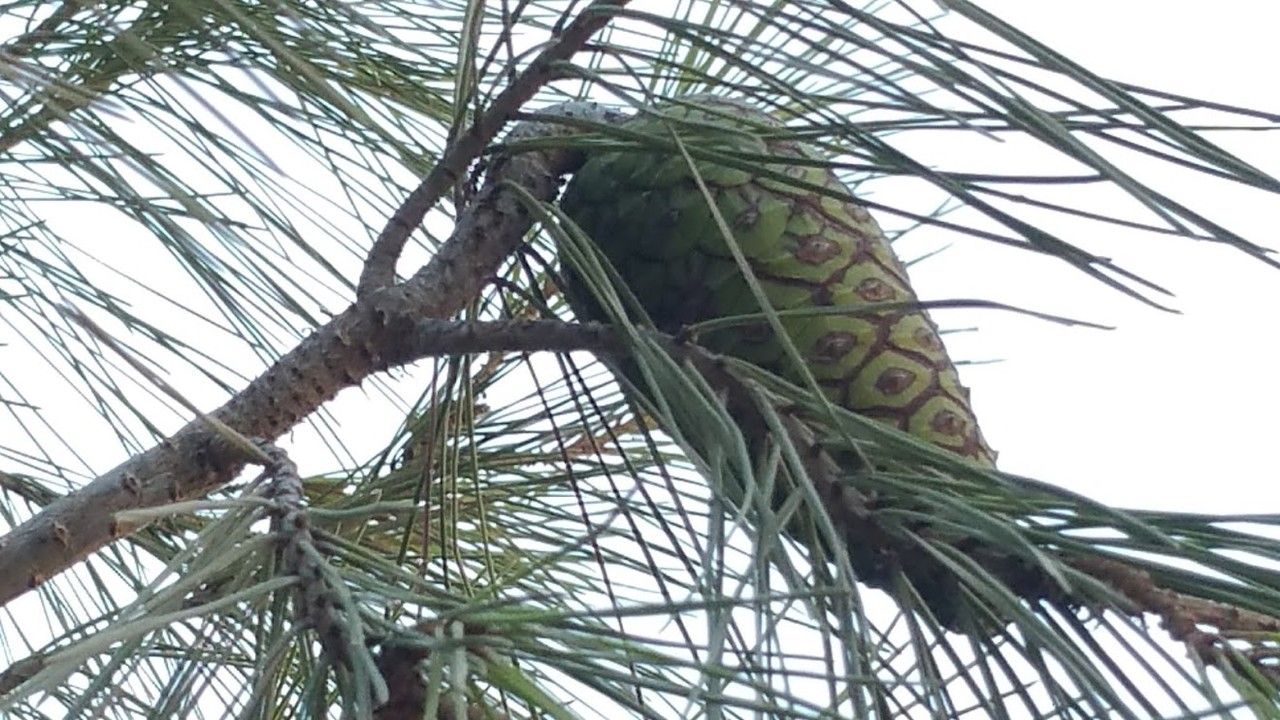
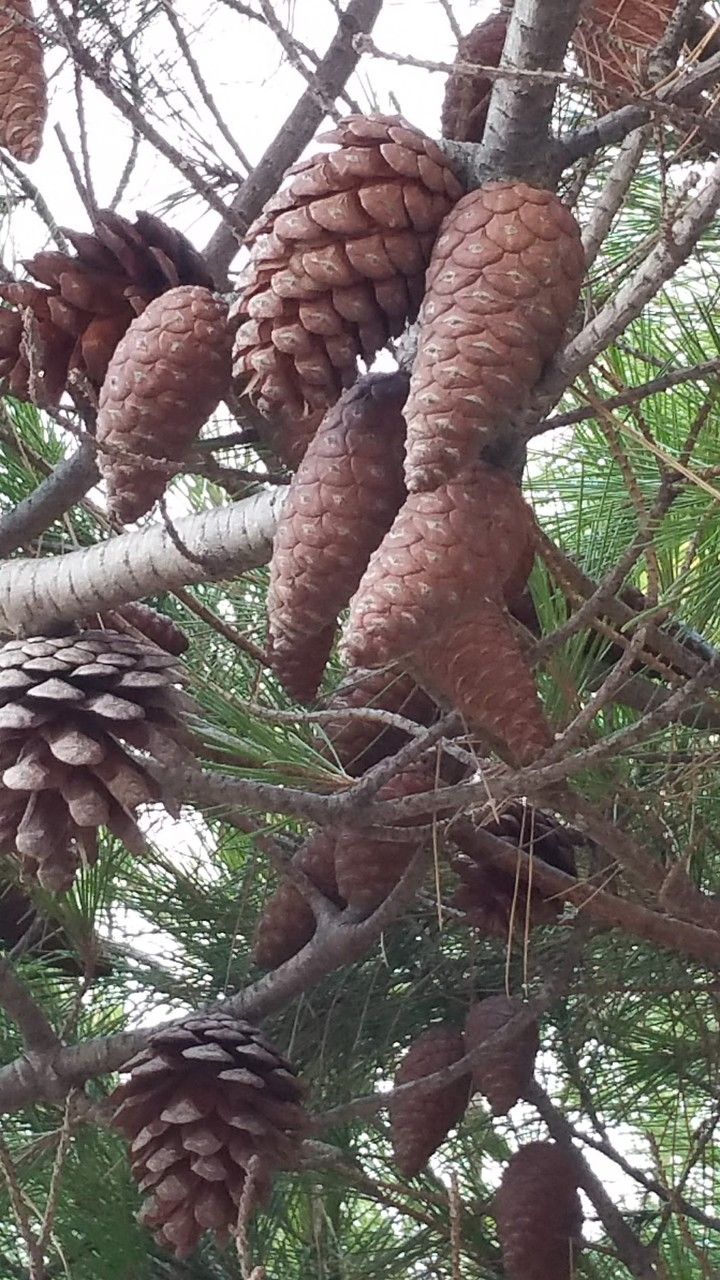
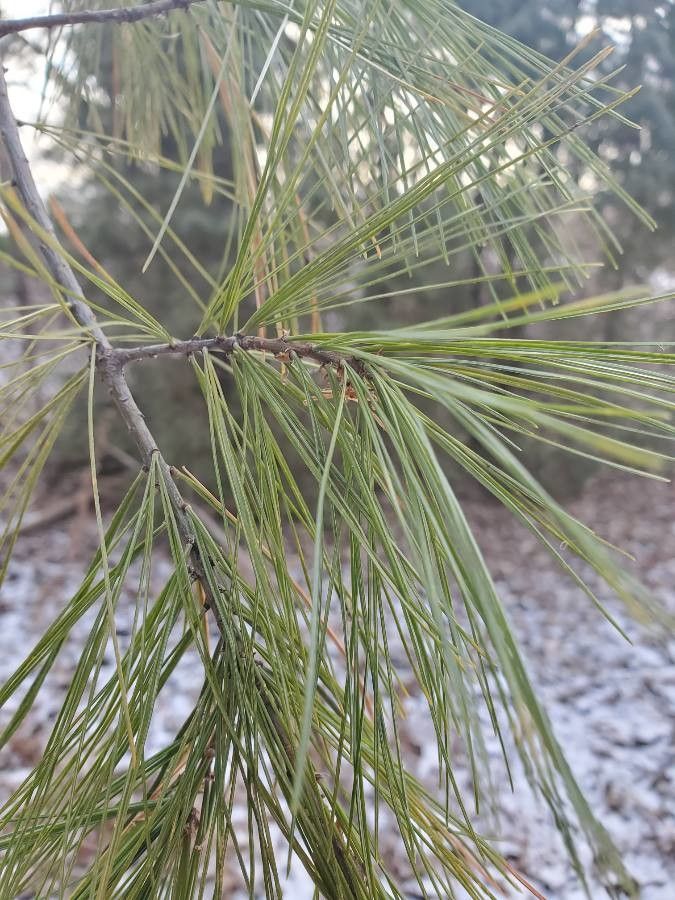
The needles of Pinus halepensis are long and slender, measuring between 6 and 12 centimeters in length. They are arranged in pairs along the branches and exhibit a bluish-green coloration. The cones produced by this species are also distinctive; they measure between 5 and 12 centimeters in length and have thick scales that protect their seeds.
Pinus halepensis has been widely cultivated for its timber, which is used for various construction purposes, including flooring, furniture making, and paper production. Additionally, the resin of this tree possesses medicinal properties and can be used to treat respiratory ailments such as bronchitis and asthma.
Despite its economic importance to many Mediterranean countries where it grows naturally or was introduced centuries ago (e.g., Spain), Pinus halepensis faces several threats. These include habitat loss due to urbanization and increased susceptibility to wildfires caused by climate change-induced droughts. Such conditions make it more prone to fires compared to other pines like Pinus pinaster (maritime pine).
Conservation efforts are underway across its range. These include reforestation programs and fire prevention measures aimed at protecting this valuable resource from further degradation or loss, primarily but not exclusively due to human activities such as overgrazing by livestock.
Aleppo pine is fairly resistant to disease and is typically not prone to illnesses. Regarding care, this plant is relatively low-maintenance. When grown outdoors it needs only minimal watering, and larger specimens usually do not require pruning. Smaller specimens, however, should be pruned after they bloom. Aleppo pine is suitable for anyone with an outdoor area, such as a garden or deck, and does not demand extensive gardening experience.
How to keep Pinus Halepensis.
Light
Aleppo pine favors sun exposure and flourishes in places where sunlight is unobstructed. Native to regions that are usually sun-drenched, it can, however, endure periods without light. Both excessive and insufficient light can impair its healthy growth.
Water
The Aleppo pine is well-suited to Mediterranean climates, thriving in dry conditions with minimal maintenance. During its growth phase, it benefits from weekly watering, but requires less water in cooler months. As an evergreen, the Aleppo pine keeps its needles year-round, making it ideal for areas that experience wet winters and dry summers.
Humidity
This plant will thrive in moderate humidity, which is probably the level in your home. However, misting it a few times a week can be very beneficial. Make sure the room has good ventilation.
Temperature
Aleppo pine is naturally adapted to environments with temperatures ranging from 41 to 89.6 °F (5 to 32 °C). It readily adjusts to colder winters and hotter summers. Notes should be taken to ensure appropriate adjustments during drastic weather shifts.
Fertilizer
Aleppo pine has specific nutrient needs and does not require heavy fertilization. Fertilizing in spring is best for promoting optimal growth. Providing nutrients enhances its health, increases resistance to pests and diseases, and helps maintain a long lifespan.
Pruning
The Aleppo pine is a fast-growing, drought-tolerant tree. It is best to prune it in the winter to remove dead branches and thin out crowded areas. This improves air circulation and the overall structure of the tree. Pruning during winter minimizes sap loss and reduces the risk of pests, leading to healthier growth. It also enhances the tree's appearance in various landscapes.
Pot & Repot
When repotting an Aleppo pine, select a pot 1–2 inches (2.5–5.1 cm) larger with good drainage. Use a well-draining potting mix. Repot in spring or fall, making sure the root ball is slightly lower than the rim of the flower pot. Water thoroughly after repotting and place it in a warm spot with indirect sunlight.
Botanical profile.
- Plant Type
- Tree
- Life Cycle
- Perennial
- Genus
- Pinus
- Family
- Pinaceae
- Hardiness Zone
- 4-7
- Mature Height
- 14.94 m to 24.99 m
- Mature Spread
- 6.1 m to 11.89 m
- Leaf Color
- Green, Yellow
- Leaf Type
- Evergreen
- Flower Size
- 2.03 cm to 3.05 cm
- Bloom Time
- Late spring, Early summer
- Planting Time
- Winter
- Harvest Time
- Mid summer, Late summer, Early fall
- Native Area
- Libya, Tunisia, Turkey, Montenegro, Greece, Croatia, Slovenia, Morocco, Lebanon, Syria, Jordan, Italy, Spain, Israel, Iran, Albania, Algeria, France
Other names.
Reader questions.
How should I water my Aleppo pine tree?
Watering your Aleppo pine is a simple task. To do so, you can use your garden hose to slowly soak the soil. This is particularly suitable for mature trees that may require a significant amount of water. However, for smaller trees, a watering can or another smaller tool would suffice. It's important to avoid watering the leaves too much, especially when the tree is young, as excessive moisture can cause disease.
Why should I put fertilizer on my Aleppo pine tree?
To promote healthy growth in the Aleppo pine, it is recommended to fertilize it in the spring. It is important to remember that this plant has a long lifespan and requires support. Adding nutrients to the soil not only enhances its overall health, but also strengthens its resistance against common pests and diseases that can hinder growth or reduce its lifespan.
What are the light requirements for Aleppo pine?
Aleppo pine requires full sun exposure to thrive, cherishing locations where it can bask in unhindered sunlight for extended periods. Native to sun-drenched regions, this tree can also withstand periods of less light. However, both excessive and inadequate light exposure can impair its healthy growth. Full sun is defined as more than 6 hours of direct sunlight per day, while partial sun refers to about 3-6 hours. Observing the movement of sunlight through your garden helps in choosing spots that ensure a plant's optimum health by balancing light and shade.
What is the natural acclimatization temperature range for Aleppo pine?
Aleppo pine is naturally acclimatized to environments with temperatures ranging from 41 to 89.6 °F (5 to 32 °C). It is adaptable to both chillier winters and warmer summers, making it versatile across different climates. However, it's crucial to monitor and adjust care during drastic weather shifts to ensure the tree's health.
What should I do if I give my Aleppo pine too much or too little water?
Overwatering can occur when the soil does not allow water to drain properly, causing the Aleppo pine to deteriorate. To fix this, you can either improve the soil's drainage or move the plant to a better location. If your Aleppo pine is in a pot, you may need to repot it with looser soil and a container that drains well. Overwatered plants can also get sick and should be treated promptly. On the other hand, if your Aleppo pine is underwatered, simply water it more frequently and it will recover. To determine if you've overwatered the plant, check the foliage, particularly the new growth. Discolored or fragile new growth indicates excessive moisture. Another sign of overly moist soil is standing water or slow drainage in the growing area. Underwatered Aleppo pines have sparse, brown leaves. Consider recent rainfall or high temperatures when assessing symptoms.
When should I fertilize my Aleppo pine tree?
The growing medium often lacks enough nutrients for healthy growth, but Aleppo pine is an exception. It doesn't need a lot of extra nutrients. It is best to fertilize Aleppo pine in the spring before new growth starts.
How can artificial lighting support indoor Aleppo pine growth?
Indoor Aleppo pine plants may require artificial lighting, especially when natural sunlight is insufficient, such as during winter or in less sunny spaces. LED lights are recommended as they can be tailored to provide specific light wavelengths needed for plant growth. For full sun plants, 30-50W/sq ft of artificial light is needed, partial sun plants require 20-30W/sq ft, and full shade plants need 10-20W/sq ft. The light should be placed 12-36 inches above the plant to mimic natural sunlight and left on for 8-12 hours per day to ensure healthy growth.
Does Aleppo pine require frost protection measures during winter?
Aleppo pine is highly cold-tolerant and does not require additional frost protection during winter. To help the tree cope with winter conditions and prevent drought, it is recommended to water it generously before the first freeze in autumn. This ensures the soil around the pine remains moist and enters a frozen state properly, offering better conditions for the tree during the colder months.
How often should I give water to my Aleppo pine?
A mature Aleppo pine is drought tolerant and can survive on little to no additional watering. During the hottest months, you may need to water it about once a week, but in other seasons, you likely won't need to water it at all. However, if you have recently planted a tree, regular watering is necessary to establish the roots. Remember not to overwater the Aleppo pine as it cannot tolerate standing water. It's better to water it less than risk watering it too much.
When is it best to not add fertilizer to my Aleppo pine?
To ensure the healthy growth of most plants, regular fertilization is necessary, either on a monthly or weekly basis. However, Aleppo pine differs from other plants in this regard. It doesn't require excessive nutrients, so it is important to avoid over-fertilizing. Only apply fertilizer during the spring season, and refrain from doing so during the summer, fall, and winter. Additionally, avoid adding any fertilizer or organic matter to the soil during these seasons.
What symptoms indicate Aleppo pine is not receiving enough sunlight?
Aleppo pine may exhibit symptoms of light deficiency, including small new leaves, leggy or sparse growth, faster leaf drop, slower or halted new growth, and lighter-colored new leaves. These symptoms suggest the plant is struggling due to insufficient light exposure, which is vital for its growth and overall health.
What should I do if temperatures drop below -30°C for Aleppo pine?
Although Aleppo pine is extremely cold-tolerant, temperatures below -30°C can pose risks to its health. In such conditions, the pine might not show immediate distress during winter, but by spring, branches may become brittle, dry, and void of new shoots. The recommended solution is to prune any dead branches that have failed to produce new leaves in spring, aiding the tree in recovery and new growth.