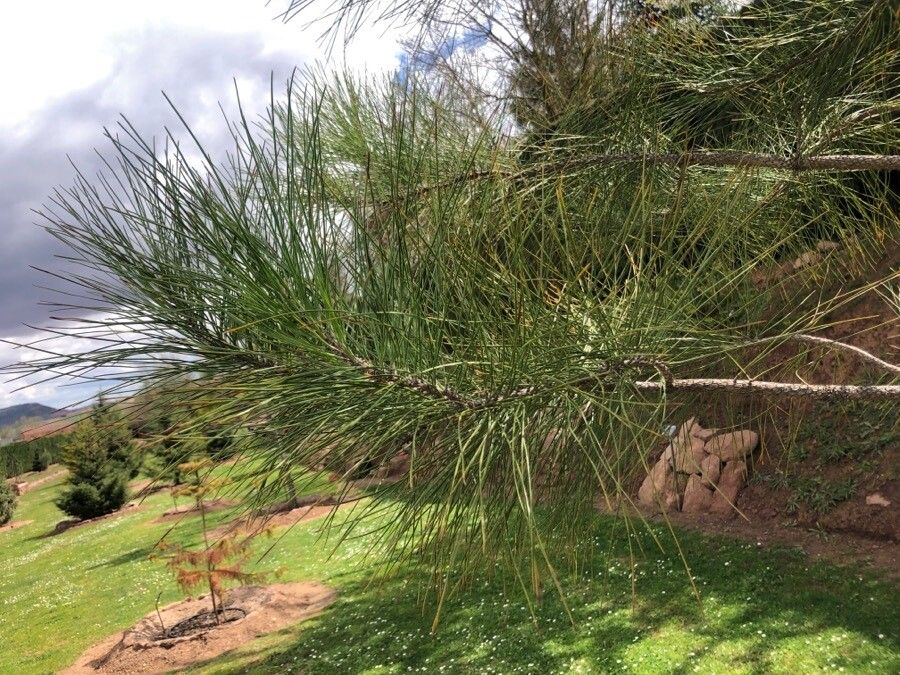
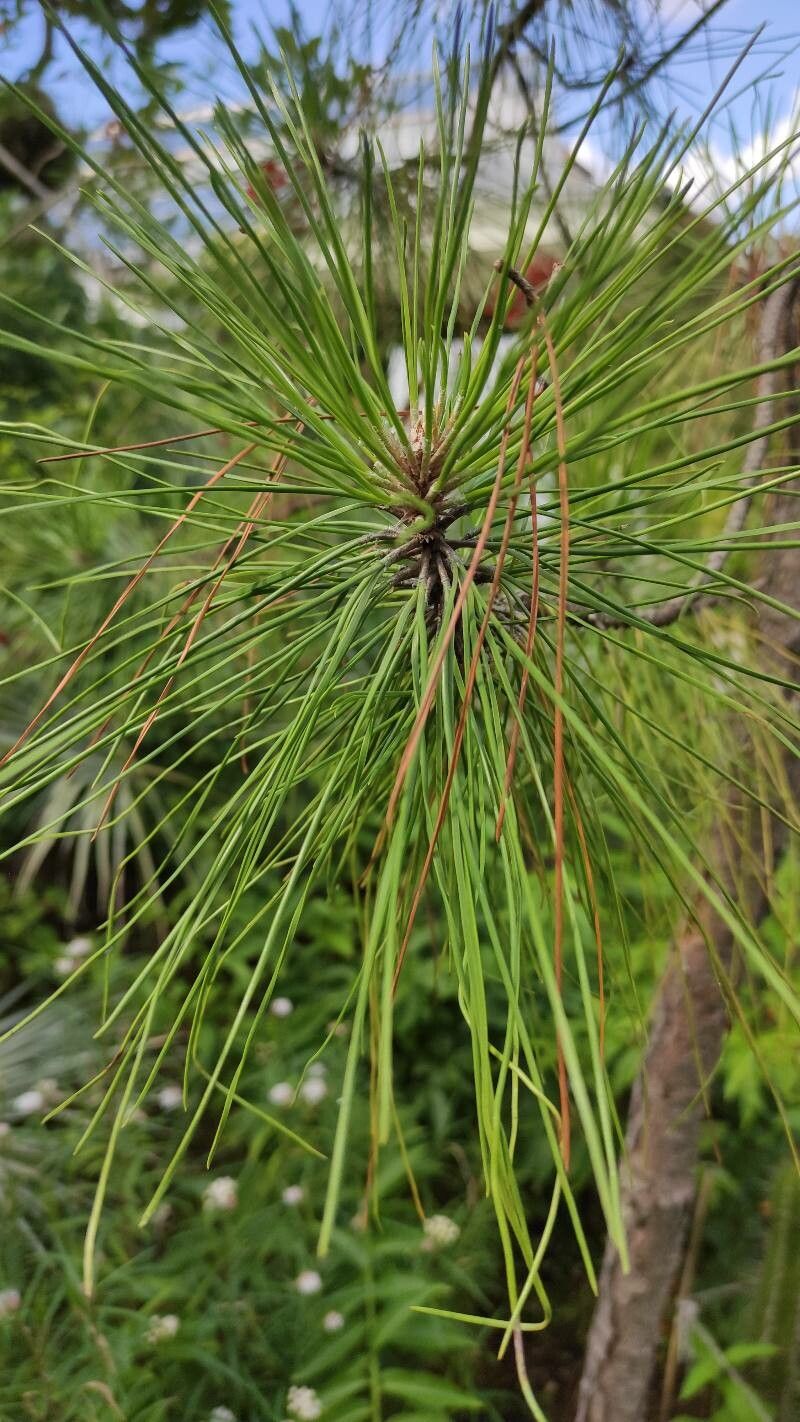
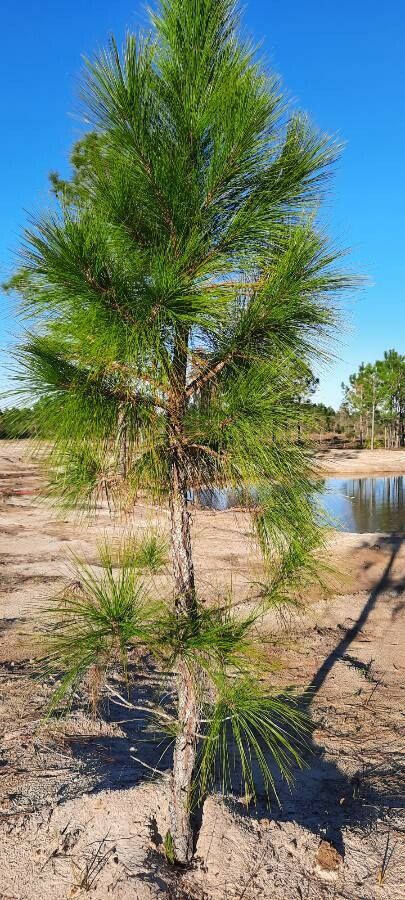
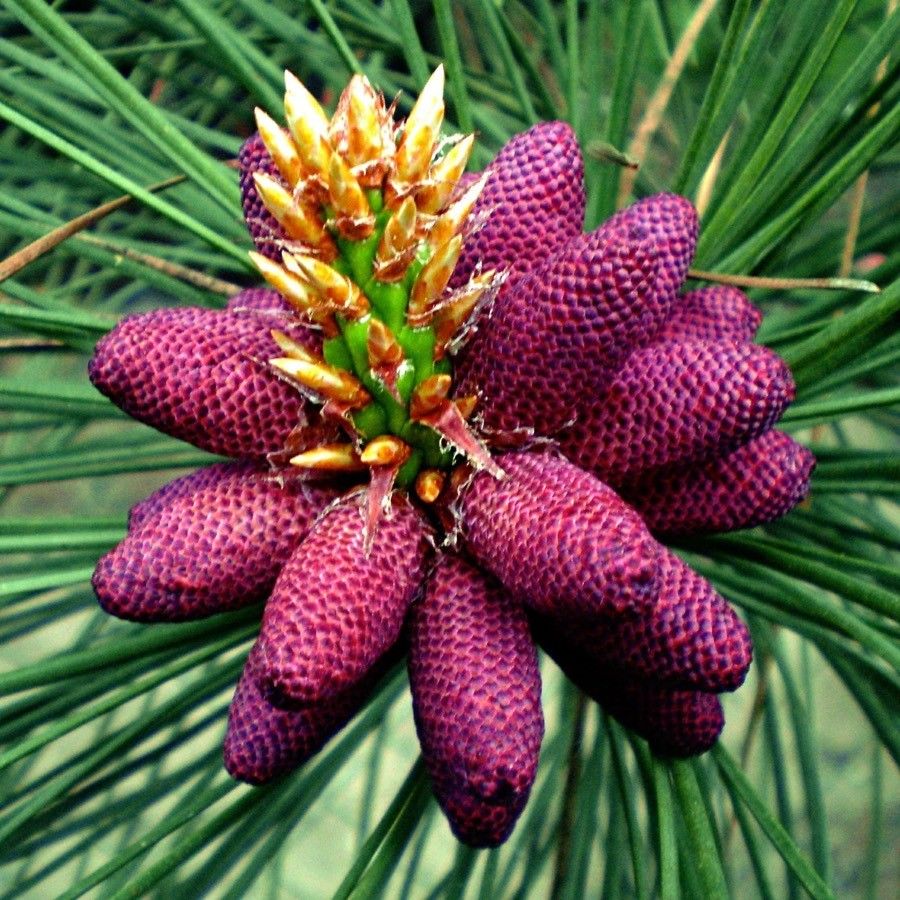
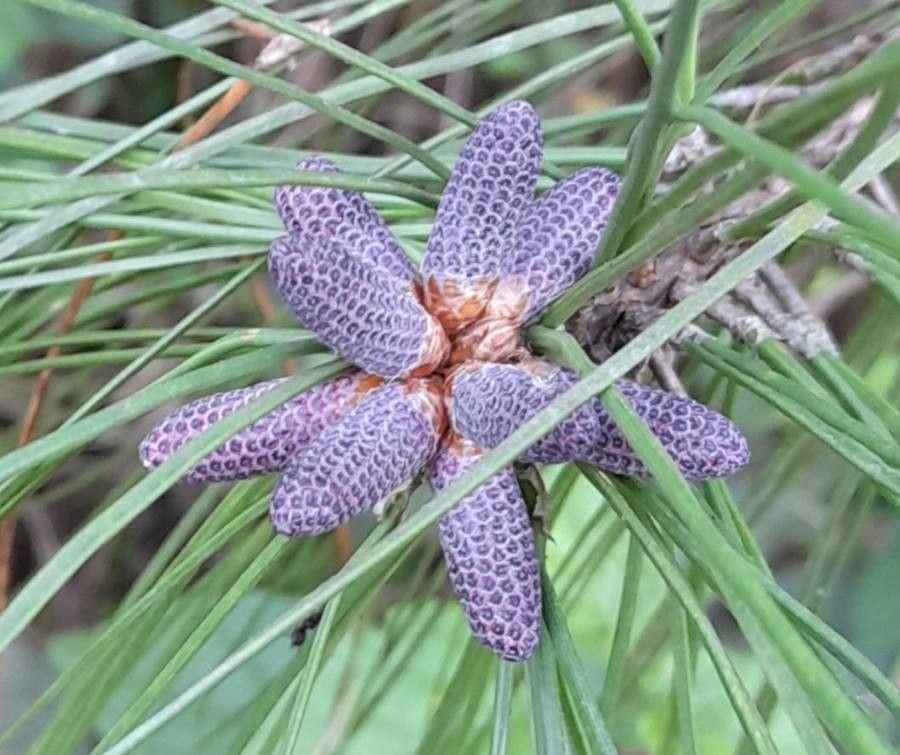
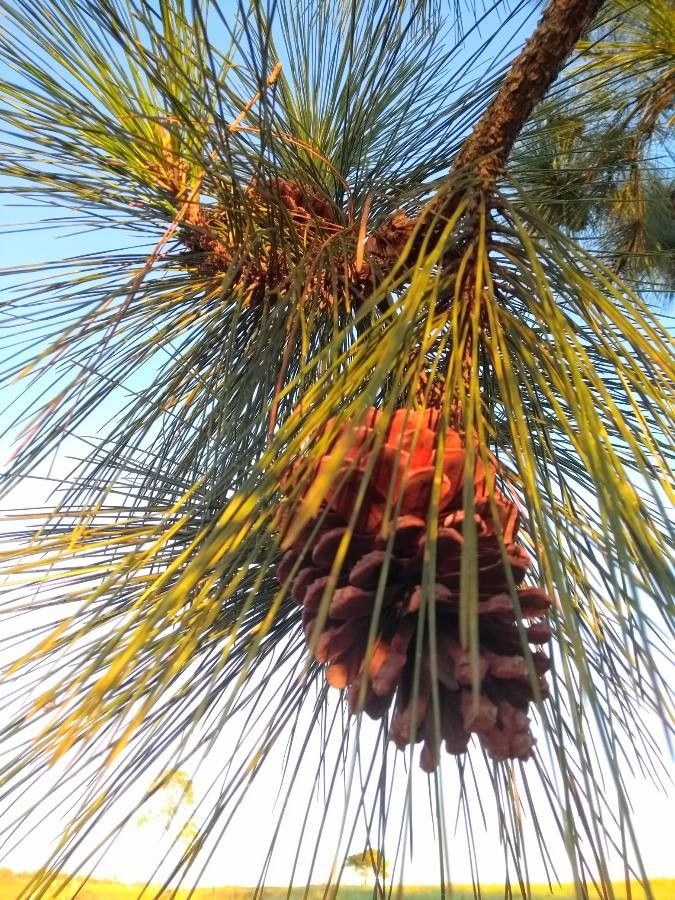
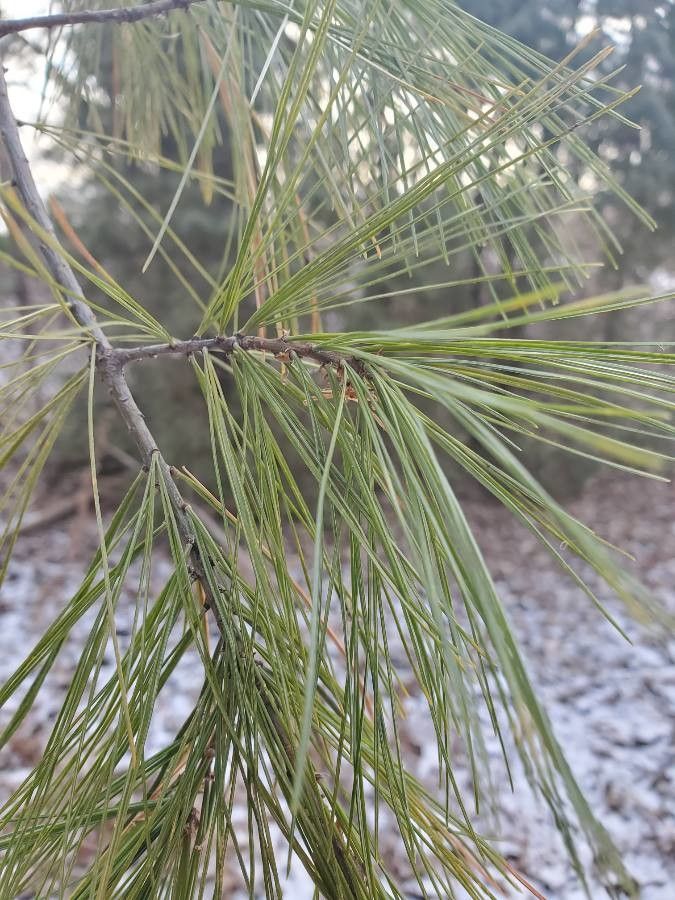
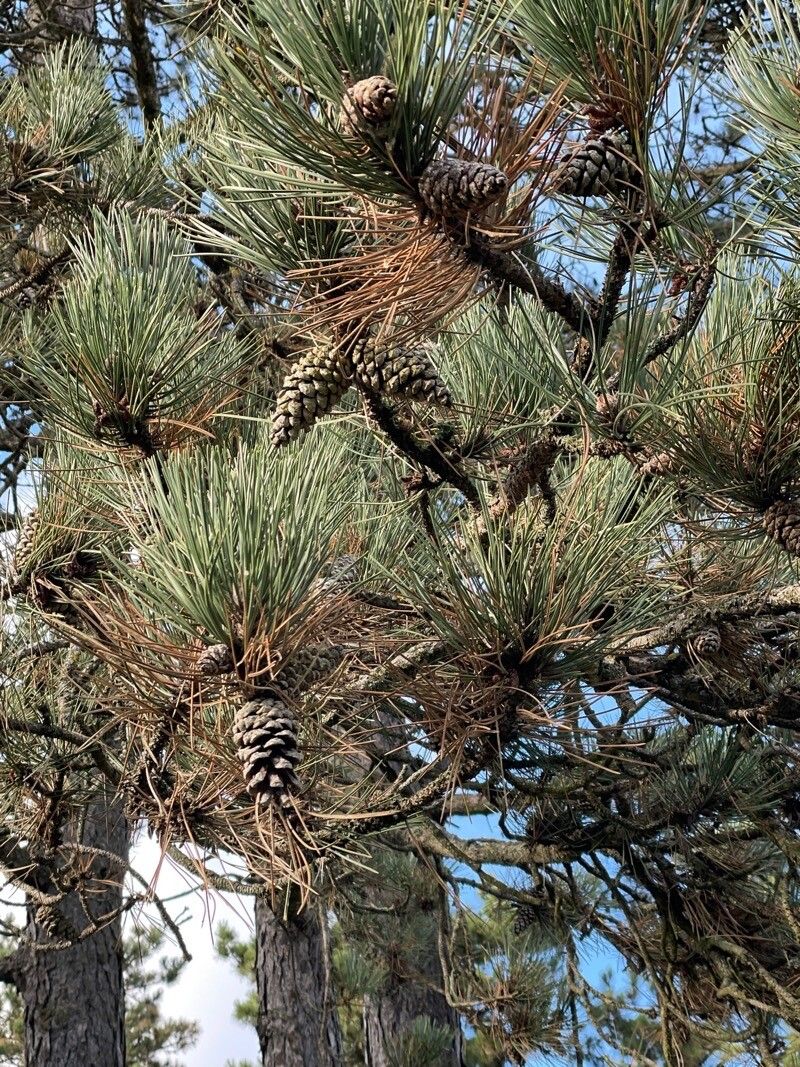
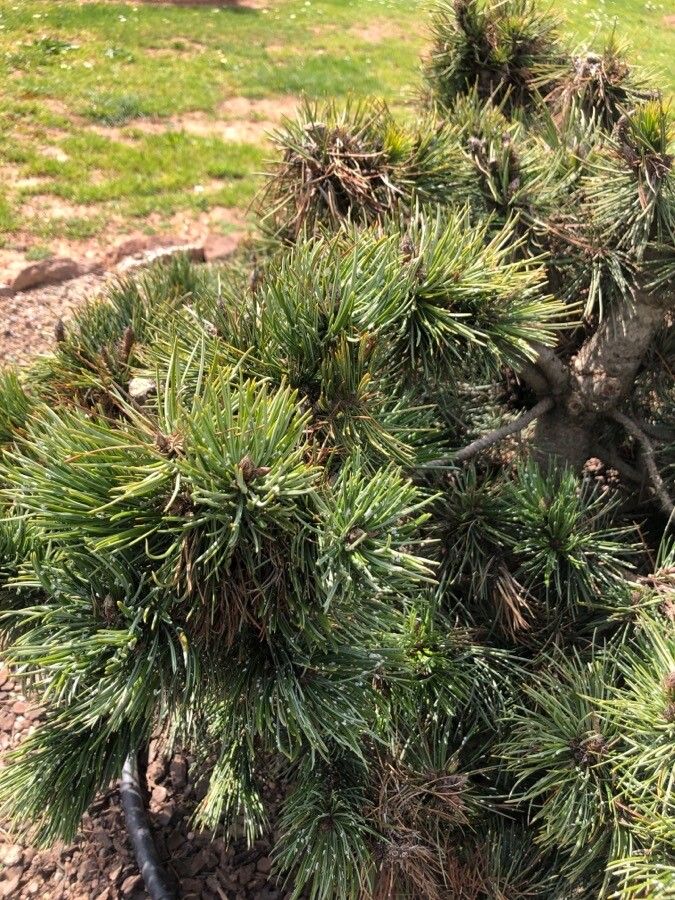
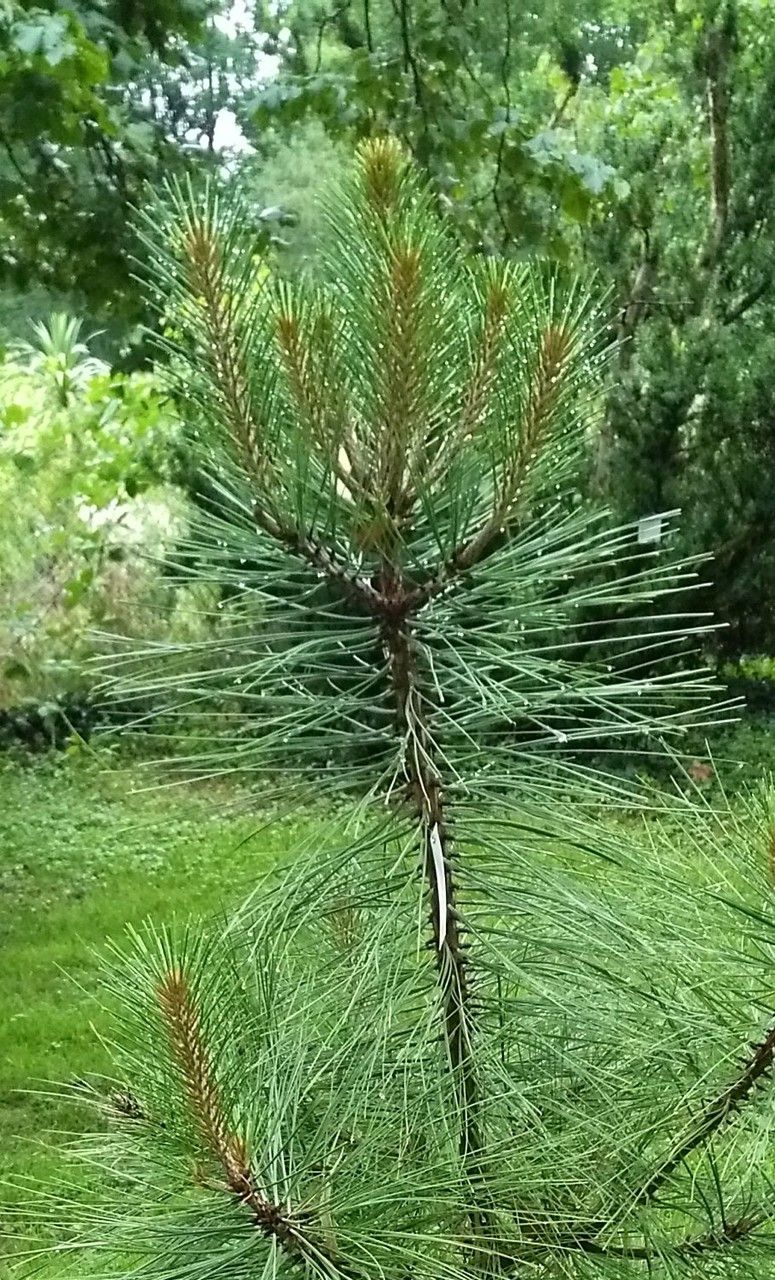
Pinus elliottii, commonly known as slash pine, is a species of pine tree native to the southeastern United States. This fast-growing evergreen tree can reach heights of up to 100 feet and features a straight trunk with rough bark. The needles are long and slender, measuring up to 10 inches in length, and are arranged in bundles of two or three. The cones are sizeable, reaching up to eight inches in length, and have sharp scales that protect the seeds inside. Slash pines thrive in well-drained soils with abundant sunlight. They are often found along coastal areas or near wetlands, where they can tolerate periodic flooding. The wood from slash pines serves various purposes, including construction lumber, pulpwood for paper production, and fuelwood for energy production. Ecologically, slash pines play a crucial role by providing habitat for various wildlife species such as birds and small mammals. They also help prevent soil erosion, thanks to their extensive root systems that stabilize the soil. In summary, Pinus elliottii is an important tree species both economically and ecologically throughout its native range in the southeastern United States.
Slash pine is resistant to many diseases and generally does not get sick easily. As for care, this plant is fairly low maintenance. When grown outdoors it needs little watering, and larger plants typically do not require pruning. Smaller plants, however, should be pruned after they have finished blooming. Slash pine is suitable for anyone with an outdoor area, such as a garden or deck, and does not demand extensive care experience.
How to keep Pinus Elliottii.
Light
Slash pine performs best when exposed to ample sunlight for much of the day. It can tolerate reduced light, but lower light levels may hinder its growth and overall health. Coming from habitats with abundant sun, it can show stress if subjected to either insufficient or excessive light.
Water
Slash pine thrives in humid subtropical regions and has a moderate tolerance for drought. It needs watering every 1-2 weeks and prefers well-draining soil. Typically grown outdoors, this evergreen conifer benefits from conditions that mimic its natural habitat.
Temperature
Slash pine is native to regions with temperatures between 41 and 95°F (5 to 35°C). The species does well in these temperature conditions, indicating a preference for them. To maintain optimal health, replicate this climate during seasonal shifts whenever feasible.
Fertilizer
Slash pine has specific nutrient needs and does not require heavy fertilization. Fertilizing in spring is best for optimal growth. Supplying nutrients improves its health, increases resistance to pests and diseases, and helps support its long lifespan.
Pruning
Slash pine benefits from careful pruning during its dormant period, which occurs from early to late winter. Be sure to remove dead branches and thin out dense areas to enhance airflow and sunlight penetration. Avoid excessive pruning, as it can cause stress. Instead, focus on promoting healthy growth, a stronger structure, and minimizing pest problems.
Botanical profile.
- Plant Type
- Tree
- Life Cycle
- Perennial
- Genus
- Pinus
- Family
- Pinaceae
- Hardiness Zone
- 5-9
- Mature Height
- 22.86 m to 30.48 m
- Mature Spread
- 10.36 m to 14.94 m
- Leaf Color
- Green, Blue
- Leaf Type
- Evergreen
- Flower Color
- Yellow, Green, Red, Brown, Burgundy, Gold
- Bloom Time
- Mid spring, Late spring
- Planting Time
- Autumn
- Harvest Time
- Mid summer, Late summer, Early fall
Other names.
Reader questions.
How should I water my Slash pine tree to make it healthy?
Watering your Slash pine is a simple task. The easiest method is to slowly soak the soil using a garden hose. This is especially ideal for larger trees that require a lot of water. However, for smaller trees, a watering can or smaller tool will suffice. It's important to avoid overhead watering to prevent disease, especially when the tree is young.
Why should I put plant food on my Slash pine?
Adding nutrients to the soil in spring can support the healthy growth of long-lived Slash pine. This improves the plant's health and helps it resist common pests and diseases that can stunt growth or shorten its lifespan.
What are the sunlight requirements for Slash Pine?
Slash Pine needs generous exposure to sunlight throughout the day to thrive, ideally above 6 hours of direct sunlight, which is characterized as full sun. It can tolerate partial sun, about 3-6 hours of sunlight, but its growth and health might be affected. It's important to observe how sunlight moves through your garden to place your Slash Pine in spots that offer a balance of light and shade, ensuring its health and happiness.
What is the optimal climate for Slash Pine?
Slash Pine, also known as Pinus elliottii, is native to climates with temperatures ranging between 41 to 95°F (5 to 35°C). It flourishes within these thermal conditions, indicating a preference for such a climate. For optimal health, it is recommended to try and replicate these conditions as closely as possible throughout the year. The species possesses strong resistance to cold, typically not requiring special frost protection measures. However, in instances where temperatures are anticipated to drop below -25°C, ensuring cold protection by wrapping the trunk and branches with insulating materials and watering the plant abundantly before the first freeze of autumn to keep the soil moist is crucial for preventing winter and early spring drought.
What do I do if I give my Slash pine tree too much or too little water?
Overwatering your Slash pine can occur if the soil does not drain properly. In this case, the plant may start to decline and you have two options. You can either improve the soil's drainage by amending it or transplant the tree to a more suitable location. If you are growing your Slash pine in a pot, it may be necessary to repot it with looser soil that allows for better drainage. Overwatering can lead to diseases, so it's important to address the issue promptly. On the other hand, if your Slash pine is underwatered, the solution is simple: water it more often and it will recover. To determine if you have overwatered your Slash pine, examine its foliage. New growth that is discolored or easily breaks may indicate excess moisture. Additionally, if you notice standing water or slow drainage in your plant's growing area, it could be a sign of overly moist soil. Conversely, underwatered Slash pines may have sparse, brown leaves. Consider recent rainfall or consistently high temperatures when assessing your plant's symptoms.
When should I fertilize my Slash pine tree for best results?
The growing medium often lacks sufficient nutrients for healthy growth. However, there is a unique aspect to Slash pine compared to typical garden plants. Slash pine doesn't need a lot of additional nutrients. It is best to fertilize it in the spring, before new growth starts.
How does artificial lighting benefit indoor Slash Pine plants, and what are the recommendations?
Artificial lighting is crucial for indoor Slash Pine plants, especially in conditions where natural sunlight is insufficient, like in winter or less sunny spaces. LED lights are recommended because they can be customized to provide specific wavelengths needed by the plants. For full sun plants, 30-50W/sq ft of artificial light is needed; partial sun plants require 20-30W/sq ft, and full shade plants need 10-20W/sq ft. The light source should be placed 12-36 inches above the plant to mimic natural sunlight, ensuring the plant receives 8-12 hours of light per day for optimal growth.
How does low temperature affect Slash Pine and what are the solutions?
Slash Pine is considerably cold-tolerant, thriving best at temperatures above 5°C, with a recommendation to keep winter temperatures above -20°C. Exposure to temperatures below -25°C may not show immediate effects during winter, but it can cause the branches to turn brittle and dry by spring, preventing the emergence of new shoots. If such damage occurs, the solution lies in springtime pruning to remove any dead branches that have not produced new leaves, thus promoting healthy growth.
How much should I water my Slash pine?
A mature Slash pine is highly drought tolerant and can usually survive solely on rainfall. During the hottest months of the year, watering the tree once a week is sufficient, but in other seasons, watering may not be necessary. However, if the tree has been recently planted, regular watering is necessary to ensure consistent soil moisture and promote root growth. It is crucial to avoid overwatering as Slash pines do not tolerate standing water. When unsure, it is better to refrain from watering the tree rather than risk overwatering it.
When is the best time to not add fertilizer to my Slash pine tree?
Slash pine, unlike some plants, does not require frequent fertilization. It does not need excessive nutrients, as too much fertilizer can harm its growth. It is best to apply fertilizer only in the spring and avoid doing so during the other seasons. During the summer, fall, and winter, it is advised not to add any fertilizer or organic matter to the soil.
What are the key symptoms of light deficiency in Slash Pine?
Symptoms of light deficiency in Slash Pine include smaller new leaves, leggy or sparse growth, faster leaf drop, slower or no new growth, lighter-colored new leaves, chlorosis (leaves turning yellow due to a lack of chlorophyll), sunscald (damage from intense sunlight), leaf curling (a defense mechanism to reduce surface area exposed to sunlight), wilting (loss of turgor pressure leading to drooping leaves and stems), and leaf scorching (brown, dry, and crispy edges on leaves due to excessive sunlight). These symptoms signify the plant's struggle with insufficient or excessive light.
How does high temperature affect Slash Pine and what are the solutions?
During the summer, it's vital to ensure that the temperature around the Slash Pine does not exceed 35°C. Temperatures surpassing 38°C can cause the leaves to lighten in color and the tips to become dry and withered, increasing vulnerability to sunburn. The remedy involves trimming away the sunburned and dried parts of the plant. It's also beneficial to move the plant to a shaded area during the intense midday and afternoon sun, or utilize a shade cloth for protection. Ensuring the soil remains moist by watering in the morning and evening is also essential for the plant's well-being during high temperatures.