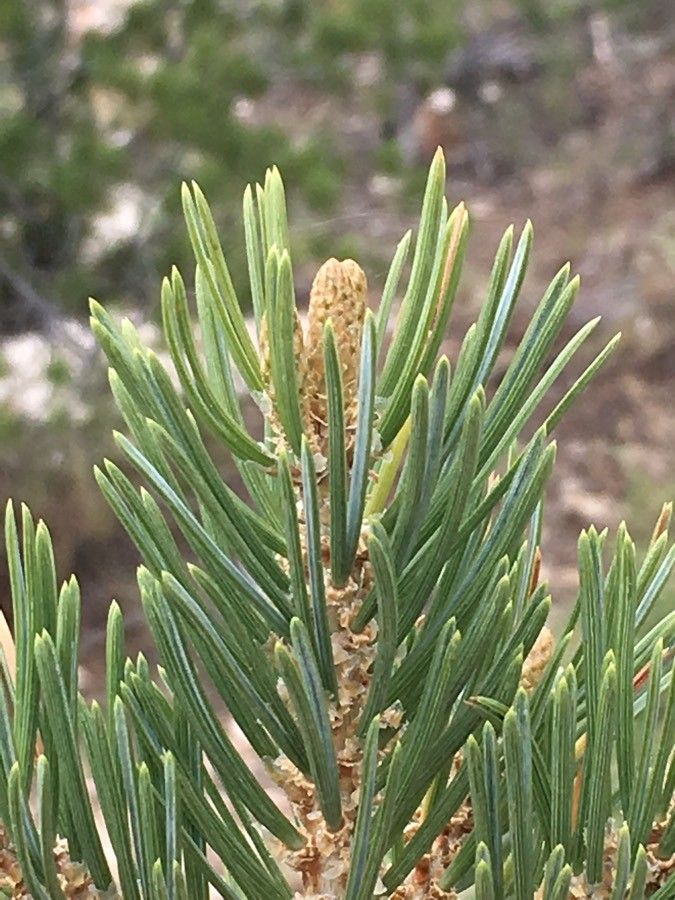
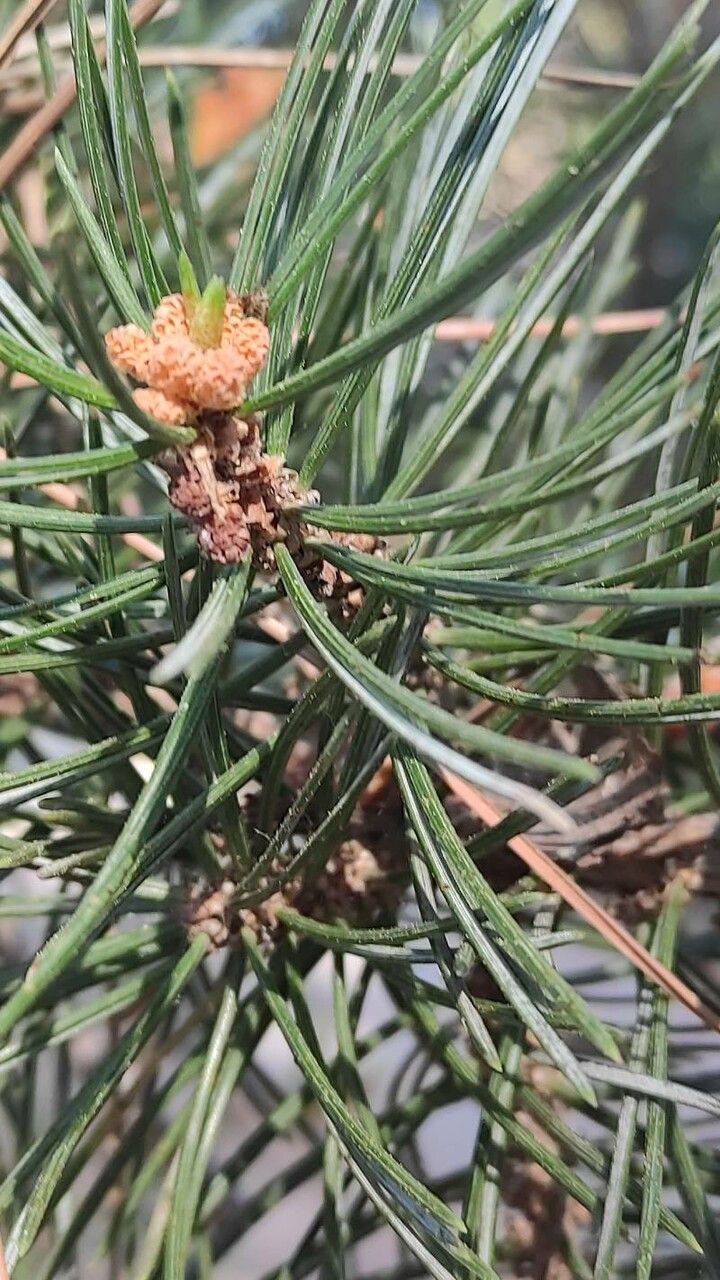
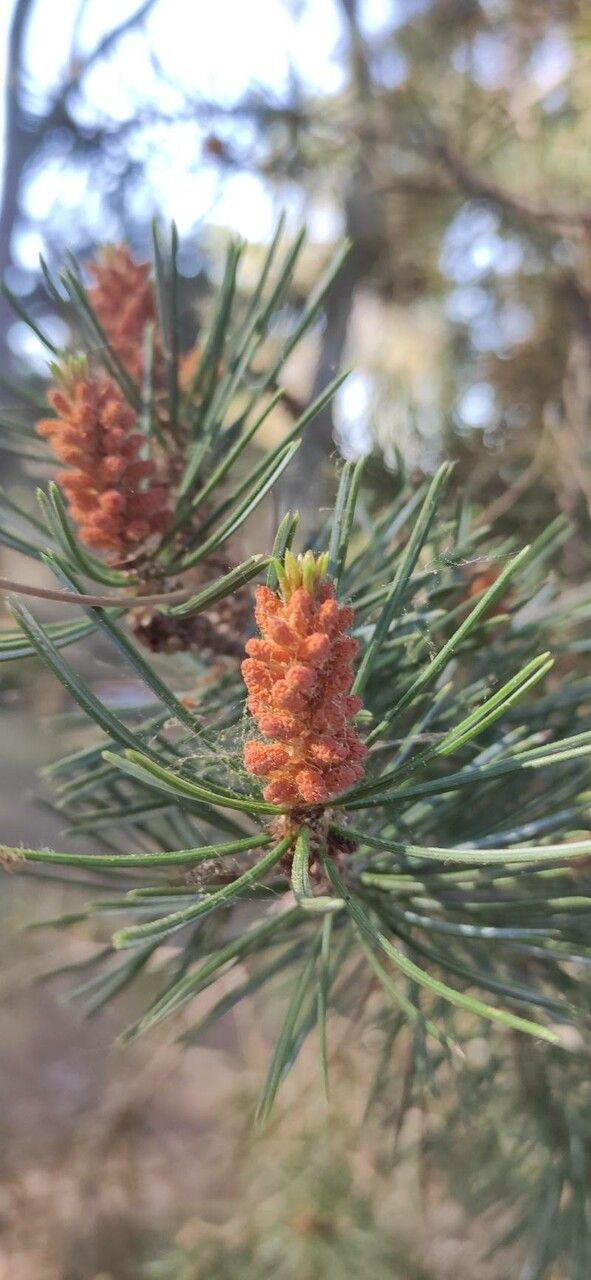
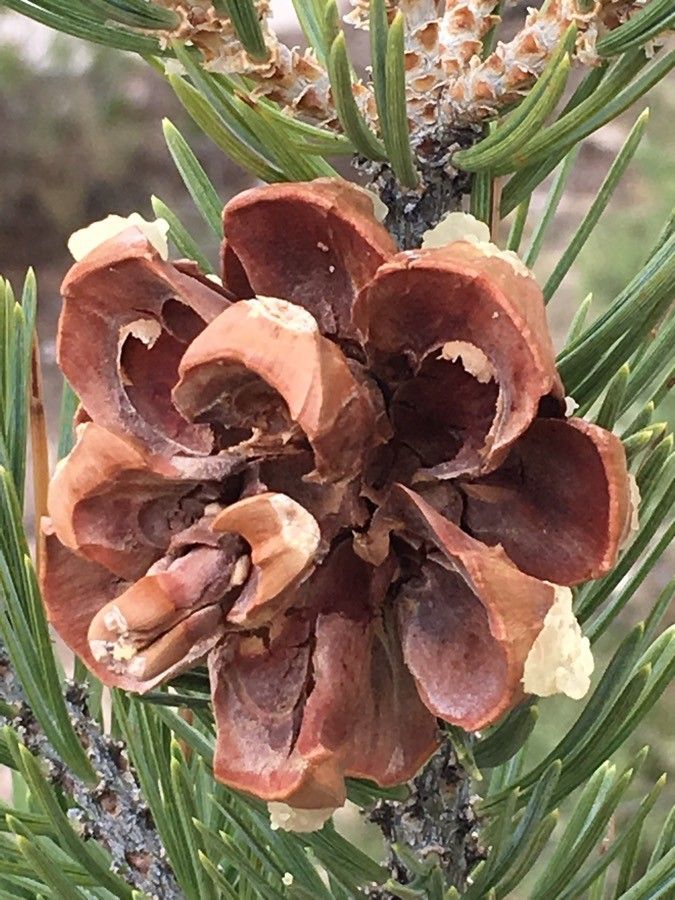
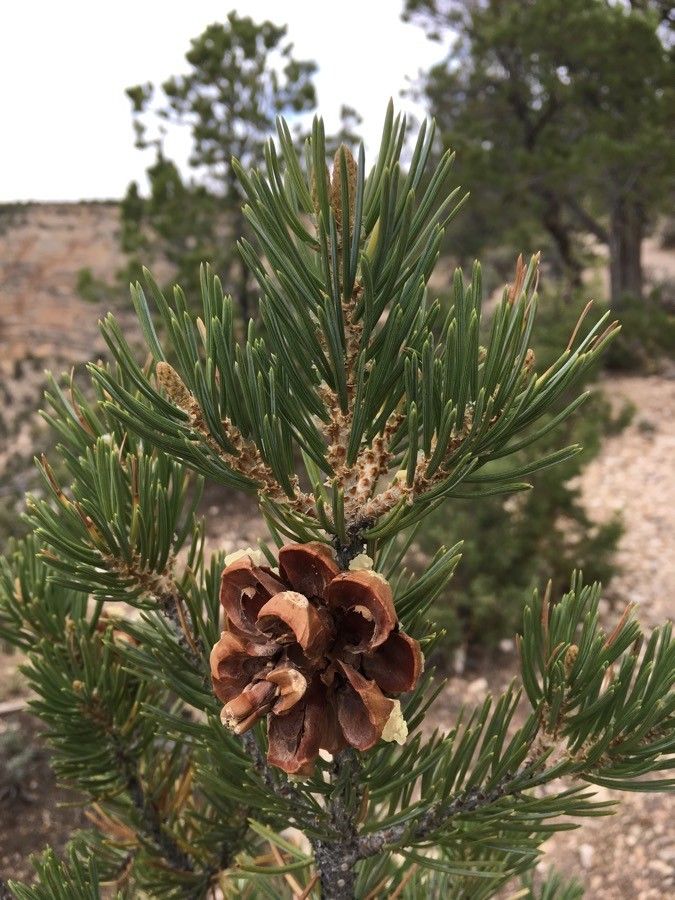
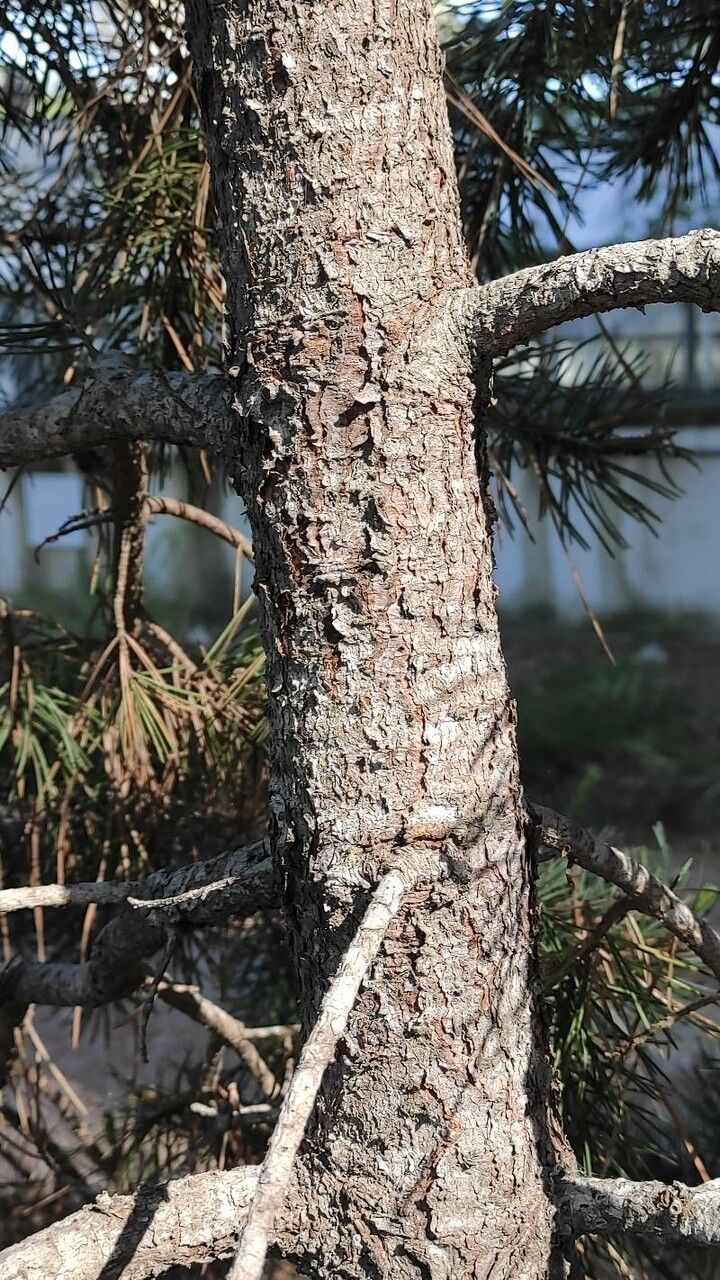
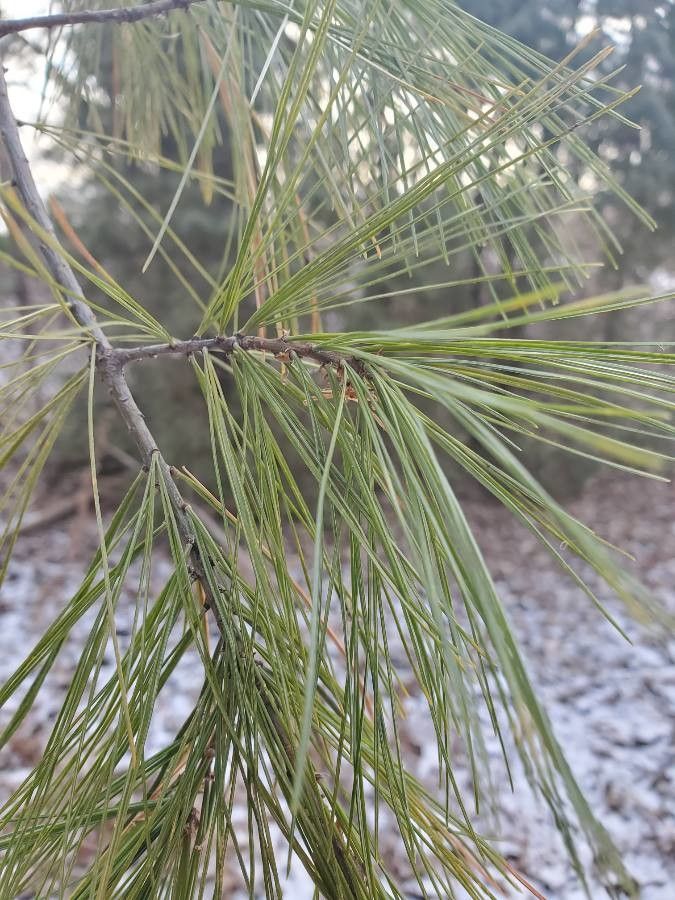
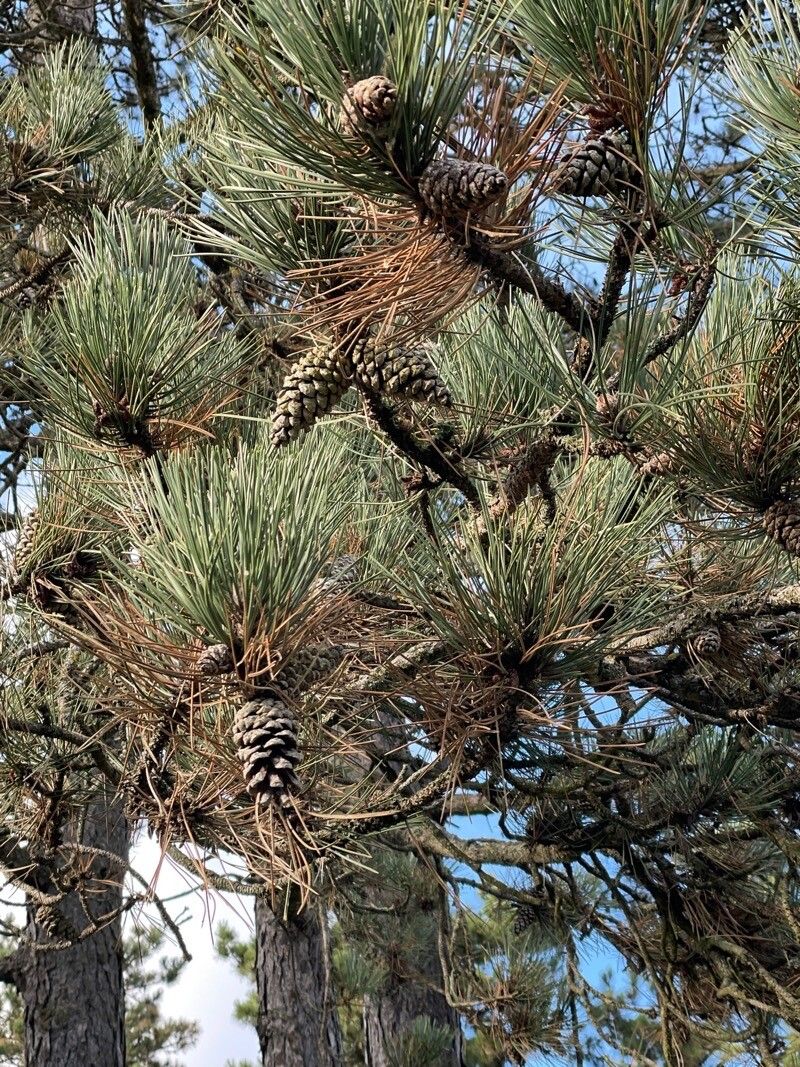
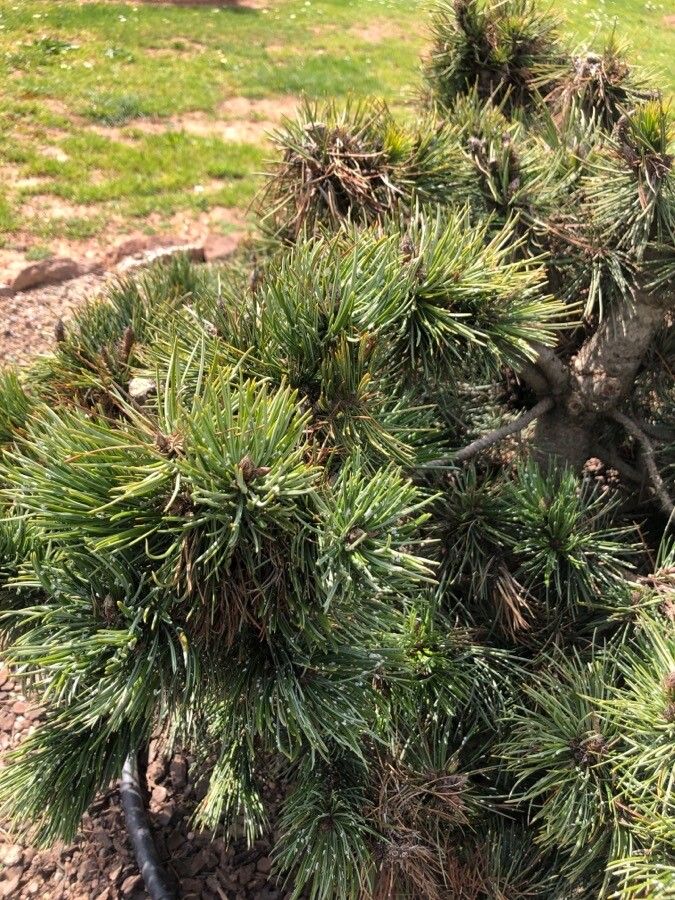
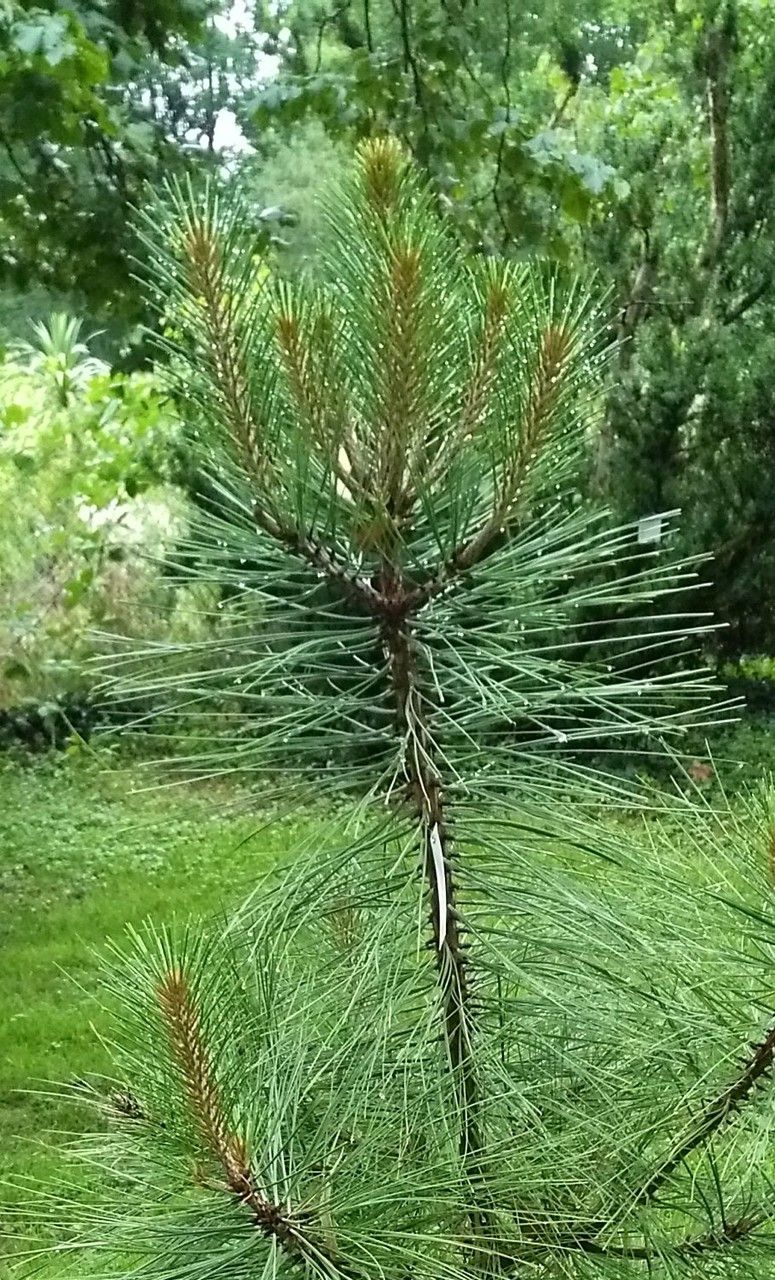
Pinus edulis, commonly known as the piñon pine, is a slow-growing evergreen tree native to the southwestern United States and northern Mexico. Typically reaching a height of 10-20 meters, this tree features a rounded crown and short, stiff needles arranged in pairs. The piñon pine produces edible seeds that serve as a crucial food source for both wildlife and humans. Additionally, its wood is highly valued for construction and furniture making.
Adapted to arid environments with low rainfall and high temperatures, piñon pines play a vital role in many desert ecosystems. However, they are increasingly vulnerable to droughts and wildfires exacerbated by climate change, which threaten their survival in certain regions. To combat their decline, conservation efforts aim to protect this valuable species from threats such as logging and urbanization of their habitats.
Pinyon pine is disease-resistant and is generally not susceptible to illnesses. Regarding care, this plant is fairly low-maintenance. When grown outdoors it needs little watering, and larger plants typically do not require pruning. Smaller plants, however, should be pruned after they have finished blooming. Pinyon pine is suitable for anyone with outdoor space, such as a garden or a deck, and does not need a lot of gardening experience.
How to keep Pinus Edulis.
Light
Pinyon pine thrives with a great deal of sun for healthy growth, though it can survive in spots with less light if necessary. In its native habitat it is adapted to consistently sunny conditions. Too much or too little sun can affect the plant's health, possibly stunting growth or causing damage.
Water
Adapted to semi-arid climates, pinyon pine thrives with minimal moisture and is drought-tolerant. Water it once every 1 to 2 weeks, making sure the soil remains consistently moist during its active growth periods in spring and summer. Be careful not to overwater.
Humidity
This plant prefers dry conditions, so don't mist it. However, watering it less often can also thrive in higher humidity.
Temperature
The pinyon pine is a temperate woody plant that does well in its native habitat when temperatures range from 14 to 90 ℉ (-10 to 32 ℃). It prefers temperatures of 41 to 90 ℉ (5 to 32 ℃), which promote optimal growth and yield. In summer the plant prospers in hot, dry conditions, while in winter it is best kept in cooler temperatures. For best growth during spring and summer, maintain daytime temperatures between 68 to 86 ℉ (20 to 30 ℃) and nighttime temperatures between 41 to 50 ℉ (5 to 10 ℃).
Fertilizer
Pinyon pine has distinct nutrient needs and does not require heavy fertilization. Spring is the best time to fertilize for optimal growth. Providing nutrients enhances its health, raises its resistance to pests and diseases, and helps sustain its long lifespan.
Pruning
The Pinyon pine has dense, short needles and produces edible seeds. To minimize sap loss, pruning should be done in early winter. Remove any dead or crowded branches to improve air circulation and sunlight exposure, which helps prevent disease. Additionally, trim crossed branches to maintain the tree’s structure and manage its size, ensuring it remains suitable for your garden.
Botanical profile.
- Plant Type
- Tree
- Life Cycle
- Perennial
- Genus
- Pinus
- Family
- Pinaceae
- Hardiness Zone
- 4-8
- Mature Height
- 3.05 m to 6.1 m
- Mature Spread
- 3.05 m to 4.57 m
- Leaf Color
- Green, Gray
- Leaf Type
- Evergreen
- Flower Color
- Yellow, Green, Red, Gold
- Flower Size
- 2.54 cm to 7.62 cm
- Bloom Time
- Late spring, Early summer
- Planting Time
- Spring
- Harvest Time
- Mid summer, Late summer
- Native Area
- Mexico
Other names.
Reader questions.
How should I water my Pinyon pine tree?
Watering your Pinyon pine is a straightforward task. To water the tree, simply turn on your garden hose and use it to soak the soil slowly. For larger Pinyon pine trees, the garden hose is the best watering tool as they may require a high volume of water during each watering. However, for smaller trees, a watering can or smaller watering tool may suffice. It's important to avoid overhead watering as it can cause excess moisture on the leaves, which may lead to disease, especially in young trees.
Why do I have to put plant food on my Pinyon pine tree?
To support the long lifespan and healthy growth of Pinyon pine, it is recommended to fertilize the plant in the spring. By adding nutrients to the soil, the plant's health is improved, which in turn enhances its ability to resist common pests and diseases. This helps prevent stunted growth or a shortened lifespan.
What are the sun requirements for Pinyon pine?
Pinyon pine requires a substantial amount of sunlight for healthy growth, thriving in full sun conditions of above 6 hours of sunlight daily but can also endure in partial sun conditions of about 3-6 hours of sunlight if necessary. It's important to observe the movement of sunlight in your garden to ensure that your Pinyon pine gets the right balance of light and shade, which is essential for its well-being and growth. In its natural habitat, Pinyon pine is accustomed to environments where sunlight is abundant, and any deviation from these conditions, either over or underexposure, can adversely affect the plant's health, potentially leading to stunted development or damage.
What are the ideal growing conditions for Pinyon Pine?
Pinyon Pine, known botanically as Pinus edulis, thrives in its native temperate environments with ideal temperatures ranging between 41 to 90 °F (5 to 32 °C) for optimal growth and yield. It prefers hot and dry conditions during the summer, while cooler temperatures are more suitable in the winter. For the best growth, the daytime temperature should be kept between 68 to 86 °F (20 to 30 °C) with nighttime temperatures ranging from 41 to 50 °F (5 to 10 °C) during the spring and summer. The Pinyon Pine exhibits strong cold resistance and usually does not require special frost protection. However, in anticipation of winter temperatures dropping below -22°F (-30°C), implementing cold protection measures like wrapping the trunk and branches with protective materials is advised. Moreover, watering the tree abundantly before the first freeze in autumn to ensure the soil remains moist and enters a frozen state can help prevent drought and water scarcity during the winter and early spring periods.
What should I do if I give too much or too little water to my Pinyon pine?
Overwatering can be caused by poor soil that doesn't drain well. If your Pinyon pine is in this kind of soil, it will start to decline. To fix this, you can either improve the soil drainage or move the plant to a better location. If your Pinyon pine is in a pot, you may need to use looser soil in a container that drains well. Overwatering can also lead to diseases, so try to treat any signs of illness immediately. If your Pinyon pine is underwatered, simply increase the frequency of watering and it should recover. You can tell if your Pinyon pine is overwatered by looking at the new growth—discolored or easily breakable growth indicates too much moisture. Standing water or slow drainage in the growing area are also signs of excessive moisture in the soil. On the other hand, underwatered Pinyon pines will have sparse, brown leaves. Consider recent rain or high temperatures if you notice these symptoms, as they can help you determine the cause.
When should I fertilize my Pinyon pine tree for the best results?
Sometimes, the growing medium doesn't provide enough nutrients for healthy growth. However, Pinyon pine is unique compared to garden plants, as it doesn't need many extra nutrients. To achieve the best results, it is recommended to fertilize Pinyon pine in the spring before new growth emerges.
How can artificial lighting benefit indoor Pinyon pines?
Indoor Pinyon pines require adequate lighting for optimal growth, especially when natural sunlight is insufficient, such as during winter or in less sunny spaces. Artificial lighting provides a vital solution, promoting faster, healthier growth. LED lights are recommended for indoor plants because they can be adjusted to provide specific wavelengths needed by the plants. Full sun plants need 30-50W/sq ft of artificial light, partial sun plants require 20-30W/sq ft, and full shade plants need 10-20W/sq ft. The light source should be placed 12-36 inches above the plant, mimicking natural sunlight conditions, and it's crucial to ensure the plants receive 8-12 hours of light per day to replicate the natural daylight hours.
How does low temperature affect Pinyon Pine and what are the solutions?
Pinyon Pine is known for its cold tolerance and generally thrives when the temperature stays above 5°C. During winter, it is best to maintain temperatures above -25°C to prevent damage. When temperatures fall below -30°C, the branches might not show immediate damage during winter but can become brittle, dry, and fail to produce new shoots by spring. To address this, pruning any dead branches that have failed to produce new leaves in spring is recommended as a solution to help maintain the health and vitality of the tree.
How much should I water my Pinyon pine?
A mature Pinyon pine is highly drought-tolerant and can survive solely on rainfall. Typically, you only need to water this tree about once a week during the hottest months. However, during other seasons, watering may not be necessary at all unless the tree is recently planted. In that case, regular watering is important to establish the roots. It's crucial to avoid overwatering because Pinyon pines cannot tolerate standing water. When unsure, it's best to refrain from watering rather than risking overwatering.
When is the best time to not put fertilizer on my Pinyon pine?
Pinyon pine does not need frequent fertilization like other plants. It does not require a lot of extra nutrients, and excessive fertilizer can harm it. Fertilizer should only be applied in the spring and not during the other seasons (summer, fall, and winter). During these seasons, it is best to avoid adding fertilizer or organic matter to the soil.
What symptoms indicate Pinyon pine is not receiving enough light?
When Pinyon pine doesn't receive enough light, it may exhibit several symptoms indicating light deficiency. New leaves might grow smaller in size compared to the older ones, indicating a struggle for growth. The plant may develop a leggy or sparse appearance due to longer spaces between leaves or stems, making it look weakened. A faster leaf drop can occur as the plant tries to conserve resources, halting or slowing new growth altogether, which signals the plant entering survival mode. Leaves may also appear lighter in color or pale, indicating a lack of chlorophyll and essential nutrients. Chlorosis, sunscald, leaf curling, wilting, and leaf scorching are additional symptoms that can manifest due to improper light exposure.
How does high temperature affect Pinyon Pine and what are the solutions?
During the summer, it is crucial to keep the Pinyon Pine's exposure below 32°C to avoid stress from high temperatures. Exceeding 35°C can cause the plant's leaves to lighten in color, tips to become dry and withered, and increase susceptibility to sunburn. To mitigate these issues, trim away any sunburned or dried-up parts of the plant. Moving the plant to a location that provides shade during the midday and afternoon or using a shade cloth can protect it from excessive sun exposure. Additionally, watering the plant in the morning and evening can help keep the soil consistently moist and support the plant’s health during hot periods.