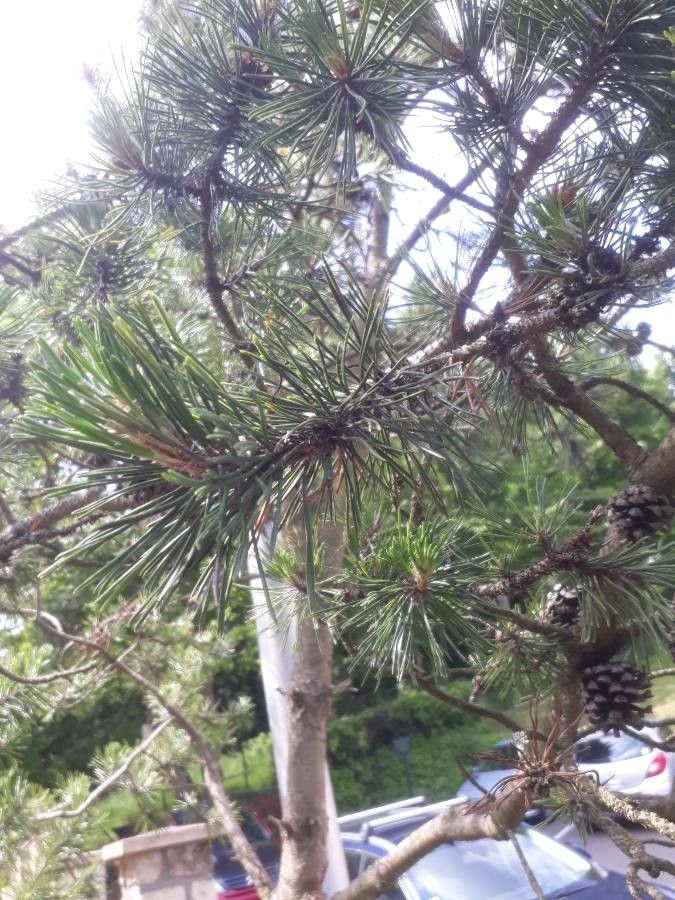
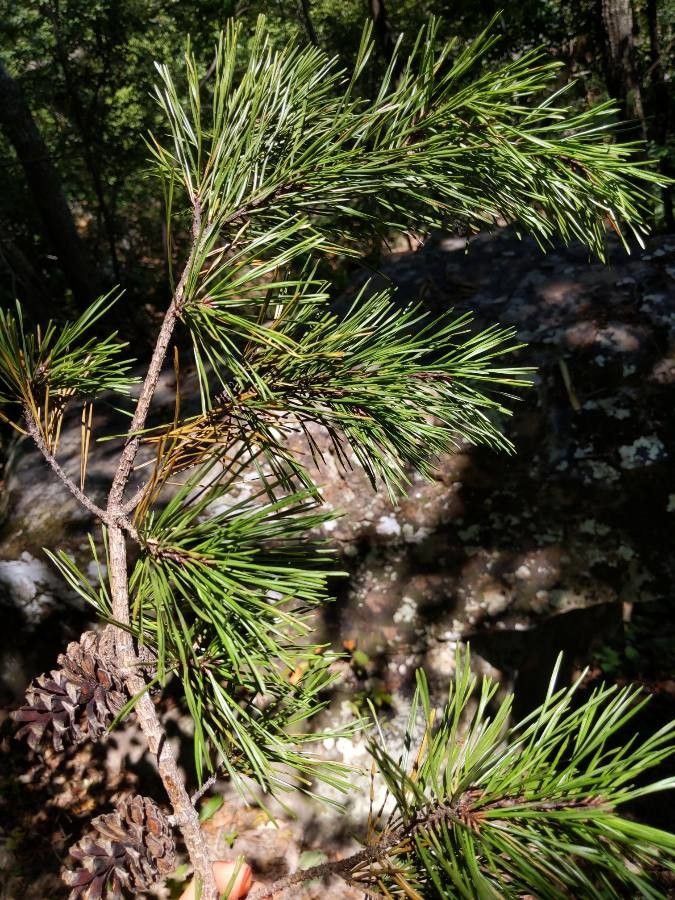
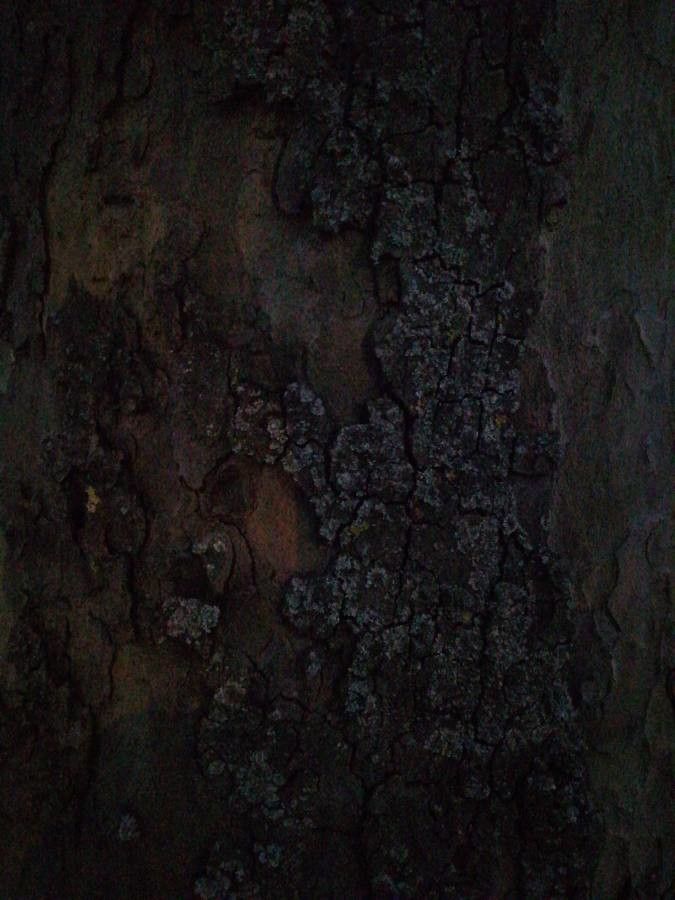
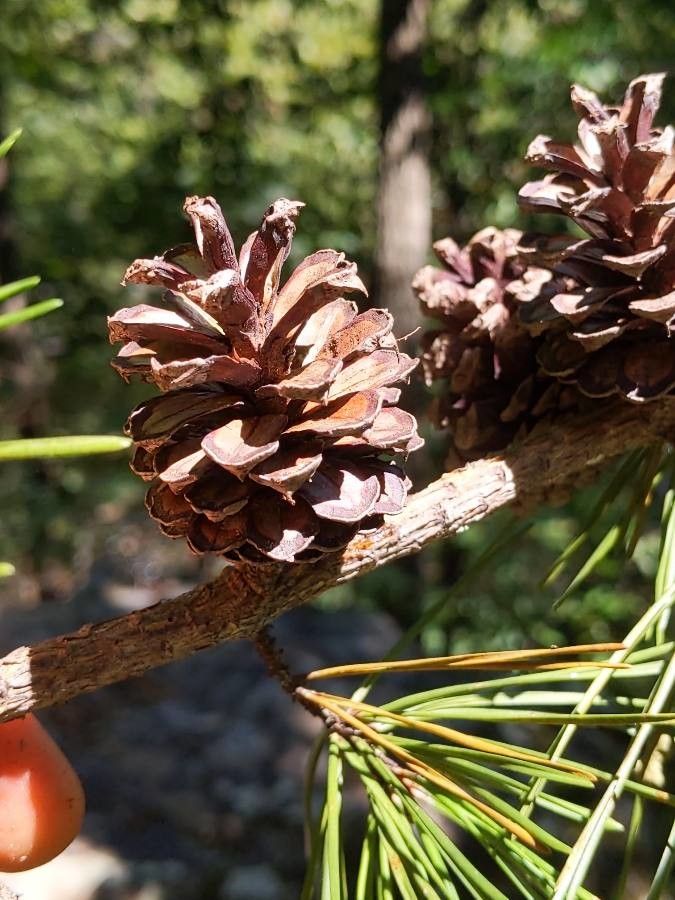
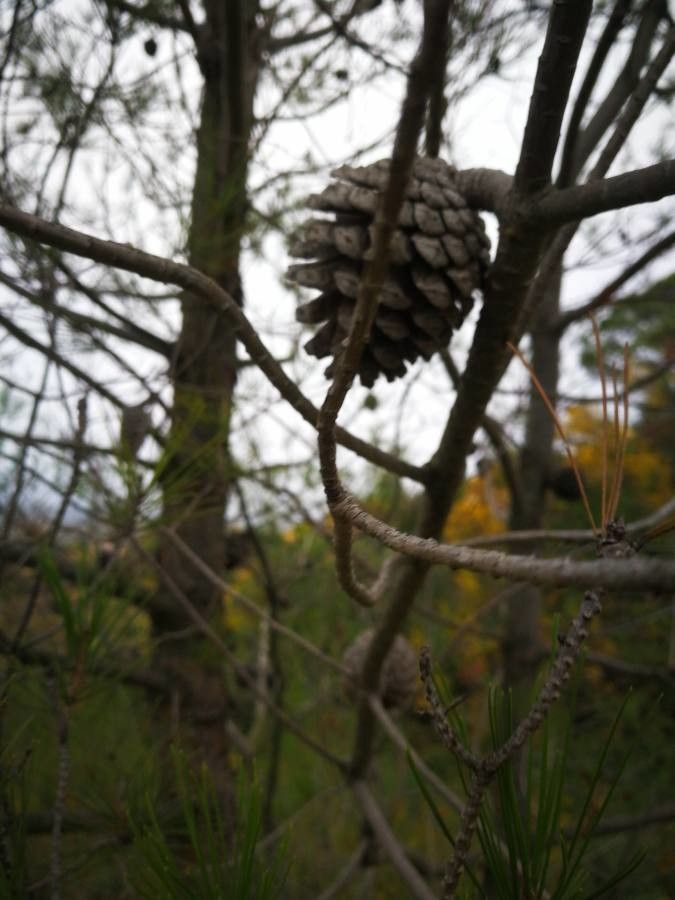
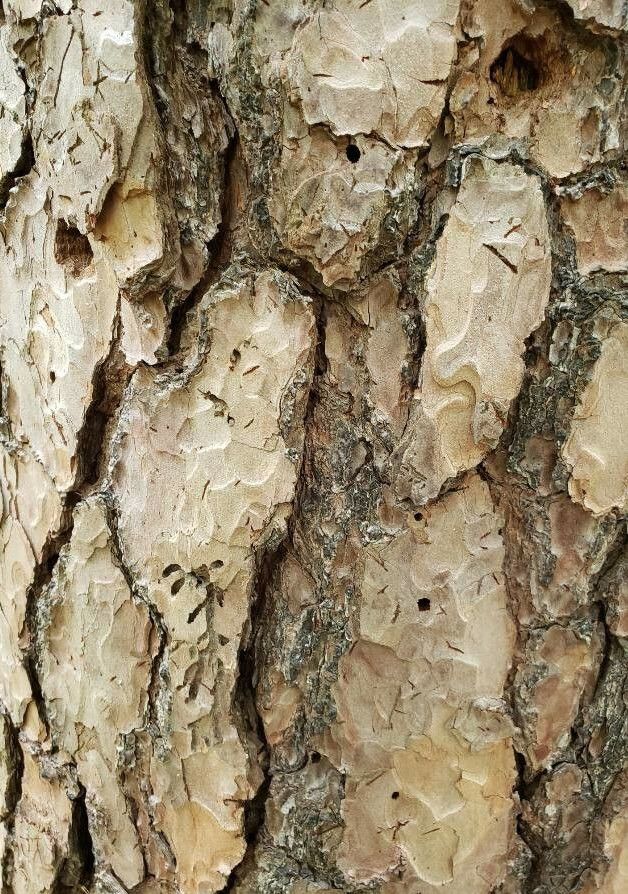
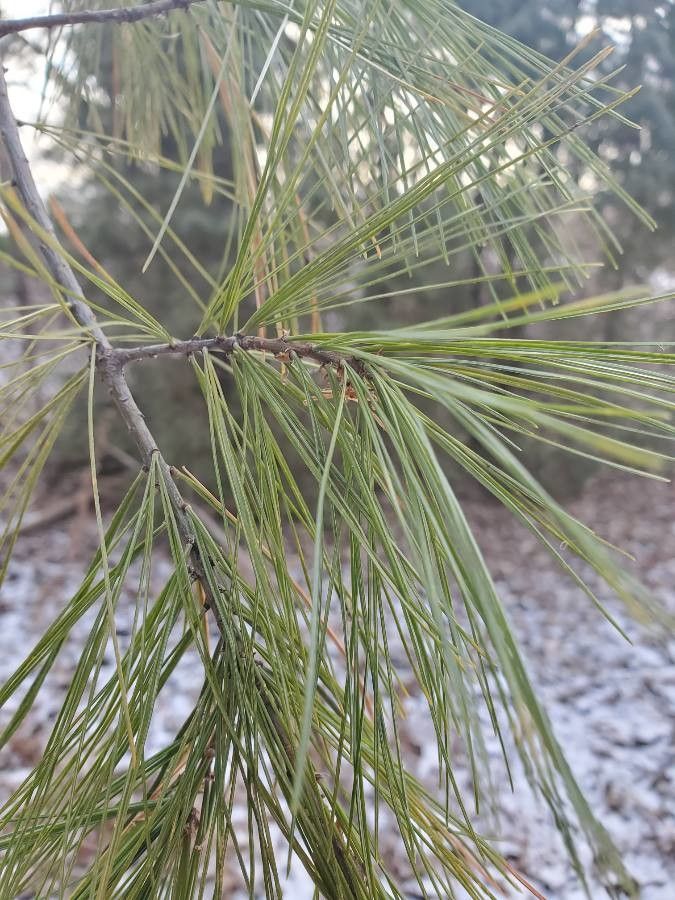
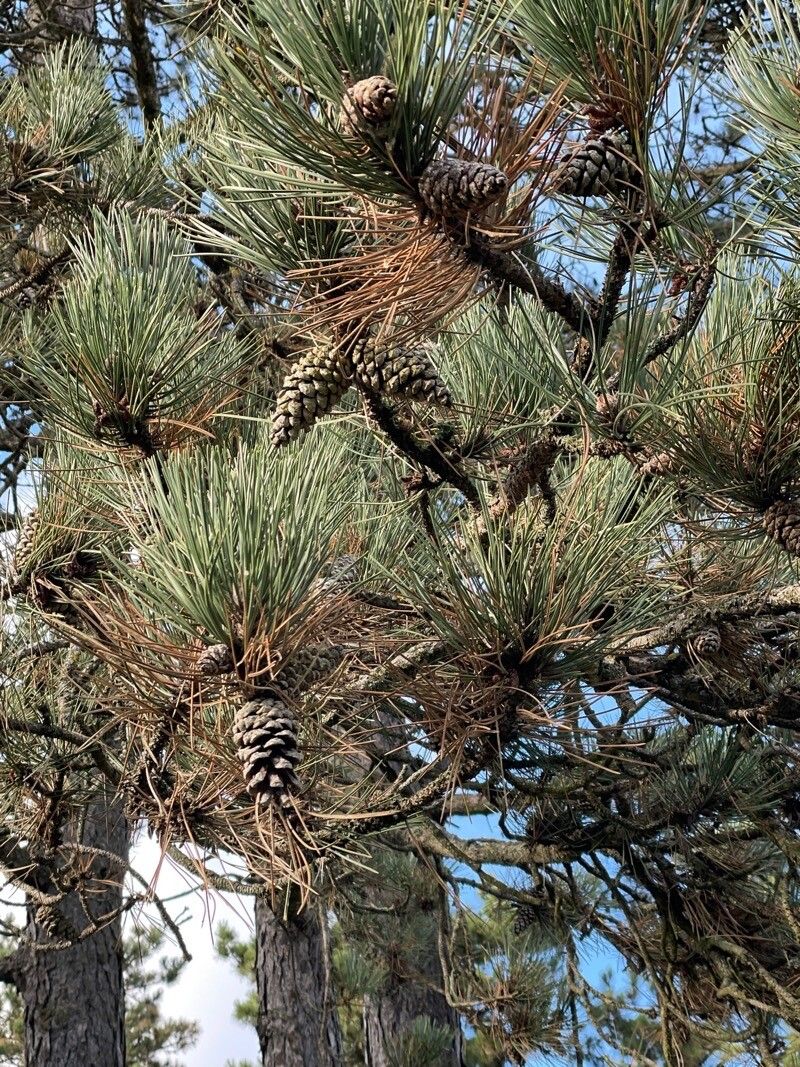
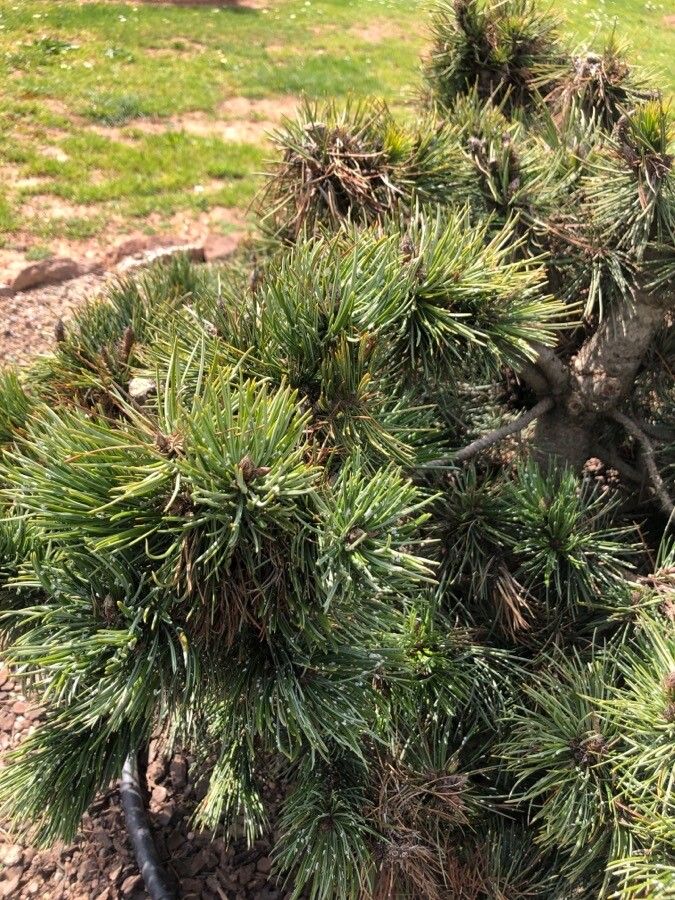
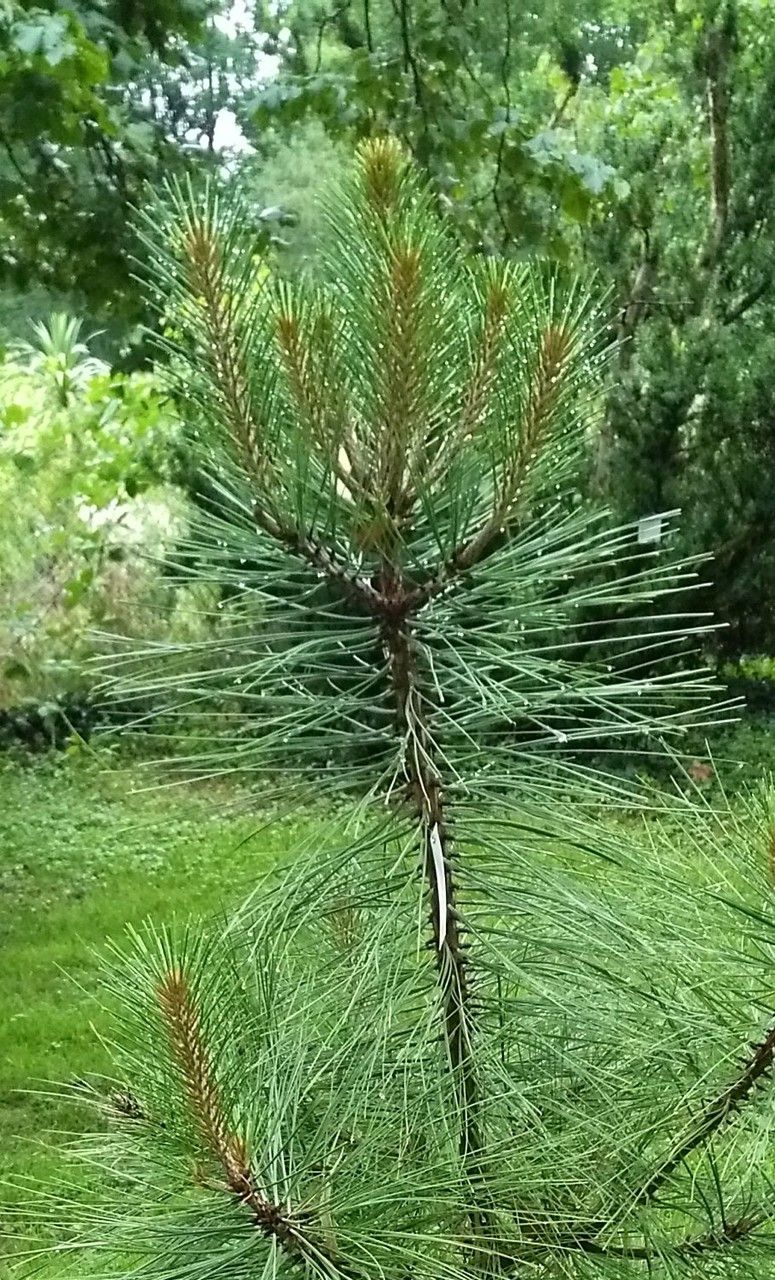
Pinus echinata, the shortleaf pine, is a species of pine native to the southeastern United States.
Shortleaf pine shows good resistance to disease and is usually not susceptible to it. As for care, it is fairly low-maintenance. When grown outdoors it needs only minimal watering, and larger plants typically do not require pruning. Smaller plants, however, should be pruned after they have bloomed. Shortleaf pine is a good choice for anyone with an outdoor area, such as a garden or deck, and does not demand extensive experience in plant care.
How to keep Pinus Echinata.
Light
Shortleaf pine does best when it is in full sun. It can tolerate some shade, but that may lessen its vigor. Coming from habitats with abundant sunlight, the tree becomes vulnerable to problems such as slowed growth and poor health if it lacks sufficient light.
Water
The shortleaf pine thrives in well-drained soils found in temperate coniferous forests and can adapt to occasional droughts. During the growing season, water it every 1-2 weeks, allowing the soil to dry out slightly between waterings. As an evergreen, the shortleaf pine requires consistent moisture while it's growing, but its water needs decrease during the winter.
Temperature
Shortleaf pine naturally grows in areas where temperatures range from 50 to 95 ℉ (10 to 35 ℃). It prefers conditions within that range but can withstand temperatures as low as 23 ℉ (-5 ℃) and as high as 105 ℉ (40 ℃). In colder periods, seedlings should be protected from frost, while in hotter periods they should be kept in partial shade to prevent overheating.
Fertilizer
Shortleaf pine has particular nutrient needs and does not require heavy fertilization. Spring is the best time to apply fertilizer for optimal growth. Supplying nutrients improves its health, strengthens its resistance to pests and diseases, and helps support a long lifespan.
Pruning
The shortleaf pine is a medium to tall tree with needle-like leaves. Pruning should be done during early to late winter when the tree is dormant, and it should target dead, damaged, or diseased branches. Making proper cuts can improve airflow and growth, reduce pests, and promote the tree's structural health.
Botanical profile.
- Plant Type
- Tree
- Life Cycle
- Perennial
- Genus
- Pinus
- Family
- Pinaceae
- Hardiness Zone
- 6-9
- Mature Height
- 24.38 m to 30.48 m
- Mature Spread
- 6.1 m to 11.89 m
- Leaf Color
- Green, Blue
- Leaf Type
- Evergreen
- Flower Color
- Yellow, Green
- Bloom Time
- Late spring, Early summer
- Planting Time
- Autumn
- Harvest Time
- Mid summer, Late summer, Early fall
Other names.
Reader questions.
What is the most effective way to water my Shortleaf pine tree?
Watering your Shortleaf pine is a simple task. To do so, you can use a garden hose to slowly soak the soil. This method works best for mature trees, as they require more water. For smaller trees, a watering can or other smaller tool may suffice. It's important to avoid overhead watering to prevent excess moisture on the leaves, which can lead to disease, especially for young trees.
Why should I add fertilizer to my Shortleaf pine tree?
To support the healthy growth of Shortleaf pine, fertilize it in the spring. This plant has a long lifespan and requires assistance. By adding nutrients to the soil, you can enhance its overall health, enabling it to resist common pests and diseases that can hinder growth or reduce its lifespan.
What are the sunlight requirements for shortleaf pine?
Shortleaf pine thrives best in full sun, requiring more than 6 hours of direct sunlight daily to maintain vitality. It can tolerate partial shade, with about 3-6 hours of sunlight, but this may impact its growth and overall health. Originating from environments rich in sunlight, shortleaf pine can suffer from growth stagnation and poor health if not provided with adequate light.
What is the native growth environment for Shortleaf Pine?
Shortleaf Pine thrives in regions where the temperature ranges from 50 to 95°F (10 to 35°C). This species is well-adapted to thrive within these temperature ranges, tolerating lows of 23°F (-5°C) and highs of 105°F (40°C). During cooler temperatures, it's advised to shield seedlings from frost, while in hotter periods, providing partial shade is recommended to prevent overheating. Shortleaf Pine is noted for its strong cold resistance, implying that special frost protection is usually not necessary. However, engaging in practices like wrapping the trunk and branches with protective materials and ensuring the soil is moist before the first freeze in autumn can help the tree manage better in extreme cold or when temperatures dip below -25°C.
What should I do if I give my Shortleaf pine tree too much or too little water?
Overwatering can happen when the soil doesn't drain well. If your Shortleaf pine is in such soil, it might start to decline. In this case, you have two options: improve the soil drainage or move the plant to a better location. If your Shortleaf pine is in a pot, you may need to change it to one with looser soil for better drainage. Overwatered plants can also get diseases, so treat them promptly. If your Shortleaf pine is underwatered, simply water it more frequently and it will recover. To determine if your Shortleaf pine is overwatered, check its foliage, especially the new growth. If it's discolored or easily broken, it may be too moist. Standing water or slow drainage in the plant's area can also indicate excessive soil moisture. Underwatered Shortleaf pines will have sparse, brown leaves. Consider recent heavy rain or consistently high temperatures if you see these symptoms.
When should I fertilize my Shortleaf pine tree?
Shortleaf pine is unique in that it does not need a lot of extra nutrients, unlike garden annuals and perennials. However, the growing medium may not always provide enough nutrients for healthy growth. The best time to fertilize Shortleaf pine is in the spring, before new growth starts.
What are the consequences of insufficient sunlight for shortleaf pine?
Insufficient sunlight can lead to several issues for shortleaf pine, including smaller new leaves, leggy or sparse growth, faster leaf drop, slowed or halted growth, lighter-colored new leaves, and symptoms like chlorosis, sunscald, leaf curling, wilting, and leaf scorching. These symptoms indicate a struggle in the plant’s ability to photosynthesize and maintain its health when not receiving enough sunlight.
How does Shortleaf Pine respond to low temperatures, and what are the recommended solutions?
Shortleaf Pine is cold-tolerant and performs best in temperatures above 10°C. However, during winter, it should not be exposed to temperatures below -15°C. If temperatures fall beneath -25°C, the tree may not show immediate damage in winter, but by spring, branches may become brittle and dry, and no new shoots will emerge. The best practice in dealing with these symptoms is to prune away any dead branches that have failed to produce new growth in the spring.
How often do I need to water my Shortleaf pine?
A mature Shortleaf pine is quite resilient and can survive on rainfall alone, only requiring watering about once a week during the hottest months. However, if the tree has just been planted, it needs regular watering to establish its roots. It's vital to avoid overwatering as Shortleaf pines cannot tolerate standing water. When unsure, it's best to refrain from watering rather than risk overdoing it.
When should I not put fertilizer on my Shortleaf pine tree?
While some plants benefit from regular monthly or weekly fertilization, the Shortleaf pine does not require excessive nutrients. Over-fertilizing can actually lead to its decline. To ensure its health, only apply fertilizer during the spring season, refraining from doing so during summer, fall, and winter. Additionally, avoid adding any fertilizer or organic matter to the soil during these seasons.
How can artificial lighting be used for shortleaf pine indoor care?
For indoor shortleaf pines not getting enough natural light, artificial lighting can be a solution. LED lights, being customizable to provide specific light wavelengths, are recommended. Full sun plants need 30-50W/sq ft, partial sun plants 20-30W/sq ft, and full shade plants 10-20W/sq ft of artificial light. The light source should be placed 12-36 inches above the plant, for 8-12 hours daily to mimic natural daylight hours effectively.
What are the effects of high temperatures on Shortleaf Pine and how should they be managed?
During the summer, it is critical to maintain the environment of a Shortleaf Pine below 35°C. Exceeding 38°C can cause the leaves to lighten in color, tips to dry and wither, and increase susceptibility to sunburn. Managing these symptoms involves trimming away the sunburned and dried parts of the plant, moving it to a shaded location during the midday and afternoon sun or using a shade cloth, and maintaining soil moisture by watering in the morning and evening.