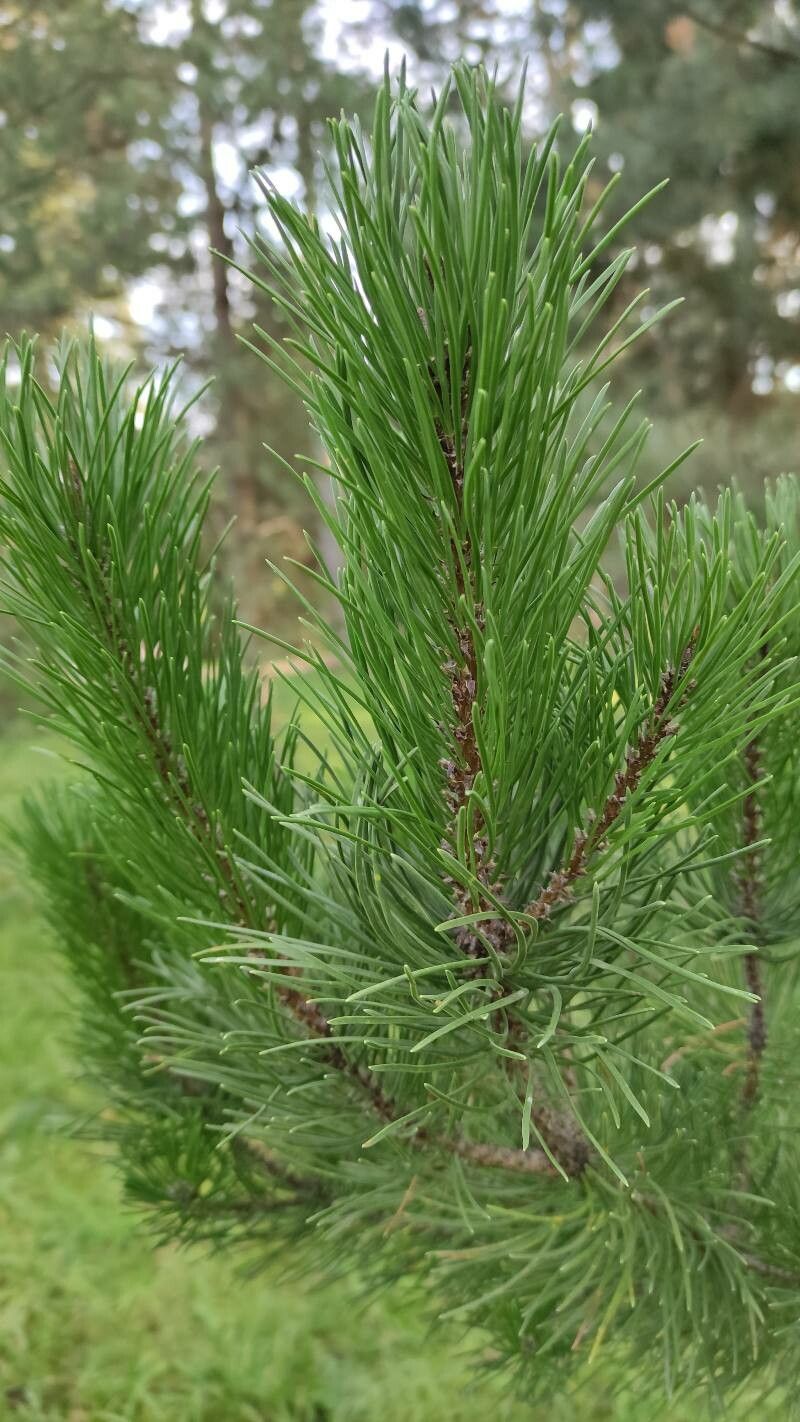
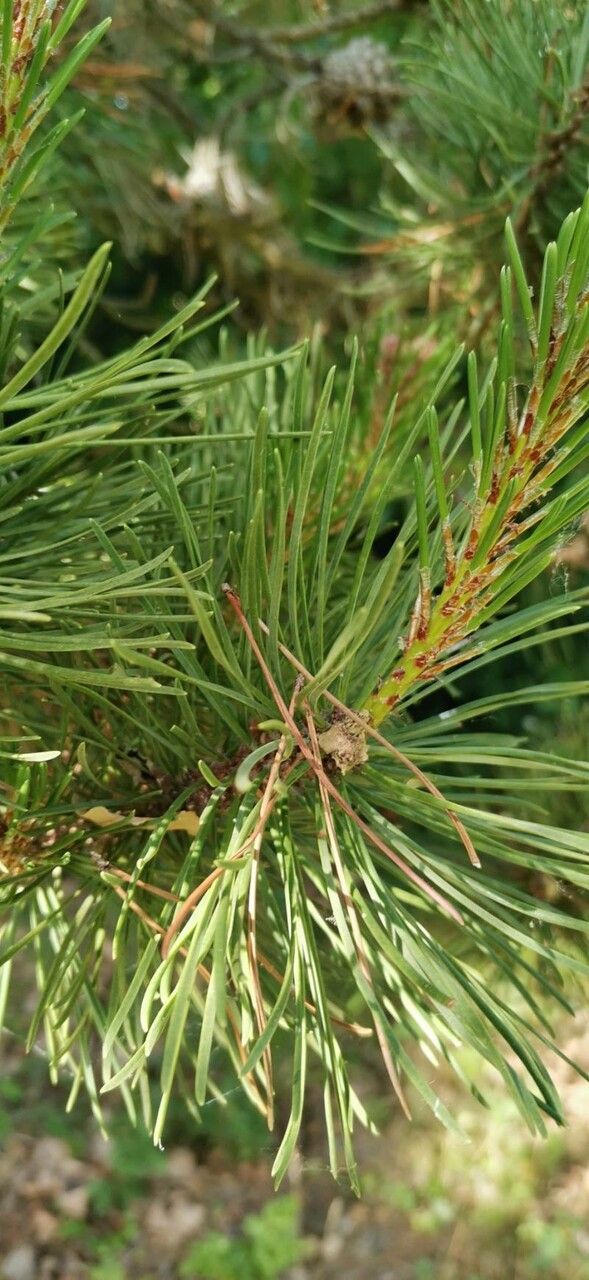
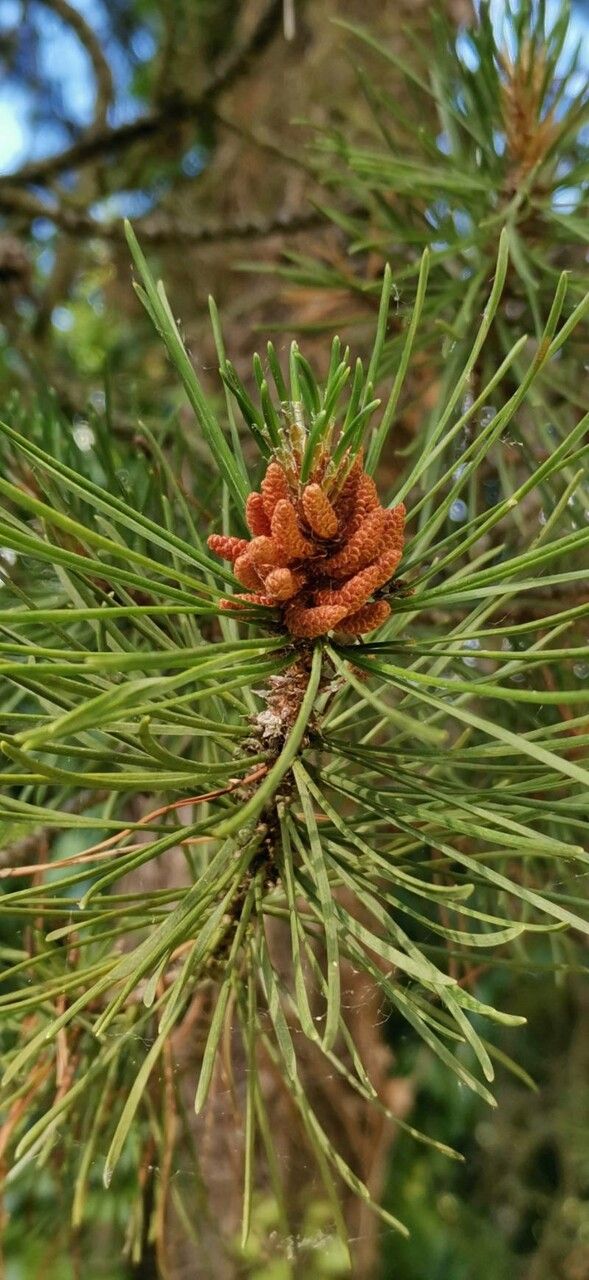
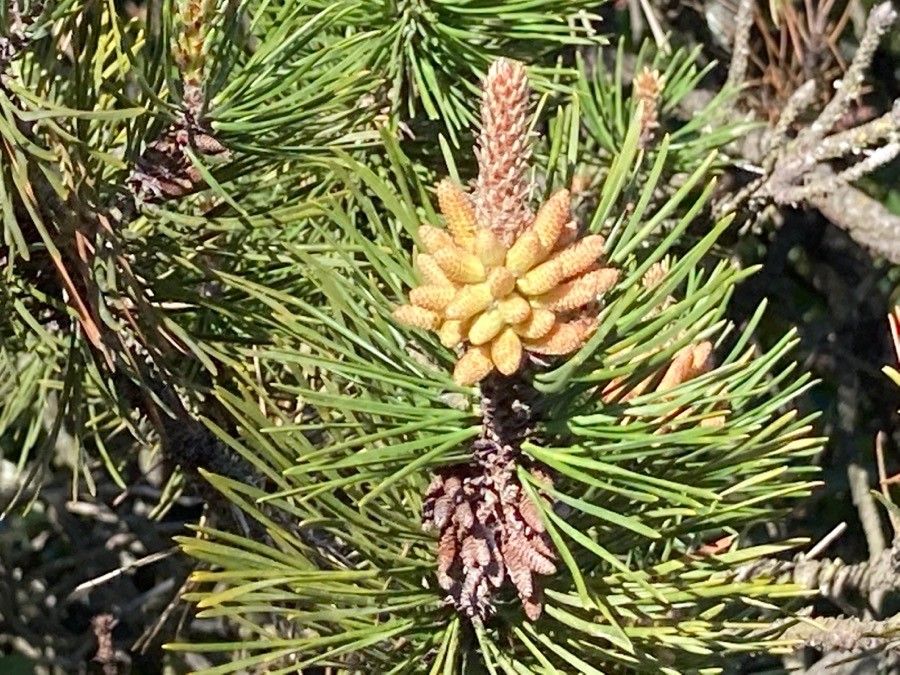
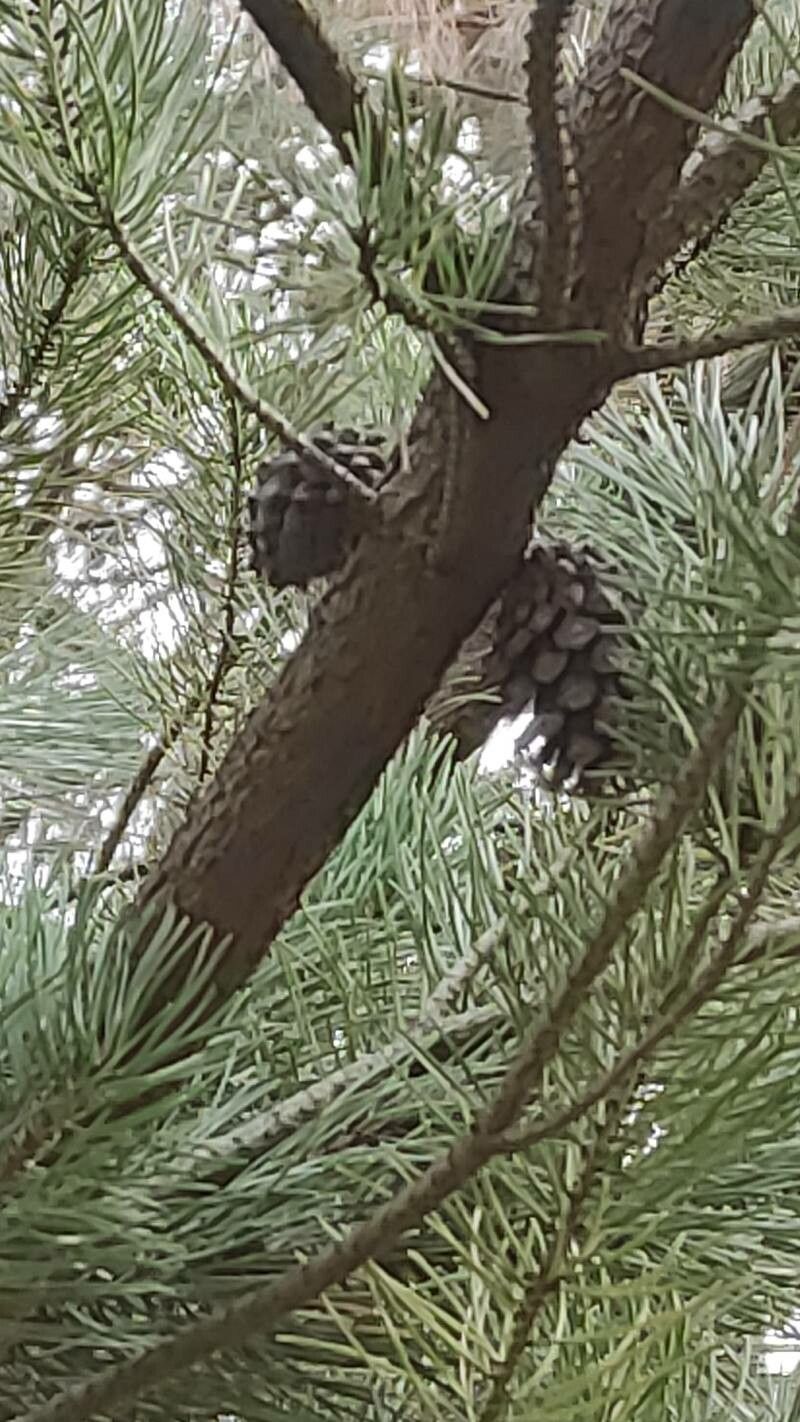
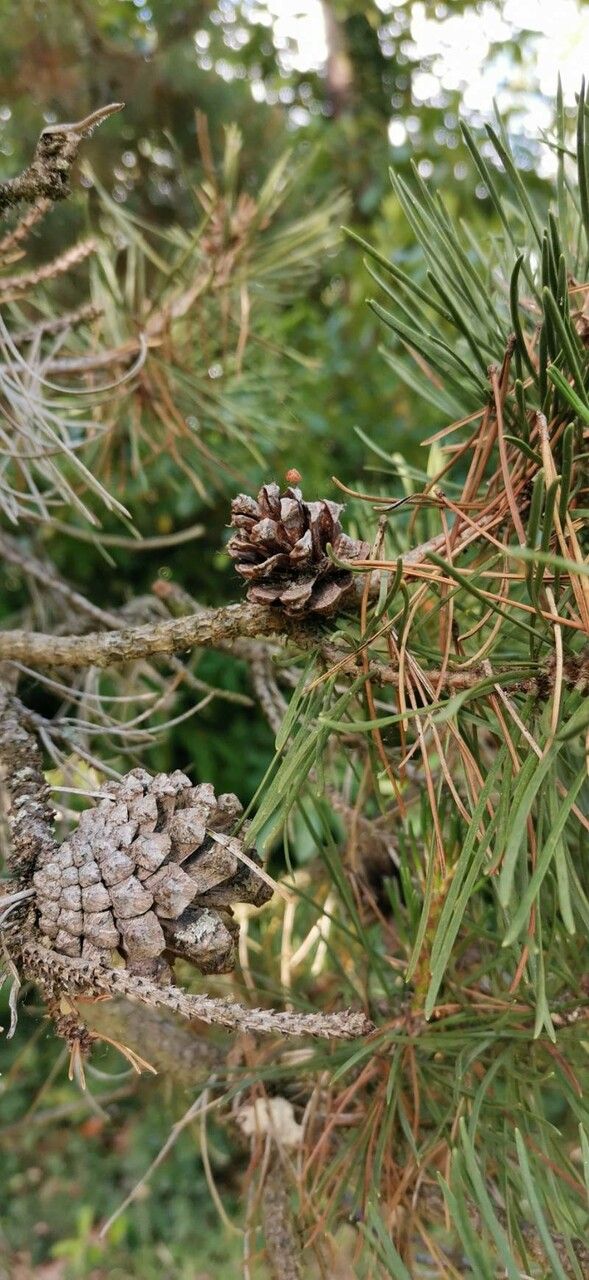
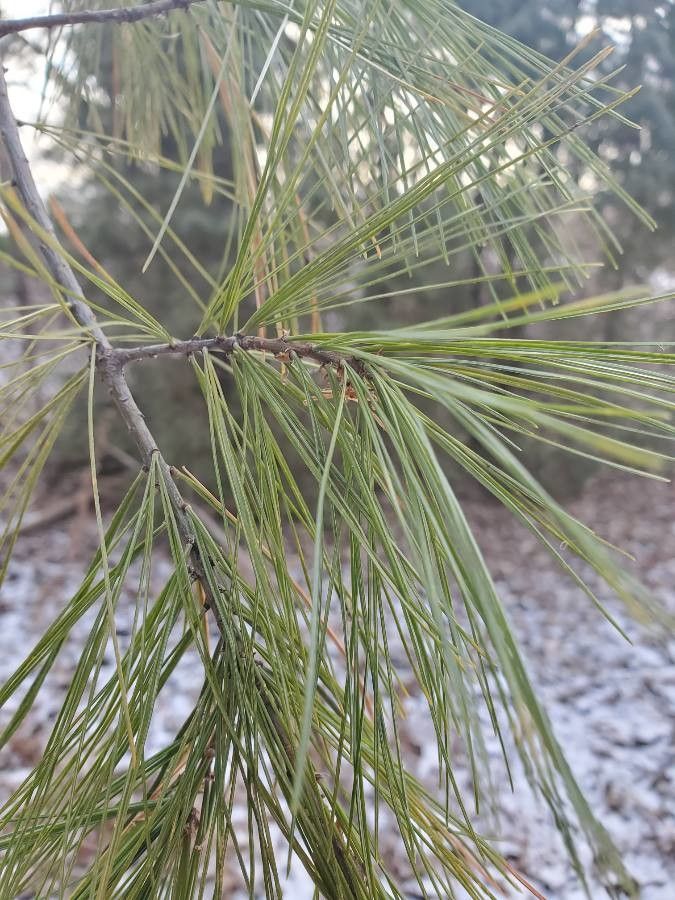
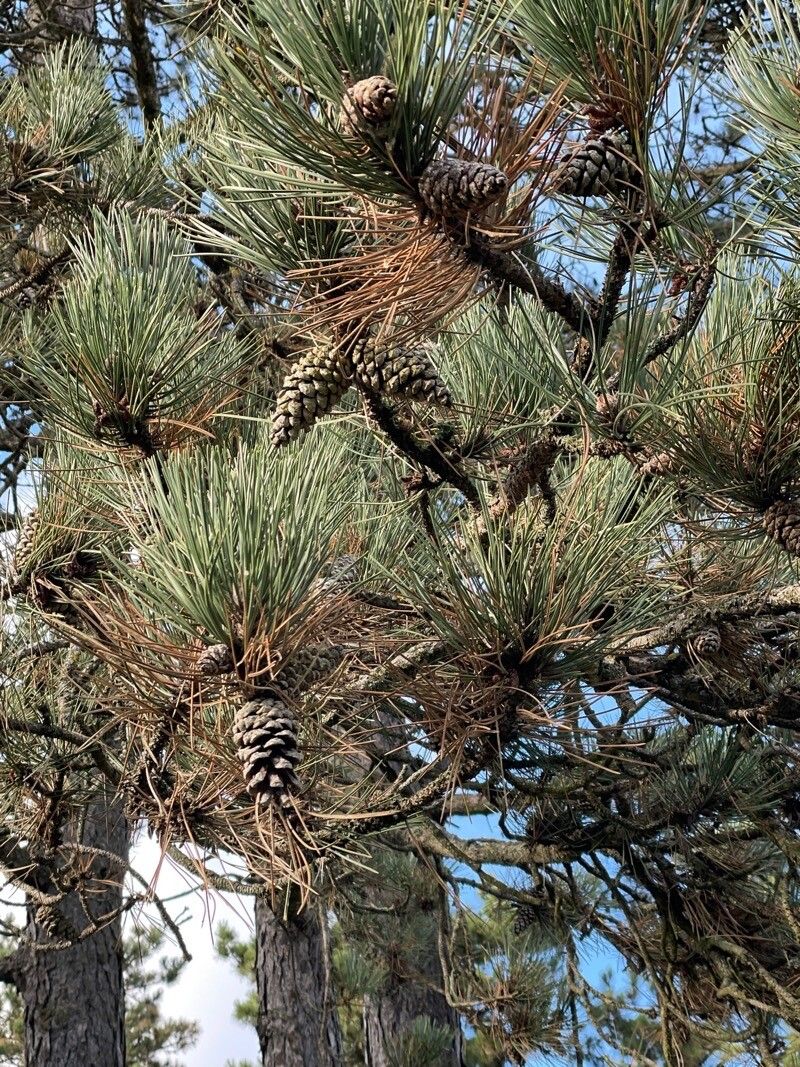
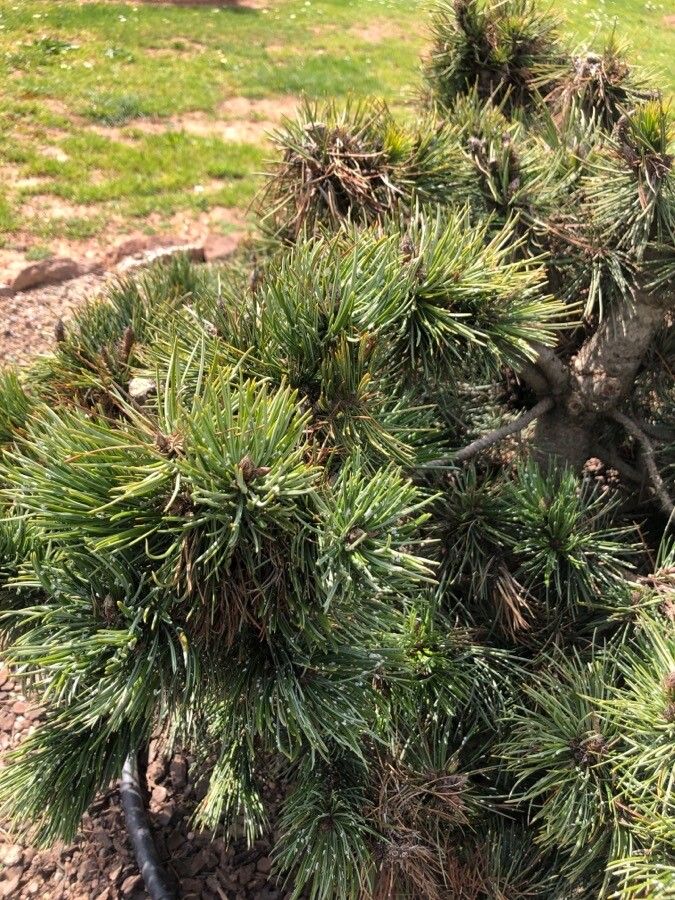
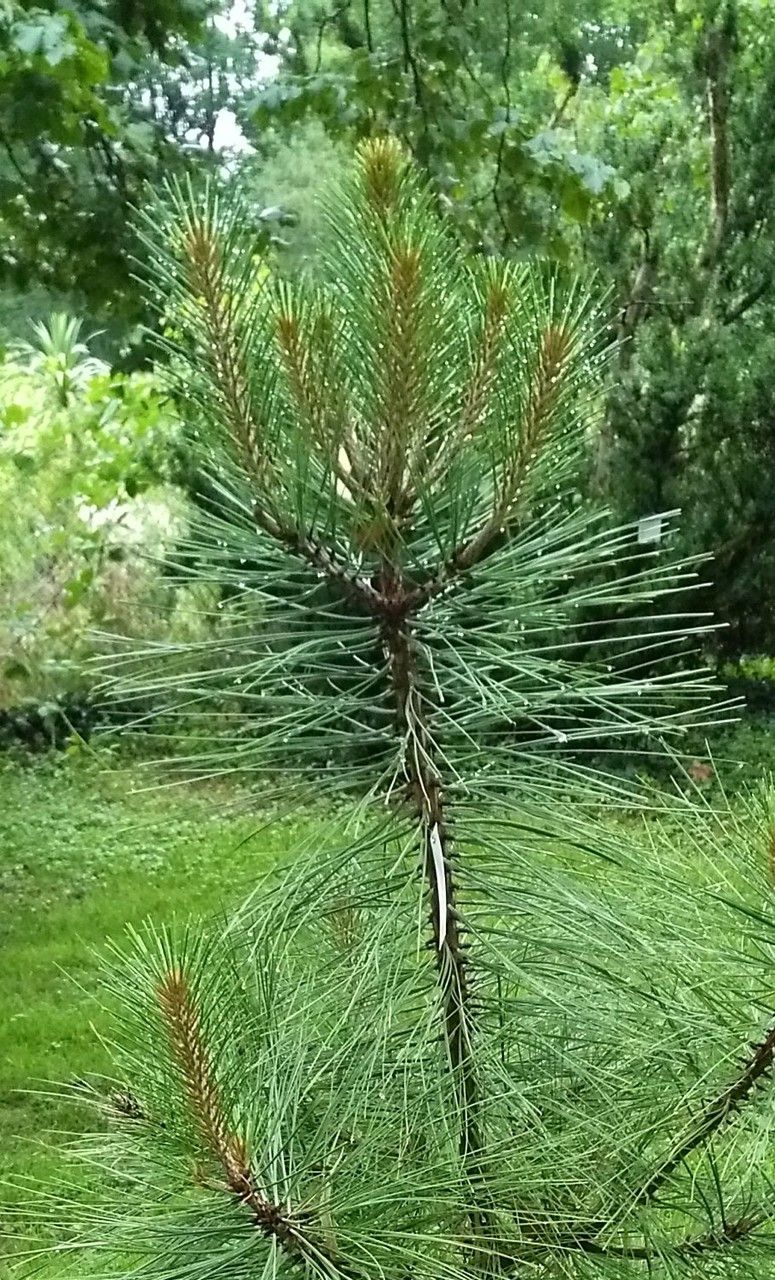
Pinus contorta, commonly known as lodgepole pine, is a species of pine tree native to western North America. This medium-sized evergreen can grow up to 30 meters tall and features a narrow, conical crown. The needles of the lodgepole pine are long and slender, ranging from 4 to 8 cm in length, and typically appear in pairs.
The bark of the lodgepole pine is thin, scaly, and reddish-brown. The species produces small cones, measuring 3 to 7 cm in length, with prickly scales that open when exposed to heat or fire.
Lodgepole pines thrive in well-drained soils at high elevations, from sea level up to 3,000 meters. They can tolerate cold temperatures and drought conditions, but struggle in areas with high humidity or excessive rainfall.
Ecologically, lodgepole pines provide habitat for various wildlife, including birds and small mammals, and serve as an important source of timber for commercial use. The seeds of this tree are also a crucial food source for many animals, such as squirrels and birds.
Overall, Pinus contorta plays vital ecological roles while also being commercially valuable, making it an essential species within its native range.
Lodgepole pine is fairly resistant to disease and is generally not susceptible to illnesses. In terms of care, this plant is relatively low-maintenance. When grown outdoors it needs little watering, and larger plants typically do not require pruning. Smaller plants, however, should be pruned after they have finished blooming. Lodgepole pine is suitable for anyone with outdoor space, such as a garden or deck, and does not demand extensive caregiving experience.
How to keep Pinus Contorta.
Light
Lodgepole pine performs best when it gets full sun all day, which supports its health and vigor. Its native environment is open, providing ideal sunlight. Although it can tolerate lower light, sustained reduced sunlight may hinder its growth. Both excessive and insufficient light can potentially damage the plant.
Water
Lodgepole pine thrives in subalpine areas, preferring moist, well-drained soils and showing resilience to drought. To mimic its natural environment, water the tree every two weeks. As an evergreen, it has needle-like leaves that minimize water loss through transpiration, helping conserve moisture in diverse climates.
Temperature
In its native growth environment, lodgepole pine is adapted to a broad temperature range of 10 to 32 ℃ (50 to 90 ℉). It favors cooler conditions but can tolerate hotter temperatures. In warmer seasons, it is recommended to provide adequate water and shade to prevent heat stress.
Fertilizer
Lodgepole pine has specific nutrient needs and does not require excessive fertilization. Applying fertilizer in spring is the best time to encourage optimal growth. Providing nutrients enhances its health, increases its resistance to pests and diseases, and helps support its long lifespan.
Pruning
Prune lodgepole pines from early to late winter, focusing on removing dead or damaged branches to improve growth and shape. Thinning helps increase air circulation and light penetration. To reduce the risk of disease and enhance the tree's structure, make cuts just outside the branch collar. For personalized advice, consult reputable sources.
Pot & Repot
When repotting Lodgepole pine, choose a pot 1-2 inches (2.5–5.1 cm) larger with ample drainage. Use a well-draining potting mix. Repot in spring or fall, ensuring that the root ball is slightly lower than the rim of the flower pot. Water thoroughly after repotting and place in a warm spot with indirect sunlight.
Botanical profile.
- Plant Type
- Tree
- Life Cycle
- Perennial
- Genus
- Pinus
- Family
- Pinaceae
- Hardiness Zone
- 6-8
- Mature Height
- 24.99 m
- Mature Spread
- 7.92 m
- Leaf Color
- Green, Yellow
- Leaf Type
- Evergreen
- Flower Color
- Yellow, Purple, Red, Lavender, Burgundy, Gold
- Bloom Time
- Early summer, Mid summer
- Planting Time
- Spring
- Harvest Time
- Mid summer, Late summer
- Native Area
- Western United States and Canada, Baja
Other names.
Reader questions.
How should I water my Lodgepole pine tree?
Watering your Lodgepole pine is a straightforward task. The simplest way is to use a garden hose to soak the soil slowly. This is especially ideal for mature trees that require a high volume of water. However, smaller trees can be watered using a watering can or other smaller tools. It's important to avoid overhead watering as excessive moisture on the leaves can lead to disease, especially in young trees.
Why is it necessary to add fertilizer to my Lodgepole pine?
Spring is the best time to fertilize Lodgepole pine for healthy growth. Considering the long lifespan of this plant, it requires proper support. By adding nutrients to the soil, its overall health can be enhanced, which will help it resist common pests and diseases that could hinder its growth or shorten its lifespan.
What are the sunlight requirements for Lodgepole pine?
Lodgepole pine requires full sunlight throughout the day to thrive, as this promotes its health and vigor. Originating from open environments, it is best suited for spots where it can receive optimal sun exposure. While it can tolerate some shade, reduced sunlight may impact its growth negatively. Full sun is described as receiving above 6 hours of sunlight, while partial sun refers to about 3-6 hours of sunlight daily. It's essential to observe your garden's sunlight patterns to ensure your Lodgepole pine gets the right amount of light.
What are the essential care instructions for Lodgepole Pine?
Lodgepole Pine (Pinus contorta) thrives in a wide range of temperatures, from 10 to 32°C (50 to 90°F), preferring cooler climates but capable of withstanding hotter temperatures. To avoid heat stress during warmer seasons, it's advisable to provide ample water and shade. It possesses strong cold resistance, negating the need for special frost protection in winter. However, for temperatures expected to plummet below -25°C, protective measures such as wrapping the trunk and branches with non-woven fabric are recommended. An abundant pre-freeze watering in autumn helps keep the soil moist, safeguarding against drought and water scarcity during winter and early spring.
What should I do if I give my Lodgepole pine tree too much or too little water?
Overwatering can happen if the soil doesn't drain well for your Lodgepole pine. If this is the case, you can improve drainage by amending the soil or moving the plant to a better location. If you have a potted Lodgepole pine, you might need to repot it in looser soil with better drainage. Overwatered plants are more likely to get diseases, so it's important to address any issues quickly. On the other hand, if your Lodgepole pine is underwatered, simply watering it more frequently will help it recover. To determine if your plant is overwatered, look at its foliage, specifically the new growth. Discolored or brittle new growth indicates too much moisture. Standing water or slow drainage in the growing area also suggests overwatering. Underwatered Lodgepole pines have sparse, brown leaves. Consider recent heavy rain or consistently high temperatures as possible causes for these symptoms.
When should I put fertilizer on my Lodgepole pine?
The growing medium may not provide sufficient nutrients for healthy growth. Yet, Lodgepole pine is unique compared to garden annuals and perennials, as it doesn't need excessive nutrients. To fertilize Lodgepole pine effectively, it is best done in the spring, before new growth emerges.
How can artificial lighting benefit indoor Lodgepole pines, and what are the guidelines?
Indoor Lodgepole pines can greatly benefit from artificial lighting, especially when natural sunlight is insufficient, like in winter or less sunny areas. Artificial lights, such as LED lights that offer specific wavelengths needed by plants, can promote faster and healthier growth. The guidelines for using artificial lighting include choosing the right amount of wattage based on the plant's sunlight needs (30-50W/sq ft for full sun plants, 20-30W/sq ft for partial sun, and 10-20W/sq ft for full shade), placing the light source 12-36 inches above the plant to mimic natural sunlight, and ensuring the light duration matches the natural daylight hours required by the species, typically 8-12 hours per day.
How should you care for a Lodgepole Pine in low temperatures?
Lodgepole Pine is adaptable to cold, favoring temperatures above 10°C and ideally kept above -15°C during winter. If temperatures drop below -25°C, the tree's branches may turn brittle and dry by spring, with no new shoots appearing. To mitigate this, in spring, it's advised to prune away any dead branches that haven't produced new leaves to encourage healthy growth.
How frequently should I give water to my Lodgepole pine tree?
A mature Lodgepole pine can survive on rainfall alone and doesn't require much water. During the hottest months, watering once a week may be necessary, but in other seasons, it may not need any additional watering. However, if the tree is newly planted, regular waterings are important to establish the roots. It's important to avoid overwatering because Lodgepole pines don't tolerate standing water. When unsure, it's safer to water less rather than too much.
When is the best time to not use fertilizer on my Lodgepole pine tree?
While some plants benefit from frequent fertilization, Lodgepole pine is not among them. This type of tree does not need excessive amounts of nutrients and overfertilization can actually harm it, leading to deterioration. It is advised to only apply fertilizer during the spring season, abstaining from doing so during the summer, fall, and winter. There's no need to add any fertilizer or organic matter to the soil during these latter seasons.
What are some symptoms of improper lighting conditions in Lodgepole pines?
Lodgepole pines can manifest various symptoms when exposed to improper lighting conditions. Symptoms of light deficiency include smaller new leaves, leggy or sparse growth, faster leaf drop, slower or halted growth, and lighter-colored or chlorotic new leaves. On the other hand, excessive sunlight may cause symptoms like sunscald, leaf curling, wilting, and leaf scorching. These symptoms indicate either a lack of or too much direct sunlight, affecting the plant's health, growth, and ability to photosynthesize efficiently.
What steps should be taken if a Lodgepole Pine experiences high temperatures?
During the summer, it's crucial to ensure Lodgepole Pine doesn't endure temperatures above 32°C. Exposure to temperatures over 35°C can lead to lighter-colored leaves, dry and withered tips, and increased susceptibility to sunburn. Addressing this involves trimming away sunburned and dried sections and relocating the plant to a shaded area or using a shade cloth to protect it from midday and afternoon sun. Additionally, watering the plant in the morning and evening will help maintain soil moisture and prevent heat stress.