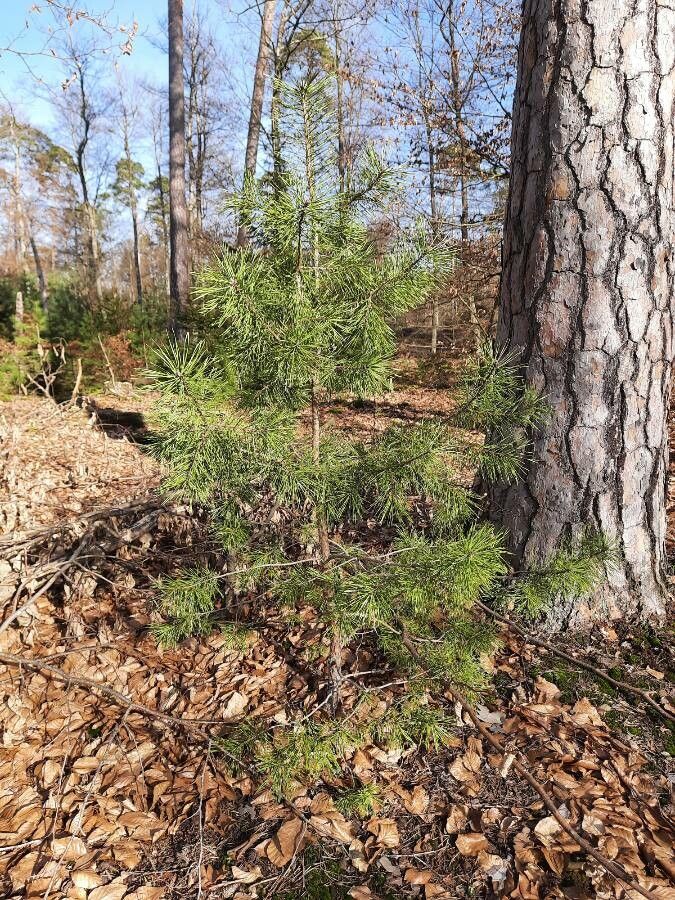
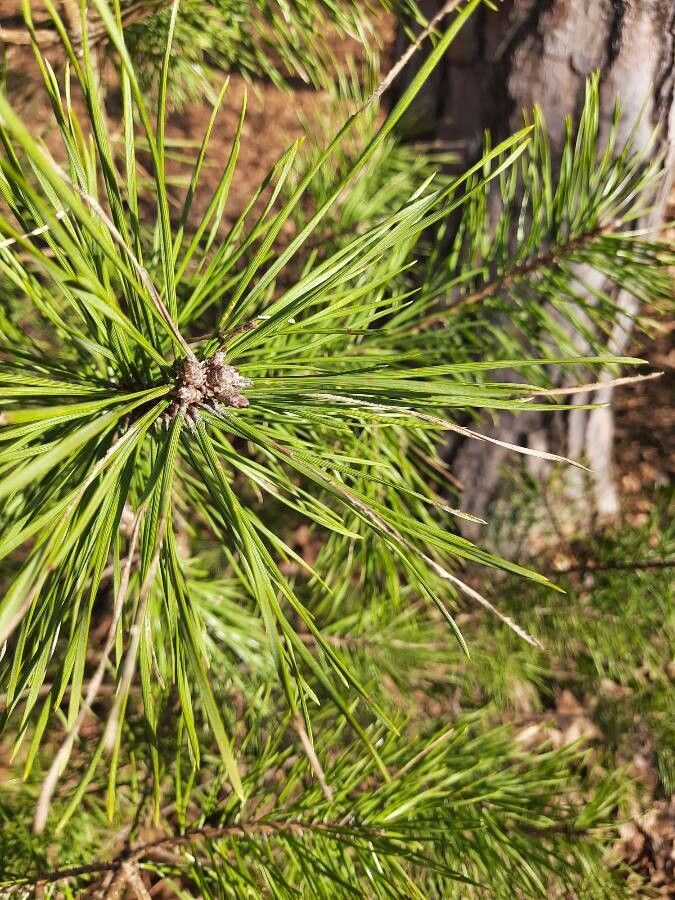
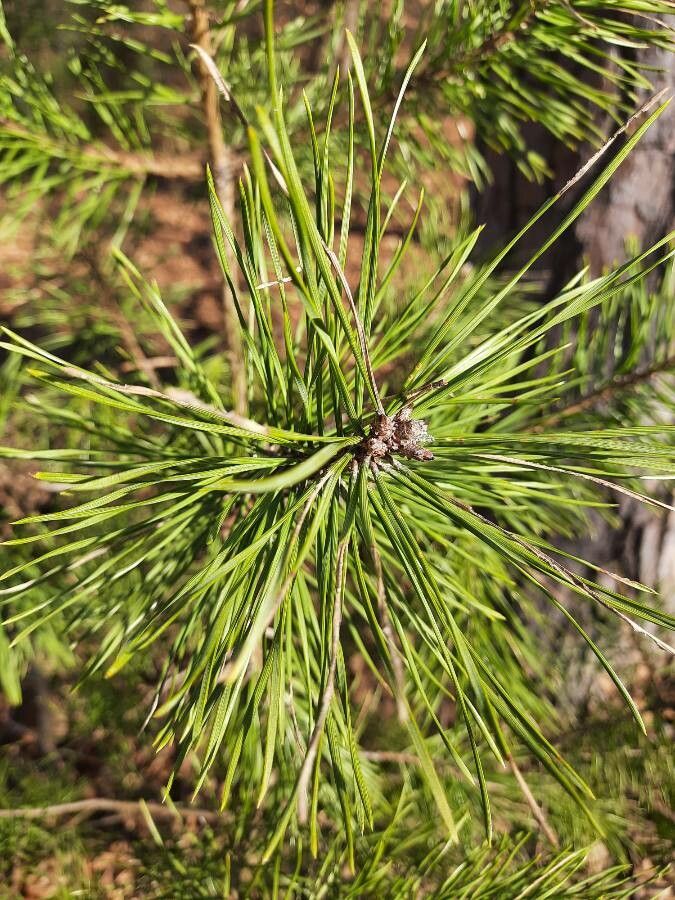
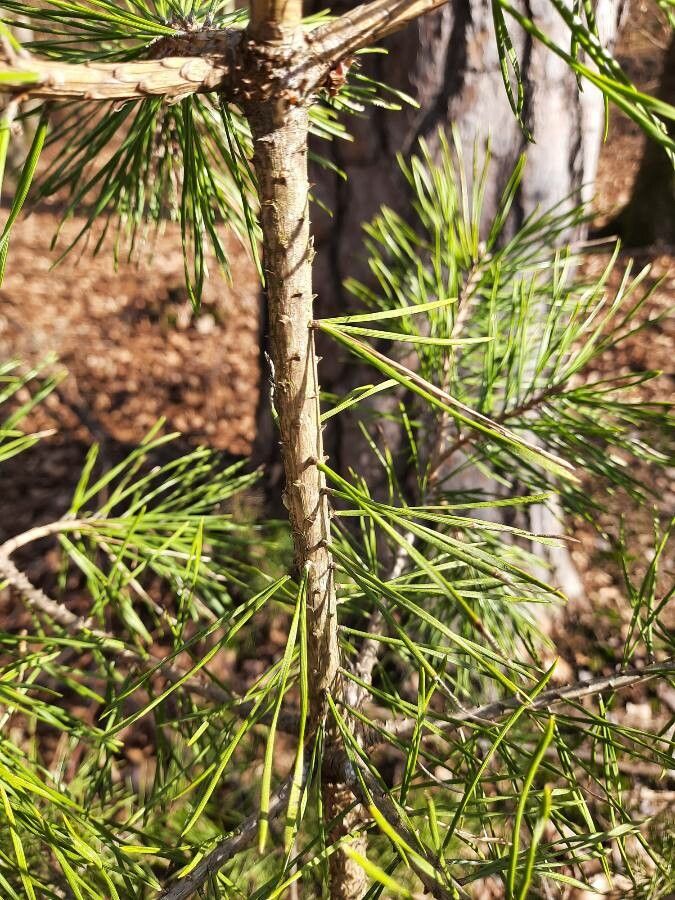
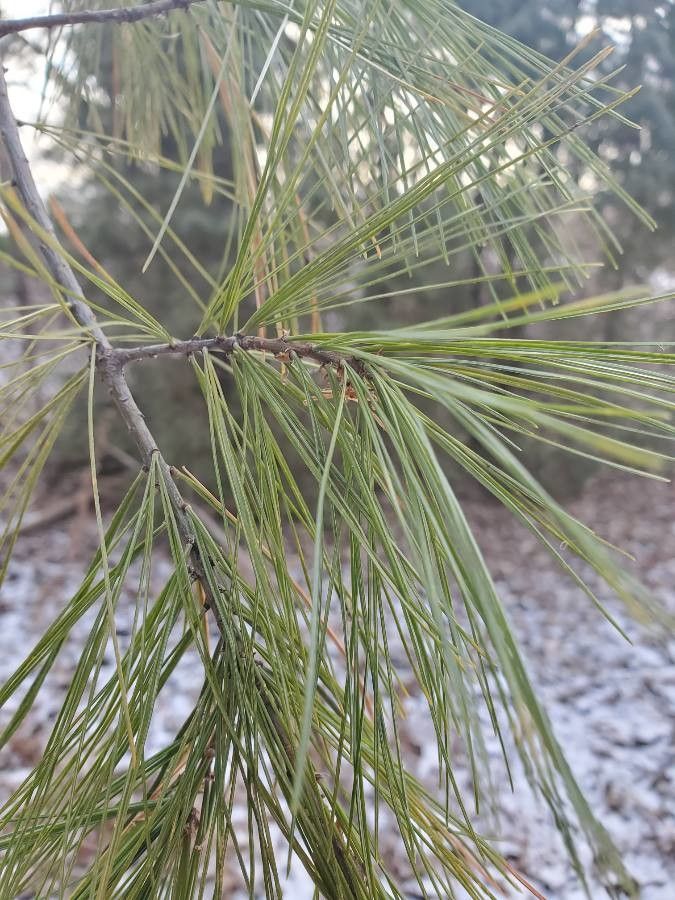
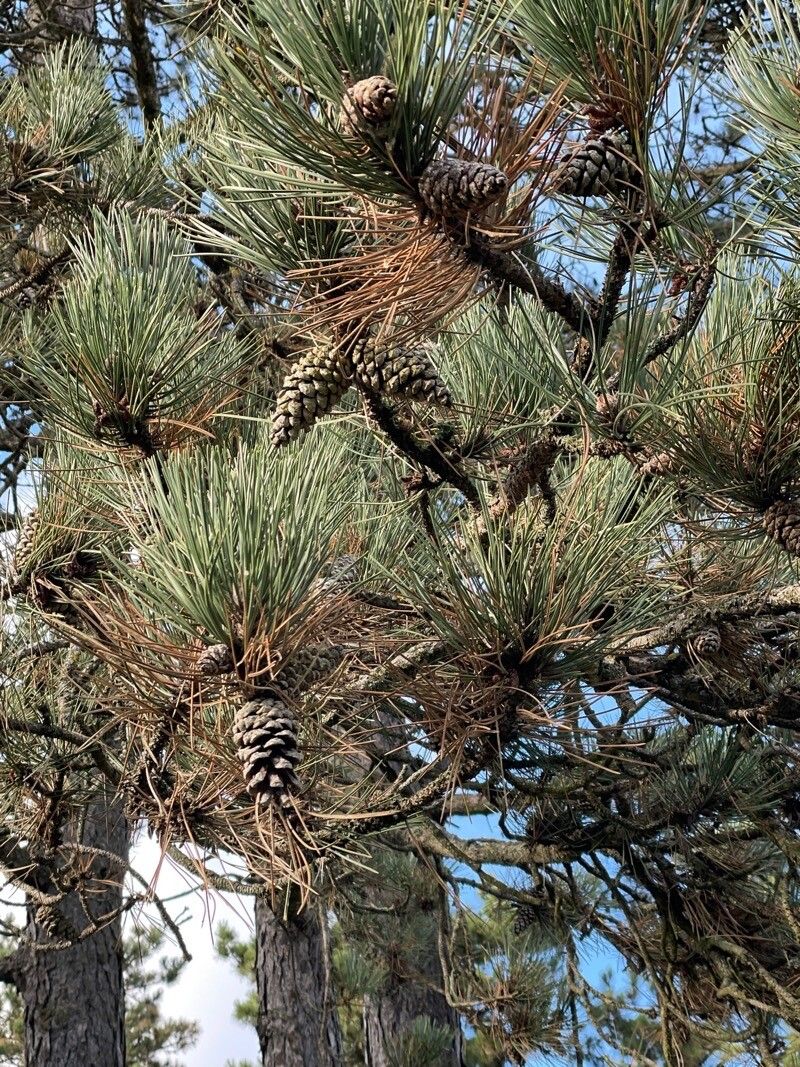
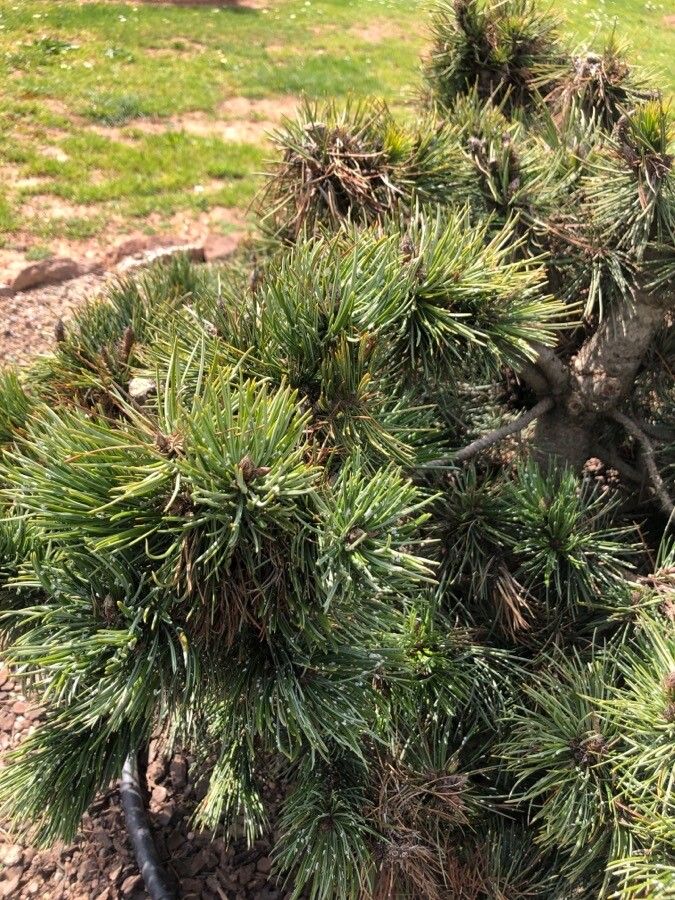
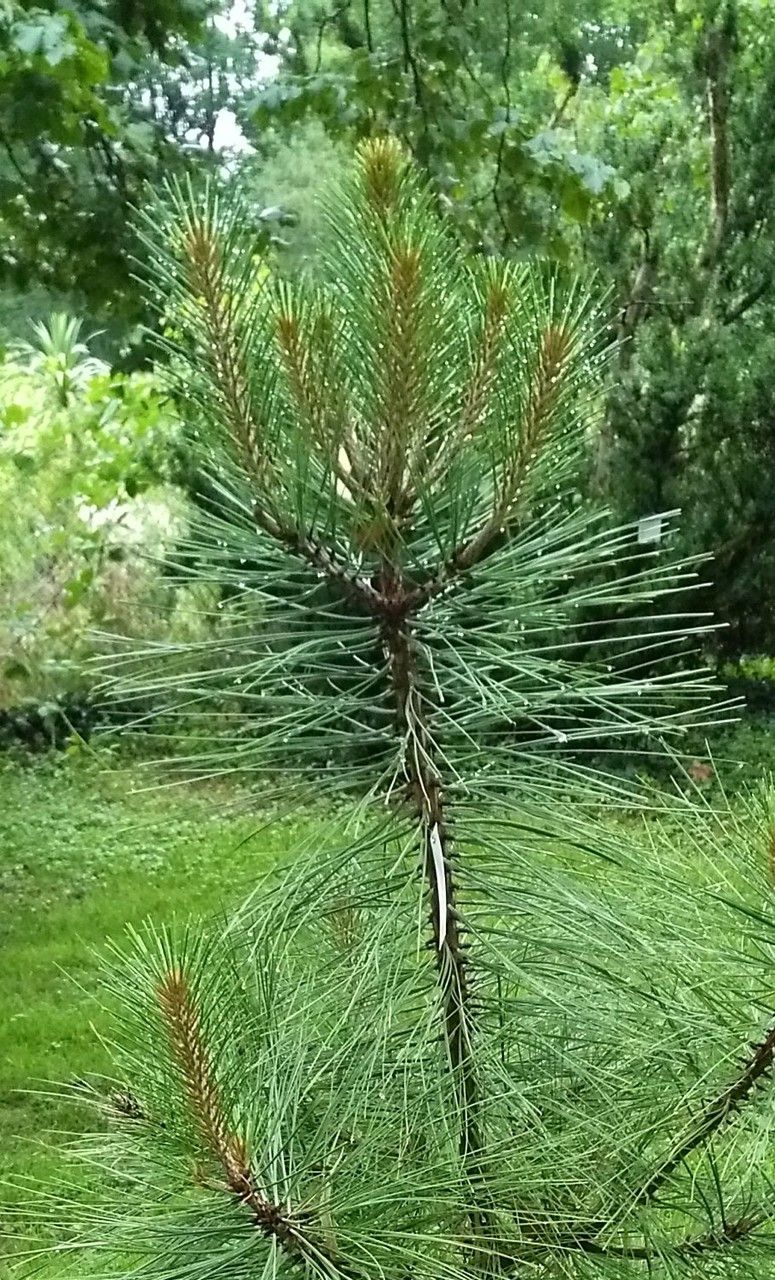
Pinus clausa is a species of pine endemic to the Southeastern United States. Its common names include sand pine, Florida spruce pine, Alabama pine, and scrub pine.
Sand pine is resistant to disease and is generally not prone to illness. In terms of care, this plant is fairly low maintenance. Planted outdoors, it needs only minimal watering, and larger specimens usually do not require pruning. Smaller plants, however, should be pruned after they have finished blooming. Sand pine is suitable for anyone with outdoor space, such as a garden or deck, and does not require much experience in plant care.
How to keep Pinus Clausa.
Light
The sand pine grows best when it receives abundant sunlight throughout the day. That said, it can tolerate environments with less light than it prefers. Both too little and too much light can affect its health and growth. Its native habitats are usually places with plenty of sun.
Water
Sand pine is well-suited to sandy soils and can thrive with minimal water, demonstrating excellent drought tolerance. It prefers dry conditions, which can be maintained by watering it every one to two weeks. Typically found in outdoor environments, sand pine prospers in fire-prone areas. It benefits from the rainfall that often follows fires, synchronizing its growth cycle with these natural changes.
Temperature
Sand pine naturally grows throughout the southeastern United States, where temperatures typically range from 60 to 90 ℉ (15 to 35 ℃). It prefers temperatures within that band and can tolerate fluctuations. In the warmer months, providing shade and water is recommended to prevent extreme heat stress. In winter, the plant can withstand temperatures below freezing.
Fertilizer
Sand pine has specific nutrient needs and does not require heavy fertilization. Spring is the best time to apply fertilizer for optimal growth. Providing nutrients improves its health, increases its resistance to pests and diseases, and helps maintain its long lifespan.
Pruning
Sand pine is a fast-growing tree characterized by its dense foliage and multiple trunks. To promote healthy growth and prevent disease, prune it in winter while the tree is dormant. This timing helps you shape the tree and remove overcrowded branches, which enhances air circulation. Always use clean, sharp tools for pruning to maintain the tree's health and ensure structural stability.
Pot & Repot
When repotting Sand pine, select a pot 1–2 inches (2.5–5.1 cm) larger with ample drainage. Use a well-draining potting mix. Repot in spring or fall, making sure the root ball sits slightly lower than the rim of the flower pot. Water thoroughly after repotting and place it in a warm spot with indirect sunlight.
Botanical profile.
- Plant Type
- Tree
- Life Cycle
- Perennial
- Genus
- Pinus
- Family
- Pinaceae
- Hardiness Zone
- 7-10
- Mature Height
- 4.88 m to 21.03 m
- Mature Spread
- 6.1 m to 7.62 m
- Leaf Color
- Green
- Leaf Type
- Evergreen
- Flower Color
- Yellow, Green, Purple, Lavender, Gold
- Flower Size
- 2.54 cm to 5.08 cm
- Bloom Time
- Late spring, Early summer
- Planting Time
- Spring, Summer, Autumn
- Harvest Time
- Mid summer, Late summer, Early fall
Other names.
Reader questions.
What are the sunlight requirements for a sand pine?
The sand pine requires full sun, meaning it thrives best with over 6 hours of sunlight daily. However, it can also tolerate partial sun conditions, which is about 3-6 hours of sunlight. To ensure your sand pine's happiness and health, observe how sunlight moves through your garden over time and choose spots that offer a balance of light and shade appropriate for the plant. It is important to note that both deficiency and excess of light can impact the sand pine's health and growth.
What temperatures can sand pine tolerate, and what are the essential care tips for its native growth environment?
Sand pine, known botanically as Pinus clausa, thrives in its native environment in the southeastern United States, tolerating temperatures ranging from 60 to 90°F (15 to 35°C). This plant prefers temperatures within this range and can handle fluctuations. To protect it from extreme heat stress during warmer seasons, providing shade and ample water is advisable. During winter, sand pine exhibits strong cold resistance and generally does not require special frost protection, except if temperatures are expected to dip below -15°C. In such cold conditions, protecting the plant by wrapping its trunk and branches with non-woven fabric or cloth is beneficial. Additionally, watering the plant abundantly before the first freeze in autumn to keep the soil moist helps prevent drought and water scarcity during the cold months.
What are the essentials for growing a sand pine?
Sand pines thrive best in environments with abundant exposure to sunlight throughout the day, making them ideal for native habitats rich in sun. However, they can also withstand lower levels of sunlight than preferred. When indoor conditions have insufficient natural sunlight, especially during winter or in less sunny spaces, artificial lighting can be used to support the plant's growth. Indoor plants benefit from LED lights as they can be customized to provide specific wavelengths needed by the plant. The amount of artificial light needed varies: full sun plants require 30-50W per square foot, partial sun plants need 20-30W per square foot, and full shade plants need 10-20W per square foot. Placement of artificial lights should be 12-36 inches above the plant, mimicking natural sunlight. Duration is also important, with most plants benefiting from 8-12 hours of light per day.
How does low temperature affect sand pine, and what are the solutions?
Sand pine is cold-tolerant and performs best when temperatures stay above 15°C. Keeping it above -10°C during winter is crucial. Exposure to temperatures below -15°C might not show immediate damage during the winter, but come spring, the branches may turn brittle and dry, with no new shoots emerging. The solution to combat these effects includes pruning away any dead branches that have failed to produce new leaves in the spring, aiding the plant in recovery and promoting new growth.
What are signs of insufficient or excessive sunlight in a sand pine?
Sand pines show specific symptoms when the light conditions are not optimal. Signs of insufficient sunlight include small leaves, leggy or sparse growth, faster leaf drop, slower or no new growth, and leaves that are lighter in color or exhibit chlorosis (yellowing). Excessive sunlight can lead to symptoms like sunscald, which damages plant tissue, leaf curling as a defense mechanism to reduce water loss, wilting from excessive water loss, and leaf scorching characterized by brown, dry edges on leaves. Monitoring these symptoms can help in adjusting the plant's exposure to sunlight.
What impact does high temperature have on sand pine, and how can these effects be mitigated?
During the summer, it's important to ensure that the sand pine's temperature does not exceed 35°C. Temperatures above 41°C can cause the leaves to lighten in color, with tips becoming dry and withered. Additionally, the plant may become more prone to sunburn under such conditions. To mitigate the effects of high temperatures, affected parts should be trimmed away. Relocating the plant to a shaded area during the midday and afternoon sun or using a shade cloth can offer protection. It's also beneficial to water the plant in the morning and evening to maintain soil moisture and support the plant's well-being.
How can I address insufficient or excessive sunlight exposure for a sand pine?
To address light-related issues in sand pines, consider adjusting the plant's exposure to sunlight. For indoor plants, gently move them to a sunnier location weekly until they receive at least 6 hours of direct sunlight daily. Utilize south-facing windows and keep curtains open for maximum exposure. If moving the plant isn’t feasible, or for additional support, use artificial lighting for at least 8 hours daily. Outdoor plants should be gradually moved to sunnier spots to avoid shock and sunburn. If the plant is surrounded by obstructions like trees, consider pruning to improve sunlight access. For smaller plants or when sunlight is severely obstructed, transplanting during the dormant period (late winter or early spring) to a sunnier location with good drainage may be necessary. Remember, affected parts of the plant might not recover, but new growth should be healthy with improved light conditions.