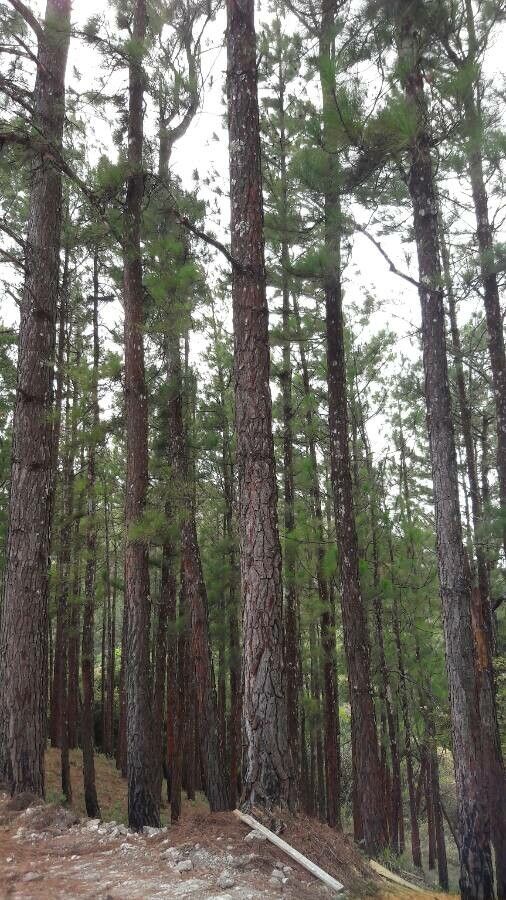
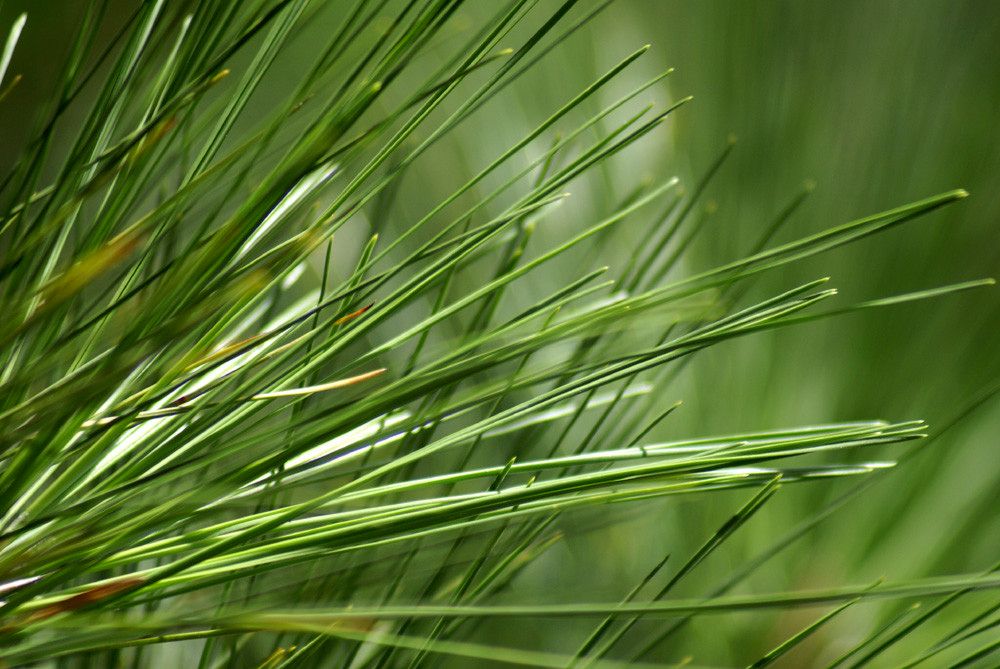
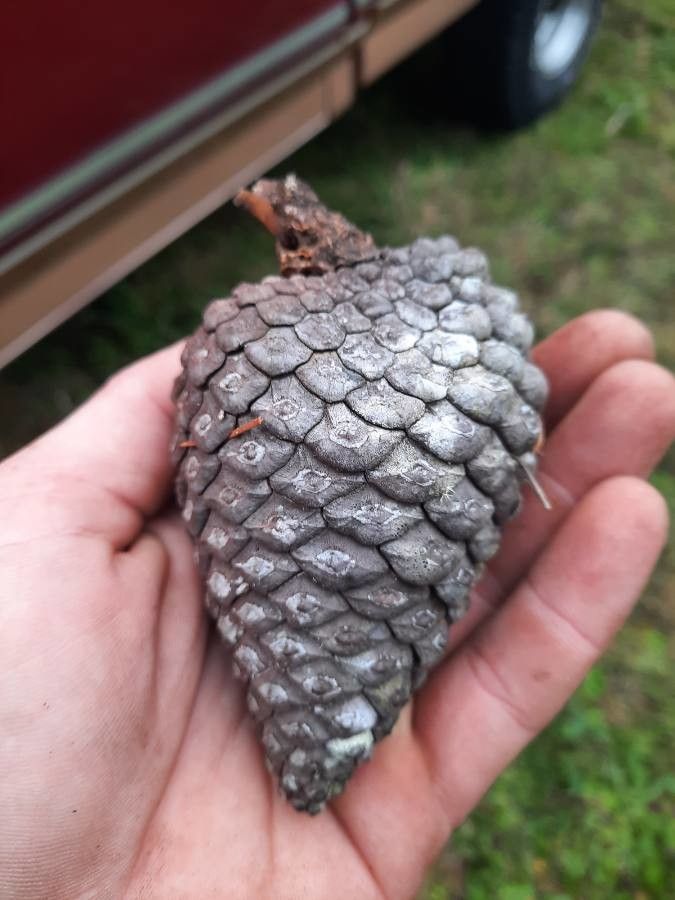
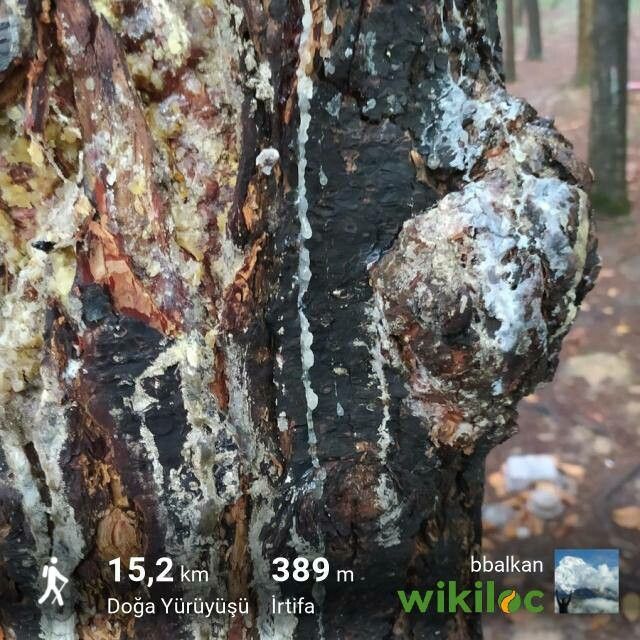
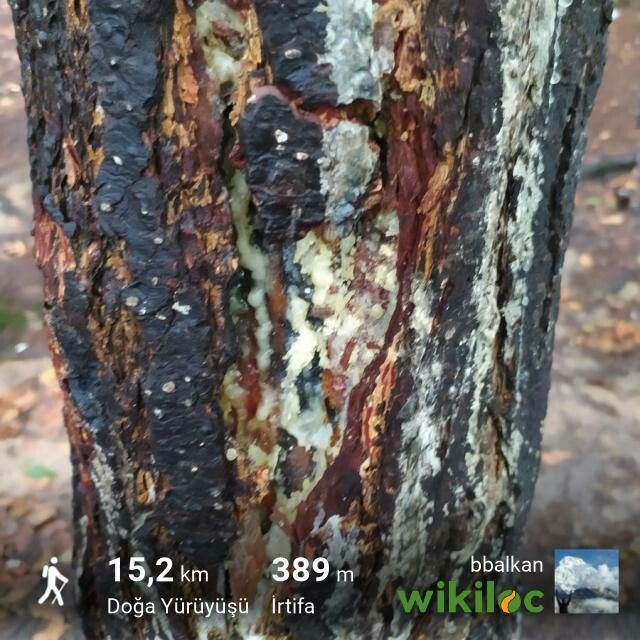
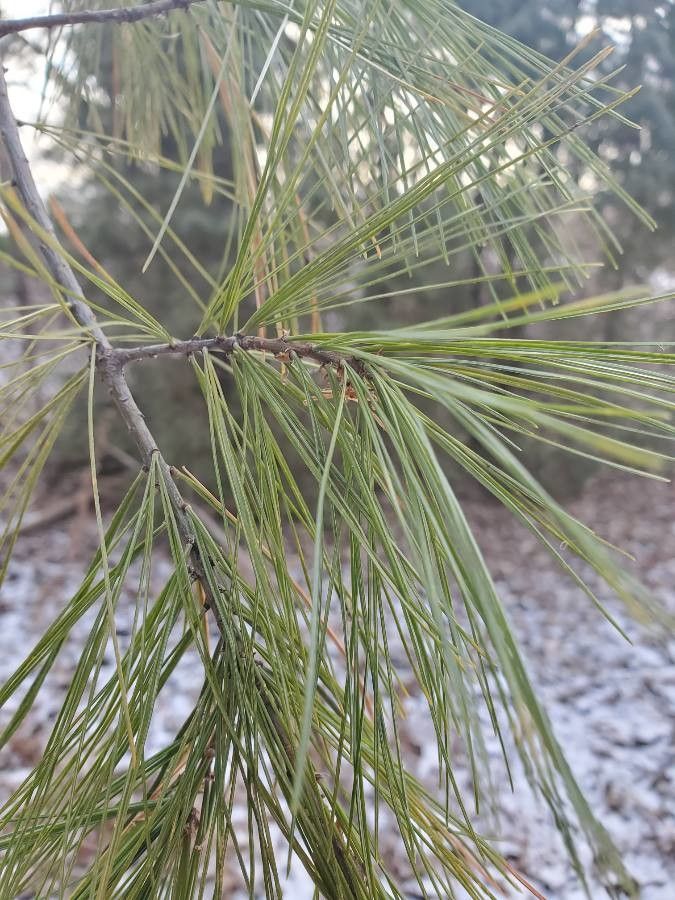
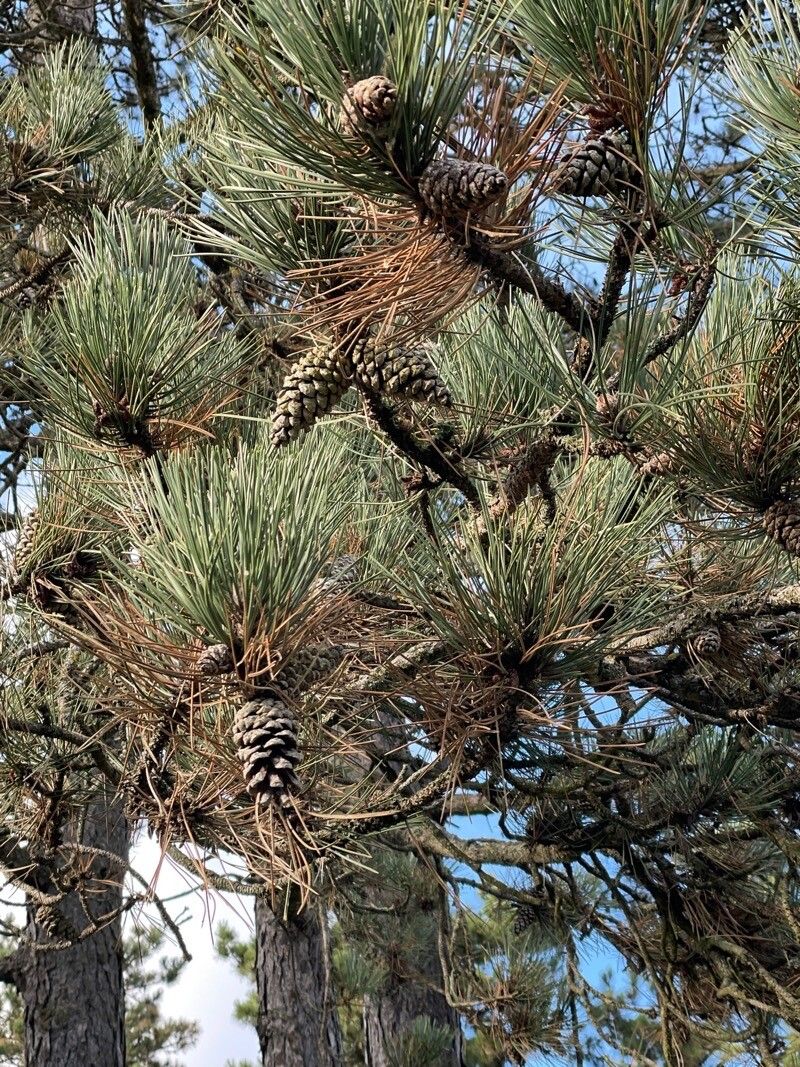
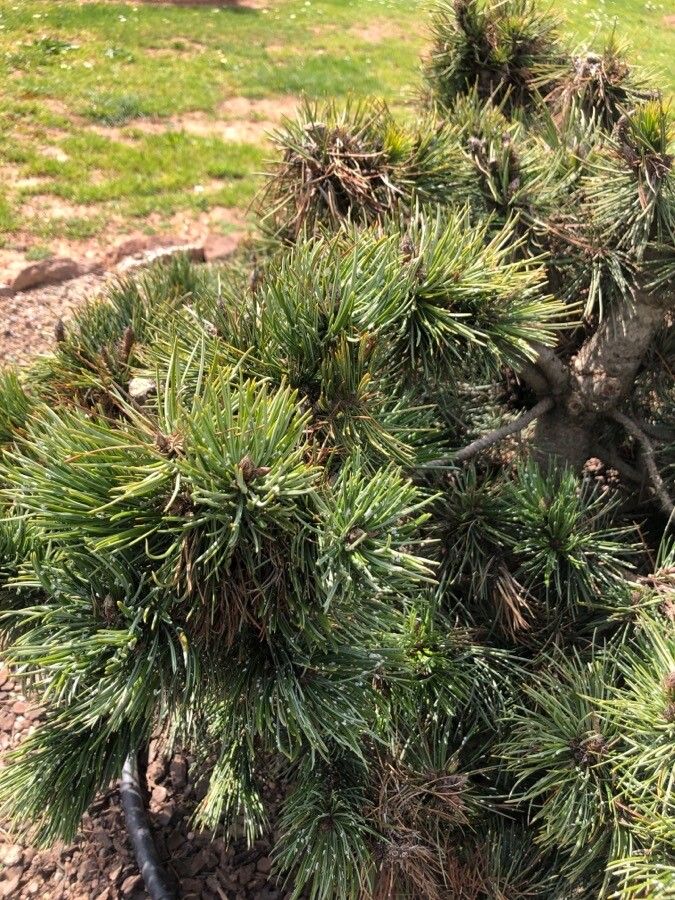
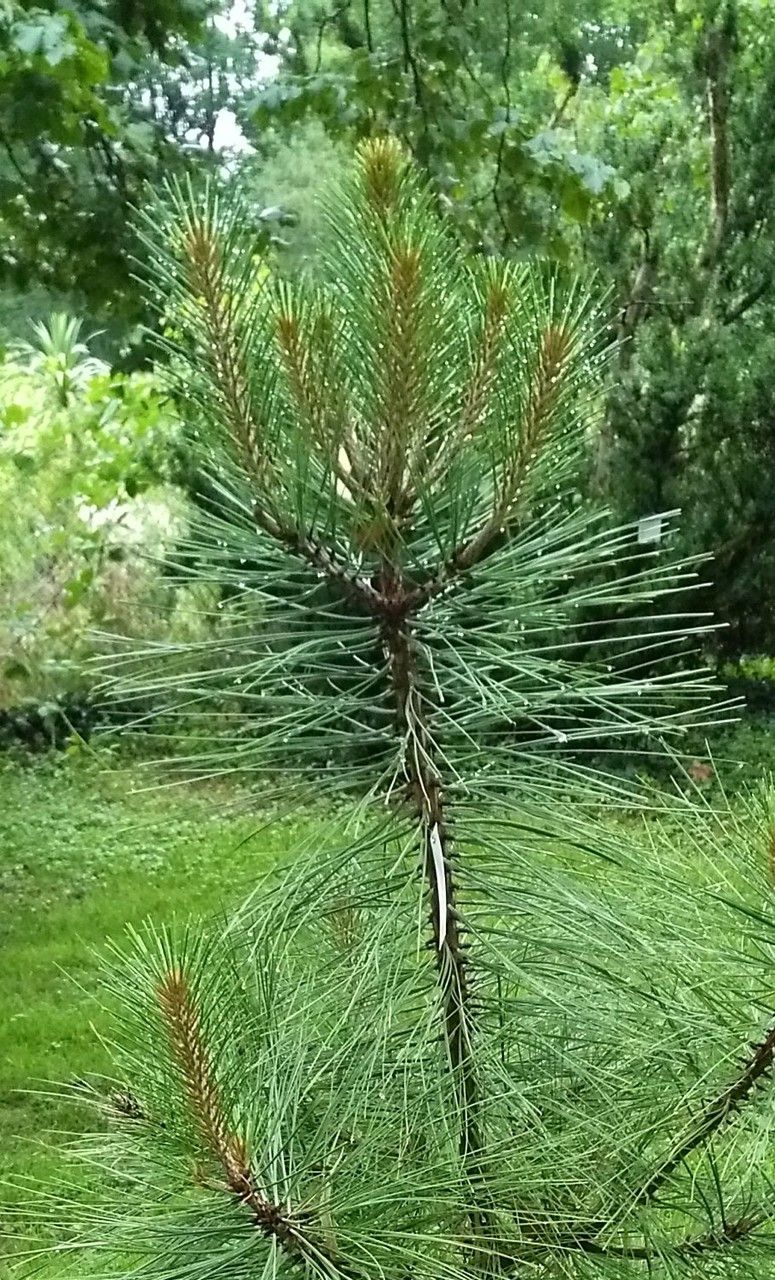
The Caribbean pine (Pinus caribaea) is a hard pine species native to Central America and the northern West Indies (in Cuba, the Bahamas, and the Turks and Caicos Islands). It belongs to subsection Australes in subgenus Pinus. It inhabits tropical and subtropical coniferous forests such as Bahamian pineyards, in both lowland savannas and montane forests.
Caribbean pine is resistant to many diseases and is typically not susceptible to them. As for care, this plant is fairly low-maintenance. Planted outdoors it needs only minimal watering, and larger specimens usually do not require pruning. Smaller plants, however, should be pruned after they finish blooming. Caribbean pine suits anyone with an outdoor area, such as a garden or deck, and does not demand extensive plant-care experience.
How to keep Pinus Caribaea.
Light
The Caribbean pine originates in open habitats, such as bright meadows and forest margins, which provide plenty of light. It does best in full sun but can also endure partial sun, adapting well to different light levels.
Water
To ensure optimal growth for newly planted Caribbean pines during hot weather, water them twice a day. Avoid watering at midday to prevent root damage. Once mature, Caribbean pines are drought-resistant and only need watering when the soil is dry. For indoor potted Caribbean pines, mist the leaves twice daily. Be cautious not to overwater, as this can lead to root rot.
Temperature
Caribbean pine comes from tropical areas, where the climate is generally warm and humid. Therefore, it is adapted to high heat and moisture. It does not tolerate sudden temperature shifts and prefers a steady thermal environment, so avoiding temperature fluctuations indoors is important. It usually cannot endure cold conditions and needs higher temperatures to grow. If the ambient temperature falls too low, the plant may stop growing or even die.
Fertilizer
Caribbean pine has specific nutrient needs and does not require heavy fertilization. Spring is the best time to fertilize for optimal growth. Providing nutrients improves its health, increases resistance to pests and diseases, and helps support its long lifespan.
Pruning
Pruning Caribbean pine in early spring is crucial for encouraging healthy growth. Begin by removing any dead or damaged branches to increase air circulation and allow better access to sunlight. Additionally, shape the tree to achieve your desired size. This practice not only improves foliage density but also reduces the risk of pests and diseases, facilitating a quick recovery during the growth phase.
Botanical profile.
- Plant Type
- Tree
- Life Cycle
- Perennial
- Genus
- Pinus
- Family
- Pinaceae
- Hardiness Zone
- 10-12
- Mature Height
- 20.12 m to 29.87 m
- Mature Spread
- 10.06 m to 14.94 m
- Leaf Color
- Dark Green
- Leaf Type
- Evergreen
- Bloom Time
- Late winter, Early spring
- Planting Time
- Spring, Summer
- Harvest Time
- Late summer, Early fall, Mid fall
- Native Area
- Bahamas, Belize, Cuba, Honduras, Mexico, Guatemala, El Salvador, Nicaragua
Other names.
Reader questions.
What are the sunlight requirements for Caribbean pine (Pinus caribaea)?
Caribbean pine, also known as Pinus caribaea, thrives in areas that receive full sun, meaning above 6 hours of sunlight daily. However, it can also tolerate partial sun, which amounts to about 3-6 hours of sunlight. It's important to observe how sunlight traverses your garden throughout the day to ensure that you select locations that provide an optimal mix of light and shade. This careful selection will promote the well-being of your Caribbean pine.